The Longevity Edit
 Facebook ad: “Everyone with artery plaque needs to read this”
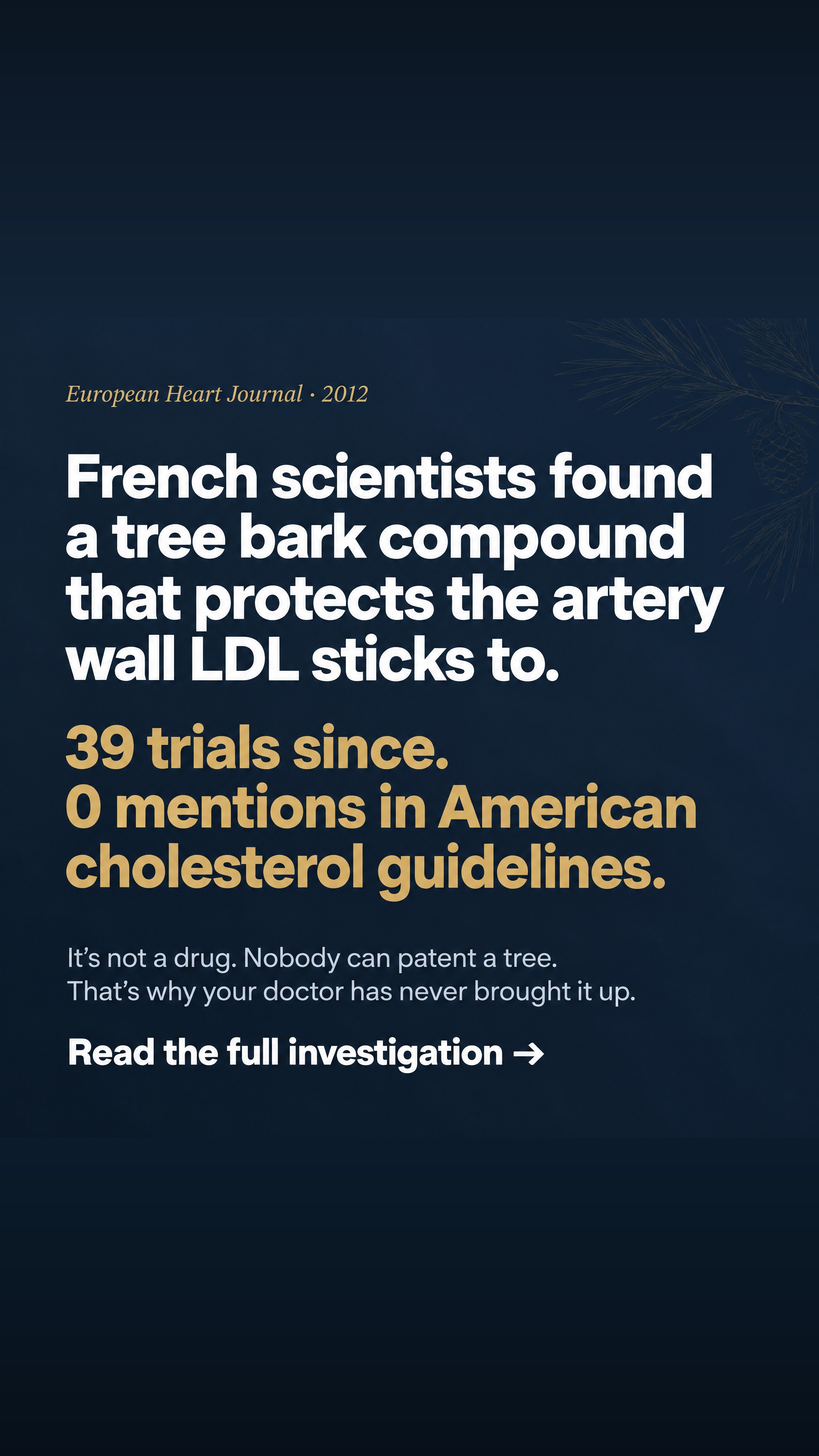
Ran for 8 days, from October 5 to October 13, 2026, the last day Crush saw it.
Run by The Longevity Edit on Facebook. Crush is not the advertiser and does not verify its claims. See this ad in Meta's Ad Library(opens in a new tab)
Make your own version of this ad
Crush makes it, launches it in your own Meta ad account, scales the winners and pauses the losers.
About this ad
- Meta Ad Library ID
- 1805012600539382
- Platforms
- Facebook and Instagram
- Relaunches
- 0
Ad text
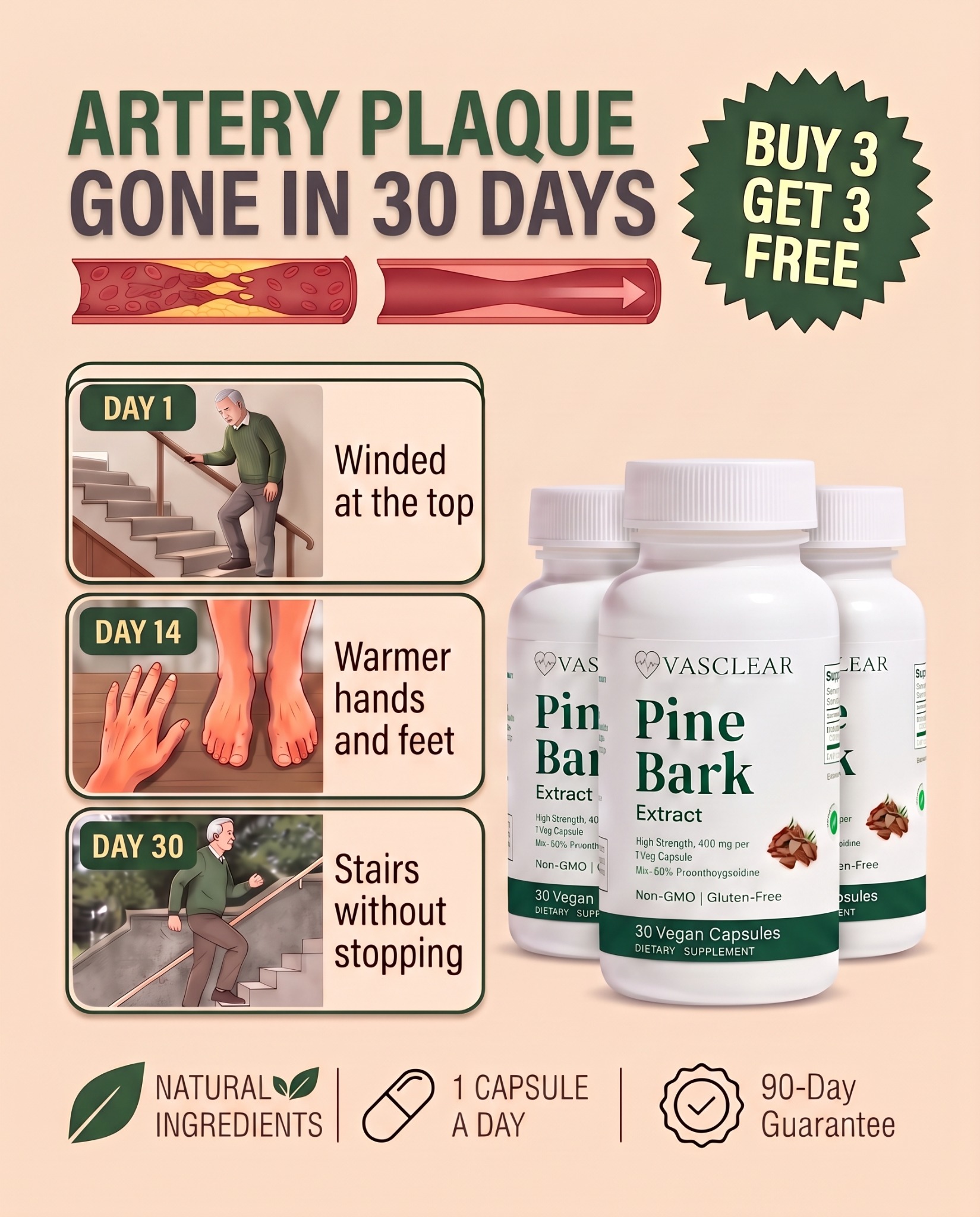
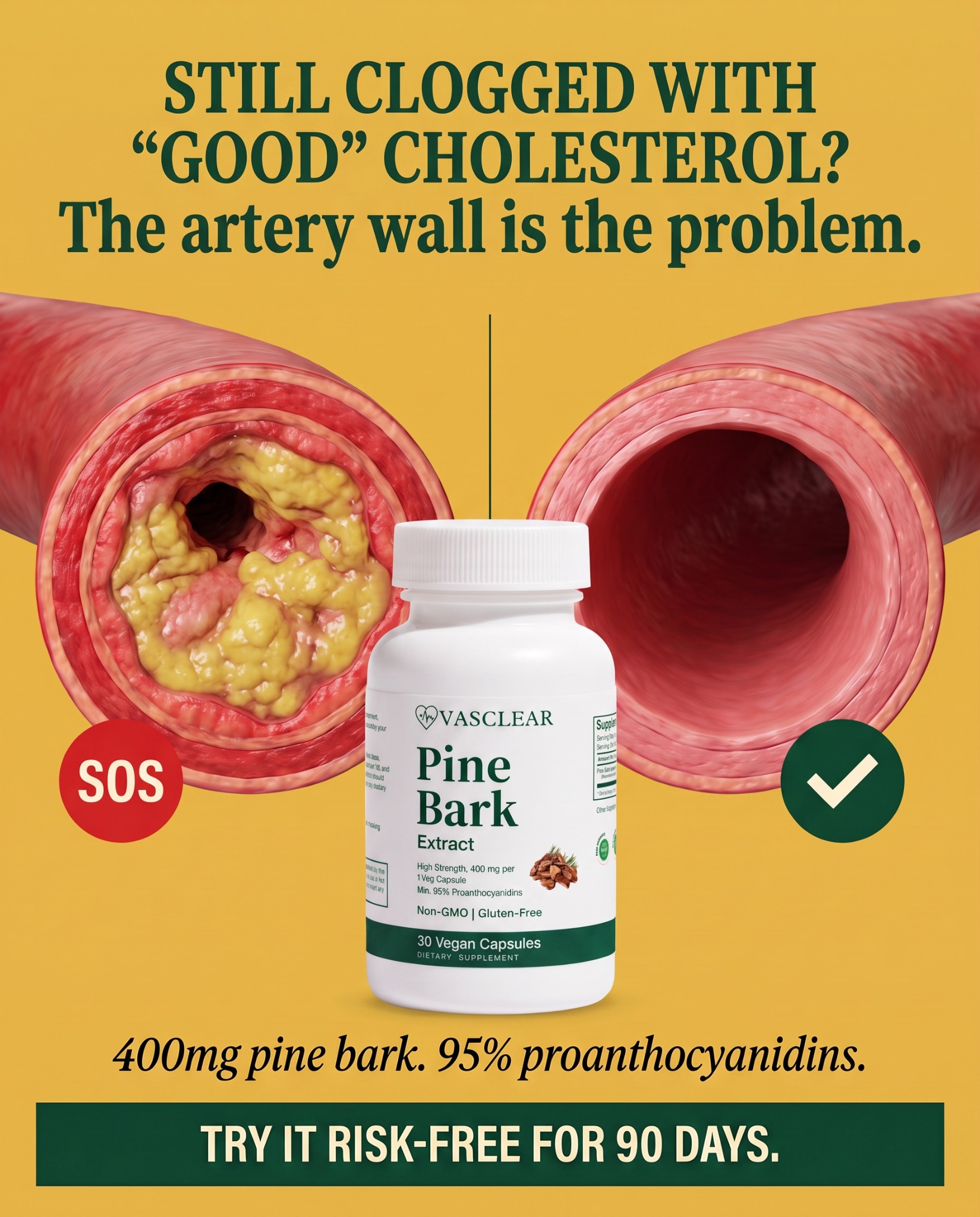
France and America use the exact same statin drugs for high cholesterol. France has half the heart attack deaths. Two years ago I finally found out why, and it had nothing to do with diet, genes, or the drug itself. My name is Frank. I'm 61. I taught high school history in Akron, Ohio for 34 years. I'm not a doctor. I don't write about health. I'm a guy who watched his dad have a heart attack at 64, while he was on the pill that was supposed to stop it. I wanted to know how that could happen. Nobody explained it to me until I was sitting in my car in a hospital parking garage, reading photos of a magazine article on my phone. What I read in that garage is the reason a prescription is still sitting unfilled in my glovebox. But first you need to know what my numbers were doing. My first high cholesterol test was at 54. LDL 148. My doctor called it "borderline." She told me to cut the fat and walk more. So I cut the fat and walked more. At 56 it was 158. She said "trending up." At 57 it was 163. She said "we should talk about statins." I said not yet. At 58 it was 167. So I started on supplements. CoQ10 first. Doctor's Best, 200mg, $28 a month off Amazon. After 4 months my LDL was 164. It moved 3 points. Then I added Nature Made fish oil. $22 a month. After 4 more months it was 161. Then Life Extension Super Ubiquinol, the fancy kind of CoQ10. $48 a month. I was spending $98 a month on pills. After 5 more months it was 158. At 59 it was back up to 166. At 61 it was 181. My doctor stopped saying "maybe" and started saying "necessary." She gave me 90 days and said she'd write the prescription whether I filled it or not. So I had 90 days. I had no idea what to do with them, until I sat in her waiting room and picked up that magazine. The article asked a question I had never heard before. France and America have about the same amount of high cholesterol. Both treat it with the same drugs. Statins. Both have done it since the late 1980s. France's heart disease death rate is 78 per 100,000 people a year. America's is 163. There are 39 trials on this sitting in European medical journals. American cholesterol guidelines don't mention one of them. But the numbers weren't what got me. It was the reason for the gap. I had to read that page twice. In 1951 a French scientist named Jacques Masquelier, at the University of Bordeaux, started asking a different question. In America, doctors still ask one thing: how do we get the LDL number down? In France they started asking another: how do we keep the artery wall from wearing out, so the LDL has nothing to stick to? Those two questions lead to very different places. You can see it in how many people die. So what does a retired history teacher do with a question like that? I went home and looked it all up. First Masquelier's work. Then a 2012 study in the European Heart Journal. That's when something clicked that 6 years of doctor visits never made clear. LDL isn't bad on its own. It's a delivery truck. Your liver loads it up and sends it through your blood to drop things off at your cells. Most days it does the job and goes home. The trouble starts when it drives past a part of the artery wall that's worn out. Every artery has a thin lining inside it. It's one cell thick. Inside that lining is a tiny engine called eNOS. Its job is to make nitric oxide. That's the signal that tells your arteries to relax and stay smooth. As you get older, that engine slows down. The wall gets stiff. The lining gets rough. Cholesterol doesn't stick to a healthy lining. It slides right past. It catches where the lining has gone stiff and rough, because that's the only place it can. Your body sees it as a threat. Immune cells try to swallow it. They can't. They swell up into foam cells and get stuck in the wall. More LDL catches. More foam cells. Layer on layer. That's plaque. So the plaque isn't about how much LDL is in your blood. It's about how worn out the wall is when the LDL goes by. Statins lower the amount. They don't fix the lining. So how does a man with great numbers have a heart attack? That's how. My dad's LDL looked great right up to his heart attack. 9 years of "excellent numbers." His cardiologist watched the number go down and called it a win. The foam cells were piling up the whole time. I was on the same road. A number getting managed. A wall nobody was looking at. French researchers have a name for it. The Lining Gap. It's the space between controlling your LDL and protecting your wall. A statin can't close it on its own. So I figured my supplements were closing it for me. Then I looked at my own 3 bottles, and I felt sick. CoQ10 and ubiquinol help with energy inside your cells. Neither one has been shown to restart that engine in the artery lining. I'd spent 13 months and $480 on something that may never have touched the wall. Fish oil does calm down inflammation. That part is real. But fish oil works on your blood. The damage was in the wall, in the layer that makes nitric oxide. So what was any of it doing for my arteries? Nothing. Nothing I took was getting to the lining. That's why my numbers kept going up after 2 years of pills and 10 years of eating right. I was treating my blood while the wall wore out. So what does get to the lining? There's one plant compound with 39 randomized trials behind it that does this. It's called proanthocyanidins. It comes from the bark of one pine tree that grows on the Atlantic coast of France. It's tree bark. The whole trick is where it works. The other heart pills in my cabinet all work in the blood. Vitamin C, vitamin E, fish oil, CoQ10. Beetroot pours nitric oxide in from the outside. A few hours later it's gone, and the engine that's supposed to run all day is still slowing down. Pine bark goes to the lining. It wakes the eNOS engine back up, so the wall makes its own nitric oxide again. It also protects the stretchy fibers in the artery wall, so the wall stops getting stiff. Everything else I took was pouring gas into an engine that was dying. This fixes the engine. In that 2012 European Heart Journal study, people who were already on heart medicine took it for 8 weeks. Their arteries opened up 32% wider. But that's not even the strangest part. French pharmacies have sold pine bark for blood vessels since the 1950s. American cholesterol guidelines still don't say a word about it. So why has your doctor never brought it up? The reason is simple. Nobody can patent a tree. Nobody is going to pay for a $200 million FDA trial on bark they can't own. France didn't need a patent to keep using it. America did, so it never happened. So does any of this sound like you? Before I tell you what happened to my numbers, and what my doctor said when she saw them, read this list. If 4 or more of these are true for you, The Lining Gap is probably what you're dealing with: • Your LDL is high or going up, even after you changed how you eat • You've taken supplements for 6+ months and your LDL moved less than 20 points • Someone in your family had a heart attack while their numbers were "managed" • You're on a statin, your LDL looks fine, and you still don't feel right • Your doctor has brought up statins more than once in the last 2 years • Your total cholesterol is over 220 no matter what you do • Your triglycerides are over 150 along with high LDL • You get tired in the afternoon and nothing fixes it • You have this feeling that your numbers are telling a story your pills aren't fixing I had 7. My dad had 8. He was on his pills. The Lining Gap was open the whole time. So I went looking for pine bark. I almost gave up. Or worse, I almost settled. I went wrong 3 times first. First I bought pine bark off Amazon. 3 brands, $14 to $19 a bottle. I turned every bottle over. 2 didn't say how much of the real stuff was in it. 1 just said "pine bark powder." The studies used an extract. Powder is just ground-up bark, basically sawdust. I was paying for sawdust. Then a circulation formula. $189 for 3 months. "Pine bark" in big letters on the front. On the back it had 50mg, mixed in with arginine, garlic, and CoQ10. The studies started at 200mg. I felt something the first week. By day 19 I felt nothing. I got a partial refund. Then beetroot powder and a juicer. $340. I felt warm for an hour after each glass. My numbers never moved. What you want is what the studies used. Real French pine bark extract, at a real dose, by itself. Nothing for it to hide behind. By then I'd spent $529 on stuff that didn't work. I didn't want to buy one more thing. But one number on one label changed my mind. So this time I read the label before I even looked at the website. The one I found was Vasclear. 400mg in each capsule. That's double the 200mg from the European Heart Journal study. 95% proanthocyanidins. That was the number. Tested by an outside lab, every batch. One ingredient. Nothing else in the capsule. In 4 months of reading labels, it was the first one that printed that percentage at all. It costs under $1 a day. That's less than my CoQ10 and fish oil cost together. I ordered 3 months. I started on a Thursday. By week 4, my wife noticed something before I did. So what did 12 weeks actually look like? I tested my LDL with a home kit every Monday before breakfast. I wrote it all in the same notebook. Week 1: 180. No change. I expected that. Week 2: 173. Down 7 points in 7 days. Fish oil didn't do that in 4 months. I tested again the next morning to be sure. Same number. Week 3: 164. The 2 PM tired feeling I'd blamed on age for 2 years was gone. I noticed it the way you notice a noise has stopped. Week 4: 156. My wife said I'd slept through 3 nights in a row. She'd gotten used to me tossing around at 3 AM. Week 6: 143. Under 150 for the first time in 4 years. Week 8: 134. Total cholesterol 204. The tight feeling in my chest that I'd carried for months was gone. I hadn't thought about it in 2 weeks. Week 10: 124. Triglycerides 151. Week 12: 118. Total cholesterol 189. Triglycerides 141. LDL from 181 to 118 in 90 days. Total from 248 to 189. The prescription was still sitting in my glovebox. I never filled it. But the real test was the appointment. My doctor looked at my labs. Then at me. Then at the labs again. She asked what I'd changed. I told her about France, Masquelier, The Lining Gap, and why my pills never got to the wall. She pulled up the European Heart Journal study right there. She read for 4 minutes. Then she said, "The science is real. We're not talking about statins today. Come back in 6 months." But I'm not the only one. Gerald M., 63, near Cleveland, OH Before: Crestor 10mg for 4 years. LDL stuck at 138 to 145. "I added Vasclear to work on the wall side. Next blood test, my LDL was 116. My cardiologist asked what I'd added. I told him about the French research. He was quiet for a minute. Then he said keep doing it." Robert K., 58, Nashville, TN Before: CoQ10 and fish oil for 14 months. LDL moved 11 points. "14 months of pills and 11 points. My doctor had stopped asking and started writing scripts. I added Vasclear 11 weeks before my recheck. LDL went from 171 to 129. We never had the statin talk." Dennis W., 66, Phoenix, AZ Before: Atorvastatin 20mg for 6 years. Numbers fine, but tired all the time and leg cramps. "The statin fixed my number but I felt awful. I added Vasclear for the wall side. The tired feeling my doctor called old age started getting better in week 3. Best blood work I've had since my 40s." Thomas H., 60, near Minneapolis, MN Before: Red yeast rice and berberine for 7 months. LDL moved 14 points. "7 months and 14 points. 6 weeks to my recheck and the script was already written. After 6 weeks of Vasclear my LDL was down 29 points. I walked in with normal numbers. My doctor said whatever you're doing, keep doing it." I'm not your doctor. I'm a retired history teacher from Akron who took photos of a magazine in a waiting room. For 6 years I was managing a number while the wall under it kept wearing out. That's what built the plaque in my dad's arteries while his cardiologist told him his numbers looked great. The Lining Gap doesn't show up on your blood test. Nobody brings it up when they talk about statins. It isn't in the American guidelines, because nobody can patent a tree. France went a different way 70 years ago. 39 trials since. Now you can get the same extract at double the study dose without going to a French pharmacy. Vasclear comes with a 90-day money-back guarantee. If I'm wrong, it costs you nothing. 1 capsule with a glass of water, every morning. It takes 5 seconds. P.S. Your lining keeps wearing out while you wait for your next blood test. Every day The Lining Gap stays open, the wall gets stiffer and more LDL gets caught in it. My dad's statin kept his LDL down for 9 years. The plaque kept building anyway. If your next appointment is 30 to 60 days away, the 90-day guarantee means you can start now and walk in with real numbers. P.P.S. I don't get paid by Vasclear. No affiliate link, no free bottles, nothing. I wrote this because I spent 2 years and $780 on pills that worked on the wrong part of the problem. My dad had his heart attack while his pills were managing a number and the real damage kept going. Nobody told him about the wall. I'm telling you.
Where the ad sends people
getvasclear.com
Everyone with artery plaque needs to read this
First Person · Heart Health France uses the same statins we do, and has half the heart attack deaths. France and America use the exact same statin drugs…
See details: getvasclear.com(opens in a new tab)