
Inactive· since Jun 21, 2026
- 25
- days it ran
- 0
- relaunches
- 921
- EU reach
Ad copy
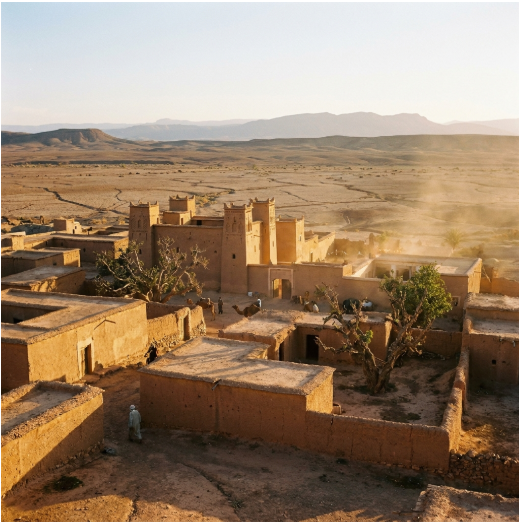
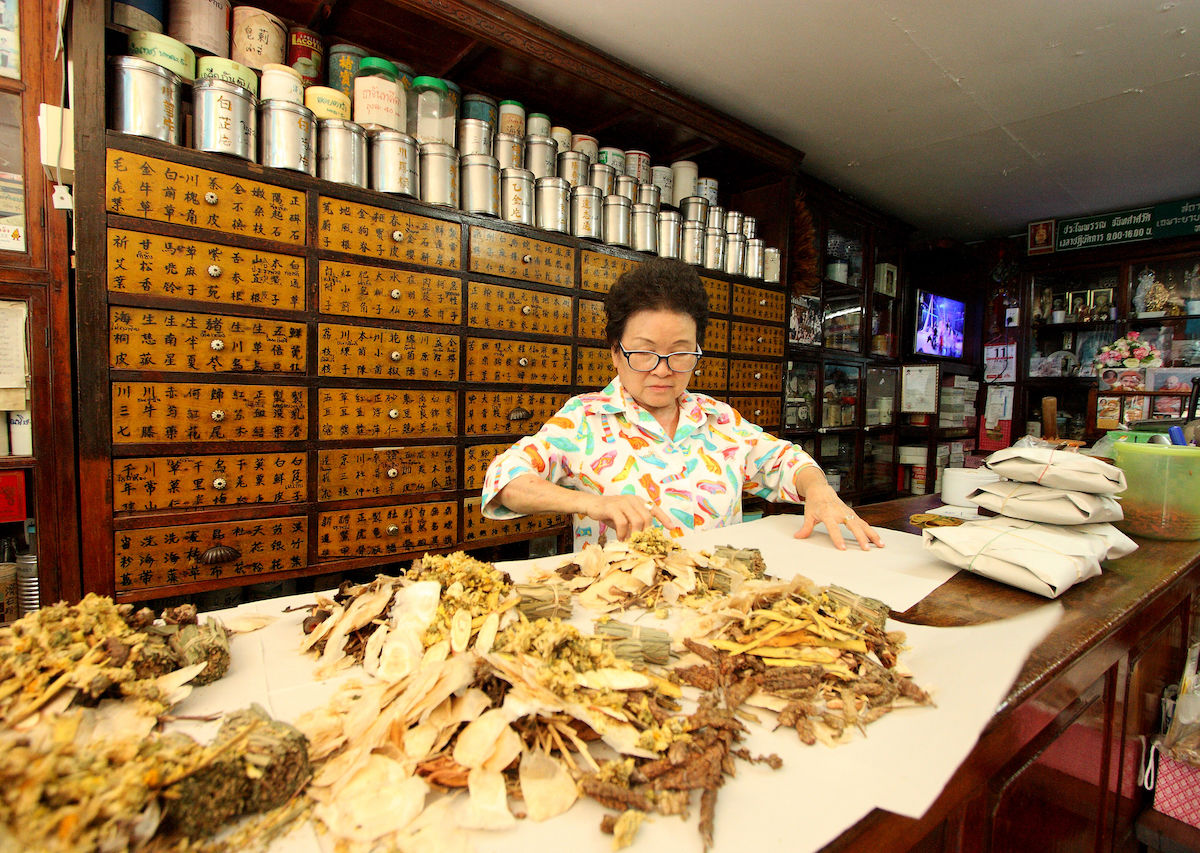
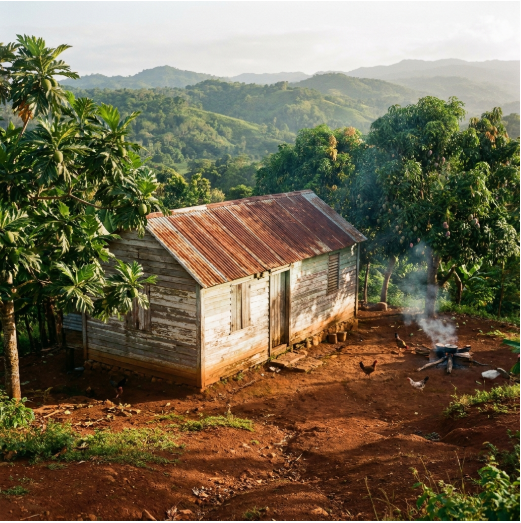
I flew to the Jamaican hills to scatter my mother's ashes. The old woman who'd washed and dressed her body for burial took one look at my stomach and told me something no doctor in twenty years ever had. Let me back up. My mother was born on a hillside in the parish of Manchester, Jamaica, and died in a hospital bed in Atlanta at 71 — too young, everyone said, for a woman whose own mother had lived to a hundred. She'd asked to be brought home. So that August I carried what was left of her up a red-dirt road in a tin I held on my lap the whole flight, 52 years old and more lost than I'd ever been. I want to tell you the shape I was in, because it turned out to matter more than the funeral. I'd been falling apart for two years. The bloating came first — my stomach swelling after every meal until by evening I looked five months pregnant, and I'd given up on anything with a waistband. Then the gut — days without moving, then suddenly loose and cramping, never predictable, never normal. Then the tiredness, the heavy kind, where I'd sleep eight hours and wake up feeling like I'd been carried uphill in my sleep. Then the 3 a.m. wake-ups, every single night, wide awake in the dark for no reason I could name. And the fog — I'd lose the end of my own sentences, forget why I'd walked into a room, stand in the grocery store unable to remember what I came for. My doctor said grief. Then stress. Then "you're in your fifties now, this is perimenopause." She gave me something to sleep and told me to try probiotics. My bathroom counter filled up like a pharmacy — magnesium, a greens powder, three different bloating supplements, the expensive refrigerated probiotics. Nothing moved. If anything it got worse. I told myself it was the grief. Everyone told me it was the grief. — The district my mother came from sits high in the hills, past where the paved road gives out. Mango and breadfruit and, I'd learn later, castor bushes growing wild in the ditches along every track. My cousins put me up in the old family house. And the first morning, before light, I watched an old woman cross the yard next door with a bucket, moving like the hill belonged to her. They called her Mother Iris. Nobody could tell me her age for certain — somewhere past ninety. I did not believe it. She walked straight-backed up a slope that left me bent over with my hands on my knees. Flat-stomached under her housedress. Clear-eyed. She'd outlived three husbands and every woman she'd grown up alongside, and she still kept her own yard, her own goats, her own fire. Mother Iris was the one who had washed and prepared my mother's body. In the old way, the hill way, before the funeral home in town. She had done the same for my grandmother. She had been doing it on that hillside for longer than anyone living could remember. On the third evening she came and sat with me on the step. She didn't ask about the ashes. She didn't ask about my mother, or my grief, or how I was holding up — the questions everyone else led with. She looked at me a long moment in the failing light. Then she reached over and laid her hand flat on my stomach, just below the navel, the way you'd test bread. "This," she said. "This is not fat, daughter." I almost laughed. I'd been calling it bloat for two years. My doctor called it grief. Mother Iris shook her head slowly. "This is what get into everybody. The small living things. They make their home in the wall of the belly and they don't leave on their own." She pressed again, in a slow circle. "They're dug in here. The flesh is thick and hard where it should be soft. This is why your belly won't go down. This is why your gut don't work. This is why you don't sleep. This is why your mind gone foggy and you tired in your bones even when you rest." She looked at me. "Your doctor tell you it's grief, eh?" I nodded. "Your doctor wrong. Grief don't do this. These been feeding on you a long time. And everything you been swallowing to fix it never even reach them." — That word — feeding — went through me, because it was exactly how I felt. Drained. Hollowed out. Like something had moved into my body and was taking from me no matter what I did. She explained it on that step in a way no doctor ever had. The things don't float loose in the gut where a test would catch them, she said. They burrow into the wall of the intestine and build a slick shield over themselves — a film — and they live behind it, hidden. While that wall holds, the body can't reach them, and they feed. That film hides them from the body's own defenses, so it never fights them off. It hides them from the test the doctor runs, which only catches what's floating loose — so the result comes back "normal" while the colony behind the wall sits untouched. And it turns away anything you swallow: the stomach destroys most of it, and what survives gets watered down across twenty feet of gut and slides right off the wall. The waste they leave doesn't leave you, she said. It coats the lining and swells the belly from the inside. That's the bloating — not food, not gas. What they release circulates and reaches the head — that's the fog. And they're busiest in the dark, the small hours, when they come up to feed and breed and dump into you. "That's why you wake at three in the morning," she said. "That's not your nerves, daughter. That's them, awake, while you lie there wondering what's wrong with you." I thought about every doctor visit. Every test that came back clean. Every bottle on my counter that promised to fix me and didn't. None of them had ever reached the wall. None of them had touched what was actually living in me. — "In America," she said, "they swallow a bottle in the morning for what the night put in them. So they get old before their time and bury their women early. We don't do so up here." She told me the hill women had always cleaned themselves out — not by swallowing anything. From the outside. "You can't reach what lives in the wall through the mouth," she said. "You have to come at it the other way. Through the skin. With warm oil and a cloth, on the belly, all night while you sleep — when they out and feeding and weakest. The oil go in deep where they hide. It break down the film they live behind and reach what's been hiding there, and the warmth and the pressure help carry it out instead of leaving it to sit in you." She told me whose oil. Castor — the bush growing wild in every ditch on that hillside, the black castor oil her own mother had roasted in an iron pot. "My mother do this every night till she dead at a hundred," she said. "Her mother before her. I do it every night since I was a girl." She tapped her flat stomach, ninety-some years old. "This is why." Then she said the thing that broke something open in me. "Your grandmother do this. Every night of her life, and she reach a hundred. Your mother do it too — until she went to America." She looked at me steadily. "She stopped, daughter. She thought she'd left it behind with the old country. And she got tired and sick and old before she should have, and you watched it happen and called it nothing, because nobody ever told you what she stopped doing." I sat on that step in the dark and cried for the first time since the funeral — not only for my mother, but for the simple thing she'd thrown away and never taught me. — Mother Iris wrapped me that night. Warm castor oil, a soft cloth worn smooth from years, a cotton band snug around my middle, and over it a warm compress. I slept the whole way through. I could not tell you the last time. I woke at six. No 3 a.m. My stomach was visibly down. After one night. By the fifth day I knew I wasn't imagining it. The swelling was smaller, the puffiness gone out of my face, and I felt lighter — not in a wellness-pamphlet way, physically lighter, like something heavy that had been sitting in me was finally moving. By the end of that week the fog lifted and I read a whole book on the verandah in one sitting, which I hadn't done in a year. My cousin looked at me over breakfast and said, "Your face change. You look like yourself." — When I got home to Atlanta I tried to recreate it. Bought castor oil, soaked an old t-shirt, wrapped plastic over it. A disaster — oil through the sheets by 1 a.m., the whole thing slid off, me scrubbing the mattress at dawn. I tried twice more, same mess. Mother Iris's cloths had been seasoned over decades until they held the oil perfectly. I had a t-shirt and a roll of plastic. Nobody in America has what she had. I called my cousin, defeated. She laughed and said everybody ruins their sheets first — then sent me a link to a small company she'd found. Tavio. Organic cotton and bamboo made to hold castor oil at full strength without leaking. An adjustable strap that keeps gentle, even pressure all night no matter how you sleep. No plastic. No mess. No ruined sheets. Reusable for months. I put it on the first night and understood at once — it held the oil, it stayed snug and even, it felt like the thing Mother Iris had wrapped on me on that hillside, but built so I could do it myself, every night, at home. Week one: more moving in the bathroom, quiet and steady, something leaving. The puffiness kept going down; my rings fit loose. My gut started working on its own for the first time in longer than I could remember. Week two: flat after dinner for the first time in over a year. I stood at my own mirror and cried again — not for my mother this time, but because I'd forgotten what my body looked like without the swelling. Week three: the 3 a.m. wake-ups stopped. Seven hours straight. Week four: my sister walked in, stopped in the doorway, and said, "What did you do? You look ten years younger." She thought I'd had work done. I'd put a cloth of castor oil on my belly before bed. That was all. The fog cleared. The energy came back. The cravings faded. The weight I'd carried for years in my middle started coming off without a single change to how I ate. — I think about Mother Iris all the time. Past ninety, flat-bellied, sharp, climbing that hill at dawn with a bucket — because every night of her life she did the one thing that actually reaches what's living in there and clears it out, through the skin, while she sleeps. Her mother to a hundred. My grandmother to a hundred. And my mother, who could have, but who set it down at the border and never picked it back up. I came to those hills to give my mother back to the ground. I came home understanding what had quietly worn her down for thirty years — and how close I'd come to handing my own daughters the same nothing my mother handed me. If your stomach bloats after every meal. If your gut hasn't worked right in longer than you can remember. If you're exhausted after a full night's sleep. If you wake at 3 a.m. for no reason you can name. If the fog is so thick you lose your own words. If the cravings feel like they aren't even yours — those aren't separate problems. That's a colony living in the wall of your gut, behind a film your immune system can't see, your tests can't catch, and your supplements can't reach. Your doctor will say stress, grief, hormones, your age. Your test will come back normal, because it only catches what's loose, never what's dug into the wall. And you'll keep buying bottles that pass through your stomach and never touch the place it actually lives. The hill women figured this out generations ago. Through the skin. With warm castor oil and pressure. Overnight, while they're awake and feeding and your body can't reach them. The one way in that actually works. Every night you go to bed without it is another night whatever's behind that film stays exactly where it is. Another night it sits. Another night nothing reaches it. Tavio. One purchase. Reusable for months. No recurring shipments of bottles that never worked anyway. 30-day money-back guarantee. If you don't feel a meaningful difference, every penny back. They're a small company and they sell out constantly. If you click and they're out of stock, sign up for the restock notification. It's worth the wait. Stop feeding what's been living in you for years — the thing my mother set down at the border, and I had to fly home to find. Almost forgot the link. Here it is: https://buytavio.com/pages/parasite-infestation-discovery
Like this ad? Make it yours.
Crush rebuilds this exact creative around your product — your brand, your colors, your offer — in about a minute.