Clara Scott
 Facebook ad: “Gold Seal Astaxanthin, Advanced 5-Carotenoid Skin, Eye &…”
Ran for 15 days, from October 27 to November 11, 2026, the last day Crush saw it.
Run by Clara Scott on Facebook. Crush is not the advertiser and does not verify its claims. See this ad in Meta's Ad Library(opens in a new tab)
Make your own version of this ad
Crush makes it, launches it in your own Meta ad account, scales the winners and pauses the losers.
About this ad
- Meta Ad Library ID
- 1812872110047712
- Platforms
- Facebook, Instagram, Audience Network, WhatsApp and Threads
- Relaunches
- 0
Ad text
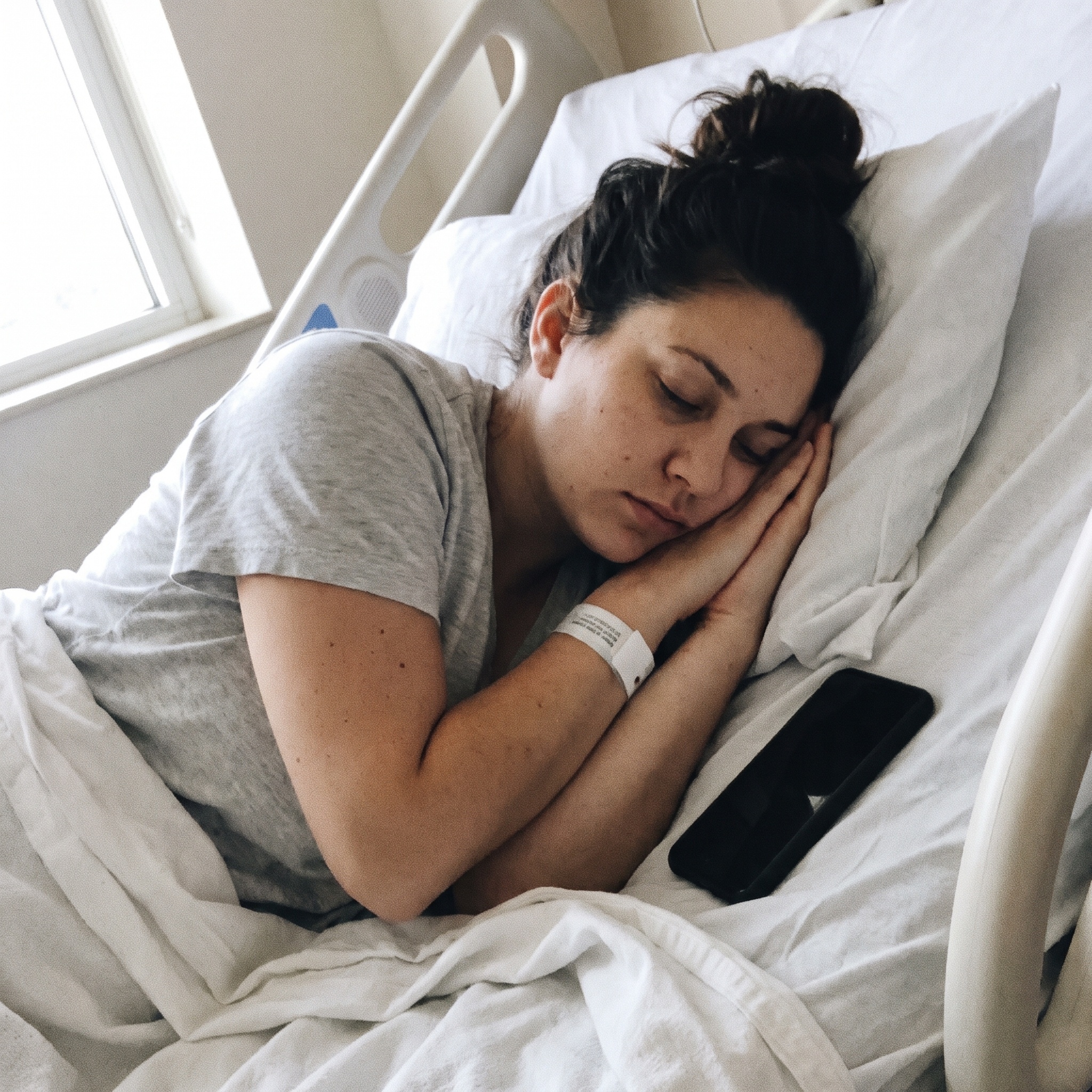
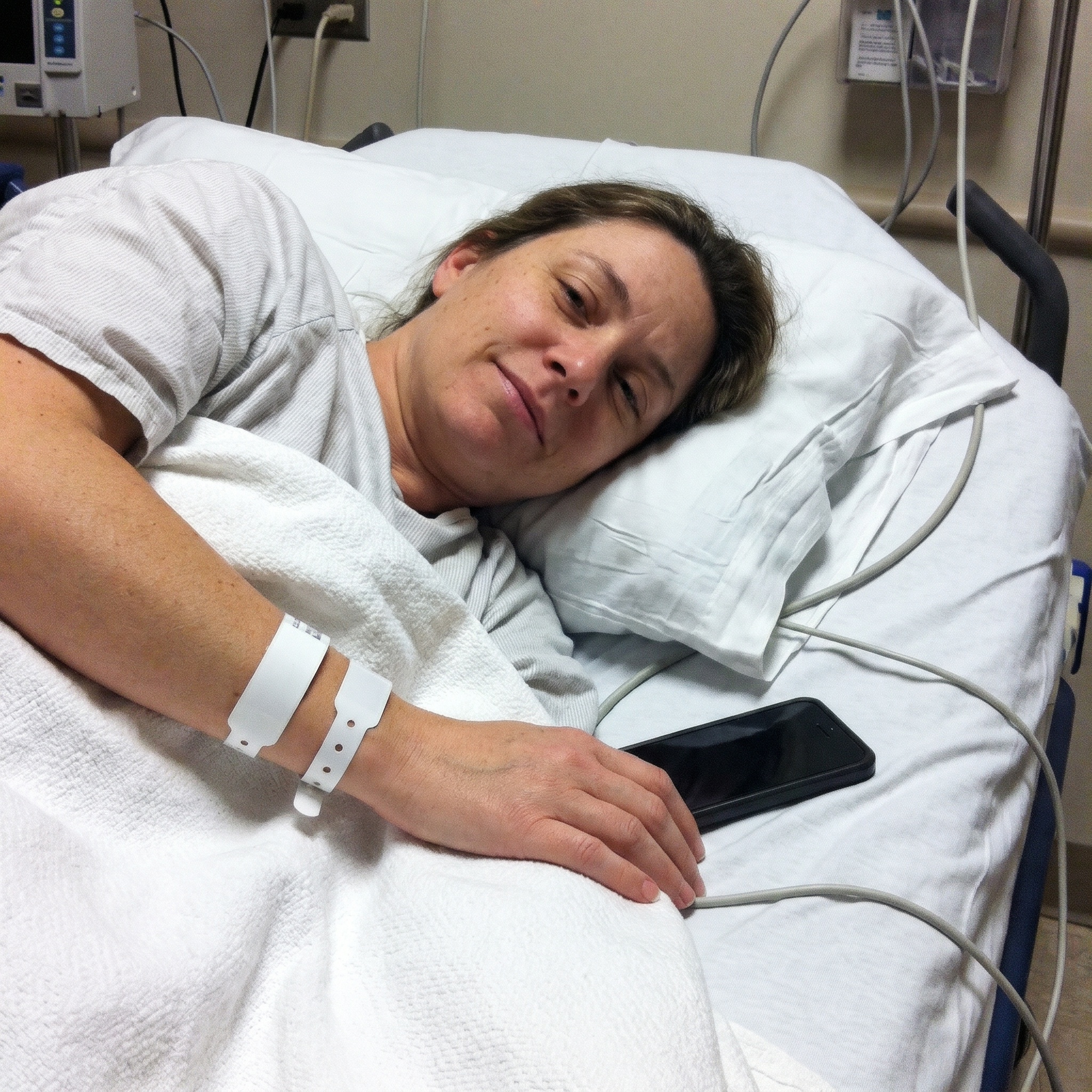
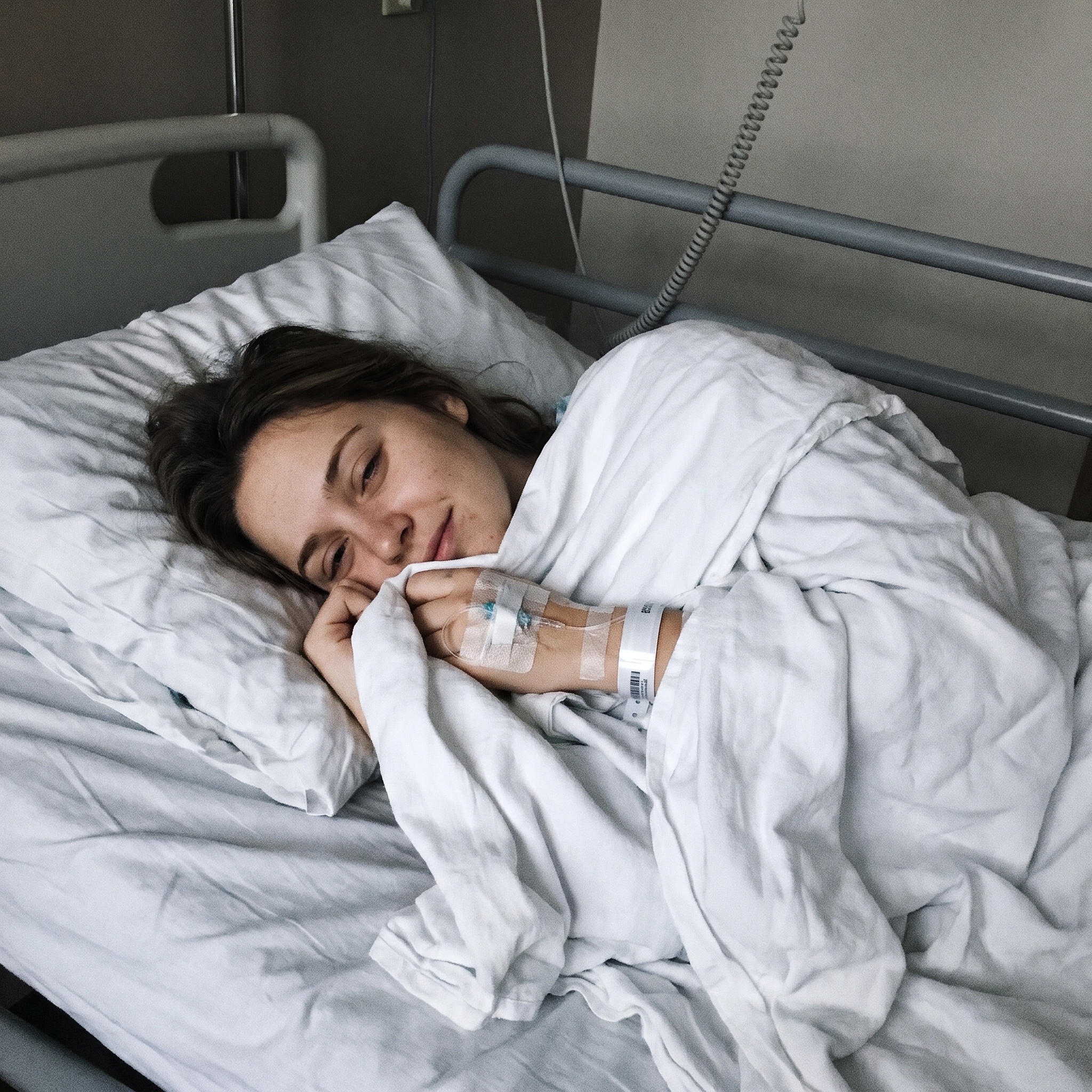
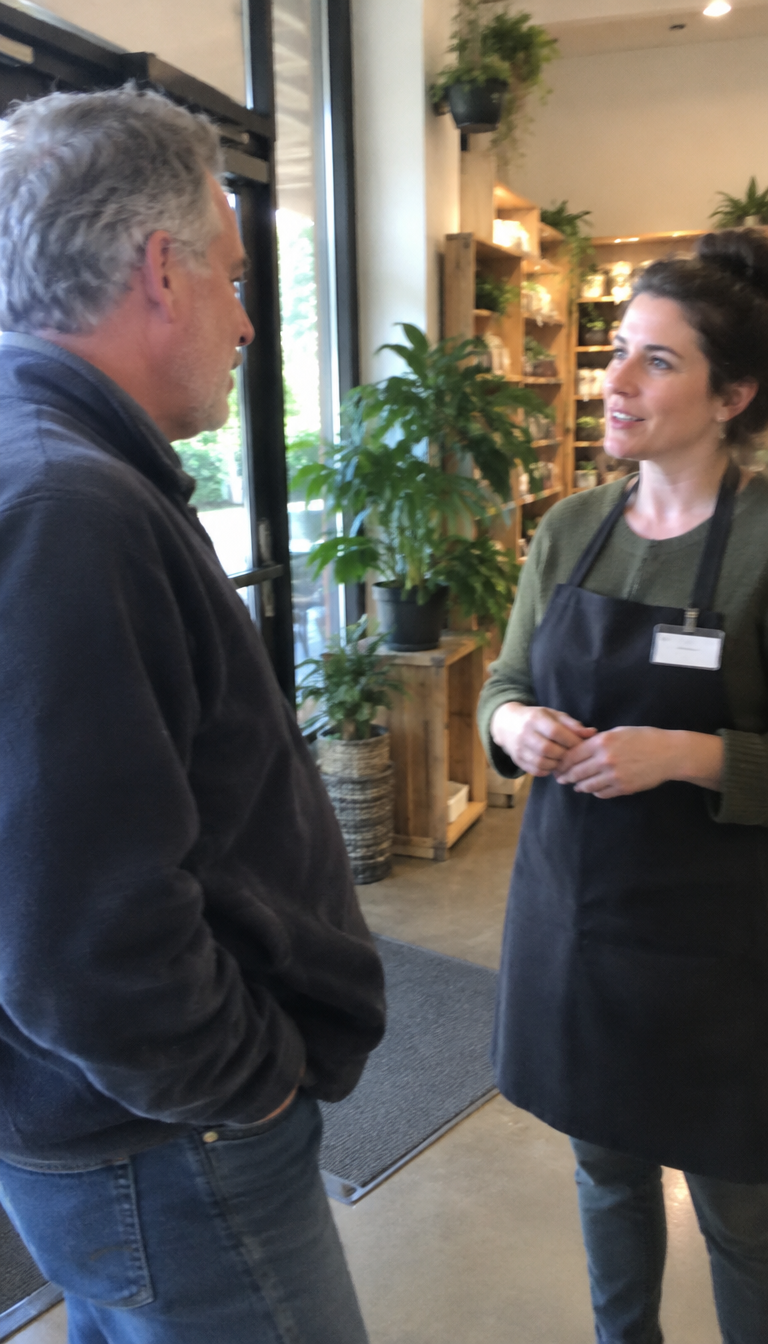
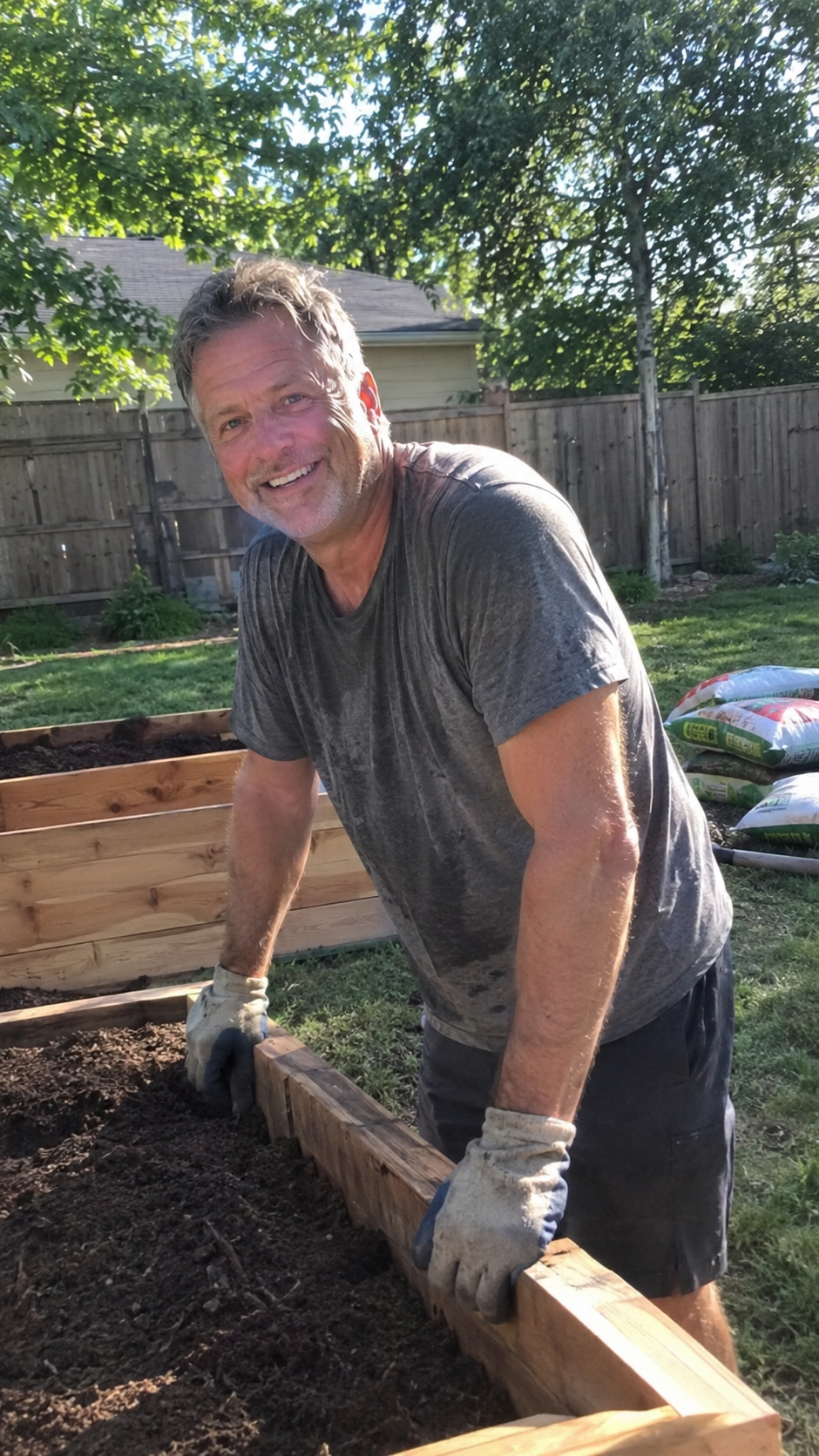
My lung capacity was down to 52% and dropping every checkup. Three years on every respiratory supplement I could get my hands on. NAC. Mullein drops. Cordyceps. Herbal lung blends. All of them did nothing. Two different breathing therapy routines failed to move the needle. Then I found out why - and my spirometry capacity went from 52% to 61% in 5 months. My father died at 67. I am 58. Three weeks ago, my pulmonologist closed the exam room door. The heavy latch clicked shut. The sound echoed in the small room. She sat down on her rolling stool. Pulled up my spirometry chart on the monitor without looking at me. "Mark. We cannot keep watching this slide. Your lung capacity is down to 52% of predicted. If this decline keeps moving at this rate, we have to start discussing supplemental oxygen and a portable concentrator. You are slipping into severe territory." My throat tightened. The walls seemed to tilt inward. Supplemental oxygen. My father went through that exact nightmare. 11 years of declining lung capacity leading to the same helpless ending. His stamina went first. Winded just walking up the five front steps by noon. Then spending his entire afternoon in that brown vinyl recliner. Every single day. Shuffling around the living room like an eighty-year-old when he was only 59. The breathing tests that got worse. And worse. And worse. Peak flow dropping. FEV1 volume slipping. Year 4: moderate restriction. Year 7: severe impairment. Year 9: 50 feet of green plastic oxygen tubing tangled across the living room carpet. An oxygen concentrator humming against the baseboard twenty-four hours a day. The plastic nasal cannula digging raw sores behind his ears. A man who spent thirty years building custom timber homes could not walk to the end of the driveway to check the mail without stopping twice to catch his breath. My mother's voice at his memorial service, whispering through her tears: "The doctors never gave him anything to actually protect his lungs. They just documented the decline until there was nothing left to save." 11 years of watching his breathing wither away. My father died anyway. His lungs gave out despite taking every prescription inhaler and following every single instruction the doctors gave him. I sat in my truck in the clinic parking lot for forty minutes. Could not bring myself to turn the ignition key. Just gripped the steering wheel until my knuckles turned white. The spirometry printout was folded in my jacket pocket. I pulled it out. Stared at the black line dropping down the page. FEV1 capacity: 52%. Declining. My hands shook against the paper. My wife Elena was unpacking groceries on the kitchen counter when I walked through the side door. "Hey. How did the breathing test go?" The words locked in my throat. I handed her the spirometry sheet without saying a word. Capacity: 52%. A jar of marinara sauce slipped straight through her fingers. It hit the hardwood floor and shattered into red pieces. She never even looked down at the mess. Both hands went straight to her mouth. Tears welled up in her eyes immediately. "No." Her voice broke into a harsh whisper. "Mark, I watched what happened to your dad. Year after year. That humming machine in the hallway. That awful green tubing everywhere. I can't. I can't watch you go through that same slow death. I can't do it." She turned away toward the sink. Her whole back shook with silent sobs. That night sleep never came. The ceiling fan blades spun around in circles. Over. And over. And over. The bright red numbers on the nightstand clock glowed: 11:52 PM. Turned onto my side. 12:41 AM. Rolled onto my back again. 1:38 AM. At 2:23 AM I gave up completely. Walked downstairs in socks. Sat down at the cold kitchen table. Flipped open my laptop. The screen's stark white light burned my tired eyes. I typed into the search bar: how to stop lung capacity decline naturally The search results loaded in seconds. My chest went tight with frustration. Every single webpage gave the exact same tired bullet points: Avoid dust and pollen. Use pursed-lip breathing. Drink plenty of water. Keep taking your bronchodilator inhalers. Stay indoors when the air quality is poor. The exact same advice I had followed religiously for three straight years. The exact advice my dad followed for 11 years while his lungs slowly deteriorated. I started clicking deeper into university medical databases and published research papers. Why do standard lung supplements fail to stop progressive capacity decline? Paper after paper laid out the hard biological reality. "Continuous oxidative stress and endogenous antioxidant depletion in alveolar epithelial cells is a primary cellular driver of progressive tissue remodeling and loss of lung elasticity..." "While clinical interventions focus almost entirely on temporary airway bronchodilation, standard management protocols fail to address the underlying cellular oxidative stress exhausting alveolar tissue..." "Airway smooth muscle relaxers temporarily open passages but do nothing to counter the persistent reactive oxygen species driving cellular breakdown in deep alveolar membranes..." My dad's tired face flashed in my mind. Sitting by the window with that nasal cannula taped to his cheeks. Gasping for air after standing up to use the bathroom. I searched the supplements I had spent hundreds of dollars on: N-acetylcysteine, mullein, quercetin, cordyceps, lung health clinical trials. The research was sobering. N-acetylcysteine: "rapidly metabolized in the digestive tract, with limited cellular accumulation in deep alveolar epithelial membranes..." Mullein and generic herbal blends: "traditional expectorants with mild soothing action, but virtually zero measurable impact on deep cellular oxidative stress or long-term spirometry parameters..." Quercetin: "poor water solubility and low systemic bioavailability, failing to achieve protective concentrations in alveolar capillary tissues..." Then I read a comment on a respiratory patient forum that made my stomach drop: "My husband took every lung cleanse pill and respiratory supplement on the market for three years. His FEV1 dropped every single visit. The specialist told us to just accept it and prepare for home oxygen." My heart pounded against my ribs. I snapped the laptop shut. Pressed both palms hard against my face. What do I do? I was not going to follow my father into that recliner without fighting with everything I had left. Three days went by. Five days. Seven. Elena found me at my desk on a Tuesday evening, surrounded by stacks of printed medical papers and highlighted clinical abstracts. "Mark. What are you doing to yourself?" "Looking for a way out." "The pulmonologist said-" "The pulmonologist told my dad to just manage his symptoms too. It didn't stop a thing. It just turned his final years into a miserable countdown to an oxygen tank." Her lower lip trembled. "What if there is nothing else? What if you waste precious months chasing false hope?" "What if I end up strapped to a machine like he did? What if I spend the next decade gasping for air and die anyway, just slower and with more suffering?" She had no answer. That entire weekend I dug through every paper I could find on pulmonary cellular mechanics, respiratory oxidative stress, and deep alveolar tissue protection. One specific natural compound kept showing up in university studies: natural astaxanthin derived from microalgae. Published research from major research institutions showed that astaxanthin crosses deep into cellular membranes, activates the critical Nrf2 antioxidant defense pathway in alveolar epithelial cells, and neutralizes the reactive oxygen species that exhaust lung tissue. Real peer-reviewed science. Published in reputable medical and pharmacological journals. Monday morning I ordered the highest-rated lung health and antioxidant formula on Amazon. 4.6 stars. Over 8,000 positive customer reviews. 6 weeks later, I checked my breathing capacity on my home spirometer: 51%. Still sliding down. I tried another premium brand from an upscale organic apothecary. Marketed specifically for advanced respiratory defense. 8 weeks. Took it every single morning with breakfast. Never missed a dose. Capacity: 50%. Not a single point of improvement. My official follow-up appointment at the pulmonary clinic was three weeks away. Then two weeks. Then one. Every time I woke up with that heavy tightness across my chest, every time I had to stop on the basement stairs to let my lungs catch up, every time I coughed trying to clear my airways - I saw my father. The buzzing concentrator in the corner. The green tubing. The loss of his dignity piece by piece. Ten days before my clinic appointment, I found myself wandering through a local health food store. Staring at an endless aisle of glossy supplement bottles. All of them looked like empty promises. Two people were talking on the other side of the display rack. "-the real issue is that standard antioxidants never reach the alveolar cell membrane. Most of what people buy is low-grade algae dust or cheap synthetic material with zero bioavailability. You need whole-algae extract grown in controlled conditions, delivered at a real clinical dose with an oil carrier so the carotenoids can actually cross into deep cellular tissue." I walked around the rack. "Excuse me. What did you say about compounds actually reaching lung cells?" The woman turned around. Her store badge read: "Certified Clinical Nutritionist - Cellular Health." "Most people take standard antioxidant supplements thinking they protect their lungs," she said. "They don't realize the alveolar membrane is a dense lipid bilayer. High-heat manufacturing destroys up to 90% of delicate carotenoids. And taking carotenoids in a dry powder tablet means your body excretes almost everything before it can absorb into your bloodstream." My chest tightened. "I've tried two different formulas over the last several months. My lung capacity tests keep dropping." "The real clinical trials on cellular oxidative defense didn't use low-dose 4mg tablets or watered-down blends," she explained. "They used full clinical doses of natural astaxanthin extracted from Haematococcus pluvialis microalgae. Astaxanthin is fat-soluble. If it isn't formulated in a pure lipid carrier like MCT oil, it cannot properly cross your cell membranes to quench oxidative stress where lung tissue actually breaks down." "None of the big commercial brands say that on the label." "They don't have to," she said. "They can put 4 milligrams of cheap powder in a capsule and call it respiratory support." She tapped her phone screen and turned it toward me. "There is only one formula I recommend to people facing real cellular decline. Gold Seal Astaxanthin. A full 24 milligrams of natural microalgae astaxanthin, plus four supporting carotenoids like lutein, zeaxanthin, lycopene, and tocotrienol vitamin E, suspended in pure MCT oil so it actually absorbs. Every single batch is third-party tested with a published Certificate of Analysis." I looked at the lab verification on her screen. Verified potency. Exact milligram levels. Zero synthetic fillers. "How fast does someone know if it is actually protecting their cells? I don't have months to waste." "Most people feel the cellular shift within the first two to three weeks," she said. "The morning tightness begins lifting, exertion recovery gets noticeably smoother, and daily energy returns. Then your spirometry numbers at six to eight weeks give you the real objective data. You will see it directly in your numbers." I pulled out my phone and ordered a three-bottle bundle right there in the middle of aisle four. The package arrived on our doorstep two days later. I swallowed the first two softgels that same evening with dinner. Followed with a tall glass of cold water. One week in: The heavy morning tightness across my ribs felt noticeably lighter when I woke up. Clearing my airways after getting out of bed took half the usual effort. Two weeks in: The basement stairs that used to leave me clutching the handrail to catch my breath? I carried up a twenty-pound box of tools without needing to pause at the top landing. The sharp burning sensation in my chest when taking a deep breath in cold morning air began fading away. Three weeks in: The afternoon crash that used to knock me flat by 2 PM stopped happening. Elena watched me walking around the house, organizing the garage, hauling firewood onto the back porch. She did not say a word at first. She just watched me with quiet wonder in her eyes. At 8 weeks - the official follow-up breathing test came. I finished the clinic spirometry appointment and walked out to my truck in the parking lot. Sat in the driver's seat. Logged into the hospital patient portal on my smartphone. FEV1 lung capacity: 50% to 55%. I stared at the screen. My thumb hit refresh. 55%. For the first time in three long years, my breathing numbers had moved up instead of down. I dialed Elena's number right from the front seat. "55%," I whispered. Absolute silence on the other end of the line. Then a broken sob. "Thank God. Thank God, Mark." Three months later: capacity moved from 55% to 59%. Then to 61%. That was 22 weeks ago. My peak flow reading this morning? Holding strong at 91%. Still moving in the right direction. No supplemental oxygen tanks humming against the wall. No fifty feet of green tubing snaking across the rug. No plastic cannula rubbing my ears raw. No sitting by helplessly watching myself repeat my father's exact tragedy. I am not following my father's path. Last weekend I spent four straight hours out in the backyard building raised cedar garden beds. Cutting timber. Digging post holes. Hauling forty-pound bags of topsoil. Not even gasping for breath when I finished. Elena pulled into the driveway and saw me wiping sweat off my forehead with a grin. "Mark! You have been working out here in the sun all afternoon! How can you possibly feel this good?" My throat tightened up. My eyes stung with tears. Because the honest answer felt like getting my life back from the edge of a cliff. If you are reading this right now, you recognize yourself in every single word of my story. Your lung capacity numbers are sliding downward despite doing everything your medical team tells you to do. Your father or your mother - or someone you loved dearly - withered away connected to an oxygen machine. You watched the entire ordeal with your own eyes. You know exactly what that slow surrender looks like. Your pulmonologist has started hinting at home oxygen delivery, portable concentrators, or preparing for advanced pulmonary care. You have sat awake at 3 AM typing "how to protect lung capacity naturally" into your phone, finding the same recycled, useless tips, feeling sick to your stomach with helpless dread. You have spent money on lung cleanse supplements. NAC capsules. Mullein leaf extracts. Cordyceps powders. None of them moved your spirometry numbers by even a fraction of a percent. Here is what I want you to know: If I had not overheard that clinical nutritionist in the supplement aisle that afternoon, I would be sitting on a medical equipment waitlist for home oxygen right now. Marching down my father's exact path. Step by step. The suffocating exhaustion that never lifts. The panic of climbing a single flight of stairs. The humiliating green tubing dragging through every room of the house. Watching your lung numbers disappear into the thirties while you wait for the inevitable crisis. I found out I had a choice I never knew existed. I chose to give my deep lung tissue the specific fat-soluble antioxidant protection it had been starving for over years of silent cellular wear - not a watered-down pill with slick marketing, but a true clinical formula designed for deep membrane absorption. That single decision changed the rest of my life. If you are currently where I was months ago - terrified of losing your breath, desperate for something that actually shows up in your real clinical numbers - try Gold Seal Astaxanthin. Track your breathing on your own meter. Give it an honest trial. Your future self will thank you for taking action today. I tested two other popular supplements before finding Gold Seal. Neither moved my numbers at all. Here is why Gold Seal Astaxanthin delivered results: 1. Full 24mg Clinical Strength Dose (Not 4mg Algae Dust) Standard retail brands cut costs by offering tiny 4mg or 6mg doses that barely raise blood carotenoid levels. That is six times lower than the dosing used in published scientific research. Gold Seal provides a full 24 milligrams of natural astaxanthin in every daily serving, matching the exact potency levels required to saturate cellular membranes and shut down oxidative stress in deep tissues. 2. 5-Carotenoid Whole-Cell Defense Matrix Most single-ingredient antioxidant pills target only one narrow cellular pathway. Gold Seal combines 24mg of natural astaxanthin with four complementary carotenoids: 20mg of lutein, 4mg of zeaxanthin, 10mg of cardio-protective lycopene, and 50 mg of brain-penetrating tocotrienol vitamin E. This broad carotenoid network covers tissue boundaries that single compounds simply cannot reach. 3. Pure MCT Oil Bioavailability Base Astaxanthin and carotenoids are fat-soluble nutrients. In cheap dry tablets or raw powders, your digestive tract excretes up to 80% of the active compounds without absorbing them into circulation. Gold Seal suspends its entire carotenoid matrix in an organic MCT oil base, ensuring rapid micelle formation in your gut and complete absorption across cell membranes into deep pulmonary tissues. 4. Certified Microalgae with Published Third-Party Lab Testing Cheap brands frequently rely on machine-synthesized petroleum byproducts or low-altitude algae dust contaminated with heavy metals. Gold Seal extracts its astaxanthin exclusively from certified Haematococcus pluvialis microalgae grown in pristine conditions. Every single batch is independently third-party lab tested for purity, potency, and heavy metal clearance, with verified Certificates of Analysis backing every bottle. Try Gold Seal Astaxanthin for a full 30 days. Track your breathing on your own meter and feel how your body responds. If you are not completely thrilled for ANY reason - if your morning chest tightness does not ease up, if your breathing does not feel noticeably smoother on stairs and hills, if your daily stamina does not surge, or if you simply do not feel the difference - just reach out to customer care for an immediate full refund. No hassle. No interrogations. No return required. You don't even have to ship the package back. You take on zero financial risk whatsoever. You are standing at a clear fork in the road right now. One path: Keep relying on conventional symptom management alone. Keep taking bronchodilator inhalers that open airways for a few hours while continuous oxidative stress breaks down deep alveolar elasticity. Watch your spirometry numbers slide point by point at each appointment. Mild to moderate. Moderate to severe. Until the day your doctor sits down and tells you supplemental oxygen is no longer optional. Another path: Take direct action at the cellular level today. Give your lungs the full 24mg clinical carotenoid shield they need to fight off deep cellular oxidative stress. Track your numbers on your own terms. Give your body a fair 30-day trial backed by a complete ironclad guarantee. I chose that second path. It kept me out of that brown recliner. It kept me from dragging fifty feet of green tubing behind me everywhere I walk. It saved my family from reliving my father's long, agonizing decline. It gave me my lungs back. Months ago, I was completely frozen by fear. My capacity was down to 52% and dropping fast. My pulmonologist was already warning me about portable oxygen concentrators. I was the exact same age my dad was when his breathing started collapsing. I sat alone at my kitchen table at 2 AM reading through university research on alveolar oxidative stress, membrane lipid peroxidation, and why every standard lung supplement I tried was shooting blanks. I thought my fate was already sealed. I was dead wrong. There was a real solution sitting right in front of me that nobody in conventional clinics had ever mentioned. If you are currently where I was - watching your breathing capacity slide, terrified of losing your physical independence, desperate for something that actually moves your clinical numbers - get your supply of Gold Seal Astaxanthin right now. Track your breathing. Give it an honest trial. Your future self will thank you for taking action today. https://goldsealsupplements.com/pages/astaxanthin - Mark Holloway P.S. - I felt the heavy morning tightness start lifting within the first 10 days. Walking up steep stairs without pausing happened in week two. My lung capacity moved from 50% to 55% on my first clinic checkup, then climbed to 61% three months later. Your timeline will be your own, but you will never know what your lungs are capable of unless you give them real cellular protection. P.P.S. - Every day you hesitate is another day of unchecked oxidative stress wearing away at delicate alveolar membranes that your body cannot easily replace. Every month of waiting narrows your window of natural lung resilience. Do not wait until your doctor tells you supplemental oxygen is your only remaining choice. Order your bottles now.
Where the ad sends people
goldsealsupplements.com
Gold Seal® Astaxanthin – Advanced 5-Carotenoid Skin, Eye & Cellular Support
200,000 Happy Customers
Shop now: goldsealsupplements.com(opens in a new tab)