
Inactive· since Jul 9, 2026
- 33
- days it ran
- 0
- relaunches
Ad copy
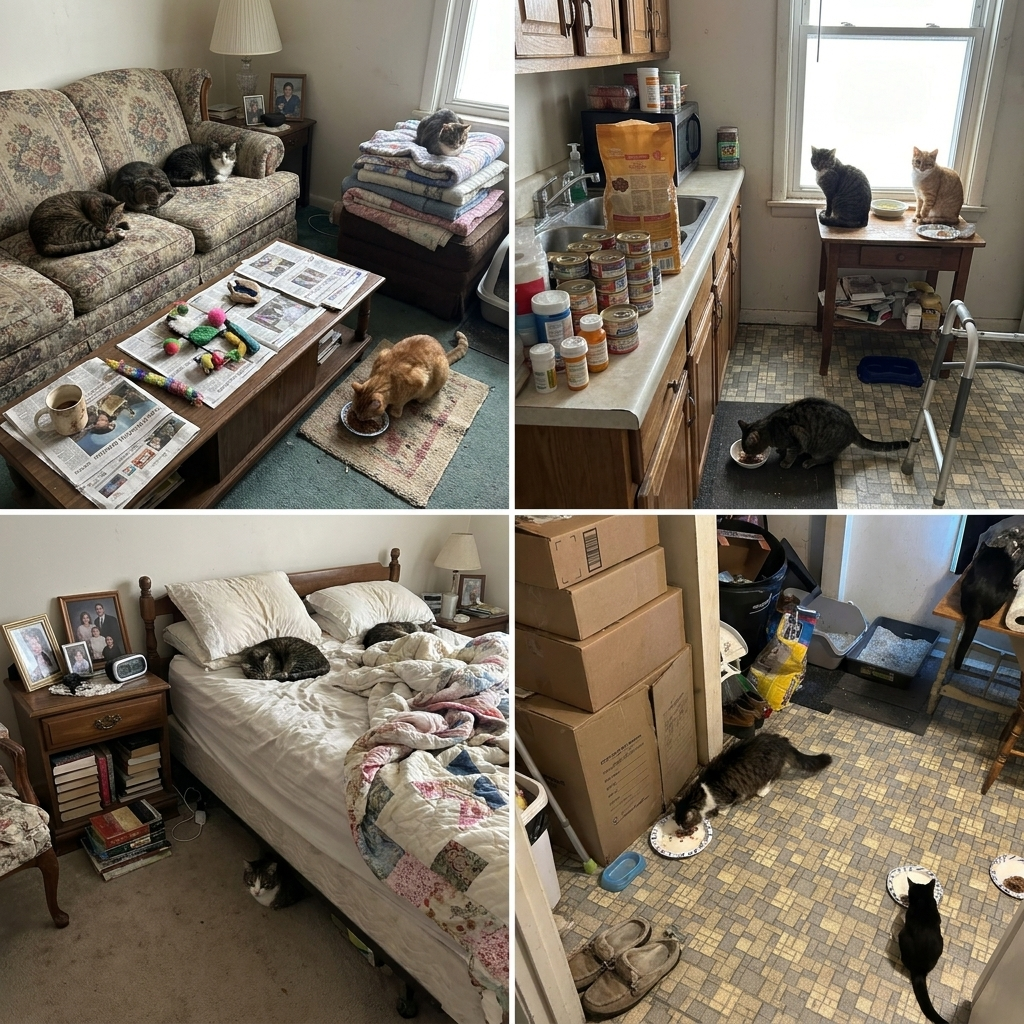
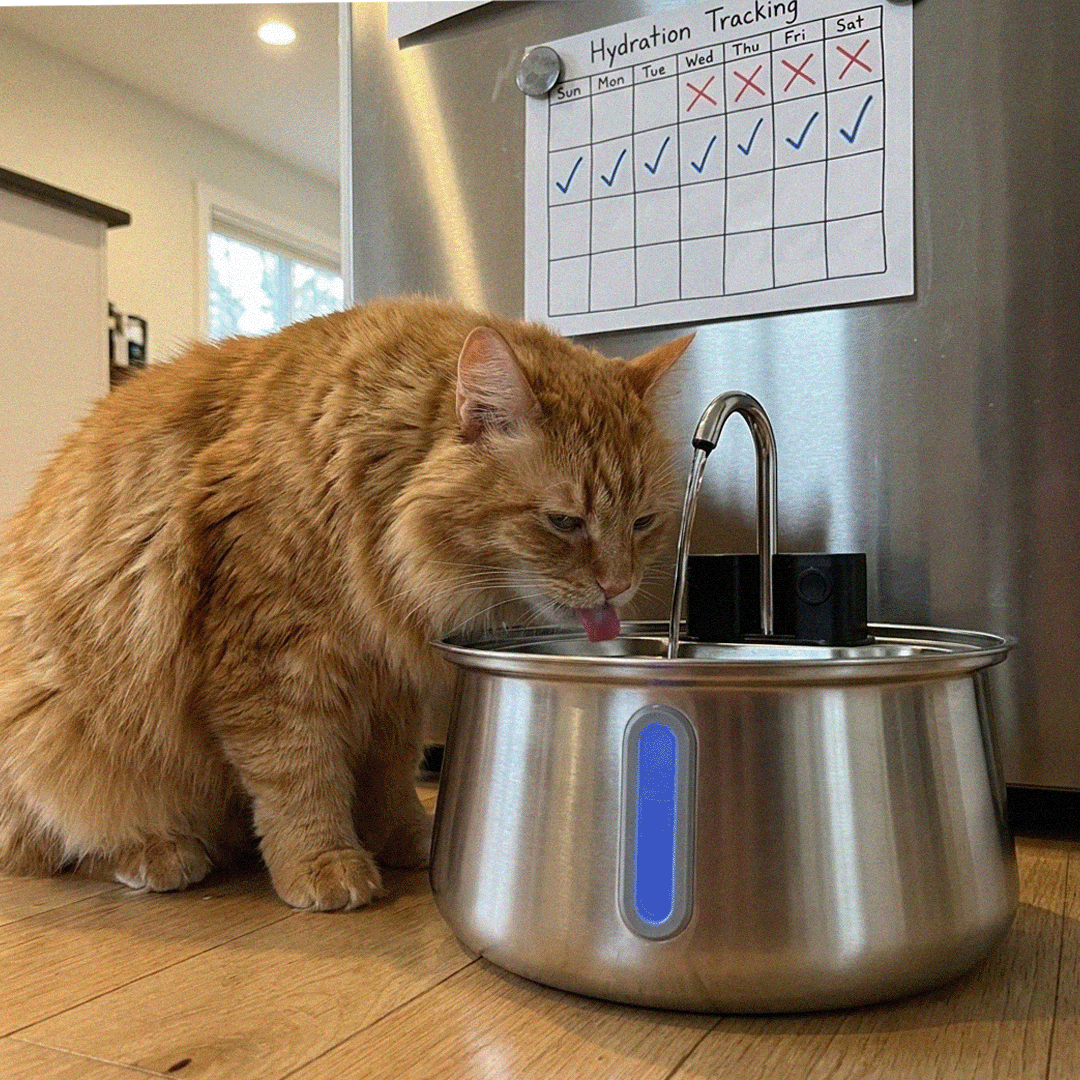
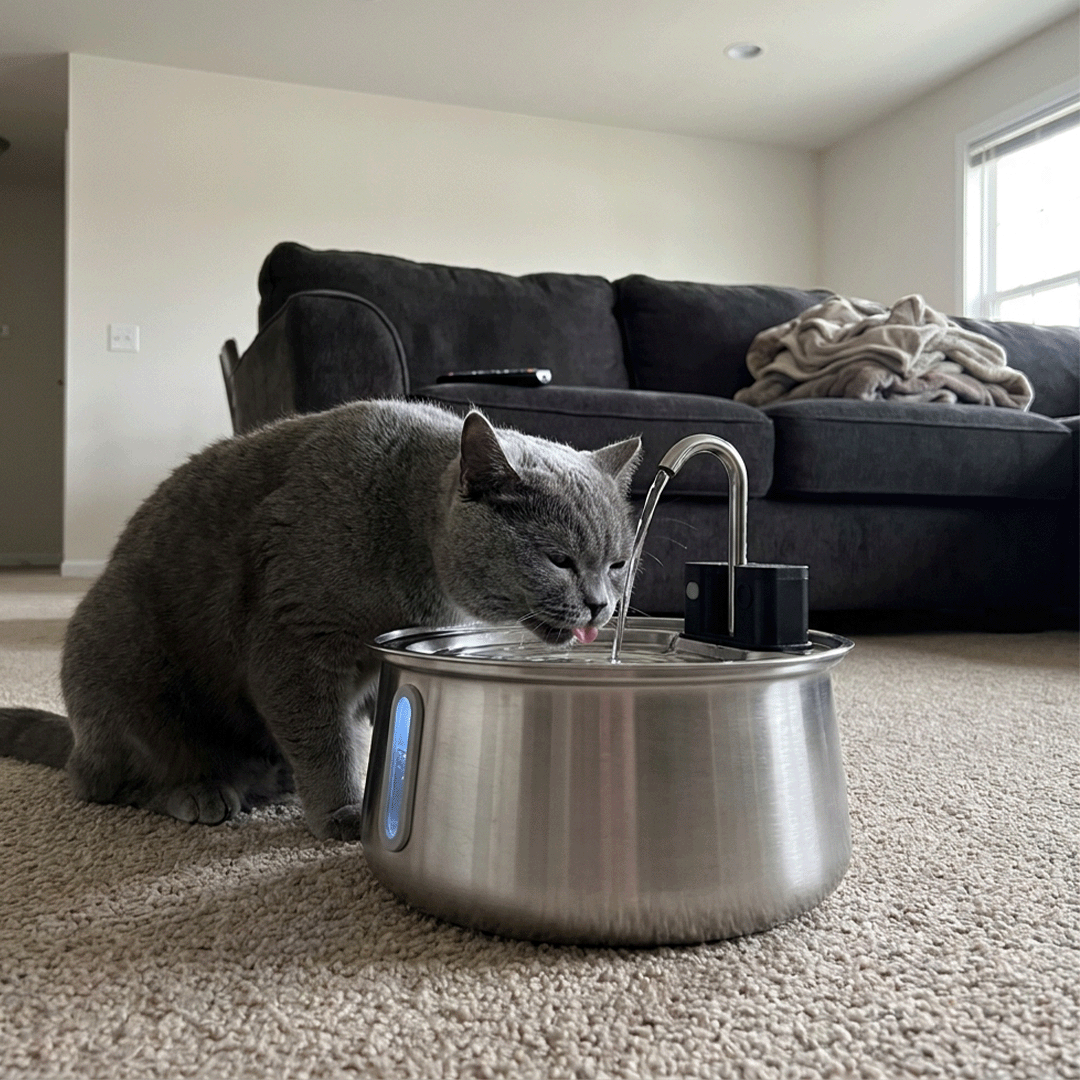
A lot of tears, but even more lessons... that's what happened when I brought my mom's cat home I'm writing this for anyone whose cat is currently going through a severe psychological strike—refusing to eat or drink due to deep anxiety, trauma, or a sudden change in environment. For months, I was that helpless person watching my cat slowly fade away after being separated from the person she had bonded with for years. I thought she was just grieving, and that there was nothing I could do. I was wrong. A little about me. My name is Karen. I'm fifty, divorced about eight years, with one grown daughter who lives in Atlanta. I work as the office manager at a family dental practice in Mount Pleasant, just outside Charleston, South Carolina, where I have been for almost fourteen years. I live alone in a small bungalow about a mile from my mother's old house in West Ashley, which I tell you about because the physical closeness of where she lived to where I live is going to matter in a moment. My mother's name is Marlene. She is seventy-eight. She was diagnosed with Alzheimer's disease about three years ago and lived independently with my help for two of those three years. This past February, after an evening when she could not find her way home from the grocery store five blocks from her house, my daughter and I agreed that the time had come. We moved her into a memory care unit at a facility in Mount Pleasant about four months ago. She is, in the ways that matter, still my mother. She is, in other ways that I am still learning to live with, no longer entirely the woman who raised me. The cat I want to tell you about is named Mr. Pickles, my mother adopted as a kitten thirteen years ago, the year after my father died. She had not been a cat person before that. She became one because she could not stand the quiet in the house after he was gone. Mr. Pickles was the answer to that quiet for the last twelve years of her independent life, and he was the thing I had to figure out what to do with on the day we moved her into memory care. The facility does not allow residents to keep pets. I had known this for several weeks before the move and had been operating under the assumption that I would take him myself, because the alternative was a shelter, and Mr. Pickles was too old and too bonded to my mother to start over with strangers. I picked him up from her house the morning of the move while my daughter was helping my mother pack the things she would be allowed to bring with her to the memory unit. He was sitting on the back of my mother's couch where he had spent most afternoons for as long as I could remember. I put him in his carrier. He cried the entire drive back to my house. I cried, too, for reasons that had to do partly with him and mostly with the morning we had just had. Mr. Pickles refused to eat for the first three days. He hid under the guest bed and would not come out. On the fourth day he came out long enough to use the litter box and to eat a small amount of the food I had brought over from my mother's house, which was a brand he had been eating for years. He went back under the bed. By the end of the first week he was eating regularly again but he was clearly not himself. He sat in the corner of the living room facing the wall. He did not respond when I called his name. He had stopped grooming. His coat looked dull in a way I had not seen on him in twelve years of visiting my mother's house. I assumed he was grieving. I assumed time would help. I did not push him. The thing I noticed first, about two weeks in, was that his water bowl level was not going down. I had set up his old plastic fountain on my kitchen counter the day he arrived, the same fountain he had been using at my mother's house for years. He was not drinking from it. He was not drinking from the bowl I had also put out as a backup. He was not drinking visibly at all. I thought this was part of the grieving. I read online that cats sometimes drop their water intake when they are stressed or relocated, and I trusted that information without questioning it carefully. Three weeks in, Mr. Pickles vomited on the kitchen floor and the vomit was a color and consistency I had never seen from him. His breath, when I held him on my lap that night, had a smell to it that I want to describe carefully because it is the detail I most wish I had recognized earlier. It was not the smell of something he had eaten. It was a faint, sweet, almost chemical smell that I now know is something veterinarians call uremic breath, which is what happens when a cat's kidneys are no longer clearing waste products from the blood efficiently enough to keep them out of the saliva. I did not know that at the time. I knew only that the smell was wrong. I made an emergency appointment with a vet in Mount Pleasant the next morning. Her name is Dr. Bishop. I had never met her before because Mr. Pickles had been going to my mother's old vet across town for thirteen years, and I had not yet transferred his records. I brought him in. She did a full physical and drew blood. She called me that afternoon with the results. Mr. Pickles had chronic kidney disease, stage two on the IRIS scale. His creatinine was elevated. His SDMA, which is an earlier marker for kidney function, was higher than she would have liked to see. His urine specific gravity was very low, which she told me indicated his kidneys had lost a significant portion of their ability to concentrate urine. She told me that the disease had been progressing for at least a year and probably longer, and that the relocation stress had pushed him from a compensated state into one where the symptoms were visible. I sat in my car in the vet's parking lot after that phone call and I cried in a way I had not cried since my mother had moved into memory care four months earlier. Not because Mr. Pickles was going to die immediately, because Dr. Bishop had been clear that he was not, but because I understood for the first time that the cat my mother had loved for thirteen years had been quietly sick the whole last year of her independent life and neither of us had known, and that I was now going to be the one who managed his decline alone because the person who had loved him most could no longer be told what was happening to him. I want to be honest about the next part. Dr. Bishop set me up with the full home-care protocol that week. A bag of lactated Ringer's solution. An eighteen-gauge needle. A YouTube link. She taught me how to administer subcutaneous fluids in the exam room, with Mr. Pickles on a towel on the table, and I went home with the equipment in a paper bag and a fluid bag hanging on a hook by my back door. I administered the first dose by myself in my kitchen four days later. I will not lie to you. I cried while I was doing it. Mr. Pickles was patient. He has always been the patient one between the two of us. The needle drawer in my kitchen is next to the silverware now. I keep a sharps container under the sink. I have been doing the fluids twice a week for the last three months. None of this was on my list of things I expected to be doing at fifty. What I want to tell you next is the part I most want to share, because the next part is what made all of this slightly more bearable, and I think it could help somebody else. About a month into the home-fluid routine, I was at the memory care unit visiting my mother. There is a nurse named Dawn who works on my mother's floor. She is in her late forties and she has been working with dementia patients for twenty years. I had been talking to her for several minutes at the nurses' station before I went in to see my mother, and at some point in the conversation I mentioned that I had been doing subQ fluids on my mother's old cat at home. Dawn stopped what she was doing and looked at me. She told me she had a fourteen-year-old cat named Bug at home with stage three CKD, and that she had been doing fluids on Bug for almost two years. We stood at the nurses' station and talked about it for probably fifteen minutes. She told me everything she had learned that nobody had told her at the original diagnosis. She told me about the silent decade, about how a cat's kidneys lose two-thirds of their function before the bloodwork catches it, and about how the most actionable thing she had done for Bug that had changed his trajectory was changing his water source. She asked me what kind of fountain Mr. Pickles was using at my house. I told her it was the plastic one from my mother's. She nodded the way Dawn nods when she is about to tell somebody something they did not know they needed to hear. She told me that plastic surfaces in continuous contact with water develop a thin bacterial film called biofilm within twenty-four to forty-eight hours. People cannot see it. Cats can. A cat's sense of smell is somewhere between fourteen and forty times more sensitive than a human's, and to a cat, water sitting in a plastic fountain by day three smells contaminated. Cats are descended from desert predators who get most of their water from prey, which means their thirst drive is roughly half of a dog's, which means they will under-drink dramatically when something flags as wrong about the water source. For a cat in a new home, dealing with relocation stress, with kidneys already compromised, drinking from a fountain his nose is telling him is unsafe, the avoidance compounds. Mr. Pickles had not been refusing to drink because he was grieving. He had been refusing to drink because the plastic fountain at my house was newer and cleaner than the one at my mother's house had been, which meant it was running its biofilm cycle on a fresh surface, which meant the contamination signal was actually stronger than what he had been smelling at my mother's place where biofilm had stabilized at an equilibrium he had reluctantly accepted. The change of environment had made the water situation worse, not better, in a way that was invisible to me but obvious to him. Dawn told me what she had switched Bug to two years ago. A fountain made entirely of medical-grade 304 stainless steel, the kind hospitals use for surgical instruments. Non-porous at a molecular level. Biofilm cannot grip the surface. Bug had started drinking from it within two days of switching, and his bloodwork at his next recheck had shown stabilization of his kidney markers for the first time in eighteen months. I went home that night and ordered one. I want to tell you that I do not remember the brand name at this moment. I have the user manual in a drawer under my kitchen counter with the other small appliance manuals I keep meaning to organize. I am going to dig it out this week and look up whether the manufacturer has a website I can link to. If I find it, I will leave it in the comments below this post. If you are reading this and the comments are quiet, that means I have not gotten to the drawer yet. I am asking for your patience because the last six months have been very full, and the drawer is not at the top of my list. The fountain arrived four days later in a heavier box than I had expected. I unpacked it on my kitchen counter and ran my finger around the inside of the reservoir, the spout, and the pump housing. All metal. No plastic anywhere I could find. The pump was so quiet I had to put my finger under the spout to confirm it was running. I set it up in the corner of the kitchen where the old plastic fountain had been living. I unplugged the old one and put it in the garage. I did not throw it out, because I am, on some level, still not ready to throw out the things from my mother's house even when I know they should be retired. Mr. Pickles found the new fountain that evening. He sniffed it for a long time. He pawed at the rim once. Then he lowered his face into the falling stream and drank for almost a full minute, which is longer than I had seen him drink at any time in the eight weeks he had been living with me. I sat on the kitchen floor against the cabinets and watched him drink, and I thought about my mother, and I thought about the thirteen years she had loved this cat, and I thought about the fact that I was learning about my mother's cat in ways she could no longer be told. That was about two months ago. Mr. Pickles uses the fountain throughout the day. His coat has come back. He grooms again. He sits on the back of my couch in the afternoon sun the way he used to sit on my mother's. I took him in for a urine recheck three weeks ago. His specific gravity had moved into the lower end of normal range, which Dr. Bishop told me was a meaningful improvement and indicated his kidneys were getting the hydration support they needed. She told me his subQ schedule could stay at twice a week for now. We will reassess at his next bloodwork in three months. She told me to keep doing what I was doing. What I am doing is the fountain, the food, the needle drawer, the visits to my mother three times a week, the trying to hold all of this together at fifty. I took Mr. Pickles to visit my mother last weekend. The facility allows pet visits in the courtyard and Mr. Pickles is calm enough on a harness to manage it. My mother sat with him in her lap for about twenty minutes. She petted his head and called him a name that was not his name. She did not remember that he was hers. She seemed to remember, on some level, that he was a cat she had liked once. She smiled while she was holding him. When the visit was over and I put him back in his carrier she did not ask where he was going. I drove home with Mr. Pickles in the carrier in the back seat. He cried for about the first five minutes the way he had cried on the original drive from my mother's house in February. I talked to him through the carrier. I told him she still loved him. I do not know if that is technically true in the way it used to be true. I know that something in her smiled when he was on her lap. I am going to count that as enough. The fountain I ended up buying is the one Dawn at my mother's memory care unit recommended. I will find the name and the link and leave them in the comments when I get to the drawer. Please bear with me.
Like this ad? Make it yours.
Crush rebuilds this exact creative around your product — your brand, your colors, your offer — in about a minute.