Cheryl Wittman
 Facebook ad: “Try It 60 Nights Risk Free”
Ran for 26 days, from October 6 to November 1, 2026, the last day Crush saw it.
Run by Cheryl Wittman on Facebook. Crush is not the advertiser and does not verify its claims. See this ad in Meta's Ad Library(opens in a new tab)
Make your own version of this ad
Crush makes it, launches it in your own Meta ad account, scales the winners and pauses the losers.
About this ad
- Meta Ad Library ID
- 1818278045890255
- Platforms
- Facebook and Instagram
- Relaunches
- 1
Ad text
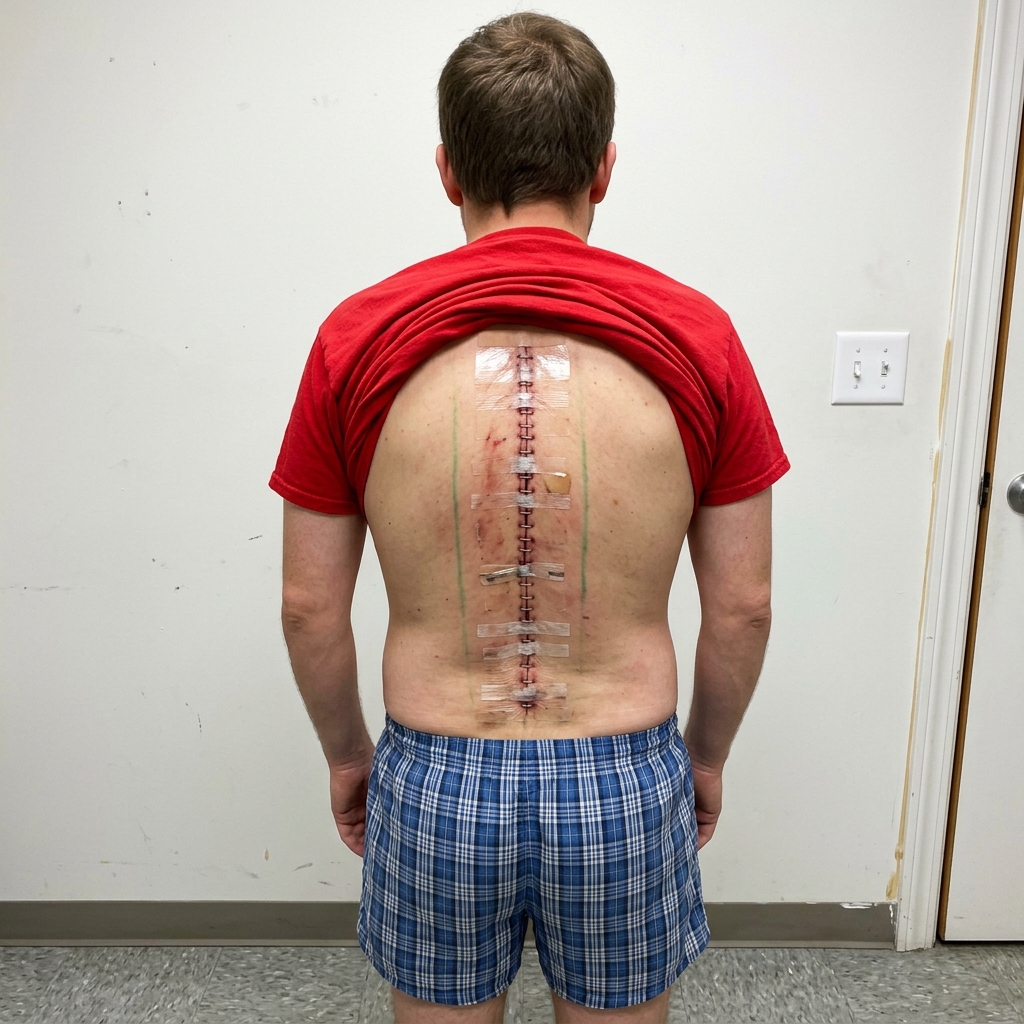
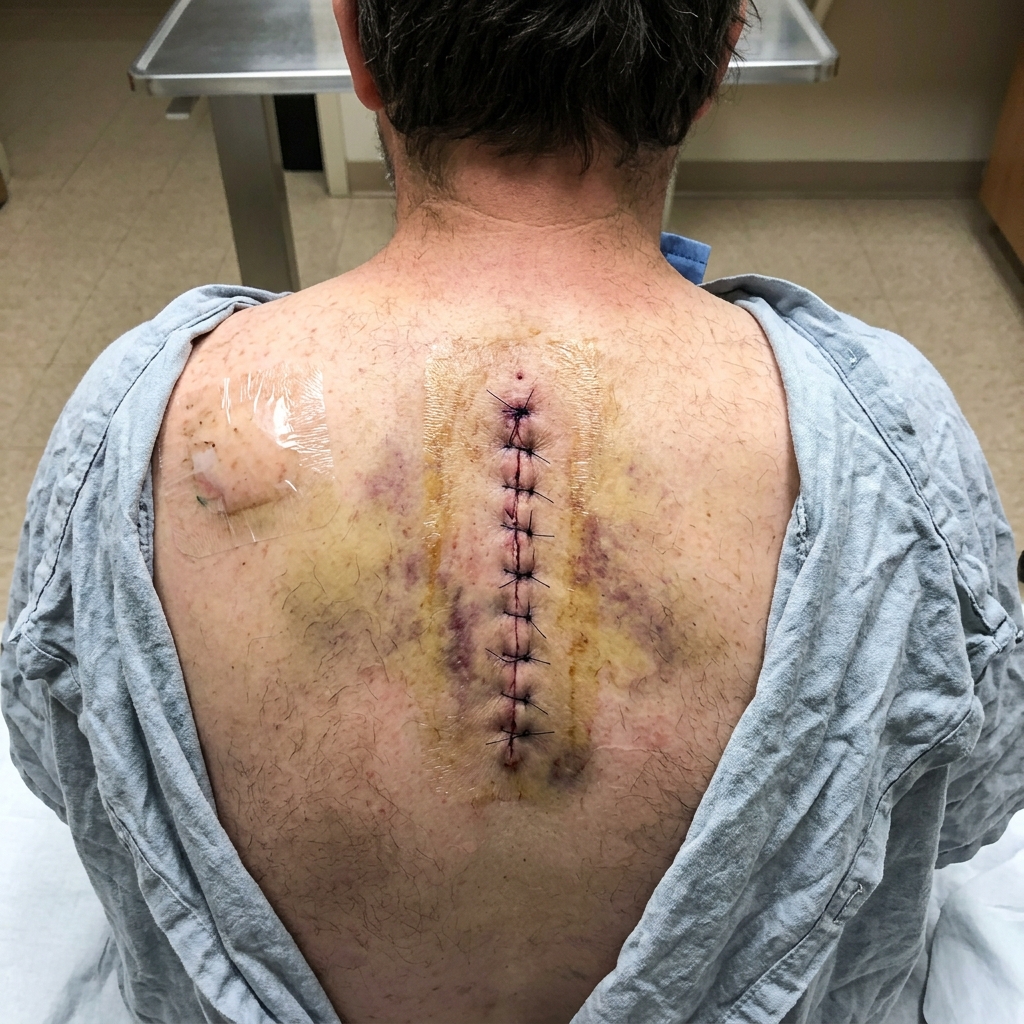
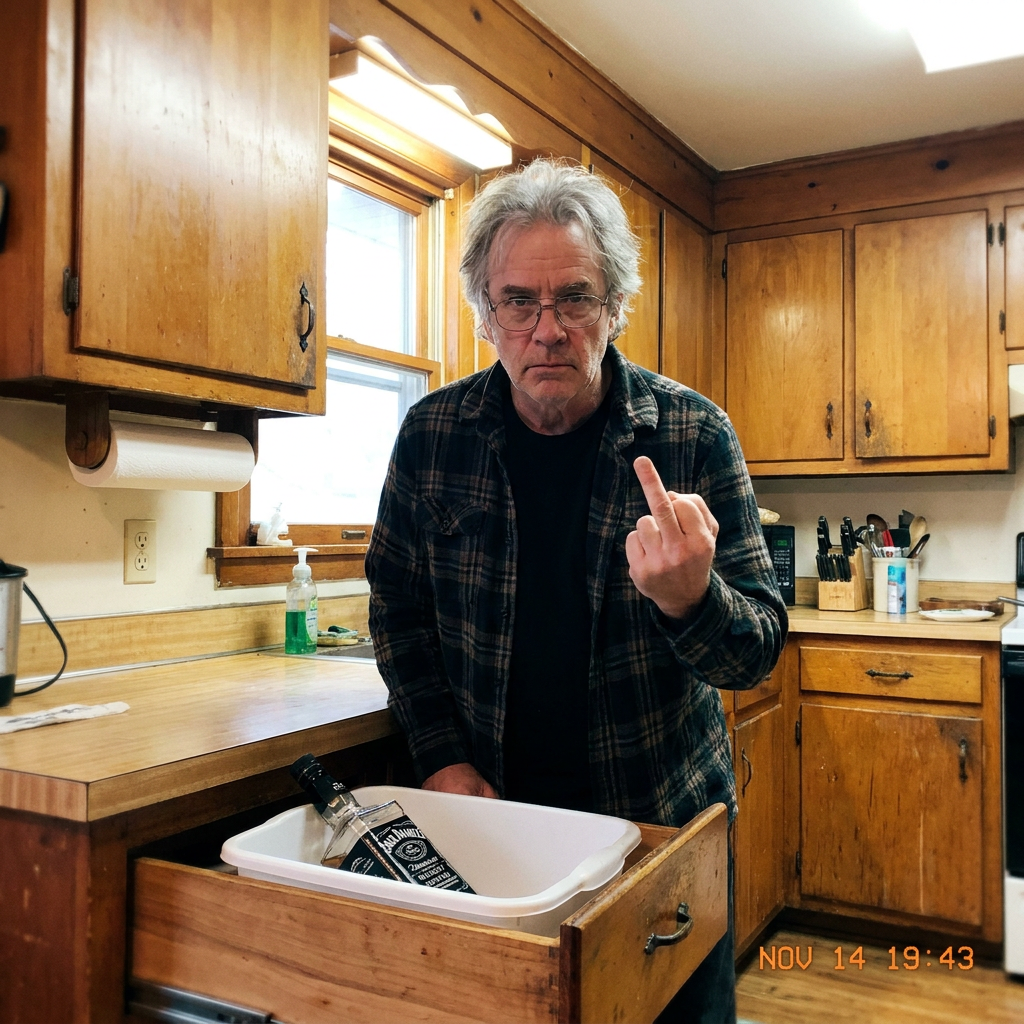
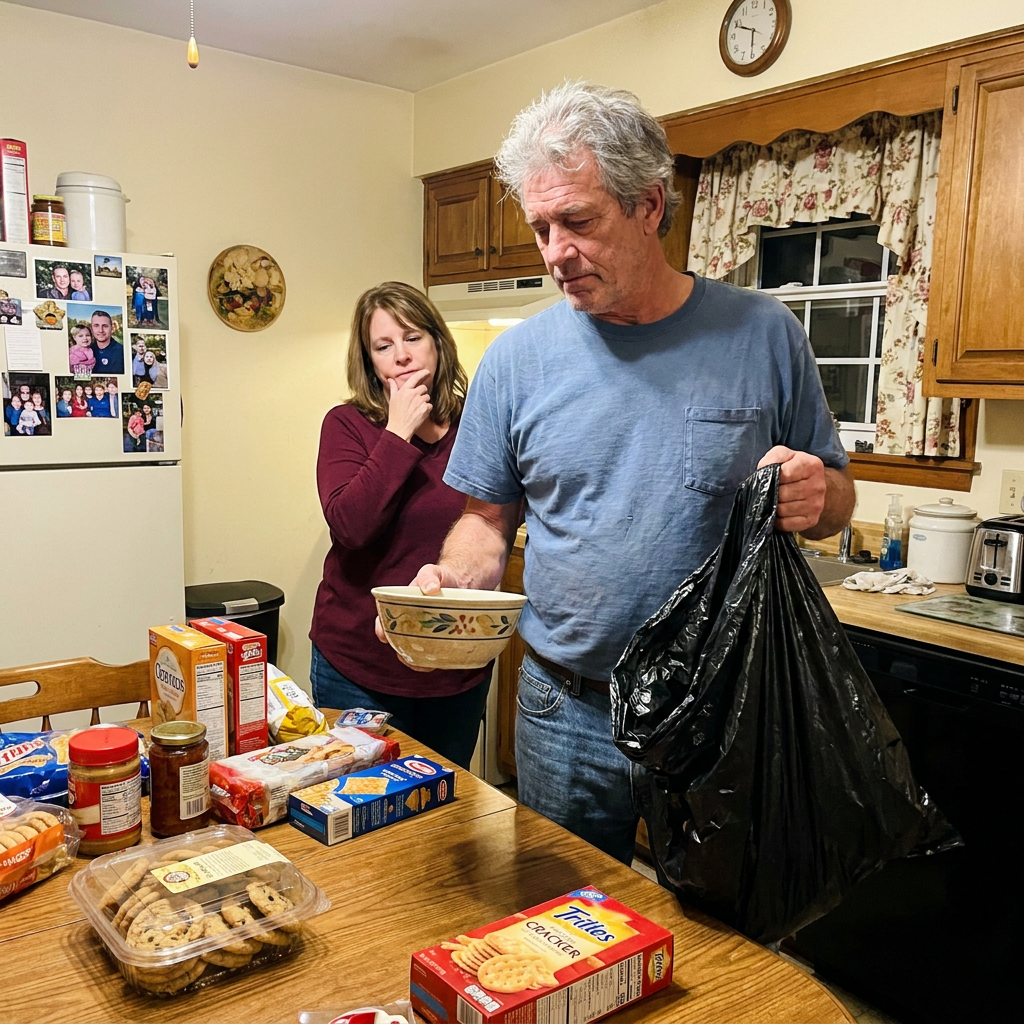
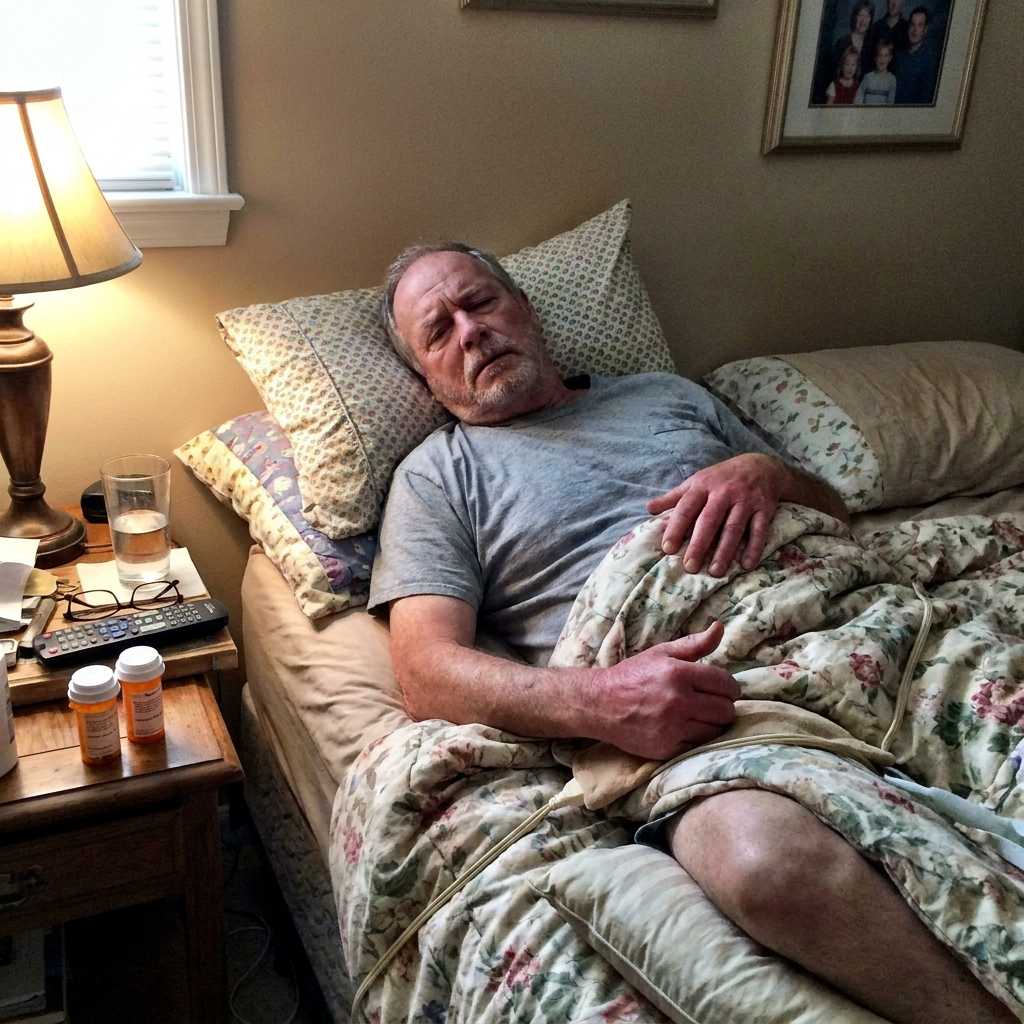
My husband started taking arthritis medication in May 2024. Took his 200mg Celebrex every morning at 7 AM without fail. Took the glucosamine and turmeric supplements he ordered off Amazon. Threw out the sugar bowl that had been on our kitchen table for 36 years. Quit processed food entirely. Went on the anti-inflammatory diet. Did his physical therapy exercises twice a day. Started eating plain baked salmon and steamed vegetables with turmeric every night, of all things. He did everything the doctor told him. He died of a massive stroke on October 3rd at 4:47 AM. He was 62 years old. Started his Celebrex on May 6th. Cut the sugar and alcohol the same day. Ate nothing that wasn't approved. Lost 22 pounds. Did his physical therapy exercises twice a day, rain or shine. The hospital bill was $81,000. The funeral was $12,400. His woodworking apron is still hanging on the hook by the basement door. I can't take it down. If I take it down, he's really gone. His pill organizer is still on the windowsill above the sink. I can't empty it. The Saturday slot is still full. He went down at 2 AM — five hours before the 7 AM pill that was supposed to save him. Sunday through Friday are empty — six days of the pills that didn't. If I empty it, he's really gone. I need to tell you what happened to Robert. Because I'm seeing the same posts on Facebook that I was making just months before he died — "my husband's doctor put him on arthritis medication, anyone know how to help joint pain naturally?" — and it makes me physically ill. If you're over 50 and your joints are deteriorating, or someone you love's are, please read this entire thing. I know it's long. I know you're scrolling. I know you have things to do. Twelve months ago I would have given anything — everything — for someone to tell me what I'm about to tell you. Robert went in for a routine physical on May 3rd, 2024. He felt fine. Better than fine. He was 61. He'd be 62 in September. He still built furniture in his woodshop every weekend. He still rebuilt the engine in his '68 Mustang on Saturdays. He thought he was indestructible and honestly so did I. The nurse practitioner had him walk across the room. Bend his knees. Listened to the grinding. Grade 3 osteoarthritis. Both knees. She ordered X-rays. They confirmed it — almost no cartilage left on the right side. His doctor came in ten minutes later. "Robert, your joints are severely deteriorated. Grade 3 osteoarthritis in both knees. We need to slow this down before you're looking at a total knee replacement. I'm putting you on medication and physical therapy today." Robert was quiet. I was in the waiting room pretending to read a magazine, but he told me everything on the ride home. "What does your diet look like?" "I don't know. Regular food. Steak a couple nights a week. Dessert after dinner. Beer with the guys on Sundays." "That's got to stop. Sugar drives inflammation. Alcohol drives inflammation. I need you on a strict anti-inflammatory diet. No sugar. No alcohol. No processed food. No nightshades — that means no tomatoes, no peppers, no potatoes. I'm prescribing 200mg of Celebrex. One every morning. Physical therapy three times a week. We'll recheck in four months." Robert came home and sat at the kitchen table for forty minutes without saying anything. Then he stood up, walked into the kitchen, grabbed the sugar bowl off the table — the ceramic one his mother had given us for our wedding — and threw it in the trash. Then he opened the pantry. Cookies. Crackers. Pasta sauce. Ketchup and barbecue sauce. Ice cream from the freezer. Frozen dinners. Everything with sugar or inflammatory ingredients on the label went into a garbage bag. The whole pantry — gutted in under an hour. "That's it," he said. "I'm done." And he was. He picked up the Celebrex from the Rite Aid on Murray Avenue that afternoon. Took the first one at 7 AM the next morning with a glass of water. Set the bottle on the kitchen windowsill where he'd see it every day. I bought him a Sunday-through-Saturday pill organizer and started filling it every weekend. Two weeks in, Gary told him over the fence that his rheumatologist had him on glucosamine and turmeric for his own arthritis. Robert ordered both off Amazon that night. Added them to the pill organizer the next Sunday. For 151 days, he didn't touch a grain of sugar. He didn't miss a single pill. No cookies. No beer. No barbecue sauce. Not at his nephew's wedding in July where everything was catered. Not at the Steelers game in August where everyone drank and ate loaded nachos. Not at his own 62nd birthday dinner in September where his brother ordered the loaded potato skins and a pitcher of beer right in front of him and Robert ate the plain grilled salmon with steamed broccoli and drank a glass of water. I threw out 36 years of recipes. I learned to cook things I'd never made in my life — turmeric-spiced fish, roasted vegetables with olive oil, quinoa bowls with lemon and ginger. I'd stand at the stove at 6 PM watching him push the food around his plate and pretend it was fine. I ate the same dinners he did. If he had to give up everything he loved, I wasn't going to sit across from him eating the food he was mourning. He stopped going to Gary's Saturday afternoon cookouts because he couldn't sit there eating plain chicken and drinking water while everyone else had burgers and beer. I stopped going too. I lost my Wednesday night dinners with the girls at the wine bar because I couldn't stand the look on Robert's face when I came home full and he'd been eating steamed vegetables. He lost his buddy Steve, who told him "you're no fun anymore" and stopped inviting him. He skipped his annual fishing trip to the cabin with his brother for the first time in 28 years. He lost a piece of himself he'd been carrying for 32 years. And he did it anyway. Because the doctor said to. Three weeks into the medication, the stomach pain started. Not normal discomfort. A grinding, burning pain in his gut that woke him up at 2 AM. That ruined every meal. That made him carry antacids everywhere he went like they were part of his uniform. His energy? Gone. The man who used to build bookshelves and rocking chairs in his woodshop couldn't stay on his feet past 8 PM. I'd find him asleep in his recliner before the news was over. Every single night. The brain fog started around week six. He'd lose track of conversations mid-sentence and just go quiet, waiting for the thought to come back. Twice he left the stove on. Once he drove past our street and didn't realize it until he was two miles from home. I started checking behind him because I was afraid of what he'd forget next. By summer, the stomach pain had changed. It wasn't just the 2 AM burning anymore. It was tender all the time. He'd press his hand against it after every meal and wince, like the food was punishing him for eating it. The doctor said it was a common side effect. Said his body would adjust. Said the benefits outweigh the risks. The follow-up appointment was September 17th. The doctor had him walk. Bend his knees. Checked the new X-rays. Grade 3. Unchanged. I was the one who looked at the imaging report in the car. I read it three times because I thought I was misreading it. He'd been on the medication AND cut out every inflammatory food for 134 days and the joints looked exactly the same. The doctor said "some patients don't respond well to Celebrex alone. I'm switching you to Diclofenac, 75mg, twice a day. It's stronger. We'll talk about cortisone injections if things don't improve in six months. Keep doing what you're doing." Robert came home that night and sat at the kitchen table again. The same table he'd sat at after the first appointment. He didn't say anything for a long time. Then he said: "I gave up the sugar. I gave up the beer. I'm taking the pills. I'm doing the exercises every day. The pain won't budge." I told him to give it time. I told him the doctor said six months. I told him to trust the process. He nodded. He kept doing the exercises. He kept eating the anti-inflammatory meals. He started the Diclofenac. Five days later — five days — he woke up at 2 AM with a pain behind his right eye so sharp it dropped him to the kitchen floor. I drove him to the ER doing 80 in a 35, with my hand on his chest the whole way to make sure he was still breathing. By the time they admitted him at 3:22 AM, his lips were gray. Not "a little pale." Gray. Like wet cement. Like the blood had stopped reaching them. I sat in the waiting room for an hour and forty minutes. I called our daughter at 3:55 AM and couldn't get the words out. I just kept saying "something's wrong, something's wrong." The vinyl chair stuck to the back of my legs. The ER neurologist — a young woman, couldn't have been 35 — looked at Robert's CT scan and her face did this thing. "Mrs. Mitchell, your husband has suffered a large vessel occlusion. A major artery feeding his brain is completely blocked. The clot has cut off blood flow to the entire right hemisphere. We're seeing severe arterial rigidity — and the long-term NSAID use significantly increases the risk of exactly this kind of vascular event." "But he's been doing everything," I said. She looked at me. "I know, Mrs. Mitchell. I'm sorry." They moved him to the neuro-ICU that night. He stayed there for 11 days. I learned things about the brain I never wanted to know. I learned that when a stroke hits like Robert's did, the brain tissue starts dying within minutes. They call it infarction. It means your husband stops being your husband. He looks at you like he's trying to remember who you are. He says things that don't connect. On day 6, Robert asked me three times in twenty minutes if we were late for our wedding. Our wedding was in 1988. By day 4, they had to put soft mitts on his left hand — the only one that still worked. He kept reaching for the IV lines, pulling at them, confused but determined to get free. The nurses tied the mitt to the bed rail with a cloth strap. I sat next to him for hours watching his fingers work inside it, trying to grip something that wasn't there. That hand had built a cradle for our first grandchild from a single block of cherry wood. Now it was tied to a hospital bed. I learned that they were pumping him full of blood thinners and vasodilators — through the IV, around the clock. The attending neurologist told me the blood vessels in Robert's brain had been stiffening for years. He said the walls of his arteries had lost their ability to flex and respond. He said the NSAIDs Robert had been taking accelerated the vascular damage by suppressing the very compounds that protect blood vessel walls. He said by the time you have a stroke like this, the vessels are essentially rigid pipes waiting to burst. It bought him 11 days. Day 8, the swelling in his brain wouldn't go down. The doctors talked about a craniectomy — removing a piece of skull to give the swelling room to expand. Then they talked about him not being a candidate because of how much tissue had already died. Then they stopped talking about surgery altogether. Day 10, his remaining function started shutting down. He couldn't swallow anymore. They inserted a feeding tube through his nose. I watched them thread it while he gagged with what little reflex he had left. The nurse called it dysphagia. I called our daughter. By day 10 I hadn't slept in my own bed in eight nights. I was eating crackers from the vending machine and drinking the coffee from the family room urn that tasted like it had been sitting since the day before. I stopped looking at myself in the bathroom mirror. I'd lost eleven pounds in nine days. My sister flew in from Cleveland and tried to make me go home for an hour. I wouldn't go. If I left and something happened, I'd never forgive myself. Day 11 — October 3rd — I was in the family room down the hall. They'd asked me to step out while they repositioned him. The chair I'd been sleeping in was still warm. There was a cardigan I'd left over the arm of it. I remember thinking I should fold it. At 4:38 AM I heard the long beep. I didn't move. I sat there listening to it not stop. Nine minutes. I counted them on the wall clock. I knew before anyone came. I knew the second the beep didn't end. At 4:47 AM, a doctor I'd never seen walked into the family room. "I'm so sorry. We did everything we could." I drove home at 7 AM. The air fryer was still on the counter. His physical therapy resistance bands were hanging on the back doorknob. The pill bottles were lined up on the windowsill above the sink — the Celebrex, the Diclofenac, the glucosamine, the turmeric. His work boots were by the basement door — his knees too swollen and stiff to ever walk down those stairs again. His pill organizer was still on the windowsill. Saturday full. Sunday through Friday empty. Where it sits today. I sat in his recliner. I didn't move for six hours. The house was so quiet I could hear the refrigerator hum. 36 years. And now the only sound in my house was the refrigerator. The funeral was October 10th. Robert's brother flew in from Tucson. Our daughter drove up from Philadelphia. The grandkids wore suits that were too big for them. My five-year-old granddaughter asked me: "Grammy, when is Pop-Pop coming home?" I told her Pop-Pop was in heaven now. She said: "Can we call him there?" I had to walk out of the room. After the funeral, I tried to go back to normal. I couldn't. Because every time I opened my phone I saw people my age, men Robert's age, posting things like "doctor put my husband on Celebrex for arthritis, anyone know how to help joint pain naturally?" or "doctor says he has arthritis in his knees, just part of aging right?" And I knew — I KNEW — some of them were doing exactly what Robert did. Taking the medication. Cutting the sugar. Doing the exercises. Eating anti-inflammatory meals. Taking the glucosamine. And dying anyway. I couldn't just sit there and watch it happen. So I started researching. Not because I wanted to. Because I had to. Because if Robert gave up everything for nothing — if I can't save even one person from what happened to him — then I can't live with that. I read for weeks. Medical papers I barely understood. Rheumatology forums. Studies out of Japan and the Netherlands. And one thing kept coming up, over and over, that no doctor ever told us: Everybody watches one thing. The pain. The doctor watches it, you watch it, the whole protocol is built around forcing it down. Push it down far enough and they tell you you're managing it. But the pain was never the thing that destroys your joints. Joint pain isn't the disease. It's the symptom. It's your body screaming that something deeper is broken. The blood vessels feeding your joints have lost the ability to deliver what your cartilage needs to survive. Here's what nobody tells you: cartilage doesn't have its own blood supply. It depends entirely on the blood vessels around it — in the synovial membrane, in the subchondral bone — to deliver oxygen, nutrients, and the raw materials it needs to keep itself healthy. When those vessels are healthy and flexible, blood flows in. Waste gets flushed out. Cartilage holds up the way it's supposed to. You ever hold a rubber band stretched tight for hours? Eventually it loses its elasticity. Goes stiff. Won't snap back. That's what happens to the blood vessels feeding your joints. They get rigid. They lose their flex. And without that flex, the blood flow drops — because the vessels can't expand to push the nutrients through. The reason your blood vessels can't relax is they depend on a molecule called nitric oxide — the one molecule that keeps them loose, wide, and flexible. When you have enough of it, blood flows easy. Joints get what they need. Cartilage holds up the way it's supposed to. But there's something that quietly drains it. An amino acid called homocysteine. I'd never even heard the word. When your body doesn't get enough B12 and folate, homocysteine builds up in the blood. High homocysteine has been linked to damage in the inner lining of blood vessels, and to lower nitric oxide. And it's been linked to a higher risk and severity of osteoarthritis, because it can interfere with collagen and lower bone density. And without enough nitric oxide, the vessels feeding your joints do the only thing they can. They clench. They narrow. They harden. Like a fist that forgot how to open. And your joints? They're stuck trying to survive on a fraction of the blood supply they need — less oxygen, fewer nutrients, more waste building up, more inflammation — and the cartilage breaks down a little more every single year. Until one day, something gives. I read it three times. I sat at the kitchen table with the laptop open at 2 AM and read it three times. And here's the part that made me sit up straight: The pill Robert took every morning for the last five months of his life forced the pain down. It did exactly what it was built to do. What it did NOT do — what nothing the doctor gave him could do — was touch the reason his joints were starving. The vascular starvation was progressing the whole time, right where nobody was looking. Robert's joints weren't destroyed by the pain. His pain was a 7 out of 10 at his last appointment — even on medication, even with perfect dietary compliance. The pain wasn't the threat. The starving, suffocating cartilage underneath was. Read that again. His joint destruction wasn't caused by the pain level. It was caused by years of vascular rigidity — blood vessels that had completely lost their ability to flex and deliver — until the cartilage had nothing left to work with and the degeneration couldn't be undone. The medication never fixed the underlying damage. It couldn't. It was numbing the alarm while the building burned. And then I read the part that broke me. But here's what nobody told us — the same vessel rigidity that was starving Robert's joints was happening everywhere in his body. In his heart. In his brain. The nitric oxide wasn't just depleted around his knees. It was depleted in every vessel he had. And the medication? The NSAIDs he was taking to force the joint pain down? They made the vascular damage worse. Celebrex and Diclofenac block the COX enzymes — the same enzymes that produce prostacyclin, the molecule that protects your blood vessels from clotting. Every dose was simultaneously masking his joint pain and weakening the walls of his arteries. The stomach erosion Robert developed — that's the Celebrex destroying his stomach lining as a byproduct of the same enzyme pathway it blocks. The kidney strain from the Diclofenac — that's his filtration system being overloaded by a medication that forces inflammation down without healing anything. The brain fog, the lost appetite, the crushing fatigue — that's his body being chemically suppressed without being restored. They call these side effects. They're not side effects. They're the pills doing exactly what they're built to do. And here's why none of it saved him: the medication wrestled the pain down. That's all it did. The homocysteine building up in his blood year after year, quietly draining the nitric oxide — what I'm now convinced was the reason his vessels were hardening, his joints were starving, and his arteries were becoming rigid pipes — went completely unaddressed. Meanwhile the side effects gutted his quality of life while the real damage kept building underneath. In his joints. And in his brain. He gave up everything he loved to lower a pain level that was never the threat. While the medication that was supposed to protect his joints was quietly destroying the blood vessels feeding them — and every other organ in his body. I sat with that for three days. I didn't know what to do with what I'd just read. So I did the only thing I could think of — I bought a bottle of the glucosamine supplements Robert had been on. Because his neighbor Gary was on them. Because I'm 60. Because my own knees had started aching at my last physical. Because I was scared. I took it for three weeks. My friend Susan — a rheumatologist I'd known since college, who I called because I trusted her — laughed when I told her. "Cheryl, glucosamine helps a little with cartilage cushioning. That's about it. It doesn't do anything about the homocysteine draining the nitric oxide your blood vessels need to deliver nutrients to the joints. Doesn't touch the vascular stiffness. It's tinkering around the edges. It doesn't reach the vessel walls where the real breakdown is happening." Then she said something I'll never forget: "If there had been something that went after what was draining his vessels — without destroying his cardiovascular system in the process — Robert might still be here." I stopped breathing for a second. "Why didn't his doctor prescribe that?" She was quiet for a long time. "Because we don't prescribe supplements. We're trained to manage the pain, not what's underneath it. Force the pain down, check the box, see the patient in six months. The thing that actually works isn't a pharmaceutical. And no one in my profession is going to be the one to tell you." One thing didn't make sense. Robert ate salmon almost every night. And salmon is full of B12. So how could he have been short on it? I went to CVS the next day. I stood in that aisle for forty minutes. Glucosamine. Chondroitin. MSM. Turmeric curcumin. "Joint support" 30-day programs. Multivitamins with "joint health." Fish oil. And on the bottom shelf, two different bottles of generic B12 tablets — $9.99, the cheap stuff. I bought the cheap B12. Cyanocobalamin, the label said. Took it for two weeks. No change to my joints. I started Googling, and that night I read a paper on cyanocobalamin — the form on my label — and how the body has to convert it before it can use it. Then another one on how the body actually absorbs B12. What I found made me throw the bottle in the trash. It explained that oral B12 absorption depends on a protein called intrinsic factor, produced in the stomach lining. And that after the age of 40, intrinsic factor production declines. By 60, a large portion of people absorb only a fraction of the B12 they swallow. The rest passes through unused. Robert ate salmon almost every night from May until the night of the stroke. Salmon is full of B12. I sat there thinking about how much of it might have gone straight through him. And the stomach lining that's supposed to make intrinsic factor? That's the stomach I watched him press his hand against after every meal. The one the Celebrex was wearing down. I don't know what that did to it. Nobody ever checked. The route was closed. The supplements never had a chance of reaching where they needed to go. It wasn't that there was nothing in the bottle. It never arrived. I had been doing the right thing in the wrong form. Worse than the wrong form. The wrong route. I was furious. I'm still furious. About a week later I was scrolling a Facebook group for women whose husbands are on arthritis medication, or who are on it themselves — full of people like I was. "Just got the diagnosis" people. "Doctor wants to put me on Celebrex" people. "Has anyone tried anything natural for joint pain" people. A woman posted something that stopped me cold. She said her husband had been put on Celebrex at 56 for severe knee arthritis. He took it for two years. His pain came down enough to function, but the stomach erosion got so bad he was on two acid blockers just to eat a meal, his energy was gone, and his rheumatologist still wanted to add cortisone injections — sound familiar? — and then she found a B12 patch. Not a pill. Active B12 and active folate, worn on the skin instead of swallowed, so none of it had to get past the stomach those two acid blockers were already fighting to hold together. She added it to his routine. His joint pain went from a daily 7 to a 2 in eight weeks. His energy came back. After ten weeks, his rheumatologist said he could taper off the Celebrex. Three weeks after that, his stomach finally healed. He kept wearing the patch. His next appointment — medication-free — his knees had better range of motion than they'd had in years. Without going back on the pills. Without doing anything else different. I read that post six times. I started looking into what she described — active B12 and active folate, worn on the skin. And what I learned is that there are five things a serious joint support has to do at the same time, or it's a waste of your money: It has to give the body both of the nutrients it uses to keep homocysteine in check — B12 and folate. Not mask the pain signal. Every paper I read named them together. The cheap bottle only had one. It has to actually get past the gut. That's where intrinsic factor is supposed to be waiting, and after 60, for a lot of people, it mostly isn't. Every pill on that CVS shelf has to go through the stomach first. A patch doesn't. It's delivered through the skin, so intrinsic factor doesn't matter. It has to give the stomach nothing to process. Nothing to swallow. Nothing to dissolve. Not one more thing for a stomach that's already been through enough. The medication can't do this. It can't take the pain down without the stomach paying for it. Every slot in Robert's organizer went through that stomach. Every single morning. It has to be the right forms. Not the cheap versions they put in most bottles. Methylcobalamin — the active B12 — not cyanocobalamin. Cyanocobalamin was the word on the label of the $9.99 bottle I threw out. It's the cheap one, and the body has to convert it before it can use it. And L-methylfolate, the active folate. Both are forms the body can use as they are, no conversion required. Even the extras. Magnesium chloride, not the magnesium oxide in most of the bargain bottles on that shelf. And it has to be steady. Not one hit in the morning with a glass of water and done. Worn eight to ten hours. The slow way. A little at a time, all day, instead of all at once. Five things. All five. At the same time. From one patch. I went through every product I'd looked at in CVS. Not one of them did all five. Most did one. The expensive ones did two. None of them had active B12 and active folate together. None of them got around the stomach. Every one of them was the same cheap pill that was never going to arrive. So I went back to the Facebook post and messaged the woman. She sent me the name. That's when I found Avalaine Joint Relief Patches. It was the only formula I could find that hit all five. 1,200 mcg of methylcobalamin, the active B12, and 200 mcg of L-methylfolate, the active folate, together in one patch. Plus 50 mg of alpha lipoic acid and 75 mg of magnesium chloride. One patch in the morning, on the skin. Worn 8 to 10 hours. Third-party tested. Made in the USA. 60-day money-back guarantee — if your joint pain doesn't improve, you get every penny back, no questions asked. I almost didn't order it. After the CVS aisle. After the glucosamine. After Robert. After everything. But I had a brother in Tucson who was being told the same thing Robert had been told. I had a son-in-law in Philadelphia with "early degeneration" on his X-rays. I ordered it. My brother Jim came back from a routine appointment with a diagnosis of severe osteoarthritis in both knees. Doctor wanted to put him on Celebrex. He told her he wanted to hold off — said he'd watched Robert take arthritis pills for five months and end up in a casket, and he needed time before he went down that road. She agreed to recheck him in ten weeks. He didn't know what else to do. I sent him a box. I didn't ask. I just sent it. Wrote a note that said "If you don't wear this every day I will never speak to you again, Jim, I mean it." He wore it. He kept eating normally — didn't go on some extreme anti-inflammatory diet, he's stubborn the way Robert was stubborn — but he put one on every morning. He went back to his doctor four weeks ago for a follow-up. Pain level: 2 out of 10. Down from an 8. In ten weeks. He hadn't drastically changed his diet. He hadn't started medication. He hadn't started some exercise program. The only thing he changed was the one patch he put on every morning. He called me crying. My brother. 58 years old. Crying on the phone like a kid. He said: "Cheryl, I think Robert died because nobody told him about this." I had to hang up. Then there's my son-in-law. 46, two kids, stiff joints at his last physical — doctor said early signs of degeneration in both knees. Started wearing it six weeks ago. He says the morning stiffness he'd been dealing with for months — forty minutes before his knees would bend right — is down to about ten. He says the swollen knuckles and aching hands he'd been noticing — the ones his doctor said were "probably just normal wear and tear from years at a keyboard" — are gone. His grip is back. My neighbor Pat. Her husband died of a heart attack three months before Robert — they'd had him on Diclofenac for two years. Two widows on the same street. She started wearing them two days after I told her. She says it's the first time since he died that she doesn't feel like she's waiting for a phone call about her own health. I told my sister in Cleveland. I told my daughter in Philadelphia. I told the girls in my Wednesday night dinner group at the wine bar. I told Gary and the guys at his Saturday cookouts when I went over to drop off a casserole. I'm not a doctor. I'm not a scientist. I'm not selling anything and I don't get a penny from any of this. I'm a 60-year-old widow sitting in my dead husband's chair at 2 in the morning because I can't sleep and I can't stop thinking about my brother Jim — 58 years old, in Tucson, who was about to be put on the same medication that destroyed my husband's quality of life and didn't save him — and whether he'd have ended up where Robert ended up. Here's what I know because I lived it: The medication forced the pain down. It didn't touch what his joints were starving for. And the side effects — the stomach erosion, the brain fog, the fatigue, the cardiovascular damage — stripped away his quality of life while the destruction underneath kept building. Cutting sugar and alcohol slowed the inflammation day-to-day. It didn't touch the homocysteine nobody ever tested him for — or the nitric oxide it was draining from the vessel walls feeding his joints. Glucosamine and turmeric help around the edges. They sit on the surface of the problem. They don't reach the blood vessel lining where the real signaling breakdown is happening. Most B12 on the shelf is the wrong form, in a pill that has to get past a stomach that's stopped letting it through. The nutrient that does the work mostly never arrives. Robert gave up everything he loved for 151 days and it didn't save him because nobody told him what was actually broken. I wish someone had told us before May 3rd, 2024. Before the routine physical. Before the sugar bowl in the trash. Before the 151 days of plain baked salmon and steamed vegetables. Before October 3rd at 4:47 AM. I can't go back. Robert can't come back. His pill organizer is still on the windowsill and it's going to stay there. But you can still go forward. Your husband can. Your brother can. You can. It was never the pain. It was what was draining his vessels. I want you to go order a box. Not for me. For whoever you'd leave behind. Here's where I got it: https://try.avalaine.com/arth-sns1 Robert used to say: You can't undo damage that's already done. But you can stop more from happening. You can stop the next joint from giving out. — Cheryl Whittman, age 60 Pittsburgh, PA P.S. The pill organizer is still on the windowsill. Saturday full. Sunday through Friday empty. Every morning I walk past it and for one second I forget. For one second I think he's about to head down to the basement to work on his latest project. He's not. $81,000 in hospital bills. $12,400 for the funeral. 151 days of him giving up everything he loved for nothing. And a box that costs less than what he used to spend on a single dinner out. My friend Susan said Robert might still be here if we'd known. I think about that every day. Please. Don't end up here. Don't let someone you love end up here. https://[DESTINATION-URL] P.P.S. If your husband is already on arthritis medication and his pain seems manageable on paper, please don't close this page. Robert's pain was a 7 at his last check — his doctor would have called that "expected progress on medication." The pain level was never the threat. What was draining his vessels was. Avalaine Joint Relief Patches don't replace anything he's been prescribed. They work alongside the medication — keep him on what his doctor has him on, and tell his doctor he's wearing them. The woman in that Facebook group — her husband was still on his Celebrex when he started wearing it. A 7 down to a 2 in eight weeks. He came off it when his rheumatologist said so, not before. That's the order it goes in. You haven't missed the window. The window opens the day you start. P.P.P.S. If you're reading this and thinking "he'd never go for it" — I want you to hear me. I didn't argue with Jim. I sent him a box with a note that said if he didn't wear it I'd never speak to him again, and he wore it because he loved me. He didn't believe a word of it on day one. He believed it ten weeks later when he walked down the stairs without holding the railing for the first time in two years. You don't have to win the argument before you ask him to start. You just have to get the box in the house. And get it from the link below. It's not on Amazon. It's not on eBay. Avalaine only ships through the one website, and there are already knockoffs out there using the name on the cheap stuff. Order it anywhere else and you're back in the CVS aisle. https://try.avalaine.com/arth-sns1
Where the ad sends people
avalaine.com
Try It 60 Nights Risk Free
Week 1 — Your Body Starts AbsorbingMost people notice something small first. Sleep feels a little deeper. The tension that sits in stiff joints starts to ease. Nothing dramatic, and that's normal. Your cells are replenishing magnesium they've been depleted of, often for years. The process has star...
Shop now: try.avalaine.com(opens in a new tab)