Chris Miller
Chris Miller Facebook ad: “read this if you have hypertension”
Ran for 7 days, from August 15 to August 22, 2026, the last day Crush saw it.
Run by Chris Miller on Facebook. Crush is not the advertiser and does not verify its claims. See this ad in Meta's Ad Library(opens in a new tab)
Make your own version of this ad
Crush makes it, launches it in your own Meta ad account, scales the winners and pauses the losers.
About this ad
- Meta Ad Library ID
- 1820139349270173
- Platforms
- Facebook, Instagram, Audience Network, Messenger and Threads
- Relaunches
- 0
Ad text
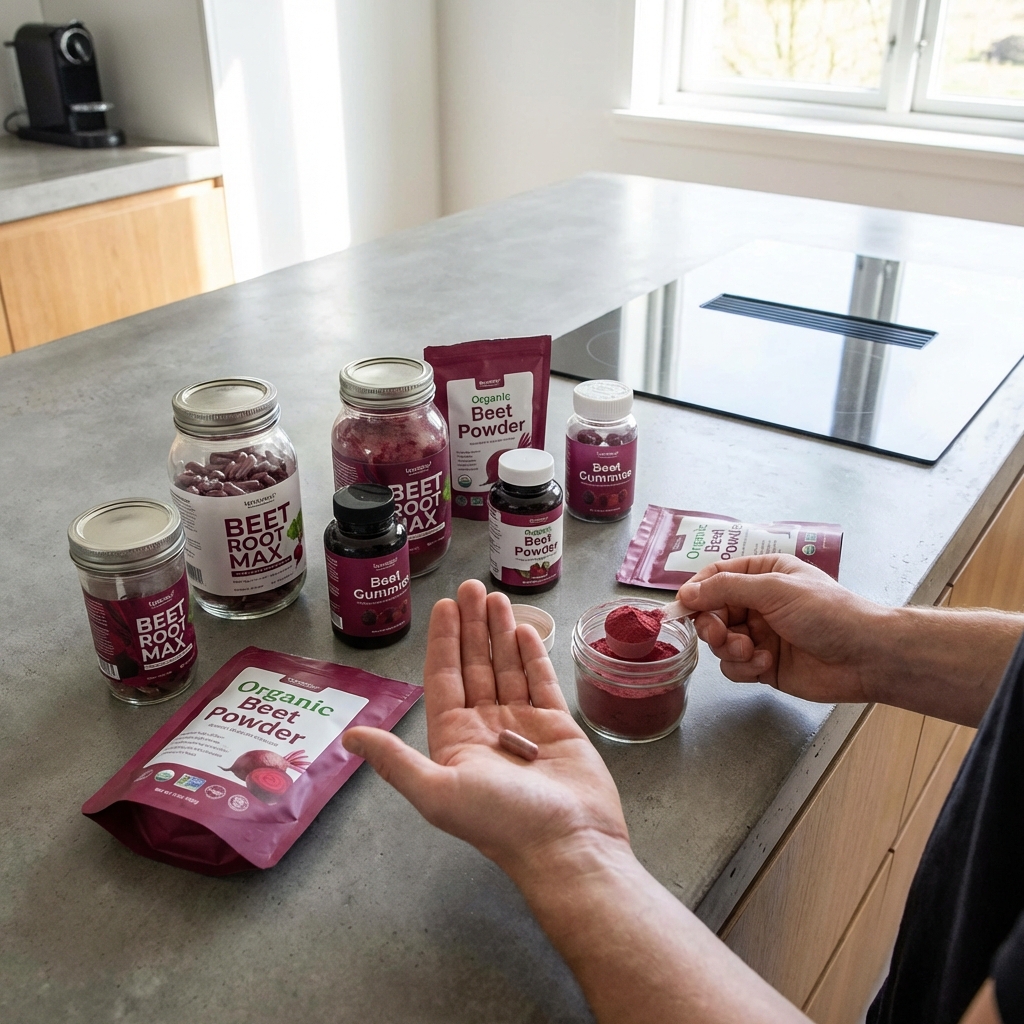
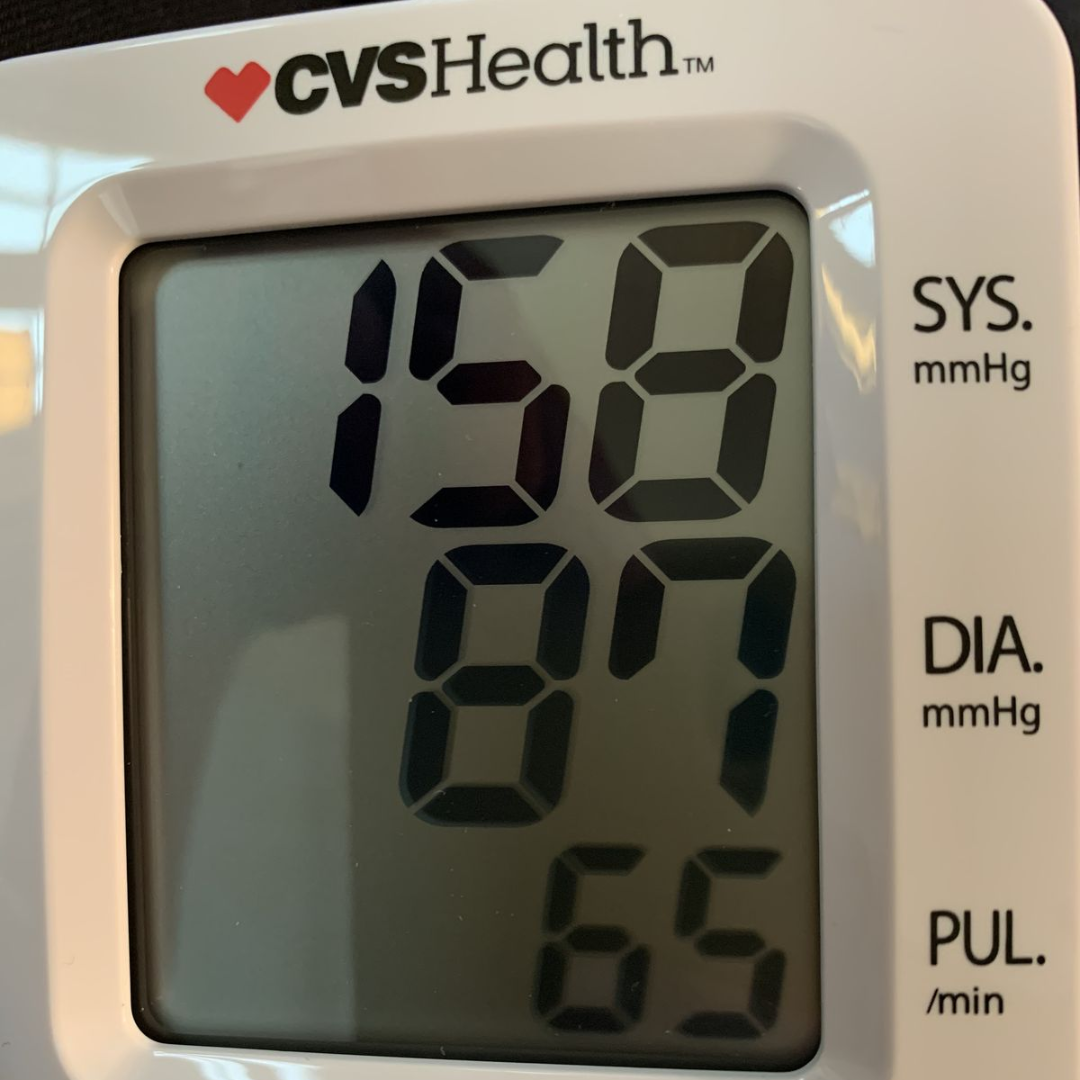
I'm 68, and when my blood pressure hit 145 over 95, my doctor wanted to add another medication. Then I learned that “it runs in your family” isn't the cause. It's what doctors say when they don't know the cause. I want to explain what I found, because I had believed the same thing for years. I thought high blood pressure was something people inherited from their parents. My mother had it. My aunt had it. So when my reading climbed, I assumed I had received the same problem. I didn't question the label. I just accepted that my number was going up because of my family. That changed when I heard Gary Brecka explain what happens to most people after a high blood pressure diagnosis. He said 85% of the time, the person does not know the cause. Not the real cause. And what happens in those cases? The heart gets treated. Beta blockers, ACE inhibitors, calcium channel blockers, diuretics. Doctors reach for medication even when the full cardiac workup is normal. The heart sounds normal. The EKG is normal. The other cardiac tests are normal. But the blood pressure is high, so the heart gets blamed. That stopped me because it described my own experience. My reading was high. My doctor wanted to add another medication. But nobody had explained why my blood pressure was high in the first place. They had given me a label. They had not given me a cause. The clip I heard went further than that. Gary Brecka said the first thing he would check was whether a doctor named a specific reason for the high blood pressure. Not just the word hypertension. Hypertension is the name for high blood pressure. It is not the reason the pressure is high. If the doctor points to a problem with the heart, that is one conversation. But he said that only accounts for about 15% of cases. The other 85% receive the diagnosis without a cause. That was the part I kept thinking about. If the full cardiac workup is normal, why does the family label become the explanation? Why does a relative with the same diagnosis prove that I inherited a gene? It does not. The relative was often told the same thing after the same unanswered workup. Then another person in the family receives the same label, and the pattern looks genetic because the family received the same explanation. That is not the same as finding a gene that caused the condition. The difference matters because a family label changes what you expect. If you believe your blood pressure is genetic, you expect to manage it forever. You stop looking for the process behind the reading. You stop asking whether the blood vessel is getting the signal it needs to relax. You stop asking whether nitric oxide production has declined with age. You simply wait for the next prescription. And that matters, because “it runs in your family” sounds like an explanation when it is not. If a condition is truly caused by a gene, there is a gene to point to. There is a specific inherited change that explains why the condition exists. High blood pressure is not a gene you inherit. It runs through a family without being genetic. That is a family pattern, not proof that your parents handed you a blood pressure diagnosis in your DNA. When doctors do not know why your number is high, family history gives them an easy answer. Your mother had high blood pressure. Your uncle had high blood pressure. So you must have inherited it. Your relatives often received the same unexplained diagnosis. That is what happened in my family. The same label moved from one person to the next. Nobody stopped to ask what was driving the number. I know how this sounds. I had spent most of my life thinking the answer was simple. Take the medication. Watch the reading. Accept that high blood pressure runs in the family. When my blood pressure reached 145 over 95, my doctor wanted to add another medication. I understood why. That number was not where I wanted it. But I also knew I was about to treat the number without understanding the reason behind it. So I started looking for a better explanation. I went back to the question I should have asked first. What actually controls the pressure inside the blood vessel? That question led me to nitric oxide. Nitric oxide is a signal your body uses to tell the ring of muscle around a blood vessel to let go. When that muscle relaxes, the blood vessel widens. When the vessel widens, blood presses less against the vessel wall. That lowers the pressure your monitor records, especially the top number. As people get older, the body produces less nitric oxide. That decline changes how easily the blood vessel relaxes. The result is a higher morning reading for many people who have been told their high blood pressure is simply genetic. The heart is still doing its job. The problem is that the blood vessel is not receiving the same relaxation signal it received when you were younger. That was the first explanation I had heard that connected the reading to something specific. It also gave me a better way to read the advice I had already received. Eating better still matters. Moving your body still matters. Keeping a record still matters. But none of those steps answer the question by themselves. They do not explain why the ring of muscle around the blood vessel is not relaxing as easily as it should. They do not explain why nitric oxide production declines with age. They do not explain why two relatives with the same diagnosis prove a family pattern but do not identify a genetic cause. Once I understood that, I stopped treating the word genetic as the end of the conversation. It became the beginning of a better one. It also explained why treating only the heart never answered my question. If the heart tests are normal, lowering the heart's workload does not explain why the blood pressure rose. It only changes what the heart has to push against. The question is still there. Why is the pressure high? What tells the vessel to relax? Where does that signal come from? I started paying attention to the difference between lowering a number and supporting the process that controls the number. That difference is easy to miss. You take a reading in the morning. You see 145 over 95. You take another reading later. Sometimes it is lower. Sometimes it is higher. Then you are told to keep watching the number and keep taking the prescription. But the number is the report. It is not the whole reason behind the report. That is why I stopped accepting “it runs in your family” as the final answer. I also stopped looking for another random ingredient from the supplement shelf. I wanted one product built around the signal I had just learned about. I spent the next few days looking at what a daily formula would need to deliver. It needed to give the body a known amount of the raw material used to produce nitric oxide. It needed to be simple enough to take every day. It needed testing, because a beetroot label by itself does not tell you how much dietary nitrate is in the dose. And it needed to fit the actual goal. I was not looking for a product that talked vaguely about wellness. I wanted to support the blood pressure reading I checked every morning. I wanted to know what I was taking and why I was taking it. That narrowed the search quickly. The formula had to make the nitrate amount clear. The extraction method had to protect the ingredient. The lab results had to be published. The routine had to involve capsules, not a scoop of powder and a kitchen scale. I also wanted a formula with one clear job instead of a long list of unrelated ingredients. That is when I found Zenther's BeetWise Root Formula. It uses cold-extracted beetroot to deliver verified dietary nitrate. Dietary nitrate gives the body the raw material it uses to produce nitric oxide. The product is third-party tested, and Zenther publishes the lab results showing the nitrate content in each serving. That detail mattered to me. Beetroot is not the point by itself. The point is the verified amount of dietary nitrate in the dose. One dose gives you 400 milligrams of dietary nitrate in a dose, which is two capsules a day. One capsule in the morning and one in the afternoon, preferably with food. No scoop. No powder to mix. No complicated routine. Just two capsules a day from a cold-extracted beetroot formula. I also looked at what was not in it. No unnecessary ingredients. No drug. It is vegan, gluten-free, nut-free, soy-free, dairy-free, cruelty-free, and non-GMO. The product was simple enough to use every day, and the nitrate amount was verified instead of being left to guesswork. That is what I had been missing. I had seen plenty of bottles that talked about beetroot. I had not seen many that made the nitrate amount the center of the dose. There is a difference between taking a beetroot product and taking a verified nitrate dose from cold-extracted beetroot. The first description tells you the plant. The second tells you what the formula is built to deliver. The label also made the routine easy to remember. One capsule with my morning meal. One capsule with my afternoon meal. That gave me one dose across the day without changing everything else I was doing. I kept my normal meals. I kept checking my blood pressure. I kept taking the medication my doctor had already prescribed while I talked with him about my readings. I did not need to pretend one bottle answered every question. I needed to add a clear routine and watch the number. I started taking it as directed. Two capsules a day. One in the morning. One in the afternoon. I did not expect a stimulant feeling. This is not caffeine. It is not supposed to make your heart race or give you a sudden burst that disappears later. The goal is a better nitric oxide signal, a more relaxed blood vessel, and a lower blood pressure reading over time. The first thing I paid attention to was my morning reading. Not how I felt for five minutes. Not whether the bottle looked impressive. My blood pressure monitor was the test. I kept checking it the same way each morning because I wanted a number to compare. For the first few days, I did not turn the routine into a story. I took the capsules and wrote down the reading. I checked the time. I wrote down whether I had eaten. I kept the process ordinary because blood pressure changes from one reading to the next. One number does not explain everything. That is another reason the family explanation causes trouble. It makes people feel as if the result is fixed before they have tracked what is happening. I wanted several readings, taken the same way, with the same question in front of me. Is the top number moving? Is the bottom number moving? Is the routine simple enough that I will still be doing it next week? The answer to the last question was yes. I did not have to remember a powder measurement. I did not have to build a new meal plan. I did not have to wait for a dramatic sensation. I took the two capsules and kept the morning reading in front of me. That was the first phase. The routine became normal before the result became the point of the story. The second phase was understanding what I was watching. The beetroot was not acting as a stimulant. The nitrate was there to support the body's nitric oxide process. Nitric oxide tells the ring of muscle around the blood vessel to relax. That relaxation gives blood more room to move through the vessel. When blood presses less against the vessel wall, the monitor records less pressure. That is why I kept the focus on the blood pressure reading. The energy and stamina claims were not the reason I started. My reason was 145 over 95. My reason was the prescription I did not want to add without understanding the cause. My reason was the family label that had replaced an explanation. Then the number changed. After three weeks, my reading was 125 over 78. It had been 145 over 95. My doctor was amazed. That sentence stayed with me because it was not a sales page making the observation. It was the doctor who had wanted to add another medication. He had seen the old reading. He had seen the new reading. The number had moved from 145 over 95 to 125 over 78 in three weeks. That was the third phase for me. The reading gave me something concrete to discuss instead of another argument about whether high blood pressure was genetic. I showed the starting number. I showed the current number. I showed the routine I had followed. The conversation changed because the question changed. It was no longer, “What do people in my family get?” It was, “What happened to my reading after I supported the nitric oxide process with a verified dose?” The fourth phase was deciding to keep tracking it. I did not expect one good reading to erase every future reading. I wanted a daily habit that kept the process in view. Morning reading. Two capsules across the day. Notes in the tracking journal. That is how I think about it now. I am not trying to win an argument with a family member. I am not trying to prove that doctors never help. I am asking for the cause behind my number. I am supporting a process that controls pressure inside the blood vessel. I am checking what my monitor says. I was not celebrating a family diagnosis anymore. I was looking at a different number because I had finally found a routine aimed at the process behind the number. That distinction changed how I thought about blood pressure. It also changed what I wanted to tell other people. If your doctor says your high blood pressure runs in your family, ask what the actual cause is. If your heart tests are normal, ask what is controlling the pressure in your blood vessel. If the answer is “we don't know,” you are not required to treat that uncertainty as a genetic sentence. You are allowed to learn what your body needs to produce nitric oxide. You are allowed to track your morning reading. You are allowed to look for a formula that gives you a verified amount instead of another vague promise. That is what BeetWise gave me. It gave me a simple routine built around cold-extracted beetroot and 400 milligrams of dietary nitrate in a dose. It gave me a reason to pay attention to the blood pressure number without treating the number as my identity. And it gave me a reading of 125 over 78 after three weeks. People have used Zenther's BeetWise Root Formula to support healthy blood pressure, healthy circulation, daily energy, and stamina. More than 50,000 customers have chosen Zenther products. The formula is backed by a 90-day money-back guarantee. If you buy it and decide it is not right for you, you have 90 days to request your money back. If you are ready to support the nitric oxide process with a verified beetroot formula, tap below to learn more about Zenther's BeetWise Root Formula. Choose a one-time order for $50, or subscribe for $40 and save 20% on each delivery. The Buy 2 Get 2 Free option includes free shipping, and your order also includes the 90-Day Blood Pressure Tracking Journal and the Nitric Oxide Food Guide. Tap below, read the product details, and choose the routine that fits you. You do not have to keep calling high blood pressure genetic just because it runs through your family. Family history is not the cause. It is a reason to ask better questions. Your morning reading is the number to watch. And the first question is not only how to lower it. The first question is what your blood vessel needs in order to relax. That is what I finally learned. That is what changed my reading. The reason I keep coming back to the family story is that it changes the way people behave. Someone hears that high blood pressure is genetic, and they stop expecting anything to change. They accept the next prescription as their future. They treat every high reading as proof that their body is failing in a way they cannot influence. That is not how I see my readings anymore. I see a number that needs attention. I see a process worth understanding. I see a daily routine worth tracking. That is a very different position from giving up before you start. BeetWise also gave me a way to stay specific. The formula is not built around a mystery blend. It gives you cold-extracted beetroot, verified dietary nitrate, and published lab results. The product page cites 82 clinical trials on beetroot. The dose is clear. 400 milligrams of dietary nitrate in a dose. Two capsules a day. The routine is clear. One in the morning and one in the afternoon, preferably with food. The result I tracked is clear. 145 over 95 before. 125 over 78 after three weeks. That is enough information for me to know what I am doing and what I am watching. 👉 https://zenther.co/pages/listicle
Where the ad sends people
zenther.co
read this if you have hypertension
Zenther Beetwise, 400mg verified nitrates per serving not 5mg like most brands. Cold-extracted beetroot supplement with published lab results. 90-day guarantee. Try BeetWise today.
Learn more: zenther.co(opens in a new tab)