
Inactive· since Jun 28, 2026
- 16
- days it ran
- 0
- relaunches
Ad copy
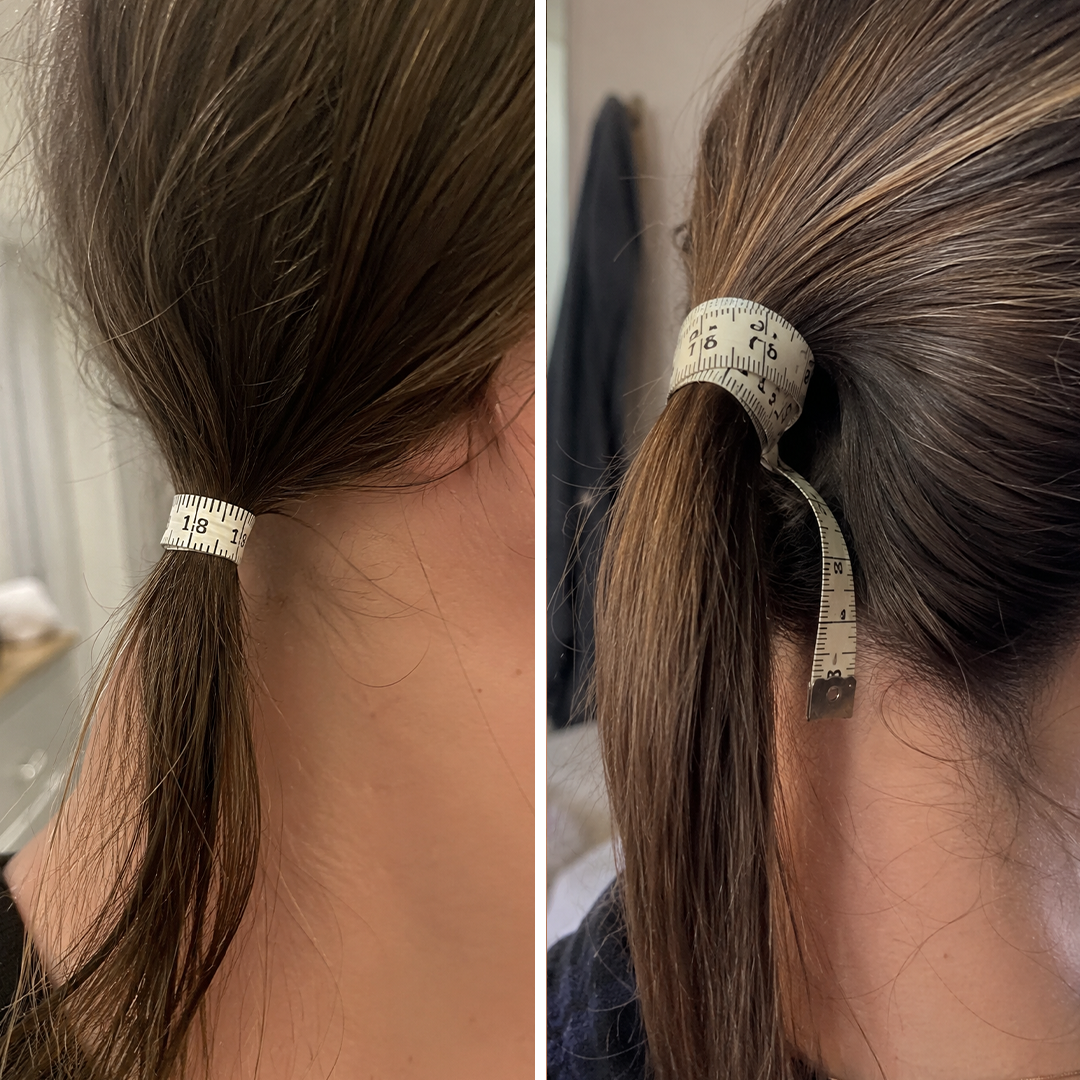
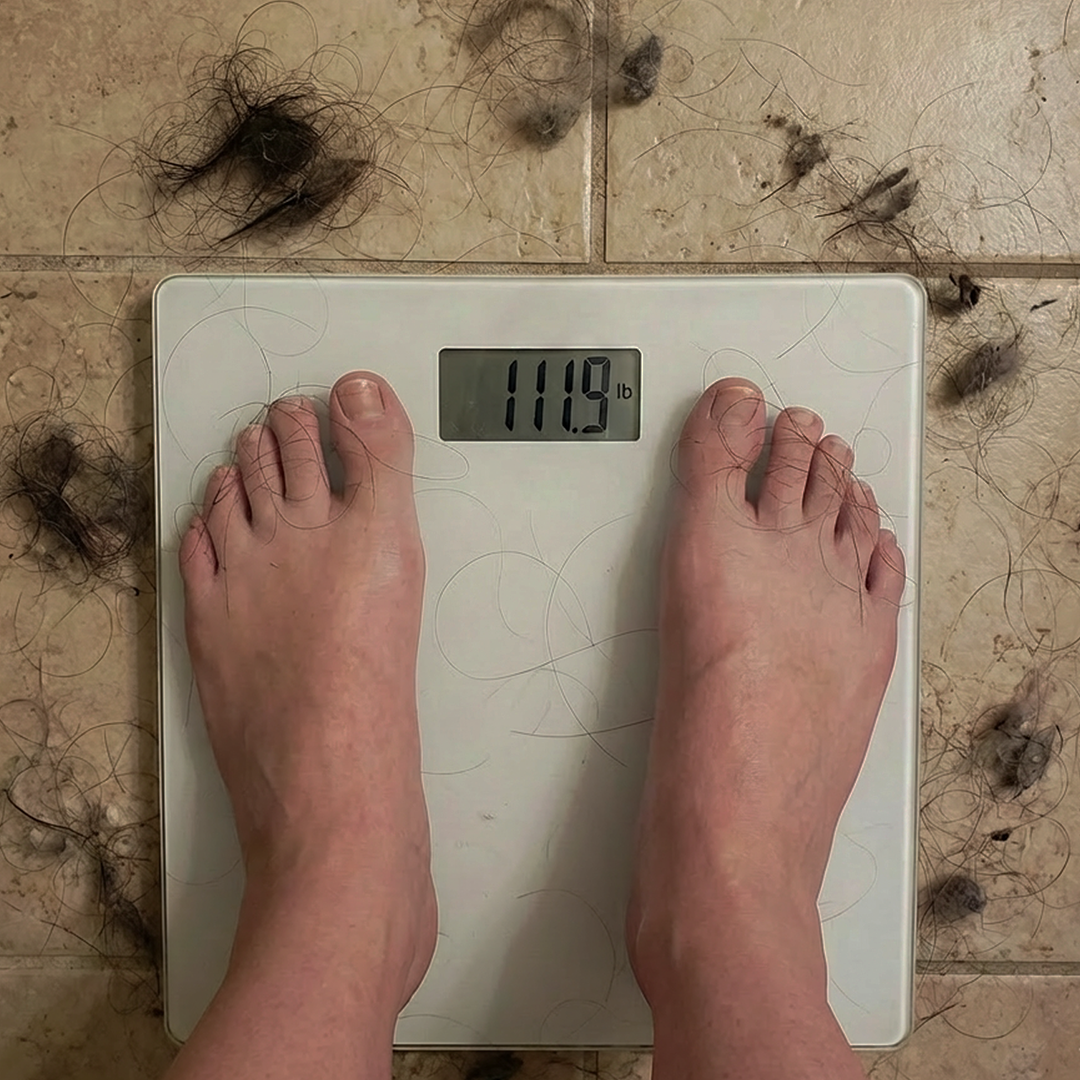
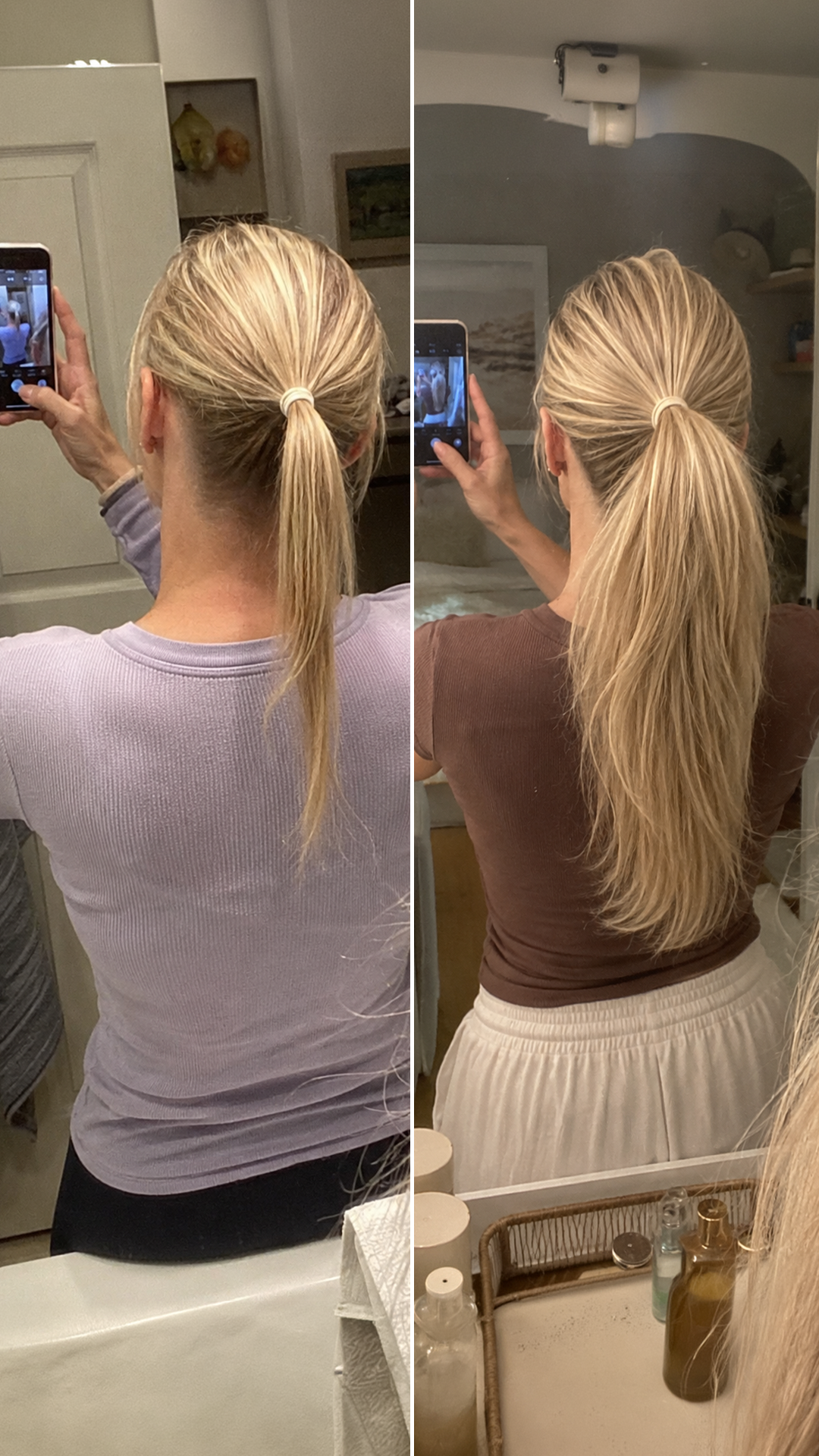
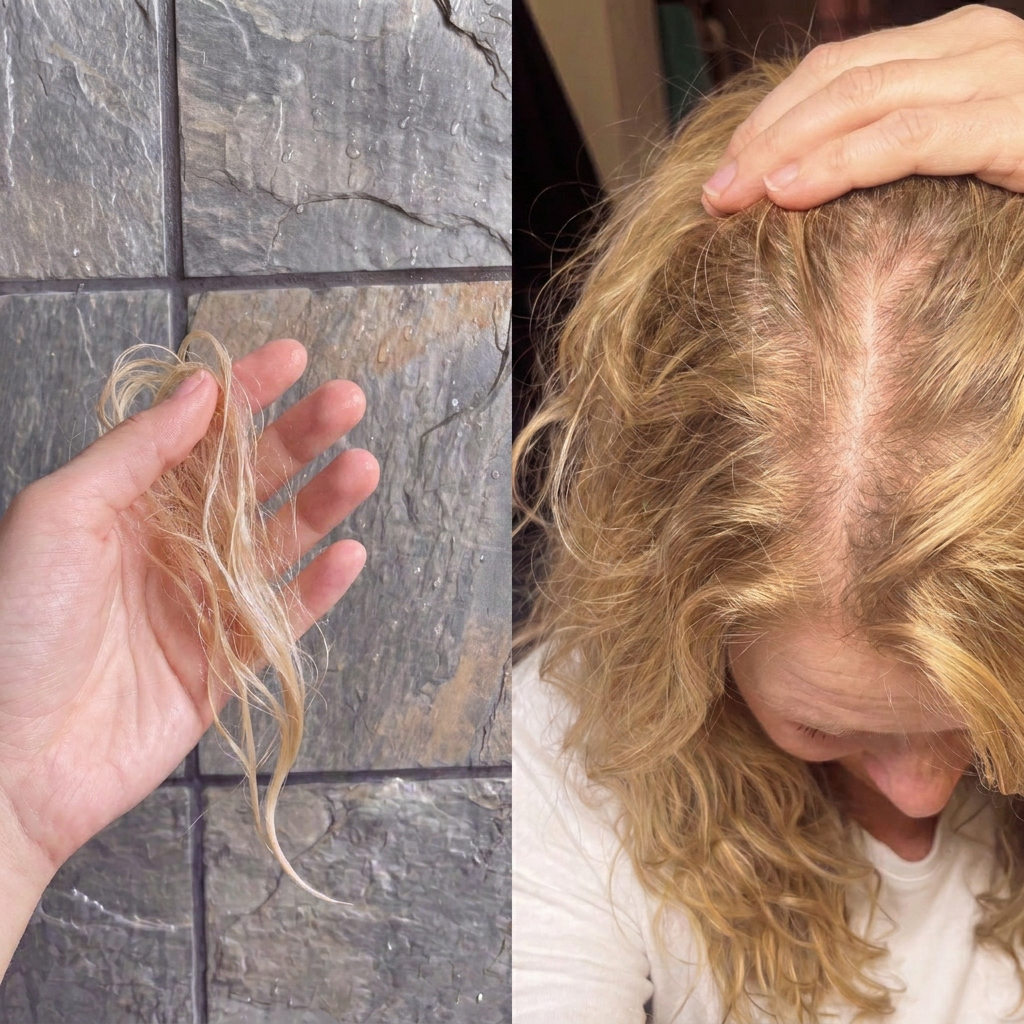
Years ago, losing my job grew my hair back. I'm not exaggerating. The stress had been thinning it for years, and the day I walked away, it started coming back. So when it started falling out again at 51, everyone told me the same thing they always do — "it's stress." And I was the one person on earth who knew, for a fact, that it wasn't. Let me back up. I'm Jessica. I spent nineteen years as an operations manager at a company that, one Tuesday, decided it didn't need me anymore. I was 47. I sat in my car in the parking lot expecting to feel the floor drop out. It didn't. Because somewhere in those nineteen years, without ever feeling rich, I'd quietly done the boring things. Maxed the retirement account every year. Paid the house off early. Drove the same car for twelve years. And for a long time I'd kept a little business on the side — I did the books for a handful of small shops around town, the kind of work you can do at the kitchen table in your slippers. I ran the numbers that night. And I realized something that genuinely shocked me. I didn't have to go back. The house was mine. The bookkeeping covered what I actually spent. I'm not wealthy — I want to be clear about that. But I'm fine. No debt, modest needs, and a calendar that finally belonged to me. So I didn't go back. I built the life everyone says they want. Slow mornings. Long walks. Work I could set down whenever I felt like it. No deadlines, no commute, no Sunday-night dread. And something happened I never expected. My hair came back. It had been thinning for the last few years at that job — quietly, the way it does when you're running on cortisol and four hours of sleep. I'd blamed my age. But within a few months of walking away, the shedding stopped. My ponytail filled back in. My hairdresser even said something about it. That was the proof, burned into me: stress had been eating my hair, and taking the stress away gave it back. I lived it. I saw it happen with my own eyes. For the next few years my hair was the best it had been in a decade. And then I turned 51, menopause arrived, and it started coming out again. The pillow. The shower drain. Wrapped around the brush after a single pass. On the back of every dark shirt I owned. My husband stopped wearing navy because hugging me meant lint-rolling after. My thick ponytail — the one that had come back when I left that job — went from wrapping the elastic twice to wrapping it three times, and still sliding loose. And here's the part that made me want to throw something. Every single person had an answer, and the answer was always stress. "You've got to manage your stress." "Hair loss is a stress thing." "Have you tried meditating?" But I already knew what stress hair loss looked like — I'd had it, and I'd cured it years ago by walking out of a building. My life now had less stress in it than it had ever had. No job. No money panic. No schedule. This wasn't that. I knew it in my bones, because I'd seen the real version once before, and this was different. So either everyone was wrong about the cause… or there was something going on that had nothing to do with stress at all. I tried the usual graveyard anyway, because what else do you do. Biotin every morning. The $89 bottle everyone swears by. A thickening shampoo that cost more than my face cream. Eight months of minoxidil that burned and did nothing once I stopped. Nothing worked. And my bloodwork was perfect. Every marker, normal. My dermatologist looked at my chart, smiled, and said, "Whatever you're doing is working." I wanted to scream. Here's what finally made it make sense. I found a Stanford dermatologist who said something no one else had. He said the reason this didn't feel like my old hair loss is that it wasn't. The stress shedding I'd cured years ago and this were two completely different things — and almost everyone confuses them. This one was about the scalp underneath. He explained it like this. The hair coming out of me was healthy — full strand, bulb still attached, years of life left in it. Healthy hair like that doesn't just fall. It gets released. Pushed out early by a scalp that's lost its grip. And at menopause, when estrogen drops, the scalp tissue starts aging up to ten times faster than the skin on your face. As it ages, it loses its hold, and it starts letting healthy hair go years before it should. That's why this felt different from the last time. Back then, stress was choking my hair, and removing it gave it back. This time, stress wasn't the thing aging my scalp — menopause was. You can meditate all you want; it doesn't slow down what's happening in a layer of skin nobody ever looks at. For the first time, the thing that didn't make sense finally did. So he'd built something to rebuild that grip. Topical, sixty seconds on a clean scalp before bed. No prescription, no hormones. He made it after watching his own mother go through this exact thing. And before you roll your eyes the way I did — I checked. Properly. I looked him up on certificationmatters.org, the official database where you can confirm whether a doctor is actually board-certified, and there he was. Board-certified by the American Board of Dermatology. Stanford-trained. Published in the journals dermatologists actually read. He didn't run his trial in his own clinic, either. He handed it to an independent lab and had them count every strand a woman lost — by hand, before and after. That trial just cleared peer review and is being published in one of the biggest dermatology journals in the world. Over 150,000 women are using it now. What came back: shedding down 68%. Near-empty brushes by week six for the overwhelming majority of women. And real new hair — over ten thousand new strands per woman by week twelve, counted by hand. It's not minoxidil, by the way. No burning, no rebound, nothing you get chained to. I'd been burned enough times that I left the box on my dresser for four days before I opened it. Then I told myself: twelve weeks. If nothing changes, I'm done. The first two weeks, nothing. Same drain, same part. I figured I'd wasted my money again, but I'd bought it, so I kept going. Week three, the drain had less in it after a shower. Not dramatically. But noticeably. I told myself I was imagining it. The next wash, same thing. Week four, the clumps on the brush were smaller. Nothing on the pillow in the morning. The shedding felt normal again — the way it used to feel before all of this. Week six, I pulled it up and the ponytail felt heavier in my hand. Actually heavier. My husband walked in and I just said, "feel this." He did. He said, "when did that happen?" Week eight, baby hairs along my part and my temples, standing straight up when I pulled it back. By week twelve I was wrapping the elastic twice again. The way it always used to go. My hair was never broken. My scalp had just stopped holding it — and once that was fixed, it held on again. This time, it really wasn't the stress. And I couldn't shut up about it, so of course I told everyone. My friend Marcy, 58 — she'd been blaming her divorce for her thinning hair for three years. Two months in: "Jessica. I'm two years past the divorce and my hair only just came back. It was never the divorce, was it." My sister-in-law Joanne, 61 — given up entirely. Six weeks: "There's hair where there wasn't hair. I don't understand it but I'm not arguing." Here's what cured stress hair loss once — and one honest dermatologist — taught me. If your hair is falling out, everyone is going to tell you it's stress. Sometimes they're right. Years ago, for me, they were. But menopausal hair loss is a different animal, and people treat it like the same one. I'd beaten the stress kind. This wasn't it. No amount of calm was ever going to touch it, because the cause was in a layer of skin no amount of calm reaches. The hair coming out was never the problem. It was healthy. It was being released by a scalp that aged too fast when my hormones shifted. The supplements didn't fail because I picked the wrong ones. They failed because they were aimed at the strand on top, not the scalp underneath, where the whole thing was actually happening. If your hair is thinning and you've been told to "just relax" — please hear me. Maybe relaxing is good advice for some kinds of hair loss. It was never going to fix this one. The dermatologist put together a short explainer that walks through exactly what's happening and how to tell if it's reversible for you. It's the thing that finally made it make sense for me, and there's a 90-day money-back guarantee on the protocol — one email, every penny back, you keep the bottles — so there's no way to get burned again. Your hair will thank you. And so will every dark shirt you own. — Jessica P.S. The funny thing is, after the firing, people kept asking when I was going back to work — like a calm life was a phase I'd snap out of. I never did go back, and walking away genuinely did give me my hair the first time. That's exactly why the second time fooled everyone. They saw "woman, hair loss" and reached for the same answer. But I'd already run that experiment with my own life, and I knew the result. If you've cleaned out your whole life and your hair is still going, it isn't a willpower problem and it isn't a stress problem. It's the scalp. The link's above.
Losing my job grew my hair back
Dermatologist-developed, the best hair growth products for thinning hair. Reduce hair fall by 30% in two months, and stimulate hair follicle growth by 200%. No known side effects.
LEARN MORELike this ad? Make it yours.
Crush rebuilds this exact creative around your product — your brand, your colors, your offer — in about a minute.