
Inactive· since Mar 27, 2026
- 40
- days it ran
- 0
- relaunches
Ad copy
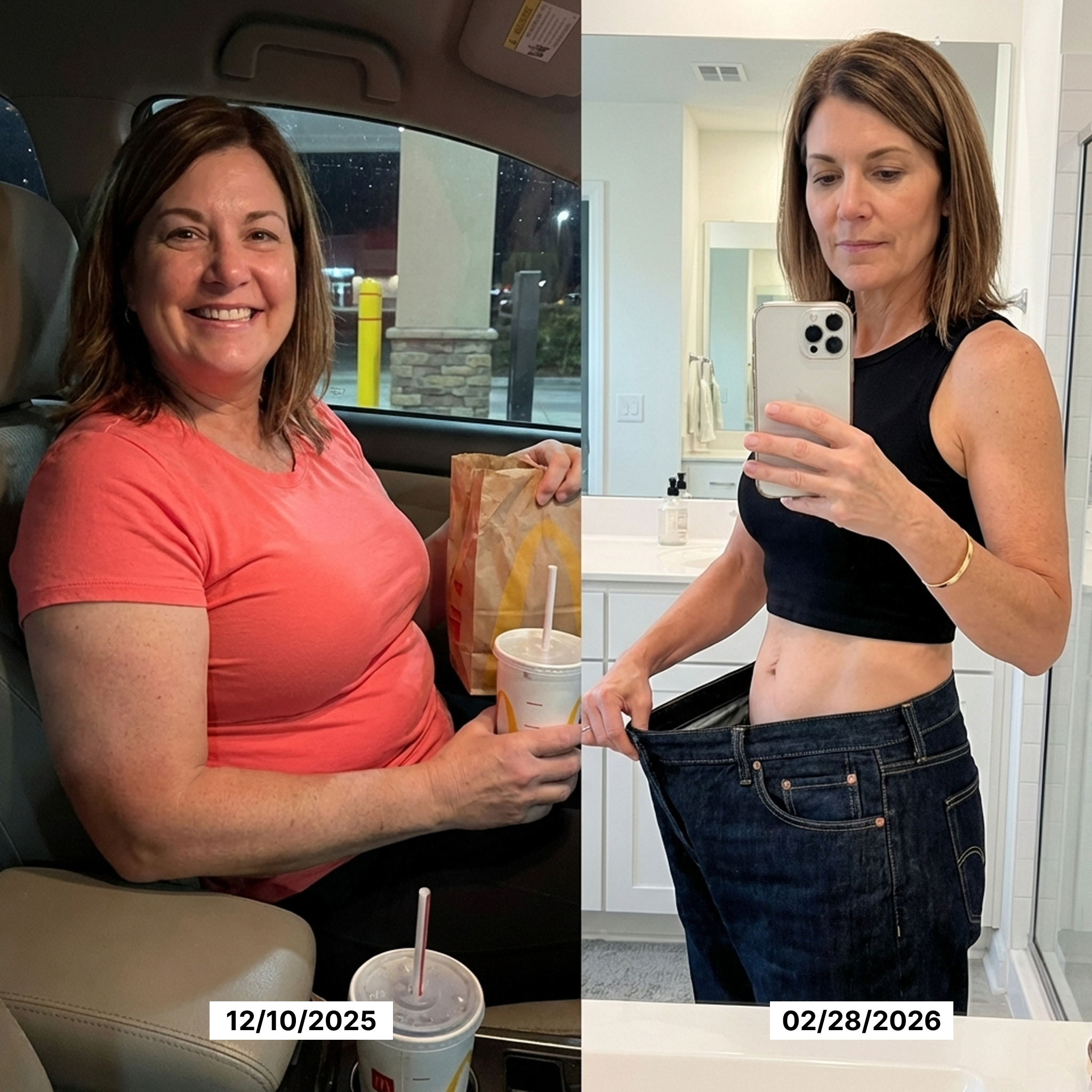
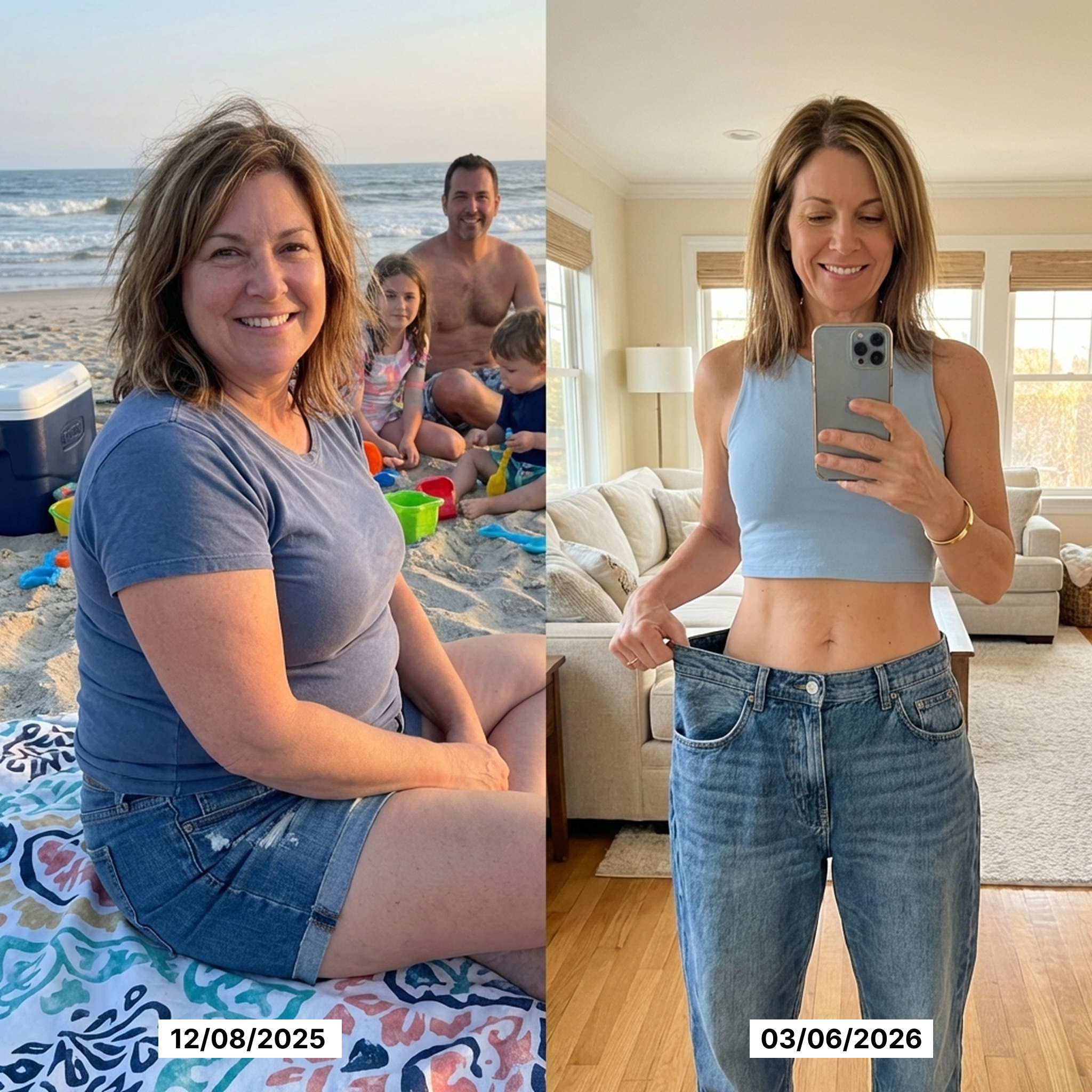
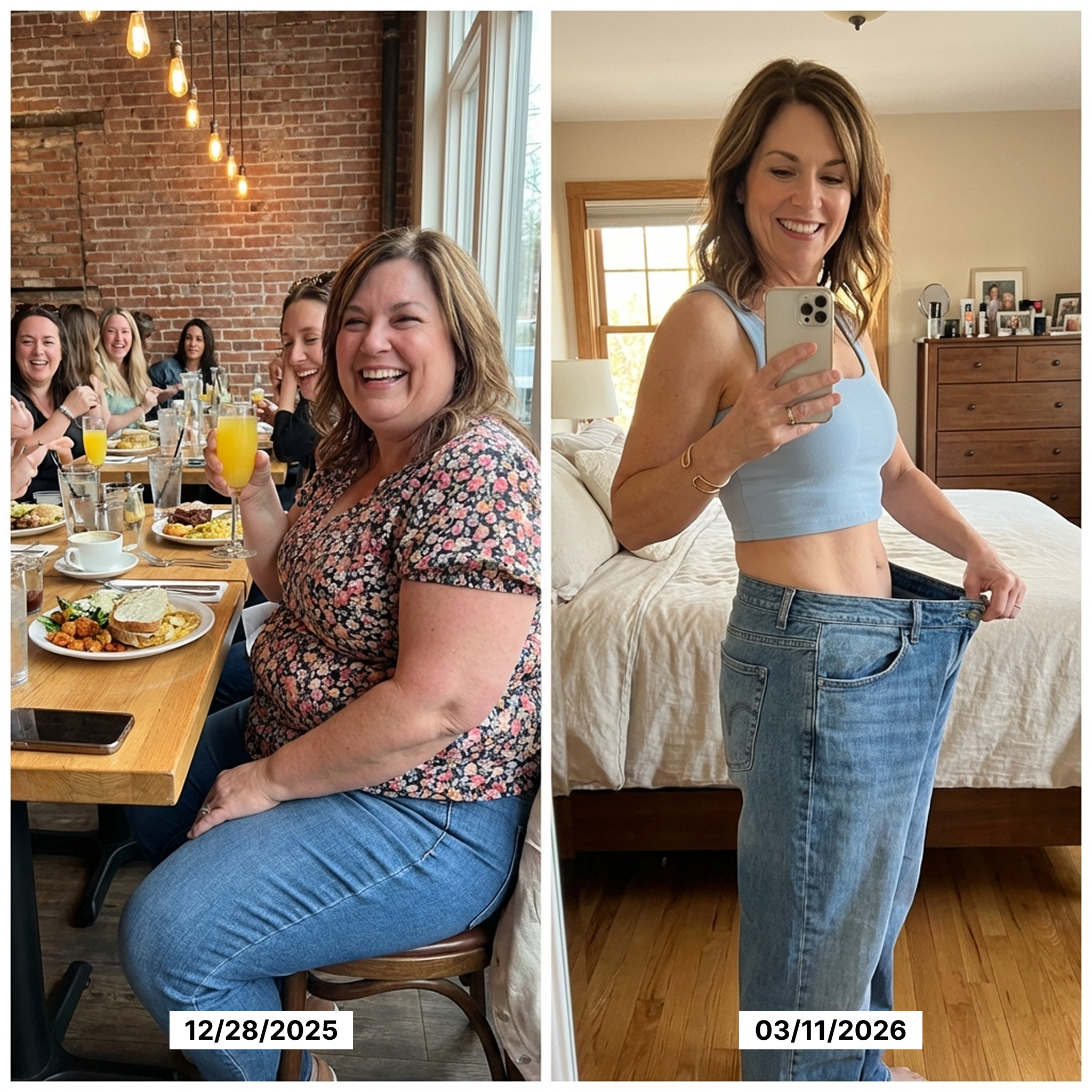
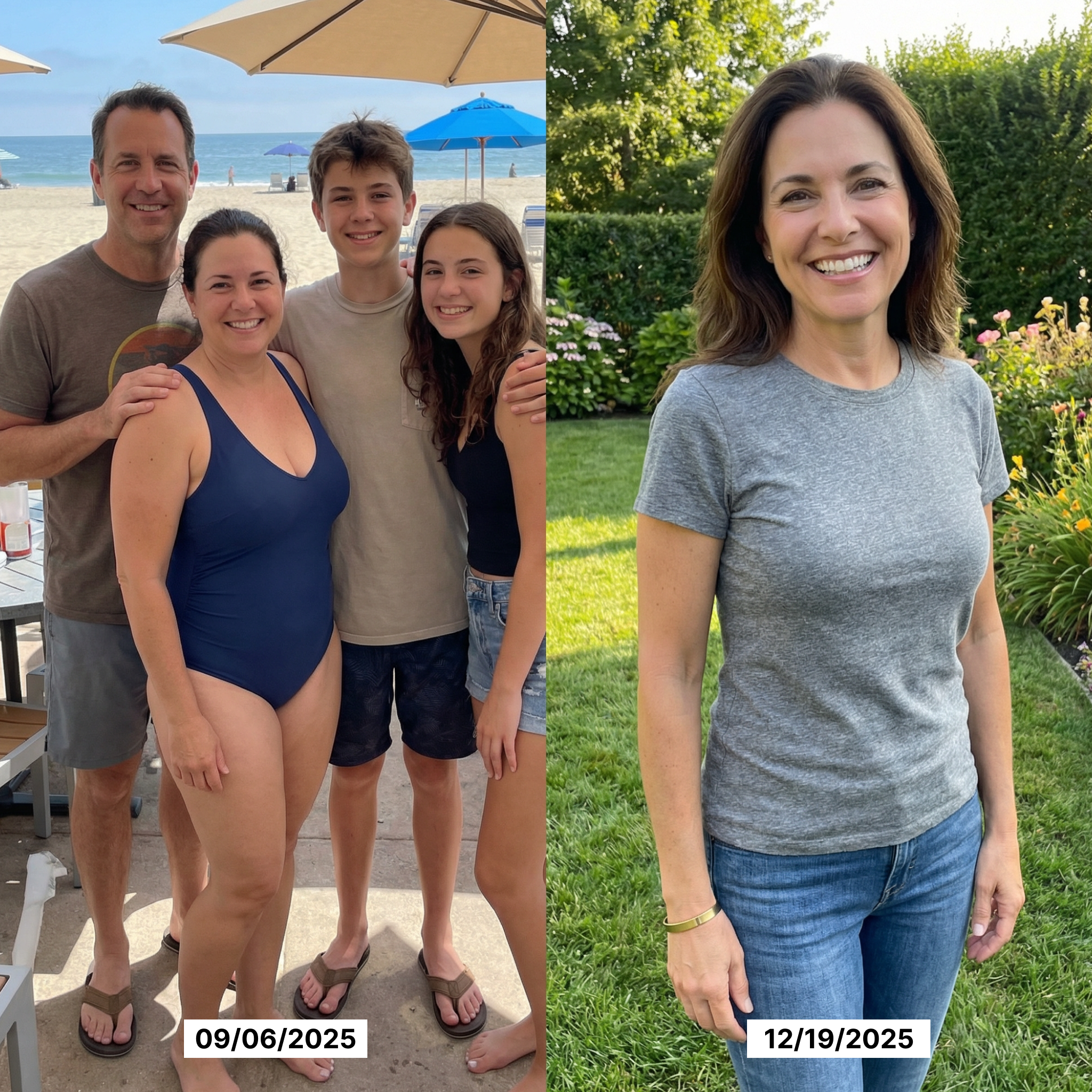
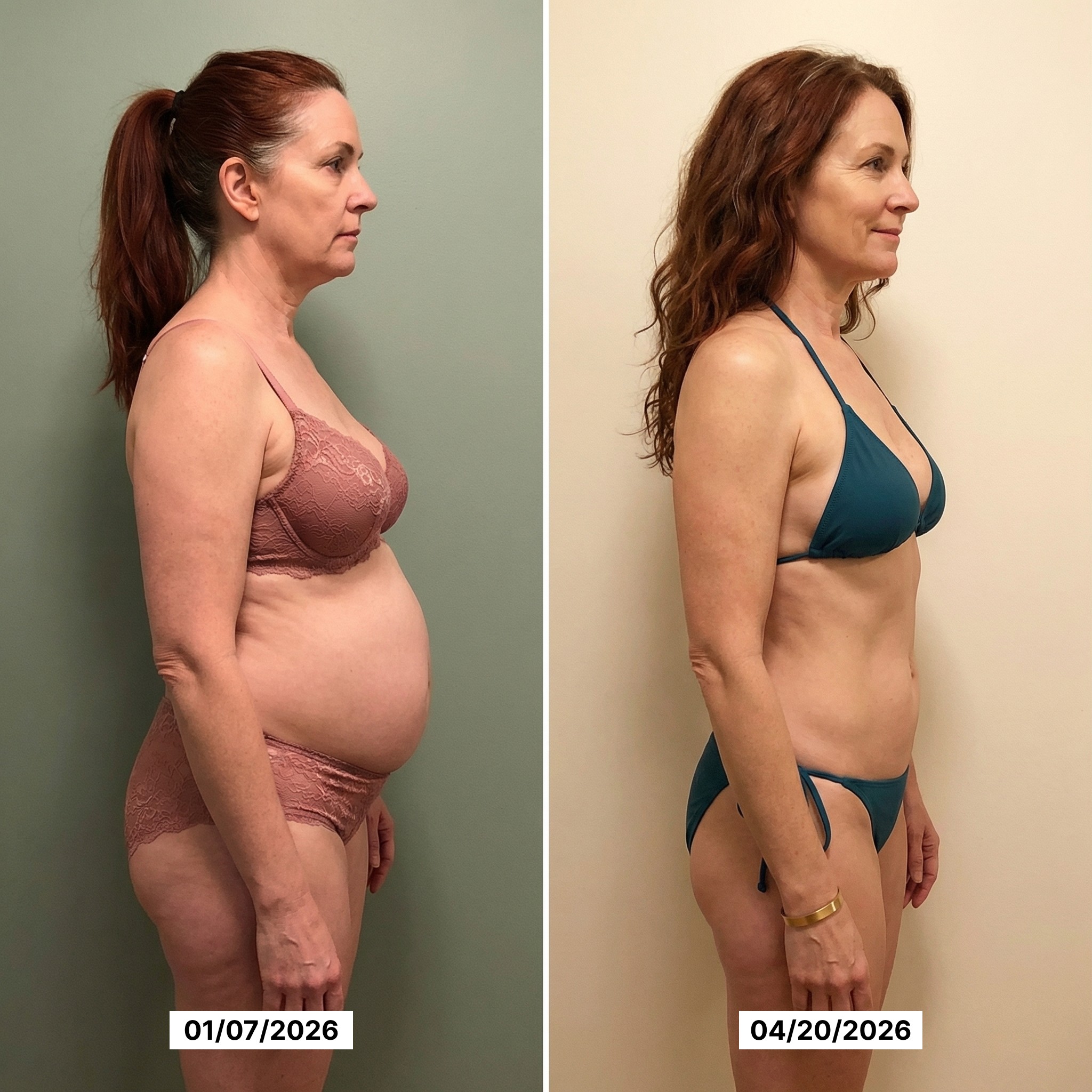
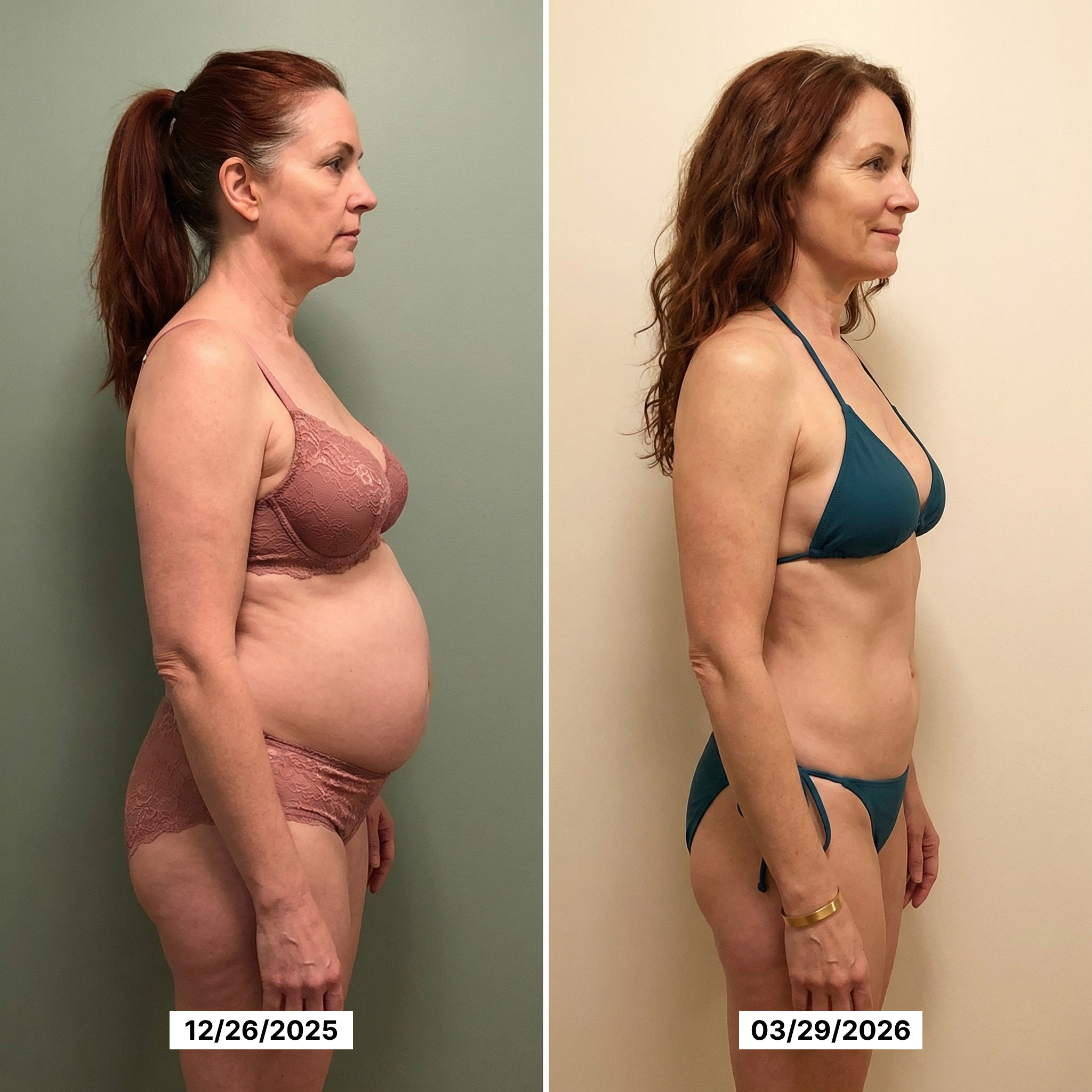
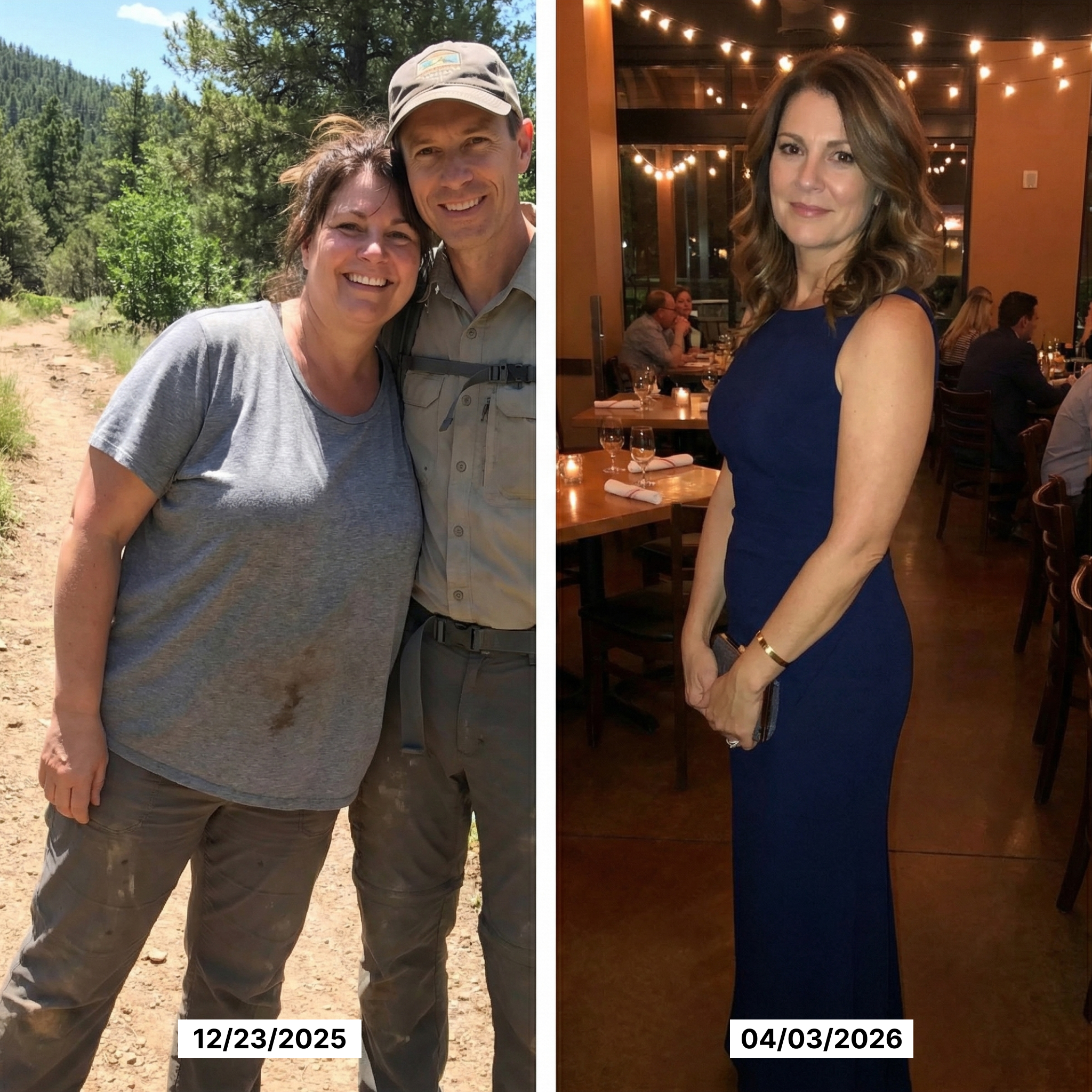
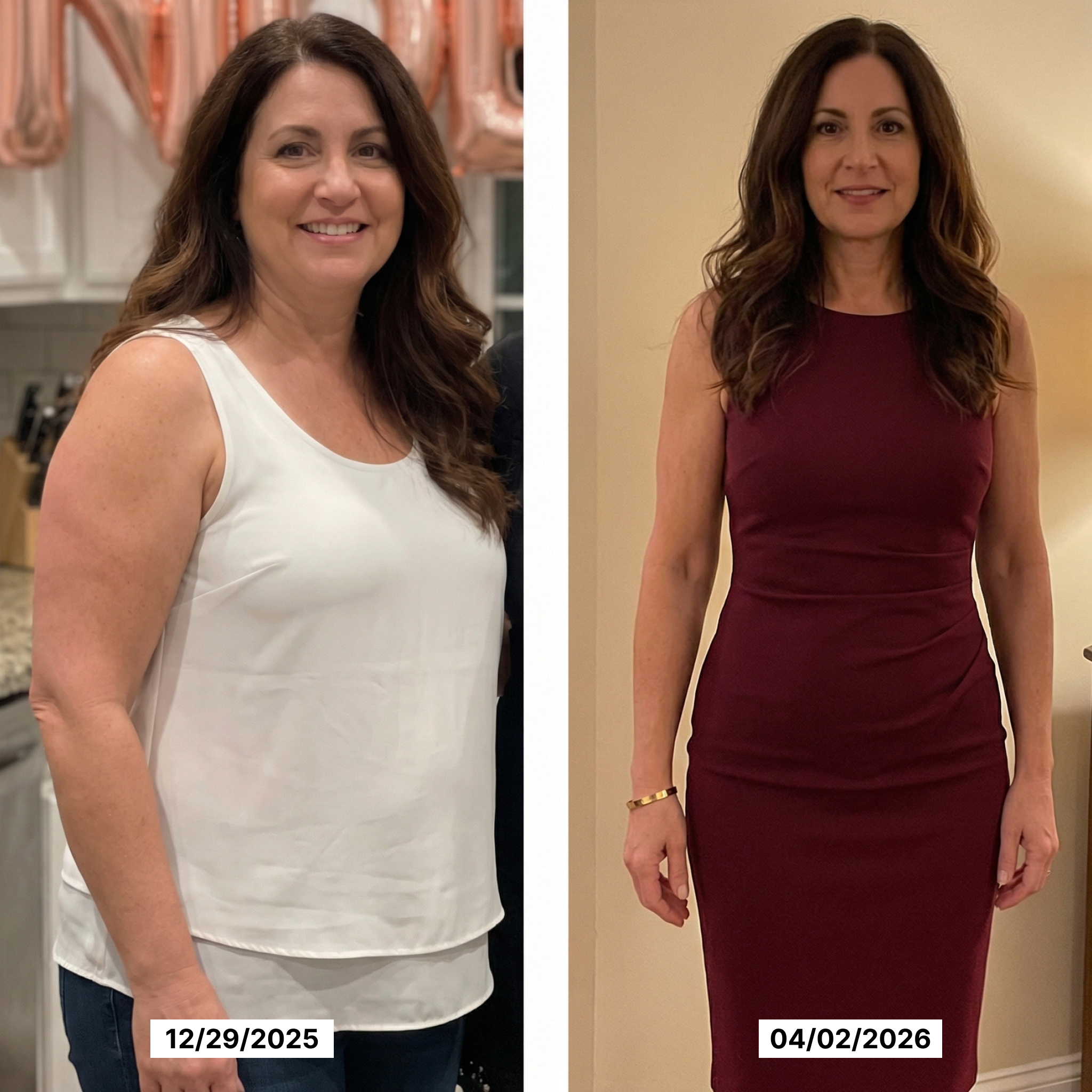
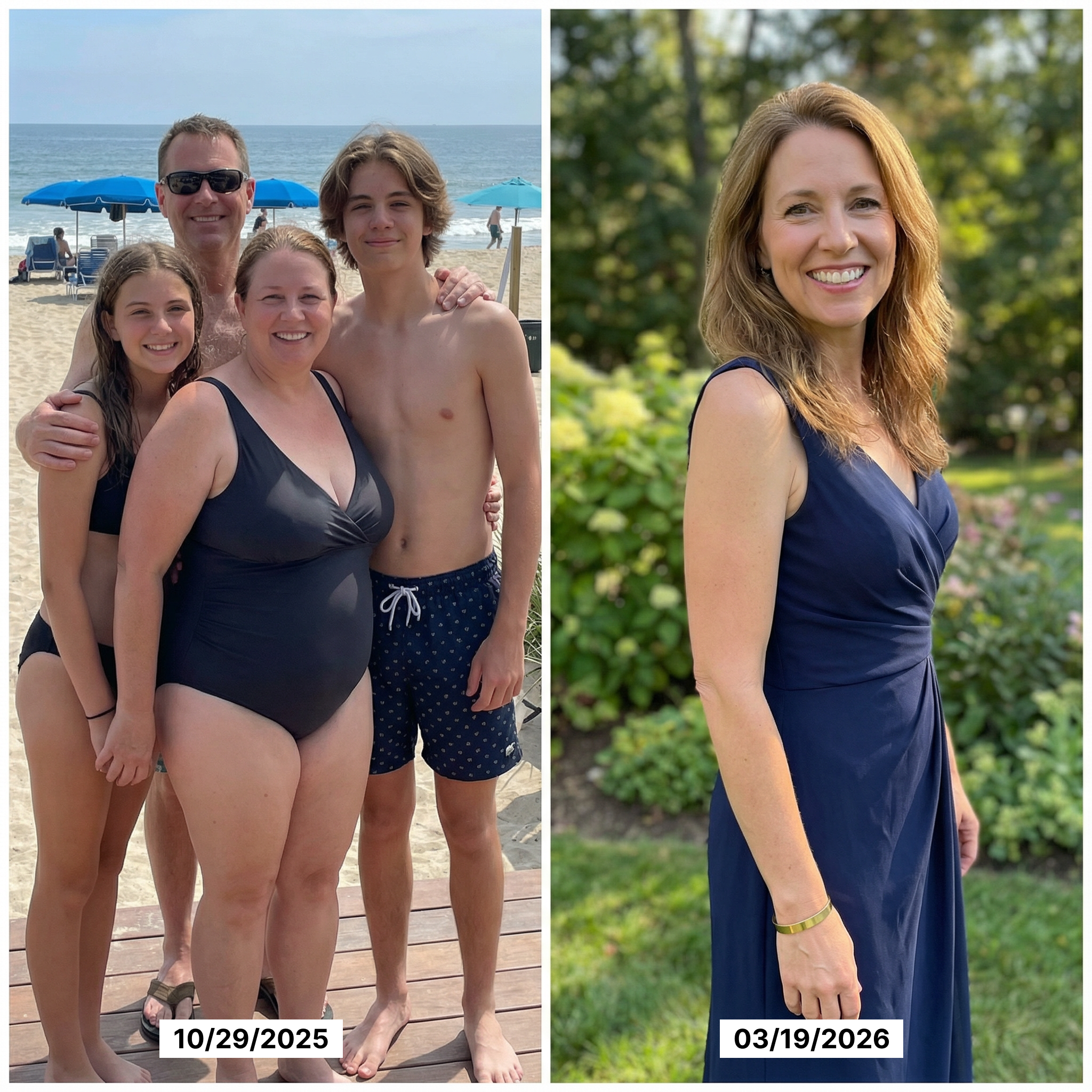
My cardiologist rushed me in for an emergency CT scan. She couldn't believe a 56-year-old woman had lost 47% of her visceral fat in 4 months. She was sure something was failing inside me. Nothing was failing. My body is safe. My visceral fat had dropped from 182 cm2 to 96 cm2. I'm a wound care nurse. I've been treating chronic wounds in diabetic and cardiac patients for 28 years. Dr. Angela Torres has been my cardiologist for eight years. She's monitored my metabolic decline through menopause knowing my family history should have had me in her office years earlier. At what was supposed to be a routine follow-up, she ordered an abdominal CT to measure visceral fat. She pulled up the images. Stopped. Pulled up my scan from eleven months earlier. Stood up and walked to the door to call in the radiologist on duty. "Her visceral fat went from 182 cm2 to 96 cm2. That's a 47% reduction in four months. No surgery. No GLP-1. No medication change. I want a second read before I say anything to her." The radiologist confirmed. She came back and sat down. "You were at 182. You're at 96. I ordered this CT as an emergency because I thought something was seriously wrong. A reduction this fast usually means malignancy or organ failure. I ran every differential in my head on the walk to radiology." She looked at me. "Tell me what you did." The Meno Belly I Was Dressing Wounds Around I treat wounds that won't heal. That's what wound care is. Diabetic ulcers on feet that have lost sensation. Surgical incisions that split open because the tissue is too inflamed to hold sutures. Pressure injuries on patients who can't turn themselves because their visceral fat is too heavy. I know that visceral fat is the most dangerous fat in the body, it wraps around organs, releases inflammatory cytokines, drives insulin resistance, causes the cardiac events and diabetic crises that create the wounds I spend my days treating. Every wound I dress started somewhere upstream. And visceral fat is upstream of almost all of them. Between 45 and 56, I gained 36 pounds. All of it settled in my midsection. My waist went from 27 inches to 40 inches. Every time I knelt beside a patient's bed to pack a wound, I'd feel my belly fold over my thighs and press against the bedrail. The same visceral bulk that was causing the inflammation keeping their wound from closing was sitting right there on my own body. I treat the downstream damage of visceral fat every single shift. And I was building the upstream cause inside my own abdomen. The Numbers That Put Me in Her High-Risk File My last full workup before the bracelet: Visceral fat: 182 cm2 (high risk is >100 cm2) Waist-to-hip ratio: 0.94 (high risk is >0.85) Fasting glucose: 118 (prediabetic) Triglycerides: 222 (elevated) Blood pressure: 142/88 (stage 2 hypertension) HbA1c: 5.8% (upper prediabetic range) My father had a massive heart attack at 57. He was dead before the ambulance arrived. My older sister was diagnosed with type 2 diabetes at 50. Within three years she was on insulin and had developed chronic foot ulcers. I'm the one who treats wounds like hers. I wrap bandages around the consequences of visceral fat for a living. And my own labs said I was becoming my next patient. The Day She Stopped Being Polite About It Dr. Torres had been careful with me for years. She'd flag my numbers. She'd recommend changes. She'd circle things on my lab printout with a pen and hand it to me with a look that said please take this seriously. I hadn't taken it seriously. At my last full workup, she didn't hand me the printout. She kept it on her side of the desk. "Dana, I've been watching your numbers for eight years. I've been patient. I've been diplomatic. That's over. Your visceral fat is at 182 cm2. Your HbA1c is at 5.8. You are one decimal point from a diabetes diagnosis. Your blood pressure has been stage 2 for three consecutive visits. Your father died of a heart attack at 57. You are 56." She set her pen down. "I am telling you as your cardiologist and as someone who has treated you for nearly a decade: your visceral fat is going to cause a major cardiac event or push you into full diabetes within the next year. Possibly both. And I am done being gentle about it." The information wasn't new. What was new was a cardiologist who was done asking nicely. The $3,740 I Spent Before Anything Changed I tried everything she prescribed: Cardiac rehab visceral fat reduction program ($1,300 for 16 weeks) that helped marginally but didn't eliminate the risk. Prescription omega-3s, berberine, and alpha-lipoic acid ($600 over 6 months) that shifted my markers slightly. Anti-inflammatory meal delivery program ($1,200 for 14 weeks) specifically designed for visceral fat and insulin sensitization. Supervised metabolic conditioning ($640 for 18 sessions) targeting abdominal fat reduction. My waist went from 40 inches to 38.5 inches. Visceral fat from 182 to 170 cm2. HbA1c from 5.8 to 5.7. One decimal point. Months of effort for one decimal point. Dr. Torres said we needed to discuss metformin. She said if my next HbA1c crossed 6.0, she was starting a full diabetes protocol. What a Patient's Wound Taught Me Then Mr. Harmon in Room 3 changed everything. I was packing a diabetic foot ulcer on a 74-year-old man when his wife walked in. Margaret Harmon, 70. She was carrying a bag of fresh dressings she'd bought herself because she'd learned to change his wound at home between my visits. I noticed her hands. Steady. No tremor. Her face was clear. She moved easily. For a 70-year-old woman married to a man with advanced diabetic complications, she looked remarkably healthy. She caught me watching her unwrap the dressing supplies. "I used to look a lot worse than this," she said. "Four years ago I was heading the same direction as Glenn. My doctor said my visceral fat was going to give me diabetes within a year. Same path. Same belly. Same numbers." She held up her wrist. A bracelet. "My chiropractor is also a licensed acupuncturist in Helena. She gave me this four years ago. My visceral fat dropped from 148 cm2 to 84 cm2. A 43% reduction. My doctor said I reversed my prediabetes completely. He took me off every supplement he'd prescribed." I'd been dressing her husband's wounds for three months. She'd been handing me supplies, watching me work, learning my technique. And the whole time she was wearing the thing that had kept her from ending up in the bed next to him. "How much was it?" "$65. That's less than one box of the wound care supplies I buy for Glenn every week. And it kept me from needing them myself." My 16-Week Transformation As a wound care nurse trained in chronic disease management, I tracked every change: Week 1-4: Sleep improved noticeably. That constant swollen fullness around my midsection started to settle. Morning bloating went down. Waist: 37.5 inches. Week 5-8: Post-meal belly distension nearly gone. Inflammatory joint stiffness faded. Lost 14 pounds. Waist: 34 inches. Week 9-12: Belly visibly smaller. Could kneel at bedside to dress wounds without my abdomen folding over my legs for the first time in years. Lost 13 pounds. Waist: 30.5 inches. Week 13-16: Abdomen soft instead of hard and distended. Moving through a full day of wound rounds with energy I hadn't felt since my mid-40s. Lost 9 pounds. Waist: 28 inches. Total: 36 pounds lost. 12 inches off my waist. That's when Dr. Torres ordered the emergency CT. The Scan That Turned Her Fear Into Disbelief When I showed Dr. Torres the bracelet, she turned it over slowly under the exam light. "Walk me through the mechanism." I explained: "Chronic stress keeps the autonomic nervous system in sympathetic overdrive. Elevated cortisol drives visceral fat storage around organs. When you regulate the nervous system, cortisol normalizes. The body releases the stored visceral fat." She pulled up my CT results. Visceral fat: 96 cm2. Down from 182 cm2. A 47% reduction. Back in the normal range. She sat back. "Dana, I ordered this scan because I was afraid you were dying. Instead you just reversed the metabolic trajectory I was about to medicate. Without a single prescription." She pulled up my full labs: Fasting glucose: 118 -> 84 Triglycerides: 222 -> 118 Blood pressure: 142/88 -> 116/72 Waist-to-hip ratio: 0.94 -> 0.75 HbA1c: 5.8 -> 5.1 "You eliminated the cardiac risk and the diabetes risk I was done being gentle about, by addressing your nervous system." She looked at the HbA1c number. "5.8 to 5.1. You didn't just stop the slide into diabetes. You reversed it completely." Eight Weeks Later Dr. Torres now recommends it to patients with central obesity and prediabetes before starting metformin. Six patients have seen 30-50% visceral fat reductions in 12-18 weeks. I've recommended it to seven wound care nursing colleagues with meno belly. Four are reporting measurable waist reduction and improved labs. Last month, Dr. Torres presented my case at the hospital's diabetes and cardiovascular risk symposium: "Visceral Fat Reduction Through Autonomic Nervous System Regulation: Reversing the Prediabetes-Cardiac Comorbidity Pathway." The Professional Truth Here's what 28 years treating chronic wounds taught me: You can't crunch away visceral fat. You can't diet away belly fat driven by chronic cortisol. We can medicate metabolic syndrome, metformin, statins, GLP-1s. But if chronic stress is driving visceral fat accumulation, we're treating symptoms. For most menopausal women, the dangerous belly fat is a problem of a dysregulated nervous system pumping cortisol 24/7. That cortisol drives fat straight to your abdomen, around your organs, creating cardiac risk. Fix the nervous system. The belly fat releases. For me and my patients, that started with a $65 bracelet that did what no cardiac medication had: calmed the stress response driving the visceral fat. I'm still a wound care nurse. I still dress the wounds that visceral fat helped create. But now I understand: you can't out-medicate a stress-driven meno belly. 👉 If you have visceral belly fat that won't respond to diet or exercise, if you want to address the cortisol driving dangerous fat accumulation... Click below to discover the Kalm Bracelet. Just $64.90 at the official store. Wear it consistently and measure your waist every 2 weeks for 16 weeks. https://mykalm.co/original-bracelet
Reduces menopause symptoms naturally
Don't miss out! Get TWO original Kalm Bracelet for the price of ONE. These are our largest discounts of the year. and supplies are running low. Secure yours now while they last!
LEARN MORELike this ad? Make it yours.
Crush rebuilds this exact creative around your product — your brand, your colors, your offer — in about a minute.