Dr. Patricia Sullivan
Dr. Patricia Sullivan Facebook ad: “The reason why my patient was losing her hair”
Ran for 1 day, from October 3 to October 4, 2026, the last day Crush saw it.
Run by Dr. Patricia Sullivan on Facebook. Crush is not the advertiser and does not verify its claims. See this ad in Meta's Ad Library(opens in a new tab)
Want an ad like this for your product?
Crush makes new ad images for your product from this ad: your logo, your product photo, your offer.
Trials from $19.95 USD, then $79.95 USD a month. Cancel anytime.
About this ad
- Meta Ad Library ID
- 1828494881494895
- Platforms
- Facebook, Instagram, Audience Network, WhatsApp and Threads
- Relaunches
- 0
- Niche
- Hair Care
Ad text
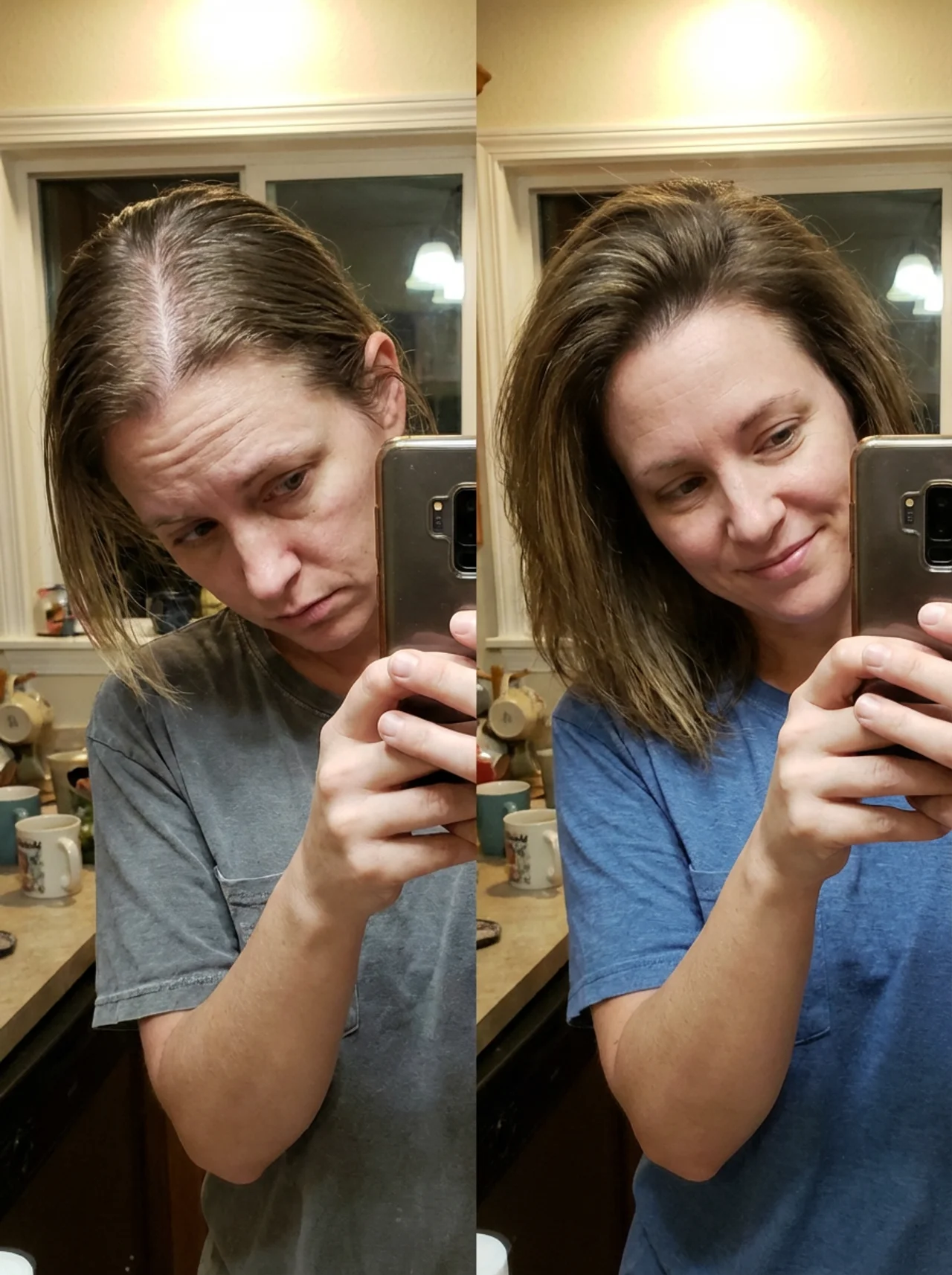
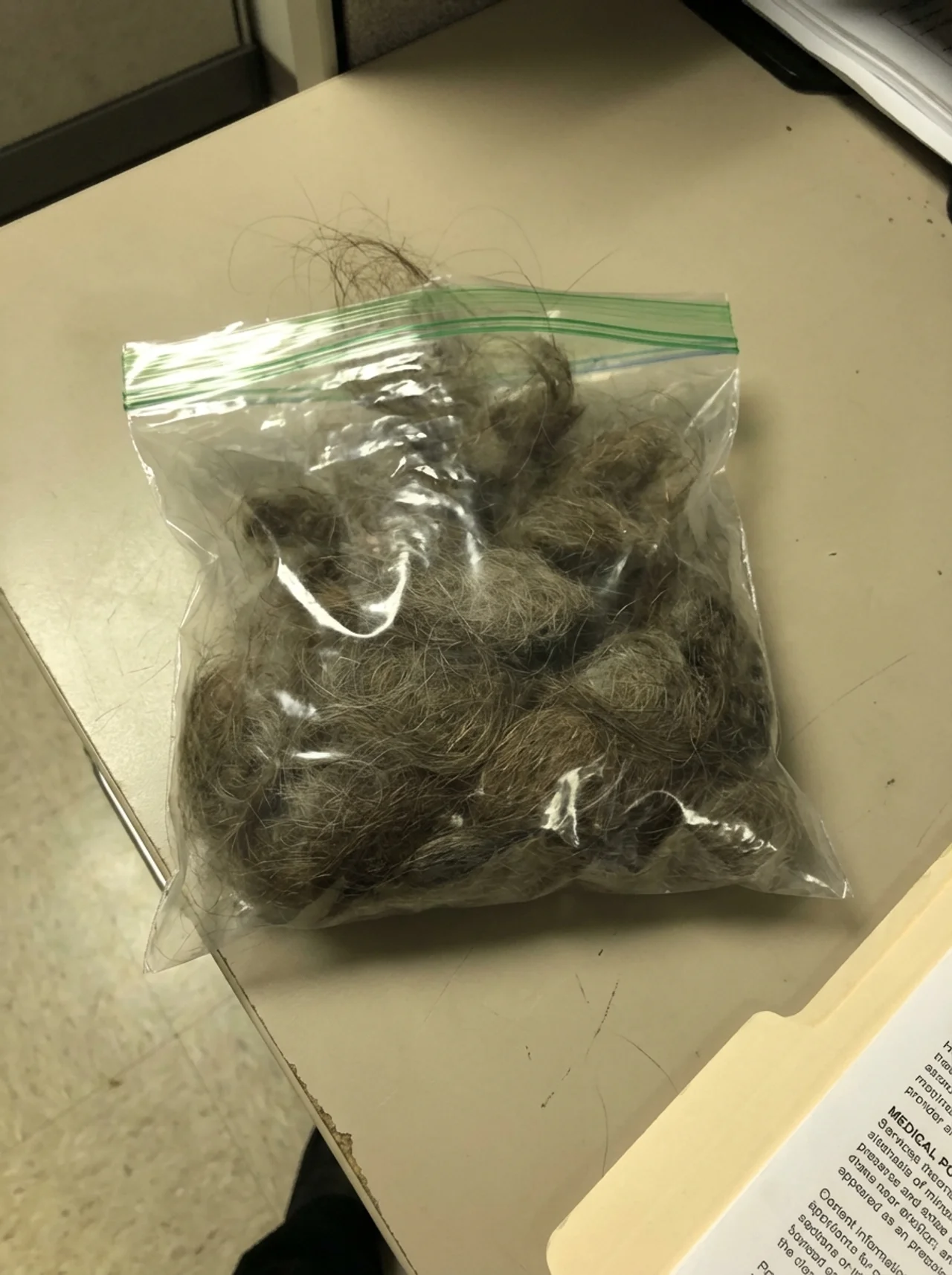
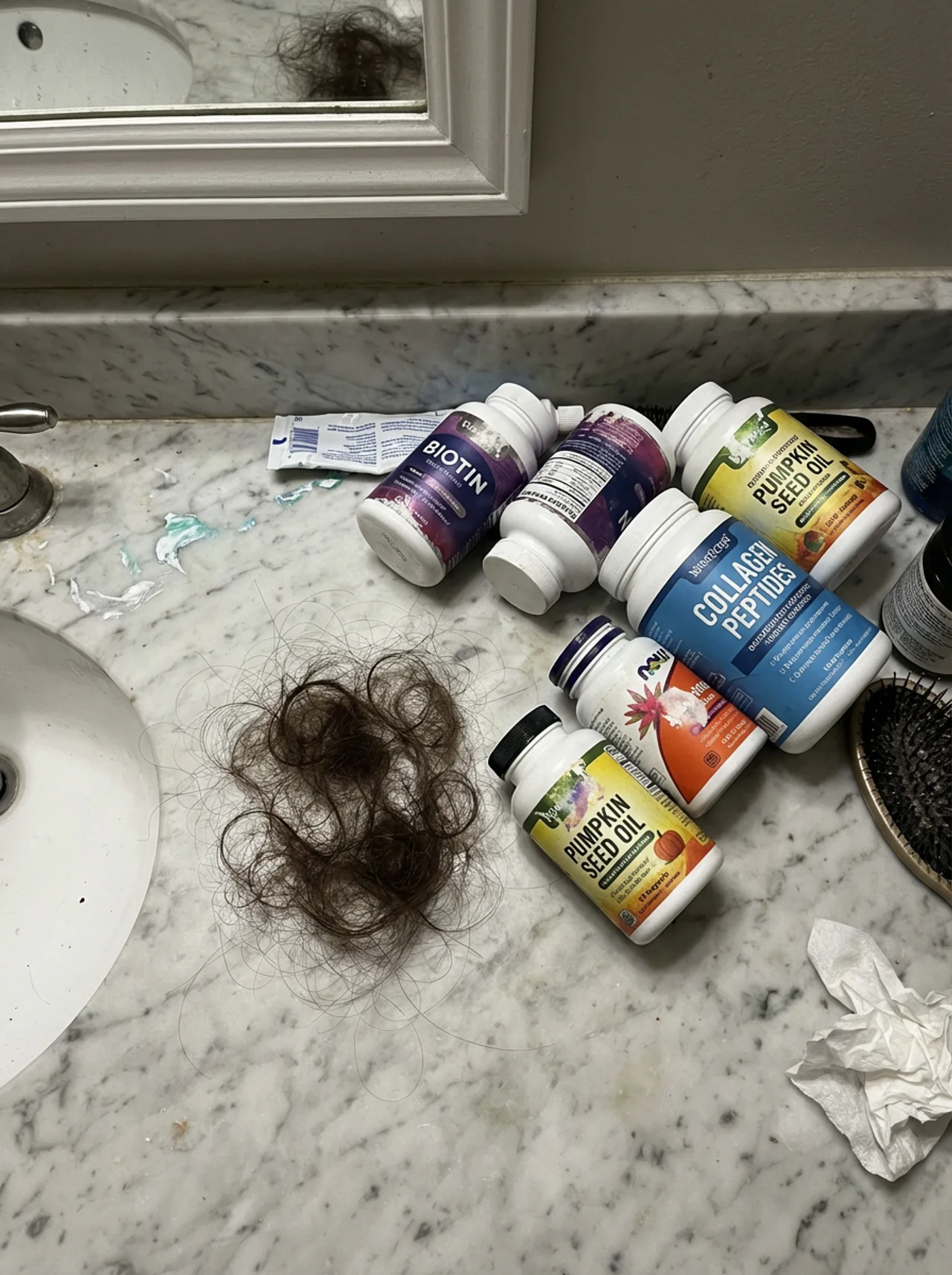
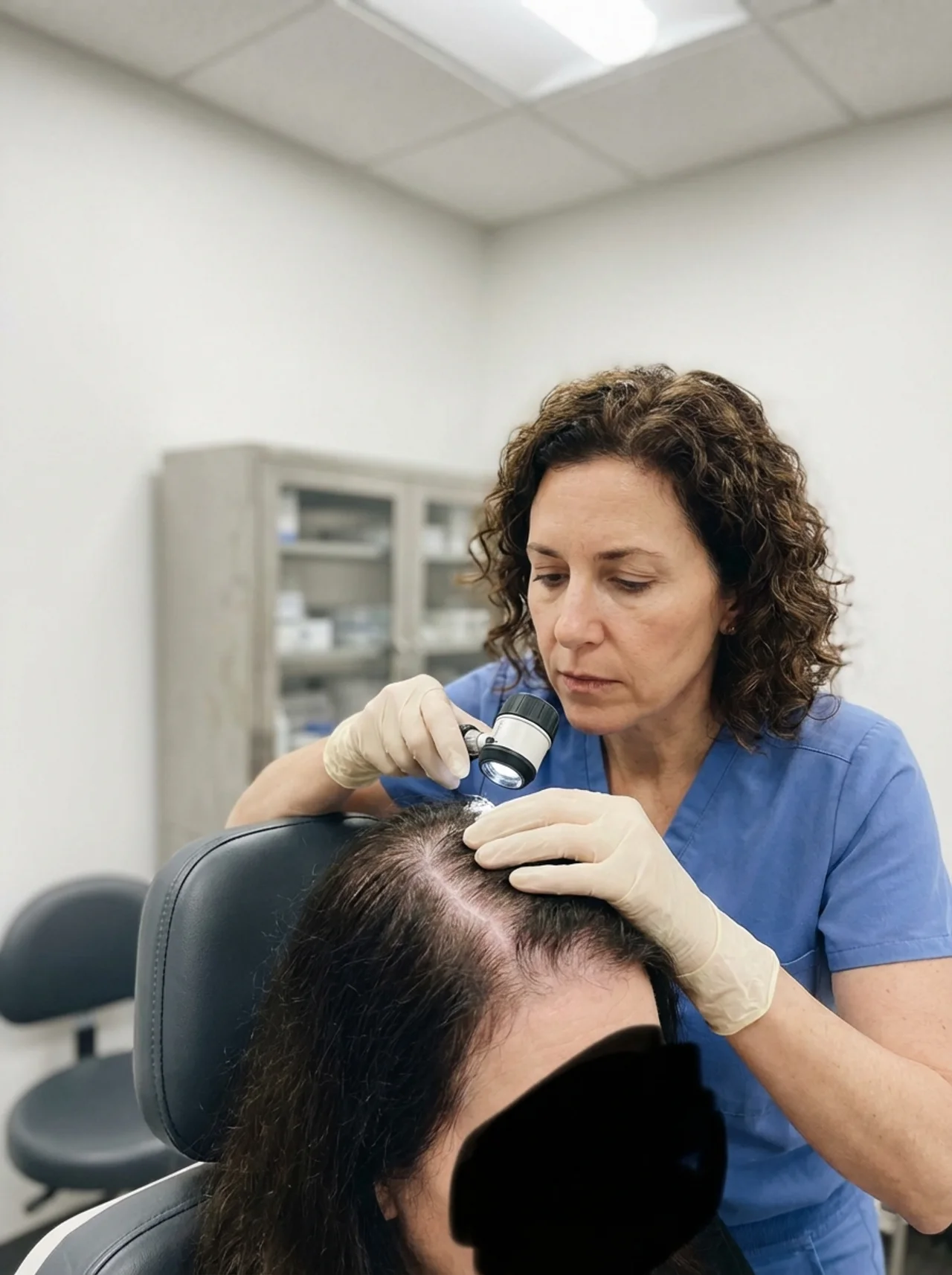
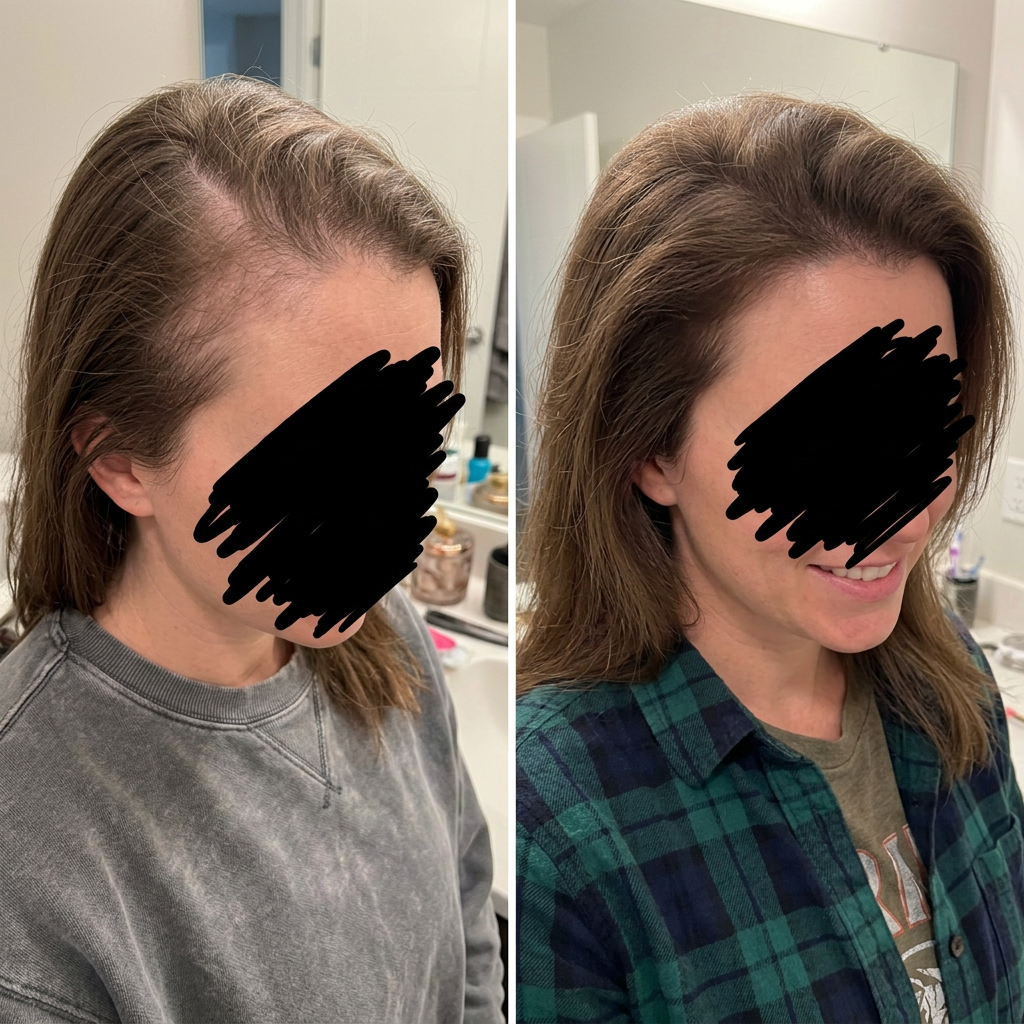
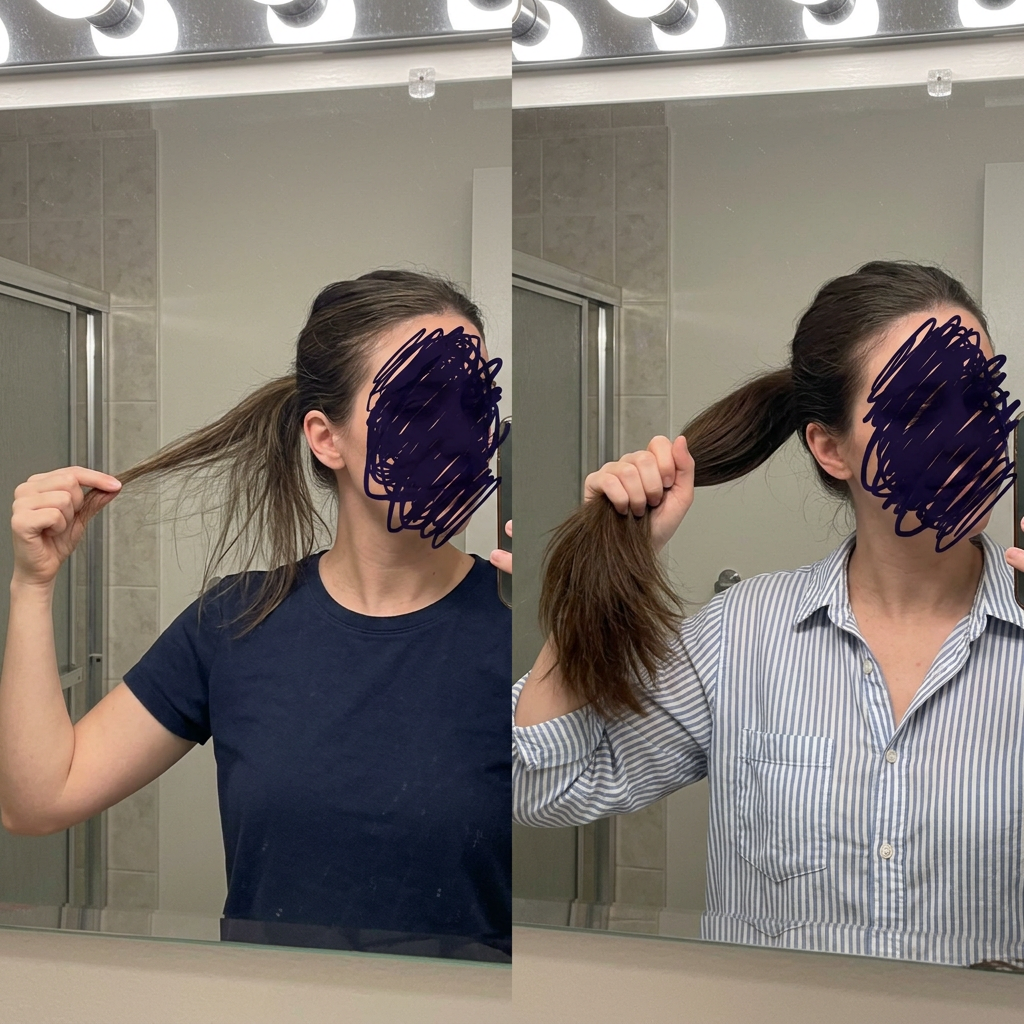
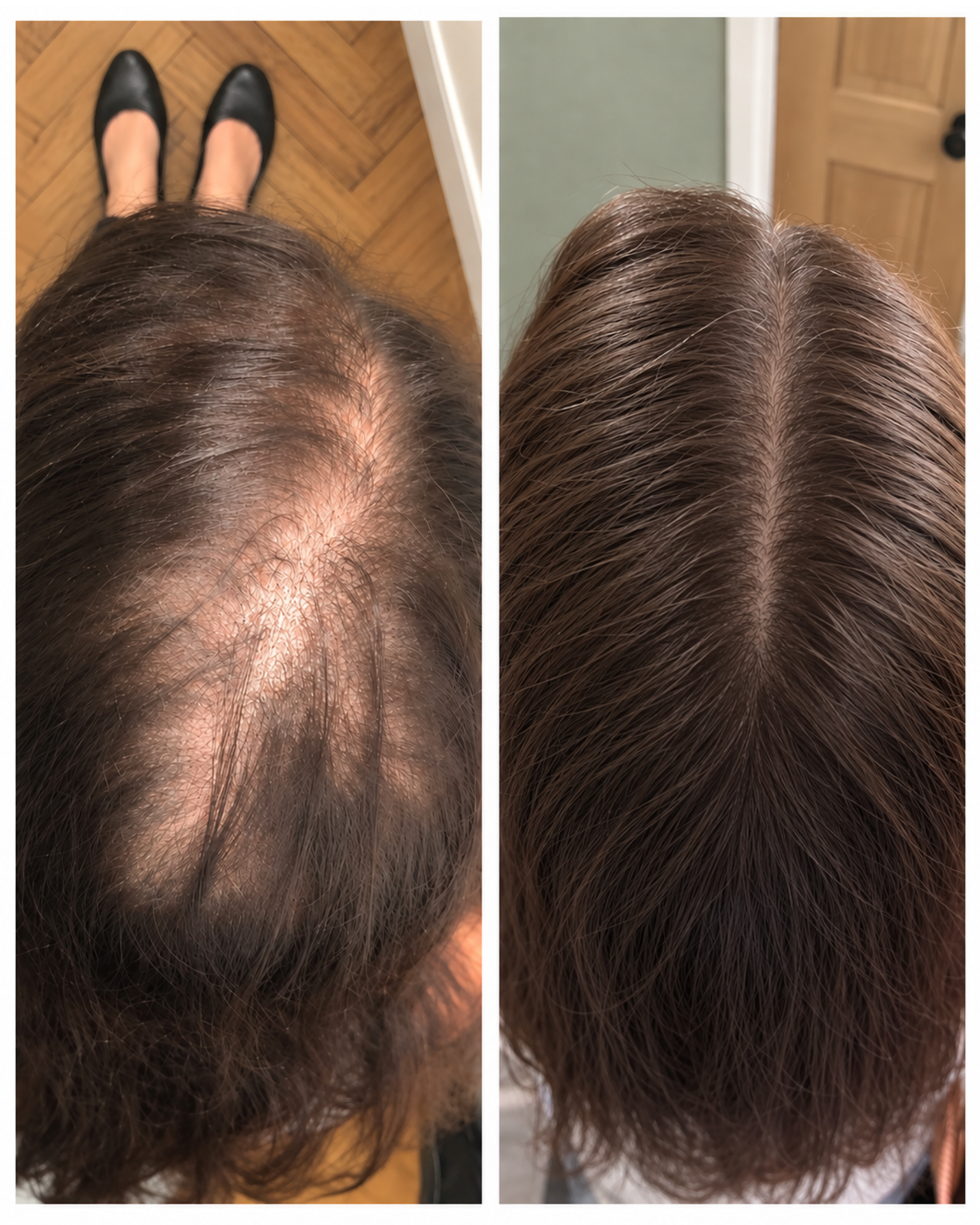
I told one of my patients her hair loss was stress and poor nutrition when she was 44. She's 49 now, and I was wrong. It was never stress or nutrition at all. For five years, I treated her for a problem she didn't actually have, while her hair kept coming out in the shower. Five years of being told to relax, sleep more and worry less, because I said it was stress. Five years of more protein, more eggs and more spinach, because when that didn't work, I said it was nutrition. Five years of me telling her to give it a few more months. She did everything I asked, and more. She took biotin, then collagen, then iron, then a hair gummy with a young woman's shiny ponytail on the bottle, then Nutrafol at ninety dollars a month. She rubbed minoxidil foam into her scalp every night, because I told her to pick it up at the pharmacy, even though I had never actually told her why her hair was falling out. She tried rosemary oil, a scalp massager, a thickening shampoo, and then a different thickening shampoo. She even paid for a series of scalp treatments at a hair clinic, $250 a session, because the woman at the front desk told her it was the most advanced treatment available. It helped a little, for a while, and then it didn't. When nothing worked, I ran her blood work, and then I referred her to an endocrinologist. Her iron was normal. Her thyroid was normal. Her vitamin D was normal, and her full blood panel was perfect. The endocrinologist sent her back to me saying everything looked fine. So I told her what I'd been taught to tell women like her, that her tests were fine, that her hair would grow back on its own, and to come back in six months. She told me what her days looked like by then, and I wrote it in her chart like it was just another note. The tests were normal and I wasn't worried, but every single day there was more of her hair somewhere it shouldn't be. By the time she got out of the shower, there was a clump in the drain, and she'd pull it out before her husband could see it and roll it up in toilet paper so it wouldn't show in the trash. By the time she got dressed, she'd moved her part a half inch to the left under the bathroom light, then back, then flipped it to the other side, looking for the side where her scalp didn't show. By lunch, there were strands on her sweater and on the back of her chair. By the evening, the brush filled up every time she brushed it out, and the hair tie she used to snap went around three times. And she did the math before every plan. If she went to the pool with the kids, she'd have to keep her head dry, because wet hair showed everything. If they went out to eat, she'd ask for the table away from the overhead lights. If someone pulled out a phone for a photo, she'd step into the back row or stand where the light was behind her. Her daughter is sixteen and has the thick hair she used to have. She told me she'd catch herself staring at her daughter's ponytail across the kitchen and have to look away. She said the hardest part wasn't the hair itself, it was how much of her life she'd started planning around it. She stopped saying yes to things. The beach trip with her sister, her twenty-fifth high school reunion, even haircuts, because sitting in the salon chair under those lights while the stylist went quiet was worse than letting it grow out. At a family dinner, her mother-in-law asked her in front of everyone if she'd ever thought about a nice wig, because they make such realistic ones now. She laughed it off at the table and cried in the car on the way home. She looked fine to everyone else, and she knew she wasn't, and she'd already tried everything. Every six months she came back, and every six months I told her to give it a little more time. And every six months, her part was a little wider than the last time I'd seen it. She'd started to believe this was just what her hair was now, and that she'd spend the rest of her life hiding her part while other women wore their hair however they wanted. If I'm honest, I'd started to believe it too. Then a colleague said something that nobody in five years of appointments, including me, ever had. She's a dermatologist too, and most of her patients are women going through perimenopause and menopause. We were having lunch one afternoon, and I mentioned my patient's case, not for advice, just because it had been bothering me for years. She asked me one question, which was whether anyone had ever asked my patient about her estrogen. I almost laughed. I told her I'd run every blood test there was, and all of it had come back normal. She shook her head. She told me those tests were looking for something missing, and nothing was missing. She explained that for a woman's whole life, estrogen works like a natural shield around her hair follicles. It protects them from a hormone called DHT, the hormone that shrinks your follicles until the hair they grow comes in thinner and shorter, and eventually stops coming back. When estrogen starts dropping in your forties, you lose that shield, and DHT can freely attack your follicles every single day. She asked me where my patient's thinning was. I told her it was at her part and her crown, and that her hairline hadn't moved. She said that's exactly the pattern, because the follicles at the front make more of their own estrogen, and the ones on top don't. And she told me that's why the biotin I'd been telling my patient to take never did anything. Biotin and all those hair growth vitamins work for younger women because their estrogen shield is still up, so feeding the hair is all they need. For women like us, she said, they're trying to feed your hair while DHT is still attacking it every single day. And that hair in the drain every morning, she said, isn't stress shedding and it isn't a vitamin problem. It's follicles that lost their shield. I put my fork down. In five years of treating her hair, I had never once asked her about her estrogen. That afternoon, I called my patient and asked her one question, which was exactly when it started. She said around 44, the same year her periods started getting unpredictable and she started waking up hot at three in the morning. I told her everything my colleague had told me. She was quiet for a long time. Then she asked me why, in five years, nobody had told her this. I didn't have a good answer, because the nobody was me. That night she couldn't stop thinking about it. She typed estrogen and hair loss into her phone and fell down a rabbit hole, reading until two in the morning, and for the first time it wasn't because she couldn't sleep. She found study after study showing that when estrogen falls, DHT gets a stronger grip on the follicles, and that more than half of women have some thinning after menopause. She called me the next morning and asked, okay, if you're right this time, what do I actually do? I told her what my colleague told me, and what I now tell every patient in her situation. You need something that blocks DHT the way your estrogen used to, and you want it natural, without the side effects. The combination we recommend is pumpkin seed oil with saw palmetto, because together they're one of the strongest natural DHT blockers there is. Pumpkin seed oil naturally blocks DHT production, so your body makes less of it. Saw palmetto shields your follicles from the DHT that's already in your scalp. One stops the production and one stops the binding, and one without the other only does half the job. But I told her not to just grab any bottle. Most pumpkin seed oil on Amazon is heat processed, which is cheaper to make but damages the very compounds that do the blocking, and most saw palmetto is ground-up berry powder instead of the extract. My colleague had been recommending one brand to her patients for years, because it's the only one she knows that combines both, in the right amounts. It's Bloom & Bond, cold pressed, 2,000 milligrams of pumpkin seed oil a day with saw palmetto extract, and it's the only one I recommend now too. She ordered it that day. I didn't build it up. After five years of things not working, she didn't need another promise from me. The first two weeks, she told me she didn't notice anything, and I told her that was normal, because hair is slow. Around week four, she called my office about something else entirely, and at the end of the call she mentioned, almost as an afterthought, that she'd forgotten to check the drain that morning. I asked her what she meant. She said she'd checked it every single morning for five years, and that morning she just hadn't, because there wasn't enough in it to notice. I didn't say much. I didn't want to jinx it. At her three month visit, I parted her hair under my exam light, and there they were, short new hairs standing straight up along her part, the kind that only come in when a follicle is growing again. She asked me to take a picture so she could see them. She looked at my phone for a long time, and then she cried, and I sat with her. At six months, she walked into my office with her hair pulled back in a ponytail. It was the first time I'd ever seen her wear it up. She told me her daughter had put it up for her that morning, and that her hair tie goes around twice again. I looked at her and told her she looked like herself again. She didn't answer right away. She just nodded, and her eyes were wet. She was never losing her hair from stress or from anything missing in her diet. She never had a stress problem or a nutrition problem. She had five years of low estrogen leaving her follicles unprotected, and DHT did the rest. And I spent those five years checking her iron and her thyroid, and never once thought to ask about it. It took a colleague over lunch to ask the question I should have asked on day one. I think about those five years. The drain every morning. The part she moved a half inch at a time. The photos she stood at the back of. The reunion she skipped. The tests I kept ordering that came back normal while she kept losing more. If you've been told your hair loss is stress, or that you just need to eat better… If you've tried the biotin, the gummies and the shampoos, and nothing has worked… If your blood work keeps coming back normal, but there's more hair in the drain every week… If your part is wider than it was a year ago, but your hairline hasn't moved… If you've stopped wearing your hair up because you know what people will see… I'm not saying your hair loss is definitely your estrogen. But my patient spent five years treating the wrong problem, because I told her to, while the real cause was quietly shrinking her follicles every single day. Bloom & Bond comes with a 90-day money back guarantee. That's three months to see if it works, and if nothing changes, you send it back. But if it works? If by week three or four there's less hair in the drain every time you wash it? If by month three you can feel short new hairs along your part? If six months from now you pull your hair back into a ponytail and the tie goes around twice again? You'll wish you'd known this five years ago. I know I do. Click here to see Bloom & Bond, the one I recommend to my patients: https://thebloomandbond.com/products/new-pumpkin-seed-oil-softgels You don't have to keep treating a problem you might not even have. P.S. Right now Bloom & Bond is running buy two, get one free, which covers the first three months, long enough to see the shedding slow down and the new hairs come in. P.P.S. If you've spent years thinking this was your fault, it wasn't. For a long time I didn't know what your estrogen was doing for your hair either, and now you do.
Where the ad sends people
trybloomandbond.com
The reason why my patient was losing her hair
45,000+ Happy Customers
Learn more: thebloomandbond.com(opens in a new tab)