Sophie's DaiIy BIog Post
Sophie's DaiIy BIog Post Facebook ad: “Read this if your dog has Arthritis”
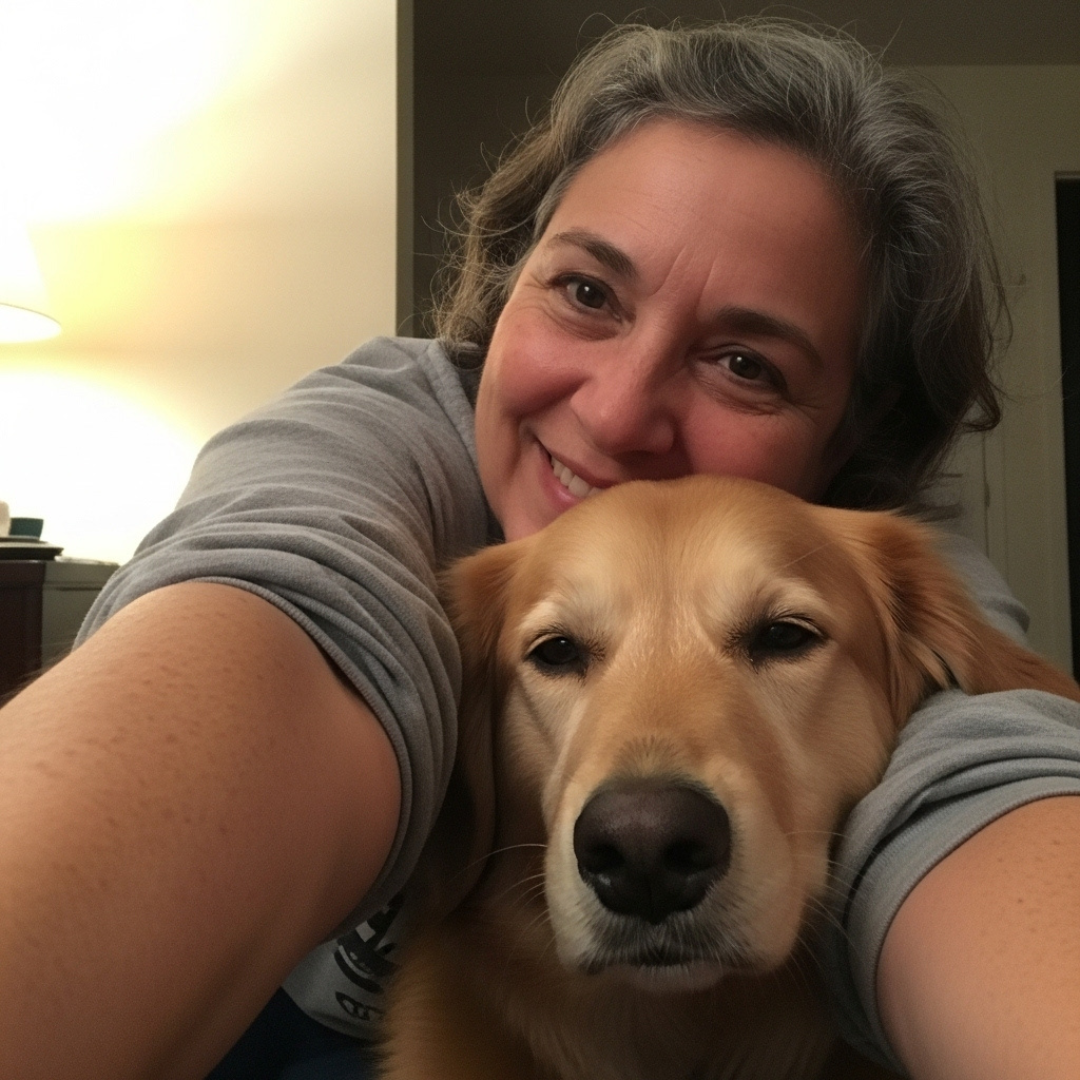
Ran for 11 days, from March 16 to March 27, 2026, the last day Crush saw it.
Run by Sophie's DaiIy BIog Post on Facebook. Crush is not the advertiser and does not verify its claims. See this ad in Meta's Ad Library(opens in a new tab)
Want an ad like this for your product?
Crush makes new ad images for your product from this ad: your logo, your product photo, your offer.
Trials from $19.95 USD, then $79.95 USD a month. Cancel anytime.
About this ad
- Meta Ad Library ID
- 1828899321134892
- Platforms
- Facebook, Instagram, Audience Network, Messenger and Threads
- Relaunches
- 0
- Niche
- Pets
Ad text
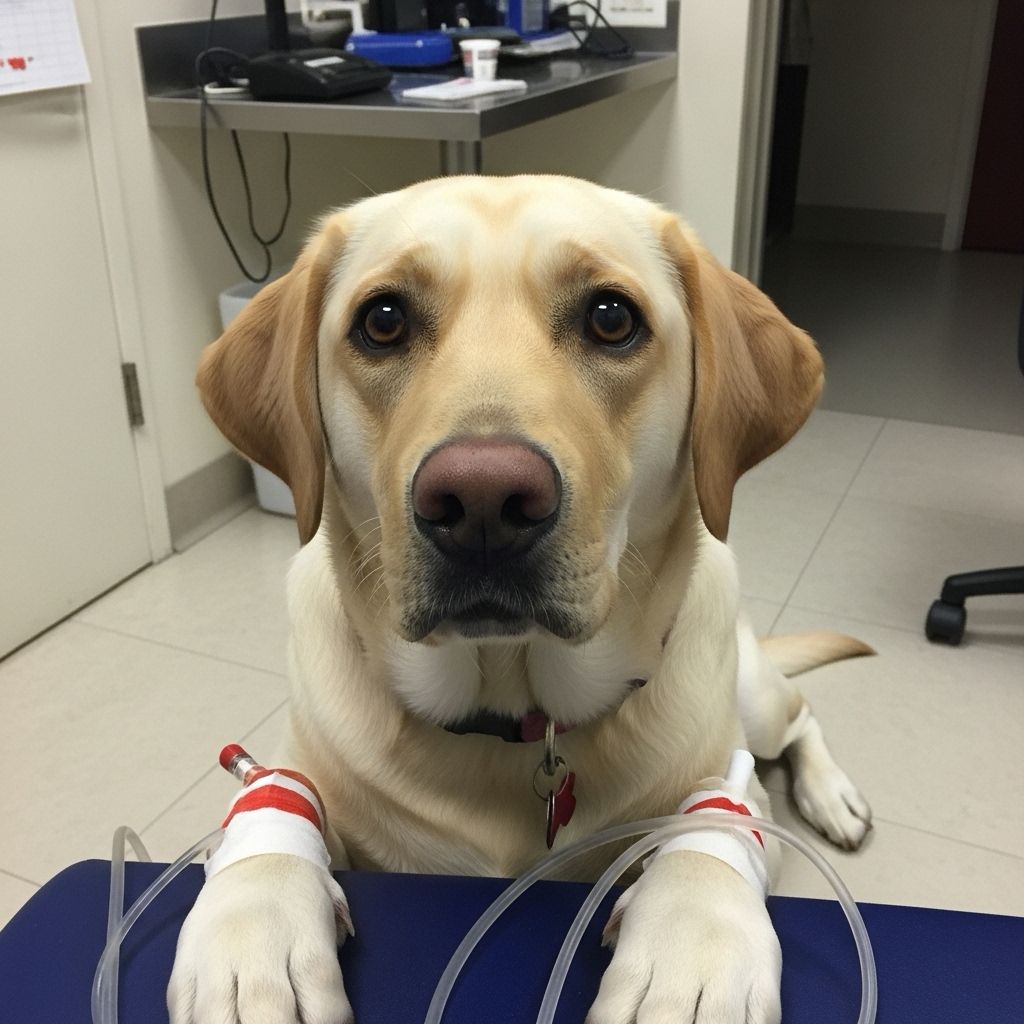
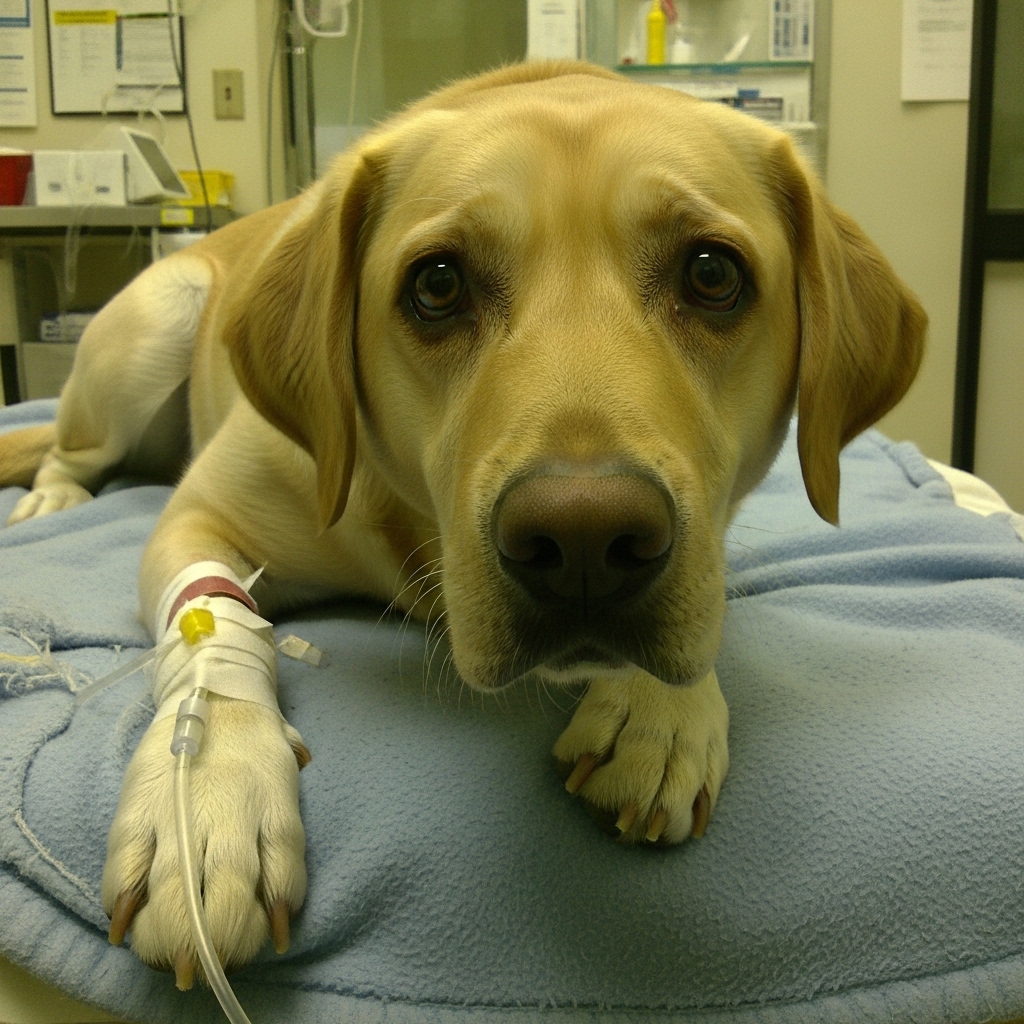
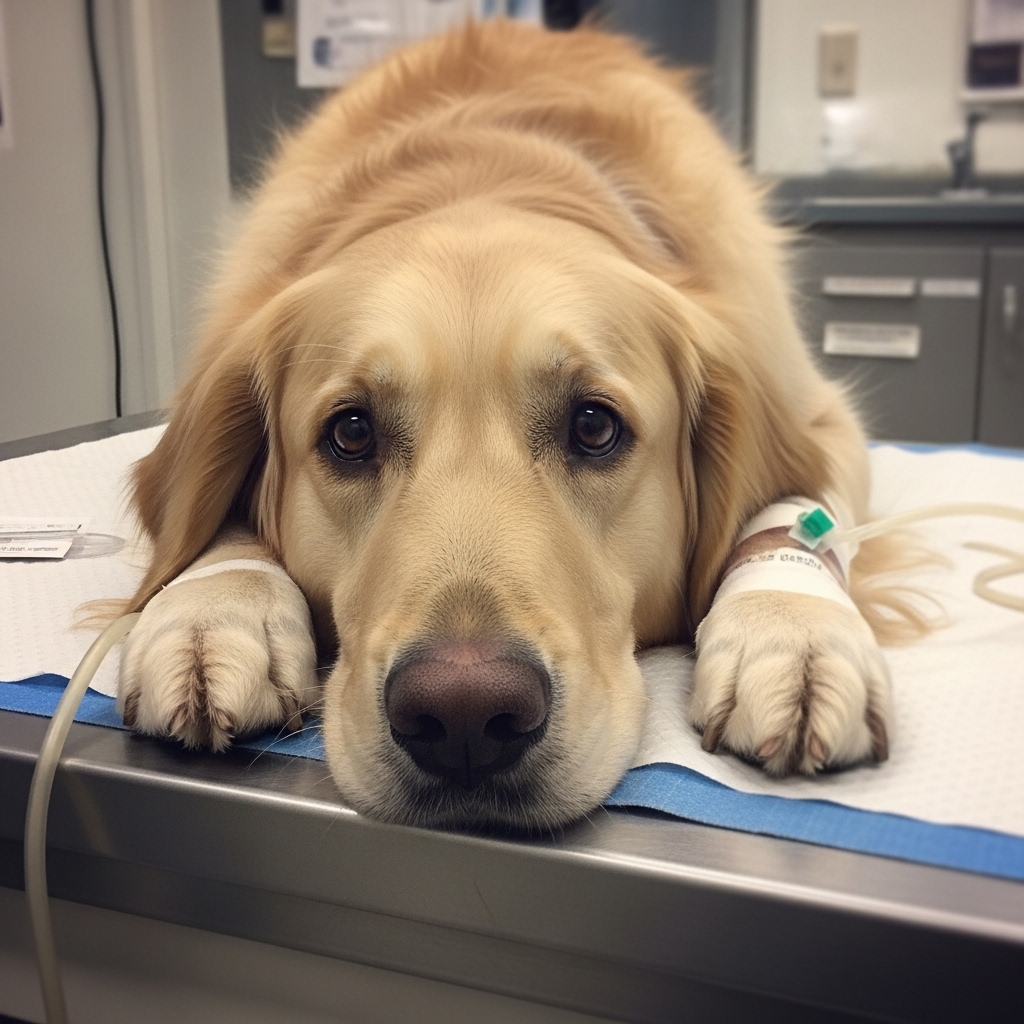
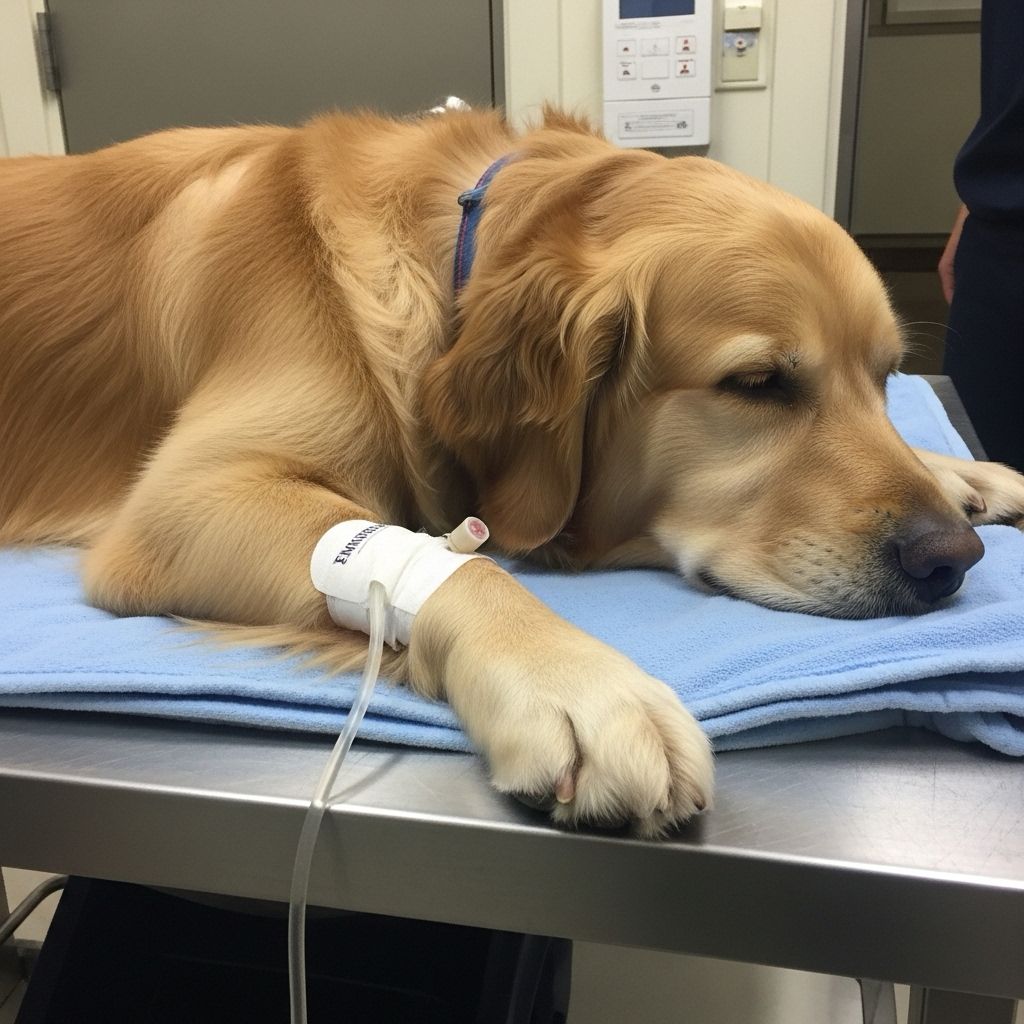
5 Signs Your Dog's Arthritis Is Heading Somewhere You're Not Ready For Sign #1: They can't get up without a struggle. Front legs first. Then a long pause. Then the back end, shaking, fighting to follow. Every single morning. Sign #2: They stopped meeting you at the door. Not because they don't love you. Because getting up hurts too much to bother. Sign #3: They pace before lying down. Circling. Hesitating. Dreading the moment they have to lower themselves onto the floor because they know what the pain feels like when they do. Sign #4: The accidents started. A dog that was house-trained for nine years. Now there are mornings you're cleaning the kitchen floor before you've had your coffee. Not because she forgot. Because she can't hold the position long enough to go outside. Sign #5: Your vet used the phrase "quality of life" in your last appointment. Maybe casually. Maybe gently. But you heard it. And you've been thinking about it ever since. If you recognized two or more of those, you are not in the early stages anymore. I know every one of those signs. Because I watched all five happen to my Molly. My name is Linda. Molly is my 11-year-old Golden Retriever. And for the last two years, I did everything right. The moment the vet said arthritis, I said tell me exactly what to do and I did it. Rimadyl first. It helped and I felt relieved, like we had caught it in time. Then Rimadyl stopped being enough on its own so we added Gabapentin. Then the dose went up. Then again six months later. I crushed the pills into her food every single morning. Did her bloodwork every six months without missing once. I was that owner. Then one morning I was sitting across from the vet and she slid the results across the table. Liver enzymes. Triple what they should be. "How long has she been on this combination?" "22 months." She nodded. "We're going to need to pull back on the medications. Give the liver a chance to recover." My stomach dropped. "But her arthritis. She can barely get up without them." She was quiet for a moment. Then she said it. "Linda, at some point we need to start talking about her quality of life." I didn't say anything. I just sat there. Quality of life. I had heard that phrase before. I knew what it meant. I knew where it led. And I was not ready to be in a conversation that included it. She didn't answer right away. Just that look. The one that means I know, and there is no good answer here. And that is when I understood what I had actually been doing every morning for 22 months. I wasn't managing her arthritis. I was making a choice I didn't know I was making. Her liver or her legs. Every single day. Pick one. That night, I got on Facebook. Found the group I had been in for months, Senior Dogs with Arthritis, twelve thousand members. Read for hours. And every single thread sounded exactly like mine. "Vet wants to stop the meds but she can't walk without them." "Bloodwork came back elevated again." "Anyone else completely stuck?" The same story. Over and over. Hundreds of different women who had all done everything right and ended up in the exact same place. I spent three days like that. Scrolling. Reading. Feeling more helpless with every hour. Then I found a comment buried so far down in one thread I almost missed it. A woman named Carol. "I had the same liver problem with my Lab. My vet said we had to choose between his mobility and his organs. I ended up doing some research and I found a solution." I messaged her that night. She replied within an hour. Turns out she'd been through the exact same thing eighteen months earlier. Lab mix. Same liver numbers. Same impossible choice from the vet. She asked how long Molly had been on the meds. I told her everything. She said: "okay so here's what nobody told me and I'm honestly still mad about it" "you know the basics already. arthritis, inflammation, cartilage breaking down. your vet covered that." "but here's what they don't explain." "inside every arthritic joint there are cells whose whole job is to repair the cartilage. like little construction workers. and they need energy to do that. the energy comes from the mitochondria, little power plants inside each cell. think of them like batteries." "when arthritis sets in a chemical called nitric oxide latches onto those batteries and won't let go. like someone put tape over a charging port. batteries can't charge. workers have no energy. cartilage can't be repaired." I read that and typed back: okay but the medication handles that part right? that's what it's there for? "that's exactly what I thought" "but no. every single medication. rimadyl, gabapentin, NSAIDs, all of them. they block the pain signal. reduce inflammation. make her more comfortable. but none of them touch the batteries. not one." Oh my God. Twenty-two months of crushing that pill into her food thinking I was helping her. And the whole time the joint kept breaking down underneath, quietly, while the medication just made sure Molly couldn't feel how bad it was getting. I sat there at the kitchen table at 1am and just started crying. I typed: so what actually reaches them? what fixes it? Long pause. Then she said: "that's the exact question I asked" "not pills. they travel through the bloodstream, never get close to the cells." "not supplements. the cells can't even absorb them when the mitochondria aren't working." "I tried everything. CBD, glucosamine, laser therapy at the vet which was $75 a session and they said it would need to be indefinite. none of it." "the only thing that actually reached them was light." I almost put my phone down. But it was past 1am and I had nothing left so I kept reading. Then she explained how it actually works. Two specific wavelengths. 660 nanometer red light and 850 nanometer near-infrared. The red light works near the surface. Increases blood flow. Wakes up the cells in the muscles and tissue close to the skin. The infrared goes deeper. Through the fur, through the skin, through the fat, all the way down into the joint. Down to those dead batteries. When those wavelengths reach the cells, the nitric oxide lets go. The batteries start charging. The construction workers wake up. It's not masking anything. It's turning the power back on. I went straight to Amazon. Typed "red light therapy for dogs." Almost ordered one that night, handheld device, five star reviews. But something made me stop. I looked at the specs. The wavelengths were wrong. Only red light, no infrared. Power output too weak to penetrate deep enough. Checked another one. Veterinary grade, it said. Same problem. Wrong wavelengths. Too weak. Every single device was either too weak, wrong wavelengths, or both. That sinking feeling again. A few days later I mentioned all of it to my husband. He brought it up with a friend at work the next day, told him what we were going through. His friend said his sister's dog had bad arthritis and she had found a small company that made red light therapy belts specifically for dogs. He sent us the link. The company was called Lucavel. I had never heard of them. Small startup. Not a big corporate brand. The founder's own dog had developed severe arthritis and he knew if he didn't act fast, his dog would only get worse. So he spent three years developing a device that could deliver real red and infrared light directly to a dog's cells, safely and effectively at home. It's called the TheraBelt. A belt with 660nm and 850nm wavelengths. High-powered LEDs built to actually penetrate deep into the joint. Designed to wrap around the hips, shoulders, wherever the dog needs it most. Not a cheap device claiming to work. A real solution built by someone who lived this exact problem. I ordered it that night. The first session I wrapped it around her hips and turned it on. Fifteen minutes. She just laid there. The warmth seemed to relax her. I told myself not to hope too hard. Week 2: Molly got up from her bed without groaning. Just stood up, like it was nothing. Her legs didn't shake. Didn't buckle. It was small but it was something. Week 3: The accidents stopped. No more kitchen floor in the morning. Her legs were steadier and she was making it outside in time. I cried in the backyard watching her do something that used to be completely ordinary. Week 5: I heard her nails on the hardwood before I even got my key in the lock. She was at the door when I walked in. Tail moving. Eyes bright. My Molly. She's not moving like a puppy. She's 11 and she still has arthritis. But she's moving like herself again. The construction workers had energy again. The batteries were charging. Her body was finally able to repair itself. At her last appointment the vet looked at the bloodwork, then looked at me. Liver enzymes significantly down. She watched Molly walk down the hallway, felt her hips, extended her back legs. Said it was the best her joint mobility had looked in over a year. We are lowering her medication even more now. Slowly. Carefully. But for the first time in two years we have a plan that doesn't end with me choosing between her liver and her legs. I think about those twenty-two months a lot. If I had found this sooner, we could have avoided so much of it. I want to say one thing directly, because I wish someone had said it to me two years ago. Euthanasia probably feels far away right now. A last resort. Something you don't need to think about yet. But what I did not understand until I was already deep inside it is that the medication is not healing your dog's arthritis. Not the Rimadyl. Not the Gabapentin. Not the Librela. Not any of it. Every single one manages the pain while the cartilage continues to disappear underneath. The construction workers are still sitting there with dead batteries. The joint is still breaking down. And once the cartilage is gone, it does not come back. The conversation about quality of life does not arrive at the end of a long obvious road with plenty of warning. It arrives much faster than anyone expects. The bad days quietly start outnumbering the good ones. The dose stops working. The bloodwork gets worse. And one day you are sitting across from your vet and she is choosing her words very carefully and you realize you are already there. That's why I'm writing this now. Because if your dog is on arthritis medication right now, the clock is not paused. And you deserve to know. The only thing that actually reaches those cells and gives them the energy to repair the joint is red light therapy at the correct wavelengths and the correct power. Not the cheap devices with the wrong specs. I can only tell you what saved Molly. What gave me my dog back. What let me sleep through the night without the guilt eating me alive. I still can't believe I almost lost her. And I know I never would have forgiven myself.
Where the ad sends people
lucavel.com
Read this if your dog has Arthritis ☝️
.
Learn more: lucavel.com(opens in a new tab)