Lakewood Health Clinic
Lakewood Health Clinic Facebook ad: “They're calling this the best bloating reset of 2026”
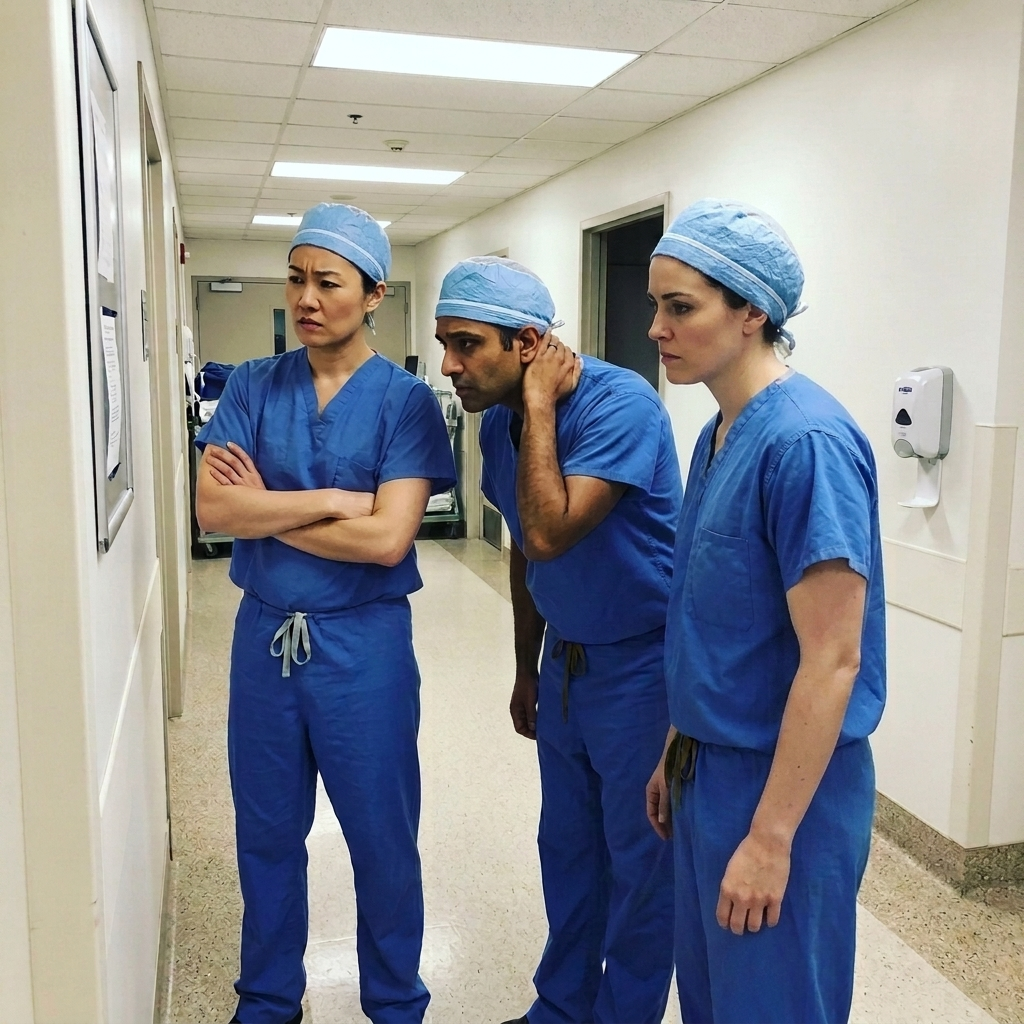
Ran for 17 days, from August 24 to September 10, 2026, the last day Crush saw it.
Run by Lakewood Health Clinic on Facebook. Crush is not the advertiser and does not verify its claims. See this ad in Meta's Ad Library(opens in a new tab)
Want an ad like this for your product?
Crush makes new ad images for your product from this ad: your logo, your product photo, your offer.
Trials from $19.95 USD, then $79.95 USD a month. Cancel anytime.
About this ad
- Meta Ad Library ID
- 1841436870177818
- Platforms
- Facebook, Instagram, Audience Network, Messenger, WhatsApp and Threads
- Relaunches
- 0
Ad text
French people eat butter, cheese, bread, and cream sauces at every meal, drink wine with lunch AND dinner, and somehow they're not bloated, not sluggish, and not passed out on the couch by 7 PM the way Americans are after eating half as much. Gastroenterologists have been arguing about why for decades. They blamed the smaller portions, then the walking, then the "they just eat slower," then "Mediterranean genetics." Here's what they missed. I'd heard about the French Paradox before. The basic idea is that French people eat in a way that should leave them bloated and heavy and exhausted, and somehow they feel light and energized after meals that would put an American in a food coma for three hours. Scientists and nutritionists have been arguing about why for decades. But I never thought much about it until I went to Lyon. My college roommate Mark moved there 8 years ago for a culinary program. Married a French woman named Elise, stayed, built a life. We'd kept in touch but I hadn't seen him in person since 2019. Last October I flew out for a long weekend. We're both 52. When he picked me up at the airport, I almost didn't recognize him. Not because he looked different in some dramatic way. He just looked like a version of himself that was lighter. Not thinner. Lighter. He moved like someone who wasn't carrying anything. His face wasn't puffy. His eyes were clear. He had energy at 9 PM that I hadn't had at 2 PM in three years. I caught my reflection in the car window on the drive in and the contrast hit me hard. Puffy face. Dark circles. That bloated, heavy, weighed-down look I'd been carrying for years. We're the same age. We grew up eating the same dorm food. Now he looked like he'd figured out something I hadn't. That first night, Mark and Elise took me to a restaurant in their neighborhood. What they ordered would've sent my gastroenterologist into cardiac arrest. A cheese board to start. Three kinds, all full-fat, with bread and butter. Then duck confit in its own fat. A cream sauce on the side. A bottle of red wine split between the three of us. Then a dessert course. Chocolate mousse. I sat there with my jet lag and my bloated stomach and watched them eat like this was a normal Tuesday. Because for them, it was. "You eat like this every night?" I asked. Elise laughed. "This is light. On Sundays my mother cooks for four hours." I looked around the restaurant. Everyone was doing it. Heavy food. Wine. Bread. Cheese. Cream. Old men at the next table finishing their second bottle of wine, laughing, animated, clearly not falling apart. Nobody in there looked bloated. Nobody looked sluggish. Nobody looked like they were about to pass out in a food coma. I'd spent the last three years cutting everything. Low carb. No dairy. No gluten. No alcohol. Probiotics every morning. Digestive enzymes with every meal. And I was still bloated after every single thing I ate. Still crashing at 2 PM. Still foggy by mid-afternoon. Still heavy in my body from morning to night like I was carrying something I couldn't put down. These French people were eating what I'd been told would destroy me and feeling lighter doing it. Something wasn't adding up. The next morning I brought it up with Mark over coffee and a croissant with butter. "How is everyone here not bloated?" I asked. "Seriously. You ate duck confit in cream sauce last night and you woke up with a flat stomach. I eat grilled chicken and vegetables and I look pregnant by noon." He shrugged. "I asked the same thing when I first moved here. Took me about two years to figure it out." "And?" "It's not about what goes in," he said. "That's what we got wrong back home. We spend all our time worrying about what we eat. Cut the carbs, cut the fat, cut the dairy, cut the gluten. But that's only half of it." "What's the other half?" "Whether your body can actually process what goes in." He was quiet for a second. "Think about it like a drain in a sink. You can run the cleanest water in the world through that sink, but if the drain is clogged, the sink fills up. Doesn't matter what you pour in if the part that's supposed to process it and move it through can't keep up." "Okay." "Americans don't eat worse than the French. The French eat butter and cream and cheese and wine every single day. They eat worse than us by every modern nutritional standard. But their bodies process it. The food goes in, gets broken down, gets used for energy, and the waste gets eliminated. Efficiently. Quickly. No backup. No bloating. No heaviness." He tapped his cup. "Back home, we eat grilled chicken and steamed vegetables and we're still bloated because the organ that's supposed to process everything is overloaded and falling behind. The food was never the problem. The processing system is." I didn't say anything for a minute. I was thinking about three years of elimination diets. Three years of cutting foods I loved. Three years of probiotics and enzymes that never fixed anything permanently. What if cutting foods was never going to fix this? What if the processing system had been clogged the whole time, and no amount of dietary restriction could compensate for an organ that couldn't keep up? "So what's different here? Why can their bodies process all of this when ours can't?" "Their culture," Mark said. "Specifically, their relationship with bitter herbs and digestive traditions that support the liver." He pointed at a small glass on the table I hadn't noticed. Dark liquid. Almost black. "That's a digestif. Elise's family drinks one before every heavy meal. Bitter herbs. Artichoke extract. Gentian root. Wormwood. Things that have been used in French traditional medicine for centuries to support bile production and liver function." "They don't call it liver support. They don't think of it that way. They just call it 'preparing the stomach.' But what it actually does is stimulate the liver to produce more bile before the food arrives. So when the heavy meal hits, the liver is already primed. The bile is flowing. The fat gets broken down immediately instead of sitting in the gut fermenting." He took another bite of his croissant. "Every pharmacy in France sells liver support formulas. Not as medicine. As daily maintenance. The way Americans buy multivitamins. It's just part of life here. You support your liver because your liver is what lets you eat and drink and live without feeling like garbage afterward." "Back home we have Tums and Gas-X. That's about the extent of it." Then he said the line I kept replaying for the rest of the trip. "In America we treat our livers like they're maintenance-free. We overload the processing system for 30 years with processed food and medications and chemicals and then act surprised when we can't eat a simple meal without bloating up like a balloon. The French Paradox isn't a paradox. They support the processor. We don't." I couldn't stop thinking about that conversation. I'd spent three years cutting foods and the bloating hadn't stopped. I was exhausted by 2 PM no matter what I ate. Brain fog every afternoon. A heaviness in my body that never lifted no matter how clean my diet was. Probiotics that did nothing. Enzymes that helped for a day and then stopped. A gut cleanse that gave me diarrhea and then everything went right back to exactly where it started. I'd been treating these as gut problems for three years. Probiotics for the bloating. Enzymes for the digestion. Fiber for the regularity. Elimination diets for the sensitivity. But if Mark was right, all of it traced back to one place. The liver. So when I got home, I went deep on the research. I started with the question that was actually bothering me. If I'd cut dairy, gluten, alcohol, and processed food for three years, why hadn't anything improved? The answer turned out to be the most important thing I'd learned about my own body in a decade. The liver doesn't only process alcohol. It processes everything. Every fat molecule. Every protein. Every toxin from food additives, medications, environmental chemicals, stress hormones. All of it runs through the same organ. And the liver's ability to process all of that depends on one thing: bile production. Bile is what breaks down fat. Bile is what emulsifies the food in your gut so your intestines can absorb it. Bile is what keeps food moving through your digestive system instead of sitting there fermenting and producing gas. When your liver is overloaded, bile production drops. Fat doesn't get broken down properly. Food sits in your gut longer. Ferments. Produces gas. Your stomach swells. You blame the food. You blame your gut. You try probiotics. But the problem was never in the gut. It was upstream. In the organ that's supposed to be feeding the gut the bile it needs to function. And it gets worse. Your liver also converts food into usable energy. When it's overloaded, that conversion slows down. You eat enough calories but your body can't access them efficiently. That's the 2 PM crash. Not low blood sugar. Not poor sleep. A liver that can't convert fuel fast enough. And worse still. Your liver filters waste products out of your bloodstream. When it falls behind, those waste products circulate longer. They reach your brain. That's the fog. Not stress. Not aging. Unfiltered waste sitting in your blood because the processing system can't keep pace. The French weren't winning a genetic lottery. Their cultural habits, the bitter herbs before meals, the digestifs, the artichoke extracts, the wormwood tinctures, the pharmacy liver formulas they buy like we buy Advil, all of it supports bile production and liver function. They've been doing it for centuries without knowing the biochemistry. Their grandmothers just told them to drink the bitter before dinner. We don't do any of that. We overload the liver for 30 years and then blame the food when we can't digest it. Now I had the problem figured out, but I still needed to know what to actually do about it. I wasn't going to start drinking French digestifs before every meal. I wasn't going to brew wormwood tea. I needed something I could actually take at home. I started reading about compounds that support liver function and bile production, and the same ingredients kept coming up in study after study. Silymarin from milk thistle. The most studied liver support compound in the world. Protects liver cells from damage and supports regeneration. But only at 80% concentration or higher. Most American brands sit at 50-65%. Below the threshold where research shows real results. Inositol for fat processing. Helps the liver clear stored fat so it can produce bile properly. Wormwood and clove for gut balance. The same bitter herbs the French have been using for centuries. Turmeric for liver inflammation. Breaks the cycle of stress and swelling that makes an overloaded liver worse. L-Methionine as a precursor to glutathione, the body's master detoxifier. But no single ingredient was enough. The liver isn't failing at one thing. It's overloaded across five systems simultaneously. You need to hit all five or you're just putting a band-aid on a clogged drain. So I went to the health food store and grabbed a bottle of milk thistle off the shelf. Took it for six weeks. Felt nothing. Went back to the research and found what I'd missed. The bottle was 60% silymarin. Below clinical threshold. And it was a single ingredient trying to fix a five-system problem. I tried a "liver detox" blend with dandelion root. Eight weeks. Same bloating. Same fatigue. Same fog. Two products. Fourteen weeks. Nothing. Then I found Velessa Milk Thistle+. Eight active ingredients. Each one targeting a different part of the liver and gut system. Milk Thistle Extract at 300mg, 80% silymarin. Clinical strength. The concentration where research actually shows liver cell protection and regeneration. Not the watered-down 50-65% in cheap brands. Inositol at 200mg. Helps the liver process and clear stored fat so bile production can resume properly. Pueraria Extract at 68mg. Helps liver cells recover from daily oxidative damage that compounds year after year. Wormwood Extract at 50mg. The same bitter herb French pharmacies have been selling for liver and digestive support for centuries. Supports gut cleansing and balance. Clove Extract at 50mg. Partners with wormwood for digestive health and blood sugar balance. Vitamin C at 10mg. Shields liver cells from free radical damage while they filter. L-Methionine at 10mg. Precursor to glutathione. Supports the pathways that actually eliminate waste instead of letting it recirculate. Turmeric Extract at 4mg, 95% curcuminoids. Breaks the inflammation cycle that keeps the liver stressed and underperforming. Eight ingredients. Eight mechanisms. One system. The same multi-pathway liver support that French culture has been providing through food and tradition for centuries, concentrated into one capsule. They had a 90-day money-back guarantee. I'd spent more on one month of probiotics that did nothing. I ordered three bottles. One capsule every morning with breakfast. Same diet, same lifestyle, no other changes. I actually stopped the probiotics and the digestive enzymes because I wanted to see what liver support alone would do. Day three. I ate lunch. A normal lunch. Sandwich, chips, an apple. And about an hour later I realized my stomach wasn't swollen. Wasn't tight. Wasn't pressing against my waistband. I pressed my hand against my abdomen and it was flat. I sat at my desk thinking: when was the last time I ate lunch and didn't bloat? I couldn't remember. Day seven. The energy shift. 3 PM and I was still alert. Still working. Still focused. No wall. No crash. No dragging myself to the coffee machine for the third time. Just steady energy from morning to evening. For three years, 2 PM had been a wall I hit every single day. That wall was gone. Two weeks. The fog lifted. I was on the phone with a client explaining something complex and the words came out smooth and fast and clear. No searching. No pausing. No losing my train of thought. My brain was working the way it used to work before everything slowed down. The heaviness was fading. That feeling of carrying something I couldn't put down. Lighter every morning. By week two I was waking up and my body felt like my body again. Three weeks. I ate dinner with my wife. Pasta. Heavy cream sauce. Bread. Wine. The kind of meal I hadn't allowed myself in three years because the bloating afterward was so miserable. I ate a full plate. Drank a glass of wine. Felt fine. No swelling. No gas. No heaviness. No unbuttoning. No food coma. Just food going in and being processed the way it's supposed to be processed when the liver is actually producing bile and the system is actually working. My wife looked at me across the table and said "you didn't push your plate away." I smiled. Because for three years, pushing my plate away halfway through dinner had become so automatic I didn't even think about it anymore. That night I cleaned my plate. And felt light afterward. Four weeks. Same weight on the scale. But my face was less puffy. My rings fit again. My midsection was flat in the morning AND the evening. The heaviness was gone. The bloating was gone. The fog was gone. The crash was gone. A coworker looked at me and said "you seem different lately. More energy. More present. What changed?" I wasn't on a new diet. Wasn't exercising more. Wasn't sleeping differently. I was taking one capsule a day that supported my liver. And everything downstream was working again because the upstream organ was finally keeping up. Six weeks. Doctor appointment. Bloodwork. ALT: 22. Down from 44. Normal. AST: 18. Down from 37. Normal. GGT: 16. Down from 33. Cut in half. CRP: 0.4 mg/L. Down from 2.2 mg/L. My doctor set the chart down. "Your liver enzymes are completely normal. Your inflammation is the lowest I've recorded. What have you been doing?" I told him everything. He said: "Keep doing what you're doing." That was six months ago. This morning I woke up. Flat stomach. Clear head. Steady energy before coffee. Ate breakfast and felt fine. Ate lunch and felt fine. It's 4 PM and I'm writing this alert and focused and light in my body. I don't take probiotics anymore. I don't take digestive enzymes. I don't do elimination diets. I don't avoid dairy or gluten or fat. I don't buy detox teas. I eat what I want. I drink wine with dinner when I feel like it. I have cream sauce and cheese and bread. And I feel fine afterward. Because my liver is working. And when your liver is working, your body processes food the way it's supposed to. The French Paradox was never a paradox. Their culture has been supporting the liver for centuries through bitter herbs, digestifs, and traditional formulas. Ours has been overloading it and then blaming the food when we can't digest it. You don't have to move to France. You don't have to drink bitter liqueurs before dinner. You don't have to brew wormwood tea. You just have to give your liver what the French have been giving theirs for generations. Velessa Milk Thistle+. Eight ingredients. Eight mechanisms. Milk Thistle at 80% silymarin for liver cell protection. Inositol for fat processing. Pueraria for cell recovery. Wormwood for gut cleansing. Clove for digestive support. Vitamin C for antioxidant defense. L-Methionine for waste removal. Turmeric for inflammation. The full system. When your liver works, everything downstream works. The bloating stops. The energy comes back. The fog lifts. The heaviness disappears. Not because you removed a food. Because the organ responsible for processing all food is finally functioning again. 90 days to see if you feel different. If not, you get your money back. I'm betting you'll feel what I felt. — David Aldridge P.S. I tried a basic milk thistle capsule first and it did nothing. Most brands are 50-65% silymarin, below the clinical threshold. And they're single-ingredient, trying to fix a five-system problem with one weak compound. That's why most people try milk thistle and give up. Velessa is 80% silymarin plus seven additional ingredients targeting fat processing, gut health, inflammation, and waste removal. The full system. If you've tried milk thistle before and it didn't work, this is why. P.P.S. Velessa is running up to 70% off right now. I ordered four bottles last time because they sell out and I refuse to go back to how I felt before. If you're bloated every day, if the fatigue is getting worse, if the fog is thicker than it was last year, check availability now. Not next week. Now. Every day with an overloaded liver is another day the backlog builds. Another day the bloating gets worse. Another day you crash at 2 PM and lose your afternoon. P.P.P.S. Do not forget about their 90-day money-back guarantee. The $60 probiotic didn't come with one. The $200 gut cleanse didn't. The elimination diet cost you weeks of misery with no refund. Velessa guarantees results or your money back.
Where the ad sends people
google.com
They're calling this the best "bloating reset" of 2026
Search the world's information, including webpages, images, videos and more. Google has many special features to help you find exactly what you're looking for.
See details: buyvelessa.com(opens in a new tab)