
Inactive· since May 4, 2026
- 86
- days it ran
- 0
- relaunches
- 1,962
- EU reach
Ad copy
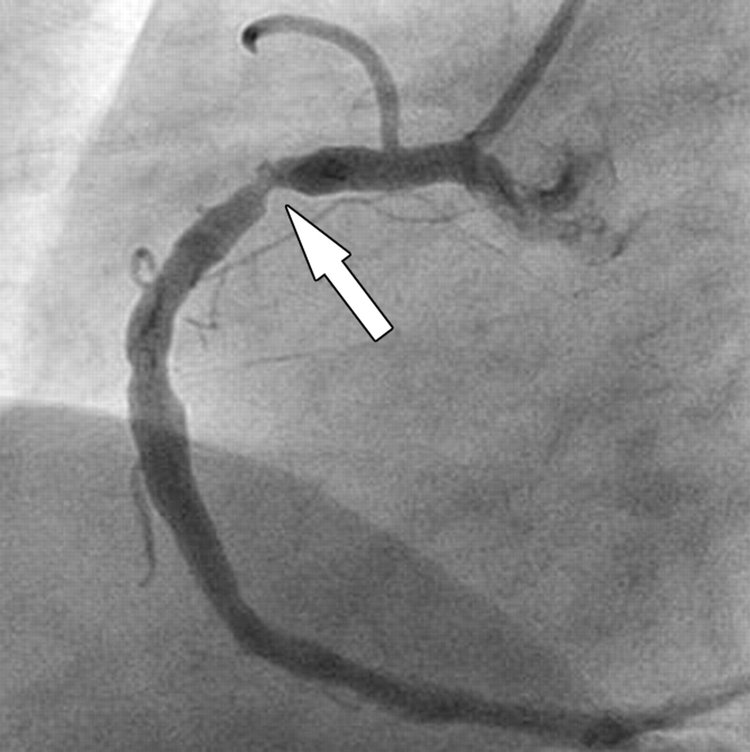
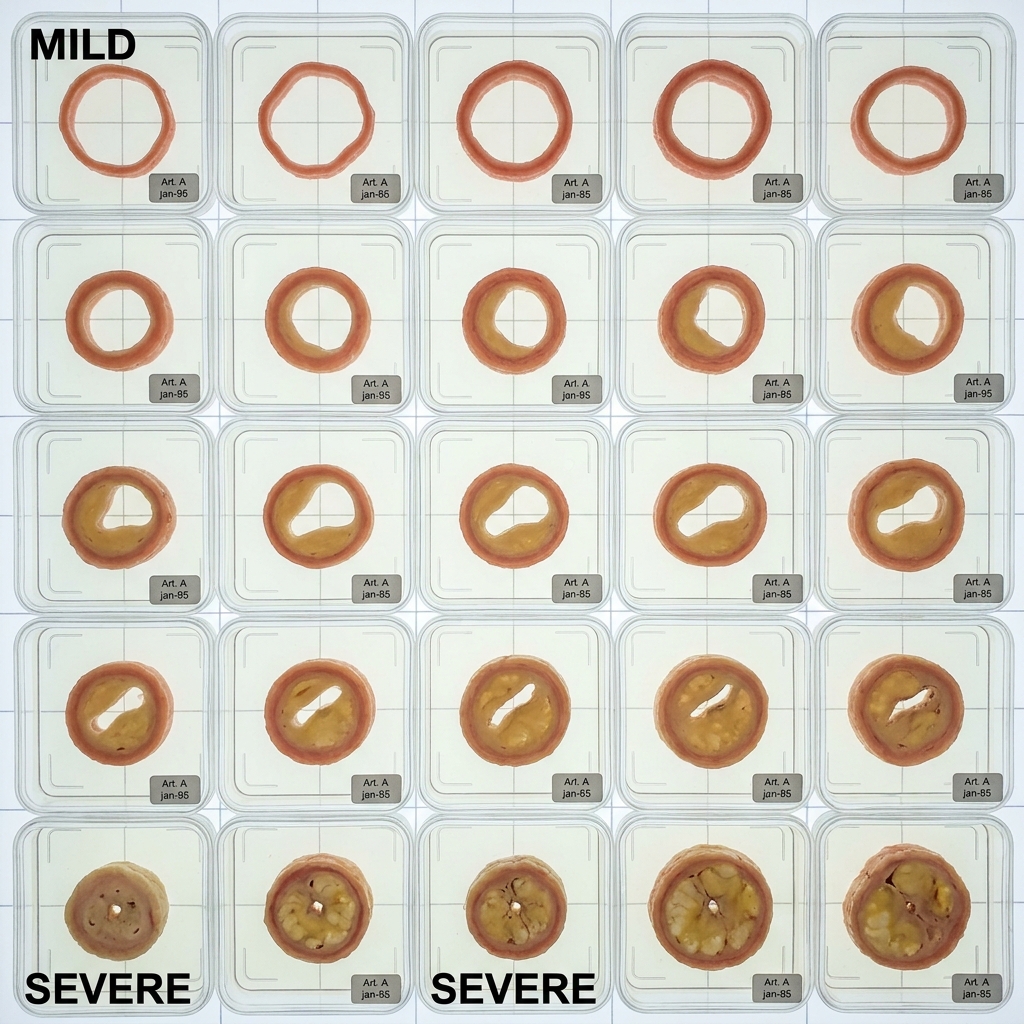
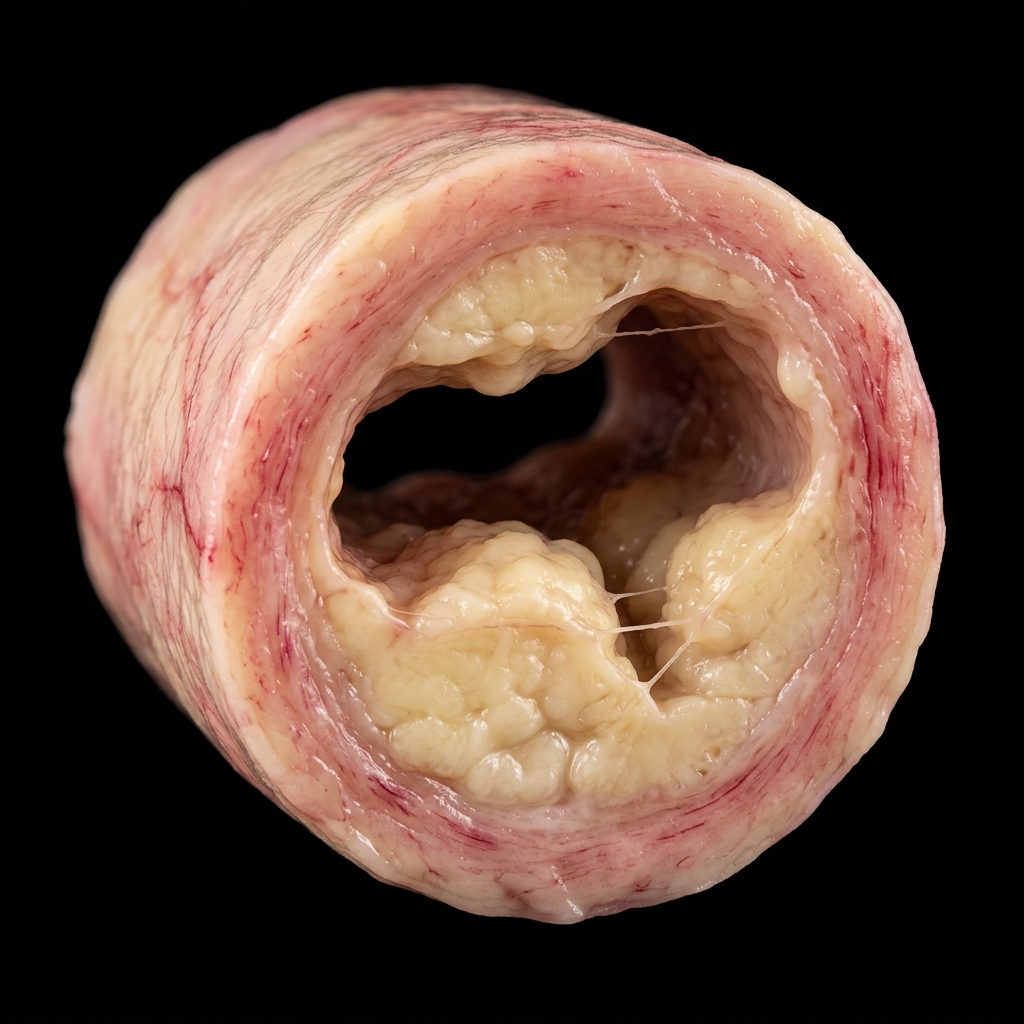
I'm a cardiologist, and last week a patient of mine asked me if she could stop taking her statin. Not because she'd given up on treatment. Because of something that showed up on her follow-up labs that I've never seen in 22 years of practice. I've been treating heart disease for 22 years. I've watched thousands of women in their 40s, 50s, and 60s walk into my office after the bloodwork scared them. Usually I can look at a panel for thirty seconds and tell you where someone's headed. Last week, I couldn't. A woman came in expecting the usual. Her LDL had been hovering around 165 for three years. Triglycerides 248. Blood pressure creeping into the low 140s. She was on 20mg rosuvastatin and I'd been planning to push her up to 40mg at this visit. She walked in looking the way most of my perimenopausal patients look. Tired. A little puffy around the eyes. Like she hadn't slept properly in a while. Except her labs looked nothing like I expected. Her LDL had dropped from 165 to 131. Her triglycerides had fallen from 248 to 178. Her blood pressure that morning was 118 over 74, the best reading I'd seen on her in years. And her CIMT, the carotid wall thickness I'd been tracking annually, had come down for the first time since I started measuring it three years ago. I looked at her. "What have you been doing differently?" "Nothing crazy. Just something my sister told me to try." I didn't believe her at first. "Different statin? Did your PCP add a PCSK9 inhibitor? Are you on bempedoic acid? Who's prescribing?" "Nothing like that. Just this one thing I've been taking for about five months." I pulled her chart back further and compared the last three years of bloodwork side by side. The trajectory had reversed. Not stalled. Reversed. I sat back. "I'm going to be honest with you. I don't think you need to be on 40mg. I'd be comfortable stepping you down to 10 and seeing what your numbers do in eight weeks." She looked confused. "But my cholesterol..." "Your cholesterol is doing something I usually only see when I add a second or third medication. And I haven't added anything." Long pause. "So what do I do now?" "Keep doing whatever you're doing. It's working better than the next step I was about to push on you." She walked out of my office. And I spent the rest of the week thinking about what she knew that I didn't. Here's what bothers me. I've been in cardiology my whole adult life. I know every drug, every dosing protocol, every combination, every escalation pathway. I know the guidelines. I know the trials. And I see the same thing in my office every single day. Women in their 40s, 50s, and 60s with bloodwork that keeps getting worse even though they're doing everything right. When they ask me if there's anything they can do besides more medication, the most honest answer I've had for 22 years is no. Stay on your statin. Add another one when your numbers stop responding. And here's a referral if you end up needing a stent. That's been the conversation. I couldn't stop thinking about her labs. So I called her that evening. "I know this is unusual. But I can't stop thinking about your numbers. What are you actually taking?" She didn't hesitate. "It's nattokinase. My sister's been taking it for about two years. She told me to try it." "What is it?" "Honestly, I'm not totally sure. I know it comes from some fermented Japanese food. My sister said it's supposed to help clean out your arteries. I kind of just trusted her and started taking it." I said I'd look into it and call her back. I hung up and opened PubMed. I'd heard the word before. A few patients over the years have asked me about it. I'd always given them the same answer I gave most supplement questions, that I didn't know enough about it to recommend for or against. That night I looked at it for the first time. The first study I came across had 1,062 participants. Twelve months. High-dose nattokinase versus a control group. I sat with it for a minute. Carotid wall thickness down 21.7 percent. Plaque surface area down 36 percent. LDL down 18 percent. Triglycerides down almost 16 percent. HDL up almost 16 percent. A 36 percent reduction in plaque surface area is not something I see in my patients on maximum-dose statins. That's a number I associate with aggressive combination therapy over multiple years. This was twelve months, one enzyme, no drug. I read the paper twice. Then I went looking for what the enzyme actually does. Because a 36 percent plaque reduction has to have a mechanism. Here's what I found. And I'm going to walk you through it the way I walked through it that night, because it changed how I think about everything I've been doing for 22 years. Plaque. I'd been trained to think of it the way every cardiologist thinks of it. LDL is the enemy. Lower the LDL, lower the risk. And that isn't wrong. LDL matters. The studies are real. The guidelines exist for a reason. But it's not the whole story. And the part that was missing is the part that made my patient's labs finally make sense. Plaque doesn't just start with LDL. It starts with damage to the artery lining. Inflammation damages it. Blood sugar damages it. High blood pressure damages it. Every cardiologist knows this part. Once the lining is damaged, the body patches the injury with a sticky protein called fibrin. Same protein your body uses to form a scab when you cut yourself. It's meant to be temporary. And your body has a built-in way to clear it. An enzyme called plasmin that dissolves fibrin once the repair is done. When you're in your 20s and 30s, this all happens automatically. Fibrin goes up, plasmin clears it, arteries stay clean. That starts to shift in your 40s. The inflammation doesn't stop. The body keeps laying fibrin down. Plasmin production drops off, and something called PAI-1 starts blocking the system. The fibrin that used to get cleared out stays where it is. And the longer it sits there, the more it catches. ApoB particles floating past, LDL is the one you've heard of, get tangled in the mesh and stuck against the artery wall. Once they're trapped there, they oxidize. They turn toxic. Immune cells come to clean them up, die off right there, and become part of the buildup. That's plaque. And here's what nattokinase does. It's a fibrinolytic enzyme. Which means it breaks down fibrin. Think of it this way. Your plasminogen system has been running slower every year after 40, and PAI-1 has been blocking the plasmin that does get made from reaching the fibrin it's supposed to clear. Nattokinase works on both ends. It supports the plasminogen-to-plasmin conversion, and it helps neutralize PAI-1. Once both ends are working again, your body starts clearing the fibrin that's been building up on the artery walls for years. And as the fibrin breaks down, the wall itself gets thinner. The trapped cholesterol loses what was holding it in place and the buildup starts to reverse. That's when the 1,062-participant study made sense to me. They weren't just lowering cholesterol. They were clearing the fibrin that was trapping the cholesterol. The cholesterol drop was a downstream effect, not the mechanism. I sat there for a long time. Because what I was reading explained something I'd been watching for 22 years and never had an answer for. Why women on well-dosed statins still have heart attacks. Why two patients with identical LDL can have completely different disease trajectories. The statins are doing what statins do. They're lowering the cholesterol floating in the blood. They're just not reaching the fibrin mesh that's been catching cholesterol and cementing it to the wall for twenty years. Nobody in my training ever framed it that way. And the more I read, the less I could dismiss it. A separate study followed about 29,000 Japanese adults for 16 years and tracked cardiovascular mortality. People in the highest quartile of natto consumption had a 25% lower risk of dying from cardiovascular disease than those in the lowest quartile. The Japanese have been eating it for eight centuries. We're just now catching up to why. "So that's what your sister had you take," I said. "Yeah. She's been on it a couple years. She was pretty specific about which one to get" I asked what was on her bottle. "10,000 FU per serving. Fermented from non-GMO natto. Brand's called Circulene." I wrote it down. And then I thought about my own numbers. I'm 52. I've been in perimenopause for three years. And I'll be honest, I'd been watching my own numbers the way I watch my patients' numbers. With that quiet dread of knowing exactly where it was headed. My LDL went from 112 at 45 to 148 at 51. My morning BP readings have been creeping into the 130s. My father had a stent at 58 and a bypass at 66. I knew I was a year, maybe two, from starting a statin myself. That night I had a reason to try something else first. So I ran a simple experiment on myself. Two capsules every morning for three months, no other changes, and I'd check my labs at the end. Month one, the first thing I noticed was my sleep. I used to wake up at 3 a.m. with my heart pounding once or twice a week for almost two years. And then it just stopped. Month two, my morning blood pressure came in under 125 for the first time since 2019. I checked it three mornings in a row to make sure it wasn't a fluke. By month four, I had my labs checked. My LDL had come down from 148 to 139. My triglycerides had dropped from 196 to 172. My BP was averaging 122 over 74. I'm a cardiologist. I know what lipid shifts like these look like when they come from a medication. I know this wasn't placebo. A colleague stopped me in the hallway last week and asked what I'd changed. Said my skin looked different. Asked if I'd started HRT. I hadn't started HRT. My guess was that by clearing fibrin in my arteries, it was doing the same thing in the capillaries under my skin. That's probably why my skin looked different. If you're where I was six months ago, with your numbers climbing and medication starting to feel like the only option, this is what I'd try first. Not as a replacement for a statin if your cardiologist has told you you need one. But as what I wish I'd known about before my numbers started climbing. For 22 years, the best I could offer my patients was a slower decline. This is the first thing I've seen that does more than that. More of my patients are asking about nattokinase every month, and most of them found out about it before I did. I've written statin prescriptions thousands of times. I just wanted you to know what I was seeing before it was your turn to have that conversation P.S. For anyone asking, the one I'm taking is the 10,000 FU version from Circulene. Take it on an empty stomach. →
A 22-year cardiologist just admitted something most of her patients have never been told
Circulene
LEARN MORELike this ad? Make it yours.
Crush rebuilds this exact creative around your product — your brand, your colors, your offer — in about a minute.