
Inactive· since Jun 29, 2026
- 81
- days it ran
- 0
- relaunches
- 1,275
- EU reach
Ad copy
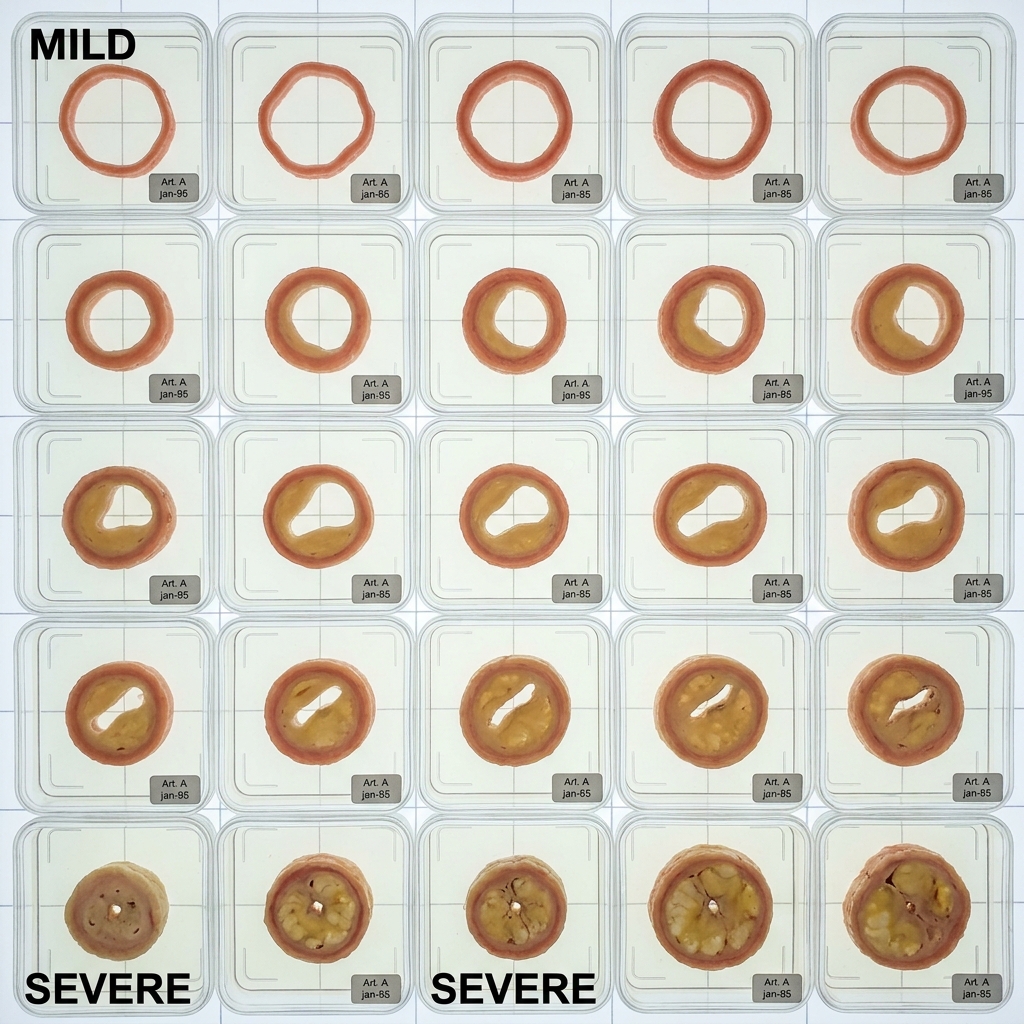
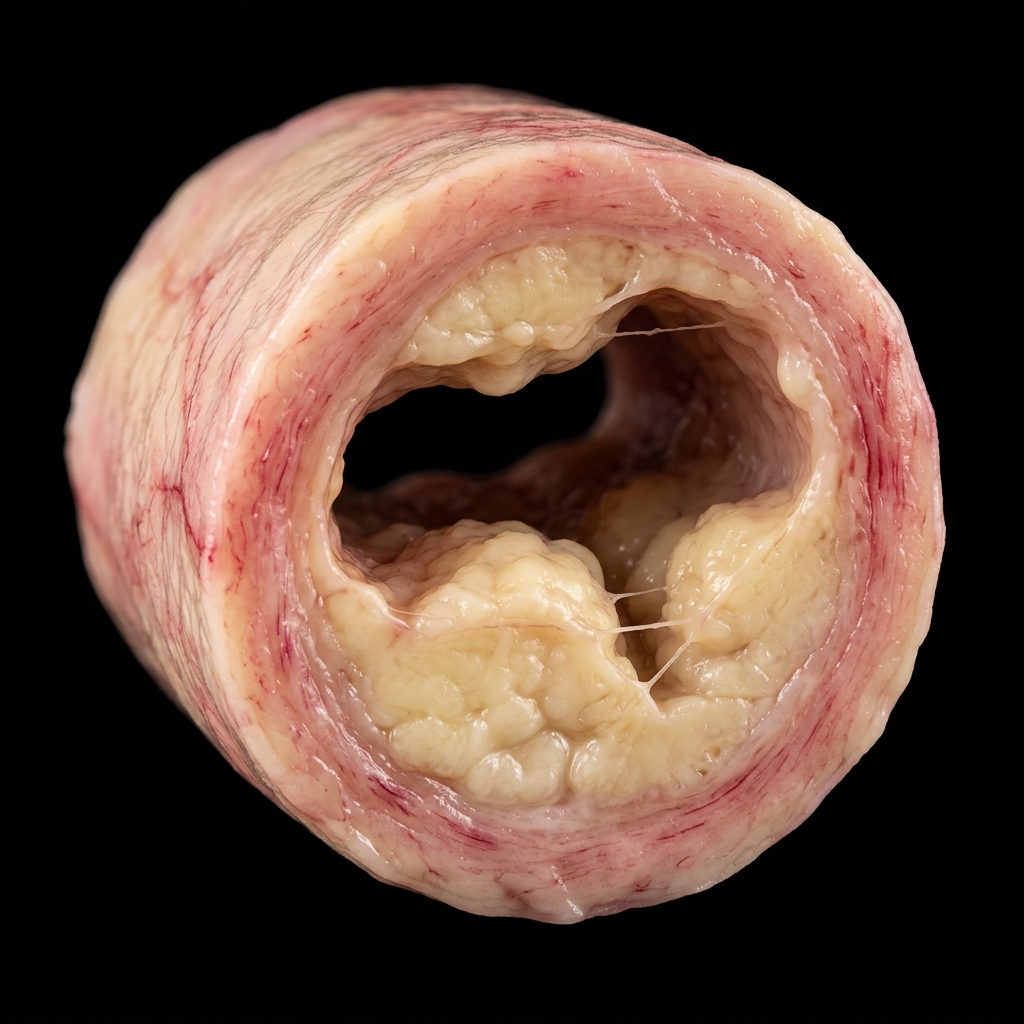
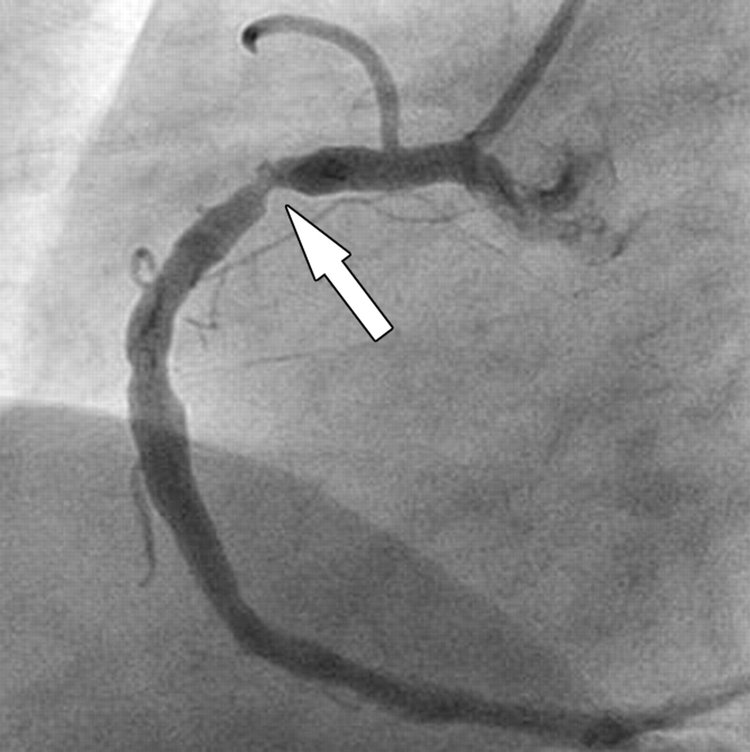
Did you know that if you get winded just walking up a flight of stairs, that's clogged arteries? Is your blood pressure creeping higher every year no matter what you eat? That's clogged arteries. Do you wake up with stiff, aching joints every single morning even though you "slept fine"? That's clogged arteries restricting blood flow. Do you have brain fog so bad you forget what you walked into a room for? That's clogged arteries starving your brain of oxygen. That constant fatigue where you crash on the couch by 7 PM even though you used to have energy after work? That's clogged arteries too. And those hands and feet that go cold and stay cold no matter how many blankets you pile on? Yes. That's your arteries. But people don't believe me when I tell them this. The number one threat to your heart is not cholesterol floating in your blood. It's not genetics. And it's definitely not something another statin prescription can fix. And most people over 40 tragically ignore these warning signs until one day they're staring at a calcium score that makes their doctor's face change. Or worse, they're in the back of an ambulance wishing they'd done something sooner. Here's what nobody tells you about artery plaque: Plaque doesn't START with cholesterol. Cholesterol shows up later. It starts with damage to the artery lining itself. Inflammation damages it. Blood sugar damages it. High blood pressure damages it. And every time the lining gets damaged, your body patches the injury the same way it patches a cut on your skin, with a sticky protein called fibrin. Same exact protein that forms the scab when you cut your skin. But instead of happening on your skin, it's happening inside your artery wall. It's meant to be temporary. Your body has a built-in enzyme called plasmin that's supposed to dissolve that fibrin once the repair is done. In your 20s and 30s, this happens automatically. Your body lays fibrin down. Plasmin clears it out. Arteries stay clean. You never feel a thing. Then something shifts after 40. The inflammation doesn't stop. Your body keeps laying down fibrin patches every single day. But your plasmin production drops off. And something called PAI-1 starts blocking the process, making it even harder for your body to clear the fibrin. So the fibrin that used to get cleaned up stays exactly where it is. And the longer it sits there, the more it catches. LDL particles floating past in your bloodstream get tangled in the fibrin mesh and trapped against the artery wall. Once they're stuck there, they oxidize. They turn toxic. Your immune cells rush in to clean them up, and they die right there in the artery wall and become part of the buildup. That's plaque. It's not just cholesterol floating in your blood. It's cholesterol that got CAUGHT in a fibrin mesh your body couldn't clear, then oxidized, then cemented into the wall layer by layer. This has been happening inside you for 20, 30, maybe 40 years. Silently. Without a single symptom. Until now. That's why nearly 75% of people who have a heart attack have "normal" cholesterol. That's why you're exhausted. That's why your brain feels foggy. That's why your joints ache. It's not "just aging." It's restricted blood flow from decades of plaque buildup nobody told you about. And then when you ask for help, the answer is usually the same. Lower the number. Take the statins. Maybe you tried one. And the muscle pain got so bad you could barely exercise, the very thing they told you to do more of. Or maybe you tried the "natural" route. Fish oil. Garlic capsules. Red yeast rice. Bergamot. You spent hundreds of dollars and months of hope on supplements that didn't move a single number. And every time your doctor pulled up your chart, the plaque was still there. Maybe worse. I see this every week. People sitting across from me in their 50s and 60s, terrified after seeing their calcium scores, exhausted from statins that made them feel worse, angry at a system that treated them like a number instead of a person. And after seeing the same pattern over and over, I started putting them on something most treatment plans leave out. Something that targets the fibrin. Because lowering cholesterol matters. But if fibrin is trapping cholesterol inside the artery wall, where it can oxidize and harden into plaque, then you have to address the fibrin too. And that's when I started noticing something in the follow-ups. Their energy comes back first. Then the brain fog lifts. They can think clearly again. They can remember names and words that had been slipping away. Their chest tightness fades. They stop freezing every time they feel a twinge. They stop checking their pulse before they fall asleep. Their blood pressure starts coming down on its own. Some of them watch the numbers drop ten, fifteen points over the course of a few months without changing a single other thing. They start playing with their grandkids again. Walking further. Doing things they'd quietly given up on because they were afraid their heart couldn't handle it. One of my patients came in two years ago. 57 years old. Calcium score of 415. I told him he'd probably need a stent within two years. He came back 12 months later with results that stopped me cold. His artery wall thickness had measurably improved. He'd followed the protocol every single morning for a year. This enzyme is called nattokinase. It's derived from a traditional Japanese fermented food that's been consumed for over a thousand years. In regions of Japan where this food is eaten most, cardiovascular disease rates are among the lowest in the world. Nattokinase works on both sides of the problem at once. It helps your body make more plasmin, the enzyme that clears fibrin. And it helps reduce PAI-1 activity, the protein that can block plasmin from doing its job. Both ends of your fibrin-clearing system start working again. The fibrin that's been sitting in your artery walls for years starts getting cleared out. And as the mesh breaks down, the cholesterol that was stuck against the wall loses what was holding it there. This is the part most other approaches miss entirely. Statins do what they're designed to do. They lower the cholesterol your liver makes. But they don't touch the fibrin mesh in the wall. Red yeast rice is just a weaker statin. Same problem. It lowers the cholesterol floating in your blood and ignores what's stuck to the artery wall. Diet and exercise matter. I tell every patient to walk every day and eat real food. But that's prevention. Reversing what's already built up over thirty years is a different problem. Nattokinase is the only enzyme clinically shown to support fibrinolysis, the actual breakdown of fibrin, and measurably reduce plaque in human studies. In a clinical study of over 1,000 participants taking nattokinase for 12 months: ✅ Arterial wall thickness decreased by 21.7% ✅ Plaque surface area decreased by 36% ✅ LDL cholesterol dropped 18.1% ✅ Triglycerides decreased 15.7% ✅ HDL ("good") cholesterol increased 15.8% And unlike blood thinners, nattokinase doesn't stop your body from clotting when it needs to. It only breaks down the old fibrin in the wall. The most effective way to clear the fibrin off your artery walls is to take close to what was actually studied. The 1,000-participant trial used 10,800 FU per day. Most capsules on the market contain 2,000 FU, which has been shown to do almost nothing for plaque. So when people ask what I would choose, I point them toward a formula that is actually dosed close to the research. Circulene gives you 10,000 FU per serving, which is right around what was used in the plaque study. Here's what I've watched happen with my patients on this protocol. By week two or three, their energy comes back. The afternoon crashes stop. They tell me they're not getting winded the way they used to. By month two, they tell me their hands and feet feel warm again. They can feel the difference in their circulation. And their blood pressure is usually starting to move in the right direction without changing anything else. By month six, the chest tightness is gone in most of them. Joint stiffness has eased. They're walking further, sleeping better, doing things they'd quietly given up on. And by month ten, when they get their next scan, that's where it gets interesting. The plaque is measurably smaller. And for most of them, it's the first time their calcium score hasn't gotten worse in years. That's the part that still gets me every time. I trained for twelve years to lower cholesterol numbers, and I'm watching plaque actually clear out of the wall. The cholesterol was never the wall. It was just what got caught in the wall. That changes what you should be doing about it. I take it every morning. So do thousands of others. If you look at the reviews, you'll see what I've been seeing in my office. People worried about plaque, calcium scores, and unexplained fatigue who say this is the first thing that's actually moved their numbers. It comes with a 30-day money-back guarantee, because they're confident it will work for you the way it has for thousands of others. One of my patients, 62 years old, had been on a statin for 8 years. Muscle pain so bad he stopped exercising. Brain fog that made him feel like he was losing his mind. His wife told me he wasn't the same person anymore. He'd tried switching medications, adding CoQ10. Nothing helped. After 9 weeks on Circulene, he called me. His voice was different. The fog had lifted. His energy was back. He'd started walking again, then jogging. His next lipid panel showed improvement across the board. Most doctors never connect symptoms like his to what's actually building up in the artery wall. They treat the number on the blood panel. They don't address what's catching the cholesterol and locking it against the wall in the first place. Right now they have a promotion running, but one thing I'll mention is that they're a smaller company, so they don't always stay in stock. If a lot of people order at once, they can run through a batch pretty quickly, and then it may take a few weeks before it's available again. A year from now, you're going to get another scan. The plaque on it is going to be bigger or smaller than it is today. There's no in between. You can find them here: https://circulene.com/products/nattokinase P.S. For thirty years, the answer to artery disease has been the same in every cardiology office in the world. Lower the cholesterol. That answer wasn't wrong. It was just incomplete. We were treating what we could measure in the blood. We weren't treating what was happening in the artery wall.
Like this ad? Make it yours.
Crush rebuilds this exact creative around your product — your brand, your colors, your offer — in about a minute.