
Inactive· since Jan 14, 2026
- 44
- days it ran
- 0
- relaunches
Ad copy
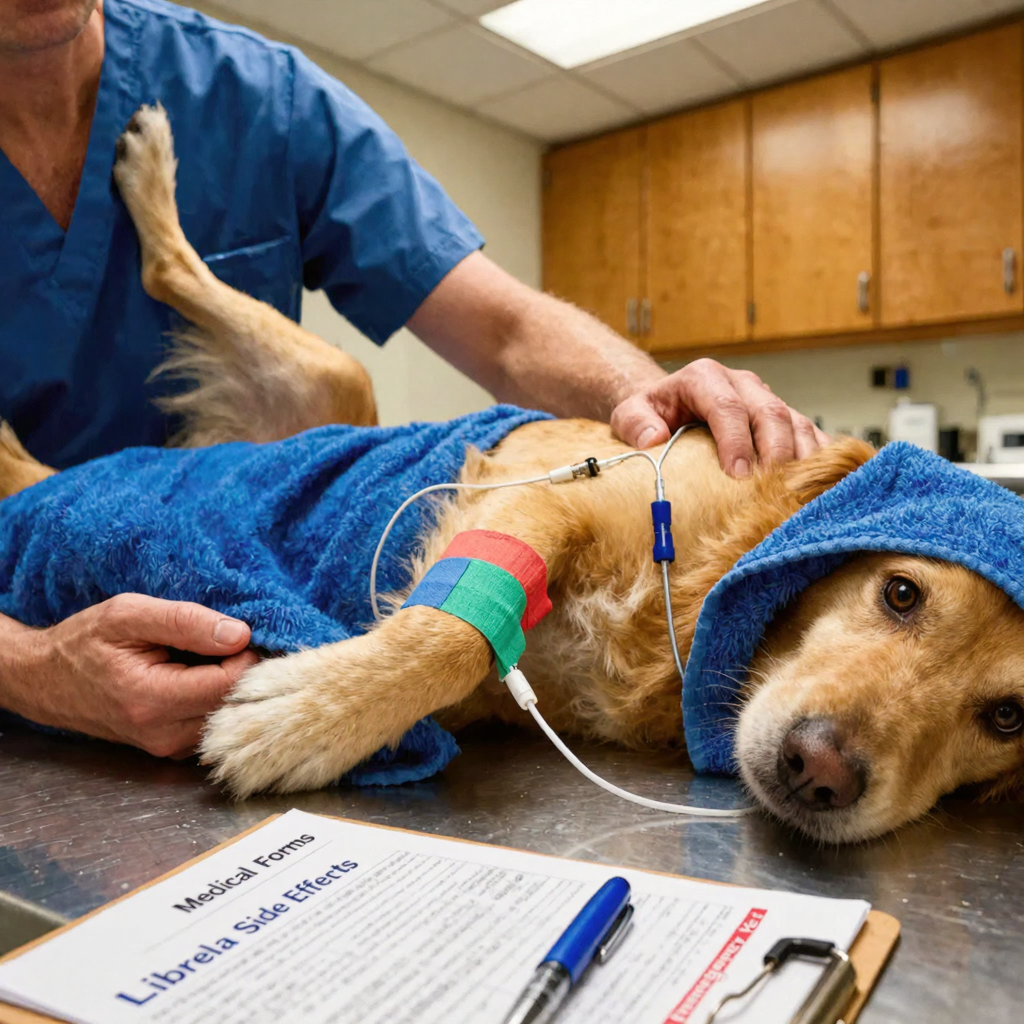
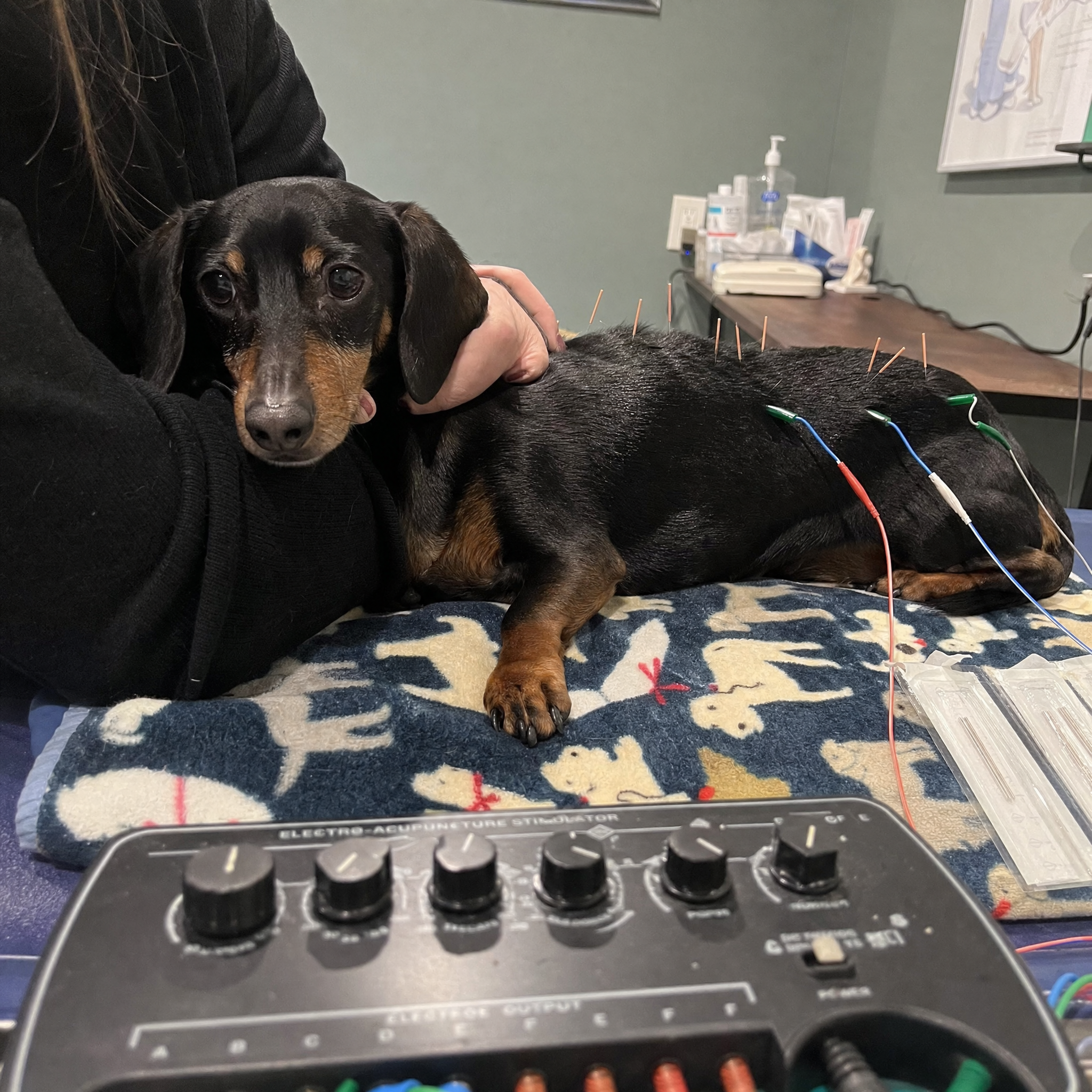
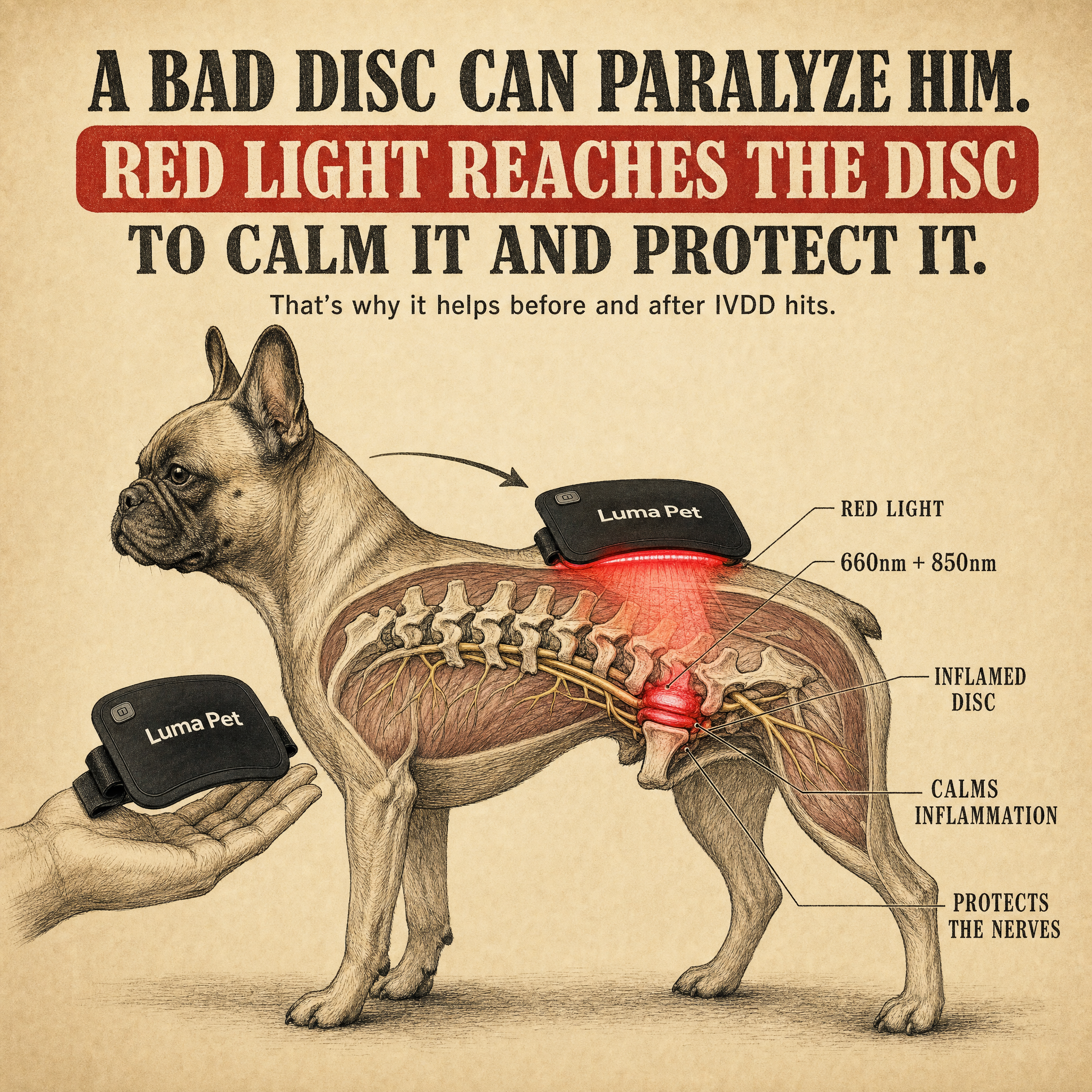
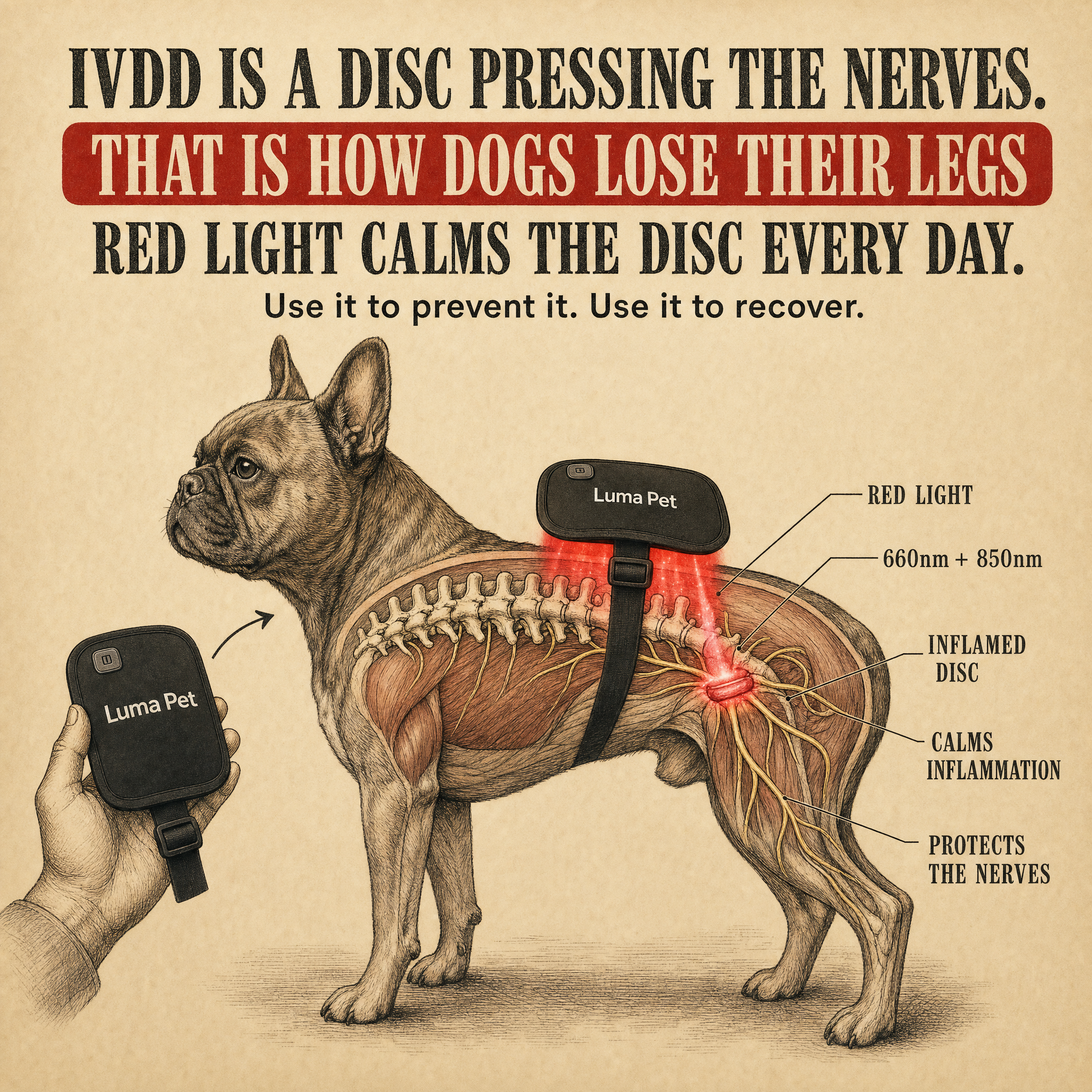
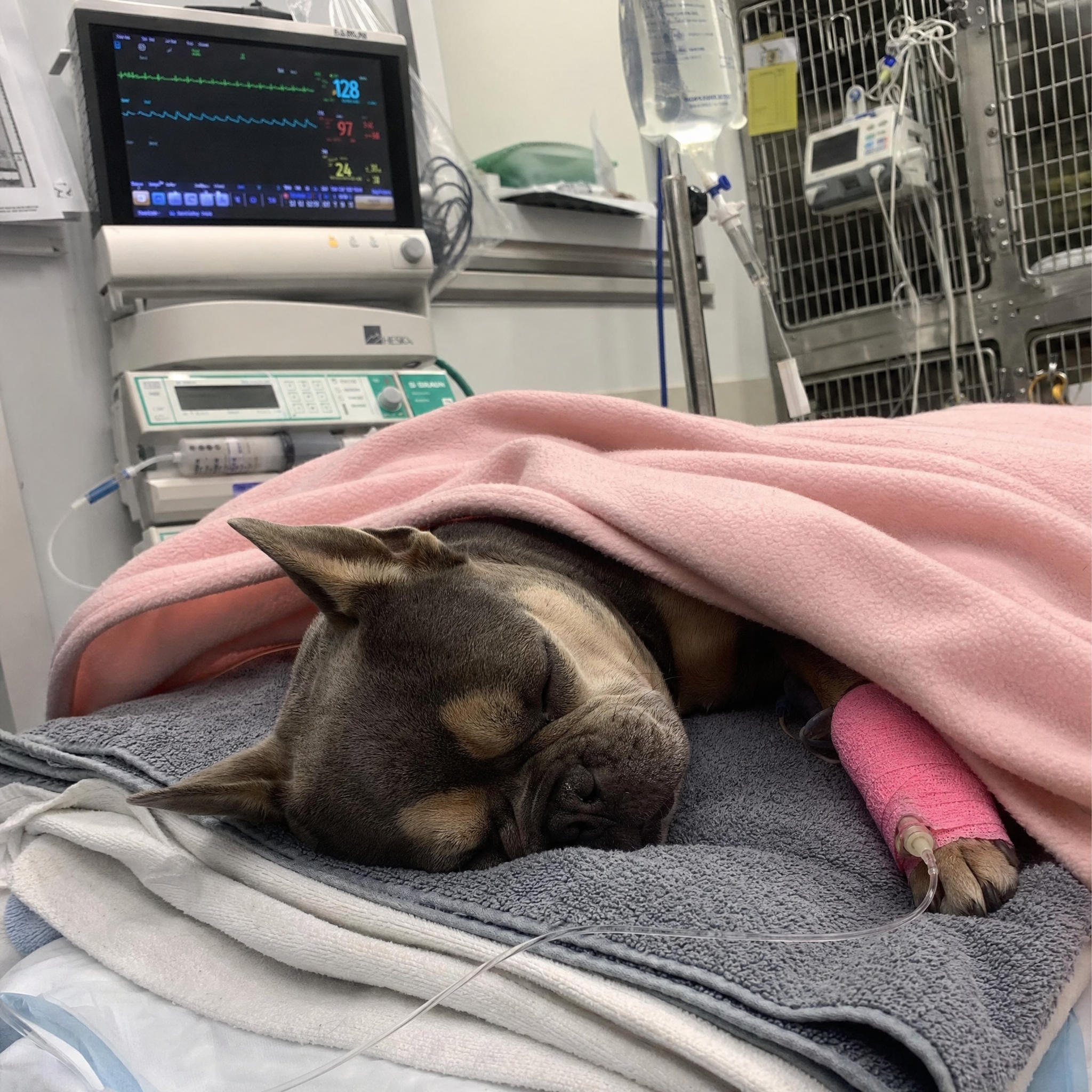
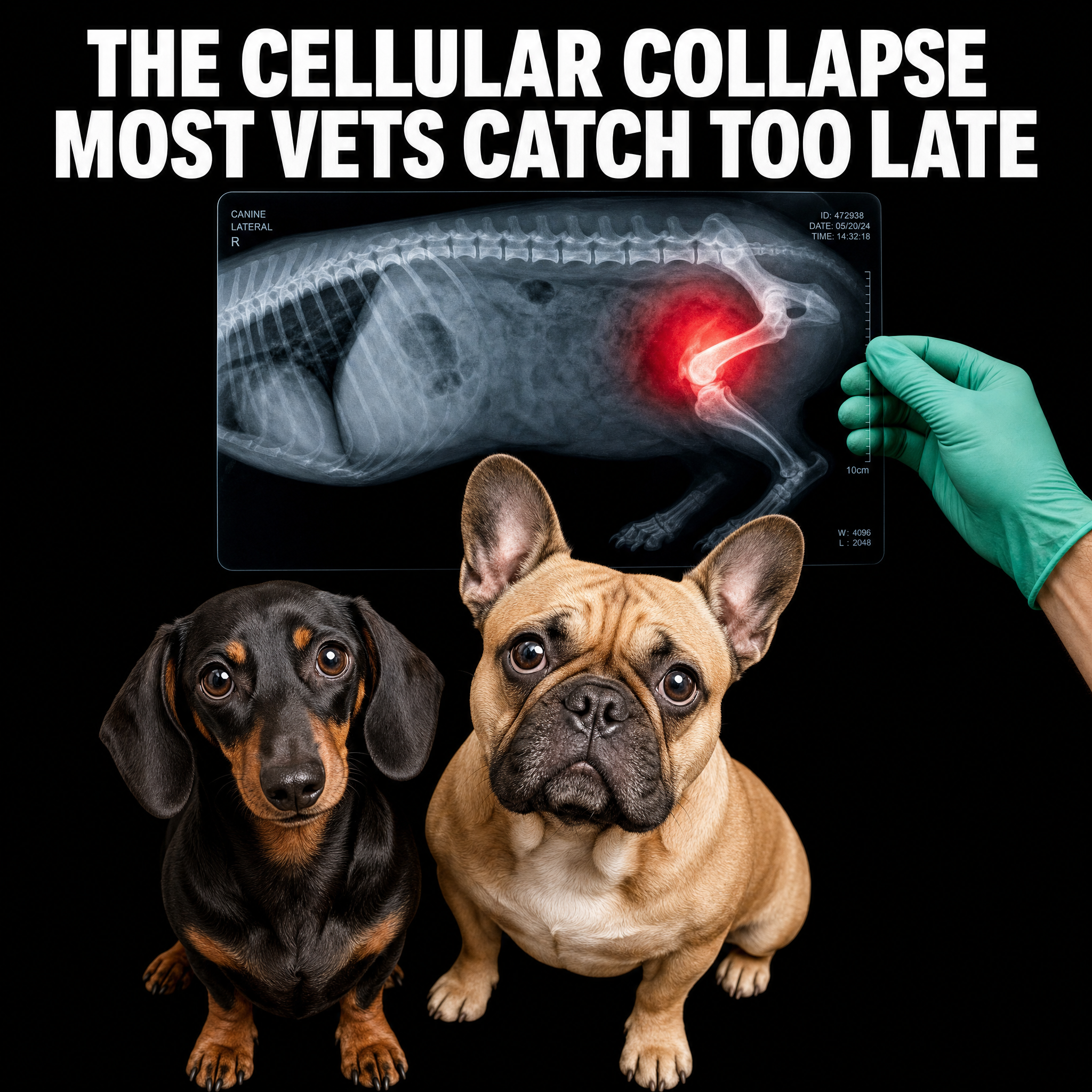
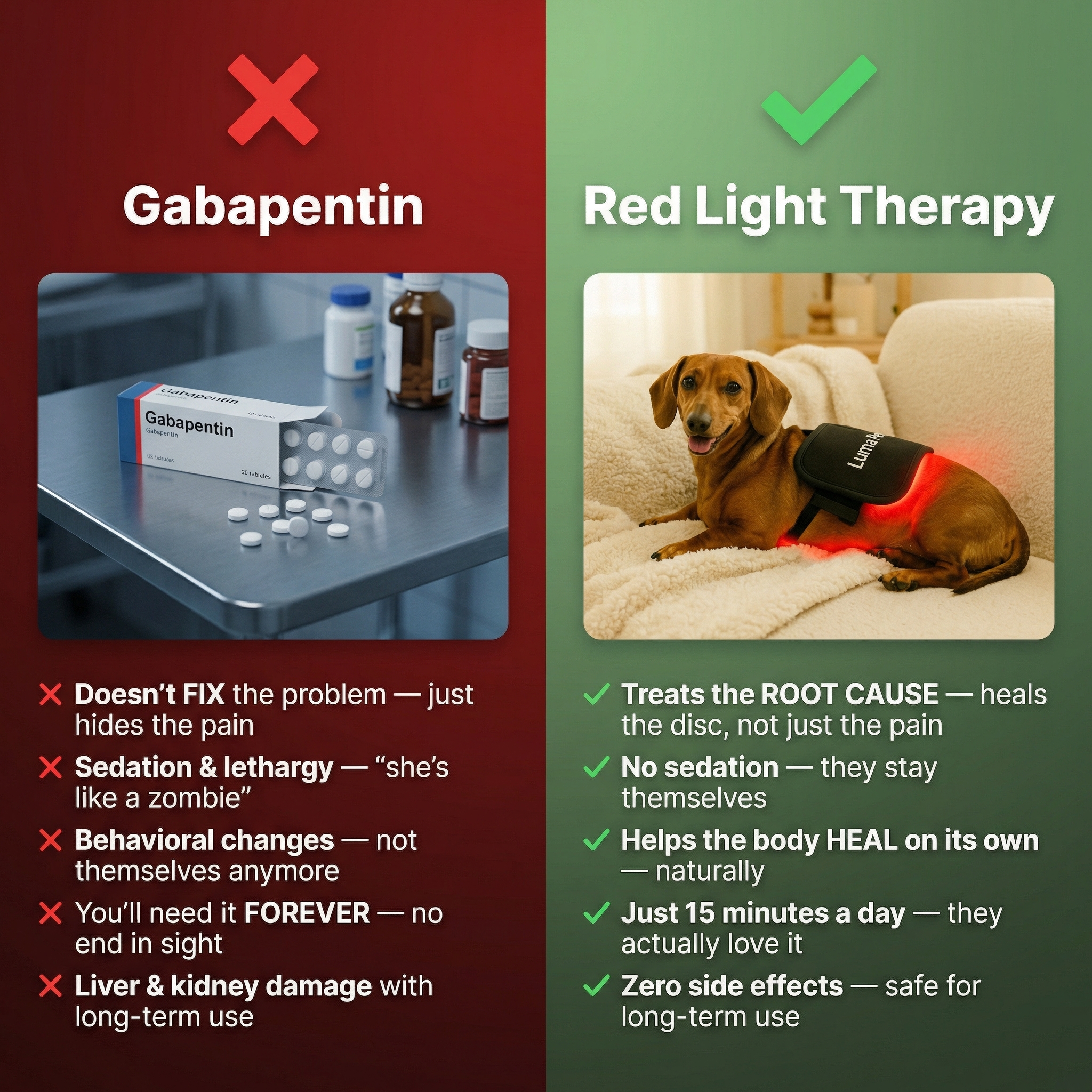
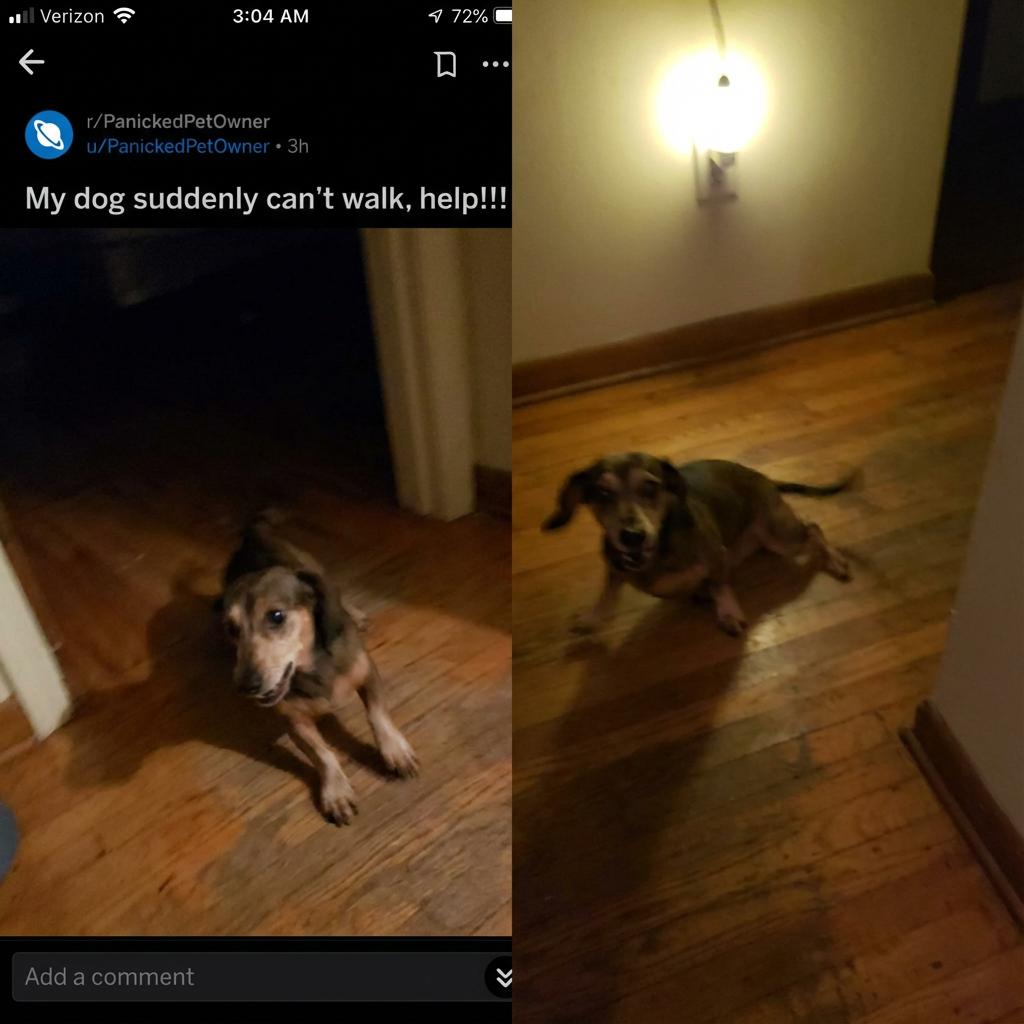
Can I ask you something? Does your Dachshund (or Corgi, or Frenchie) ever hesitate before jumping? Like they're thinking about it first? I used to think mine was just being cautious. Turns out, that hesitation was Stage 1 IVDD. And I spent three years ignoring it. Year one, it was just hesitation before jumping on the couch... The vet said: "He's being cautious. It's normal." I believed her. Year two, the hesitation turned into a full stop. Plus a hunched back when walking. The vet said: "Let's monitor it. Dachshunds are prone to back issues." Monitor it. Like watching is a treatment. Year three, he started yelping when I picked him up. The hunched post ure got worse. The vet said: "We can do an X-ray if you want, but IVDD treatment is limited. Crate rest if it flares up, or surgery if it's severe." Limited. Like there's nothing we can do until it's catastrophic. Year four, I woke up to him dragging his back legs across the floor. Screaming. Emergency vet: "This is Grade 5 IVDD. You have 24-48 hours to decide on surgery or he may never walk again." Surgery cost: $8,200. I stood there in the exam room at 3 AM, credit card in hand, asking the question I should have asked three years ago: "Why didn't anyone tell me this was coming?" The neurologist looked uncomfortable. "IVDD progression can be unpredictable. Some dogs live their whole lives with mild symptoms." Unpredictable. But when I looked back at the timeline, it wasn't unpredictable at all. Year one: Hesitation = early disc inflammation. Year two: Hunched back = compensating for spinal pain. Year three: Yelping when touched = discs already degenerating. Year four: Paralysis = disc finally ruptured. We weren't monitoring an unpredictable disease. We were watching progressive disc degeneration in slow motion. And no one told me I could DO something about it. I paid the $8,200. We did the surgery. Six weeks of crate rest. Months of rehab. He learned to walk again. But the neurologist said something during a follow-up that I can't stop thinking about: "His other discs are still at risk. IVDD dogs often have a second episode within 2-3 years." I asked: "So what do I do? Just wait for it to happen again?" She paused. "There is something. Red light therapy. We use it in our rehab clinic for post-surgical recovery, but studies show it can actually reduce disc inflammation and slow degeneration when used preventatively." "Why didn't you tell me this three years ago?" She looked genuinely apologetic. "Most vets don't talk about prevention. We're trained to treat problems once they're severe enough to intervene." That night, I pulled out my phone and looked through old videos. Four years ago: My Dachshund jumping on and off furniture without hesitation. Three years ago: Slight pause before jumping. I thought he was just being lazy. Two years ago: Avoiding jumps entirely. I thought he was "maturing." Last year: Hunched posture. I thought it was just his personality. This year: Paralyzed. Surgery. $8,200. Months of suffering. I put the videos side by side. The decline was obvious when you saw them together. But it happened so gradually, year by year, that I'd normalized it. "He's just being cautious." "Dachshunds are dramatic." "Some dogs are like this." But this wasn't normal Dachshund behavior. This was systematic disc degeneration. And I could have stopped it. I searched: "red light therapy IVDD prevention" One study stood out. Title: "Photobiomodulation Reduces Disc Inflammation and Prevents IVDD Progression in At-Risk Breeds" I clicked it. "IVDD is not a sudden event. It's a progressive degenerative disease where disc inflammation builds for years before rupture. By the time owners see symptoms (hesitation, hunched posture, yelping), 60-70% of disc integrity is already compromised. Red light therapy (660nm-850nm wavelengths) penetrates 2-3 inches into spinal tissue, reducing inflammatory markers (IL-6, TNF-α) by up to 68% and slowing degeneration by strengthening surrounding tissue. When used preventatively in at-risk breeds starting at age 2-3, incidence of severe IVDD episodes decreased by 71%." I read it three times. It wasn't unpredictable. It was preventable. Every year, disc inflammation was building. Every year, the discs were weakening. Every year, we were getting closer to rupture. That's why "monitoring" didn't work. That's why symptoms got worse each year. That's why the vet had no answer. We weren't treating the inflammation. We were watching structural collapse in slow motion. The study explained: Dachshunds (and Corgis, and Frenchies) have genetically weaker discs. Starting at age 2-3, chronic low-grade inflammation builds in the spine. The inflammation breaks down disc cartilage faster than the body can repair it. By age 5-6, discs are 40-50% compromised. By age 7-8, they're at critical rupture risk. As they degenerate, symptoms appear: Year one: Hesitation (early inflammation, minor pain). Year two: Posture changes (compensating for damaged discs). Year three: Yelping (discs severely weakened). Year four: Paralysis (disc ruptures completely). That was my dog's exact timeline. I sat there at 2 AM feeling sick. Four years of "monitoring." Four years of dismissing signs. Four years of being told "it's unpredictable." And the solution existed the whole time. I ordered a red light therapy device that night. For my other Dachshund. The 3-year-old who hasn't shown symptoms yet. Because I'm not making the same mistake twice. I started giving him 15-minute sessions every night on his spine. It's been 8 months. No hesitation. No hunched posture. No yelping. His spine is being protected while it's still healthy. Meanwhile, my post-surgery Dachshund gets it twice a day. His neurologist said at his 6-month follow-up: "His recovery is exceptional. And his other discs look stable. Whatever you're doing, keep doing it." What I'm doing is reducing the inflammation that causes degeneration. Before it causes another rupture. If your Dachshund (or Corgi, or Frenchie) is showing early signs... If they hesitate before jumping... If their posture looks slightly hunched... If they occasionally yelp when touched... It's not "just being cautious." It's not "unpredictable." It's progressive disc inflammation. And it will get worse every single year until it ruptures. Unless you stop the inflammation now. The red light device I use is LumaPet. http://pdps.ivddprevention.com/ Because if you don't stop the degeneration, next year will be worse than this year. Year three will be worse than year two. And year four might be paralysis. The best time to start was three years ago. The next best time is today. A few people have DM'd asking which one I use - here's the link: http://pdps.ivddprevention.com/
2 in 4 Dachshunds get IVDD.prevent it.
Keep Them Young, Longer: Helps maintain mobility, energy, and playfulness well into their senior years. Relief for IVDD, Arthritis & Back Pain: Reduces inflammation and eases discomfort so your dog can move freely again. Eases allergies & Skin Irritation: Boosts circulation and helps cells r...
LEARN MORELike this ad? Make it yours.
Crush rebuilds this exact creative around your product — your brand, your colors, your offer — in about a minute.