
Inactive· since May 28, 2026
- 7
- days it ran
- 1
- relaunches
Ad copy
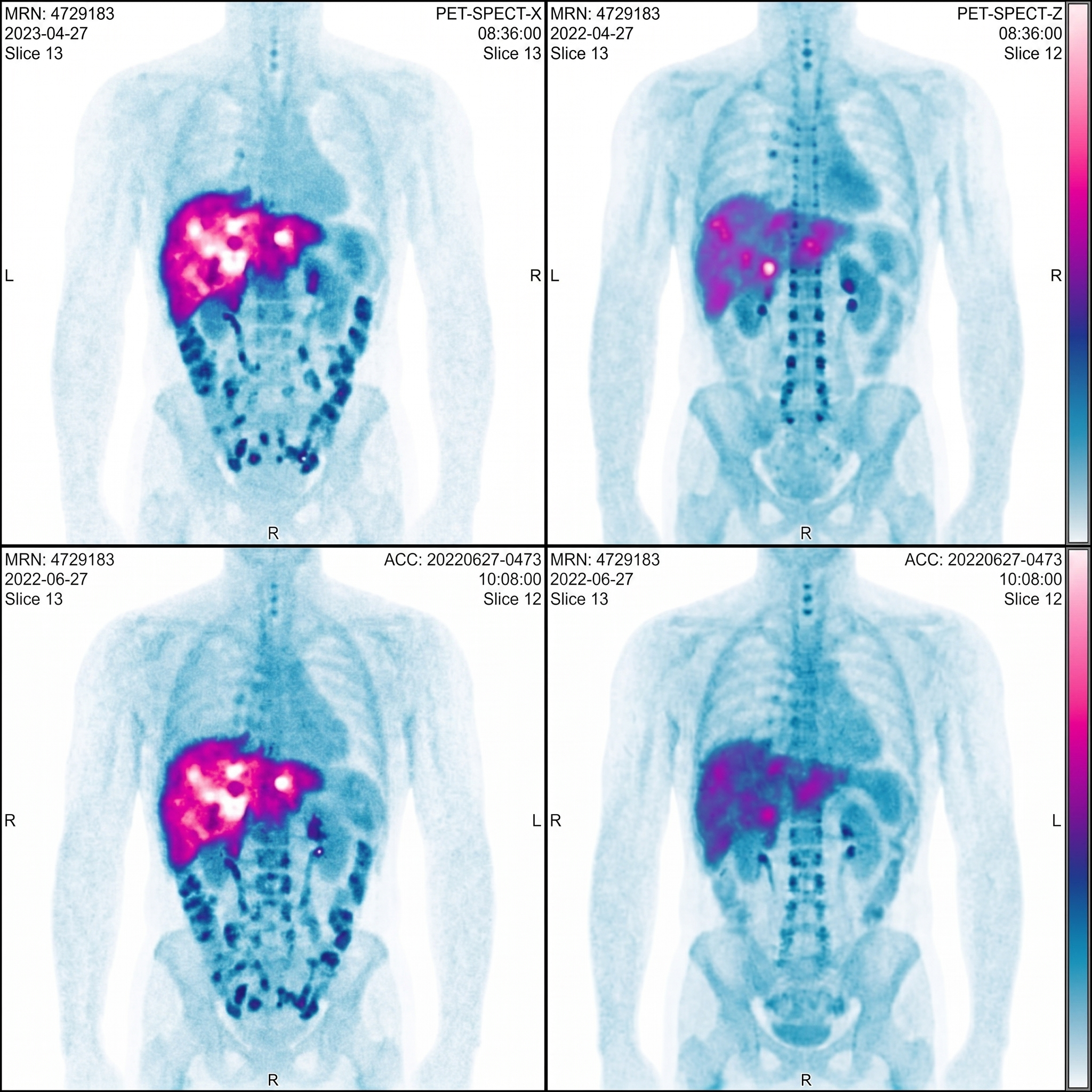
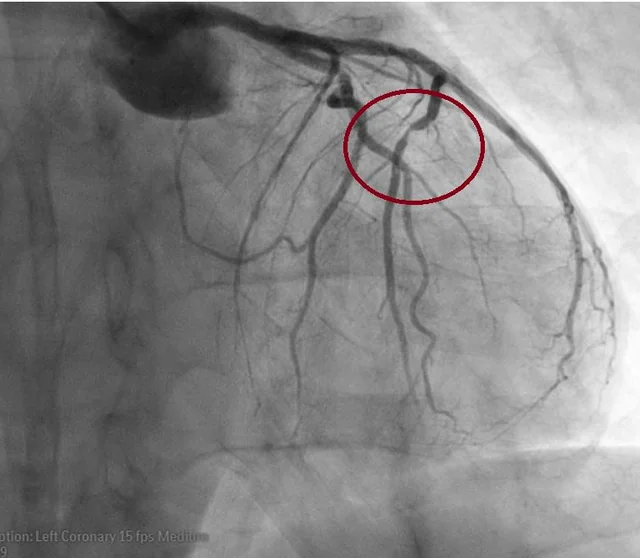
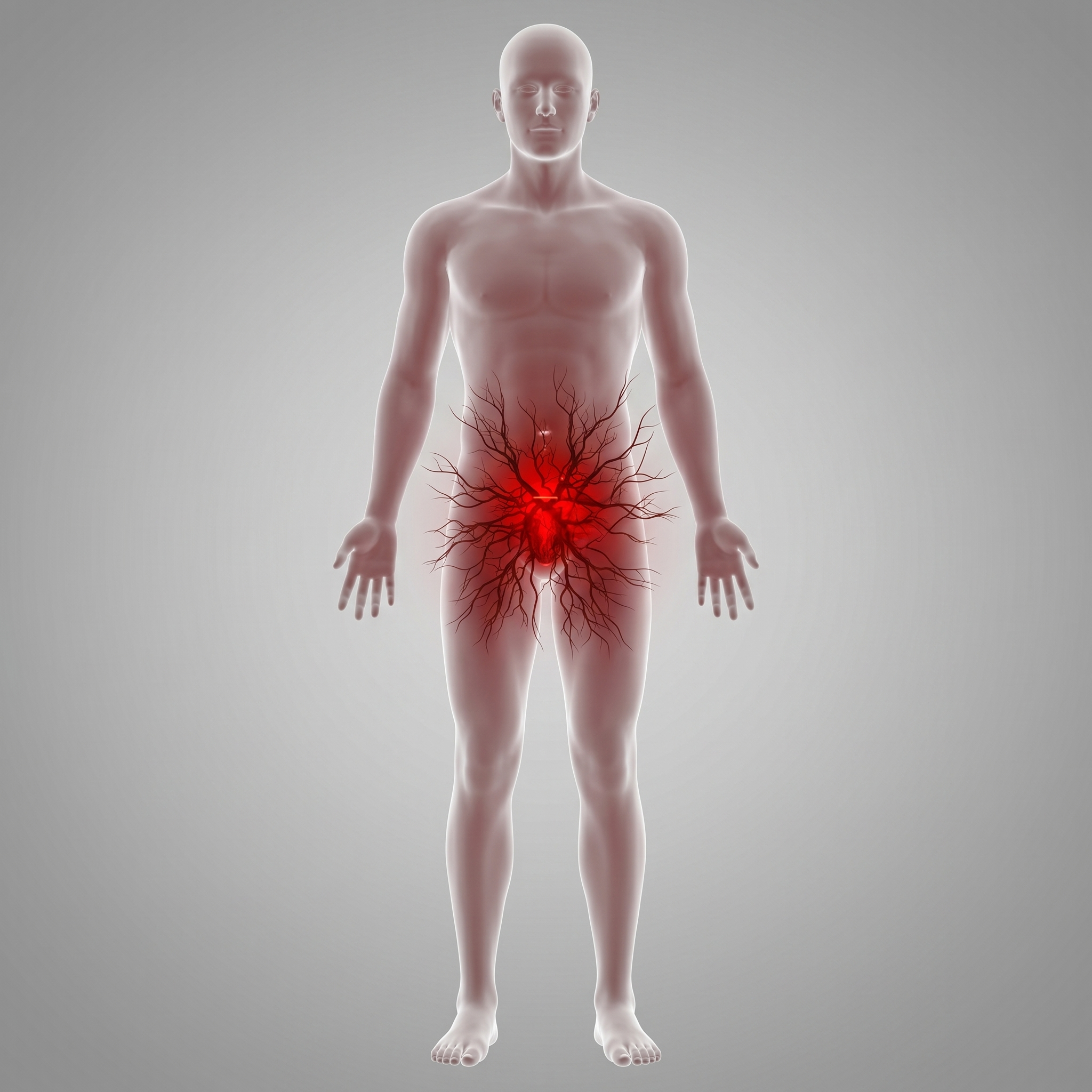
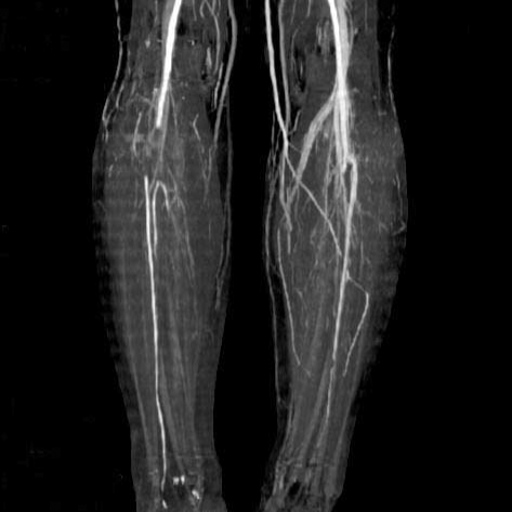
I've read too many leg angiograms to not share this with you. If you're dealing with leg pain when you walk right now, I need to tell you something your doctor isn't seeing. I've read 4,500+ leg angiograms in 22 years as a vascular surgeon. And when a man walks into his GP's office complaining of leg pain when he walks, I already know what his angiogram will show 6-8 years before he ever loses his foot. Advanced atherosclerotic plaque. The same blockages causing his leg pain are building in his coronary arteries right now. I'm Dr. James Whitman. I'm a vascular surgeon specialising in peripheral artery disease and limb salvage. And when my own leg pain started at 56, I knew something GPs never tell their patients. Your leg pain isn't an aging problem. It's a circulation emergency happening system-wide. I've been performing limb salvage for 22 years. I've seen thousands of men with claudication. Thousands who got prescribed cilostazol or Plavix and thought their problem was being managed. And I've seen the follow-up vascular imaging that GPs never order. Because GPs see you once. Write a prescription. Tell you to walk through the pain. They don't see you 6-8 years later when you're in my operating theatre getting your toes amputated. But I do. Because I see what happens to the men who masked their circulation warning with a pill. The 62-year-old who took Plavix for 5 years. Walked through the calf pain like the leaflet told him. Then a black spot appeared on his second toe that wouldn't heal. Lost two toes that winter. His body tried to warn him for 5 years. He medicated until two toes were gone. The 68-year-old. "Just walk through it, Doc." Six years on cilostazol. Maximum dose. Stopped helping by year four. Then the non-healing foot ulcer. Surgeon explained why amputation below the knee was safer than the infection spreading. His leg pain was the 6-year early warning system he ignored. I see them in follow-up appointments. They don't complain. They're grateful I "saved" them. But I know what they lost. They had years to reverse the plaque. Years to fix their circulation. Years to save themselves from amputation. Their leg pain was screaming the warning. Cilostazol just turned down the volume. My imaging showed a different story than my symptoms. Calf pain after a city block. Cold feet at night. I couldn't keep up on our weekend walks anymore. My wife was understanding, but I saw it in her eyes. The shift. From walking with me to waiting at the bench. My vascular medicine colleague looked at my symptoms and said what he says to every patient. "Standard protocol. Cilostazol 100mg twice daily. Walking program. See you in six months." I know it would work. That's not the point. I'm a vascular surgeon. I immediately ordered my own ABI testing, lower extremity Doppler, and CT angiography of my legs. Because I know what leg pain actually means. Early atherosclerotic changes. ABI of 0.72 — moderate peripheral artery disease. Endothelial dysfunction. Plaque narrowing my superficial femoral arteries to 60% in both legs. My leg pain wasn't an aging problem. It was my vascular system failing. And cilostazol would have masked the only early warning sign I had. Here's what GPs don't tell you because they don't run ABI testing. Your foot arteries are 1-2 millimetres in diameter. Your femoral arteries are 6-8 millimetres. When plaque starts building system-wide, the smallest arteries show symptoms first. Cold feet appear 3-5 years before claudication. Leg pain appears 5-10 years before critical limb ischemia. Non-healing wounds appear 2-3 years before the amputation conversation. You're not "just getting older" or "stressed" or "tired." Your endothelium is failing. Your arteries are becoming blocked. The same process causing leg pain in your legs is happening in your heart. Right now. Men with PAD have a 4-fold higher cardiovascular death risk than men without. Each 0.1 reduction in your ABI doubles your 5-year cardiovascular mortality. Your leg pain isn't just aging. It's life-saving. It's your 10-year early warning system. And cilostazol silences that alarm while your legs deteriorate. But GPs don't run ABI testing. They don't connect leg pain to your vascular future. So they write the prescription and send you home. My next step was clear. Not amputation. Not yet. But I knew where this was heading. I tried what patients try. Lifestyle changes. Diet. Exercise. Helped marginally but claudication persisted. Supplements. L-arginine. Didn't move the needle. My ABI was stable but not improving. My endothelial function was still impaired. Nothing was reversing the plaque that was causing both problems. But I kept thinking about something that made no sense. Endothelial dysfunction CAN reverse. Plaque CAN reduce in early stages. The research proves it. So why wasn't mine reversing? March 14th. 1:23 AM. I was reviewing vascular journals after a late shift. Couldn't sleep. The leg pain was getting worse. Walking distance under 100 metres. I was scrolling through research on endothelial dysfunction interventions. Not looking for anything specific. Just desperate. I found a study on capsaicin and nitric oxide release in endothelial cells. Capsaicin from cayenne pepper activates TRPV1 receptors. These receptors trigger sustained nitric oxide release. Nitric oxide causes vasodilation - blood vessel expansion. The exact mechanism cilostazol uses. But here's what stopped me cold. "Sustained capsaicin exposure improved peripheral arterial flow and reduced plaque burden in 71% of subjects over 90 days." Not masked. Reversed. I sat there at 1:23 AM staring at the mechanism pathway. Cilostazol forces vasodilation for 6-8 hours by blocking PDE3 enzymes. Then it wears off. Your circulation doesn't improve. It's chemically forced open. Capsaicin activates your body's natural TRPV1 receptors. Continuous nitric oxide release. Natural sustained vasodilation. Your endothelium heals instead of being chemically forced open. The plaque that's blocking blood flow to your legs - and building in your coronary arteries - actually reduces. I've been a vascular surgeon for 22 years. I've studied endothelial dysfunction my entire career. And I'd never connected therapeutic capsaicin to PAD reversal. Because GPs don't study endothelial repair. And vascular surgeons don't typically prescribe nutrition. At 1:48 AM, I ordered pharmaceutical-grade cayenne extract softgels. 300mg capsaicin per serving. I didn't expect miracles. But the mechanism was sound. I started March 15th. 3 softgels twice daily with meals. March 18th - 3 days in. I walked to the corner shop and back without stopping. First time in 11 months. I stood at the gate testing it. Thinking it was psychological. But it wasn't. The physiology was working. March 21st - 6 days in. Walked the full kilometre around the park. No stops. We hadn't done that walk in over a year. She caught up to me on the path and looked at me. "James. What's different?" I hadn't told her I was taking anything. I wanted to see if the physiology would show results before I said anything. "Different approach," I said. "Whatever you're doing, keep doing it." March 27th - 12 days in. Claudication gone. Walking unlimited. Cold feet warm. Erections back, too. I felt 35 again. But more importantly, I wanted proof this was system-wide. May 14th - 8 weeks in. Follow-up ABI testing and lower extremity Doppler. I positioned myself for the test. Waited for the numbers. When they came up, I stared at the screen for a full minute. ABI improved from 0.72 to 0.96. 33% improvement in 8 weeks. Walking distance: unlimited. I pulled up the comparison images. March scan vs May scan. The plaque had visibly reduced. The arterial walls showed improved endothelial function. My leg pain was resolving because my circulation was healing. Not masked. Healed. I printed both reports. Walked down to my colleague's office. Dr. Sarah Patel looked at the reports. Looked at me. Looked back at the numbers. "James, what did you do? ABI doesn't improve this fast without revascularisation." I explained the TRPV1 receptor activation. The continuous nitric oxide pathway. The capsaicin mechanism. She studied the reports for another minute. "Your endothelial function improved. Walking distance restored. And... you said your erections resolved?" "Completely." She was quiet for a moment. "I need to start asking my PAD patients about their endothelial function." I cancelled nothing. Because I wasn't avoiding anything anymore. But I started telling patients something GPs don't. I'm not telling you this because I'm against cilostazol or Plavix. These medications prevent clots. They manage symptoms. They work exactly as designed. But they don't fix your circulation. They don't reduce plaque. They don't improve endothelial function. They don't lower your cardiovascular risk. They temporarily force blood flow while your arterial disease progresses. And I see what happens 6-8 years later when those men become amputation patients. Your leg pain isn't failing you. It's warning you. The same plaque causing leg pain is building in your coronary arteries right now. And you have two choices. Mask the warning with a pill while your legs deteriorate. Or fix the circulation problem causing both. I think about what I almost did. Not just accepting leg pain. That's not the point. I almost masked a vascular emergency with a prescription. I almost silenced my body's early warning system because I thought it was just aging. I almost became the patient I see in my operating theatre 6-8 years later, wishing someone had told them their leg pain meant something bigger. Because once you need leg artery stents, you're on anticoagulants for life. Once you lose a foot, the damage is permanent. Once you need femoral bypass surgery, your life changes forever. You don't get a second warning. Leg pain is your first warning. Your only warning you can still act on. I'm sharing this because if you're taking cilostazol or Plavix for PAD, you deserve to know what I know. Not from a textbook. From vascular imaging I read every single day. Your leg pain isn't the problem. It's the symptom. Your endothelium is failing. Your arteries are becoming blocked. System-wide. And every month you mask it with a pill is another month the plaque advances toward your foot. The foot arteries fail first because they're smallest. Your femoral arteries are bigger. They'll show symptoms later. By then, you're not looking at leg pain. You're looking at leg artery stents. Femoral bypass. Below-knee amputation. Lifelong medications. Or worse. Eight weeks. That's how long it took my ABI to climb from 0.72 to 0.96. Eight weeks of letting my endothelium do what it was designed to do. Heal. I'm not saying don't take pills. I'm saying understand what you're masking. Your leg pain is your check engine light. Cilostazol is electrical tape over the warning indicator. The engine is still failing. You just can't see the light anymore. But I see it every day on vascular imaging. Men who masked their leg pain for years. Then came to me with wounds that wouldn't heal. Every single one says the same thing. "I wish someone had told me my leg pain was the first warning." I'm telling you now. Your leg pain is connected to your vascular health. The same circulation failure causing both. Fix the circulation, and you potentially save your legs, your heart, and your sex life. Or mask the circulation, and risk everything. I'm a vascular surgeon. I understand arterial disease at a molecular level. And I chose to heal my endothelium before it progressed to the amputation conversation. That's all I'm asking you to consider. Give your circulation a chance to heal before you accept lifelong pills or risk amputation. Because once plaque advances to critical limb ischemia, once you need leg artery stents or femoral bypass, once a foot is amputated, it's permanent. Your leg pain is giving you years of advance warning. Use them. Eight weeks. That's all it took to reverse early atherosclerotic changes and restore full function. Eight weeks of fixing circulation instead of masking symptoms. * Dr. James Whitman, MD, FACS Vascular Surgeon, 22 years Board Certified in Vascular Surgery P.S. - The pharmaceutical-grade cayenne extract I used is called Aurivita Capsaicin Power. 3mg capsaicin from cayenne per serving, specifically formulated to activate TRPV1 receptors for sustained nitric oxide release. Medical-grade formulation with supporting compounds for enhanced absorption. If you're taking cilostazol or Plavix and have vascular risk factors (diabetes, smoking history, leg pain when walking, cold feet at night), consider this. Get baseline ABI imaging. Try therapeutic capsaicin for 8-12 weeks. Get follow-up imaging. Let your body show you what it can do when you fix circulation instead of masking symptoms. You can always go back to pills if it doesn't work. But you can't grow back a foot once it's amputated if your early warning system tried to save you and you silenced it with a pill.
Inevitable, they said.
Support your cardiovascular health with our capsaicin softgels, a premium supplement meticulously formulated for those who prioritize long-term heart vitality.
LEARN MORELike this ad? Make it yours.
Crush rebuilds this exact creative around your product — your brand, your colors, your offer — in about a minute.