
Inactive· since May 21, 2026
- 76
- days it ran
- 1
- relaunches
Ad copy
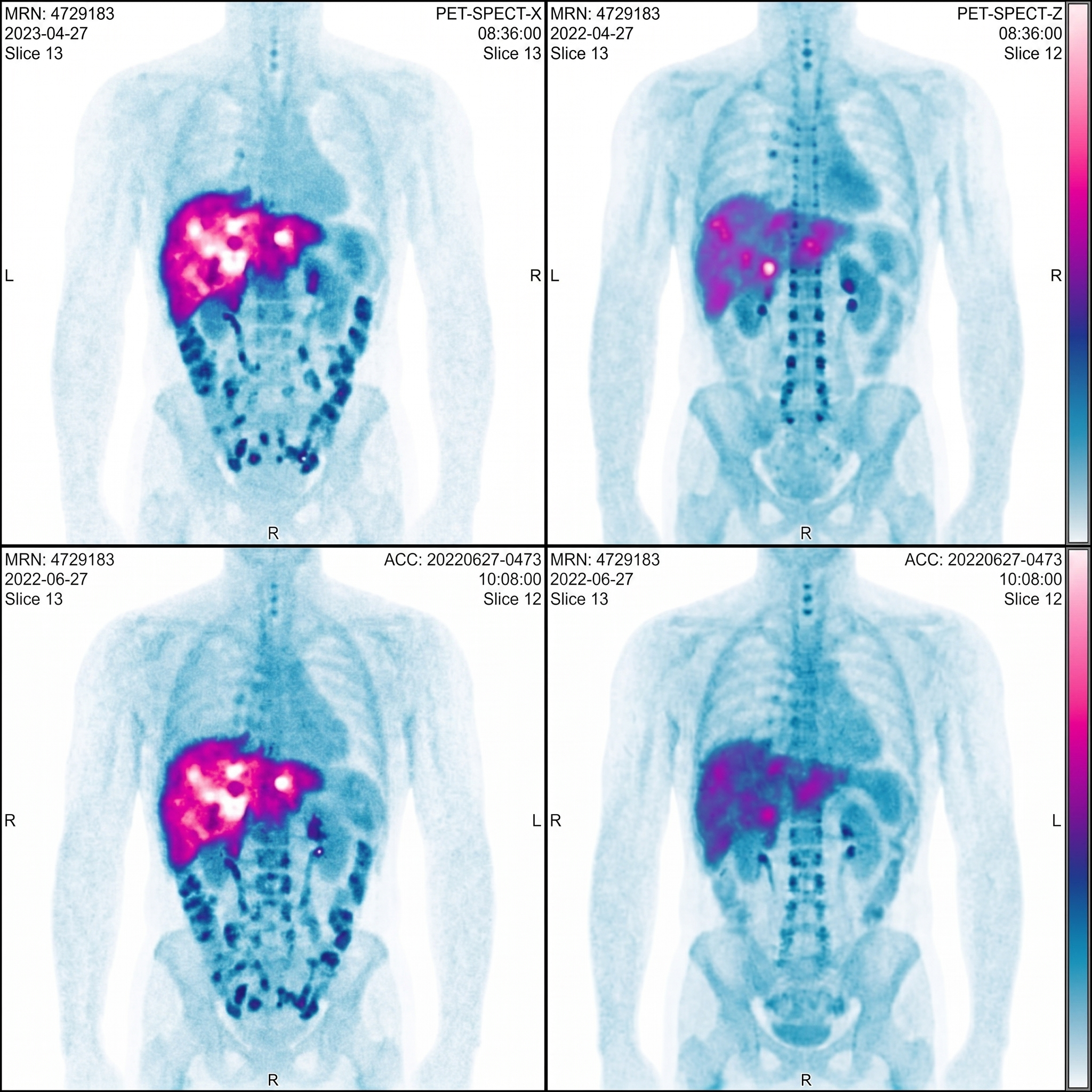
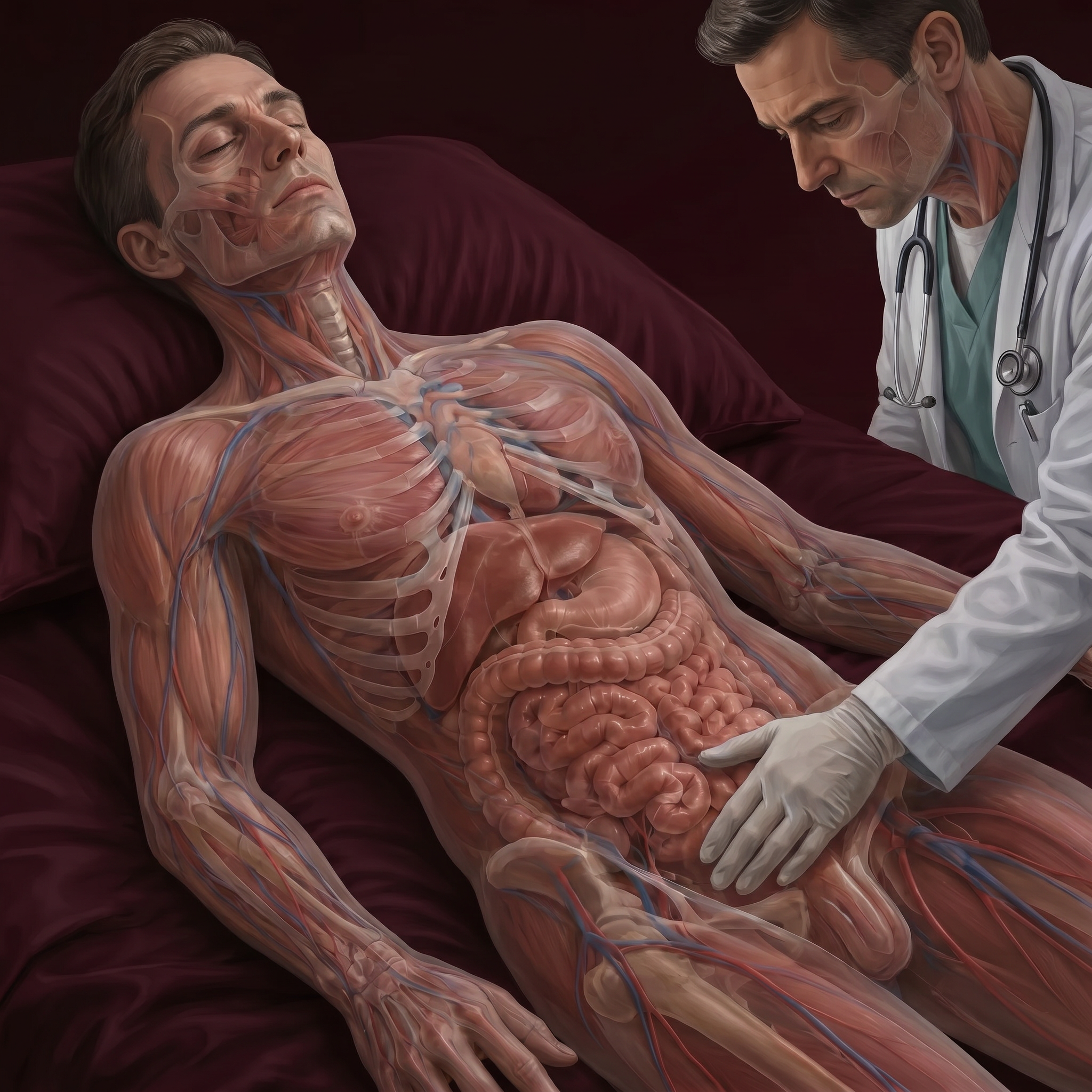
If you're a guy who enjoys a few drinks — maybe a couple of beers after work, whiskey with the guys on weekends, drinks at the game, nothing crazy — and lately your gut won't go down, you're gassed by mid-afternoon, and two drinks now wreck you worse than a full night out used to... I'm about to tell you exactly what's happening inside your body that nobody warned you about. And by the end of this, you're going to be pissed. Because there are three things happening right now: One — Your liver is telling you that 10 or 15 years of regular drinking has quietly caught up with you. Two — Nobody calls it a problem because you're not an alcoholic — so you have no idea how much damage has accumulated. And three — Cutting back isn't fixing it, because the damage isn't from last weekend's beers. It's from years of damage that's now constricting the blood vessels feeding your liver. Let me tell you what happened to me, because it's probably going to sound familiar. I was never a heavy drinker. A couple of beers most nights. Maybe three or four on weekends. Drinks with clients. Whiskey at the poker game. Beers at the tailgate. A few too many at weddings and holidays, but who doesn't? Normal stuff. What every guy I know does. What my dad did. What my friends do. Nothing that ever felt like a "problem." Nothing that ever made me think twice. But somewhere around 46, things started changing. Two beers and I'd wake up feeling like I'd been on a three-day bender. Not "I drank too much" hungover. "I had TWO" hungover. The kind where you wonder if the beer was off because there's no way two drinks should put you on your back for a full day. My gut started growing even though nothing else had changed. Same diet. Same workouts. Same everything. But my midsection kept expanding. I'd look down in the shower and not recognise my own body. Didn't matter if I ate clean all week — by evening my stomach would push out like something inside me was swollen. I stopped taking my shirt off at the pool. Started wearing loose polos untucked. Sucked in my gut in every photo. My wife bought me new pants for my birthday — a size up — and didn't say anything. She didn't have to. Brain fog so bad I'd lose my train of thought mid-sentence in meetings. I've run a business for twelve years. I built my reputation on being the sharpest guy in the room. The one who remembered every detail. The closer. Now I was blanking on client names. Forgetting conversations from the day before. Losing words mid-pitch like my brain was buffering. I started writing everything down because I didn't trust my own head anymore. Started genuinely wondering if something was wrong with me. Like seriously wrong. Exhausted by 2pm every single day. Didn't matter if I slept five hours or eight. I'd hit this wall after lunch where my brain just shut off. I'd stare at my computer screen reading the same email over and over because nothing was processing. I'd come home, crack a beer out of habit, sit on the couch, and be asleep before the second period. That dull ache under my right ribcage that I'd had for so long I stopped noticing it. Sometimes it'd flare up sharp enough to make me wince. Other times it was just this constant pressure, like something was swollen and pushing against everything else. I blamed stress. Working too hard. Not sleeping enough. Getting older. "Welcome to your 40s," my buddy said. Everyone laughed. All my friends were dealing with the same stuff. We'd joke about our beer guts and how we "can't drink like we used to." Normal guy stuff, we told ourselves. Then I got bloodwork done at my annual physical — the one my wife had to nag me into — and my doctor said two words that stopped me: "Fatty liver." My ALT was 89. AST was 71. He looked at me and said, "You need to cut back on the drinking and lose some weight. Take milk thistle. We'll monitor it." Monitor it. I was shocked. Fatty liver? I wasn't a heavy drinker. I wasn't obese. I worked out. I ate decent. How could I have fatty liver? But I did what he said. Cut way back on the drinks. Maybe two beers a week instead of two a night. Lost a few pounds. Took the milk thistle — twice a day for eight months straight. My gut stayed the same. My energy stayed crashed. My brain stayed foggy. That ache under my ribs didn't budge. And when I went back six months later? My ALT had dropped to 79. Barely moved. My doctor shrugged and said, "Keep doing what you're doing. We'll check again in six months." Keep doing what I'm doing? What I'm doing ISN'T WORKING. I'd basically stopped drinking. Lost weight. Taken the supplement. And my liver was still struggling. My gut was still there. My brain was still failing me. That's when I stopped listening to my doctor and started researching for myself. Not fitness blogs. Not some influencer's liver cleanse. Actual medical journals. Hepatology research. Peer-reviewed studies on alcohol metabolism and liver function. I needed to understand what was actually happening inside my body. And what I found pissed me off so bad I wanted to put my fist through my desk. Here's what's actually happening inside your body after years of regular drinking: Every beer, every whiskey, every drink triggers an inflammatory response in your liver. That's not an opinion — it's biochemistry. Alcohol is metabolized into acetaldehyde, which is toxic to liver cells. Your liver deals with it. Produces enzymes to break it down. Clears the damage. Regenerates. Moves on. When you're young, this works perfectly. Drink tonight, recover tomorrow. Your liver is a machine. But here's what nobody tells you. Your liver doesn't just process alcohol and make it disappear. It produces waste. Inflammatory byproducts. Damaged proteins. Metabolic debris. And all of that waste needs to go somewhere. Your liver has a vascular supply system. 25% of your cardiac output passes through it every minute. There's a dense network of tiny blood vessels running through your liver tissue whose job is to deliver oxygen, clear toxins, and let it process whatever you put in your body. When you're young, this vascular system runs like a V8. Drink tonight, full flow tomorrow. No constriction. No problems. But after 10 or 15 years of regular drinking — even moderate drinking — something starts happening. Each drink damages the inner lining of those vessels. Oxidative stress accumulates. The endothelium stiffens. The vessels start to constrict. One beer? No problem. Five thousand beers over 15 years? The damage becomes significant. And slowly, year by year, drink by drink, your liver's blood vessels become narrowed. Stiffened. Physically constricted by endothelial damage that never got repaired. Think of it like a garden hose with the inside lining corroded. The water still flows, but the diameter keeps shrinking every month. Eventually the hose is so narrow that only a trickle comes out, no matter how hard you push. The hose isn't broken. It's choked from the inside. By your 40s, the vascular system that used to clear everything overnight is running at a fraction of its capacity. And this is when the symptoms hit. Not because you suddenly started drinking more. But because your vascular system finally hit a wall. Your gut — that "beer belly" everyone jokes about — that's your liver, swollen and inflamed from choked blood supply that's left it unable to process fat. It's pressing outward against everything around it. That's why it doesn't respond to sit-ups, dieting, or eating clean. It was never just fat. It's a swollen organ. The exhaustion — crashing by 2pm, falling asleep on the couch, having no energy for anything after work — that's toxins your liver can't filter recirculating through your bloodstream over and over, poisoning you from the inside even when you haven't had a drink in days. The brain fog — blanking on names, losing your train of thought, forgetting conversations — that's those same recirculating toxins reaching your brain. Your brain isn't declining. It's trying to run through a fog of metabolic waste that should have been cleared years ago. The alcohol intolerance — two beers putting you on your back when you used to handle anything — that's your liver unable to process new damage when its blood supply is already strangled. Two drinks overwhelms a system that's already maxed out. That ache under your right ribcage? Your liver, swollen and inflamed, pressing against the capsule that surrounds it. Every symptom. One root cause. Damaged hepatic microvasculature. That's why cutting back didn't fix it. You stopped adding new damage, which was smart. But you never repaired the vessels that were already constricted. You were protecting an engine that was running on choked fuel lines. Like putting premium fuel in a truck with a choked fuel line. The fuel quality doesn't matter when nothing can flow through. And here's what made me want to lose my mind. Doctors KNOW about hepatic microvascular dysfunction. It's in the research. It's in medical textbooks. Your liver depending on a dense vascular network is established science. Not controversial. But unless you're in end-stage liver failure with fluid literally filling your abdomen — they don't address vascular function. At all. Why? Because there's no pharmaceutical drug for it. You can't patent botanical compounds. There's no billion-dollar molecule to prescribe. There IS money in keeping you on metformin at $80 a month when your blood sugar goes up. Statins at $150 a month when your cholesterol rises. Specialist visits at $400 every six months to "monitor" your numbers while they climb. Ultrasounds. Fibroscans. Blood panels. An endless cycle of testing and managing without ever actually fixing anything. And eventually? If your liver gets bad enough? Transplant evaluation. Tens of thousands of dollars. Monitor the decline. Bill at every stage. Never fix the vessels. Milk thistle contains silymarin, which protects liver cells from damage. That's real. But milk thistle CANNOT repair the blood vessels feeding those cells. It cannot reopen vascular pathways that have been narrowing for 15 years. You've been protecting cells whose blood supply is choking. Like waxing a car that's got a seized engine. The surface looks maintained. Under the hood, everything is backed up. So I kept digging. I needed to find what actually repairs vessels. Hepatology journals. Clinical studies on hepatic microvascular dysfunction. Research on botanical compounds documented to restore endothelial function. Conversations with functional medicine practitioners who actually understood this mechanism. I found four specific compounds that kept coming up: Capsaicin — this is the one that made everything click. Your liver's blood vessels aren't just "slow." They're physically constricted because the endothelium has been damaged drink by drink for 15 years. Capsaicin from cayenne pepper activates a receptor called TRPV1 sitting inside the endothelial cells of every blood vessel in your body — including the ones feeding your liver. Activating TRPV1 triggers sustained nitric oxide release. Nitric oxide tells the vessels to relax and dilate. Blood flow returns. The pressure on your liver finally lets up. Piperine — called "the bioavailability enhancer" in modern pharmacology. Capsaicin alone is fat-soluble and barely absorbed — less than 5% of what you swallow actually reaches your bloodstream. Piperine, from black pepper, increases capsaicin absorption by 2000%. Without piperine, the dry-powder cayenne capsules from the health food store are worthless. You're flushing the active compound down the toilet. Beetroot — this is the piece most guys miss. Even after capsaicin opens the vessels, your body's nitric oxide production has stalled. After years of alcohol exposure, the cells that should generate NO are too damaged to do it on their own. The vessels start to constrict back within hours. Beetroot provides dietary nitrates that convert to nitric oxide directly in your bloodstream. Sustains the vasodilation between doses. Keeps the engine running between fill-ups. Hawthorn — this is what keeps you from ending up right back where you started. The first three compounds clear the old damage. But if you're still having beers with the guys on Friday, whiskey at poker night, drinks at the game — which you should be able to — Hawthorn maintains the structural integrity of the vessel walls as they heal. Keeps them strong and flexible so the occasional drink gets processed the way it's supposed to, instead of triggering another round of damage. Open. Restore. Sustain. Protect. Not a random pile of liver herbs. A four-step vascular repair sequence. Each compound does a job the others can't. Together they target the exact mechanism that milk thistle and "cutting back" never touched. I finally understood what had to happen. I needed to repair years of accumulated vessel damage, not just protect cells that were already starving. So I started taking all four. And here's what surprised me — I didn't have to quit drinking completely. I kept having a couple of beers on the weekend. Because the problem wasn't about the occasional drink. It was 15 years of vascular damage that had never been repaired. When I first started, I sourced everything separately. Different bottles from different companies. $200+ a month. Handfuls of capsules every morning. I wasn't even sure the cheap capsule forms were absorbing properly. Then I found Aurivita Capsaicin Power. I was reading through a vascular health forum one night and someone mentioned them. Went to their site. Ready to be disappointed. They had a formula with every single compound. Capsaicin. Piperine. Beetroot. Hawthorn. All four — the complete vascular repair protocol — in one formula. And it wasn't dry-powder capsules. It was softgels. Softgels deliver capsaicin in oil suspension. Capsaicin is fat-soluble — oil is the only way to keep it intact through stomach acid. Plus piperine in the same softgel for the 2000% absorption boost. That's why people were saying they felt the difference within the first couple of weeks. Third-party tested. Pharmaceutical-grade. No artificial additives. No fillers — just the active compounds in a format your body can actually absorb. For a fraction of what I'd been spending on four separate bottles. They're running 50% off right now with free shipping. I've been taking it for six months. After about two weeks — the gut started going down. First time in years I looked down in the shower and didn't feel disgusted. My pants felt different. I tightened my belt a notch without even thinking about it. My wife noticed before I said anything. After three weeks — the brain fog started lifting. I was in a meeting and realized I hadn't lost my train of thought once. I pulled a client's name out of my head mid-handshake without even trying. I felt like myself again. Sharp. Present. The way I used to be. After six weeks — that ache under my ribs went quiet. I pressed on the spot out of habit. Nothing there. The exhaustion started breaking. I made it past 5pm without crashing. Started going to the gym again after work because I actually had the energy. Hadn't done that in two years. My face thinned out. The bloat around my jaw and neck went down. I looked in the mirror one morning and the guy looking back was five years younger. My wife said I looked "less puffy." My buddy at the gym asked if I'd lost weight. I hadn't. I'd cleared. After eight weeks — I ran labs. ALT dropped from 89 to 34. AST completely normal. My doctor pulled up the old results and said, "What did you change?" I told him about TRPV1-mediated hepatic vascular repair. He'd never heard of it. Wrote down the name. Said he'd look into it. That's medicine for you. The research exists. The mechanism is documented. And most doctors have never heard of it. I wasn't falling apart. My liver's blood vessels had been narrowing for 15 years. And I finally restored them. My wife says I'm like a different person. Not because I look different — though she keeps saying I look "younger" and "more awake." She says it because I'm present again. I'm engaged. I've got energy. I'm not falling asleep on the couch at 8pm every night. My buddy started taking Aurivita after I told him about it. Same story — the gut, the fog, the exhaustion. Two weeks in he texted me: "Tightened my belt a notch this morning. First time in a year it's gone the right direction." Last weekend I took my shirt off at the lake without thinking about it. First time in probably three summers I didn't have that moment of dread before pulling my shirt over my head. I just did it. Because the gut that had been there for three years was finally going down. Here's what I need you to understand. You're not an alcoholic. You're not a "heavy drinker." You're a guy who enjoyed drinks the way every guy does. After work. On weekends. At the game. With friends. At barbecues and weddings and poker nights and holidays. Nobody warned you that even moderate drinking accumulates damage over time. Nobody explained that your liver's blood vessels would eventually get damaged. Nobody told you that cutting back wouldn't be enough once the damage hit a certain point. The damage doesn't announce itself. It builds quietly. Drink by drink. Year by year. Until one day you realize you can't handle alcohol like you used to. Your gut won't go down. Your energy is shot. Your brain is foggy. And nothing you try fixes it. Cutting back stops new damage. That's important. But it doesn't repair the 10 or 15 years of damage that's already done to your vessels. You need to repair it. Your liver forgave your 20s. All those college parties and benders? Cleared and forgotten. It forgave your 30s. The craft beer phase, the whiskey collection, the bachelor parties? Handled. It's not forgiving your 40s. Because the vessels are damaged. The supply lines are choked. There's no more capacity. But you don't have to quit. You don't have to give up drinking completely. You don't have to become the guy who orders sparkling water at a barbecue. You have to repair the vessels. Restore the blood flow. Give your liver the ability to process again. And once you do that? You might find you can have a few beers without being wrecked for two days. Your gut starts going down. Your energy comes back. Your brain works again. That's what happened to me. That's what's happening to the guys I've shared this with. Link below. Get Aurivita Capsaicin Power at 50% off with free shipping today. Take it for 120 days. Just a few softgels with your morning routine. If your gut doesn't go down, your energy doesn't come back, and your brain doesn't clear — even while still having drinks with the guys — return it for a full refund. No questions. But move on this. Every batch sells out. And once you understand what's actually been happening inside your body — and that there's a way to fix it without giving up your life — waiting doesn't make sense. Because nobody else is going to tell you this. Your doctor will say "cut back and monitor it." Your buddies will say "welcome to your 40s." And your liver will keep starving while you wonder why nothing helps. You have to fix your own engine. 👉 https://aurivita.co/products/cayenne-pepper-softgels
Reactivate your body.
Support strong circulation today with our powerful cayenne pepper formula. 180 softgels and 60 servings per bag.
SEE DETAILSLike this ad? Make it yours.
Crush rebuilds this exact creative around your product — your brand, your colors, your offer — in about a minute.