Sarah Peekmill
 Facebook ad: “Ceylon Cinnamon 7200mg Equivalent with MCT Oil”

Ran for 25 days, from October 15 to November 8, 2026, the last day Crush saw it.
Run by Sarah Peekmill on Facebook. Crush is not the advertiser and does not verify its claims. See this ad in Meta's Ad Library(opens in a new tab)
Make your own version of this ad
Crush makes it, launches it in your own Meta ad account, scales the winners and pauses the losers.
About this ad
- Meta Ad Library ID
- 1901441864552725
- Platforms
- Facebook, Instagram, Audience Network, WhatsApp and Threads
- Relaunches
- 0
Ad text
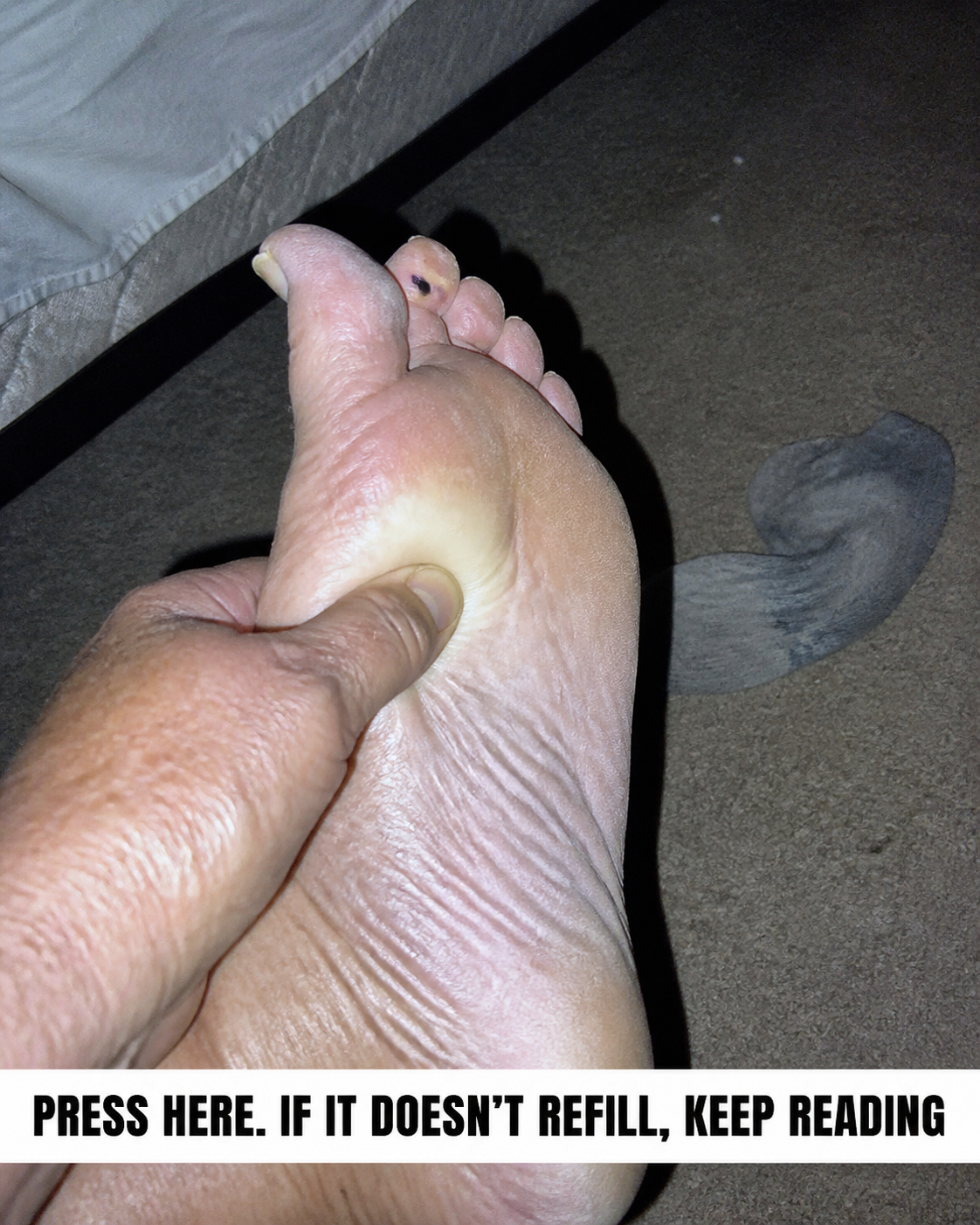
I told my endocrinologist to go f*ck herself in her own exam room with an A1C of 7.3. Then I walked out and did in twelve weeks what she could not do in three years. Last Tuesday my glucose meter read 97 forty minutes after I ate a plate of French toast with real maple syrup and powdered sugar. I am sixty-four years old. Type 2 diabetic. And I have not been this steady since before I was diagnosed. Let me tell you how I got here. My name is Sarah. I live in Glenview, Illinois, about twenty minutes north of Chicago. I spent 31 years as the front office manager at Lincoln Middle School. I retired two years ago. I still come in three mornings a week because the new girl cannot figure out the attendance system and the principal keeps calling me. I have been married to my husband Frank for 36 years. We have two daughters, one son-in-law, and three grandchildren. I say this because I want you to understand who I am before I tell you what I did. I am not the kind of woman who curses at a doctor. Not the kind of woman who walks out of a medical office. Not the kind of woman who sits at her kitchen table until 2 AM reading medical research she has no business reading. I am the kind of woman who takes her prescription, does what she is told, and shows up to every appointment on time. Or I was. Until the day my endocrinologist told me I was going to lose my feet if I did not do exactly what she said. Then something in me broke. And what came out of that break saved my life. I got diagnosed with Type 2 three years ago. A1C came back at 7.3 at a routine physical I almost rescheduled because my granddaughter Lily had a dance recital that afternoon. My doctor referred me to an endocrinologist. A woman about my daughters’ age. Nice office. Very clean. Diplomas on every wall. She sat me down and told me how things were going to change. No more of the cinnamon rolls I have baked every Sunday morning since my mother taught me the recipe when I was nineteen. No more of the pot roast with potatoes and gravy I make for my family every other Sunday evening. No more of the cornbread I bring to every church potluck. No more of the peach cobbler my daughter Beth makes for every birthday. No more of the breakfast casserole I have made every Christmas morning for 36 years. No more rolls. No more rice. No more pasta. I want to tell you what that felt like, because unless you are a Type 2 diabetic woman sitting in that chair for the first time, you cannot know. It felt like being told the last third of my life was going to be spent eating food I did not want to eat and watching everyone else at my own table enjoy what I had spent my whole life learning to cook for them. She prescribed Metformin, 500 mg twice a day. Told me to walk 30 minutes a day. Told me to come back in 3 months. I walked out of her office and I did every single thing she told me to do. For three years I was the most obedient patient she had ever had. I took the Metformin every morning at 7:15 with breakfast and every evening at 6 PM with dinner. I set two alarms on my phone. I never missed a dose. Not once. Not in three years. I cut my evening glass of wine. I cut the cream in my coffee. I switched to black coffee and I hated it and I drank it anyway every single morning for three years. I ate scrambled egg whites and a single piece of dry wheat toast for breakfast. Grilled chicken and steamed broccoli for lunch. Baked tilapia and a side salad with no dressing for dinner. That was my life. That was every day. For three years. I walked 35 minutes every morning at 6 AM before Frank was awake. In the dark. In the rain. Through three Illinois winters. On the mornings it was 9 degrees and the sidewalks on Waukegan Road were sheets of ice I still laced up my shoes and I went out because she told me to go out and I did what I was told. I sat through three Thanksgivings at my daughter Beth’s house eating plain turkey breast and green beans while my family ate stuffing and mashed potatoes and the cornbread I had made and brought for them. I sat through three Christmases watching Frank and the girls eat my breakfast casserole, the one my mother taught me, the one I have made every December 25th for 36 years, while I ate a hard-boiled egg and half a grapefruit. I sat through three of my granddaughter Lily’s birthdays watching her blow out candles while I drank a glass of water. She went from four to six years old during the time I was not allowed to eat cake at her party. I baked my cinnamon rolls every Sunday morning for three years and did not eat one. I brought cornbread to every church potluck and watched other women eat it while I ate almonds out of a ziplock bag I kept in my purse. I cooked Thanksgiving dinner. Christmas dinner. Easter dinner. Every Sunday dinner. I set the table. I served the food. I sat down with my family and I ate something different from what I had made for them. Every time. For three years. I want you to understand what three years of that does to a woman. It does not just take your food. It takes your place at your own table. It turns you into a visitor in your own kitchen. You are the woman who cooks for everyone and eats nothing. You are the woman who watches. You are the woman who says “no thank you” when your own granddaughter holds out a forkful of the cobbler you taught her mother to make. After three years of that, something inside you goes quiet. You stop being angry about it. You stop being sad about it. You just accept it. And that acceptance is the worst part. Because it means you have stopped asking whether the instructions you followed so perfectly were ever aimed at the right thing. And the whole time I was watching things in my body get worse year after year despite doing everything right. The tingling in my feet started in the first year. Just a low buzzing when I got into bed at night. By the second year it was a burning. Some nights I would push the blankets off my feet because they felt like they were wrapped in something hot. By the third year I could not wear socks to bed. Some mornings the bottoms of my feet were numb until I had been walking for ten minutes. The blurry vision came and went. In the first year it was occasional. I would sit down with my book club novel in the evening and the words would soften around the edges. I bought reading glasses at Walgreens. They did not help. By the third year it was happening every day. I stopped reading at night because I could not trust my eyes. Getting up at night to use the bathroom. Once a night the first year. Twice the second. Three times by the third. Frank slept through it. I did not. I had not slept more than four hours in a row in over a year. The exhaustion after every meal. In the first year it was an afternoon heaviness. By the third year it was a collapse. I would eat lunch and by 1 PM I was sitting in the recliner unable to keep my eyes open. My daughter Katie started calling me during the day and I would not hear the phone. She thought something was wrong. Something was wrong. I was sixty-four years old and I was falling asleep in the middle of the afternoon like I was ninety. The breathlessness walking up the stairs. Twelve steps from my living room to my bedroom. I used to take them without thinking. By year three I was stopping halfway, gripping the railing, waiting for my heart to stop pounding. Twelve steps. I counted them every night because I had started dreading them. The weight I could not lose. I had gained 19 pounds since my diagnosis despite eating like I was being punished for three years. My endocrinologist told me to be more disciplined. I wanted to throw something at her. And one more thing. The one I did not tell my endocrinologist. The one no woman my age talks about at her appointments. The closeness with Frank had been disappearing for three years. Not just desire. Everything. The warmth. The response. The feeling of being a woman in the way I had been a woman with my husband for three decades. It started fading before my diagnosis and it got worse every year after. I told myself it was menopause. I told myself it was age. I told myself it was stress. But it was not any of those things. And I did not know what it was because nobody had ever told me what it was. I just called it getting older. The same way I called the exhaustion getting older. The same way I called the fog getting older. Managed. That is what you call it when the decline is slow enough to schedule around. By the third year Frank and I slept in the same bed like two people who had run out of things to say. He never complained. He never pushed. He just quietly stopped reaching for me. And I quietly stopped wishing he would. That was the loneliest part of all of this. And I never said a word about it to anyone. Over three years my endocrinologist adjusted my protocol seven times. She increased my Metformin from 500 mg twice a day to 1000 mg twice a day after my first follow-up. My A1C had moved from 7.3 to 7.1. She said it was not enough. Six months later she added Glipizide. My A1C went to 6.9. She said it was progress but not sufficient. A year in she switched me to extended-release Metformin because the regular was destroying my stomach. The diarrhea had gotten so bad I had to leave my desk at the school three times in one morning. I started keeping a change of clothes in a bag in the trunk of my car. I never told anyone why. At the 18-month mark she added Jardiance. My A1C dropped to 6.8. She said we were getting somewhere. I was taking three medications, walking every morning, eating food I hated, and my number had moved five tenths of a point in a year and a half. At two years she started talking about Ozempic. I told her I did not want an injection. She said we might not have a choice. At two and a half years she started talking about insulin. But here is the thing that terrified me more than the number on the chart. My A1C had come down. From 7.3 to 6.8. It was lower. The medications were doing their job. The number was moving in the right direction. And my body was getting worse. The feet were worse. The vision was worse. The bathroom trips were worse. The exhaustion was worse. The breathlessness was worse. The weight was worse. The intimacy with Frank was worse. Every complication I had, every single one, had gotten worse over three years while the number on the chart improved. I asked my endocrinologist about this at my two-year appointment. I told her my feet were burning. I told her I could not see my book at night. I told her I was getting up three times to use the bathroom. I told her I was falling asleep at 1 PM every day. She looked at my chart. She looked at my A1C, 6.9 at that visit. She said, “Sarah, your numbers are improving. We are managing this. These symptoms are common in diabetic patients and we will continue to monitor them.” Managing. That word. I heard it at every appointment for three years. We are managing this. Your numbers are managed. The diabetes is managed. My feet were on fire every night and I was told it was managed. Then came the appointment that changed everything. My A1C had bounced back up. It did that, 6.8 one visit, 7.1 the next, back to 6.9, then 7.3. It would not stay down. Three medications, walking every morning, eating nothing I wanted, and the number would not hold. She pulled up my chart. She read it. Then she looked at me. “Sarah. Your A1C is 7.3. We are back where we started three years ago. I have to be direct with you. We have tried Metformin. We have tried Glipizide. We have tried Jardiance. I want to start you on Ozempic this week. And if we do not see significant improvement in 90 days, we are going to add basal insulin.” I sat in the chair. “We have to be aggressive now. We are running out of runway. You are looking at neuropathy progression, kidney involvement, and serious cardiovascular risk within five years if we do not get this under control.” I sat in that chair and I felt something I had never felt in a doctor’s office in my life. I was not scared. I was angry. I told her I had been doing everything she asked for three years. Three Thanksgivings. Three Christmases. Three of my granddaughter’s birthdays. I had walked in the dark at 6 AM in 9-degree weather on ice-covered sidewalks. I had given up wine. I had given up bread. I had given up cooking for myself at my own table. I had taken every pill. I had swallowed every side effect. I had changed my clothes in a school bathroom after the diarrhea her medication gave me. I had done everything she told me to do for three years. And my body was worse than when I started. Not the same. Worse. While the number she kept watching went up and down and up and down like it had a mind of its own. She looked at me the way you look at a patient who does not understand the situation. “Sarah, I understand your frustration. But Type 2 is a progressive disease. If you resist the protocol, the outcomes are very predictable. I need you on board.” That was the sentence. I sat there for about ten seconds. I remember the clock on the wall behind her because I was staring at it. Then I stood up. “Doc. You can go f*ck yourself.” She blinked. I said it again, slower, because I wanted her to hear every word. “I have taken your pills every morning and every evening for three years. Three different medications. I have lived with the nausea. The stomach cramps. The diarrhea that humiliated me at my own workplace. I have given up every food I love. I have cooked for my family and eaten nothing at my own table for three years. And my feet are worse. My eyes are worse. My sleep is worse. Everything is worse. Except the number. The number moved half a point. So now you want to add a needle on top of three pills that did not stop what is happening to my body and call it aggressive care. I am not the problem here. The pills are.” She tried to say something. I do not remember what. I picked up my purse and I walked out. Frank was in the waiting room. He stood up when he saw my face. I told him what happened in the car on the way home. He was quiet for a long time. Then he said, “Sarah. Please go back. Take the prescription. We will figure the rest out later.” I told him no. I told him whatever the answer was, it was not in that woman’s office. It had not been in that office for three years. That night I sat at my kitchen table until 2 AM with my laptop open. I started reading. Not Facebook posts from women sharing beetroot juice recipes. Not diet blogs. Medical journals. Diabetes research. The actual published science. I did that Tuesday night. And Wednesday night. And Thursday night. Thursday around 1:30 AM I found a series of published studies that stopped me cold. Researchers had been studying something I had never heard mentioned in three years of appointments: why does blood sugar linger after meals in diabetic patients even when medication is working? The answer was not what I expected. What is supposed to happen after every meal is this: sugar floods into the blood, that is normal, and the body clears it. Moves it out of the blood and into the cells for energy. That is what a healthy body does. It clears. In a diabetic body, the system that does the clearing has been destroyed. Here is what happens. The sugar is supposed to move from the blood into your cells. But to get inside a cell, it needs a door to open. That door is a receptor on the surface of the cell. Insulin is the key that opens it. In a Type 2 diabetic, those doors have jammed shut. The receptors stopped responding to insulin years ago. The key is turning but the lock is stuck. Sugar piles up in the blood because it has nowhere to go. And the sugar that cannot get into your cells does not just sit there quietly. It grinds through your smallest blood vessels. The ones in your feet. Your kidneys. Your eyes. Your heart. That is the burning. The tingling. The vision going soft. The exhaustion. Every complication I had for three years was trapped sugar grinding through vessels because the doors to my cells were locked shut. The doors were locked. And the signal your body uses to keep them working, nitric oxide, the instruction that tells vessel walls to relax and blood to flow, that signal had been burned out by years of sugar damage. The doors were locked. And the signal was gone. I thought of my kitchen sink. You are standing there after dinner and the water will not go down. So you turn the faucet lower. The water drops a little. Then it rises back. You turn it lower again. It drops half an inch. Rises. So you call someone and they add a second valve. Then a third. And the water keeps rising and falling, rising and falling, because nobody is opening the doors downstream. Everyone is adjusting the faucet. That was my A1C. 6.8 one visit. 7.1 the next. Back to 6.9. Then 7.3. Rising and falling, rising and falling. Three medications adjusting the faucet. Nobody ever checking whether the doors were open. Every medication was aimed at the faucet. Metformin told my liver to release less sugar. Turned the faucet down. Never checked the doors. Glipizide squeezed my pancreas to push out more insulin, more keys jammed into locks that were already stuck. Never checked the doors. Jardiance forced my kidneys to flush excess sugar through my urine. That was why I was in the bathroom three times a night. A bypass pipe around locked doors. And the Ozempic my endocrinologist wanted to inject, it slows how fast the stomach empties so less sugar enters the blood after a meal. Turns the faucet down even further. Never. Checks. The doors. Three years. Three medications. And not one of them had ever asked whether my cells could still let sugar in. Not one of them had ever touched the jammed receptors on my cells or the burned-out signal that was supposed to tell them to open. I understood at 2 AM on a Thursday night in my kitchen why my number would not stay down. The pills pushed it lower. My body could not keep it there. Because the doors that were supposed to let sugar into my cells were locked shut and nobody had ever checked them. The studies mentioned compounds that could mimic the insulin signal. But the research was specific. Most supplements people reach for do not do this. And the ones on the pharmacy shelf, berberine, chromium, the bottles I had walked past a thousand times, the studies said they were aimed at the same thing the pills were aimed at. The supply. The faucet. Not the doors. I closed my laptop at 3:47 AM. I knew what was broken. I did not know what fixed it. I had been the most obedient patient my endocrinologist had ever had. I had done everything she told me to do for three years. And I had never once asked whether what she told me to do was aimed at the right thing. That was the part that kept me up until dawn. Not the anger at her. The anger at myself. I was so good at following instructions that I followed them for three years without asking what the instructions were pointed at. Three years of adjusting the faucet. Not once checking the doors. The next morning I drove to the school the way I always do. Parked in the same spot. Walked through the same door. Sat down at the same desk. I looked like I had not slept in two days. Because I had not. Ruth was already there. Ruth Kimball volunteered in the library three mornings a week. Retired school nurse, 28 years at a district two counties over. We had exchanged maybe thirty words in six months. Good morning. Cold out today. That kind of thing. She was sorting returns at the front counter when I walked past. She looked up. Then she looked at me longer than she ever had. “Sarah. Sit down for a minute.” I did not sit down. I was not in the mood. “Please. Sit.” Something in her voice. Not a request. The way a nurse talks to someone when she has seen something the patient has not. I sat. She looked at my hands. The way they were resting on the desk. Then she looked at my face. “How long have you been on Metformin?” I stared at her. “How did you know that?” “Because you look exactly like my husband looked in year three.” She said it quietly. The way you say something you have been carrying for a long time. Her husband’s name was Walter. Type 2 diabetic. Fourteen years on Metformin. He did everything his doctor told him to do. Every pill. Every appointment. Every dietary restriction. His A1C was the kind of number his endocrinologist showed other patients as a success story. Walter lost the feeling in his feet in year five. His hands by year eight. His vision started going in year ten. A sore on his foot that he never felt forming because the nerve was already dead. By year twelve they took his leg. By year fourteen he was gone. “Fourteen years,” Ruth said. “Every pill. Every appointment. Every number right where it was supposed to be. And his body could not clear a glass of orange juice.” She told me this the way you tell someone something you have told many times in your own head and never said out loud. Steady. Like the words had worn grooves in her. “After he died, I did what every nurse who lost a patient does. I read the chart. But this time the patient was my husband. And I did not stop at the chart.” She spent months in the research. Published studies. Medical journals. She talked to a pharmacist at the Walgreens on Harlem Avenue who had the patience to explain things to a grieving woman who would not stop asking questions. “You know what I found?” she said. “In fourteen years, nobody ever asked whether Walter’s body could still move sugar into his cells on its own. Not once. They tested his levels. They tested his A1C. They adjusted his medication seven times. They never once tested whether the doors on his cells, the receptors that let sugar in, were still working.” She looked at me. “They weren’t. The receptors were jammed. The insulin signal was not getting through. And the nitric oxide his body needed to keep those vessels open, gone. Burned out by the same sugar damage nobody was checking for. Fourteen years of adjusting the supply. Never once checking the doors.” I felt every word land. Because I had read the same studies the night before. I knew what she was describing. I just did not know how to fix it. “What fixes it?” I asked. She leaned forward. “Most things people reach for, the supplements, the natural remedies, beetroot capsules, berberine, chromium, they are all doing the same thing the pill does. Chasing the sugar. Trying to push the level down. Not one of them goes anywhere near the doors.” “And the things people call antioxidants, vitamin C, turmeric, the bottles on the pharmacy shelf, they are carpet bombs. They flood the body and knock out every free radical they touch, including the ones you need for healing, for immune function, for signaling. You cannot bomb your own bloodstream and expect it to go well.” She paused. “There is one compound that does not do that. It is called MHCP. It is found in one specific species of cinnamon, Ceylon, the true cinnamon. Not the cassia you buy at the grocery store. MHCP mimics the insulin signal. It binds to the receptor on the cell, the same receptor insulin is supposed to activate, and it tells the door to open. Not by forcing more insulin out of your pancreas. Not by jamming more keys into a stuck lock. By going to the door itself and turning the handle from the inside.” She looked at me to make sure I was following. I was barely breathing. “But the plant does something else. Ceylon cinnamon carries cinnamaldehyde. The body uses it to support nitric oxide production, the exact signal the damage had destroyed, the instruction that tells the blood vessels to relax and let blood flow to those cells.” She said the next sentence slowly, like she had said it to herself a thousand times in the years since Walter died. “Open the doors. Restore the signal. The sugar moves into the cells the way it is supposed to. Not forcing it lower. Fixing why it stays high.” I sat in that chair in the front office of a middle school and I could not move. “If I had found this ten years earlier,” she said, “Walter would be sitting at home right now. Instead I found it eighteen months after they buried him.” She paused again. Longer this time. “I was diagnosed with pre-diabetes a year after he died. My doctor wanted to start me on Metformin. I told her no. Not after what I watched it do to Walter. Not after what I had read.” She told me what she did instead. And she told me the part that mattered most, the part that would have saved me from making the same mistake she almost made. “The first thing I did was order a cinnamon supplement from Amazon,” she said. “Four and a half stars. Eighteen dollars. I opened a capsule over a white saucer at my kitchen table.” She shook her head. “Brown dust. Dry. Dead. I took it for two weeks and felt nothing. Not a thing.” She told me why. Not all cinnamon is the same. The capsule she bought was cassia. The wrong species entirely. Loaded with coumarin, a compound that damages the liver at daily doses. Regulators in Europe restrict it. It is fine sprinkled on toast once in a while. It is not designed to be taken every day at therapeutic amounts for years. And even if it had been Ceylon, the form was wrong. MHCP and cinnamaldehyde are fat-soluble compounds. A dry powder capsule has no fat carrier. The compounds pass through the gut and leave the body before they ever reach the bloodstream. You swallow them and excrete them. That is all. And the dose was wrong. The capsule claimed 1200 milligrams of bark powder. Not extract. Bark powder. Ground-up bark with no concentration. The studies that showed results used concentrated extract at specific ratios. Not raw bark in a gelatin shell. Three failures stacked on top of each other. Wrong species. Wrong form. Wrong dose. And every cheap cinnamon supplement on Amazon has all three. “I threw the Amazon bottle away,” she said. “Then I went through every cinnamon product I could find, one by one, checking each against what the research actually required.” She told me what she found after everything else failed. “Resia. DNA-verified Ceylon, Cinnamomum verum, from Sri Lanka. Not cassia relabeled as Ceylon, which is what most of them are. DNA-verified. A 12:1 concentrated extract, 7200 milligram equivalent, in an MCT oil softgel. The fat carrier. The compounds are fat-soluble and the MCT oil delivers them into the bloodstream instead of through the gut. Third-party tested with lab results published for every batch.” She reached into her bag and pulled out a softgel. Set it on the counter between us. Then she twisted it open. Amber oil. Smooth. And the scent of real cinnamon, warm and clean, not the sharp bite of the cheap cassia powder. “That is what alive looks like,” she said. “The brown dust is what dead looks like. I swallowed the dead one for two weeks and wondered why nothing changed.” She looked at me. “I have been taking Resia for two years. My pre-diabetes is gone. My fasting glucose is 94. My doctor cannot explain it. Walter’s doctor could not explain what happened to Walter, either.” She paused. “The difference is I stopped adjusting the faucet and opened the doors.” I drove home that afternoon and ordered Resia from my kitchen table. When it arrived three days later, I shook one softgel into my palm, took it with a tall glass of water, and sat on my back porch. It was September. Still warm. I sat in the chair Frank and I sit in after dinner and I waited. Twenty minutes. That is when I felt it. A warmth moving down my arms and into my hands. The low heaviness behind my eyes, the static that had been settling over me every evening for three years, it lifted. Not a jolt. Not a caffeine rush. A quiet shift. Like someone had adjusted the brightness on a screen I did not know was dim. I sat on my porch and I thought: something reached. For the first time in three years, something reached where it needed to go. Now I want to be careful here. Because that warmth is not the blood sugar benefit. Ruth was clear about this. The doors do not open in twenty minutes. That takes weeks and shows up on bloodwork, not on a back porch. What I felt was the simpler gift, the cinnamaldehyde supporting nitric oxide, beginning to relax vessels that had been starved and stiffened for three years. Blood moving where it had not been moving. It was not proof the doors were open. The proof would come on paper. But I knew something was different. Not the way I hoped supplements were different after a week and then gave up. This was different in kind. Not degree. Kind. Ruth had taken the Amazon capsules for two weeks and felt nothing. I felt this in twenty minutes. Week one. I slept five and a half hours straight for the first time in over a year. I did not realize how broken my sleep had been until I got a full stretch of it back. I woke up at 6 AM and I was not tired. I cannot explain what that felt like after three years of exhaustion. It felt like someone had turned the lights back on inside my body. Week two. The burning in my feet at night went quiet. Not gone. Quiet. Like someone turned the volume down on a sound that had been getting louder for three years. I pulled the sheet over my feet for the first time in months. They felt like my feet again. Week three. The crashes after meals disappeared. I ate lunch on a Wednesday and I stayed awake through the entire afternoon. I read 60 pages of my book club novel in the recliner. I had not done that in two years. And I got up once at night to use the bathroom instead of three times. Week four. I walked up all twelve stairs without stopping. I did not realize I had done it until I was at the top. Then I stood in the hallway and I put my hand on the wall and I cried. Because I had forgotten what it felt like to just walk up the stairs in my own house without my chest hammering. I had been stopping halfway and gripping the railing for two years. And I was at the top. Just standing there. Like it was nothing. Week five. The thing I had not told my endocrinologist about started coming back. The warmth. The response. The closeness with Frank that I had been quietly grieving for three years. I am not going to say more than that. But Frank knew. And I knew. And neither of us needed to say anything about it. He reached for me for the first time in a very long time. And I was there. Week six. I bought a home glucose meter at CVS. I tested my fasting glucose on a Monday morning. 108. I had not seen a number that low since before my diagnosis. My fasting had been running 155 to 175 for the past year. Week seven. 101. Then 96. Then 94 three mornings in a row. I stood in my bathroom staring at that meter reading 94 and I could not breathe. Three years of pills had never gotten me below 130 fasting. And I was at 94. The same number Ruth runs every morning. But it was not the fasting number that told me the doors were opening. It was what happened after meals. I tested after lunch one afternoon. Then after dinner. Then after breakfast the next morning. The sugar was clearing. Not being forced down. Clearing. Moving into my cells the way it is supposed to move. The number would rise after a meal the way it rises in everyone and then it would come down, smoothly, steadily, the way water goes down when the doors are finally open. Three years of pills and my post-meal sugar had bounced and lingered and sat. Now it cleared. That was the difference. That was everything. The morning walk changed. I started walking past Waukegan Road. Past the library. Through Gallery Park, the same route I used to walk with Frank before any of this started. My legs did not ache. My chest did not pound. I was not winded. I felt like myself again. For the first time in three years. I felt like Sarah. By week eight I started doing something I want to tell you about carefully. I started eating things I had not touched in three years. I did not go wild. I know better than that. But one Saturday morning I went into my own kitchen and I made French toast. Two thick slices of challah bread. Real butter in the pan. Powdered sugar on top. Real maple syrup. Coffee with cream for the first time in three years. I sat at my kitchen table and I ate every bite. Then I pricked my finger. I sat there staring at the number. I had not eaten French toast in three years. Three years of dry toast and egg whites. Three years of watching Frank eat breakfast while I ate nothing. And my blood sugar after French toast with syrup and powdered sugar was 109. The Saturday after that I baked my cinnamon rolls for the first time in three years. My mother’s recipe. The one I had been making every Sunday morning for decades. The one I had kept making for Frank and the girls while eating nothing. I pulled one off the tray and I ate it standing at my kitchen counter. Warm. Soft. The sugar glaze on my fingers. Frank walked in from the garage and he stopped in the kitchen doorway. He looked at the tray on the counter. He looked at the cinnamon roll in my hand. He looked at my face. He did not say a word. He just stood there and his eyes got wet and he smiled. Glucose an hour later. 114. And an hour after that, back to 98. Cleared. The doors were open. Which brings me to two Sundays ago. I made my pot roast for Sunday dinner at my house. Potatoes. Gravy. Cornbread on the side. I set the table for eight. Frank. Beth and Kevin. Katie. The three grandchildren. I served myself a full plate. Cornbread and all. Lily, she is six now, looked at my plate and then looked at me. “Grandma, you are eating the same food as us.” That sentence. She had never seen it. She was three when I got diagnosed. Every Sunday dinner she had ever been to, every holiday, every birthday, grandma ate something different. She did not know there was ever a time when grandma ate what everyone else ate. She thought that was just how grandma was. “Yes baby. I am eating the same food as you.” She grinned at me and went back to her potatoes. Frank caught my eye from across the table. He did not say anything. He gave me the smile he used to give me at Sunday dinners before all of this started. I had not seen that smile in three years. Forty minutes after dinner I stepped into the kitchen and checked my meter. 112. An hour later. 101. Cleared. I stood at my kitchen sink, the same sink I had been washing dishes in for 36 years, and I thought about doors. About faucets. About three years of pills that pushed the water down and let it rise again. And about an amber softgel that opened the doors so the sugar just goes where it is supposed to go. I cried. Not because of the number. Because I was back. I was sitting at my own table eating my own food with my own family and my granddaughter had seen me eat cornbread for the first time in her life. I had spent three years believing I would never sit at that table as myself again. Three years believing the woman I used to be was gone. Three years of almonds in a ziplock bag and naked salads and watching. And it was over. Two days later I went back to my endocrinologist’s office. Same waiting room. Same receptionist who looked surprised to see me. Same doctor. She came into the exam room with my chart on her tablet. She did not say hello. She said: “Sarah. Your A1C is 5.5. Twelve weeks ago it was 7.3. That is a 1.8-point drop without a medication change. What happened?” I told her. I told her about the research I had done at 2 AM. About the doors on my cells that nobody had ever checked, the jammed receptors, the burned-out signal. About the woman at my school who had watched the same thing destroy her husband for fourteen years while his numbers looked beautiful. About the MHCP that opens the doors. About the cinnamaldehyde that restores the signal. About the doors that finally opened. She interrupted me halfway through. “Sarah, I appreciate your research, but this is anecdotal. Supplements are not regulated. There is no way a cinnamon softgel moved your A1C 1.8 points in twelve weeks when three years of medication could not.” I told her it did. She stared at the chart. Then she said, and this is the sentence I will never forget: “I want to redraw the labs. That number cannot be right.” She redrew them. I sat in the exam room for 35 minutes while the lab ran the panel again. She came back with the printout in her hand. 5.4. Even lower than the first draw. She sat down on the stool in the exam room and she did not speak for what felt like a long time. Then she said, very quietly: “Sarah. I owe you an apology. I do not understand what is happening here. But whatever you are doing, keep doing it.” I did not say anything. I let her sit with it. She stopped all three of my medications that day. Metformin. Glipizide. Jardiance. All of them. She did not mention Ozempic. She did not mention insulin. On my way out the receptionist smiled at me. I smiled back at her for the first time in three years. I am sixty-four years old. I have Type 2 diabetes and my A1C is 5.4. I have eaten French toast with real maple syrup and cinnamon rolls with sugar glaze and pot roast with potatoes and gravy and cornbread in the last month. My blood sugar has cleared steadily after every single one of those meals. I am writing this for one reason. Walter’s doctor adjusted the faucet for fourteen years. Every pill. Every protocol change. The water kept rising. Nobody ever checked whether Walter’s cells could still let sugar in. They took his leg. Then they buried him. Ruth opened the doors. Her numbers are normal. She volunteers at a middle school three mornings a week and she takes one amber softgel every morning and she is alive. You have been reading this for ten minutes. Your pills have been adjusting the faucet for however long you have been taking them. Nobody has ever checked the doors. There is a system in your body that is supposed to move sugar out of your blood and into your cells after every meal. The doors are locked, the receptors jammed, the signal burned out. Every pill your doctor has given you is aimed at the supply. Not one of them has ever been aimed at the doors. Not one of them was designed to. There is something that does both. Opens the doors. Restores the signal. The sugar moves into your cells the way it is supposed to. Not forcing it lower. Fixing why it stays high. Resia. DNA-verified Ceylon cinnamon, Cinnamomum verum, from Sri Lanka. 12:1 concentrated extract, 7200 milligram equivalent, in an MCT oil softgel so the fat-soluble compounds actually reach your bloodstream. Third-party tested with lab results published for every batch. 1 softgel every morning. That is the whole protocol. 90-day money-back guarantee. If your numbers do not move, you send it back and they refund every dollar. The system that charged me for three medications and nine protocol adjustments and three years of my life does not do refunds. These people do. https://tryresia.com/products/ceylon-cinnamon-7200mg-equivalent-with-mct-oil ~ Sarah Peekmil P.S. — My A1C at the redraw was 5.4. Fasting glucose 94. But the number that matters most to me is what happens after meals. The sugar clears now. It rises the way it rises in everyone and then it comes down, smoothly, steadily, and by two hours it is back where it started. Three years of pills never did that. The doors were locked. Now they are open. Resia, DNA-verified Ceylon cinnamon, 12:1 extract, MCT oil softgel, every batch third-party tested. 90-day money-back guarantee if your numbers do not move. https://tryresia.com/products/ceylon-cinnamon-7200mg-equivalent-with-mct-oil P.P.S. — You will feel something within 20 minutes of your first softgel. Not the blood sugar benefit, that takes weeks and shows up on bloodwork, not on a back porch. What you will feel is warmth. Moving down your arms and into your hands. The heaviness behind your eyes lifting. That is the cinnamaldehyde supporting nitric oxide, beginning to relax vessels that have been stiffened and starved for years. Blood going where it has not been going. It is not proof the doors are open. The proof comes on paper. But if you have tried cheap cinnamon before and felt nothing, if you bought the four-and-a-half-star brand and swallowed brown dust for weeks and gave up, this is different. Those capsules did nothing because they were the wrong species, in the wrong form, at the wrong dose. Resia is Ceylon. In MCT oil. At the studied concentration. Ruth told me the difference and she was right. You will know it in twenty minutes. But remember: the feeling is not the proof. The proof comes on paper. Run your numbers. P.P.P.S. — Please do not stop your medication on your own. I did not stop mine. My endocrinologist stopped all three of them after she saw the labs. Ruth started Resia alongside her Metformin, her doctor stopped the medication after her numbers came back normal. Start Resia alongside your medication. Track your fasting glucose on a home meter. You can buy one at any drugstore for fifteen dollars. Within weeks you will have numbers you can bring to your doctor. Let the numbers make the case. Let her watch you get better. That is how you do this correctly. P.P.P.P.S. — If you are a woman managing this alone, no husband, no partner, nobody in the house who knows what you are going through, I see you. This disease is lonelier for us than anyone talks about. The meals you eat by yourself that taste like punishment. The things you have stopped telling your doctor because she has stopped listening. The parts of your body that are going quiet that you have not told anyone about. You deserve to bake what you want in your own kitchen. You deserve to eat at your own table. You deserve to walk up your own stairs without stopping. You deserve to stop being a visitor in your own life. Ruth found this alone. I almost did too. You do not have to. 1 softgel. One glass of water. Every morning. That is all I am asking you to try. https://tryresia.com/products/ceylon-cinnamon-7200mg-equivalent-with-mct-oil P.P.P.P.P.S. — Resia is a small company. They source from a single region in Sri Lanka. DNA-verified Ceylon from Cinnamomum verum trees. Hand-harvested. Concentrated at a 12:1 ratio and suspended in MCT oil. When a batch is gone, it is gone until the next one. I tried to reorder after my first month and waited 9 days for a restock. I keep two bottles in my house now. They have a Buy 3 Get 3 Free deal right now. If your next lab work is coming up in the next 30 to 60 days and you want to walk into that appointment with real numbers instead of the same managed conversation you have been having for years, check availability now. The system does not do refunds. Resia does. 90-day money-back guarantee. https://tryresia.com/products/ceylon-cinnamon-7200mg-equivalent-with-mct-oil
Where the ad sends people
tryresia.com
Ceylon Cinnamon 7200mg Equivalent with MCT Oil
resia
Learn more: tryresia.com(opens in a new tab)