Willow Creek Veterinary Hospital
Willow Creek Veterinary Hospital Facebook ad: “Veterinarian speaks the truth”
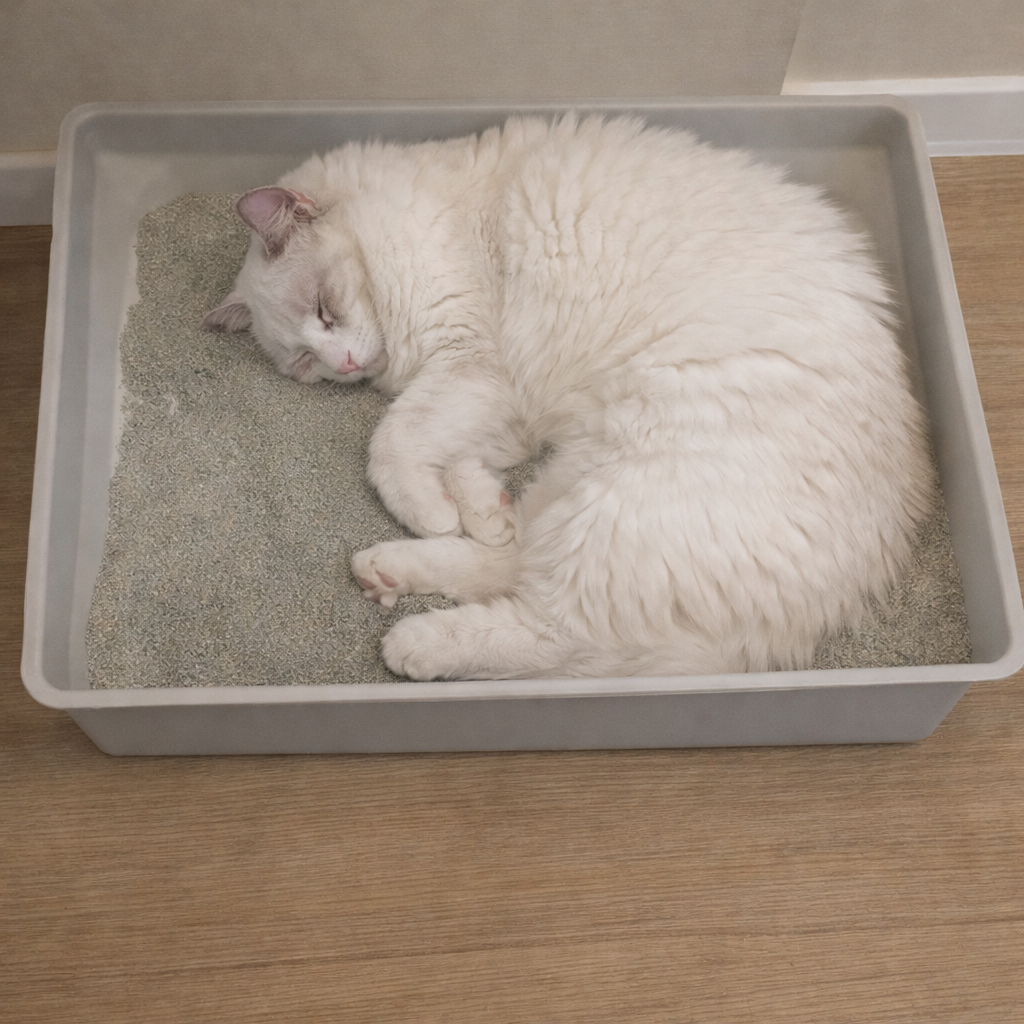
Ran for 2 days, from January 16 to January 18, 2026, the last day Crush saw it.
Run by Willow Creek Veterinary Hospital on Facebook. Crush is not the advertiser and does not verify its claims. See this ad in Meta's Ad Library(opens in a new tab)
Want an ad like this for your product?
Crush makes new ad images for your product from this ad: your logo, your product photo, your offer.
Trials from $19.95 USD, then $79.95 USD a month. Cancel anytime.
About this ad
- Meta Ad Library ID
- 1908031356477648
- Platforms
- Facebook, Instagram, Audience Network, Messenger and Threads
- Relaunches
- 0
Ad text
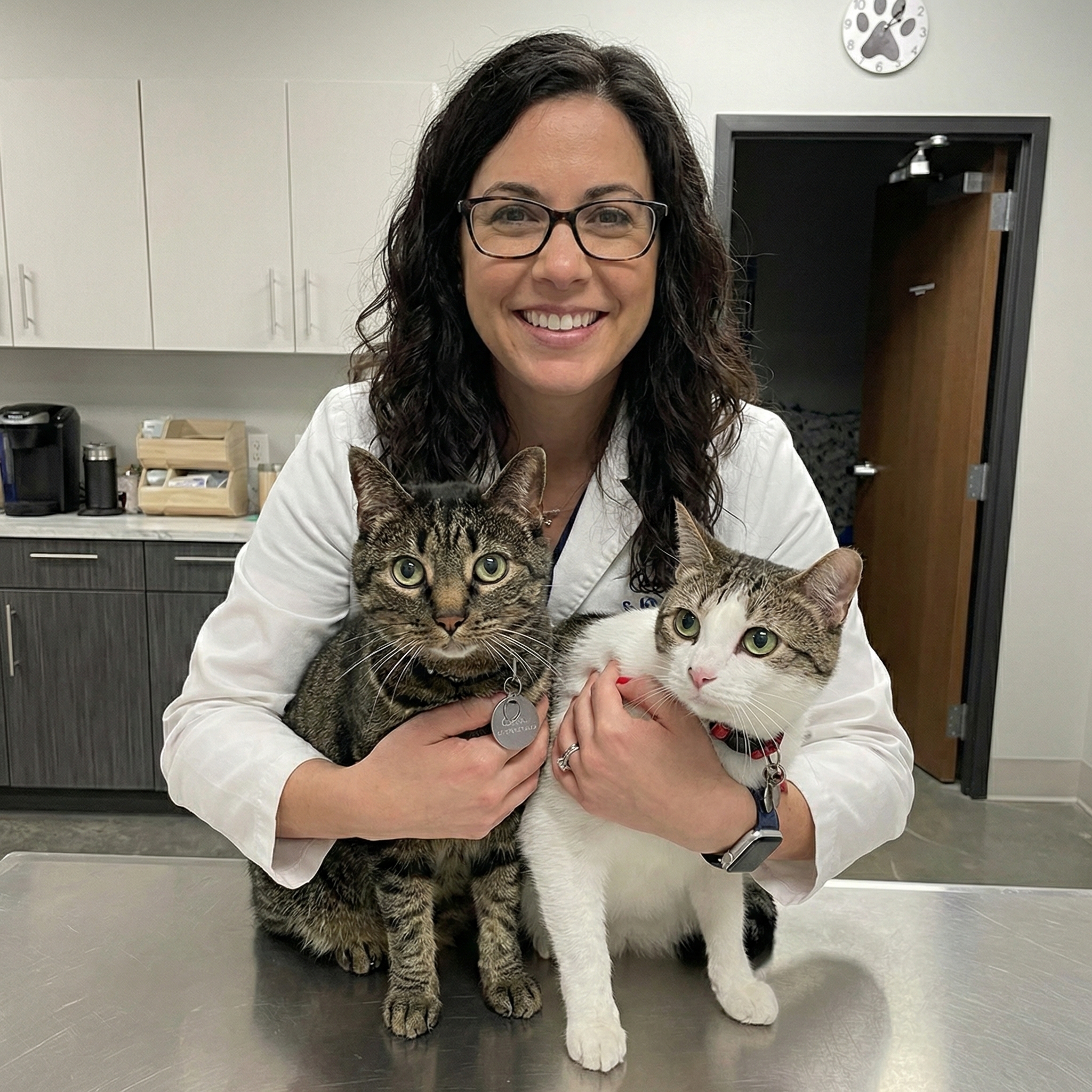
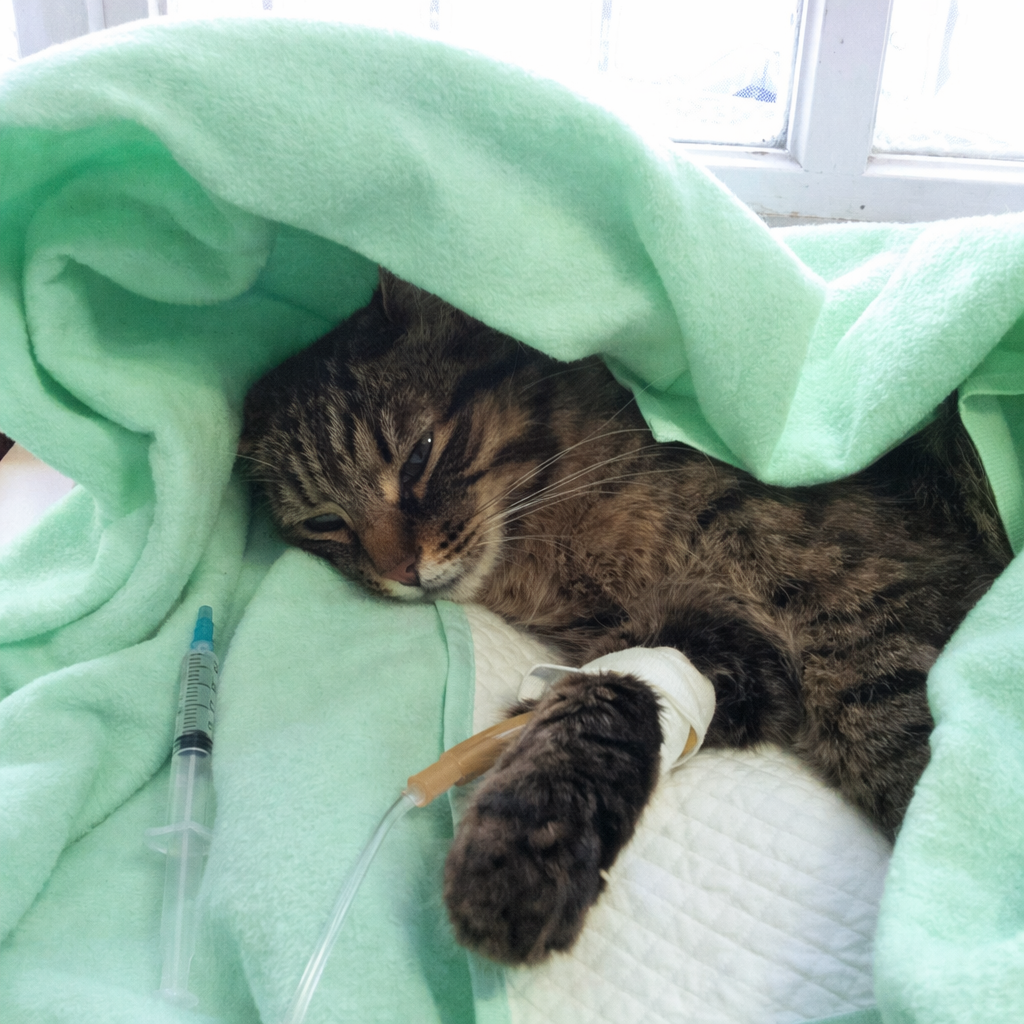
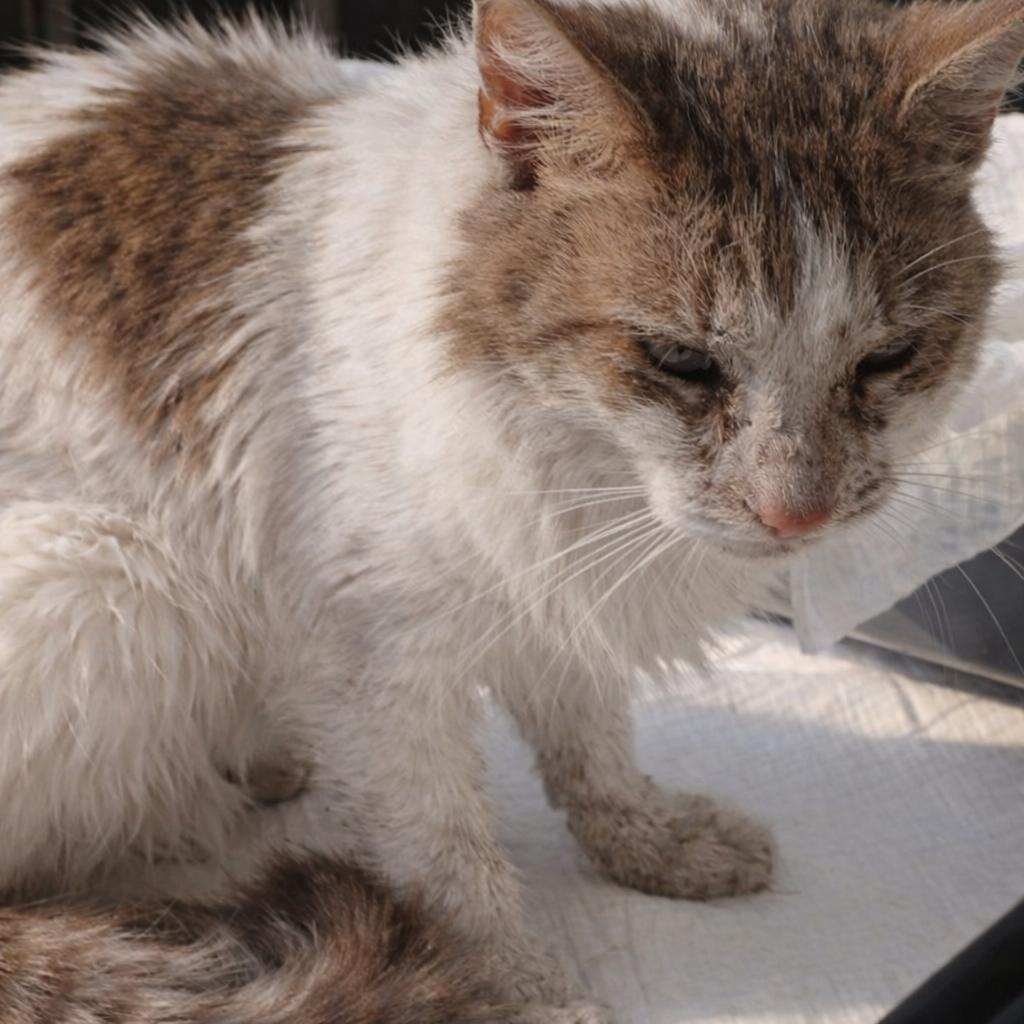
After 12 years at Willow Creek Veterinary Hospital, I finally stopped pretending cat breath is normal. It's not aging. It's not the food. It's not "just what cats smell like." I examined the mouths of 127 cats whose owners complained about "fishy breath." 91% had severe plaque buildup pressing into inflamed gums. And in every single case, bacteria was already leaking from those gums into the bloodstream—feeding straight into the kidneys, liver, and heart. The owners thought they were preventing the problem. Every single one was feeding dental treats marketed as "clinically proven to reduce plaque." My name is Dr. Marcus Rivera, DVM. And here's what the pet treat industry doesn't want you to know about those "dental chews." Until the day Mrs. Chen carried Willow into my exam room, crying. Willow—a 13-year-old gray tabby—had stopped eating three days earlier. Mrs. Chen thought it was a stomach issue. But when I opened Willow's mouth, the smell hit me immediately. Not "cat food breath." Decomposition. Stage 3 periodontal disease. Gums so inflamed they bled when I touched them. Tartar crusted along every molar. I ran bloodwork. Creatinine: 6.8 (normal is under 2.0). BUN: 94 (normal is under 30). Kidney failure. Stage 3. Mrs. Chen looked at me, devastated. "But I gave her the dental treats. Every single day. The ones you recommended two years ago. I thought they were working." She pulled out her phone and showed me her Amazon order history. $847 spent on Greenies over two years. Daily. Without fail. And Willow's gums had gotten worse anyway. Mrs. Chen asked me: "Why didn't they work?" I didn't have an answer. Not then. But that night, I pulled up every veterinary dental study I could find. I called Dr. Elena Vasquez at UC Davis. I emailed Dr. James Park, a feline periodontist I'd met at a conference. And what I discovered made me furious. Because the dental treats we've been recommending for over a decade? They can't physically work. Not because of the ingredient. Because of the time. Here's What the Pet Food Industry Doesn't Tell You When your cat bites into a dental treat—Greenies, Temptations, DentaLife, any of them—they swallow it immediately. Time it. Hand your cat a dental treat and watch. 3 seconds. Maybe 5. Gone. That's the problem. Because bacteria can't be removed in seconds. It takes sustained friction to disrupt them. The treat disappears before any real cleaning happens. The bacterial film stays intact. And every day that bacteria sits undisturbed in those gum pockets, it does two things: Creates that dumpster smell you're trying not to gag at when your cat yawns in your face Leaks directly into your cat's bloodstream The smell is just the warning sign. The real damage is happening silently—bacteria colonizing the kidneys, scarring heart valves, inflaming the liver. It's quiet. It's chronic. It's cumulative. And by the time the creatinine level spikes—signaling kidney damage—they've already lost 75% of their kidney function. That's what killed Willow. Not old age. Not bad luck. The wait. We Found the Same Pattern in 14 More Cats After Willow, I started reviewing patient files with Dr. Vasquez and Dr. Park. We found 14 cats—all senior, all with "fishy breath," all whose owners had been using daily dental treats for 2+ years. Every single one died of organ failure linked to chronic bacterial exposure. All the owners did exactly what we told them to do. All felt guilty they couldn't brush their cat's teeth. All thought the treats were "better than nothing." All the cats died anyway. And that's when I realized: we'd been giving cat owners a false choice. "Risk anesthesia now, or use treats and wait." But "wait" wasn't neutral. "Wait" was letting the bacterial infection destroy the organs we were trying to protect. After years of searching, we finally found the answer. Dr. Park sent me a study from Tokyo University. They tracked cats over three years—half got standard dental treats, half got silvervine sticks. The results were stark: Treat group: 68% developed severe disease → Bacterial load in bloodwork elevated in 71% of cats Silvervine group: Only 9% → Bacterial load stayed normal in 94% of cats The difference wasn't the ingredient. It was the time. Cats gnawed on silvervine for 10-15 minutes. That sustained friction broke down the bacterial film before it could establish colonies below the gum line. The treats couldn't do that because they were gone in 3 seconds. Why Silvervine Works When Treats Don't Silvervine triggers a euphoric chewing response in 80% of cats—even cats who ignore catnip. And here's the critical part: the wood structure doesn't shatter like a treat. When your cat bites into a dental treat, it breaks into brittle pieces they swallow immediately. When they bite silvervine wood, the fibers bend. They can't gulp it down. They have to keep chewing. 10 minutes. 15 minutes. Sometimes 20. That sustained friction acts like nature's toothbrush—scrubbing away bacteria before they leak into the bloodstream. Your cat does the work. Voluntarily. Because they enjoy it. So I Ordered Silvervine Sticks for Our Clients Dr. Vasquez ordered from 9 different manufacturers. We tested every single brand with our clinic cats. What happened made all three of us furious. Brand #1 (Best-seller on Chewy): Sticks were rock-hard. Cats ignored them completely. One cat cracked a canine tooth trying to chew it. Brand #2 (Sold at PetSmart): Sticks were treated with chemical preservatives. Three cats vomited within an hour. One developed severe diarrhea. Brand #3 ("Veterinarian Recommended"): Sticks were too soft. Cats ate them in under 90 seconds—straight back to the gulp reflex problem. Brand #4 (Amazon's Choice): Contained artificial flavoring and dyes not listed on the package. When we sent it to a lab, it tested positive for synthetic compounds. Brand #5 (Etsy "handmade"): Arrived moldy. The "air-dried" process was a lie. Most were too hard—cats ignored them or risked broken teeth. Some were too soft—cats swallowed them in under 90 seconds. Others were contaminated with preservatives or arrived moldy. We were close to giving up. Not because silvervine didn't work— but because most of what was being sold wasn't usable. That's When We Finally Found One Source That Met Every Requirement When I contacted Miro, something was different. They didn't dodge questions. They didn't send marketing copy. They answered. Immediately. Full documentation on sourcing. Third-party lab results screening for heavy metals, chemical residues, contaminants. Every batch tested—not "periodically," but every single production run. I ordered samples and sent them to my independent lab. The results: ✓ Verified Actinidia polygama—no substitutions ✓ Zero chemical treatments ✓ No contamination ✓ Appropriate hardness for sustained chewing ✓ Safe fiber separation This wasn't just silvervine that worked. It was silvervine that was actually safe to recommend. And there was one more thing that mattered. Miro didn't require owners to change anything else. No food changes. No brushing. No force. No training. Cats engage voluntarily. They chew when they need relief—and stop on their own. We'd finally found it. The only silvervine dental stick I could trust enough to put my name behind. We Started Testing Them With Our Clients Cats with Stage 1-2 disease. Senior cats flagged as "high anesthesia risk." Owners terrified of surgery. The results were remarkable. Bella, 11-year-old female: Stage 1 disease and borderline kidney values. The owner couldn't brush her teeth without traumatizing her. Started using the sticks 4x per week. Bella gnawed for 12-17 minutes at a time. At her six-month recheck, gum inflammation was gone. Tartar never progressed. Ruby, 14-year-old female: Stage 3 disease. Owner terrified of losing her during anesthesia. Ruby gnawed obsessively. 15-20 minutes, twice a day. Within eight weeks, gums less inflamed. Eating normally again. At her three-month recheck, her disease had regressed from Stage 3 to Stage 2. We were able to do a less invasive cleaning. No extractions. She survived. Two years later, she's still alive. Here's What You Need to Understand The silvervine sticks are not a replacement for professional dental cleaning. If your cat has Stage 3-4 disease, you need veterinary intervention. But if your cat is in the position Willow was in—Stage 1-2 disease, flagged as high anesthesia risk, stuck in "wait and see"—the sticks can interrupt the process. They give you what treats can't: sustained mechanical friction that stops bacterial leak before it damages organs. And here's what's critical: not just any silvervine stick will work. Most are too hard, too soft, or contaminated with chemicals. The ones we use are called Miro Natural Silvervine Dental Sticks. Why You Haven't Heard About This Before There's no profit motive. Greenies is owned by Mars Incorporated—$45 billion in annual revenue. They're not going to tell you about a $29 bag of sticks that lasts three months when they can sell you a $15 bag of treats every three weeks. The veterinary industry isn't incentivized either. Dental cleanings generate $800-$1,500 per procedure. Cat owners here didn't even know this existed. Until now. If Your Cat Is Currently in the "Wait and See" Trap If you're watching your senior cat's gums get redder every year. If you've tried brushing and felt like you were torturing your cat. If you've been giving dental treats thinking it's "better than nothing." If your vet keeps saying "bloodwork is normal, we can wait"—while you watch the tartar build and the breath get worse. You have two choices. Option 1: Keep waiting. Keep using treats that disappear in 3 seconds. Keep "monitoring" while bacterial infection silently damages organs. Keep hoping their bloodwork stays stable enough for anesthesia "someday." Maybe you'll be fine. But you'll never know what could have been different. Option 2: Try what worked for Bella and Ruby. Get the authentic silvervine sticks—the ones that actually trigger 10-15 minutes of chewing. The ones without chemical contamination. The ones that have been tested in our clinic on cats just like yours. Let your cat do the work. If your cat doesn't engage with them for at least 8-10 minutes per session, or if you don't see reduction in gum inflammation or breath improvement within 60 days, they will refund you. You only pay if it works. → https://mymiro.shop/products/miro-natural-silvervine-dental-sticks Dr. Marcus Rivera, DVM Willow Creek Veterinary Hospital P.S. — Mrs. Chen asked me if Willow would still be alive if she'd had these sticks two years ago. I told her I don't know. But the treats she was using gave Willow zero minutes of biofilm disruption. The sticks would have given her 10-15 minutes per session. Every minute of friction is a minute bacteria aren't leaking into her bloodstream. Would it have been enough? I can't promise that. But it would have given her a fighting chance. That's more than the treats ever gave her. P.P.S. — If you're one of the cat owners who tried brushing and felt like a failure—you're not. The system failed you. It told you to brush (impossible for most cats), then sold you treats that don't work (but make you feel better), then left you waiting (while the infection got worse). You deserve better. Your cat deserves better. The sticks aren't perfect. But they're the first thing I've found in 12 years that actually addresses the real problem: time. If your cat will gnaw on them for 10-15 minutes, you finally have a tool that works.
Where the ad sends people
mymiro.shop
Veterinarian speaks the truth
The smell is just the warning sign. The real damage is happening in...
Shop now: mymiro.shop(opens in a new tab)