
Inactive· since Mar 12, 2026
- 3
- days it ran
- 0
- relaunches
Ad copy
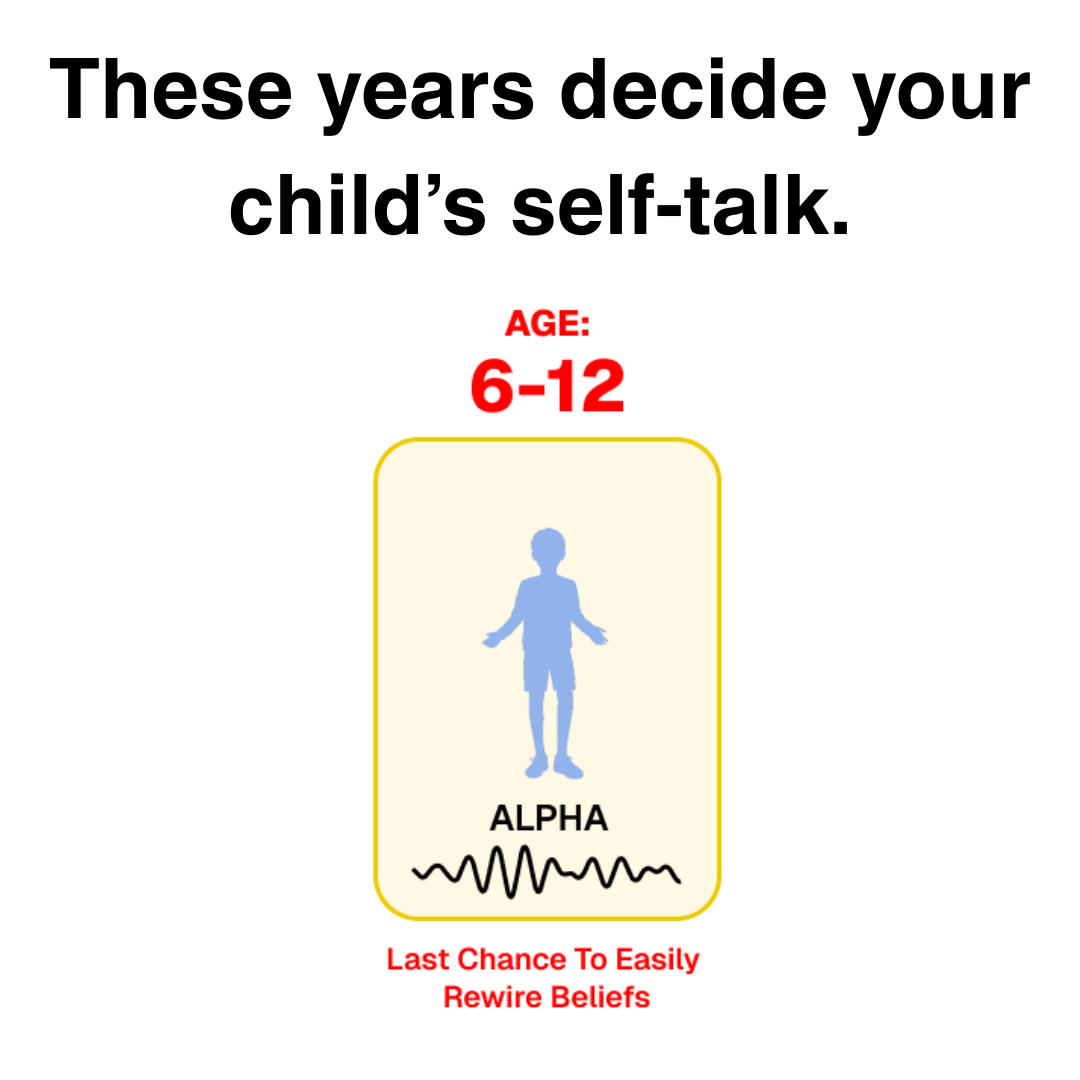
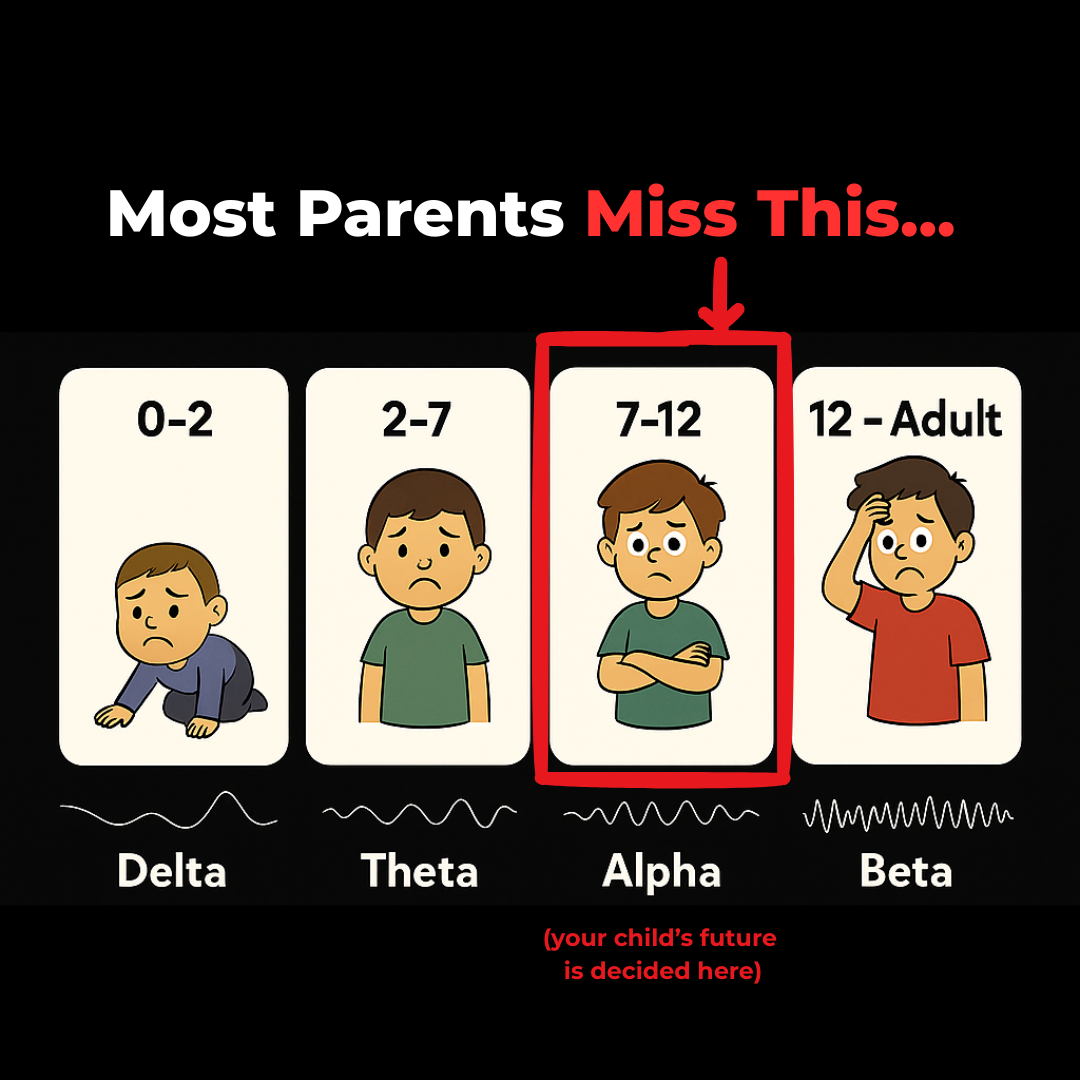
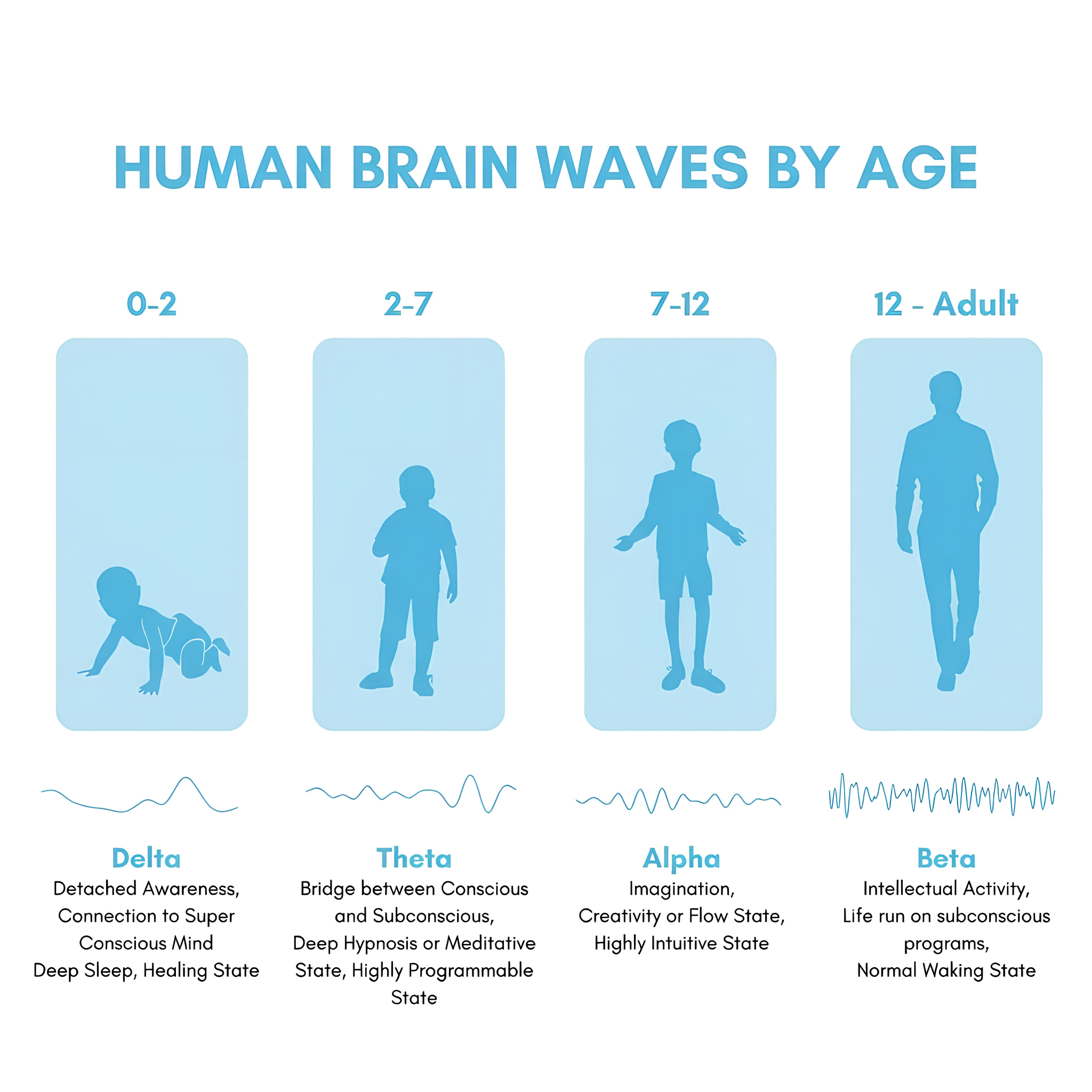
Almost No Parent Is Told About The Critical Window That Shapes Their Child's Confidence Forever There's a period in your child's life — roughly between the ages of 6 and 12 — that developmental scientists have studied for over a century. During this window, something remarkable is happening inside your child's brain. Something that will quietly determine: • how confident they feel as a teenager. • how they respond to failure as a young adult. • whether they carry a deep, unshakeable belief in themselves — or a subtle, persistent voice that tells them they're not quite enough. Most parents never hear about this window until it's already closing. The children who grow into genuinely confident, emotionally resilient adults aren't just the lucky ones. According to decades of research in child development and neuroscience, they're the ones whose parents understood this window — and were intentional about what went into it. In the 1950s, Swiss developmental psychologist Jean Piaget began documenting something that would change how scientists understood childhood forever. Through thousands of hours observing and testing children of different ages, Piaget discovered that children don't just know less than adults — they actually think differently. Their brains process, absorb, and interpret the world through entirely different mechanisms depending on their stage of development. What he found specifically about children aged 7 to 11 — what he called the Concrete Operational Stage — was striking. During this period, children are developing logical thinking for the first time. They're beginning to understand cause and effect, to form lasting conclusions about the world, and crucially, to form lasting conclusions about themselves. The beliefs a child locks in during this stage — about their intelligence, their likability, their capability, their worth — don't sit in short-term memory. They get written into the child's identity. They become the internal narrative that child carries, often for decades. Piaget's work established the when. It would take another generation of neuroscientists to explain the why. Dr. Joe Dispenza, neuroscientist and author of Breaking The Habit Of Being Yourself, has spent years translating brain science into language ordinary people can understand. One of his most important findings concerns brain wave states — the different electrical frequencies the brain operates at depending on age and mental state. His research highlights something that changes how you see childhood entirely. Children under 12 spend the majority of their time in lower brain wave states — specifically Theta and Alpha — that adults only access during deep meditation or hypnosis. In these states, the brain's critical filter — the part that evaluates, questions, and decides what to believe — is not yet fully active. What this means practically is that a child in this window absorbs the world without the same filtering mechanism an adult has. Experiences, words, repeated patterns of feedback from the environment — they don't get evaluated before being stored. They go straight in. And according to Dispenza's work, what gets stored in these states gets stored at the level of the subconscious — the part of the mind that runs automatically, that shapes behaviour and emotion below the level of conscious thought. By the time a child reaches adolescence, the brain shifts into Beta — the dominant adult waking state. The critical filter switches on fully. The subconscious programmes laid down during those earlier years start running in the background like an operating system. Mostly invisible. Enormously powerful. Here is what this means for your child right now. The confidence — or lack of it — that your child will carry into their teenage years and beyond is not primarily determined by what happens to them as a teenager. It is being determined right now, during the years their brain is most open to programming. Every repeated experience, every pattern of thinking they practise daily, every small belief they form about their own capability is being written into that subconscious operating system while the window is still open. This isn't cause for panic. It's cause for intention. Because if this window represents the greatest risk — the period when limiting beliefs form most easily and most deeply — it also represents the greatest opportunity. The brain that absorbs negative patterns without filtering also absorbs positive ones. The same neurological openness that makes children vulnerable to self-doubt makes them extraordinarily responsive to the right daily practices. The question is simply whether you're being deliberate about what goes in during these years. Both Piaget and Dispenza's work points toward the same practical conclusion: The most powerful thing you can do for your child's long-term confidence isn't reactive. It isn't addressing the problem after limiting beliefs have calcified. It's building the right mental habits daily, consistently, during the years the brain is still actively forming its core programmes. Specifically, the research points to the power of structured daily reflection for children in this age range. Simple, guided prompts that help a child: • identify how they're feeling • name their own strengths • reframe setbacks in an empowering way • practise the patterns of thought that confident, resilient people run automatically as adults Not because it feels nice. Because neurologically, repetition during the Alpha and Theta years is how beliefs become hardwired. A child who practises "I can handle hard things" daily during this window isn't just repeating a phrase. According to Dispenza's model, they are literally rehearsing a neural pattern that strengthens with every repetition — until it becomes the default response their subconscious reaches for automatically. This is what parents who implement this kind of daily practice consistently report: • their children don't just feel better in the moment. • they start self-correcting. • they start bouncing back from setbacks faster. • they start saying "I can figure this out" before the parent even has a chance to say it first. Because the programme has been built. And it's running. The window doesn't stay open forever. Piaget's research shows the Concrete Operational Stage transitions around age 11-12. Dispenza's work shows the brain wave shift happens around the same time. But right now, if your child is between 6 and 12, you are inside the window. And what you do with it is still entirely in your hands. The SCALESZN Mindset Journal was built specifically around this research. Designed for children aged 6-12 — the exact window Piaget and Dispenza's work identifies — it's a guided daily journaling practice that takes 5-10 minutes, requires zero preparation from you, and no expertise in psychology or child development. The prompts are written in age-appropriate language that children in the Alpha and Theta developmental stages naturally connect with. Simple enough for a 6-year-old. Engaging enough that children ask to do it again the next day. What parents consistently report isn't just improved confidence. It's a shift in their child's inner voice. • "I can't" → "I can figure this out." • "nobody likes me" → "I'm going to try." • meltdowns over small setbacks → a quiet resilience that surprises even the parents who raised them. These aren't personality changes. They're programme changes. Built during the window when the brain is most ready to receive them. If your child is between 6 and 12, this is the time. → See how the SCALESZN Mindset Journal works https://scaleszn.io/pages/scaleszn-bfcm
Like this ad? Make it yours.
Crush rebuilds this exact creative around your product — your brand, your colors, your offer — in about a minute.