
Inactive· since May 11, 2026
- 12
- days it ran
- 0
- relaunches
Ad copy
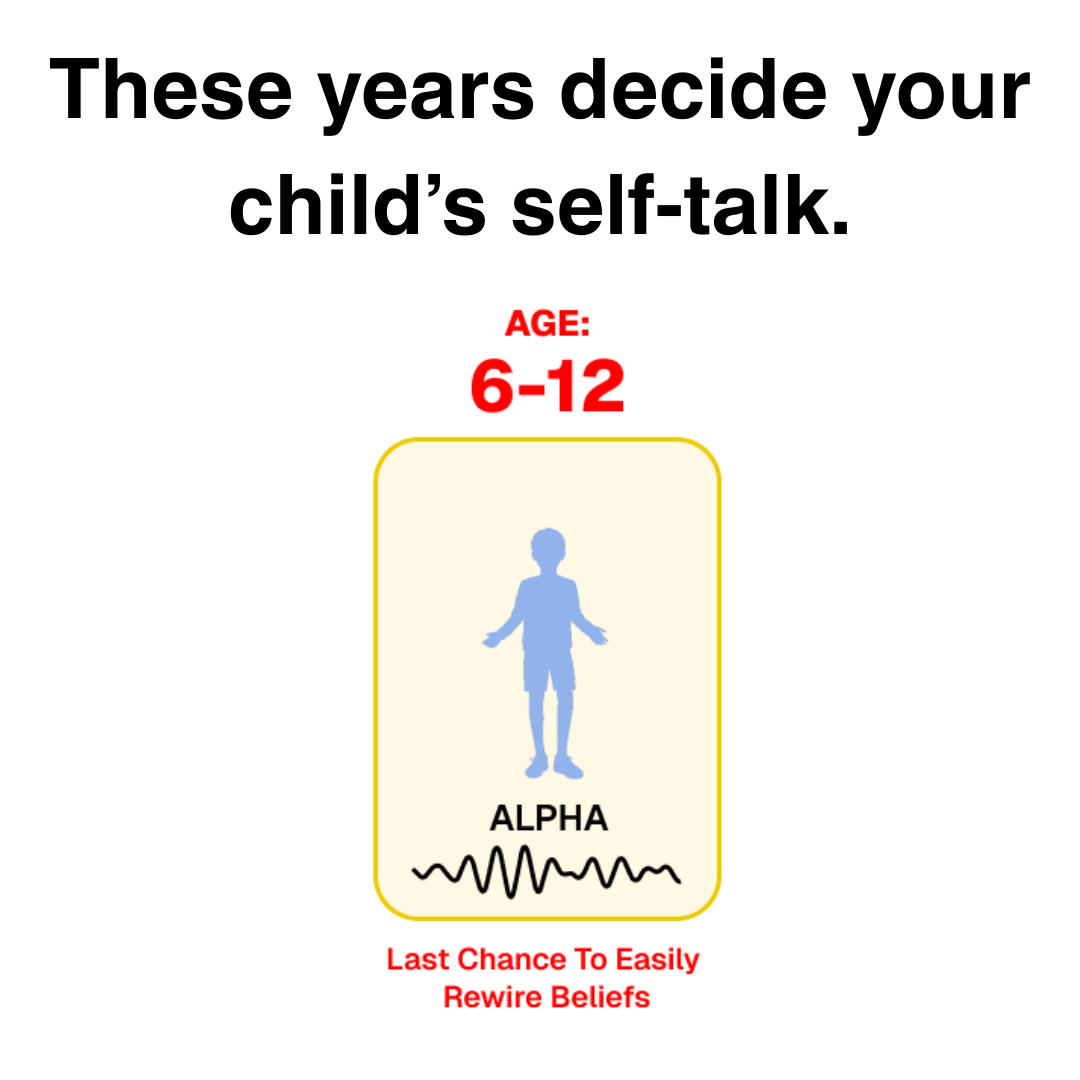
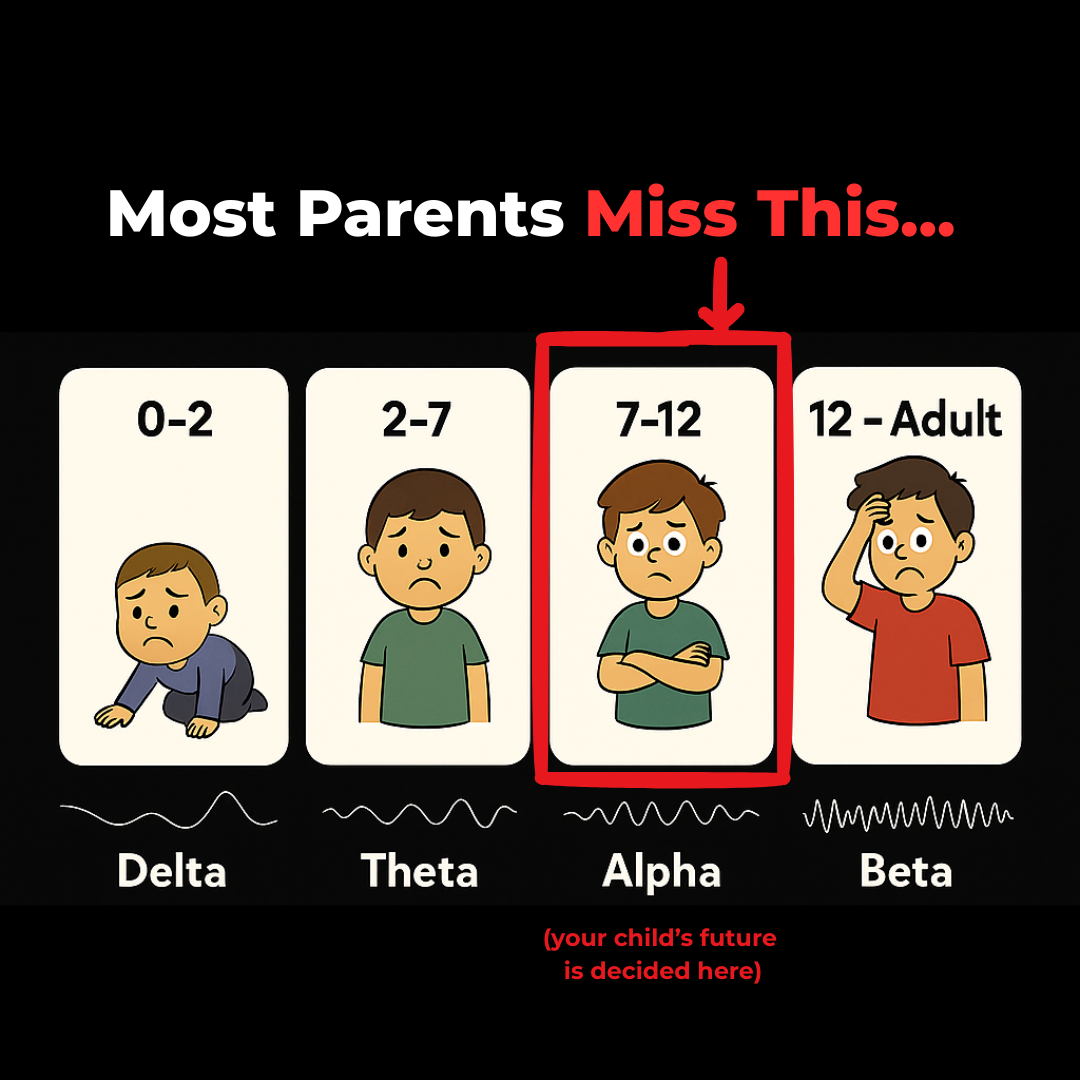
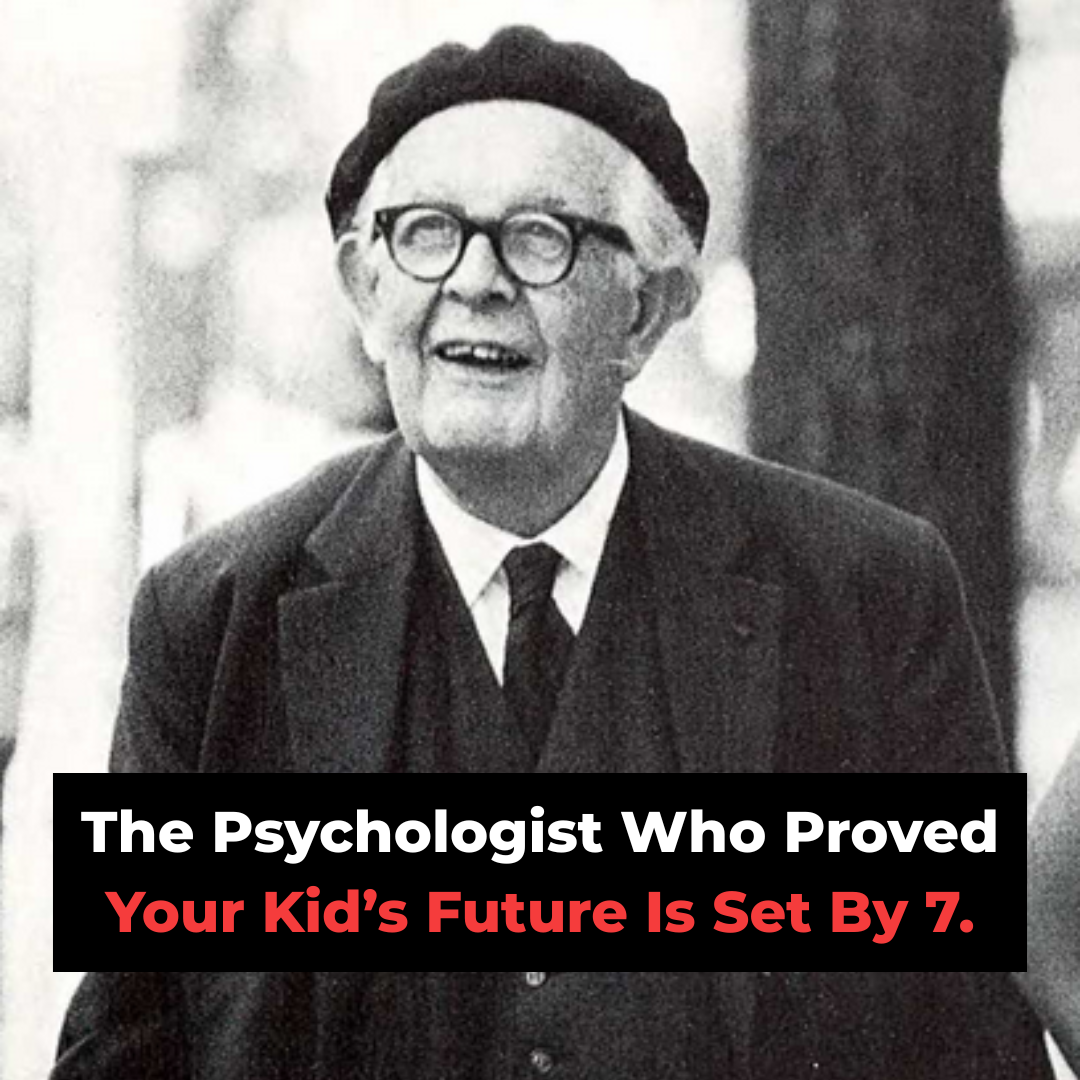
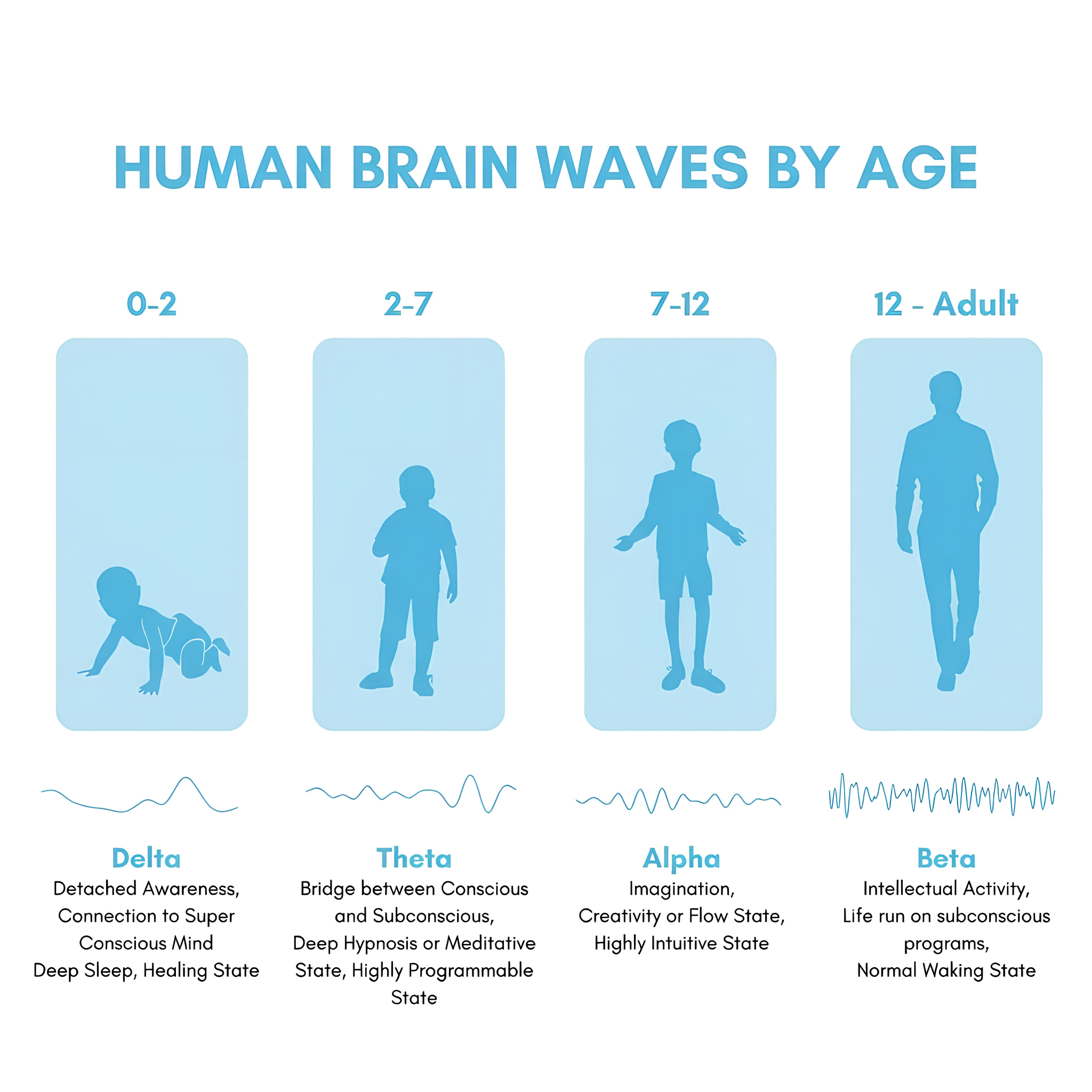
The day I quit teaching, my principal asked me why. I told her one sentence. She didn't speak to me for the rest of the week. I started teaching because I loved kids. I had a degree, a teaching credential, and the kind of optimism that only people who've never worked in a school have. My first year, I had 27 fourth graders. I learned all their names in three days. I learned what made them light up by the end of the first month. And I learned, by Christmas, that almost half of them were already carrying around a voice in their head that was meaner than anything I would have allowed in my classroom. You could see it in the small things. A kid would hold in their wee for hours in class because they didn't want to interrupt the teacher. A kid would eat lunch alone three days in a row and tell me she "I'm fine" at the exact moment her eyes filled with tears. A kid would erase a right answer because the kid next to her had a different one. I was watching 9-year-olds talk to themselves the way an abusive ex talks to someone they want to keep small. And nobody had taught them to do that. I started staying after school to plan lessons that addressed it. I built little exercises. I read everything I could find about how children develop their internal voice. That's when I found Jean Piaget. He was a Swiss researcher who, in 1952, proved something that should have changed how we structured every elementary school in the country. He proved that between ages 6 and 12, children build the voice in their head they'll hear for the rest of their lives. Not their math skills. Whether they grow up scared to put their hand up, ever. Whether they grow up convinced everyone is laughing at them. Whether they grow up so scared of failing they stop trying. Whether they grow up eating lunch in the toilet stall to avoid the cafeteria. Whether they grow up crying themselves to sleep at 10, at 18, at 25. He proved that this framework gets locked in by age 12. After that, the brain locks. What got built in those 12 years is what your child runs on for the rest of their life. That research is from 1952. It is older than my mother. It still hasn't made it into a single curriculum I've ever taught. I want you to do something for me right now. If you're on your phone, open a new tab. Search your state's elementary school learning standards. Find 3rd grade or 4th grade. I'll wait. You'll get nothing. You will find pages on phonics, fractions, photosynthesis, and the metric system. You will not find a single line item on the thing that determines whether your child grows up to like themselves. It doesn't matter if your kid is in public school, private school, charter, or classical academy. I know because I have friends who teach in all of them. The classical academy down the road has the same gap as the public school across town. It's just dressed nicer. Schools have to teach what's testable, because schools are funded based on test scores. Schools have to teach what's testable, because schools are funded based on test scores. You can't put a grade on how a kid handles failure. You can't put a grade on whether she can calm herself down when she's overwhelmed. You can't put a grade on whether she walks into a room believing she belongs there. So none of it gets taught. Now here is the part that broke me. In my fifth year of teaching, I went back to grad school at night. I took a course on child development that nobody made me take. The professor was a woman in her 60s who had spent her career studying children's brains. One night, she stood at the whiteboard and drew a wave. She said, "This is the brain state your students are in for most of their day." She labeled it theta. Then she said something I have never forgotten. She said children between the ages of 6 and 12 spend most of their waking hours in a brain wave state called theta. Theta is the same state hypnotists put adults into. It's the same state monks reach after years of meditation. In theta state the subconscious mind is wide open. Whatever gets repeated to a child in that state doesn't get remembered. It gets installed. Like firmware. She said when your child hears their teacher snap "you're not paying attention" twice a week for nine months. It gets installed as part of who they are. I sat in that classroom and I thought about the 27 kids in my classroom that year. And then I did the math. Those kids were in a school building for 30 hours a week. Right in the middle of the years their inner voice was getting written for life. And the school had nothing to teach them about it. Not one lesson. Not one page in the curriculum. I drove home in silence. I want to tell you why most teachers don't say this out loud. We sign contracts. We get evaluated by the state. We get bonuses for test scores, not for emotional outcomes you can't measure until the kid is 25. The teachers who know this are too busy keeping their jobs to write Facebook posts about it. I built emotional check-ins into my morning meetings. I taught self-talk reframing during transitions. I bought books about confidence with my own money. But I had 27 kids and 6 hours, and a curriculum I was legally required to deliver. By the time I fixed what they were walking in with, the year was over. That was the sentence. That was what I told my principal the day I quit. "By the time I fix what they're walking in with, the year is over." She didn't disagree. She just couldn't do anything about it. Nobody can, from inside the building. After I left teaching, my husband called me about our daughter. She's 8. Bright kid. But she'd be the one to apologise first after every argument, even the ones that weren't her fault. She'd say "sorry for taking so long" when she'd taken a normal amount of time. She'd say "is that okay?" after every sentence. I knew that pattern. I'd seen it in 100 other 8-year-olds in my classroom. I knew I had to start somewhere. I bought my daughter affirmation cards. She used them for two days. I downloaded a mindfulness app. She opened it twice. A kids' gratitude journal. Three pages, then she quit. Not because journaling doesn't work. Because those journals were built for adult brains. Not kid brains. Adult brains run on beta waves — analysis, reflection, blank pages, questions like "how are you feeling today." A 9-year-old can't answer that. Wrong question for the wrong brain. Then the professor from my old district sent me a link. Her kids had been using it for six months. It was called ScaleSZN. I was sceptical. I'd already tried a journal with my daughter. But this one was built different. 7 missions, built around the 7 things the school day doesn't touch. Thoughts and feelings — so she can name what's happening inside her instead of swallowing it. Who do you want to be — so she gets to write the script instead of inheriting one. Gratitude — so her brain learns to notice what's working, not just what's missing. Habits — so the right behaviours run on autopilot before she's old enough to overthink them. Authenticity — so she stops shape-shifting to be liked. Vision — so she has a future to walk toward instead of one she's hiding from. Purpose — so she grows up knowing she's here for something, not just trying to take up less space. Written at a 6-year-old reading level, with drawings and prompts she actually wanted to fill in. And every mission ended with a parent and child check-in. We both had to write. I'd answer what I wanted to model that week. She'd answer who she wanted to be. Then we'd compare. Week 1: She stopped apologising for the cat. Week 2: She came home and told me she'd raised her hand in maths. She'd never done that before. Week 3: My husband snapped at her on a Tuesday. She said, calmly, "I don't like the way you're talking to me." My husband apologised. She meant it. Week 4: I caught her whispering her sentences in the bathroom mirror while brushing her teeth. I am brave. I am smart. I am loved. Those aren't my words. Those aren't her teacher's words. Those are the words she chose for herself. Those are the words she's writing in while the door is still open. She's nearly 9 now. We've been doing it for just over a year. I'm not claiming she's a different kid. But the apologies are gone. The shrinking is gone. And I hear her talk to herself differently when she thinks nobody's listening. A teacher called Chinwe uses the journal in her classroom. She wrote that she watches her 8-year-olds confidently reframe negative thoughts that she still struggles with at 36. A mum called Mei-Lin said she didn't expect to address her own limiting beliefs while helping her daughter. Same. The parent check-in is the thing I didn't know I needed. A mum called Priya said no prep, no planning, no psychology degree. Just 10 minutes. If your child is between 6 and 12, every week you wait is a week of programming being written in by someone else. Their teacher. Their classmates. Your tired voice on a Tuesday night. TikTok algorithms designed by adults who do not care about your child. The door closes at 12. That's not marketing. That's neuroscience. ScaleSZN is currently 50% off. Physical journal on its own, or a Family Bundle that adds six more digital journals on confidence, empathy, self-awareness, focus, critical thinking, and a parent companion guide. The bundle is what I use with my niece. 30-day money-back guarantee. Over 523,000 parents are using it. Summer holidays are coming up — 6 weeks where her brain isn't being written on by school. P.P.S. I'm not paid by ScaleSZN. I'm not on their team. I'm a former 4th grade teacher who watched 11 years of kids walk out of my classroom with the same wiring they walked in with. Your child's inner voice is being built this week whether you do anything or not. At least choose what goes in.
Like this ad? Make it yours.
Crush rebuilds this exact creative around your product — your brand, your colors, your offer — in about a minute.