Rachel Malone
Rachel Malone Facebook ad: “Struggling with dull skin? Read this.”
Ran for 3 days, from February 20 to February 23, 2026, the last day Crush saw it.
Run by Rachel Malone on Facebook. Crush is not the advertiser and does not verify its claims. See this ad in Meta's Ad Library(opens in a new tab)
Want an ad like this for your product?
Crush makes new ad images for your product from this ad: your logo, your product photo, your offer.
Trials from $19.95 USD, then $79.95 USD a month. Cancel anytime.
About this ad
- Meta Ad Library ID
- 1922468575026706
- Platforms
- Facebook, Instagram, Audience Network, Messenger and Threads
- Relaunches
- 0
Ad text
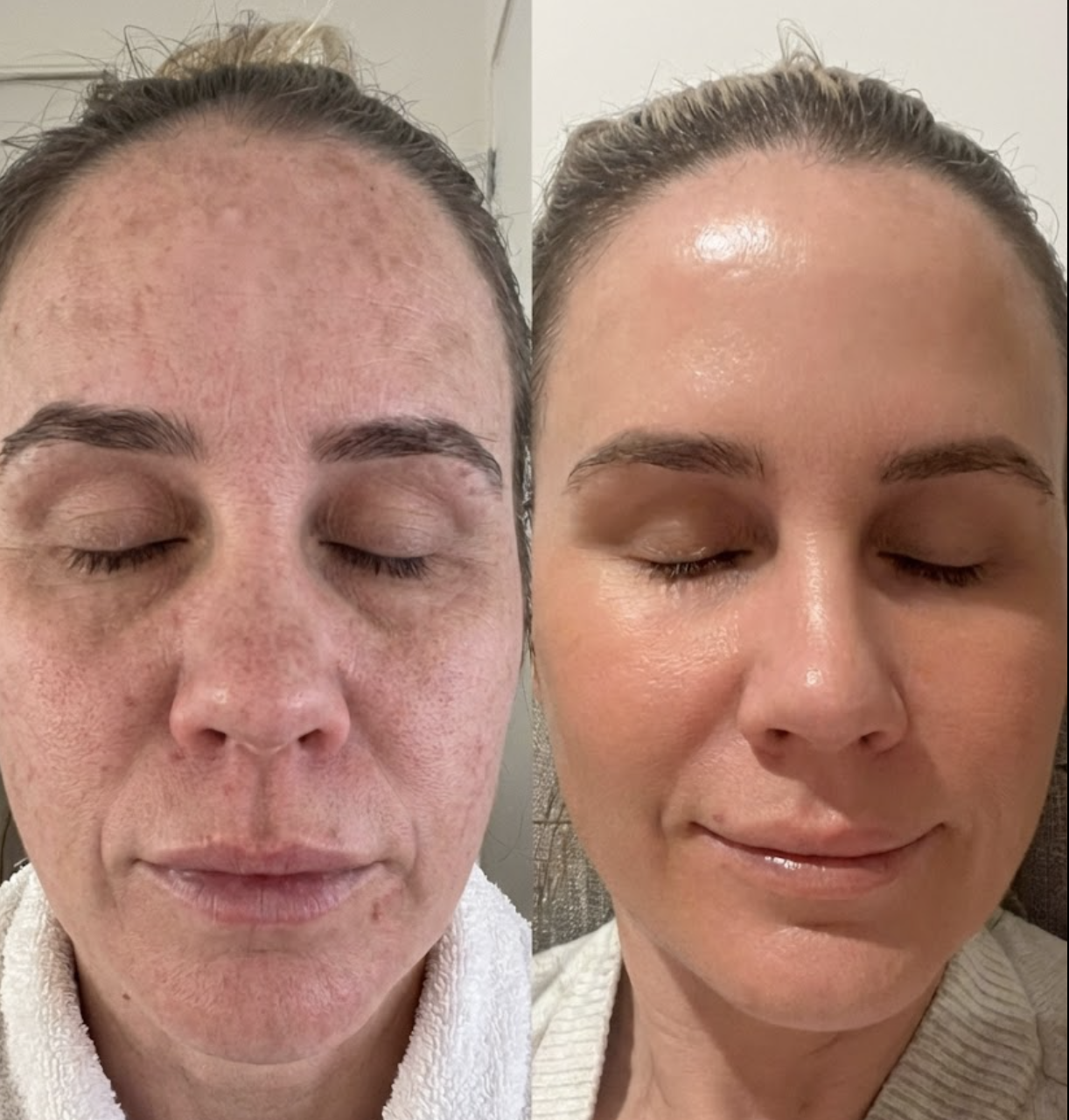
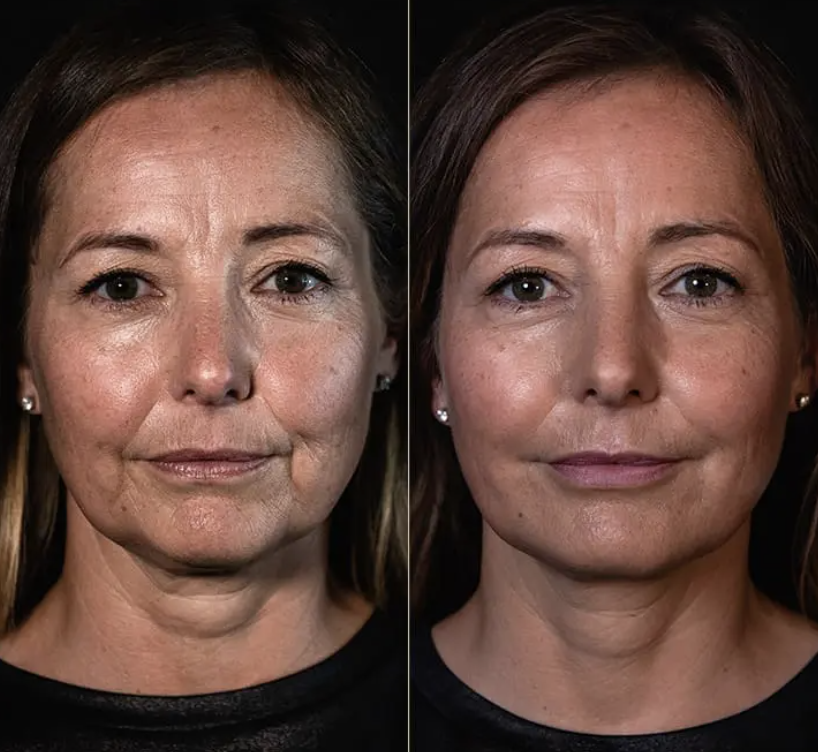
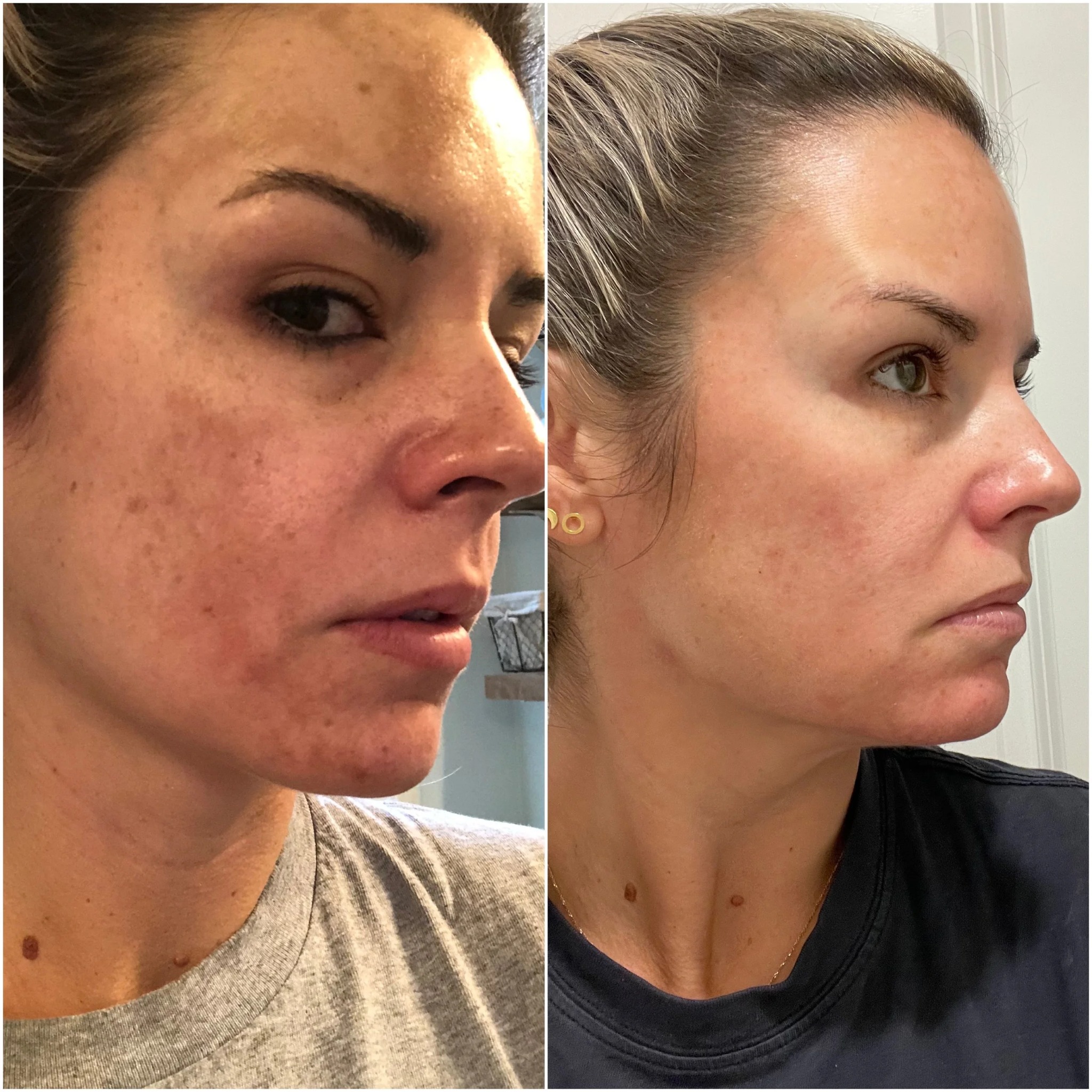
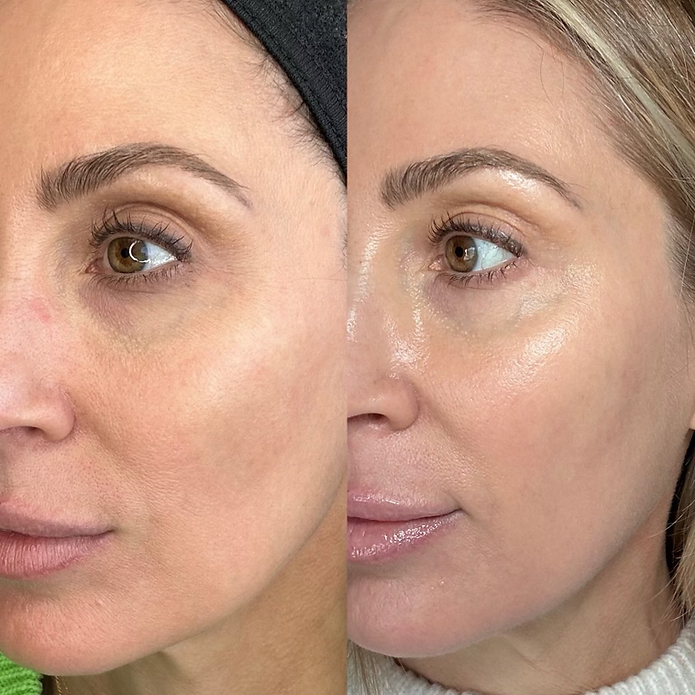
Do You Make This Mistake When Chasing Glass Skin? I made it for six years straight. Every morning, I'd stand in front of my bathroom mirror and layer product after product onto my face. Double cleanse. Toner. Essence. Serum. Moisturizer. SPF. Sometimes a glow primer on top of all of it, just to fake what my skin couldn't do on its own. Seven products. Thirty minutes. Every single day. And by noon, my skin looked exactly the same as it did before I started. Flat. Matte. Dull. Like my face just absorbed light instead of reflecting it. I'd catch my reflection in the bathroom at work and think, "I spent thirty minutes on this?" People kept asking if I was tired. I wasn't tired. I was 37 with skin that looked like it had given up. I felt invisible. Like my skin made me fade into the background. My coworkers would show up with this effortless dewy look, barely any makeup, and I couldn't replicate it with a full routine and seven products. I tried everything I could find. COSRX Snail Mucin. Felt slimy going on, looked decent for an hour, then nothing. Beauty of Joseon Glow Serum. Same story. Glow Recipe Watermelon Sleeping Mask, radiant for one evening, back to dull by morning. I even tried mixing illuminating drops into my foundation just to fake a glow. Sheet masks two to three times a week. Slugging with Vaseline every night. The 7-skin method with toner. Skin flooding. Every trend I saw on TikTok or r/AsianBeauty, I tried it. I spent over $4,000 on skincare in three years. La Mer for eight months, smelled nice, did nothing. Tatcha. SkinMedica. Peach & Lily. Vitamin C serums that oxidized and turned orange before I finished the bottle. Hyaluronic acid that made my skin feel sticky but never actually glowy. I felt stupid for spending so much money. I told myself maybe I just wasn't disciplined enough. Maybe my skin type couldn't do dewy. Maybe glass skin was just good lighting and filters and I'd been chasing something that didn't exist. I was close to giving up entirely. Then something happened that didn't make sense to me. My friend Jess, who does almost nothing for her skin, started getting compliments. People were telling her she was glowing. She uses a basic cleanser, one moisturizer, and sunscreen. Three products. That's it. Meanwhile, I'm layering seven products twice a day, watching every K-beauty tutorial I can find, and my skin looks the same as it did five years ago. That bothered me. Not in a jealous way, in a confused way. If more products meant more glow, I should have been radiating. I was doing five times the work. Why was she getting the results? I started paying closer attention to something I'd been ignoring. When I went for a run, my skin looked incredible afterward. Actually luminous. No products involved. Just blood flow and sweat. That glow lasted for hours, longer than anything I'd gotten from a $60 serum. Then I noticed something else. After a sheet mask, my skin looked amazing. Plump, dewy, radiant. But the next morning? Gone. Completely gone. Like it had evaporated overnight. But after a good week of sleep and exercise and drinking water? My skin had this quiet, steady luminosity that didn't wash off. One type of glow lasted. The other didn't. And the one that lasted had nothing to do with products. That pattern started nagging at me. If the products I was using created real glow, why did it disappear the second I skipped a day? Why could I take a week off from my routine on vacation and my skin actually looked better, not worse? I mentioned this to my friend who's an esthetician. She visits Seoul every year to train at Korean clinics. I expected her to recommend another serum. Instead, she asked me a question I wasn't expecting. "When you skip your products for a day, does the glow disappear?" "Completely," I said. "By noon I look like a different person." "That's because the glow was the product. Not your skin." She explained something no skincare brand had ever told me. She said there are two completely different types of glow. The first is what she called surface reflection, products sitting on top of your skin, creating a temporary film that bounces light. Every serum, every essence, every sleeping mask I'd used was doing this. Creating a mirror effect on my surface. The second type is what she called cellular radiance. It comes from the cells deep underneath your skin, fibroblasts, that actually manufacture the ingredients of glow. Collagen. Elastin. Hyaluronic acid. When those cells are healthy and active, your skin produces its own luminosity. From within. Without any product on top. She said I'd been decorating the outside of a house that needed renovation on the inside. Every serum was a coat of paint. Every sheet mask was wallpaper. The house looked good for a few hours. But the structure underneath, the cells that actually build and maintain skin quality, was running on empty. That explained everything. It explained why the glow always faded by noon. Why sheet masks worked for twenty minutes. Why La Mer felt luxurious but changed nothing. Why exercise gave me better glow than any product. Why Jess, with her three-product routine and healthy lifestyle, was outperforming my seven-step ritual. The products were glowing. My skin wasn't. I asked her what Korean clinics actually do differently. She told me they've known about this for over twenty years. While Western skincare focused on layering things ON the surface, Korean dermatology focused on feeding the cells UNDERNEATH. She pulled up research on her phone. After age 25, fibroblasts, the cells that produce collagen, HA, and elastin, slow down roughly one percent per year. By 35, they're producing significantly less than they did at 20. By 40, production can drop by half. No amount of serum on top can compensate for cells that have slowed down underneath. That's when it clicked. I hadn't been doing skincare wrong. I hadn't been lazy or undisciplined. The products weren't broken. They were doing exactly what they were designed to do, decorate the surface. But my problem was never on the surface. It was underneath. The cells responsible for making my skin glow on its own had been slowing down for over a decade. And nothing I'd layered on top had ever reached them. I'd been decorating a house that needed renovation. For six years. She told me about an ingredient that Korean clinics use to actually reach those fibroblasts. It's called PDRN - polydeoxyribonucleotide. Which sounds complicated, but the concept is simple. PDRN is made of tiny DNA fragments derived from salmon. And because salmon DNA is about 96% similar to human DNA, our cells recognize it immediately. Instead of sitting on the surface like a serum, these DNA fragments pass through and activate something called the A2A receptor on fibroblasts. Think of it like a wake-up signal. It tells the cells to start producing again, collagen, elastin, hyaluronic acid, the actual building materials of glowing skin. But it does something else too. It doesn't just send the signal. It delivers the raw materials. Through what scientists call the salvage pathway, those DNA fragments become the literal building blocks fibroblasts need to do their job. She put it simply: "Most serums hand your skin a paint swatch. PDRN hands it lumber, tools, and a blueprint." I brought it up at my next dermatologist appointment. I asked if PDRN actually does what Korean clinics claim. She nodded. She said fibroblast activation through adenosine receptor signaling is well-documented in clinical research. She said Korean dermatology has been ahead of Western skincare on this for a long time. She told me the reason my products hadn't worked long-term wasn't because they were bad products, it's because they were designed for the surface, and my issue was cellular. "Your skin isn't broken," she said. "The cells underneath just need the right signal and the right materials to start producing again." That's what PDRN does. Not complicated. Not medication. Not a 10-step routine. It feeds the renovation crew that's been sitting idle underneath your skin for years. It's the difference between putting another coat of paint on the wall and actually hiring contractors to rebuild the foundation. I found a cream called Velen PDRN Rejuvenating Cream. Fifty milliliters. One product. Here's what happened. Week one: My skin felt different. Not glowy yet, but hydrated in a way that didn't fade by afternoon. Like the moisture was coming from inside rather than sitting on top. I kept touching my cheek because the texture was changing. Week two: I skipped my glow primer for the first time in years. I didn't need it. My skin had this quiet, steady luminosity that wasn't washing off in the sink at night. It was still there in the morning. Week three: My coworker asked what I'd changed. I hadn't told anyone. She said my skin looked "lit from within." Those were her exact words. I almost cried in the break room. Month two: I stopped wearing foundation. Just sunscreen and go. My husband, who never notices anything, said, "Your skin looks really good." I went from dreading FaceTime calls to being the one suggesting selfies. Three months in, and I use three products total. Cleanser, Velen PDRN cream, sunscreen. My skin glows more with three products than it ever did with seven. Not surface shimmer. Not highlighter. Not a dewy primer creating a temporary mirror. Actual glow. The kind that comes from skin cells doing their job again. Once I understood the mechanism, that I'd been decorating when I needed to renovate, the solution was obvious. I didn't need another serum. I needed to feed the cells that make glow happen. That's what Velen PDRN Rejuvenating Cream does. One product. One mechanism. Real glow from the inside out. Velen PDRN Rejuvenating Cream $39.99 with free shipping. Their guarantee: See results in 30 days or get your money back. Full refund. No questions. You risk nothing. Either your skin starts producing its own glow, the kind that doesn't fade by noon, doesn't wash off at night, and doesn't require seven products to maintain... Or you get every penny back. I spent six years and over $4,000 decorating. Layering product after product on top of cells that needed feeding, not covering. You know the mechanism now. You know why the glow always faded. You know why nothing lasted. The cells underneath aren't dead. They're just waiting for the right signal and the right materials. Velen gives them both. The choice is yours. To understanding the real mechanism behind glow, Jane, a reformed 7-product layerer Click the link below to learn more. P.S. — The 30-day guarantee means there's zero risk. Try Velen for a month. If your skin doesn't start producing its own glow, the kind people notice and comment on, send it back for a full refund. But if the renovation starts working the way it did for me, you'll wonder why you spent years decorating.
Where the ad sends people
tryvelen.com
Struggling with dull skin? Read this.
Velen
Learn more: tryvelen.com(opens in a new tab)