Rachel Malone
Rachel Malone Facebook ad: “Struggling with Smoker Lines? Read this.”
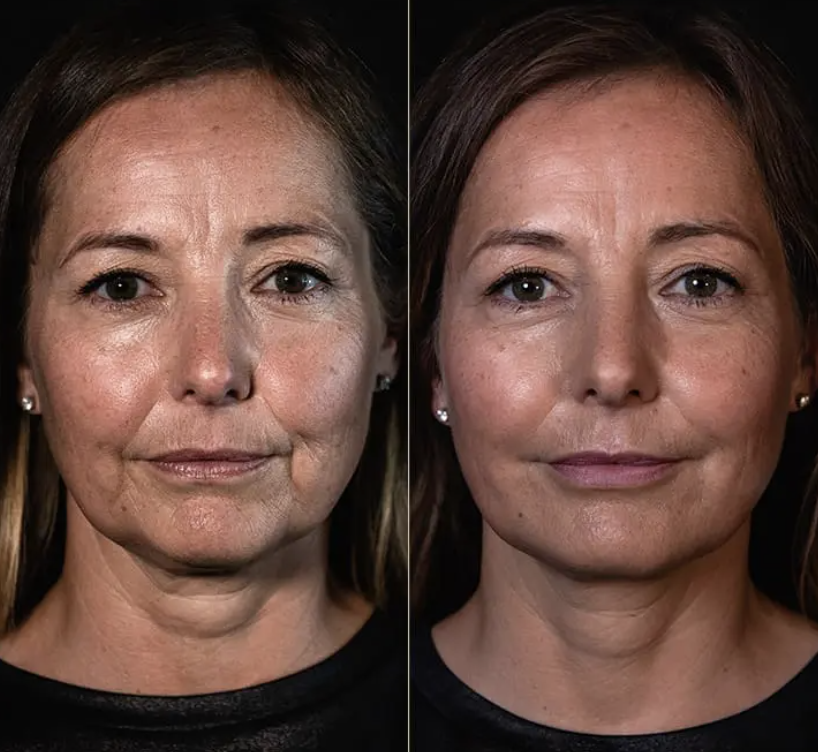
Ran for 2 days, from February 15 to February 17, 2026, the last day Crush saw it.
Run by Rachel Malone on Facebook. Crush is not the advertiser and does not verify its claims. See this ad in Meta's Ad Library(opens in a new tab)
Want an ad like this for your product?
Crush makes new ad images for your product from this ad: your logo, your product photo, your offer.
Trials from $19.95 USD, then $79.95 USD a month. Cancel anytime.
About this ad
- Meta Ad Library ID
- 2120629152016221
- Platforms
- Facebook, Instagram, Audience Network, Messenger and Threads
- Relaunches
- 0
Ad text
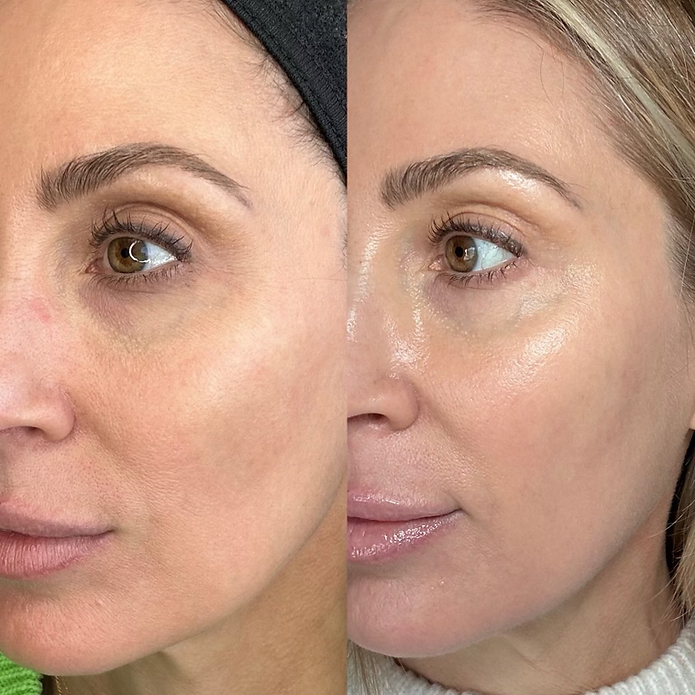
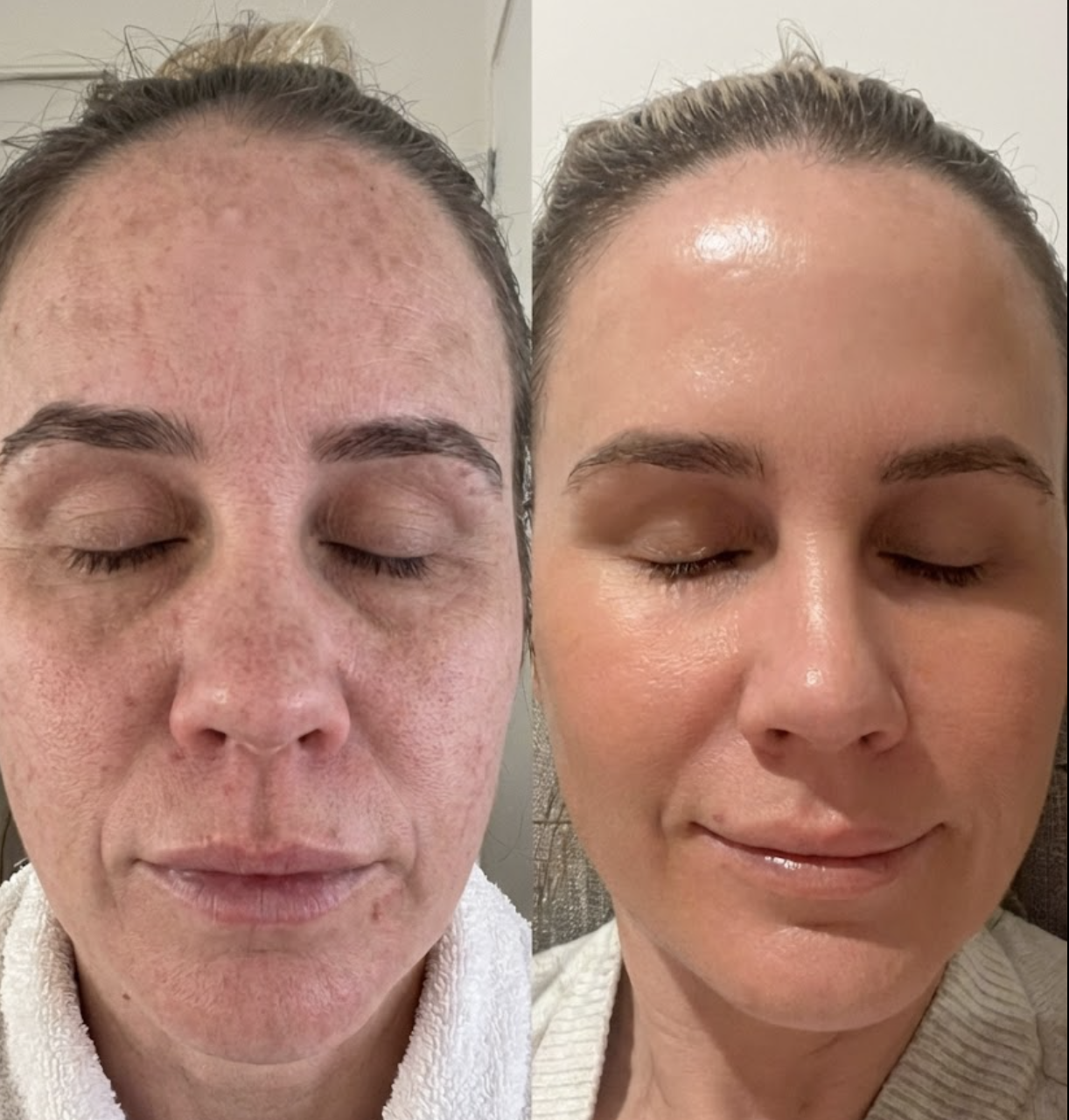
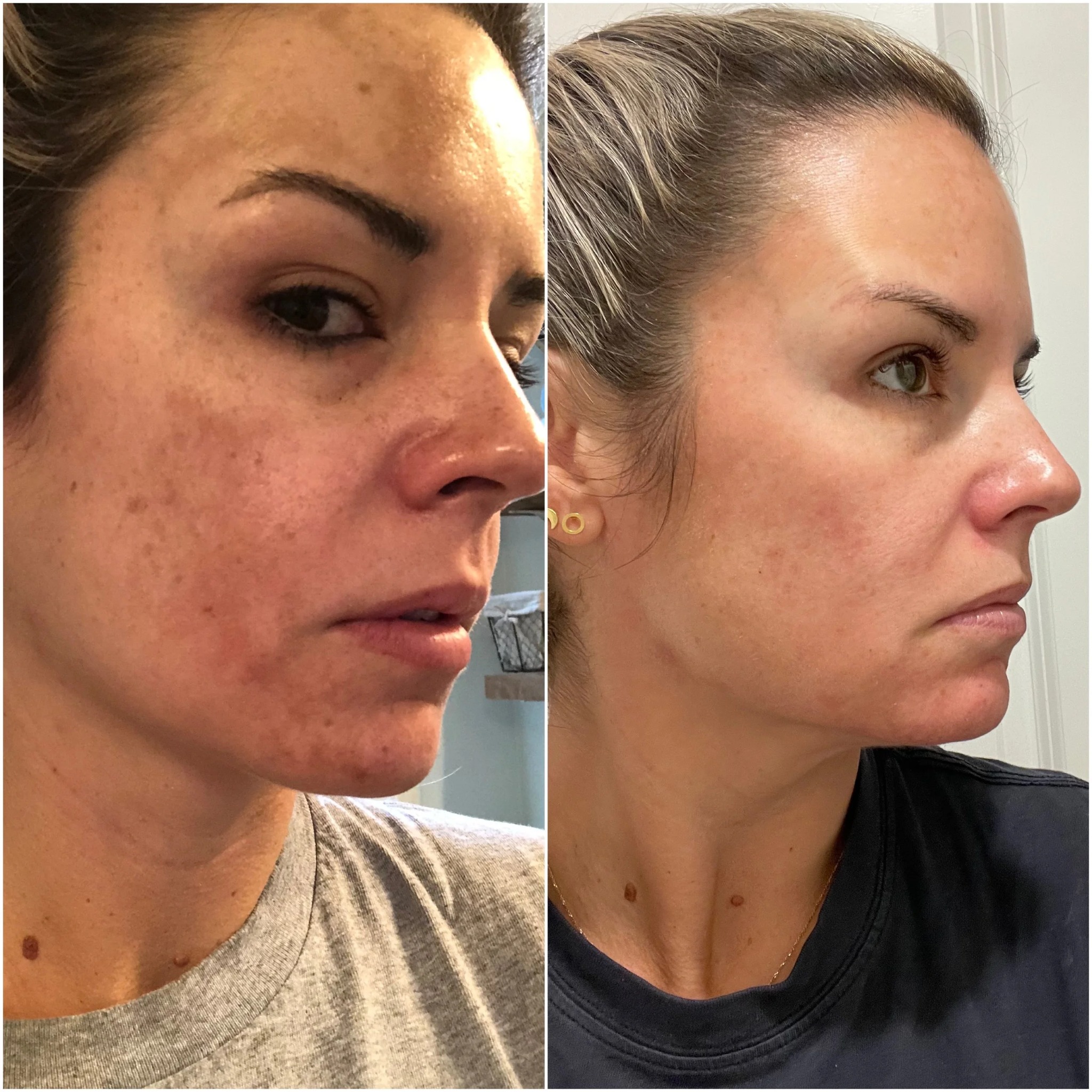
Wear Lipstick Without It Bleeding Into Lines I spent three years trying to fix my lip lines. Tried everything. La Prairie Line Interception cream. $250. Used it religiously for four months. SkinMedica HA5 Smooth & Plump Lip System. $68. Twice a day, every day. Peter Thomas Roth Lip Treatment. StriVectin Double Fix for Lips. Silicone patches I'd sleep in overnight. I consulted with two different dermatologists about filler. The first one was honest: "Filler in the lip lines is tricky. It can migrate. It can look lumpy. And it wears off in 4-6 months." The second one showed me photos of results. Some looked good. Some looked... not like themselves anymore. I watched YouTube videos of filler gone wrong. Women with bumps under their lip skin. Uneven results. One woman whose smile looked crooked for three months. I couldn't do it. But I couldn't live with the lines either. Here's what living with "smoker's lines" actually means when you've never smoked a cigarette in your life: It means putting on lipstick and watching it bleed. You apply it perfectly. Clean lines. Nice color. Then within an hour, it's feathered into every vertical crease above your lip, making the lines look darker and deeper than they did before. So you stop wearing lipstick. Or you only wear nude shades that don't show the bleeding as much. Or you spend twenty minutes with lip liner trying to create a barrier that never really works. It means catching yourself covering your mouth when you talk. I didn't even realize I was doing it until my daughter pointed it out. "Mom, why do you always put your hand over your mouth?" I was unconsciously hiding. At work. At dinner. Talking to friends. It means people assuming things about you. I've had three people over the years, strangers, acquaintances, ask if I wanted to step outside to smoke. The assumption was written on my face. I've never smoked. Not once. Not ever. But my face tells a different story. The thing I couldn't understand was why NOTHING worked. These weren't cheap products. These weren't random Amazon purchases. These were dermatologist-recommended, clinically-tested treatments specifically designed for lip lines. And none of them made any visible difference. After the fourth or fifth product failed, I started wondering if the lines were just permanent. Something I had to accept. My dermatologist said the only real option was filler. And I couldn't bring myself to do it. So I was stuck. Or so I thought. I only learned why everything failed because I went down a research rabbit hole one night. I was looking up "why do lip line creams not work" and found a dermatology journal article that stopped me cold. Here's what it said: Lip lines, vertical lip wrinkles, perioral lines, whatever you want to call them, aren't surface wrinkles. They're etched into the dermis. The deep layer of skin where collagen lives. Your stratum corneum, the outer barrier of your skin, is designed to keep things OUT. It's doing its job. When you apply a cream to your lip lines, only about 0.3% of the active ingredients actually penetrate to where the lines are formed. The rest sits on the surface and eventually evaporates. That's why four months of $250 cream did nothing. The cream never reached the problem. But what about filler? I researched that too. Filler works differently. It's injected below the surface, so it bypasses the skin barrier entirely. That's why it shows immediate results. But here's what my dermatologist didn't fully explain: Filler doesn't rebuild anything. It fills space. Think about it like a pothole in a road. Filler is like pouring asphalt into the hole. The surface looks smooth. But the foundation underneath, the part that collapsed and created the hole, is still broken. That's why filler wears off. Your body absorbs it over 4-6 months, and the line comes back. Because the underlying collagen structure that collapsed was never repaired. You're not fixing the problem. You're masking it. Temporarily. And then you need more filler. And more. Forever. Every solution I'd tried was making the same mistake. Creams: Treating the surface of a problem that exists below the surface. Filler: Filling the crease without rebuilding the structure underneath. Silicone patches: Temporarily plumping through hydration, surface treatment again. They were all treating the symptom while ignoring the cause. The cause was collapsed collagen in my dermis. The scaffolding that used to hold my lip skin smooth had broken down over years of movement, sun damage, and aging. No surface treatment could fix that. And filler could only mask it temporarily. I needed something that could trigger actual collagen rebuilding, in the exact location where the lines were etched. That's when I found micro-infusion. I almost dismissed it. I'd heard of microneedling before. Seemed like just another skincare trend. But this was different. Here's what made me pay attention: Micro-infusion doesn't sit on the surface. It creates thousands of tiny channels through the skin barrier, reaching the dermis directly. But more importantly, and this is the part that changed everything, the controlled micro-injuries trigger your body's wound-healing response. When your skin detects injury, it sends fibroblasts to the area. Fibroblasts are the cells that produce new collagen. The micro-channels are created at precisely 0.25-0.5mm depth, the exact depth where lip lines are etched. So you're not filling the crease from outside. You're triggering collagen rebuilding from inside. New collagen forms in the exact location of the line. Over time, the crease fills in from below as the structure rebuilds. Different mechanism entirely. I was skeptical. I'd spent three years being disappointed. But I found a case study that convinced me to try it. A 66-year-old woman, deeper lines than mine, used a derma roller consistently on her lip lines for 12 weeks. 75% reduction. Visible, documented improvement. No filler. No Botox. No frozen expression. No duck lips. Just rebuilt collagen. I ordered the Velen system that week. Here's what happened: Day 1: First treatment on lip lines. Slight tingling, some redness that faded within an hour. Nothing dramatic. Week 2: Started noticing the texture felt different. Smoother when I ran my finger over the lines. Not gone, but... less pronounced. Week 4: This is when I really noticed. The lines were visibly softer. Not eliminated, but significantly reduced. Like someone had turned down the volume on them. Week 6: I did something I hadn't done in two years. I put on red lipstick. Not nude. Not muted pink. Red. Applied it. Waited an hour. Checked the mirror. It hadn't bled. For the first time in years, my lipstick stayed where I put it. Week 8: The lines were maybe 60-70% improved. Still there if you looked closely. But not announcing themselves anymore. Not catching the light. Not trapping pigment. Month 3: I stopped covering my mouth when I talk. I didn't even realize I'd stopped until my daughter mentioned it. "Mom, you're not doing that thing with your hand anymore." She was right. The unconscious hiding had stopped. Because I didn't feel like I needed to hide anymore. The difference wasn't filling the lines from outside. The difference was rebuilding from inside. Filler masks the problem. Micro-infusion solves it. Creams can't reach the dermis. Micro-infusion bypasses the barrier entirely. And because you're rebuilding actual collagen structure, not just filling space with a foreign substance, the results don't wear off in 4-6 months. You're not renting smooth skin. You're rebuilding it. The Velen Micro-Infusion System is what I used. It's currently 50% off with free shipping. Here's what you get: 3 micro-infusion devices (one per month) 6 targeted serums designed for fine lines Complete treatment protocol for lip lines specifically 90-day money-back guarantee That last part matters. If you don't see visible improvement in your lip lines within 90 days, if your lipstick still bleeds, if the creases are just as deep, send it back. Full refund. No questions. You risk nothing. Either you rebuild collagen structure and finally wear lipstick without it betraying you... Or you get your money back. Look, I can't make you try this. But I can tell you what I wish someone had told me three years and hundreds of dollars ago: The problem isn't finding the right cream. The problem is that creams can't reach where lip lines form. The problem isn't that you need more filler. The problem is that filler fills without rebuilding. Lip lines are etched into your dermis. The collagen structure there has collapsed. Surface treatments can't fix it. Temporary fillers can only mask it. Micro-infusion triggers collagen rebuilding at the exact depth where lines are formed. That's what Velen does. And it worked. Week 4, I could see the difference. Week 6, I wore red lipstick for the first time in years. I spent three years trying solutions that couldn't work because they were solving the wrong problem. You know the real problem now. The choice is yours. To wearing lipstick confidently again, Michelle Click below to learn more: https://tryvelen.com/products/velen%E2%84%A2-microneedling-infusion-system P.S. — The 90-day guarantee means you risk nothing. If your lip lines don't visibly improve, if your lipstick still bleeds into creases, you get every penny back.
Where the ad sends people
tryvelen.com
Struggling with Smoker Lines? Read this.
Velen
Learn more: tryvelen.com(opens in a new tab)