
Inactive· since Jun 30, 2026
- 38
- days it ran
- 0
- relaunches
Ad copy
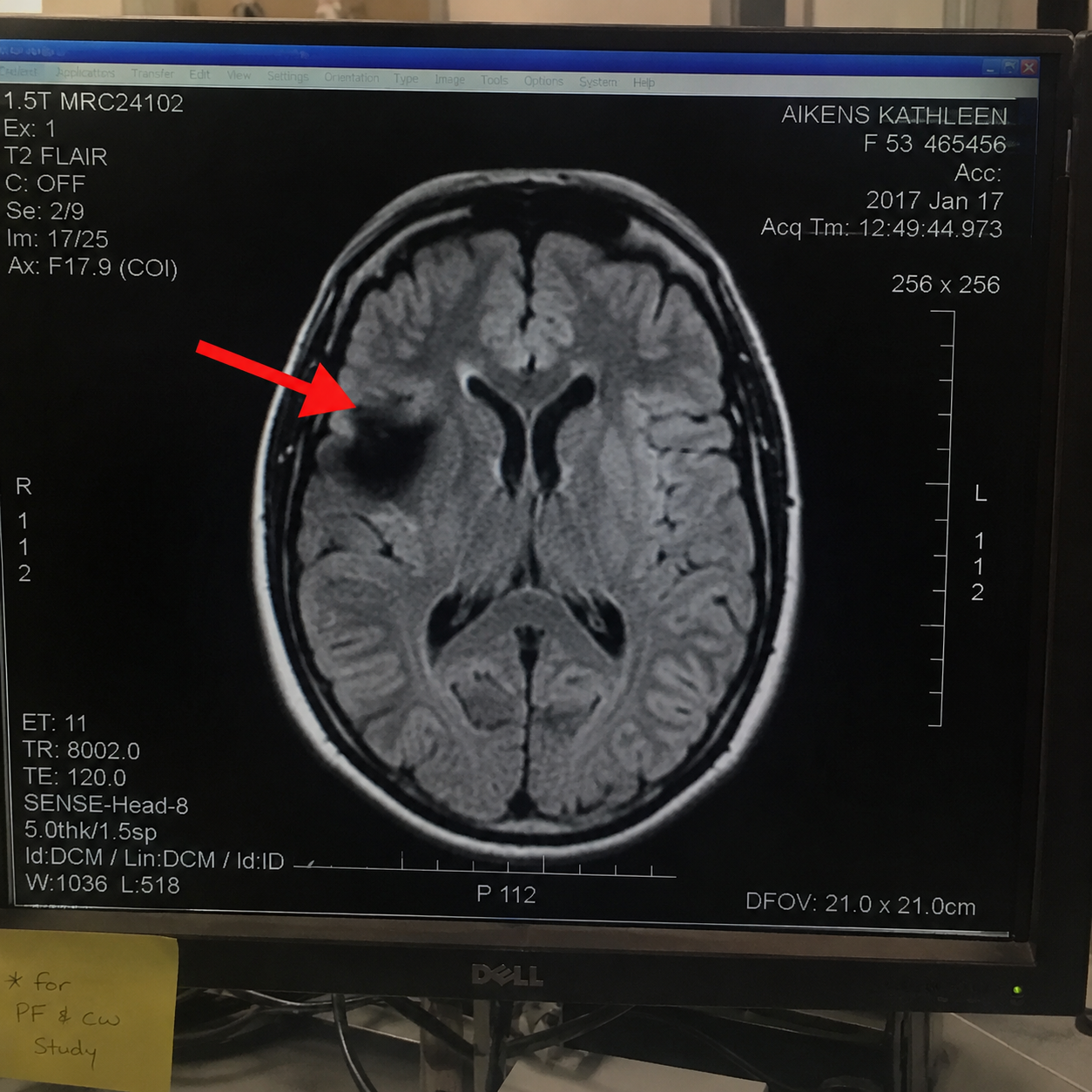
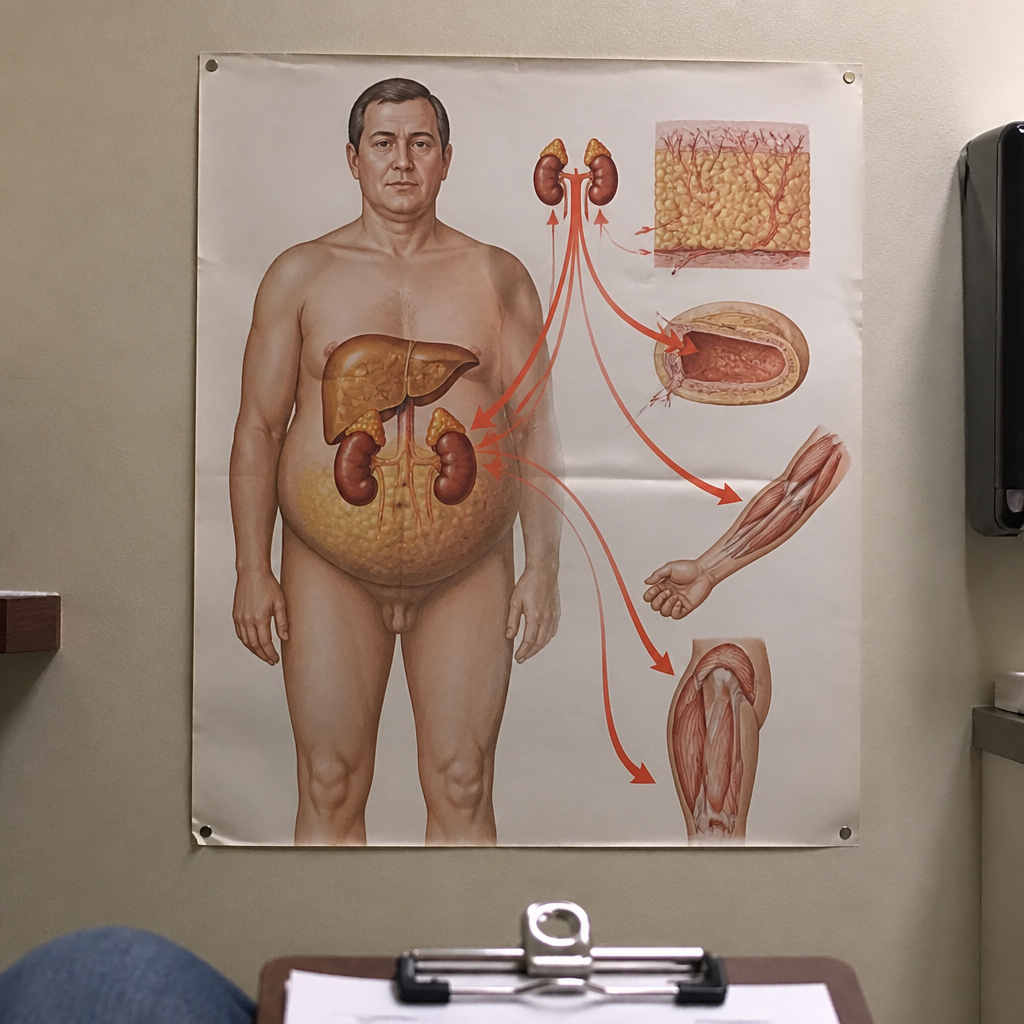
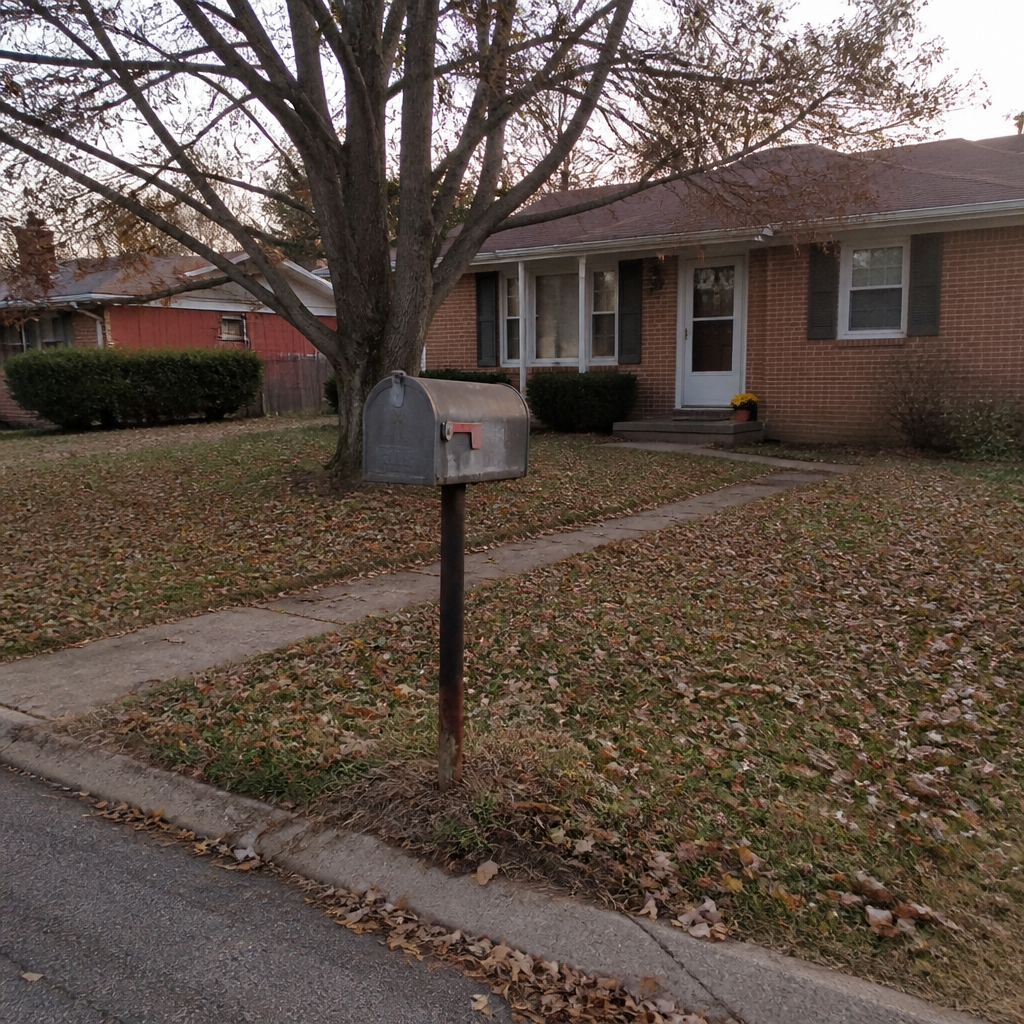
I found a wallet in my mailbox last October. Not mine. Not my wife's. A man's wallet, brown leather, soft as a baseball glove, stuffed between two grocery store flyers and a Penn Power bill. I'd been retired from the post office for 14 months at that point. I'd carried mail in Erie, Pennsylvania for 31 years, and I'd seen every kind of strange thing a person can put in a mailbox. Live frogs. A wedding ring. Once, a sandwich wrapped in foil with a note that said "for the mailman, God bless." But I'd never found a wallet in my own. I opened it standing there in my driveway. Driver's license. Robert E. Lassiter. $47 in cash. A photo of two little boys in matching church suits, maybe 6 and 8, smiling like they'd just been told a joke. And a Post-it note stuck inside the billfold, in handwriting that looked like a kid wrote it, in pencil: "Grandpa, I will bring this back. I promise. I just need to borrow it for the school thing." I had to sit down on the cold porch step to finish reading it. I told myself it was the walk back up the driveway that had winded me. It wasn't the driveway. I'd been running on empty for almost two years. My name is Donald. I'm 62 years old. I live on a quiet street in the Glenwood section of Erie, in a brick split-level my wife Caroline and I bought in 1987. We raised our daughter Megan in that house. Megan is 34 now, married to a man named Travis, and they live in Pittsburgh, and they have one little girl named Hazel who turned 4 in August. Hazel is the entire reason I'm writing any of this down. I worked the same mail route for 22 of my 31 years. They tried to move me twice and I fought them both times, because I knew every porch on that route, every dog, every storm door that stuck in winter. I was good at my job. What nobody tells you about carrying mail in Erie for 31 years isn't what it does to your back or your knees. It's what those 31 years of 4:30 alarms do to a body. Three decades of getting up in the black cold to be at the sort by five. Three decades of a body that never once got to wake up on its own. I told myself that when I retired, all of that would reset. I'd finally sleep. I'd finally rest. It did the opposite. I retired in August 2023, and within a few months I was more exhausted than I'd ever been on the job. And I could not figure out why, because I wasn't doing anything. Here's what it actually looked like. I couldn't sleep, but I was tired all the time. Those sound like they cancel out. They don't. I'd be wiped by 7:30 at night, asleep in the recliner before the local news was over. Then I'd drag myself to bed and lie there wide awake. And at 3 in the morning, almost on the dot, my eyes would open and my mind would switch on like somebody flipped a breaker, and I'd lie there running the day's nothing — the gutters, Megan's car payment, whether I'd remembered to take the trash down — until the sky went gray. The days were the bill for the nights. By two in the afternoon I'd hit a wall I'd never known existed in 31 years of physical work. I started drinking coffee straight through till dinner just to stay upright. Some afternoons I'd sit down in the recliner "for a minute" and go under like a stone. The mornings were stiff. Hands, lower back, the first half hour out of bed, like the whole machine had to warm up before it would carry me. And there was a fog over all of it. I'd walk into the garage and forget the garage. I'd lose the back half of a sentence at the dinner table, and Caroline would wait for the end of it, and I'd have to wave my hand and say never mind. Caroline noticed everything and said nothing. That's the kind of woman she is. She started letting me "rest my eyes" in the afternoon without making a thing of it. She started going to bed alone while I was already out in the chair. She'd take the coffee cup out of my hand after I'd fallen asleep holding it. I went to the VA in the spring. And I want to be clear about this, because it's the most important part of what I'm telling you. The doctor did right by me. He ran the bloodwork. Checked my thyroid, my heart, my iron, my sugar — the things that being this tired and foggy can sometimes actually mean. He ruled the frightening stuff out. Then he looked at my chart for about 90 seconds and shrugged. "It's stress," he said. "And it's age. You just retired, your whole routine's gone. Try to get more exercise, cut back on the caffeine, set a bedtime. See how you feel." That was it. He wasn't wrong, exactly. The scary things were off the table, thank God. But there wasn't anything in that exam room for the actual problem, which was a body that had spent 31 years red-lining before dawn and had simply forgotten how to shut off. I drove home and sat in the driveway for 14 minutes before I went inside. The wallet showed up on October 17th. I sat at my kitchen table that afternoon and tried to track down Robert Lassiter. Wrong number on the library card. No listing with Information. I drove all the way past Presque Isle to the address on his license, and the house was empty, for sale, weeds in the gravel. The next morning I walked the wallet down to the police station on West 38th Street. The desk officer was a kid, maybe 26, and he took the wallet with both hands the way you'd take a casserole dish from your grandmother, and he said, "Sir, this is the second wallet anyone's turned in this week. The other one was empty. There was almost $50 in this one. I just want you to know that's not nothing." I drove home, and Caroline asked how it went, and I started crying at the kitchen sink with the water still running. I cried because in nine weeks it was going to be Christmas Eve. And every Christmas Eve since Hazel was born, after everyone else went to bed, she and I had our own thing. Just the two of us. Hot cocoa, the lights off except the tree, the two of us at the front window "watching for Santa." She'd last till about 8:30, which to a 4-year-old is the middle of the night, and then I'd carry her up. And I knew, standing at that sink, that I wasn't going to make it. Because I hadn't been awake past 7:30 in over a year. The Christmas before, I'd fallen asleep on the couch before Caroline even brought the cocoa out, and Hazel had patted my cheek and said "Grandpa's sleeping again," and Megan had quietly taken her up to bed. I'd been hiding it from Megan. I'd been hiding it from Hazel. I'd been hiding it from myself. That night I sat in my workshop in the garage, where I keep my dad's old tools that I inherited when he passed, and I felt, for the first time since I retired, like an old man. Not 62. Old. The kind my dad turned into at the end, who watches himself fade in slow motion and pretends not to notice. I hadn't built a thing out there in a year. I'd stopped going out at night because by night there was nothing left of me. Caroline came out in her bathrobe around midnight, didn't say a word, sat on the other stool and put her hand on my back, and we stayed like that a while. The thing that changed everything didn't change for another 11 days. His name is Walter Krzyzewski. He was on my route from 1998 to 2012, the green house with white shutters on Wagner Avenue. Foreman at Erie Forge for 41 years. He'd come out to the box in November in a t-shirt and hand me a coffee in a Steelers mug and we'd talk about the Pirates for five minutes. I ran into Walter at Wegmans on October 28th. It was nearly seven in the evening, and the first thing that surprised me was that he was even out — because the Walter I remembered from his sixties had turned into a gray, dragging man who looked like he was asleep on his feet by suppertime. This Walter was moving through the produce section with a basket on his arm, bright-eyed, telling me he was headed to his grandson's hockey game after. He saw me and yelled my name across three aisles. "Donny! I haven't seen you in a thousand years!" We talked for a minute, and he must have seen something in my face, because he stopped and looked at me and said, "Aw, hell, Donny. You look beat. You look how I used to look." I tried to wave it off. The job, the years, you know how it is. He looked at me a long second, then said, "Come over here by the lemons. I want to tell you something." I followed him to the lemons. "You remember how I was," he said. "Sixty-six, sixty-seven years old, asleep in the chair by six, up half the night, dragging through every afternoon. Three doctors told me the same thing. It's stress, it's age, get more sleep, see you in a year. Like it was my fault for not trying hard enough." He set the basket down. "I'm 74. I sleep through the night now. I'm going to a hockey game at nine o'clock. You see me out here at seven at night with a full basket. You remember what I was. Look at me now." I looked at him. "My daughter-in-law sent me something last winter," he said. "She'd been reading research her sister was into. And before you make that face — I made the same face. I told her to stop trying to sell her father-in-law on hippie nonsense. But she said, 'Walter, just read what's actually happening in your body when this won't quit. Then decide.'" So I let him talk. What Walter explained to me, leaning on that lemon display, was something nobody at the VA had ever bothered to explain. And I'll do my best to tell it the way he told me, because it's the part that matters. He said it's about a stress hormone called cortisol. In a body that's running right, cortisol is high in the morning to get you up and going, and it falls off at night so you can wind down and sleep deep and repair. That rise and fall is the rhythm that lets you rest. It's the off-switch. But run a body hard for decades — stress, bad sleep, years of getting up before dawn — and that off-switch can quit working. Cortisol stays up when it's supposed to come down. The body never gets the signal to stand down. So you lie awake at 3 a.m. with your mind racing. You're exhausted but you can't truly rest. And when you finally do go under, you go under like a stone — because a system that's been red-lining that long collapses the second it gets the chance. In a recliner, at 7:30, before the news is over. I thought about my chair. About the cup Caroline kept taking out of my hand. "It's not a sleeping pill," Walter said. "It doesn't knock you out. What it did, from what Marcy's research said and what I can feel in my own self, was help my body bring that rhythm back where it's supposed to be. And I'll tell you straight, Donny — it doesn't fix anything. I'm not saying it fixed me. I'm saying it gave my body what it needed to start handling itself again. And I got my nights back. And then I got my days back." He pulled out his phone right there by the lemons and showed me the bag. It was Harmonia. A scoop in water every morning, he said. Joanne had started taking it too. The bag lasted a month, and he kept a backup in the cabinet next to his blood pressure pills. "And the part Marcy made sure I knew," he said. "You take it the full month, and if you don't feel a difference, they give you your money back. You don't even have to be nice about it." I drove home and sat in the driveway about 15 minutes. Then I got out my phone and looked up what Walter had told me. Not to check if he was lying — Walter doesn't lie. To check if it was real. I read the ingredients, one at a time, including the parts the research hedges on, because I'd want you to have those too. KSM-66 ashwagandha is the one with the most behind it — a specific standardized extract that's been through a number of randomized controlled trials, several showing lower cortisol and lower self-reported stress against a placebo. I'll be straight: studies are studies, not a promise about you or me. But of everything in there, that's the one I felt best about. Phosphatidylserine is the one that caught me for the 3 a.m. problem specifically. There's research it can blunt an oversized cortisol response, some of it aimed right at the evening and overnight window — exactly when mine was misfiring. The cheap stuff doesn't bother including it. Rhodiola rosea has research around fatigue and feeling worn down by stress — the "nothing left by two o'clock" feeling. I'll tell you plain, the evidence on that one is more mixed than the ashwagandha evidence. Then L-theanine, the calm-but-not-drowsy thing in tea, plus myo-inositol and turmeric, each with smaller stories around settling the nervous system, the stress response, and everyday inflammation. None of it is a drug. None of it does anything dramatic in an afternoon. What the research actually supports is slower and quieter — support for a stressed-out system, support for sleep quality, support for the body's own ability to come back down off the throttle. That's the honest size of it. It was enough for me, because it aimed straight at the thing that felt broken, and it came with a money-back guarantee I read all the way through, because that's how I am. I ordered it that night, sitting on the edge of the bed in my reading glasses at 11:47 p.m. Caroline was already asleep. The package showed up five days later in my mailbox. Given my career, that felt like a small private joke between me and the universe. I started the morning it arrived. A scoop in a glass of water with my coffee. Caroline asked what I was doing and I told her the truth — that I'd run into Walter at Wegmans and done my homework. She didn't laugh or roll her eyes. She said, "Good. I've been worried about you, Donald." That was the first time in two years anybody in my house had said the word "worried" out loud. Including me. Now I'm going to tell you what happened over the next seven weeks, and I want to tell you what I felt, not what I want you to think I felt. Every body is different. This is the truth about mine. The first week, nothing. Walter had said it was a slow build, that for him the first "wait, something's different" came around three weeks in. I kept going. The guarantee meant I had nothing to lose by finishing the month. The second week, I woke up one morning and it was 6:20 and I realized I hadn't been up at 3. I lay there almost suspicious of it, waiting for the catch. By the third week it wasn't a fluke. Not perfect sleep — I'm 62, let's not get carried away — but through the night, most nights, and waking up like I'd actually rested instead of just lying down. The fourth week, the wall at two in the afternoon didn't come. I kept waiting for it and it just didn't show. I drank one cup of coffee that whole day and didn't go near the recliner. By the fifth week, the evenings came back. I watched a whole ballgame to the end with Caroline. Stayed awake. Had opinions about the bullpen. She kept glancing over at me like she didn't want to jinx it. By week seven I was back out in my dad's workshop at night. I'd avoided it for a year, not because my hands couldn't do it, but because I'd had nothing left after dark. I tightened the back gate hinge. I oiled the bedroom door that had squeaked for three Christmases. I sanded the kitchen drawer that caught. Small things, at night, awake, because I had something left to give them. I'm not 20 again. My hands are still 62-year-old hands, and some mornings my thumb is stiff and I roll it open like an old hinge. But there's something underneath all of it that feels like somebody turned the temperature down on the whole system. I sleep through. I get through an afternoon on my feet. The fog lifted off the day. And on December 24th, after everyone else went to bed, Hazel and I sat at the front window with two mugs of cocoa and the lights off except the tree, watching for Santa. She made it to 8:30, same as always. I made it the whole way with her. Wide awake. Every minute. When I finally carried her up, she was half asleep on my shoulder, and she said, "Grandpa, you didn't fall asleep this time." I told her she was right. I told her Grandpa was working on it. Caroline watched us from the kitchen doorway with a dish towel in her hand, and she didn't say anything, and she didn't need to. And I sat on the edge of Hazel's bed after she went down, and I thought about Robert E. Lassiter, the man whose wallet I'd found in my mailbox nine weeks earlier, and the Post-it inside in a kid's handwriting. "Grandpa, I will bring this back. I promise." Some grandsons borrow your wallet for a school project and bring it back. And some things you thought you'd lost for good — your nights, your evenings, the part of you that could stay awake for a four-year-old — you find a way to bring back yourself. I'm telling you this because I know somebody reading it has been hiding it the way I hid mine. Pretending you weren't asleep in the chair before the news ended. Pretending you didn't dread the afternoon. Pretending the 3 a.m. ceiling was just how it is now. Pretending it's just age. It might be age. It might be the years. But I'm going to tell you the most important part, and it isn't the powder. Go to your doctor first. I mean it. Get the bloodwork. Let them rule out the real things that bone-tired and foggy can sometimes mean — I did, and the peace of mind alone was worth the trip. This is for what's left over after the frightening stuff is off the table: the stress, the broken sleep, the wrung-out. It is not a substitute for your doctor, and anybody who tells you to skip that step is selling it to you the wrong way. It didn't work in a day for me, and it might not be your thing at all. The research behind the ingredients is real, but it's research, not a guarantee about you. What made it easy to try was the guarantee. Harmonia gives you 30 days, money back, no fight, even if the bag's near empty. Three weeks in I'd have sworn it did nothing. I never sent it back. The sleep came first, and the rest built slow after that. Give it the full month before you decide. You can find it here: 👉 https://www.drinkharmonia.com/cortisol P.S. I gave Walter a bag for Christmas. He laughed and said his cabinet was already full. Then he hugged me, hard, and told me he'd see me at Wegmans at seven o'clock some night, both of us out past our old bedtimes like a couple of teenagers. P.P.S. Caroline doesn't take the coffee cup out of my hand in the afternoon anymore, because there's no cup to take. She mentioned it the other night, careful, like she wasn't sure I'd want it brought up. I told her to bring it up. I want to remember how far down I'd gone, and that I didn't have to stay there. P.P.P.S. If you spent your working life getting up before the sun, and now you're retired and somehow more tired than you ever were on the job, and your doctor ruled out the scary stuff and then shrugged at the rest — do what I did. Get checked first. Then read about the off-switch that stops working, and what your body's actually been doing all those years before dawn. Then decide. And if you decide to try something, try the kind that gives you a full month to send it back, no questions. 👉 https://www.drinkharmonia.com/cortisol
I found a wallet in my mailbox. It changed everything.
Discover Harmonia—the smart cortisol cocktail that lowers stress, balances hormones, improves sleep, and boosts energy. Vegetarian, natural & USA-made.
LEARN MORELike this ad? Make it yours.
Crush rebuilds this exact creative around your product — your brand, your colors, your offer — in about a minute.