
Inactive· since Mar 11, 2026
- 30
- days it ran
- 0
- relaunches
Ad copy
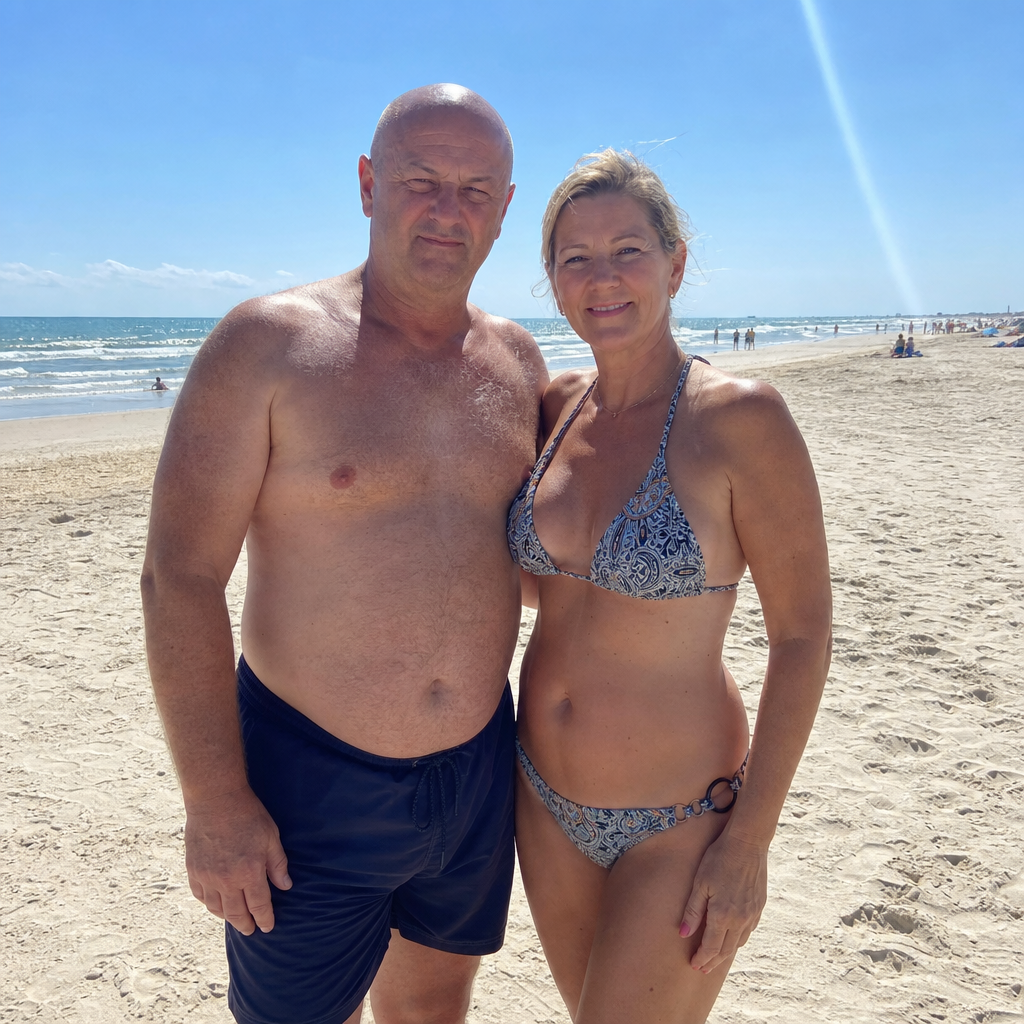
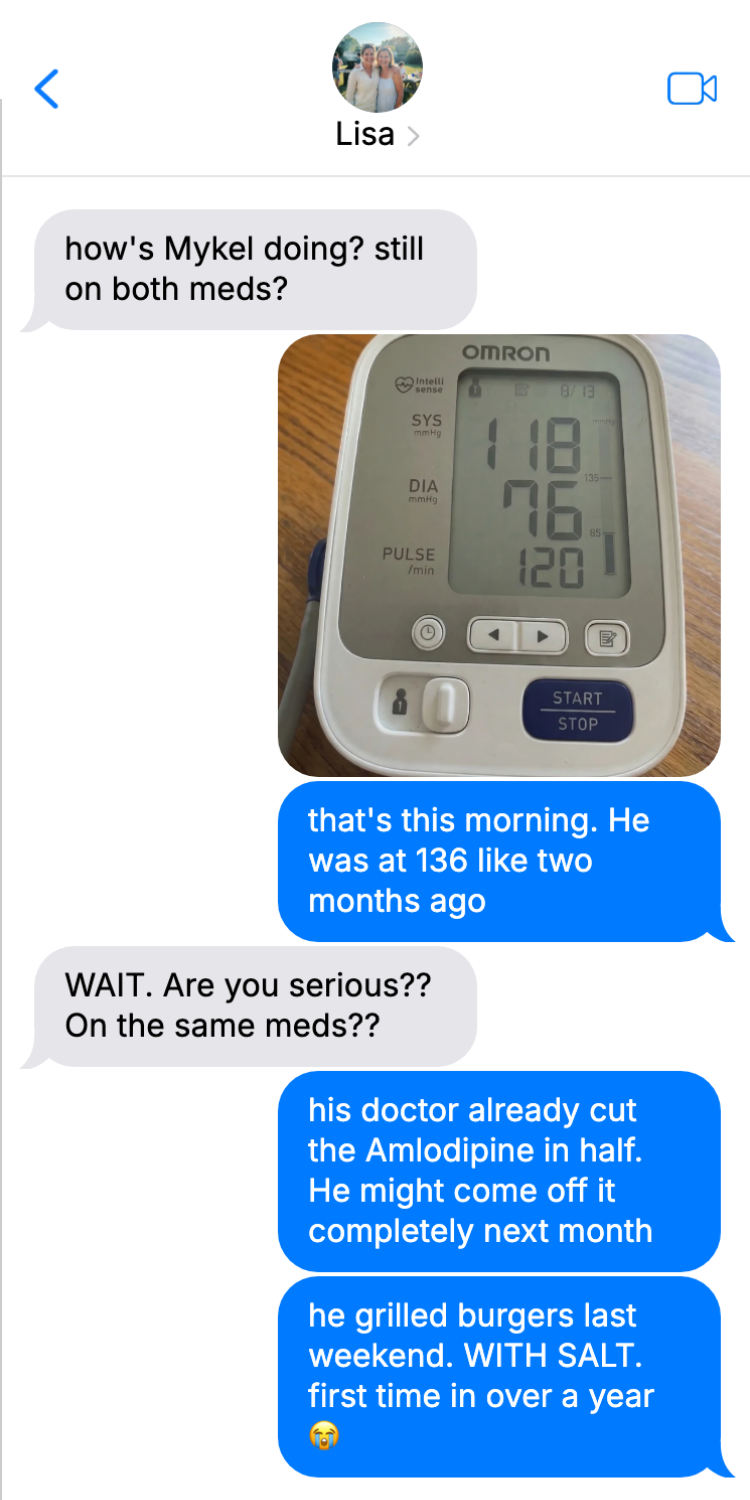
If you've cut salt, started exercising, lost weight, tried meditation, taken one blood pressure pill that turned into two, dealt with the harsh side effects — and your numbers STILL won't stay below 130... I'm about to show you why adding more medications will never actually fix this — and what's really keeping your blood pressure elevated no matter what you do. And by the end of this, you're gonna be pissed. Because there are three things happening right now that nobody's telling you: One — Every medication you take pushes the number down temporarily. Which tricks you into thinking the problem is being handled. Two — The entire blood pressure treatment system is designed to manage your numbers, not fix the reason they're high. So you stay on pills forever while the actual problem keeps progressing. And three — blood pressure medications are a $30+ billion a year industry built on lifetime prescriptions. They don't make money when you get better. They make money when you keep refilling. So let me tell you what happened with my husband Mykel. Because our story is gonna show you exactly how the blood pressure management trap works — and how to get out of it. Mykel's health didn't fall apart overnight. It got chipped away slowly. One doctor's visit at a time. One new pill at a time. One more thing he had to give up at a time. Until the man I married barely recognized himself. It started at his annual physical. He was 54. Blood pressure came back 148/94. "We need to get that down," his doctor said. "Cut your sodium. Try to get under 1,500 milligrams a day. And I'm going to start you on Lisinopril." Month 1: He cut salt. Started reading every label. Stopped eating out. Took the Lisinopril every morning. BP dropped to 138/88. Better. But still elevated. Month 2: The dry cough started. Not all the time — just enough to wake him up at 3 AM. Just enough to make meetings at work uncomfortable. His doctor said it was a common side effect of ACE inhibitors. "Give it time. It usually goes away." It didn't go away. "Are you exercising?" his doctor asked. "Walking doesn't count. You need sustained cardio. 30 minutes, five days a week." Month 3: Mykel started going to the gym before work. 5:30 AM. Five days a week. Elliptical, treadmill, sometimes the bike. Came home drenched and exhausted. BP dropped to 134/86. Still elevated. Still coughing. His doctor added Amlodipine. "We'll combine it with the Lisinopril. Should bring you down the rest of the way." Month 5: BP dropped to 128/82. Finally. A number that looked decent on paper. But Mykel started getting dizzy when he stood up too fast. His ankles swelled. He'd come home from the gym and just sit on the couch, staring at nothing. Too wiped out to eat dinner with us. "Have you thought about losing weight?" his doctor asked at the next visit. Mykel was maybe 20 pounds over. Not obese. Not even close. But the doctor wanted 15 pounds gone. Month 7: He lost the weight. 17 pounds in three months. Gym five days a week. No salt. No red meat. No beer. Two medications. And his blood pressure? 132/84. It went UP two points from where it was before he lost the weight. "Stress could be a factor," his doctor said. "Have you tried meditation? Deep breathing exercises?" Mykel downloaded three apps. Did guided meditation every morning after the gym. Added deep breathing before bed. His doctor increased the Amlodipine dosage. Month 9: The fatigue got worse. Mykel used to stay up with me watching movies. Now he was asleep by 8:30. He used to grill on weekends — burgers, steaks, whatever he wanted. Now he'd stand in the kitchen seasoning chicken breast with lemon and pepper and nothing else. Because salt was the enemy. He used to be the guy who organized the neighborhood cookouts. Now he'd sit there with his dry chicken while everyone else ate normally. Month 10: His doctor looked at his chart. Looked at Mykel. And said the thing that changed everything. "Look, you're doing great. Your numbers are manageable. But I want to be honest with you — this is something you're going to be managing for the rest of your life. The goal isn't to cure it. The goal is to control it." Month 11. Two blood pressure medications every morning. Lisinopril. Amlodipine. No salt. No red meat. No alcohol. Gym five days a week at 5:30 AM. Meditation every morning. Deep breathing every night. 17 pounds lighter than when he started. That was his entire life. Every meal planned around sodium. Every morning started with pills and a treadmill. Every evening ended with fatigue he couldn't explain to anyone. Because "you should be happy, you're healthy now." And you know what? His blood pressure was STILL 130/84. Not dangerously high. But not normal. Not where it should be for a man who was doing everything — EVERYTHING — his doctor told him to do. He'd sacrificed salt. Sacrificed sleep. Sacrificed energy. Sacrificed every meal he actually enjoyed. He was taking two medications with side effects that made him feel like a different person. And his blood pressure was barely controlled. Not fixed. And he was STILL. FUCKING. HYPERTENSIVE. I found him sitting on the edge of our bed one Saturday morning. He'd just checked his blood pressure. Something he did every morning now. Like some kind of ritual that only ever delivered bad news. The monitor read 136/88. Higher than the day before. Higher than the week before. "What am I doing wrong?" he said. Not angry. Just... empty. "I go to the gym every day. I don't eat anything I actually want to eat. I take two pills that make me feel like shit. And the number just keeps creeping back up." He looked at me. "What's left? What else am I supposed to do?" He wasn't being dramatic. He was asking a real question. Because the logic of blood pressure management had led him to an impossible place. He'd done everything. And the problem was still there. Getting worse, actually. That's when something snapped in me. I wasn't going to sit there and watch this man — who had followed every prescription perfectly, made every lifestyle change, taken every pill, given up every food he loved — exhaust himself while his numbers barely budged. His doctors had 11 months. They got their chance. Now it was my turn. I started that night. After Mykel went to bed at 8:30 — because that's when he went to bed now — I sat at the kitchen table with my laptop. I didn't even know what I was looking for. I just started typing. "Why does blood pressure stay high even with medication." "Blood pressure won't go down despite lifestyle changes." "What actually controls blood pressure." I went through page after page. Most of it was the same recycled advice. Cut salt. Exercise more. Take your meds. Everything Mykel was already doing. Then I found a thread on a health forum. Hundreds of comments. People in the exact same situation. Medicated, compliant, exhausted — and still hypertensive. And buried in the replies, someone linked to a lecture. A retired vascular researcher. Not a practicing doctor anymore. Not someone who made money prescribing anything. Just a guy who'd spent 30 years studying blood vessel function and was frustrated that nobody was listening. I clicked the link. And what he explained changed everything. "Your blood pressure isn't high because of salt or stress," he said. "It's high because your blood vessels have lost the ability to relax." He explained it simply. There's a molecule your body produces called nitric oxide. Its entire job is to tell your blood vessels to open up. To relax. To widen. To let blood flow through without resistance. When you're young, your body makes plenty of it. Blood vessels stay flexible. Blood flows easily. Pressure stays low. But after 30, production starts dropping. By 40, you've lost roughly half. By 60, you've lost around 85%. Your blood vessels gradually lose the signal to relax. They stay tighter. Stiffer. More constricted. Blood has to push harder to get through. That's not a salt problem. That's not a stress problem. That's a supply problem. The molecule that keeps your blood vessels open is disappearing. And here's the part that made me want to scream: Blood pressure medication doesn't restore nitric oxide. Not a single one. ACE inhibitors block an enzyme that constricts blood vessels. Calcium channel blockers force the muscles around blood vessels to relax through a completely different pathway. They push the number down. None of them fix WHY the number is high. And while the pills are pushing the number down, the actual problem — nitric oxide deficiency — keeps getting worse every year. That's why dosages keep increasing. That's why doctors keep adding pills. That's why Mykel was doing everything right and his numbers kept creeping back up. The medications aren't fixing the problem. They're covering it up. And the problem is getting worse underneath them every single day. I sat at that kitchen table until 2 AM. And honestly? I was angry. Not at Mykel's doctor specifically. I think he was doing what he was trained to do. But the system he operates in? It doesn't care about fixing the problem. It cares about managing the number. Managed means medicated. Medicated means monthly refills. Monthly refills mean money. Nobody's going to tell you about a molecule your body already makes. There's nothing to patent. Nothing to prescribe. Nothing to bill for. So they don't. They just keep adjusting the dosage. But here's where it got interesting. That same researcher explained that your body can produce nitric oxide through two pathways. The first one — the one that declines with age — that's the one that's failing. But there's a second pathway. A backup route. Your body can convert dietary nitrates into nitric oxide directly. And the richest natural source of dietary nitrates on earth is beetroot. The nitrates enter your body. Get converted into nitric oxide. And that nitric oxide does the exact same thing your body's own supply used to do. It signals blood vessels to relax and open. Not by forcing anything. Not by blocking enzymes. Not by overriding your body's chemistry. Just by restoring the molecule that controls the whole system. I remember sitting there thinking — that's it? That's the piece nobody told us about? The next morning, I drove to the health food store and bought a beetroot supplement. Some brand I'd never heard of. Capsules. Organic label on the front. Seemed legit. Mykel was skeptical. But he'd tried everything else. "What do I have to lose?" he said. He took it every day for three weeks. Nothing happened. No change in his numbers. No change in how he felt. Nothing. I was crushed. I went back online. Started digging into why. And that's when I found the problem. Most beetroot supplements are heat-processed. Powders, capsules, extracts — they're dried or cooked at high temperatures to make them shelf-stable and cheap to produce. And heat destroys nitrates. The exact compounds that make beetroot useful for blood pressure get destroyed before the powder ever hits the bottle. That first brand I bought? Probably expensive fiber. Nothing more. I tried a second brand. Different company. Higher price. Still heat-processed — I just didn't know enough to check at the time. Two more weeks. Still nothing. Mykel looked at me one night and said, "I appreciate you trying. But maybe this just doesn't work." I almost gave up. But something the researcher said kept nagging at me. He'd been very specific. Cold-processed. That was the key word he used. No heat. No destruction of the active compounds. The full concentration of dietary nitrates, intact and bioavailable. He said most commercial beetroot products wouldn't move the needle. Not because beetroot doesn't work — but because the processing destroys what makes it work. So I went looking specifically for cold-processed beetroot. And I found Rosabella. 1,300 milligrams per serving. Cold-processed to preserve nitrate content. No heat. No fillers. The exact thing the researcher described. I ordered it that night. I'll be honest — I didn't believe it at first. After two brands that did nothing, the idea that a third bottle would be different felt almost delusional. But we'd tried everything else. Two medications. Gym five days a week. A diet that sucked the joy out of every meal. Two beetroot supplements that turned out to be expensive dust. What did we have to lose? --- Week one. Mykel didn't say anything about his blood pressure. But I noticed something. He stayed up until 9:15 on a Tuesday night. Doesn't sound like much. But for a man who'd been asleep by 8:30 for the past six months, that was significant. I didn't say anything. I just watched. Week two. He checked his blood pressure on a Tuesday morning. Same monitor. Same time. Same routine. 126/80. He checked it again. Same reading. Lowest number he'd seen in over a year. On the same medications. Same diet. Nothing different except the beetroot. He showed me the monitor. Didn't say a word. Just pointed at it. Week four. Doctor's visit. Nurse takes his BP. 122/78. His doctor looked at the chart. Looked at Mykel. "Whatever you're doing, keep doing it." Mykel hadn't told him about the beetroot yet. Week eight. His doctor reduced the Amlodipine. Cut the dosage in half. "Your numbers have been consistently low enough that I'm comfortable pulling back." Within a week, the dizziness was gone. The ankle swelling went down. Mykel stayed up past 9 PM for the first time in months. His blood pressure held at 120/78. Week twelve. Doctor's visit. Full workup. Blood pressure: 118/76. On ONE medication at a reduced dosage. Down from two medications at full strength. His doctor sat there for a minute. Looked at the numbers from a year ago. Looked at the numbers now. "I want to talk about taking you off the Amlodipine entirely." --- I'm looking at Mykel right now. Last weekend he fired up the grill for the first time in two years. Burgers. Real burgers, with cheese. Salted the meat. Had a beer. Sat outside with the neighbors until 10 PM. Laughing. Telling stories. Being the Mykel I married. Salt on his food. Red meat. A beer. Up past 8:30. Energy to actually live his life. His blood pressure this morning: 116/74. On one medication at a reduced dose. His doctor is talking about coming off it entirely by next quarter. After 11 months of two medications, five-day gym routines, no salt, no joy, and numbers that barely budged — He's healthier than he's been in years. Not because he sacrificed harder. Because he finally addressed the actual problem. The management trap was a trap. Restoring what was missing was the escape. That supplement I found is called Rosabella. Cold-processed beetroot concentrate. 1,300 milligrams per serving. Full nitrate content preserved — no heat processing, no destruction of the active compounds. I know because I tried two other brands first that didn't do a damn thing. The difference is the processing. Heat destroys nitrates. Cold-processing preserves them. That's it. That's the whole difference between a beetroot supplement that works and one that's just expensive fiber. Mykel was spending over $180 a month on two blood pressure medications. And that's with insurance. Add the gym membership. The specialty low-sodium foods that cost twice as much. The co-pays every three months to monitor medications that weren't fixing anything. Rosabella costs a fraction of one month of the medication that wasn't solving the problem. Now here's what I need you to understand. If your blood pressure won't come down no matter what you do — if you've cut salt, exercised, lost weight, taken the pills, dealt with the side effects — and the numbers STILL won't normalize... The problem isn't what you're eating. The problem isn't your lifestyle. The problem is that your body has lost the molecule that tells your blood vessels to relax. And nothing in your current treatment plan restores it. You can cut every grain of salt from your diet. You can run five miles a day. You can take three medications at maximum dosage. Your blood vessels will stay constricted because the signal to relax isn't there. Until you restore the nitric oxide that controls the entire system. Every month you spend managing symptoms instead of addressing nitric oxide deficiency is another month of: Your blood vessels getting stiffer. Your nitric oxide levels dropping further. Your medication dosages creeping up. Side effects accumulating. Energy disappearing. The actual problem getting worse behind the pills. I put the link below. Try it for 90 days. One full cycle. 1,300 milligrams of cold-processed beetroot concentrate per serving. Full nitrate content preserved. Keep taking your medications — don't change anything without your doctor. But add this. Give your blood vessels the nitric oxide they've been missing. And see what happens to your numbers. Check your blood pressure at 30 days. At 60 days. At 90 days. Watch the trend. Then have a conversation with your doctor about what's working. Because the blood pressure medication industry isn't coming to fix you. They profit from your monthly refills. From your escalating dosages. From your lifetime prescriptions. You have to fix this yourself. Go get it. And use the energy you get back to actually live your life instead of managing a number on a monitor. 👉 https://get.tryrosabella.com/beetroot/subtxt/blood-pressure P.S. — Your blood pressure isn't high because you eat too much salt. It's high because your body has lost the nitric oxide that keeps your blood vessels open. The pills don't restore it — they just force the number down while the deficiency gets worse every year. Cold-processed beetroot concentrate provides the dietary nitrates your body converts directly into nitric oxide. Restore the molecule. Restore the signal. Let your blood vessels do what they were designed to do. That's not radical. That's how circulation is supposed to work.
Support stamina and heart health every day
“I bought this for my husband after his doctor started talking about blood pressure medication. He was nervous about side effects — his father had a terrible time on those pills — so I wanted to find something natural to try first. Within a couple of weeks he started saying he felt more energy...
LEARN MORELike this ad? Make it yours.
Crush rebuilds this exact creative around your product — your brand, your colors, your offer — in about a minute.