
Inactive· since Apr 26, 2026
- 38
- days it ran
- 0
- relaunches
Ad copy
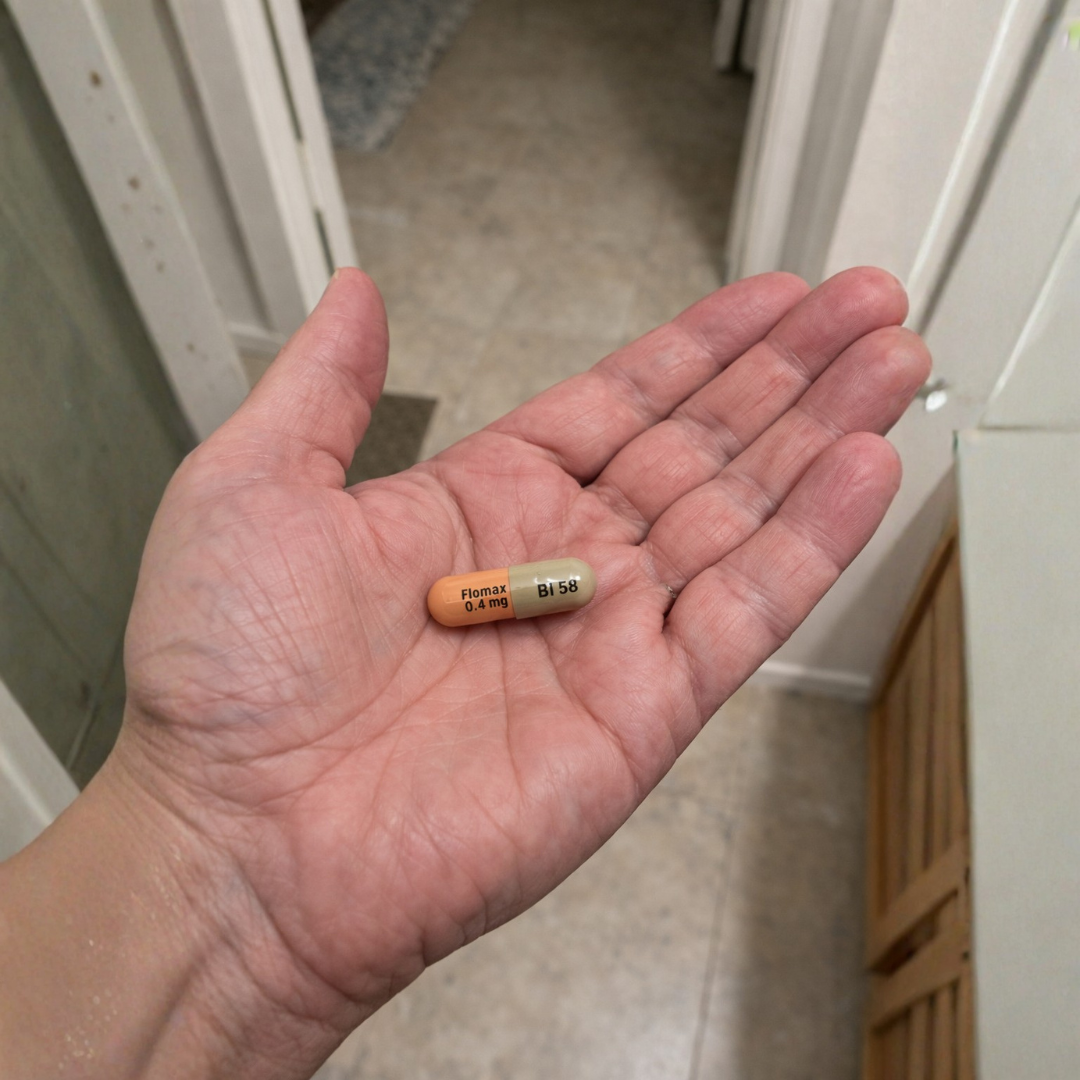
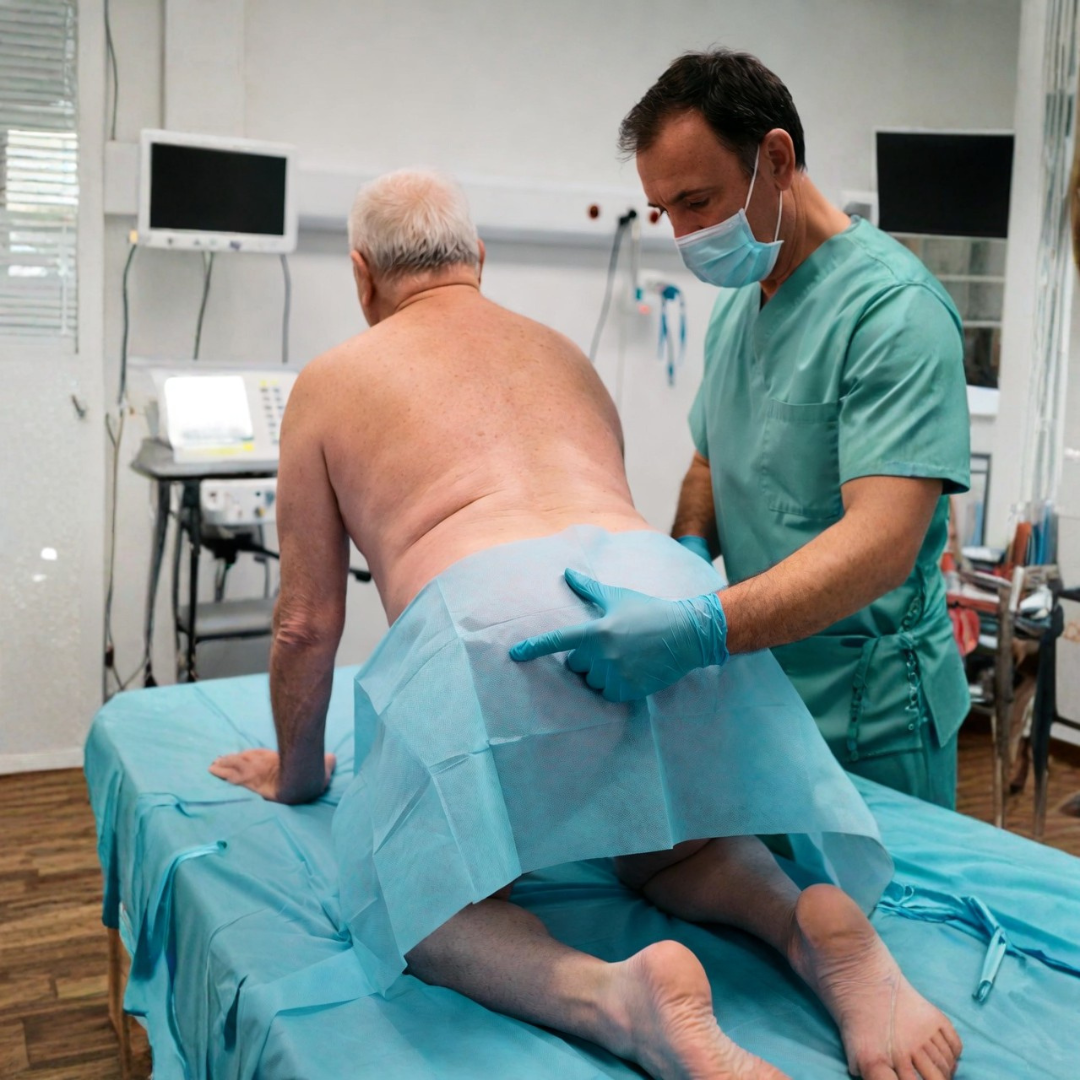
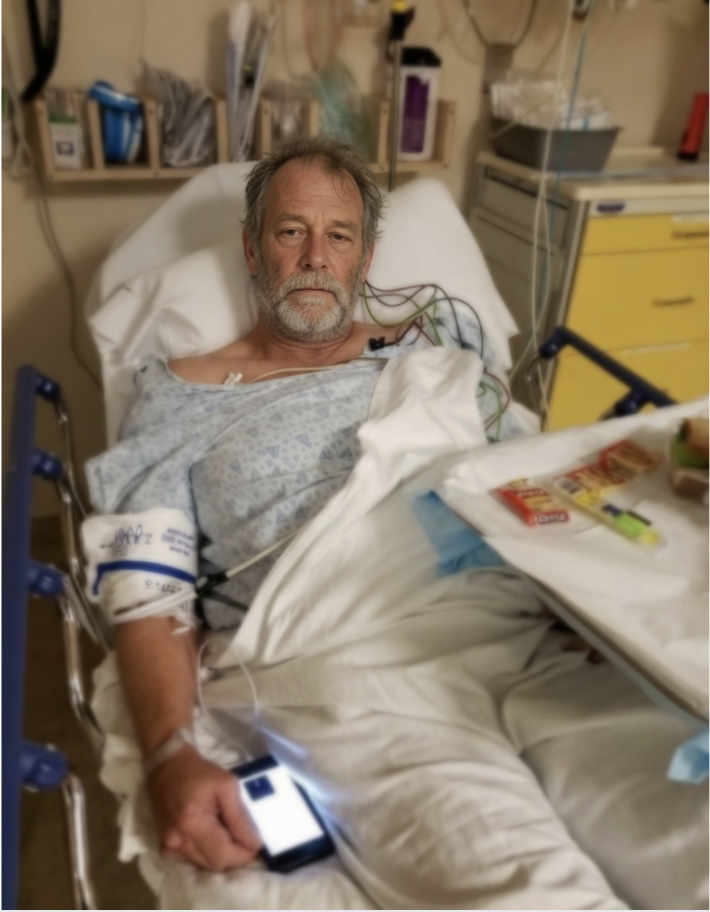
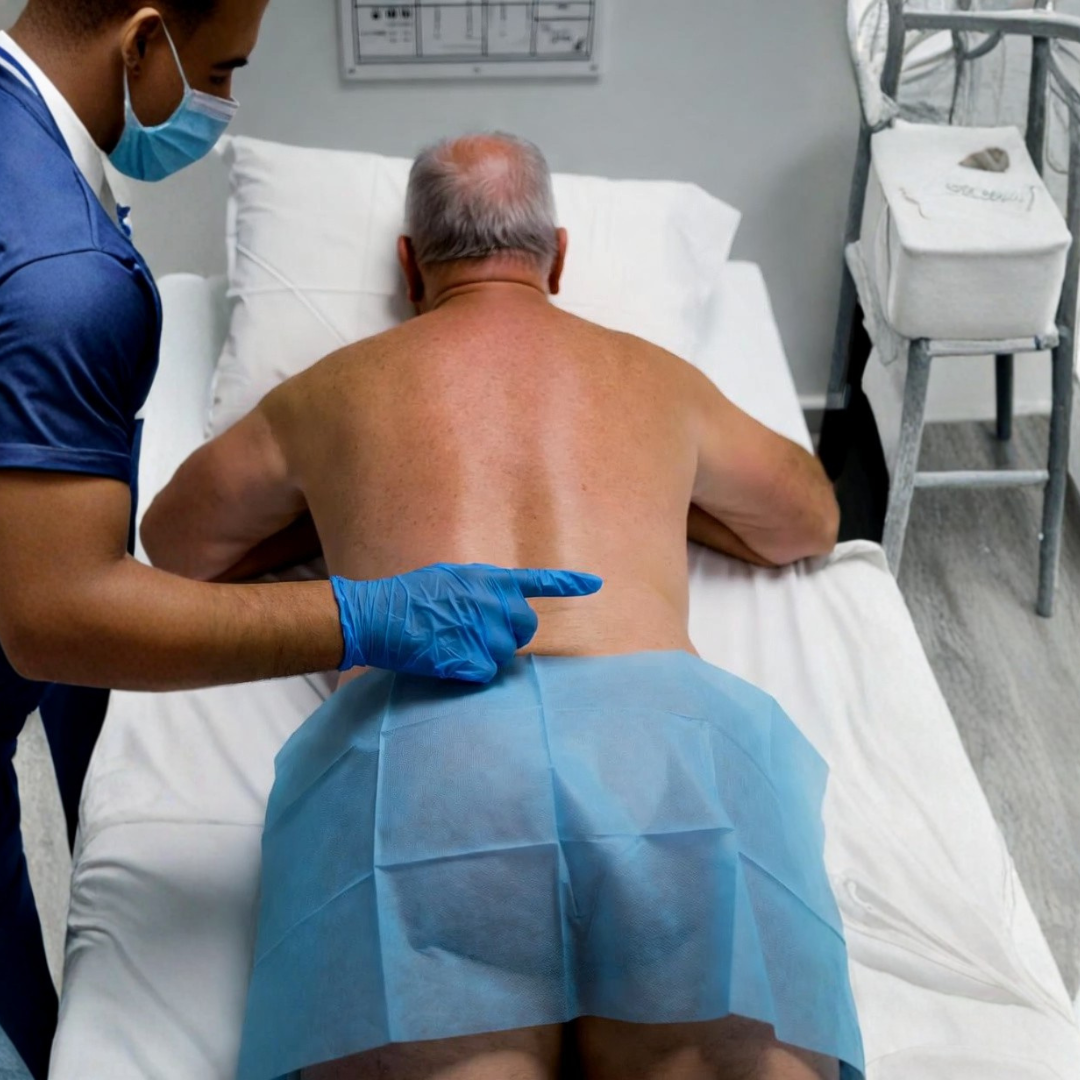
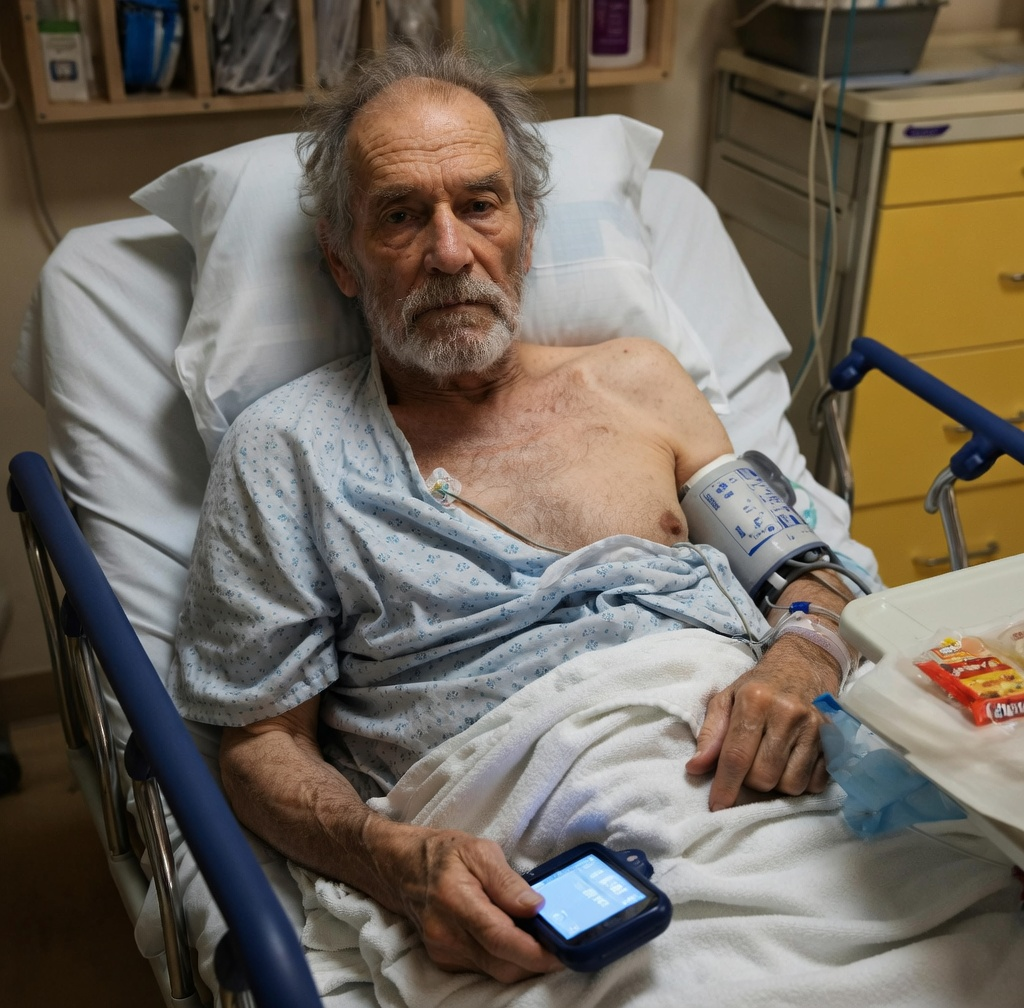
My father had his prostate removed this week. I sat next to his hospital bed yesterday afternoon. Catheter bag hanging off the side. Blood in the tube. He was groggy from the anaesthetic, asking the same question every twenty minutes because the morphine kept resetting him. "How long was I in there?" "Three and a half hours, Dad." "Did they get it all?" "Yes. They got it all." He'd nod. Drift off. Wake up. Ask again. Three and a half hours of surgery. A TURP. The procedure he'd been told would finally fix the symptoms he'd had for fourteen years. Fourteen years. Fourteen years on tamsulosin and finasteride and three other medications they kept adding. Fourteen years of dizziness and fatigue and the bedroom problems my mother told me about over coffee one Sunday afternoon when I was 47, a conversation I didn't want to have but she needed to have. Fourteen years of side effects that turned the man who used to coach my Sunday League team into someone who falls asleep in his armchair before the news has finished. And finally, this week, the surgery they said would fix it. Except it won't. I know it won't. Because I spent the last six weeks finding out the truth about why men like my father end up on operating tables. And I know what's coming for him in the next six months. The catheter. The pads. The blood in his urine. The recovery that takes longer than they tell you. And then, in three to six months when he's healed, the realisation that he's still up three times a night. Because the surgery doesn't fix what's actually wrong. I learned that six weeks ago. The day my GP told me my symptoms were "consistent with BPH" and reached for her prescription pad. The day I realised I was looking at the same path my father had walked for fourteen years. The path that ended with him in a hospital bed asking me the same question every twenty minutes because his morphine kept resetting him. I refused to follow him. And by the end of this, you're going to be furious. Because there are three things happening right now. One. Your night-time bathroom trips are creeping toward the same numbers your father had before they put him on medication. Or you've been on medication for years already and the symptoms are getting worse. Two. The medical system has exactly one solution. Pills for the rest of your life. Then surgery when the pills stop working. Then more pills after the surgery when the symptoms continue. Three. There's research from Sweden that addresses what's actually wrong, and nobody in the NHS will ever mention it to you. They didn't mention it to my father. They were never going to mention it to me. They're not going to mention it to you either. Let me tell you what fourteen years on prostate medication did to my father. He started at 56. The same age I am now. His GP said his urinary symptoms were "getting concerning." Up four times a night. Constant urgency. Wrote him a prescription for tamsulosin. Said it was "safe and effective." Said he'd probably be on it for life but that was "normal for someone his age." Within six weeks, the dizziness started. Real dizziness. Room-spinning, grab-the-banister dizziness every time he stood up too fast. He'd reach for a wall. Reach for the kitchen counter. Reach for anything. His GP said it was "a common side effect" and "most patients adjust." He didn't adjust. The dizziness continued for eighteen months before they added another medication to manage it. Then the fatigue. My father used to take me fishing every Saturday morning. Up at 5am, drive an hour to the river, fish until lunch. He'd come home and mow the lawn before tea. He had energy I couldn't keep up with even when I was twelve years old. On the medication? He'd come home from work and be asleep in his chair by 7pm. Couldn't make it through the news. Stopped going fishing because he couldn't face the early start. Stopped doing the garden because he was too tired by the weekend. My mother said it was like watching the man she married slowly disappear. And then the bedroom problems. Within four months of starting tamsulosin, that part of their marriage ended. He didn't tell my mother why. She thought he'd lost interest in her. She spent eleven years thinking she'd done something wrong. She found out the truth from a leaflet at her own GP's surgery, of all places. Came home and asked him directly. He started crying at the kitchen table. Told her he'd been too embarrassed to say anything for over a decade. Told her he hadn't realised it was the medication for the first three years and by then he was too ashamed to bring it up. Eleven years of silence. Because of a side effect on a medication that wasn't even fixing his symptoms. Then came the falls. Once in the kitchen. Once on the stairs. The second one nearly killed him. My mother heard the crash at 6am. Found him at the bottom of the stairs, conscious but disorientated, with a head wound that needed eight stitches. The GP added another medication to manage the dizziness from the first medication. Three medications. Fourteen years. Still up four times a night. Still falling. Still that part of their marriage gone. By year twelve the medications weren't holding anymore. His urologist said he needed surgery. A TURP. They scheduled it for last week. I sat in that hospital bed yesterday and looked at my 70-year-old father with a catheter bag taped to the side rail and I made myself a promise. I will not follow him. I will not spend the next fourteen years dizzy, exhausted, and having my marriage quietly destroyed by side effects nobody warned me about. I will not end up in that bed at 70 having a piece of my body cut out, only to find out three months later that my symptoms are still there. I will find another way. Six weeks ago, sitting in my own GP's surgery, I had no idea how to find that other way. She'd looked at my symptom diary. Up four times a night. Urgency during the day. Some dribbling. Eighteen months and getting worse. "This is consistent with benign prostatic hyperplasia. Standard for your age. We should talk about starting medication." I felt my chest tighten. "What medication?" "Tamsulosin. It's well-tolerated by most patients." Tamsulosin. The same drug that destroyed my father's marriage and made him fall down the stairs. "Are there other options? Before medication?" She nodded. "Lifestyle changes. Reduce caffeine. Cut fluids after 6pm. Pelvic floor exercises. We can try that for three months and see if your symptoms improve." I did everything she said. Cut caffeine completely. Stopped fluids after 5pm. Did the pelvic floor exercises every morning, fifteen minutes of squeezing muscles I didn't know I had. Lost six pounds. Three months later. Still up four times a night. Maybe three on a good night. She pulled out her prescription pad. "I think it's time we start the tamsulosin." I looked at that pad. And I thought about my father. The dizziness. The fatigue. My mother thinking for eleven years that she'd done something wrong. The fall on the stairs. The fall in the kitchen. The fourteen years of medications that hadn't worked. And the surgery that was already scheduled, the surgery she didn't know about yet, the surgery I was about to have to tell my father he probably needed. "I want more time," I said. She wasn't happy. Gave me a speech about "the risks of untreated BPH" and how "lifestyle changes only get you so far." But she agreed. Three more months. Then last week, my father's surgery. I drove him to the hospital at 6am. Sat with my mother in the waiting room for three and a half hours. Walked into the recovery ward and saw him with the catheter and the morphine drip. And I went home that night and started researching like a man whose life depended on it. Because in a real sense, mine did. I searched "why prostate symptoms don't respond to medication." And "what actually causes urinary symptoms at the muscle level." And "why TURP surgery doesn't fix night-time trips." That last search was the one that broke everything open . I found a meta-analysis. Multiple studies. Showing that thirty to forty percent of men who have a TURP continue to experience significant urgency and frequency afterwards. Thirty to forty percent. My father didn't know that. I didn't know it either, until I read it. Nobody had told him there was a one-in-three chance the surgery he was about to have would do nothing for the symptoms that brought him in. I kept reading. Why so many men continued to have symptoms after their prostate was reduced. The medical literature was clear about it. The pattern was consistent. It was about the bladder. Not the prostate. Then I found the research from Karolinska Institute in Stockholm. A urologist named Dr. Lars Nilsson. Published in peer-reviewed journals. He'd been studying why some men's urinary symptoms respond to medication and others don't. Why even after a TURP, a third of men still have urgency and frequency. The answer. Bladder wall dysfunction. Your bladder is a muscular organ. Its inner wall is made of smooth muscle that contracts to expel urine and relaxes to hold it. When the wall is healthy, it holds normal volumes. Signals correctly. Empties efficiently. But as men age, the bladder wall weakens. The smooth muscle deteriorates. The signalling becomes erratic. The wall sends urgency signals when it's only half full. It contracts when it shouldn't. It fails to empty completely. And here's what made me furious. Prostate medication doesn't fix bladder wall dysfunction. Prostate surgery doesn't fix bladder wall dysfunction. Tamsulosin relaxes the muscle around the prostate. It slightly improves the stream. That's all it does. A TURP removes obstructing prostate tissue. It opens the channel. That's all it does. Neither of them touches the bladder. Neither of them addresses the actual cause of why men get up four times a night. That's why my father was on medication for fourteen years. That's why they kept adding more medications. That's why they eventually operated on him. That's why he's going to wake up in three months from his recovery and find out his symptoms are still there. They were treating the wrong organ. Dr. Nilsson's research focused on something that actually addresses the cause. A combination of botanical compounds that work directly on the bladder smooth muscle. Crataeva Nurvala. Lindera Aggregata. Pumpkin Seed. Magnesium. Vitamin D3. Five compounds, used together at proper doses, targeting the bladder wall instead of the prostate. Multiple clinical trials. Including post-TURP men. The exact group of men where surgery had failed to resolve symptoms. Results. Significant reduction in night-time frequency. Restored bladder wall tone. Improved urgency control. Within twelve weeks. And, this is what stopped me cold, no significant side effects. No dizziness. No swollen ankles. No fatigue. No bedroom problems. I'd never heard of this. In fourteen years of my father's medications, no doctor ever mentioned it. In my own three months of "lifestyle changes," my GP never mentioned it. The NHS guidelines don't mention it. Why? Because you can't patent a botanical formulation. No pharmaceutical company makes money from it. No drug rep brings samples to GP surgeries. No medical conference features presentations on something that doesn't generate revenue. There IS money in tamsulosin. In finasteride. In dutasteride. In every prostate medication. There IS money in TURP surgeries. The procedure my father had this week cost the NHS thousands of pounds. Privately it would have been £6,400. Every prescription is revenue. Every six-month review is billable. Every additional medication when the first one isn't enough is more profit. Every surgery is a major procedure paid for by the NHS or by private insurance. My father was a customer for fourteen years and a surgical patient at the end. The system doesn't want to fix you. It wants to manage you for years, then operate on you, then manage you some more. I started looking for the right botanical supplement that night. And I found out most of them are useless. Most "bladder support" supplements are proprietary blends. Twelve ingredients in a capsule. 80mg of something useful buried under cranberry extract and rice flour. Marketing exercises with a sprinkle of active ingredient. Real bladder formulations need proper doses of the right compounds. The exact compounds Dr. Nilsson used in his research. Not buried. Not padded. At therapeutic doses. I tried a popular bladder supplement first. Biggest brand on Amazon. Two weeks. Still up four times a night. Nothing. I checked the label. Crataeva Nurvala buried in a proprietary blend with cranberry and corn silk and seven other ingredients. The Crataeva dose, when I could calculate it, was about 80mg per serving. A dusting. Then I found a forum thread where a man explained why most bladder supplements don't work. The proprietary blends. The under-dosing. The fillers that pad out the capsule to make it look impressive. And he mentioned Arctic Bladder Control. Five ingredients. No proprietary blends. No fillers. Crataeva Nurvala at the proper dose Dr. Nilsson used. Lindera Aggregata at the proper dose. Pumpkin seed, magnesium, and vitamin D3 at the doses the research supports. Scandinavian formulated. The same region where the research is being published. I ordered it that night. Buy two get one free. £44.95 for three months. Day my father was discharged from hospital, my Arctic Bladder Control arrived in the post. I drove to my parents' house with three boxes of capsules in the passenger seat. Helped my mother get him settled in his chair. Catheter bag taped to the side. Pads in the bedroom in case of leakage in the night. I sat with him for an hour. He drifted in and out. The morphine was wearing off and the pain was starting to register. I drove home and started taking the capsules that night. Week one. Still up four times a night. The research said results build over weeks. I kept going. Week two. The urgency softened on night ten. I got up three times instead of four. Then twice on night twelve. Week three. Two trips most nights. One night I was up only once. The dribbling had reduced. Week four. I slept through the night for the first time since I was 52. I woke at 6.15am. Sunlight through the curtains. My wife still asleep. I lay there confused for ten minutes trying to work out whether I'd actually slept through or just forgotten getting up. I went downstairs and made tea. Stood in the kitchen. My wife came down ten minutes later and saw my face. "What's wrong?" "Nothing. I slept through the night." She started crying. Week six. Five out of seven nights I was sleeping through. Last week I was up once at 5am. That was the worst night of the week. Week eight. I went to see my mother. Showed her the research. The Karolinska studies. The post-TURP data. I told her this might help Dad. She took the second bottle from my supply and started adding them to his evening tea. He's been taking them for ten days now. He's still in the early stages of recovery from the surgery. Still has the catheter occasionally. Still has the bladder spasms that come with healing. But last night he only got up twice. Two trips. He hasn't had a night that quiet in three years. My mother phoned me this morning. She was crying. She said "I think we might get him back." I told her we're going to. The research is clear. The post-TURP men in Dr. Nilsson's studies showed significant improvement within twelve weeks. He's going to get there. But it shouldn't have come to this. If a doctor, any doctor, in any of his fourteen years of appointments, had mentioned bladder wall dysfunction. If anyone had said "Mr. Holt, your symptoms are bladder symptoms, and tamsulosin doesn't treat the bladder." If even one urologist had said "before we operate, let's try a botanical regimen for twelve weeks and see what happens." He wouldn't be sitting in his armchair right now with a catheter bag taped to his hip. He wouldn't have lost fourteen years of his marriage to a side effect nobody warned him about. He wouldn't have fallen down the stairs at 65 because of dizziness from a medication that wasn't even fixing his symptoms. He'd be 70 and healthy. Still fishing on Saturdays. Still going strong. Instead, he's recovering from major surgery for a problem the surgery isn't even going to solve. And we're trying to fix it with capsules, ten days post-operation, hoping we caught it in time to give him some of his last decade back. I'm sharing this because if you're reading it, you're probably where I was six weeks ago. Or you're where my father was at 56. Sitting across from a GP who's reaching for the prescription pad, about to walk you down the path that ends with my father. You don't have to. Here's what I learned. The right ingredient combination is everything. Most bladder supplements use proprietary blends with 80mg of the active compound buried under fillers. Without proper doses of Crataeva, Lindera, and the supporting nutrients, you're taking gestures, not formulations. Arctic Bladder Control uses the exact ingredients from Dr. Nilsson's research at proper therapeutic doses. Proprietary blends are a warning sign. "Bladder support blend" and "men's urinary complex" are meaningless marketing terms. You need to see each ingredient listed individually, at a dose that matches the research. Anything else is padding. Arctic Bladder Control lists every ingredient at its actual dose. No blends. No padding. This is Karolinska research, not supplement marketing. Dr. Lars Nilsson and others have been publishing on bladder wall botanicals for over a decade. Real science. Peer-reviewed. Just not taught to GPs because there's no pharmaceutical rep promoting it and no NHS budget allocation for natural alternatives. Try Arctic Bladder Control for 90 days. Track your night-time trips weekly. If you don't see improvement, if you're not satisfied for ANY reason, full refund. No questions. You risk nothing except staying on the path that ends with my father. You're at a crossroads. One path. Fill the prescription. Start the tamsulosin. Accept the dizziness, the fatigue, the bedroom problems as "common side effects." Become a managed patient for ten years. Watch your quality of life slowly drain away. Watch your marriage quietly suffer because of side effects you're too embarrassed to tell your wife about. Then accept the surgery when the medication stops working. Wake up from the anaesthetic with a catheter taped to your leg. Spend six weeks recovering. Come out the other side and find your symptoms are still there, like thirty to forty percent of post-TURP men. Like my father. The other path. Address the actual cause. Support your bladder wall. Restore smooth muscle tone. Give your body what it needs to regulate urinary function naturally. Try it for 90 days. See for yourself. I watched my father walk the first path for fourteen years. I watched him have the surgery this week. I refused to follow him. My night-time trips went from four to zero in eight weeks. No medication. No side effects. No path that ends in a hospital bed. You don't have to become your father. You don't have to follow that path. Start now. https://www.fynesupplements.com/pages/top-5 P.S. My father's doctors never once mentioned anything about bladder wall dysfunction or smooth muscle tone or botanical formulations. Not in fourteen years. Not before the surgery. Not after. The system isn't designed to fix you. It's designed to manage you, then operate on you, then manage you some more. You have to find the answers yourself, the way I did, sitting at my kitchen table at 2am the night after my father's TURP, terrified I was about to walk down the same path. P.P.S. Every month you wait with worsening urinary symptoms is another month of bladder wall deterioration that becomes harder to reverse. I almost waited too long. I almost filled that prescription. My father waited fourteen years and then had a surgery that probably won't even fix his symptoms. The window to fix this naturally gets smaller every month, and once you're past it, the only options are medication, more medication, and eventually the operating table. He went through all three. I didn't have to. You don't have to either. And if you start now, maybe you can save a decade of your life from the path that took most of his.
Like this ad? Make it yours.
Crush rebuilds this exact creative around your product — your brand, your colors, your offer — in about a minute.