
Inactive· since Mar 2, 2026
- 77
- days it ran
- 1
- relaunches
Ad copy
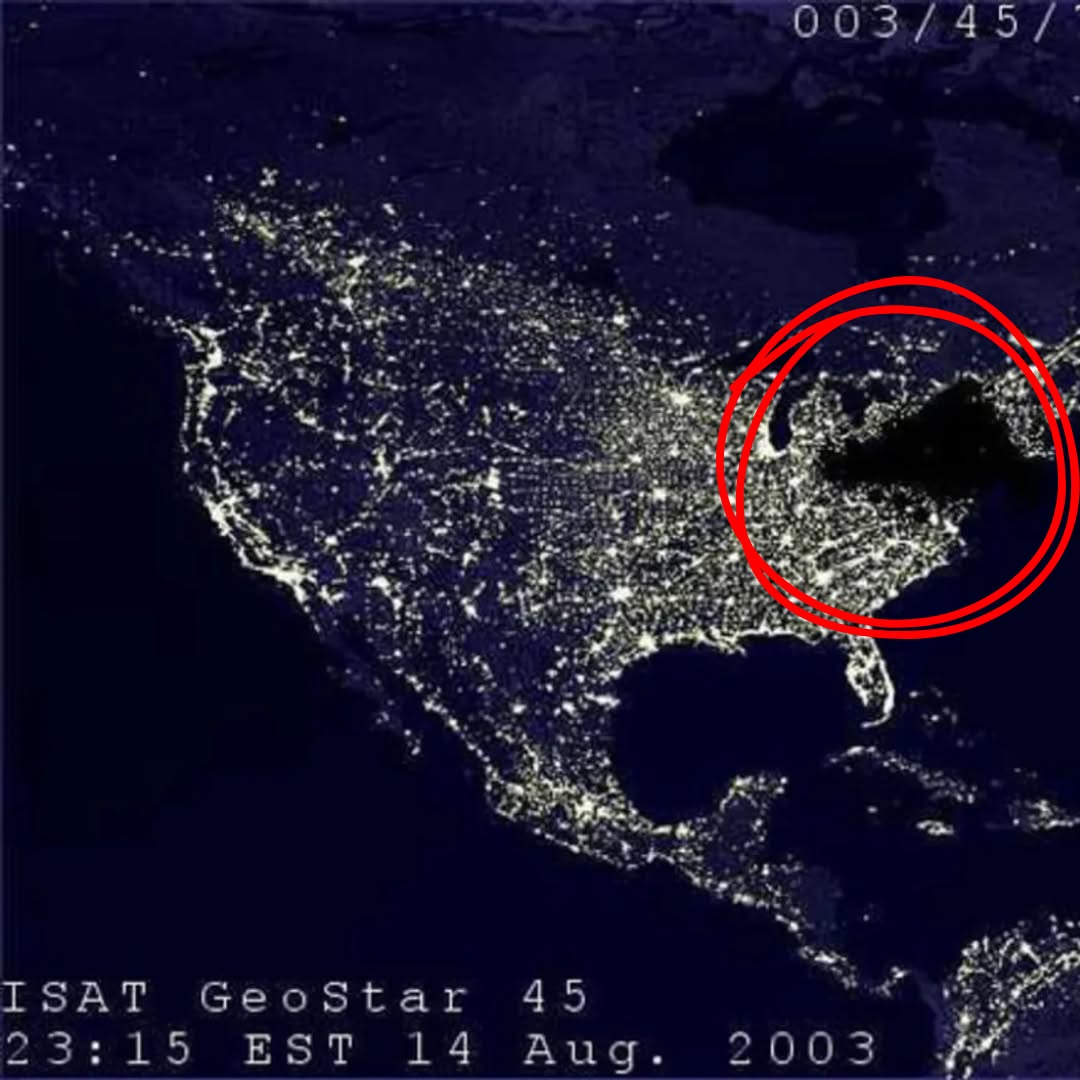
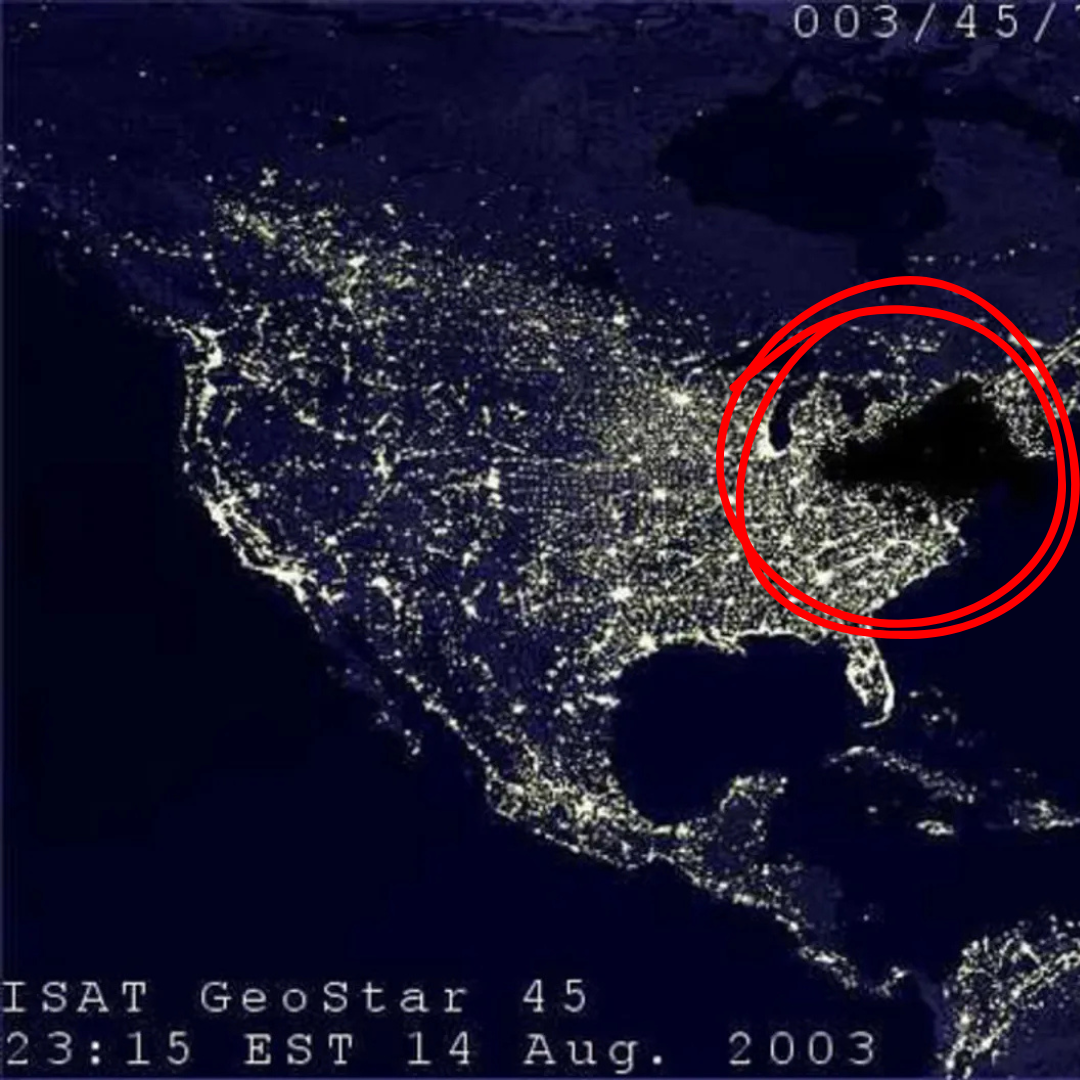
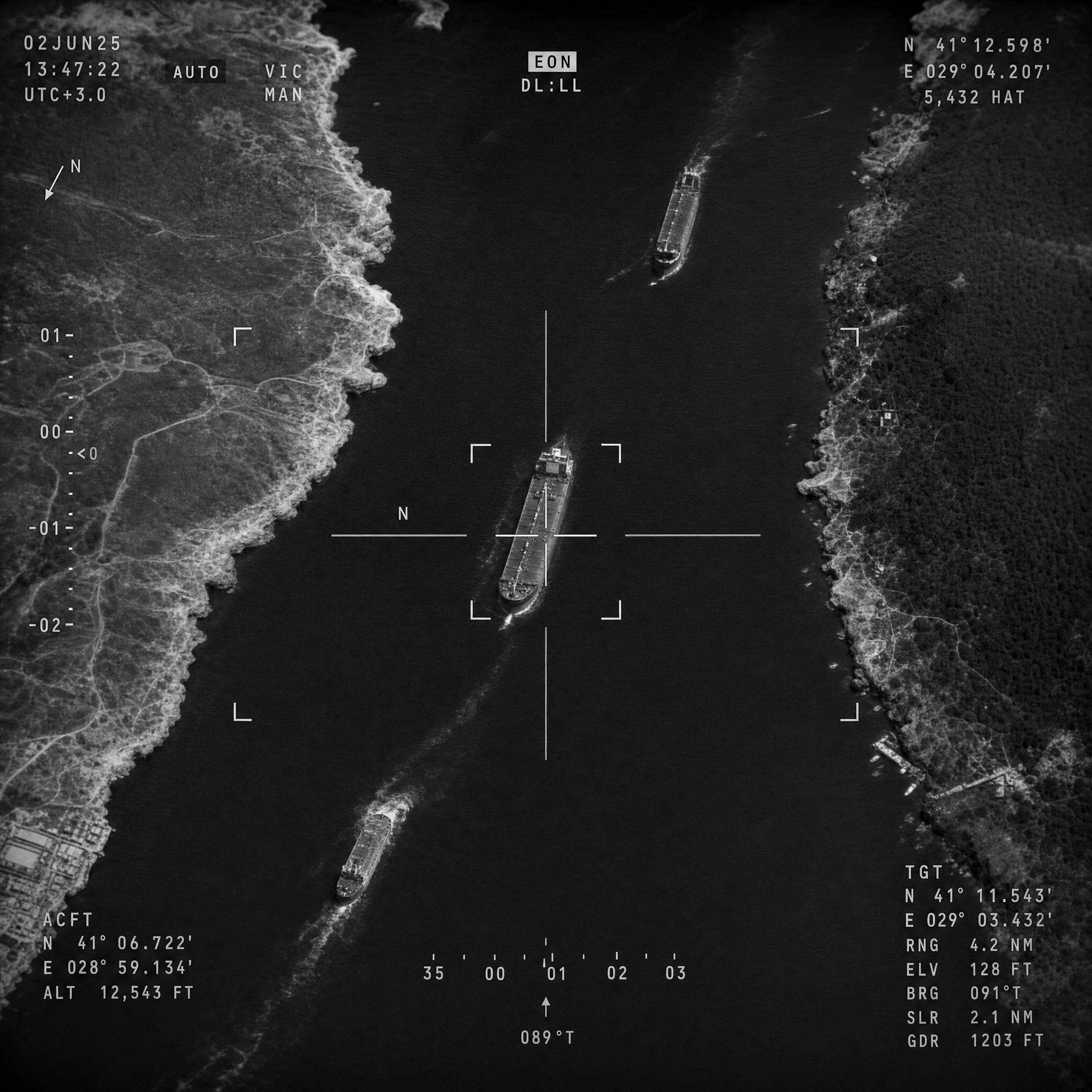
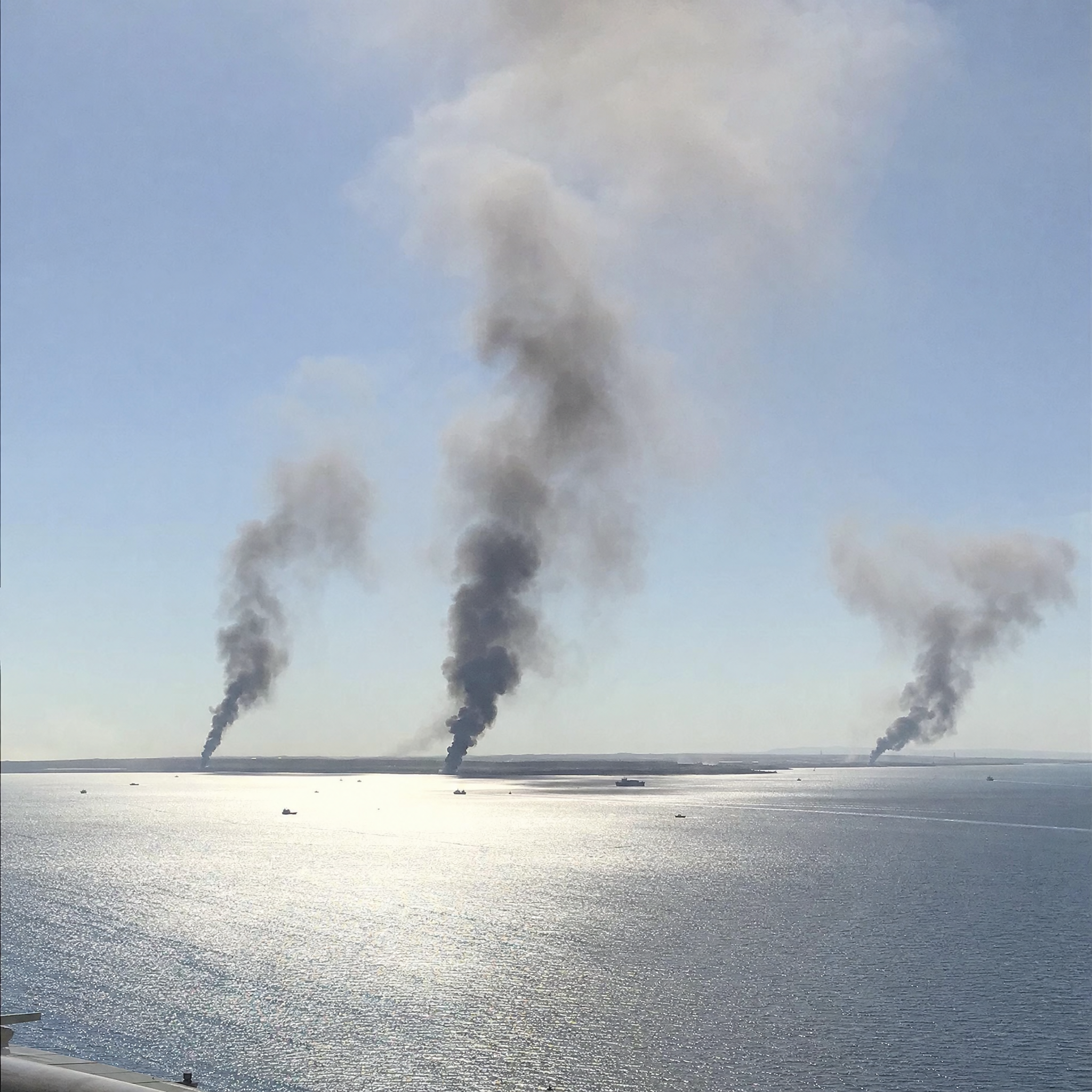
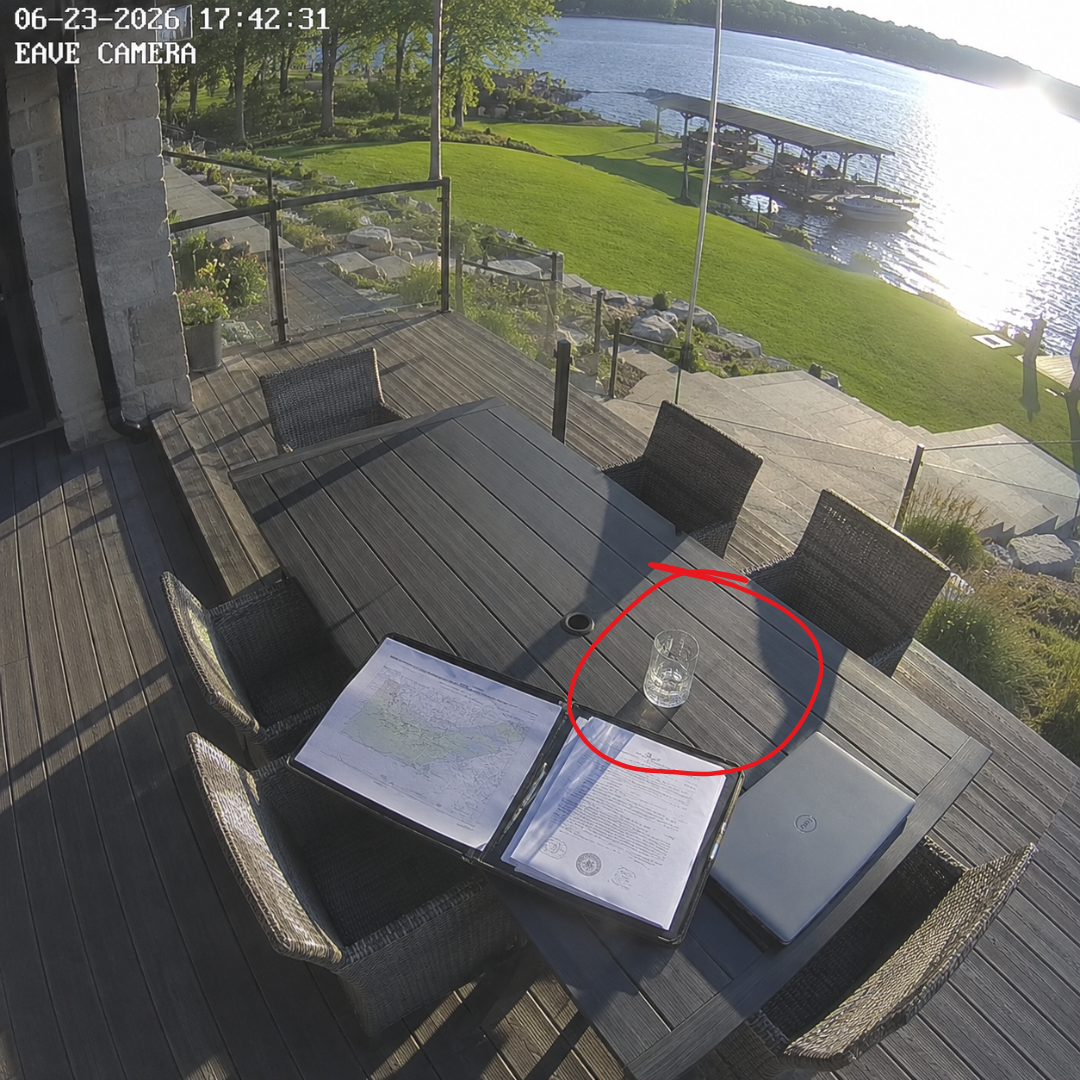
I've been tracking substation attack patterns for months. What I found kept me up for three days straight. I've worked in critical infrastructure security for the past eight years. Essentially, I handle threat moderation for the U.S power grid. Not the exciting stuff. The boring spreadsheets and reports that nobody reads until something goes wrong. And last week, I was reading through incident reports from 2023-2024. I was looking through different attacks on substations—the grid hubs that keep your power running. And while I was mapping out patterns… I saw it. The attacks we've been getting aren't random anymore. 2023: 58 documented physical attacks on power infrastructure. 2024: 89 attacks. 2025: 150+ That's not the scary part. The scary part is the targeting. These attacks are not hitting random substations anymore. They're hitting specific ones. December 2022: Moore County, North Carolina. Someone shot up two substations with rifles. 45,000 people without power for days. We never caught them. June 2023: Three substations in Oregon hit within 24 hours, in different locations. We never caught them. January 2025: Two more in Texas. One in Arizona. And here's what made me stop sleeping. I pulled up the Pentagon war games. Pentagon war games are simulations used by the Department of Defense to stress-test strategies against enemies. And in the ones where they modeled coordinated infrastructure attacks, they identified a set of critical substations where simultaneous hits would trigger cascading failures across 90% of the U.S. power grid. Not for days. For months. I overlaid the attack locations from 2023-2025 onto that map. Multiple critical sites have been probed or attacked in the past 14 months. Someone is mapping the grid. They're testing response times. Figuring out which sites cause maximum damage. And here's the part that made me realize I wasn't prepared at all. When the grid goes down, municipal water stops within 24 hours… Not because the water disappears. But because every part of the system that treats and delivers the water requires electricity. I had no plan for that. So I started pulling municipal water system reports to try and understand what actually happens when power fails. And essentially, the treatment plants use electricity for everything. Electricity for the pumps that move water through filtration systems and distribution pumps that maintain pressure in the lines. When power goes out, most of the plants have backup generators. Fuel for 24-48 hours. But that's it. After that, they shut down. And when treatment plants shut down, water stops. All of it. Every tap in the service area goes dry. Like I said, I'm in the industry and know all there is about grid infrastructure. I know the risks. I've read every report. Every assessment. Every post-mortem analysis. And I had maybe 30 gallons of water stored at home. For my family of four, that's three or four days if we're careful. I'd been preparing like this was a weekend inconvenience. Not a months-long infrastructure collapse. So I started doing the math: One gallon per person per day for drinking. Minimum. But you're not just drinking. You're cooking, washing hands, basic hygiene. Two gallons per person per day realistically. For a family of four, that's 8 gallons daily. My 30 gallons would last three days. Maybe four. Then what? If someone coordinates hits on critical substations—and the attack pattern suggests someone is working toward exactly that—the grid would be down for months. Water stops in 24-48 hours. My stored supply runs out in four days. Then I have nothing. No tap water. No deliveries. No resupply. That's when I realized the problem. I'd been thinking about storage, when the actual problem is access. When the infrastructure that delivers water to your house stops working, your stockpile becomes a countdown timer. And I had no plan for when that timer hit zero… A few weeks ago, I made sure to bring this up to my brother in law Mike. Mike's a Former Marine. He works in logistics now. I showed him the attack maps. The pattern. The critical substation data. "You seeing this? Multiple critical sites have been hit or probed in the past year." "Yeah, I've been following it. You got filtration ready?" "What?" "Water filtration. If they coordinate hits, water stops in 48 hours. What's your plan?" I paused. "I've got 30 gallons stored." "That's four days. Then what? Hope it comes back?" I went silent. "Hope's not a plan, man. If they hit critical substations, the grid could be down for months. You gonna store six months of water?" "I can't. That's like 1,500 gallons." "Exactly. So storage isn't the answer." He pulled out his phone and showed me photos and specs of his filter. "Four-stage filtration. Hollow fiber membrane, activated charcoal, couple other layers." "In English." "The membrane filters down to 0.1 microns. Bacteria are 0.2 microns or bigger. Parasites are way bigger. So they physically can't pass through." "400 gallons per filter. That's a year of drinking water for one person. No power. No batteries. Two ounces. Fits in your pocket." "I've got six. Tested on pond water, creek water, retention ponds. Filtered it. Drank it. No issues." "And you've been drinking from that pond for how long?" "Once a month for 2 years. Sometimes more. Testing it. Making sure it still works. No issues." He wasn't trying to sell me anything. Just explaining. "Look, you need access. The ability to procure water from whatever sources exist around you and make it safe. Those attacks aren't stopping. They're escalating." "If they coordinate hits on critical sites — water stops in 24 hours. Your 30 gallons buys you four days. Then you need a strategy to survive." That conversation stuck with me. Mike wasn't paranoid. He's one of the most practical people I know. If he was taking this seriously, I needed to listen. I ordered six filters that night. When they arrived I instantly tested one. There's a retention pond about a quarter mile from our house. Neighborhood drainage. Probably contaminated with runoff, fertilizer, whatever drains into it. I walked down there with a water bottle. Filled it. The water looked murky. Definitely smelled like pond water. Attached the filter to the bottle. I drank half of it, and I swear to you it tasted like tap water. Clean. I waited 24 hours. No stomach issues. No nausea. No problems at all. I tested it again the next weekend. This time with my wife watching. "You're really drinking that." "I really am." "And you feel fine?" "I feel fine." I showed her the math. "We have four days of stored water. This gives us access to unlimited water as long as that pond has water in it." She was skeptical. But she saw I was fine. I called Mike back. "I tested it man, and I'm surprised but it works." "Told you. Where'd you test it?" "Retention pond near my house." "Good. Now you know when your 30 gallons runs out, you've got backup. How far is that pond?" "Quarter mile. Maybe ten minutes round trip." "So you can refill anytime you need to. Storage runs out. Access doesn't." He was right. I keep those filters in my car now. One in my wife's car. One in each of our go-bags. Two at the house. I still have 30 gallons of water stored. But I don't worry about it running out anymore. Because I know when it does, I have a plan. And that plan doesn't depend on the power being on. Or the water treatment plant working. Or trucks delivering supplies. It depends on my ability to procure water from whatever sources exist and make it safe. That retention pond? That's there. The creek two miles out? That's there. The attack pattern from 2023-2025 is clear. Someone is mapping the grid. Testing responses. Probing critical substations. We haven't caught anyone. If they coordinate hits on critical sites — water stops within 24 hours. Stored water runs out within days for most families. Then what? You need the ability to take water from local sources and make it safe. That's what Mike understood. That's what I understand now. I got mine from Primitive Labs Research: https://try.primitivelabsresearch.com/cmlzrfdnm022zm3cxh24flc51 400 gallons per filter. Lifetime warranty and military grade. Weighs 2 ounces. Fits in your pocket. You'll never be more than a water source away from clean drinking water. No matter how long the crisis lasts. Storage won't keep you alive when it matters most. I learned that reading attack reports at 2:51 AM. You don't have to.
Like this ad? Make it yours.
Crush rebuilds this exact creative around your product — your brand, your colors, your offer — in about a minute.