
Active· since Jul 10, 2026
- 65
- days running
- 0
- relaunches
Ad copy
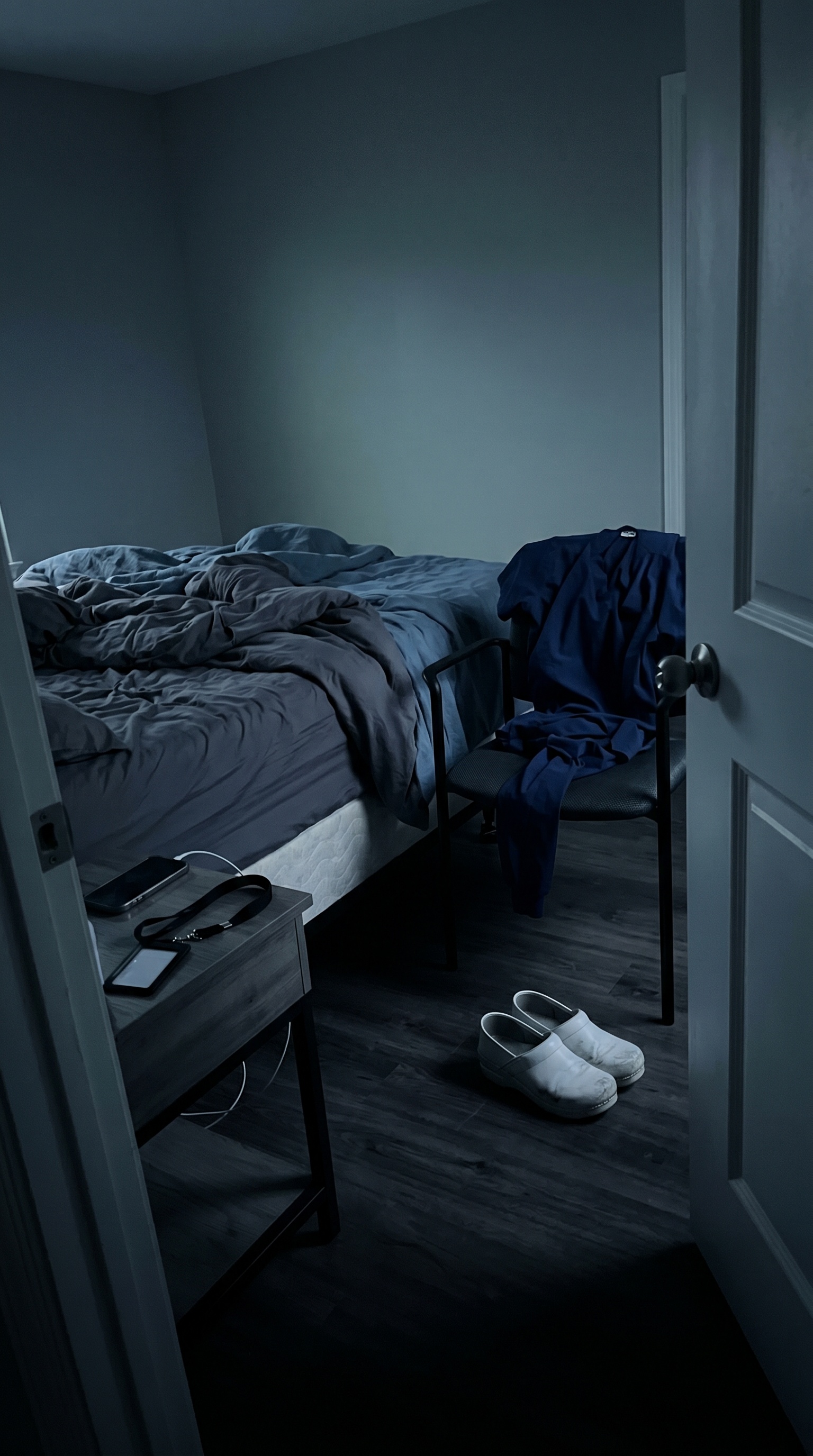
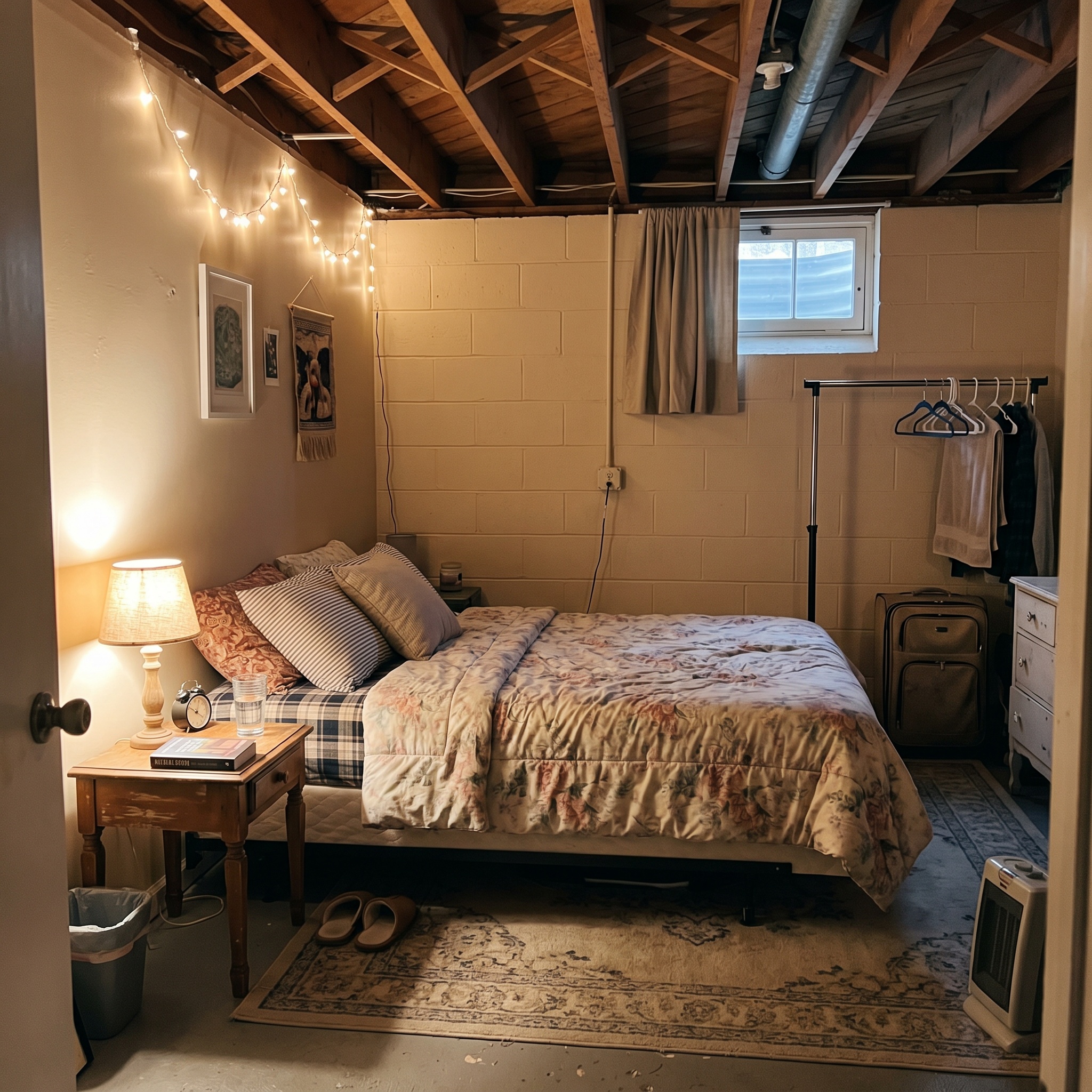
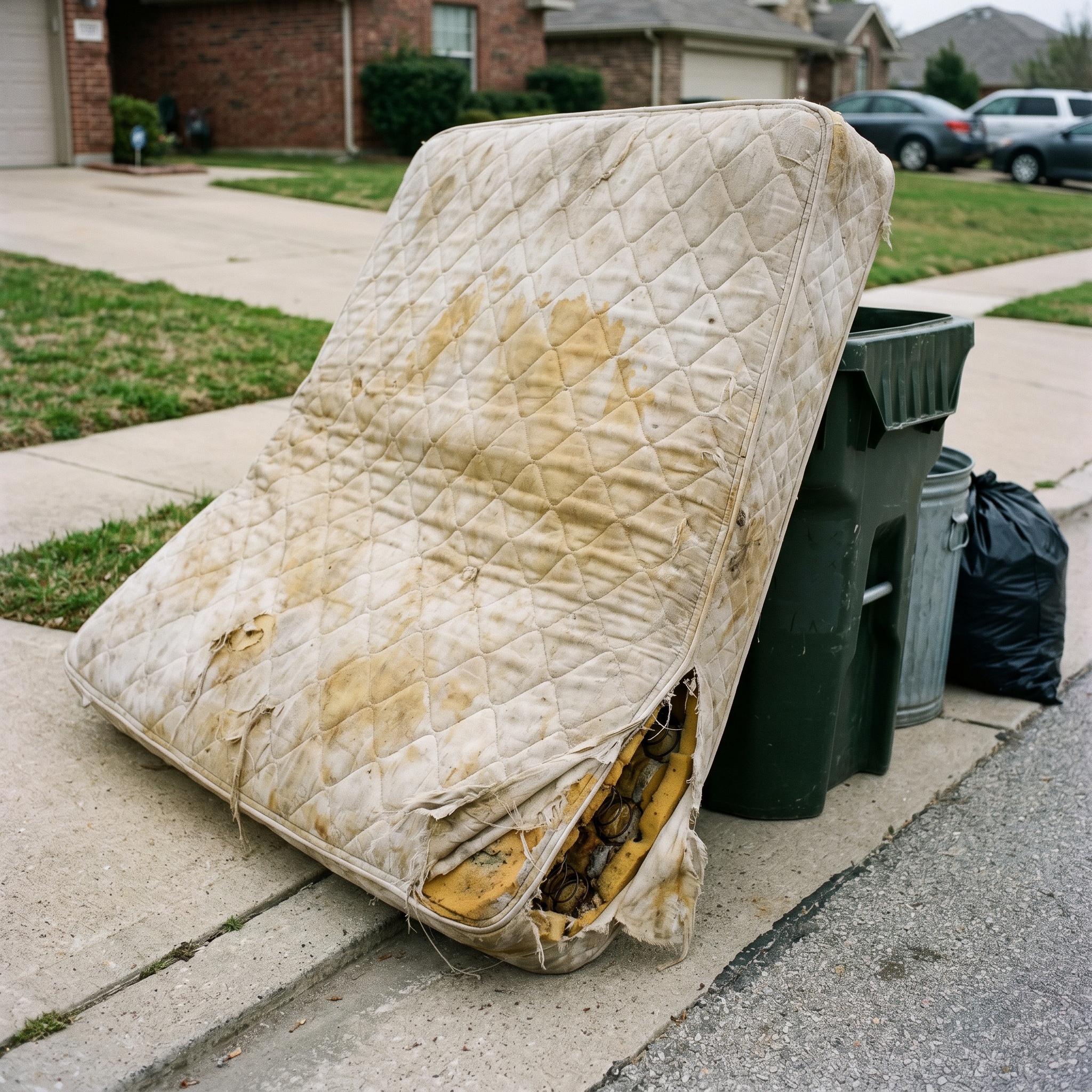
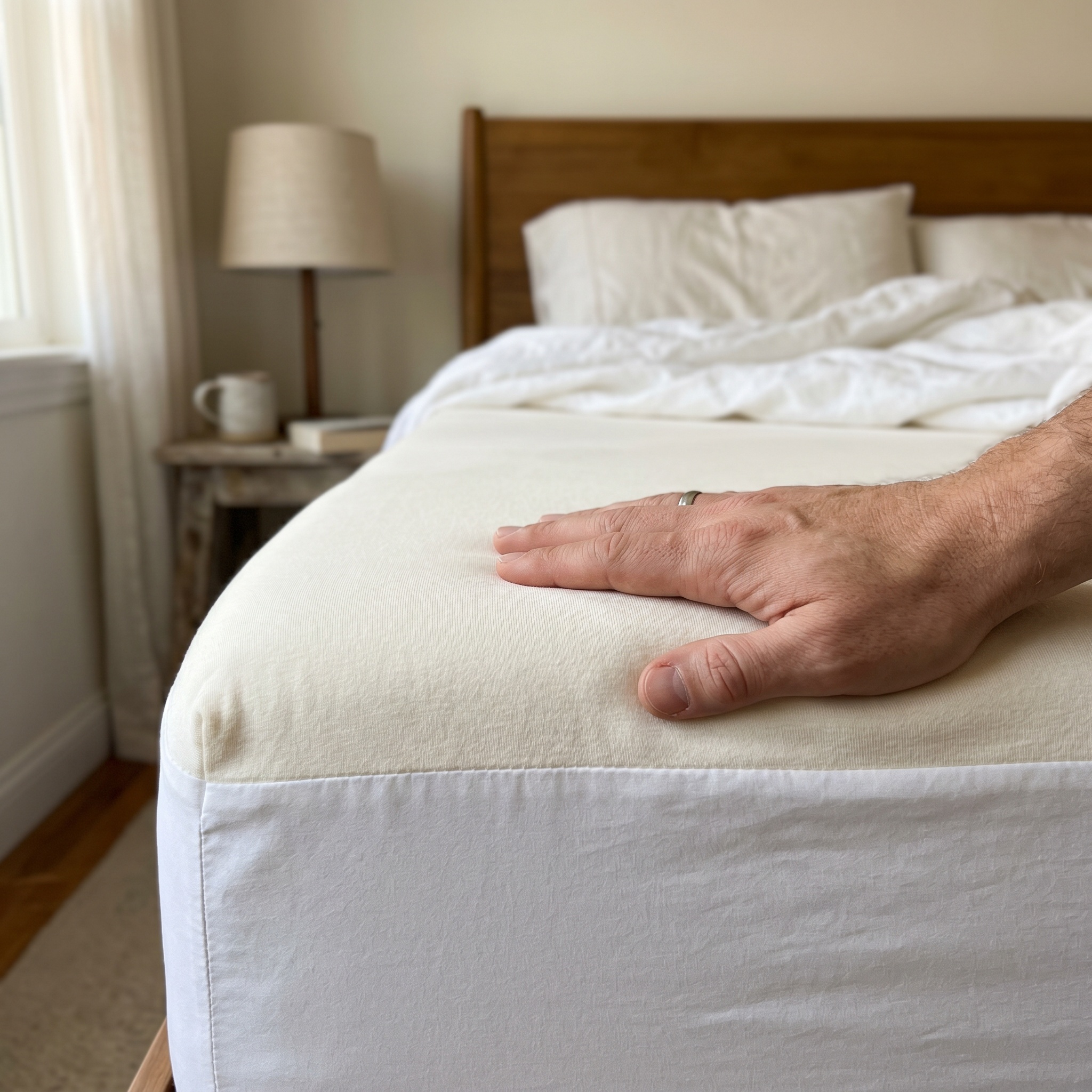
The strange part is that I wasn't supposed to sleep well at all. I was in Minneapolis for a three-day industry conference — the kind where you're on your feet from the 8 a.m. keynote until the last handshake at the vendor reception, and you fall into a strange bed too wired to actually rest. I'm the sort of person who packs her own pillow when she travels, because I've learned the hard way that hotel beds and I don't get along. I braced myself for three nights of the usual: staring at an unfamiliar ceiling, doing the math on how few hours I had left. Instead, the first morning, I woke up before my alarm. Not jolted awake at 3 a.m. the way I usually am at home. Just — awake. Rested. I lay there for a minute genuinely confused, because my lower back, which normally files its complaint the second I try to sit up, had nothing to say. My name is Ellen. I'm fifty-four, I run operations for a mid-sized logistics company outside Columbus, and I have spent the better part of a decade quietly negotiating with my own bed. It started the way these things do — slowly enough that I could always tell myself it was just a bad week. I'd wake around three, shift onto my back, wait, shift onto my side, wait. By the time the alarm went off I'd be exhausted in a way that sleep hadn't touched. Then came the mornings. I'd sit on the edge of the mattress and brace one hand on the nightstand before I trusted my back to hold me upright, and I'd do a little set of stretches on the bedroom floor before I felt safe walking down the stairs. My husband started calling it "Ellen's floor routine." I laughed. I did not think it was funny. You get good at hiding it. I'd schedule the important calls for the afternoon, once my back had loosened up. I'd decline the early flights. I told myself this was just what fifty-four felt like, and that everyone my age was doing some version of the same quiet arithmetic — how do I get through the day without the thing that hurts becoming the thing everyone notices. I did not go quietly. Over about three years I threw money at it. A cervical pillow that promised to fix my "alignment" and mostly just gave me a sore neck. A foam topper I ordered online that seemed wonderful for two weeks, then developed a permanent Ellen-shaped dent in the middle and gave off a chemical smell that never fully aired out, even with the windows open in October. I saw a chiropractor twice a week for two months — I'd feel loose walking out of the office and stiff again by the next morning. Finally my husband and I spent just over two thousand dollars on a new mattress from one of those big national mattress chains, the kind with the endless holiday sales. It was soft and it was lovely to lie down on and within six weeks I was sinking into it like quicksand and waking up feeling like I'd been folded in half. So no — I wasn't a skeptic looking to be sold. I was a tired woman who had stopped believing a bed could fix anything. Which is exactly why that Minneapolis hotel got under my skin. All three mornings were the same. Awake before the alarm. No 3 a.m. shift-and-wait. And on the last morning I realized I'd stood up and walked to the bathroom without once thinking about my back — no nightstand, no floor routine, nothing. I stood there brushing my teeth almost annoyed. What on earth had this hotel done that two thousand dollars of my own money couldn't? So on checkout, I did something I've never done in my life. I set my bag down at the front desk and asked the young man there, a little sheepishly, what mattress they used. I told him I'd slept better in three nights than I had in months and I needed to know why. He laughed — apparently I wasn't the first to ask — and said the mattresses themselves were nothing special. What they'd changed, he said, was that housekeeping had started laying a firm topper on top of every bed. A separate layer, a few inches thick, that sat over the regular mattress. Guests had been so happy with it that the front desk kept a little card with the details, because people kept asking. He slid it across the counter to me. I took a photo of that card in the lobby. I have it still. I want to be honest about what happened next, because I'm an operations person and I don't take a stranger's word for anything. I did not come home and buy the first firm topper I could find. I came home and read for the better part of a weekend, because I needed to understand *why* a firm layer over a soft bed would do what a soft two-thousand-dollar mattress couldn't. What I found didn't feel like a miracle. It felt like a mechanism, which for me is far more convincing. There's a study — published in *The Lancet* back in 2003 — that followed 313 people with long-standing lower-back complaints for ninety days. Half slept on a medium-firm surface, half on a softer one. The medium-firm group reported less pain on rising in the morning. Not cured. Nobody claimed cured. Just a better surface to wake up on. That was the phrase that stuck with me — *a better surface* — because that's exactly what the hotel had given me. Not a cure. A surface. Then I found the temperature research — work by a Japanese sleep scientist named Okamoto-Mizuno — showing that your skin actually has to cool by about a degree to let you drop into the deep stages of sleep, and that the quilted polyester tops on a lot of modern mattresses trap heat and quietly hold you back from that. Suddenly my hot, restless 3 a.m. flips had a reason attached to them. I wasn't crazy. I was overheating. And the part that made me smile: the whole idea of a firm, breathable layer laid on top of a bed isn't some Silicon Valley invention. The Japanese have slept on a shikibuton — a firm mat laid over the sleeping surface — for something like four hundred years. The hotel hadn't discovered anything. They'd just remembered something the rest of us forgot. I'll be careful here, because I promised myself I'd be honest: none of this *proves* a topper will do for you what it did for me. It's correlation, a pattern, a reasonable explanation — not a prescription. But it was enough of an explanation that I felt comfortable trying the thing the hotel used. The one I landed on is called Hanare. Here are the plain facts, because that's what I'd have wanted from a stranger. It's a medium-firm, 3-inch topper — not memory foam, so there's no sinking and no dent forming under you over time. It holds you level. The cover is a bamboo-viscose blend that genuinely breathes; I run warm and I stopped waking up damp. It has a deep-pocket fitted base that stretches over mattresses from 8 to 20 inches — no straps to fuss with — and the whole thing is machine-washable, which the foam one never was. It simply lays on top of the bed you already own, which felt far saner to me than throwing out another mattress. It's size-scaled and currently half off — Twin $99, Queen $129, King $139, Cal King $149 — and it comes with a 100-night trial, money back, which is really the only reason I let myself believe it after the chiropractor and the two-thousand-dollar mistake. If it did nothing, I could send it back. You can find it at https://www.tryhanare.com/hanaretopper. It arrived on a Thursday. I laid it over our bed myself in about ten minutes. I'm not going to tell you the clouds parted. The first night I slept fine — good, not transcendent. But by the end of the second week something had quietly changed, and it changed in the small, unglamorous way that real things change. I stopped grabbing the nightstand. I didn't notice I'd stopped until my husband pointed it out — "You didn't do your floor thing this morning." He was right. I hadn't. It had just stopped being necessary, and I hadn't thought to be grateful because I hadn't thought about it at all. That, to me, is the whole tell. Nobody invents "I forgot to grab the nightstand." You either grab it or you don't. I sleep through to six now, most nights. Not every night — I'm fifty-four, not twenty-four, and I'm not going to insult you by pretending otherwise. But the 3 a.m. shift-and-wait is mostly gone, and the mornings don't start with a negotiation anymore. The photo of that little card from the Minneapolis front desk is still on my phone. I keep meaning to delete it. I don't, because every so often I scroll past it and remember the specific, disorienting feeling of standing in a hotel lobby, bag on my shoulder, genuinely bewildered that a bed had done for me in one night what I'd spent three years and a small fortune failing to do for myself. My husband did his own floor routine last week — his knees, not his back. I heard him from the hallway. I didn't say anything. I just ordered a second one.
I slept better in a conference hotel than I had in months at home so I asked the front desk what they'd done to the bed.
Sleep cooler and wake up refreshed. The BambooBreeze Mattress Topper adds cloud-like cushion with breathable bamboo fabric. Shop now for $149.
LEARN MORELike this ad? Make it yours.
Crush rebuilds this exact creative around your product — your brand, your colors, your offer — in about a minute.