
Inactive· since May 25, 2026
- 19
- days it ran
- 0
- relaunches
Ad copy
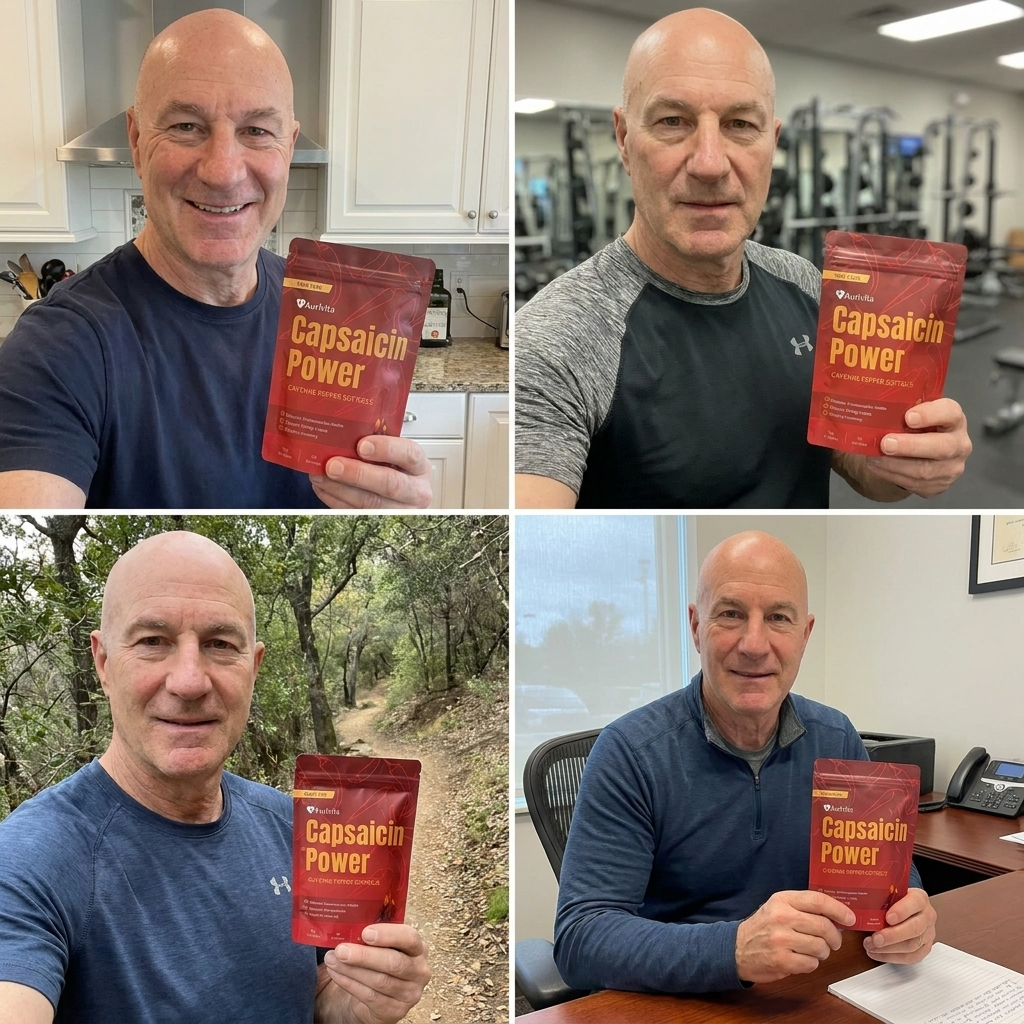
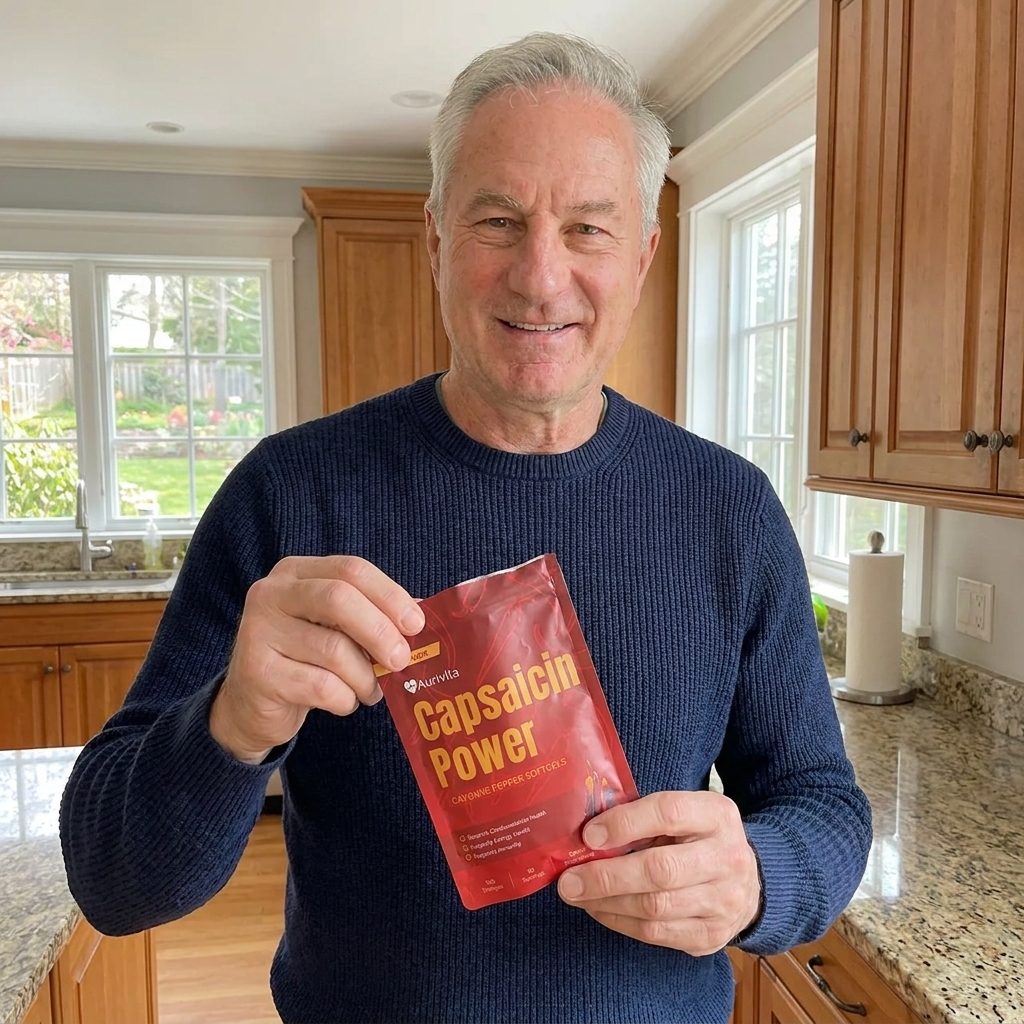
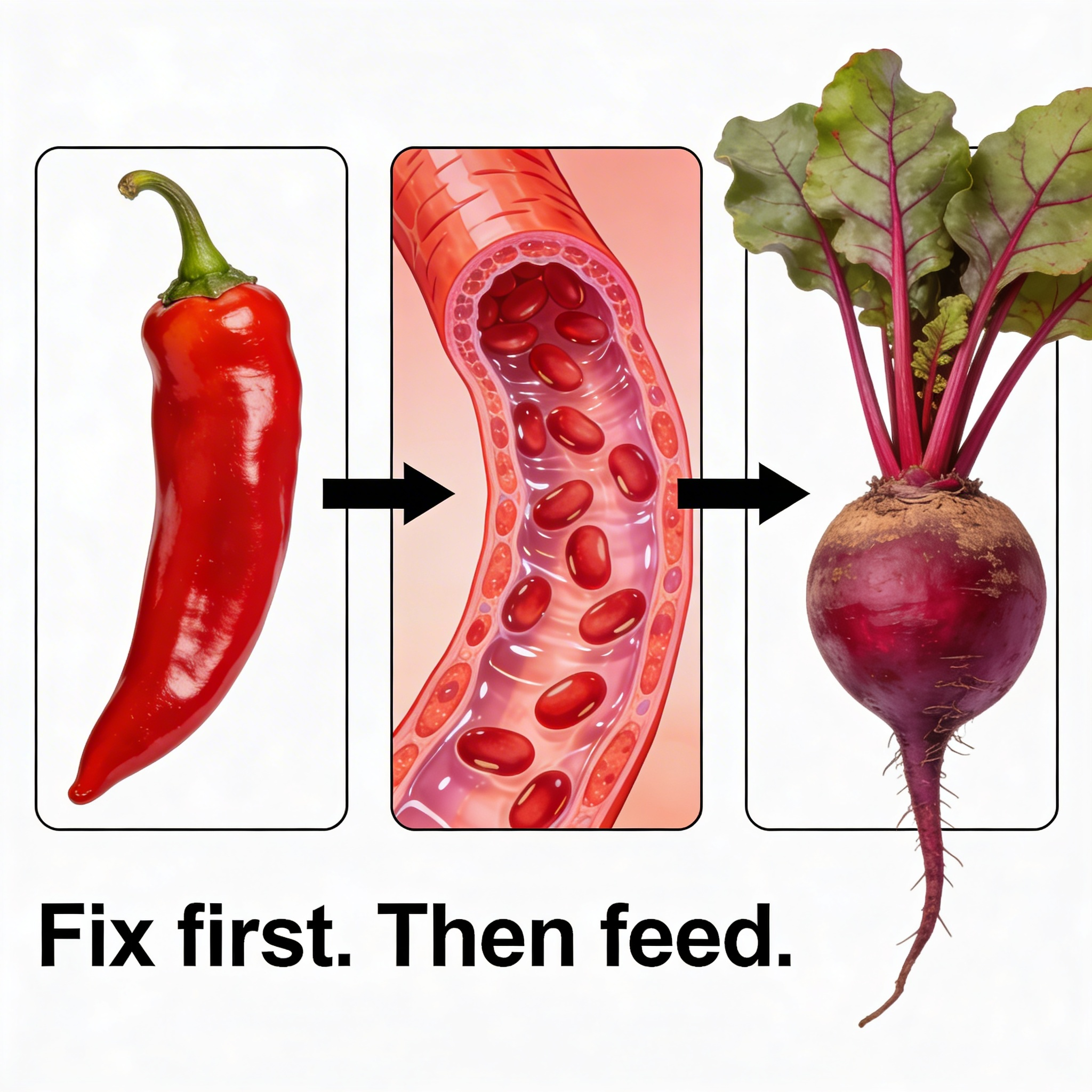
I went in for what was supposed to be a routine annual physical. I came out with a number that, the more I researched it that night, made me angrier than anything I had read about my own health in 47 years. And my GP had delivered it in about a minute, with five words I'm still angry about: "Time to cut back, Brad." My GP pulled up my labs on her monitor, pointed at the row that said "ALT 89," and said, casually, "Your liver enzymes are elevated. ALT 89, AST 67. We're seeing what looks like fatty liver developing. We need you to cut back on the drinking. I'll give you milk thistle. We'll re-check in six months." Then she handed me a referral slip, said "any questions?" — and when I shook my head because I didn't know what to ask, she stood up to see the next patient. I was 47 years old. I had gone in for a routine annual physical because my wife had nudged me about it after I turned 47. I felt fine. Some afternoon fatigue. The gut wasn't what it was at 40 but I figured that was just life. My BP had been "borderline" for two years — 138 over 86 — but my doctor had never flagged it as urgent. Nothing else seemed off. I figured I'd get the routine bloodwork done, get the all-clear, and move on with my year. I drove home with the milk thistle prescription on the passenger seat and a vague feeling that I had just been told something serious without anyone treating it like it was serious. Here is what my wife is going to remember most about that day. I walked in, sat down at the kitchen counter, and said: "Apparently I'm developing fatty liver." Like I was reporting back from getting an oil change. That's how my GP had framed it. I had no idea what fatty liver actually meant for a 47-year-old. I had no idea what ALT 89 actually meant. I had no idea what would happen if I followed the milk thistle prescription and the "cut back" advice for the next year. My wife asked me what we should do. I said, "Cut back on the beers. Take the milk thistle. Check again in six months." She said, "Are you sure that's enough?" I sat with that question for the rest of the day. Around 11 PM, after she had gone to bed, I sat down at the kitchen table and made the mistake of googling "ALT 89 fatty liver." The first article I clicked called it "moderate hepatic injury, persistent elevation." The second linked to a study showing men in the ALT 70-110 range had a 4.2x higher all-cause mortality over 15 years than men with ALT under 30. The third article was a forum thread of men in their 40s and 50s talking about how their fathers had been told the same thing — cut back, take milk thistle, watch it — and had died of cardiovascular complications a decade later despite quitting completely. That third thread is what I kept reading. Comment after comment. "My dad quit at 56. ALT only dropped 8 points. Died of a heart attack at 64." "Mine quit cold turkey at 58. Liver enzymes never normalized. Dementia by 68." "Cut back never works. Either you fix what's causing it or you don't." One man wrote: "Stopping is necessary but not sufficient. Find out what TRPV1 is." I didn't sleep that night. I'd been told "time to cut back, Brad." Five words. A milk thistle prescription. A six-month re-check. A clinic that closed at 5 PM. An ALT of 89 in a 47-year-old man who drinks "a couple beers most nights." A liver showing measurable damage that had been accumulating for ten years before today. A vascular system that — based on what I'd just read — was likely showing parallel damage that my GP wasn't tracking at all. And the entire plan was "cut back" and milk thistle. I started reading everything I could find about hepatic vascular damage. About what statins do (lower LDL, modest effect on liver). About what milk thistle actually does (protect hepatocytes from new oxidative damage, doesn't repair the underlying vasculature). About how the standard of care for a 47-year-old with ALT 89 is essentially "watch and wait while medicated." And about how, in the hepatology literature, there are exactly two known mechanisms that actually reduce ALT meaningfully in the moderate-drinker demographic instead of just slowing its progression: complete cessation sustained over multiple years, and TRPV1 receptor activation through capsaicin. Most hepatologists don't tell their patients about the second mechanism. Not because they don't know — but because the standard medical pathway is "cut back + milk thistle + recheck annually," and TRPV1 activation isn't part of that pathway. By 2 AM I had opened twenty-three tabs. Here is what I learned, in a guy-who-drives-his-Toyota-to-work words, not a doctor's. My ALT didn't just "elevate." It was the consequence of fifteen years of vascular damage in my liver. Each beer over fifteen years had caused micro-oxidative damage to the inner lining of my hepatic vessels. The damage had been repaired in my 20s and 30s. In my 40s, the repair started falling behind. By 47, the inner lining was structurally compromised — to the point that my liver was no longer getting the blood flow it needed to clear toxins efficiently. So the cells were leaking ALT into my bloodstream. Cutting back would stop adding new damage. It would not reopen the vessels that had been narrowing for fifteen years. TRPV1 receptor activation — through a specific form of capsaicin from cayenne pepper — restored hepatic blood flow by triggering sustained nitric oxide release. That's the gas that tells your blood vessels to dilate. Without it, the vessels stayed constricted no matter how much I cut back. A 2017 study in Atherosclerosis showed sustained capsaicin exposure reversed early vascular damage in 67% of subjects over 90 days. A 2024 study in Aging and Disease confirmed the cellular mechanism — including in hepatic microvessels. The catch, I learned, was delivery. Capsaicin is fat-soluble. Dry powder capsules die in stomach acid. The research uses oil-suspended capsaicin combined with piperine for the 2000% absorption boost. I found a product called Aurivita Capsaicin Power. 3mg capsaicin per serving, pre-dissolved in cold-pressed oil. BioPerine for absorption. Beetroot for additional nitric oxide. Hawthorn for vessel wall integrity during repair. I ordered it the next morning. I started taking three a day with my morning coffee. Cut back on drinking moderately — went from maybe ten beers a week to maybe four. Did not quit. Did not give up the Sunday afternoon beer at the cookout or the Friday whiskey with the guys. Week 3. My afternoon fatigue lifted. I noticed I didn't need the third coffee at 3 PM. My wife asked if I'd changed something. Week 6. My gut started going down. I had been carrying a noticeable swell for three years. It wasn't gone — but I tightened my belt a notch without thinking about it. First time in a long time. Week 9. I checked my BP at home. 124 over 78. It had been 142 over 89 at the physical. Week 11. I had labs drawn at a walk-in clinic — $35 cash pay. I wanted to know before my six-month re-check whether anything was actually moving. ALT: 34. AST: 27. A 62% reduction from 89. In 11 weeks. While still having a few beers a week. I sat in the car in the parking lot of the walk-in clinic and stared at the printout for ten minutes. I had spent eleven years assuming I was just going to slowly turn into my father. The number on the page said something different. Six weeks later I went back for my GP re-check. She pulled up my labs. Stared at them. Looked at me. Stared at them again. "Brad," she said. "What did you do?" I told her. About the kitchen table at 11 PM. About the forum thread. About TRPV1. About Aurivita. She listened. Then she said: "I want to write this up. Can you bring me your bottles next visit so I can check the formulation?" I am not telling you this because I am against the standard advice. "Cut back" advice is reasonable. Milk thistle is reasonable. The standard of care exists for a reason. If your doctor told you the same thing my doctor told me, she is not wrong — she is incomplete. But the standard advice does not repair the hepatic vascular damage that has been accumulating for fifteen years. It addresses one input. It leaves the underlying vasculature constricted. And while you are cutting back and taking milk thistle and waiting six months, the parallel cardiovascular damage that runs alongside your ALT elevation is also progressing. And if your GP hands you ALT 89 with five casual words and a milk thistle prescription — please understand: your number CAN reverse. Substantially. The mechanism is real. The research is published. The window is now. And you don't have to quit drinking entirely to do it. And you have two choices. Accept the milk-thistle-and-wait pathway. Cut back to whatever feels manageable. Re-check in six months. Hope your number drops more than the 4-5 points it usually drops for men in your range. Eventually be told to escalate to a hepatology referral. Find out, like the men in that forum thread whose fathers died at 64, that stopping wasn't enough. Or address what is actually causing the elevated ALT. Reopen the constricted vasculature. Use the same supplement protocol I used. Cut back moderately. Re-test in 90 days and find out what your body can actually do. I think about how close I came to following the milk thistle script and trusting that "cut back, watch it" was actually a plan. Six months of waiting. While my ALT crept down four points if I was lucky and held steady if I wasn't. While my BP stayed where it was. While my gut stayed where it was. While my cardiovascular system kept progressing toward the trajectory my father followed. My GP gave me a minute of casual delivery and a milk thistle prescription. The forum thread at 1 AM gave me back two decades. Aurivita Capsaicin Power is 50% off with free shipping. 120-day money-back guarantee. Take it for 12 weeks. Get your ALT, AST, BP, and a basic lipid panel before you start. Get them again at 90 days. If your numbers haven't moved, if your gut hasn't gone down, if your energy hasn't returned — send the bags back, even empty. Full refund. No questions. My wife and I talked about it last weekend. About what almost happened. About the version of the next ten years where I would have followed the milk thistle script, watched my number creep up two points a year, and ended up in a cardiology office at 55 wondering why "cutting back" hadn't been enough. She looked at me across the kitchen counter and said: "I'm glad you didn't just do what the doctor told you." So am I. [https://aurivita.co/products/cayenne-pepper-softgels](https://aurivita.co/products/cayenne-pepper-softgels) — Brad Whitman 47 years old ALT 89 → 34 in 11 weeks BP 142/89 → 124/78 P.S. If your GP handed you an ALT result and gave you the same "cut back, milk thistle, re-check in six months" plan — please ask for a full lipid panel including ApoB, hs-CRP, and fasting insulin alongside the next ALT draw. The cardiovascular damage that runs in parallel with hepatic dysfunction is almost never tracked at the standard annual physical. The same vascular root that drove your ALT 89 is also driving whatever your ApoB and hs-CRP would show. Activate TRPV1 before any of those numbers cross into the territory that triggers a specialist referral.
ALT 89 → 34 in 11 weeks. I didn't quit drinking.
Support strong circulation today with our powerful cayenne pepper formula. 180 softgels and 60 servings per bag.
LEARN MORELike this ad? Make it yours.
Crush rebuilds this exact creative around your product — your brand, your colors, your offer — in about a minute.