
Active· since Jun 29, 2026
- 29
- days running
- 0
- relaunches
Ad copy
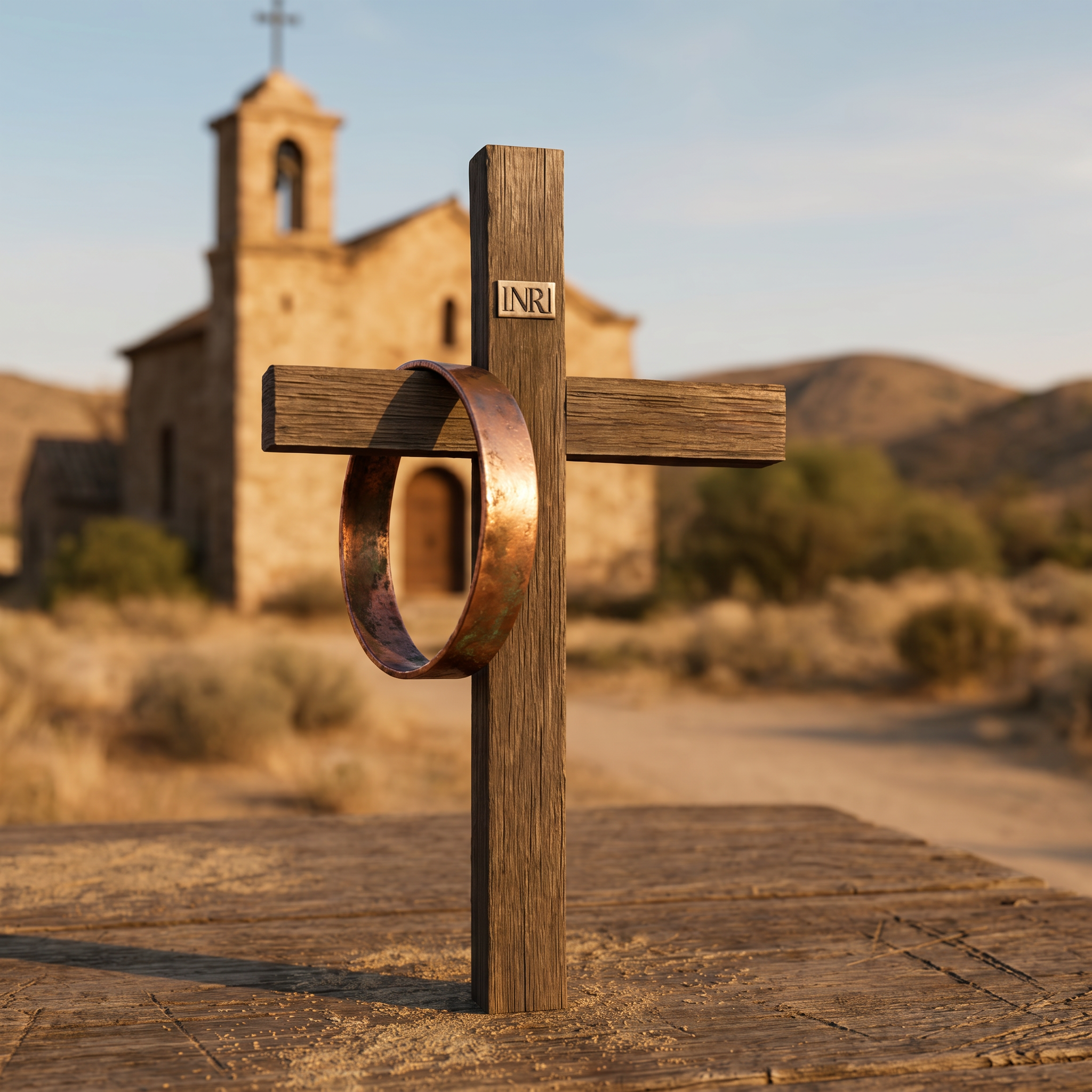
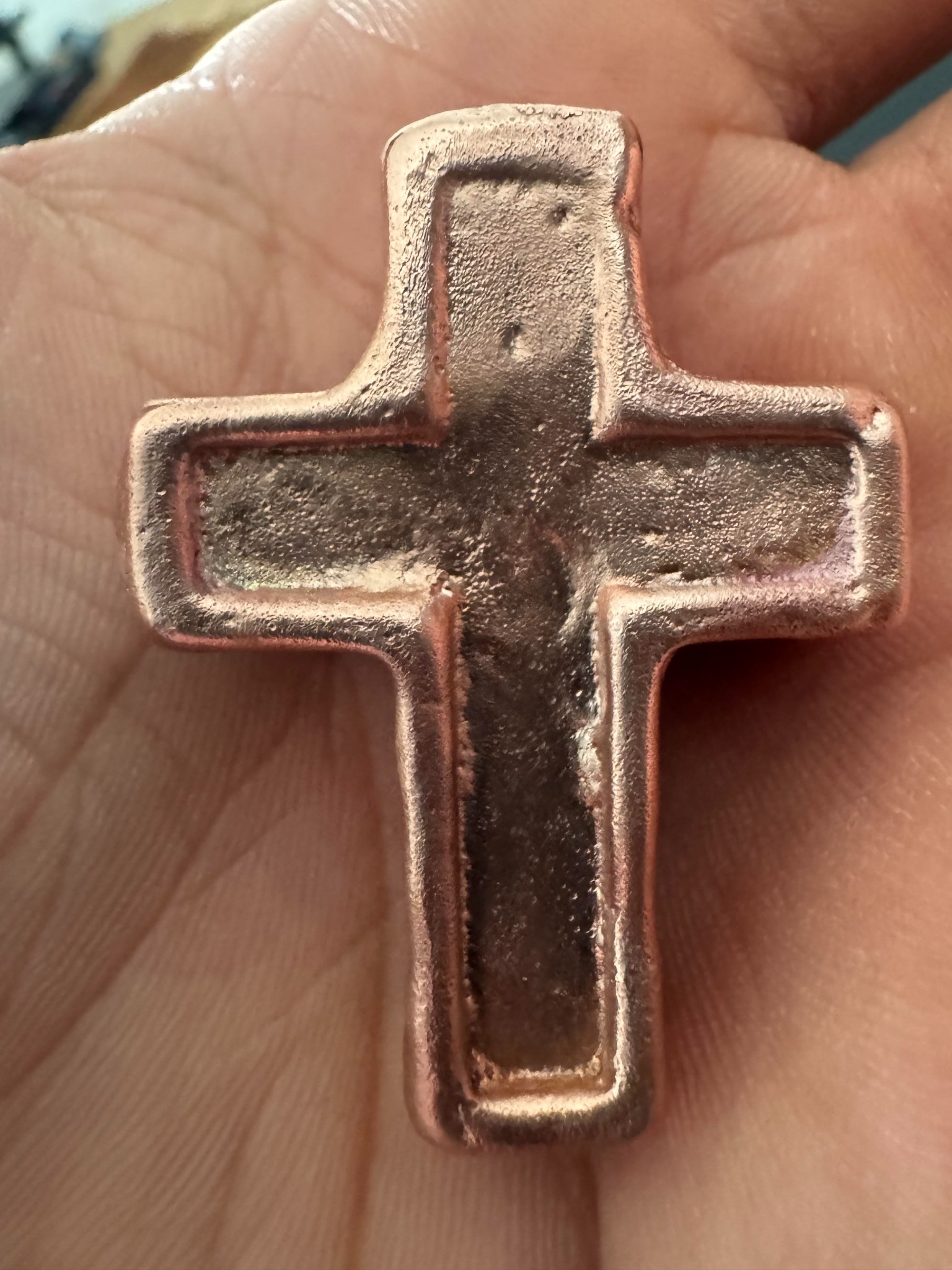
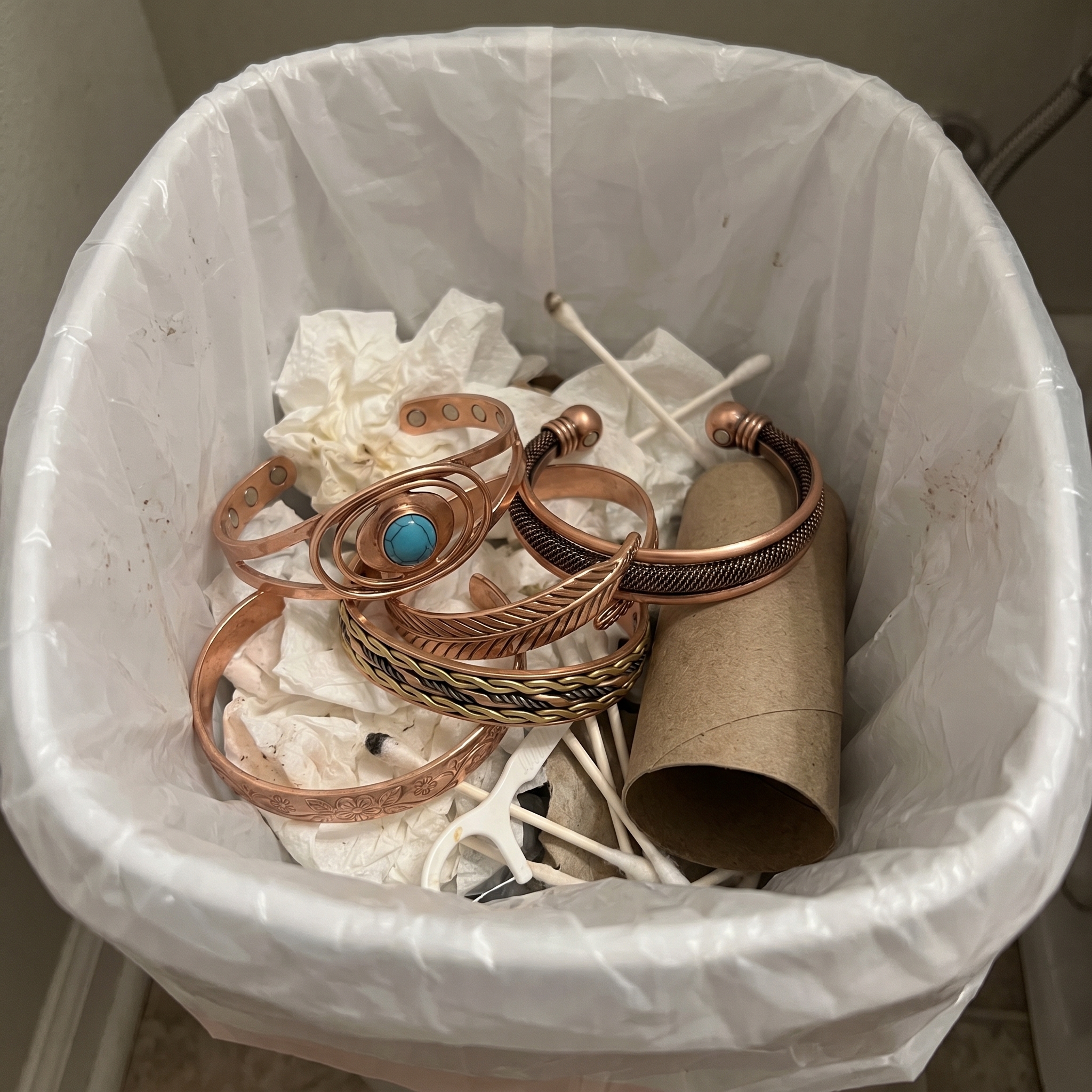
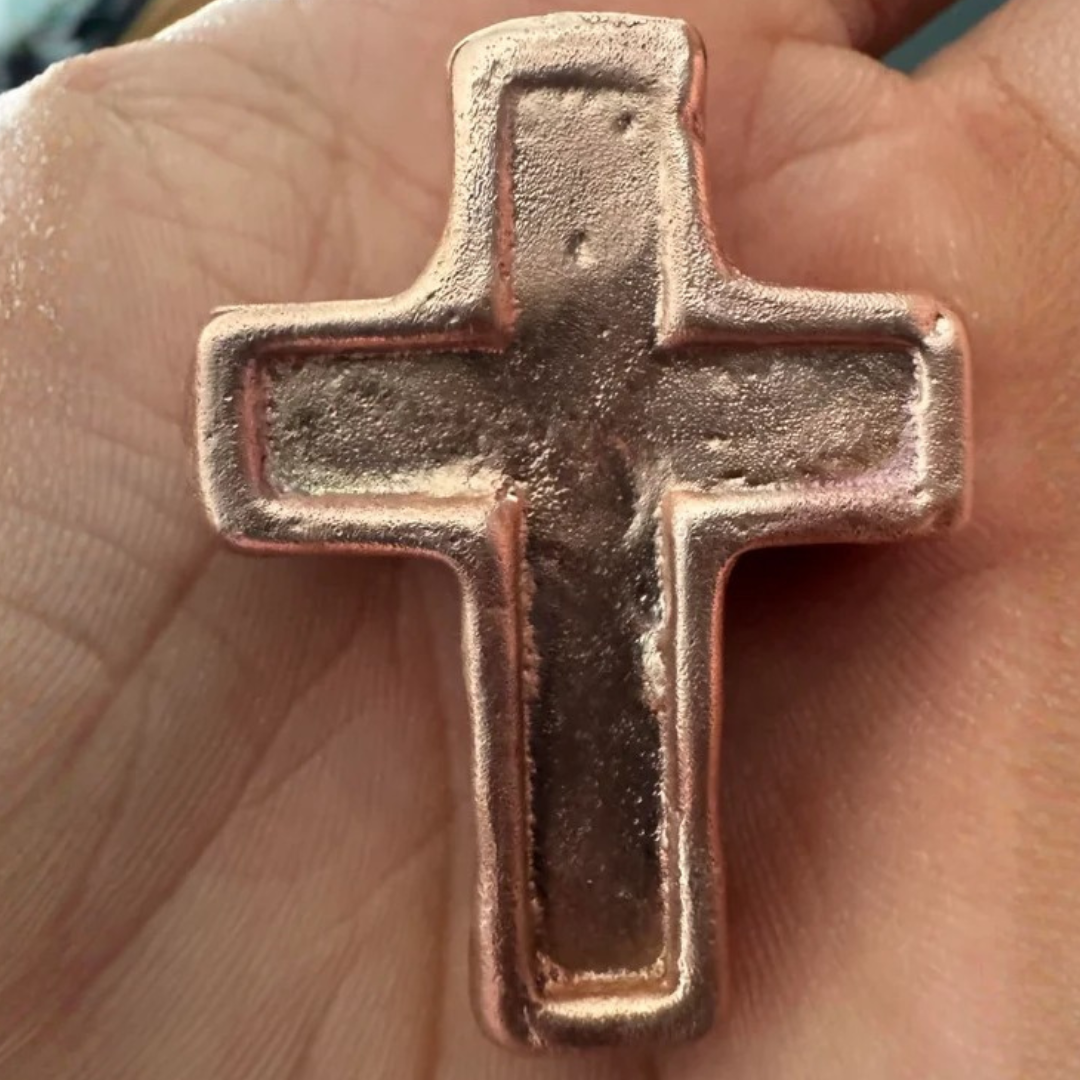
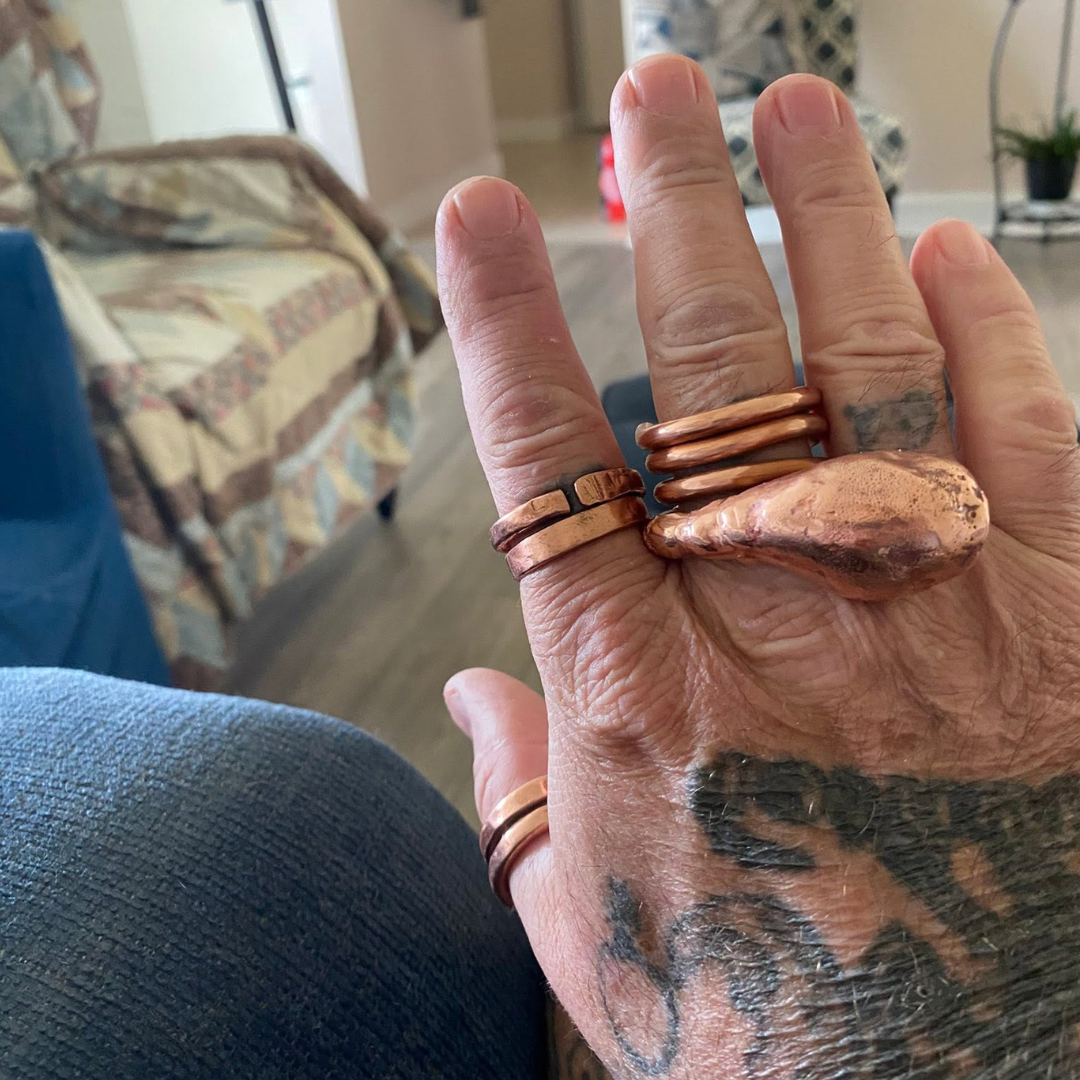
I've been teaching scripture for 26 years, and last Wednesday night I watched every woman in my study go quiet at the same time — and not one of them knew what they'd just heard. I'll get to what I told them. But first I have to tell you what I'd been watching happen to them for the better part of two years. It came on slow enough that you could almost pretend you weren't seeing it. Carol stopped pouring the coffee with one hand, because one hand wouldn't close around the pot anymore. Donna started taking the fellowship-hall steps with a grip on the rail. And more than one of them told me the same thing, in nearly the same words — that they woke most mornings feeling like their bones had been filled with wet concrete in the night and left to set. Heavy. Slow. Awake at two, tired by noon. I'd been handing these women the Word of God every single week. And it never once crossed my mind that the answer to what was quietly breaking their bodies had been sitting in the text the whole time. Because it's everywhere, once you know to look. There's a metal God names in scripture more than a hundred and forty times. And almost every time He sets it down, He sets it down at the exact spot where He's about to make one of His people well again. It was the metal of the altar — where every sacrifice for sin was laid down. It was the metal of the basin where every priest had to wash before he dared come near God. And that basin came from the women. The ones who served at the door of the tabernacle brought their copper mirrors — the one fine thing a woman owned out in that wilderness, the thing she used to look at her own face — and they gave them up to be melted down, so the men could be made clean enough to stand before the Lord. I told that to my class and three of them put a hand over their mouth. Solomon went on to fill the temple with so much of it they finally stopped weighing the stuff. There was simply too much copper to count. That's when one of my women stopped me. A retired schoolteacher, follows along in her own Bible, has corrected me before and been right to. She said, "Honey, mine doesn't say copper. It says brass." And she's right. Hers does. So does mine, in most of the old places. But that's exactly the door I want to walk you through. Because underneath "brass" sits one Hebrew word. Nechosheth. And for three hundred years our Bibles have turned that one word into three — brass, bronze, copper — depending on nothing but who held the pen. The King James men had no clean English word for it yet, so they reached for brass. But the scholars never bought it. One of the most respected commentators in the whole language said it plain: there is no such thing in nature as a brass mine, so the word ought to read copper. Brass is something men cook up in a furnace. Copper is something God put in the ground. And it was never only our Bible. The Egyptians were dressing wounds with copper five thousand years ago. Physicians in old India tied it to the wrists of women past forty for what they called the wasting. Roman soldiers were issued copper bands as standard kit — not for show, but because men who marched all day under armor needed something that kept them moving. Peoples with no way on earth to reach each other. Oceans apart, centuries apart. All reaching for the same metal. And not one of them could tell you why. They just knew that it worked. So that's the question that finally kept me up at night. If the whole ancient world leaned on this — if God Himself wove it through our Bible a hundred and forty times over — then why has not one woman in my study ever heard a single word about it? Because somebody buried it. In the 1800s, doctors put copper to the test, and a copper band became an ordinary thing your family physician handed you. Pharmacists sold them. Mothers passed them to their daughters. And then the research simply stopped. Not because it quit working — but because somebody ran the numbers and saw the catch. You can't patent a metal that's been in the ground since the beginning of the world. You can patent a pill. You can sell a prescription for the rest of a person's life. You can do neither one with copper. So it got walked quietly out of the medical schools. Stamped folk medicine. And inside one generation, a thing people had leaned on for five thousand years was gone — not disproven, just buried. And the ones who buried it never stopped using it themselves. To this day, hospitals line the surfaces of their sickest wards with copper, because they know full well what it does to whatever lands on it. They trust it when lives are on the line. They just never made it easy for the rest of us to get it onto our own skin. So I decided my women weren't going to lose one more year to a lie that old. I went looking for the real thing — not a shined-up imitation, but solid copper, the same the ancients pulled from the earth. And I found a woman named Vera who still makes it the honest, old way: each piece hammered by hand at her own bench, pure copper, ninety-nine point nine percent, solid the whole way through. The buried metal, brought back up into the light. I got pieces onto a few of my ladies, and I told myself to expect nothing. I'm a Bible teacher, not a doctor — I'll make no promises about your body, and I won't start now. I'll only tell you what they told me. Carol was gripping that coffee pot one-handed again before the month was out. Donna came down the steps one morning and was halfway down before she noticed she'd let go of the rail. The two-a.m. wakings got shorter, and then they quit. "My mornings feel lighter," one of them said to me, and went a little teary saying it. After years of that concrete, lighter feels like an answered prayer. So let me tell you what I told them. If you wake up under that same heaviness — if your hands won't do what they used to, if you've made your quiet peace with mornings that feel like setting cement — it was never a failing in you. You were cut off from something that was taken out of your hands a hundred years ago, on purpose, and never given back. You don't need anything new. You need back what was buried. And you are almost certainly not the only woman in your life carrying this in silence. So pick one for yourself — and pick one for the sister or the friend who's gone quiet about her own mornings. That's how the tabernacle women did it, anyway. Not one of them carried her copper alone. One hard thing I owe you. Vera is sixty-nine. Her hands aren't what they were, and she only finishes a handful of pieces a day. She's putting out her final collection — up to eighty percent off — then closing her bench for good to be near her family. When the last piece leaves that workshop, that is the end of it. If you click and they're already gone, I'm sorry. It happens more than you'd think, and I can't hold one back for you. If they're in stock, don't wait on it. Hers is the only copper I'd put on my own wrist. The link is right below. 👇 https://veras-copper.com/collections/limited-sale
Like this ad? Make it yours.
Crush rebuilds this exact creative around your product — your brand, your colors, your offer — in about a minute.