Creatine for Women
Creatine for Women Facebook ad: “I wasn't past it. I wasn't too old. My body”
Running for 18 days since September 17, 2026. Crush last saw it on October 5, 2026.
Run by Creatine for Women on Facebook. Crush is not the advertiser and does not verify its claims. See this ad in Meta's Ad Library(opens in a new tab)
Want an ad like this for your product?
Crush makes new ad images for your product from this ad: your logo, your product photo, your offer.
Trials from $19.95 USD, then $79.95 USD a month. Cancel anytime.
About this ad
- Meta Ad Library ID
- 1964218260929705
- Platforms
- Facebook, Instagram, Audience Network, Messenger and Threads
- Relaunches
- 3
Ad text
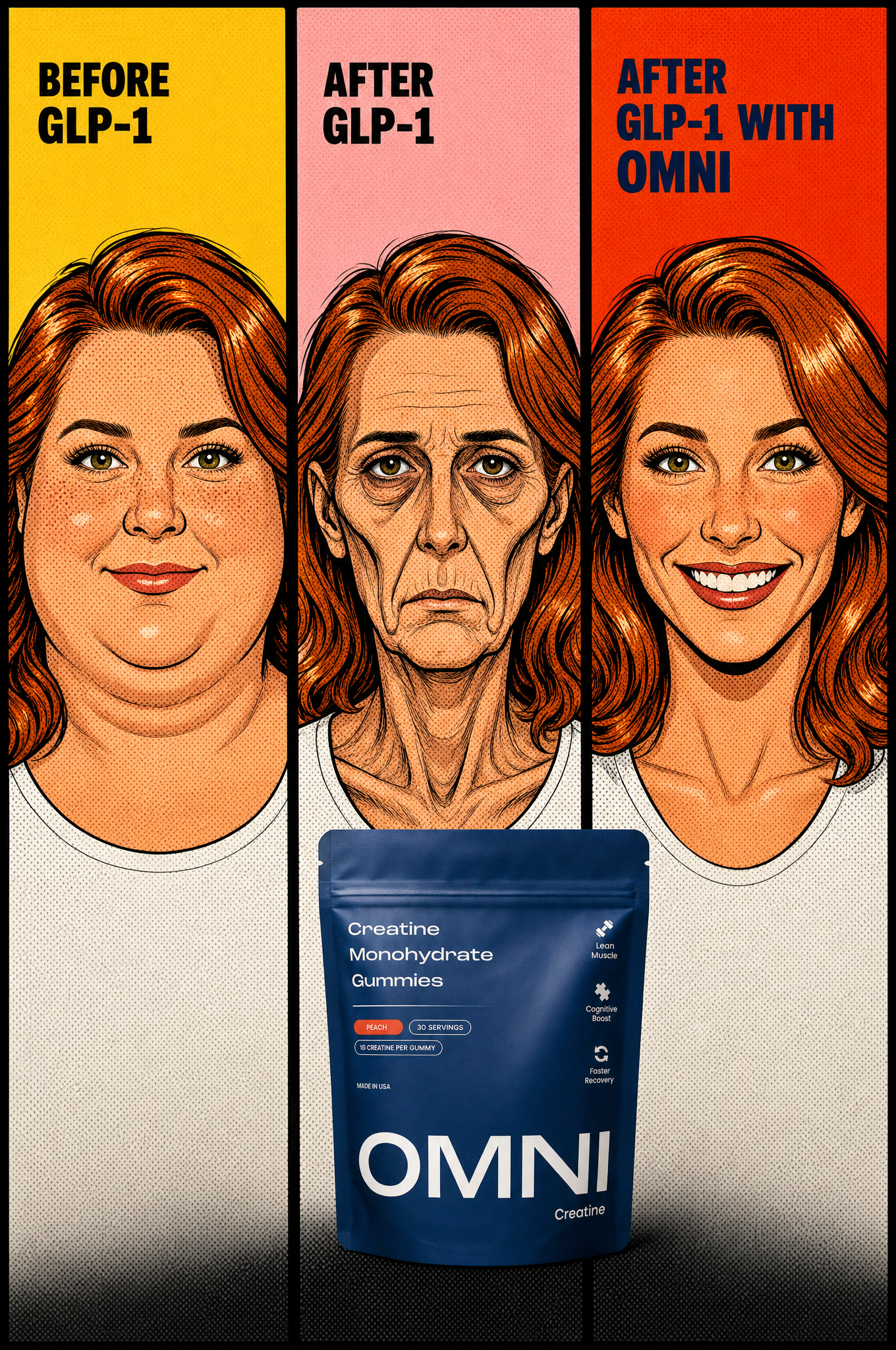
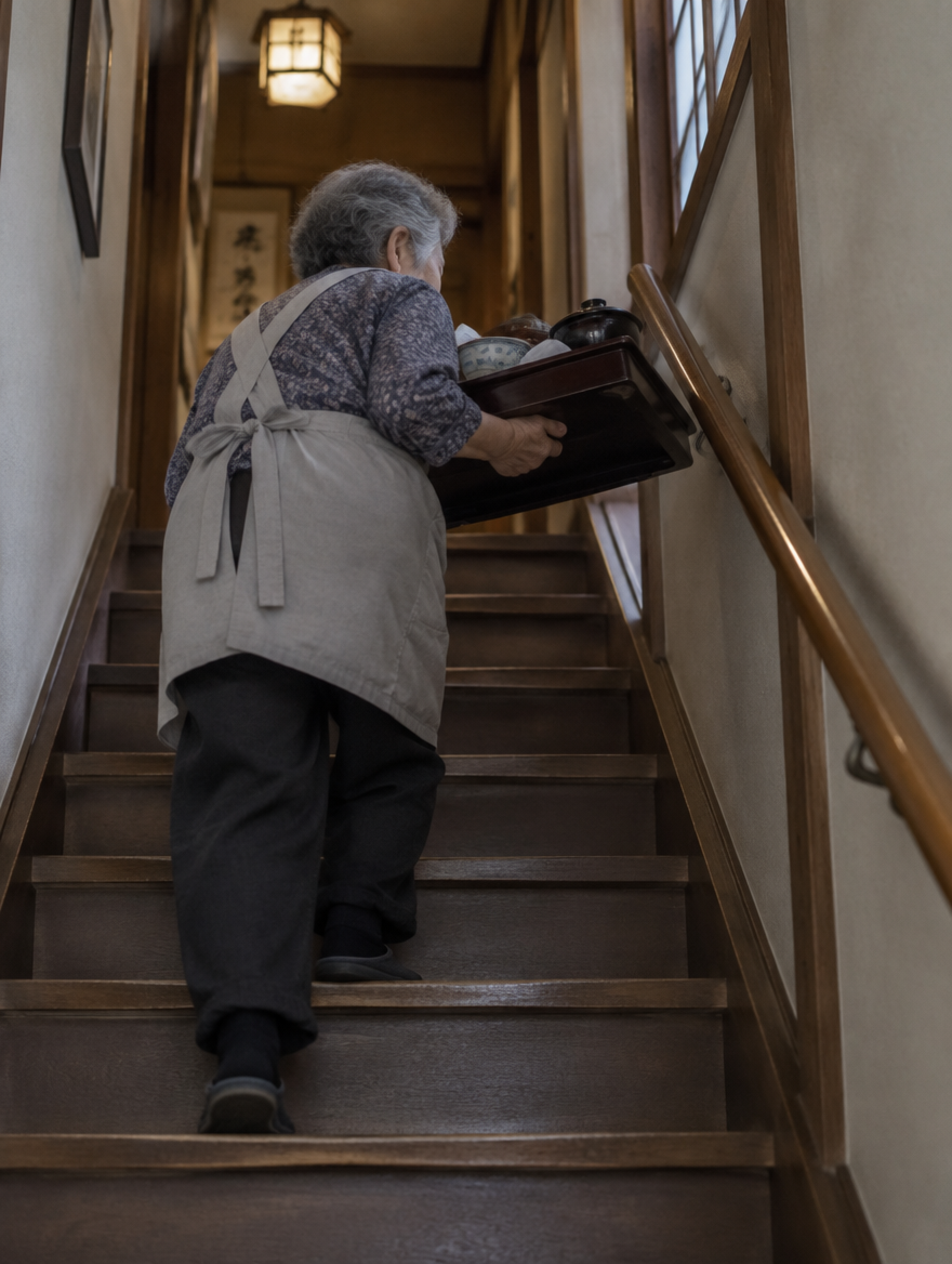
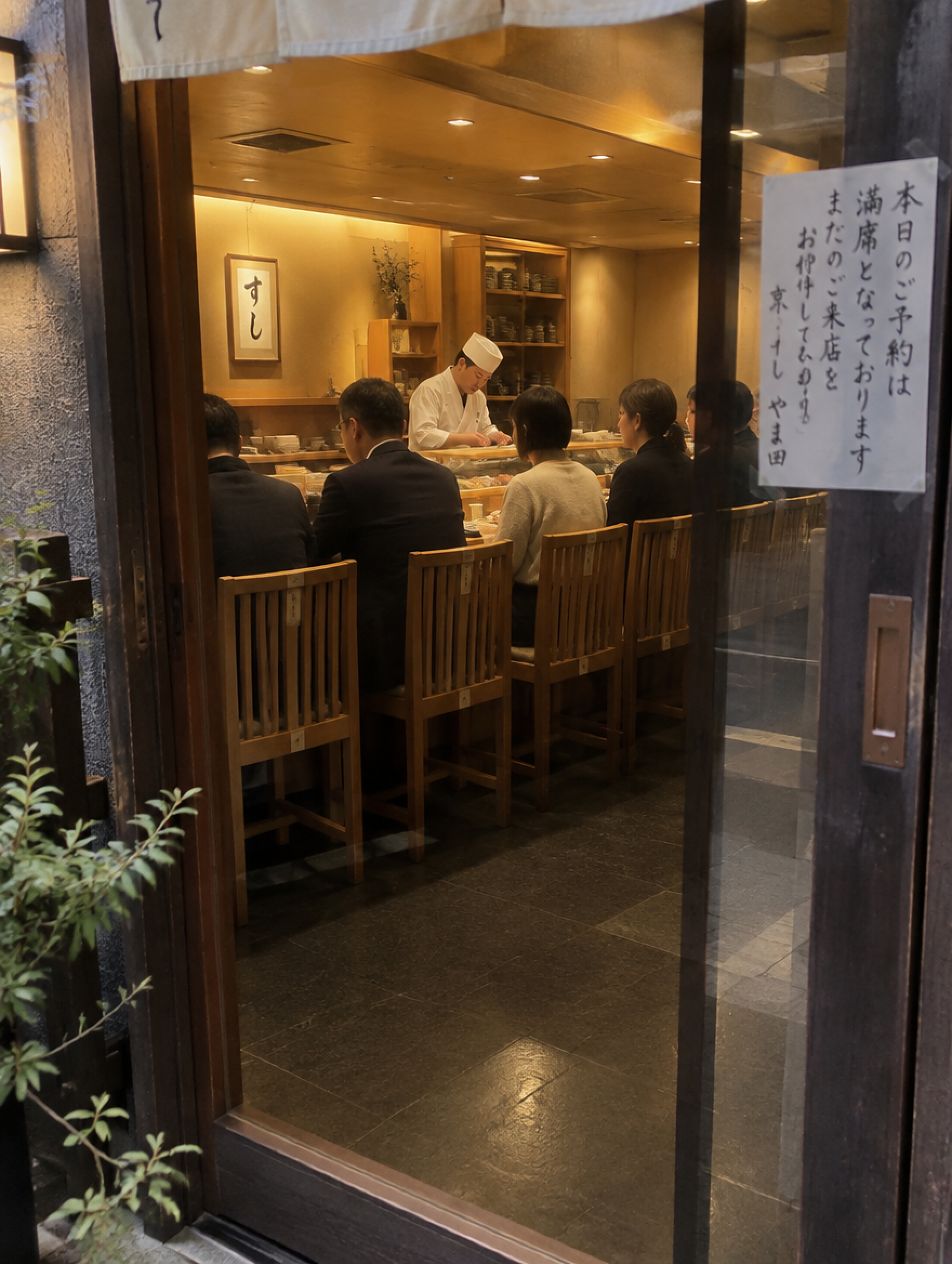
After my husband died, my best friends excluded me from our annual trip to Japan. I went anyway. When their trip fell apart, they all frantically tried to reach me. I did not pick up the phone. I was on a mountain trail on the third morning, moving faster than I had in two years. For ten years, Mark and I traveled with the same five couples. Every year, somewhere new. I'm the one who planned it. Always. I found the houses, the restaurants, the flights. I booked everything, organized the itineraries, handled the problems when they came. That was my role. For a decade. Mark died in March. Eight months later, someone in the group texts that this year's trip is Japan. Ten days. Kyoto, then the coast. I'd already started researching. I had a folder. Ryokans, train schedules, a sushi counter in Kyoto that required a reservation four months out through a concierge service only available in Japanese. I was three weeks into the planning. Then the message came from Melissa's phone. "Hey Jen. So we've been talking as a group, and we think it might be better if this year's trip stays a couples thing. Japan is a LOT. The flights, the language barrier, the trains. We just want to make sure the trip runs smoothly for everyone." Smoothly for everyone. I read it twice. Then I called her. She answered on the second ring. "Melissa. Talk to me." A pause. "It's just, Japan is complicated. International flights, connections, navigating a country where nothing is in English. Mark always handled the physical stuff for you two, and we just don't want you to be overwhelmed." "Mark didn't handle anything. I did. For all of us. For ten years." She stopped. Long enough to answer the question without words. Then her voice shifted. Warm in the specific way that arrives just before a difficult sentence. "Jen, this comes from a place of caring. You haven't seemed like yourself in a really long time. You're always so tired. And honestly, at the farewell dinner last month, you were done before nine. You barely made it through dessert. We just didn't think you could keep up with ten days in Japan." A pause. "We didn't think you could manage it." I sat with that for a moment. I had planned every trip this group had taken for a decade. Found the villa in Portugal that Melissa still talks about. Booked the boat in Croatia that everyone calls the best day of their lives. Navigated a medical emergency in Costa Rica when Mark's partner got food poisoning and I was the only one who kept her head. Handled a canceled flight in Morocco for the whole group while everyone else stood around refreshing their phones. I did all of this. While also raising my son. While Mark traveled for work, sometimes for months at a time. I ran our household, his school, my career, and planned every trip, alone. Melissa has known me for ten years. In the last two of those years she'd watched me slow down. And she'd decided that was who I was now. And the worst part was that lately I'd started to agree with her. "Got it," I said. "I hear you." I hung up. I'd already spent three weeks on their itinerary. The sushi counter in Kyoto. A private tea ceremony I'd found through a woman Beth knew. Walking routes through Arashiyama that avoided the tourist crush. I sent Melissa one message. "I'll let you take it from here." Then I closed the folder and put my phone in a drawer. I called my sister Beth that night. Beth spent twenty-eight years as a flight attendant. International routes. She flew Tokyo out of JFK for the last eleven years of her career. She knows Japan the way most people know their own kitchen. I told her everything. She listened the whole way through. When I finished, she said, "Jen. You are not sitting this one out." "I wasn't invited." "That's not what I said." A long pause. "Where are they going?" "Kyoto. Then somewhere on the coast." "Then you go to the mountains. Different Japan entirely. They won't see a single one of you." She paused. "There's a village I used to visit on layovers. Three hours from Kyoto by train, then a bus into the valley. A ryokan run by a woman named Fumiko. She's been running it alone since her husband died twenty years ago. She's eighty-something and she moves like she's fifty. I stayed there four times over the years and every time I left I felt like I'd put something back together." "Beth." "Jen. Go. Eat real food. Walk. Come back to yourself." She paused. "Be the woman who planned every trip they ever took." I booked it that night. A small ryokan in a mountain village three hours from Kyoto. Six nights. A tatami room with a view of the valley and absolutely nothing on the agenda. I'll tell you what I hadn't told Beth. What I hadn't told anyone. Melissa wasn't entirely wrong. I did look tired. I was tired. I was exhausted in a way sleep didn't touch. Eight hours and I'd wake up feeling like I'd been hit by something. And the sleep wasn't even real — somewhere between three and four in the morning, wide awake, staring at the ceiling in the dark. My head was full of fog. I'd lose words mid-sentence. Walk into a room and stand there. I forgot my own zip code filling out a form at the dentist. And the physical stuff. I'd come back from a walk and need to sit down before doing anything else. I was taking the elevator when nobody was watching. Choosing the lighter bag. Stopping on stairs I used to climb without thinking. Not because something was broken. Just because my body had less of something it used to have and I'd been calling it grief so long I'd stopped questioning it. I'd tried to fix it. All the obvious things. Magnesium, B12, iron, adaptogens, a wellness powder that cost eighty dollars and tasted like chalk. I'd cleaned up my diet. Walked every morning whether I felt like it or not. Nothing stuck. A little shift in the first week, a flicker of something, then the fog came back and the tiredness settled back in and I was out another sixty, eighty dollars. I'd told myself this was what grief did. What sixty-one looked like. And some small voice had started agreeing with Melissa. Maybe I couldn't keep up. Maybe I was the tired one now. That's what I carried onto the plane. The village was the kind of place that doesn't perform for anyone. Wooden houses along a narrow road. Steam rising from the hillside where the spring came up through rock. An old man sweeping the path to the shrine at seven in the morning. A woman who ran the ryokan named Fumiko — somewhere past eighty, moving like she was fifty-five. That's the thing I couldn't stop watching. Fumiko was twenty years older than me and she put me to shame. Up before me every morning, arranging flowers in the entryway, carrying trays up a narrow staircase that left me winded. Sharp. Quick. Unhurried but fast. She'd lost her husband, run the place alone for decades, and she had more life in her than I'd had in years. On the third evening she found me in the garden. She could see it on me. The tiredness. The kind you can't hide from someone who's lived long enough to recognize it. She sat down on the bench without asking and set a cup of tea in front of me. "You are tired," she said. Not a question. "I've been tired for a while." "How long?" I thought about it. "Two years. Maybe longer." She nodded like I'd confirmed something she already knew. "What do you take?" she asked. "For your energy. What do you take?" I listed the things. The magnesium, the B vitamins, the powders. She listened patiently. "None of those," she said when I finished, "go where the problem is." I asked her what she meant. "Your body runs on fuel," she said. "Very specific fuel. Not food. Not vitamins. The fuel your cells make from what you eat. A molecule they produce to power every movement, every thought, every time you lift something or climb stairs or hold your attention on one thing." She paused. "After fifty, your body makes less of this fuel. Less every year. You don't notice one year. You don't notice the next. Then one day you are climbing stairs you used to run up and you have to stop, and you call it getting older, and your doctor calls it normal, and everyone agrees it's just what happens." She set down her tea. "It is not what happens. It is what happens when your cells run low on something specific. And the things you have been taking? They work somewhere else. Not here. You have been feeding other parts of the machine while this part starves." I asked her what she took. She smiled. "Creatine. Every morning. Same as my mother." I almost laughed. "Creatine is a gym thing." "That's what everyone says." She wasn't offended. "The gym people found it first. But it was never theirs." She looked out at the valley. "Your body uses creatine to make the fuel your muscles and your brain run on. ATP. When you are young, your body makes plenty. After forty, it makes less. After fifty, much less. By sixty —" she tilted her head toward me in a way that didn't need finishing. "So you take a supplement." "I take what my body stopped making enough of on its own. Same as taking vitamin D in winter. You're not sick. You're running low on something specific. You give it back. Things start working again." Then she said the thing I haven't been able to get out of my head since. "You have been calling it grief. Your doctor calls it age. I am telling you — the tired you feel is not a story about who you are now. It is a tank that has been running empty for years." I sat in that garden for a long time after she went back inside. I slept ten hours that night. I don't know if it was the mountain air or the tea or just the first real quiet I'd had in two years. But I lay in that tatami room and I thought about Fumiko — eighty-something and carrying trays up stairs — and Melissa's voice, we just didn't think you could keep up, and for the first time the two things didn't fit together the way I'd been letting them. Maybe I wasn't old. Maybe I wasn't grieving my way into someone smaller. Maybe my cells were just running low on something specific and nobody had ever pointed at that particular thing. The fourth night, my phone was face-down on the nightstand. By morning there were twelve messages. Melissa, three times. Sarah. Two others from the group. My son Danny. I read them slowly, in the garden, with tea. The sushi counter in Kyoto I'd found required the reservation I'd never passed along. They couldn't get in. The private tea ceremony I'd arranged through Beth's contact had been released when my follow-up email never came. They'd tried to book a replacement through the hotel concierge and ended up at a tourist demonstration with forty other foreigners. Nobody could navigate the train system. Melissa had gotten them on the wrong Shinkansen out of Kyoto and they'd ended up an hour in the wrong direction. The best photos from the whole trip, apparently, came from the hotel lobby. I set the tea down. I didn't feel triumphant. I just felt clear. I texted Danny back. Told him I was sorry to hear the trip had been rough. That I hoped they'd found moments to enjoy anyway. That I was fine. Then I put the phone away and went to find Fumiko, because I wanted to know exactly what to order when I got home. I tried to do it cheap first. Of course I did. A tub of creatine powder from the vitamin shop near my apartment. The kind with the scoop. The kind that turns the water gray and gritty and sits on your counter like a judgment. I lasted four days. It sat there every morning and I walked past it. Then I moved it under the sink and told myself I'd try again later. I called Beth and told her it wasn't working. "What did you buy." "The powder. The big tub." "That's the problem. It's not the creatine — it's the form. You have to actually take it every day. That's the whole thing. A powder you dread opening at six in the morning is not going to get you there." She sent me a link. OMNI. Creatine gummies. Three small chews in the morning with a glass of water. Watermelon flavor. No scoop, no shaker, no gray water. That was the whole ritual. She'd found them after looking specifically for what Fumiko had described — the right dose, the right form, and a company that could actually prove what was in the bottle. Because here's the thing she'd learned while researching: half the creatine gummies on the market don't contain what they claim. One lab test of twelve popular brands found six that were underdosed — some dramatically. One brand claimed five grams per serving. Actual content: less than one. That's why so many people try creatine, feel nothing, and conclude it doesn't work for them. It worked fine. The bottle just didn't have what it said it had. OMNI is third-party tested by Eurofins — one of the largest testing labs in the world — every single batch, before it ships. Not quarterly. Not randomly. Every batch. The COA is public. Three grams of creatine monohydrate per serving, verified. Doctor-formulated. Made in the US. Clean label — vegan, no gluten, no dairy. "If you're going to do this," Beth said, "do it with something you can trust." I ordered that night. They arrived three days later. I opened the bag at the kitchen counter. Three gummies. A tall glass of water. That was the whole thing. I'm going to be careful here because I have spent two years trying things that didn't work and I know what it feels like to want something to work badly enough to see things that aren't there. So here is what I actually watched. About ten days in, I got through the afternoon. The whole afternoon. No wall at two o'clock. No fog settling behind my eyes. I was at my kitchen table at four-thirty doing things, and I looked up and realized I hadn't stopped to recover from anything since morning. I sat with that for a minute because I genuinely couldn't remember the last time it had happened. Week two, the stairs. I live in a building with four flights and I'd been taking the elevator since the previous winter. One morning I just walked up without thinking about it. Got to my floor and realized what I'd done. I stood in the hallway for a second. Then I went back down and did it again. Week three. The week that always mattered, because every supplement I'd ever tried fell apart at week three. Two weeks of feeling better, then the familiar slide back — the energy dips, the fog returns, the hope leaves. Nothing slid back. The energy held. The three a.m. wake-ups — gone. Not fewer. Gone. I was sleeping through the night and waking up before my alarm feeling like I'd actually rested. Week four, Beth came for dinner. She stopped in the hallway when I opened the door. "Jen. What happened." "What do you mean?" "You look like you did five years ago." I hadn't changed my diet. Hadn't added exercise. Hadn't done anything except take three gummies every morning and let them do what my body had stopped being able to do on its own. I ordered a second bag. I gave it to Beth. She called three days later. "My husband asked if I'd done something different with my hair. I slept through the whole night. I haven't done that in over a year." "I know," I said. "I know." Melissa's birthday was in April. A dinner at her house. First time I'd seen the group since Japan. I walked in rested, quick the way I used to be, the fog nowhere. I wore a fitted dress and I didn't offer to take anyone's photo. Melissa watched me from across the room for a while. I could see her doing the math. Comparing the woman in front of her to the tired one she'd decided couldn't keep up four months earlier. Toward the end of the night she came and sat next to me. "Jen. Can I ask you something? You look — I don't think I've ever seen you look like this. What have you been doing?" Four months earlier she hadn't thought I could handle ten days in the country I'd just come back from looking like this. I looked at her for a second. Then I told her. About an eighty-something woman running a ryokan in a mountain village three hours from the Kyoto restaurant she couldn't get a table at. About what Fumiko had said — that the tired wasn't a story about who I was now, it was a tank that had been running empty for years. About creatine stores declining quietly after fifty, in a way that doesn't show up on any bloodwork and that no doctor will mention at your annual physical. About the fuel your cells need to do everything — move, think, recover, get through the afternoon — and what happens when they stop having enough of it. About three gummies in the morning with a glass of water, and the fact that it was never grief and it was never age. She typed the name into her phone right there. Sarah was watching from across the table. She leaned in. "What are you two talking about?" Melissa looked at her. "You need to hear this." Here's what I learned. Melissa looked at two years of watching me fade and decided that was who I was. She heard "tired" and "can't keep up" and turned it into a woman who needed to be left behind for her own good. And the worst part is I'd half believed her. I'd looked in the mirror and agreed. I wasn't past it. I wasn't too old. My body had simply been running low on something specific — the fuel my cells use for everything — and it had been running lower every year since my mid-fifties, quietly, the way these things always go quietly, until one day the stairs are hard and the afternoons are gone and your best friend of ten years decides you need to be managed instead of invited. I didn't get younger in Japan. I found out what had been aging me. An eighty-something woman with no medical degree and no supplement industry behind her knew what two doctors and a best friend couldn't see. If someone in your life has looked at everything you've carried and decided that means you need to be managed. If they've handed you a story about yourself you never agreed to. If you've tried supplement after supplement and the tiredness always comes back. If you've done everything right and still hit the wall every afternoon and still get told it's just your age, it's just stress, it's just what happens now. It might not be your age. And it was never your fault. It might just be a tank running empty that nobody ever bothered to fill. OMNI sells out often. The Eurofins testing adds weeks to every production cycle because they won't ship a batch until it's cleared. That's the cost of doing it right. If you go to order and they're out, get on the restock list. Worth the wait. And there's a 30-day money-back guarantee — every penny back if nothing shifts. That's a policy that only makes sense if the product actually works. Three gummies. A glass of water. Every morning. That's the whole thing. Melissa asked what I'd been doing. She'd already spent years tired, foggy, done before nine, watching the people around her decide what she was and wasn't capable of anymore. I'd already gotten mine heading the other direction. Book the trip you weren't invited to. Come back as the woman who planned every one they ever took.
Where the ad sends people
omnicreatine.com
I wasn't past it. I wasn't too old. My body
Support long-term health with daily longevity supplements. Promote muscle preservation, brain function, cellular energy & health with clinically studied ingredients.
Shop now: omnicreatine.com(opens in a new tab)