
Active· since Jun 12, 2026
- 97
- days running
- 1
- relaunches
- 440
- EU reach
Ad copy
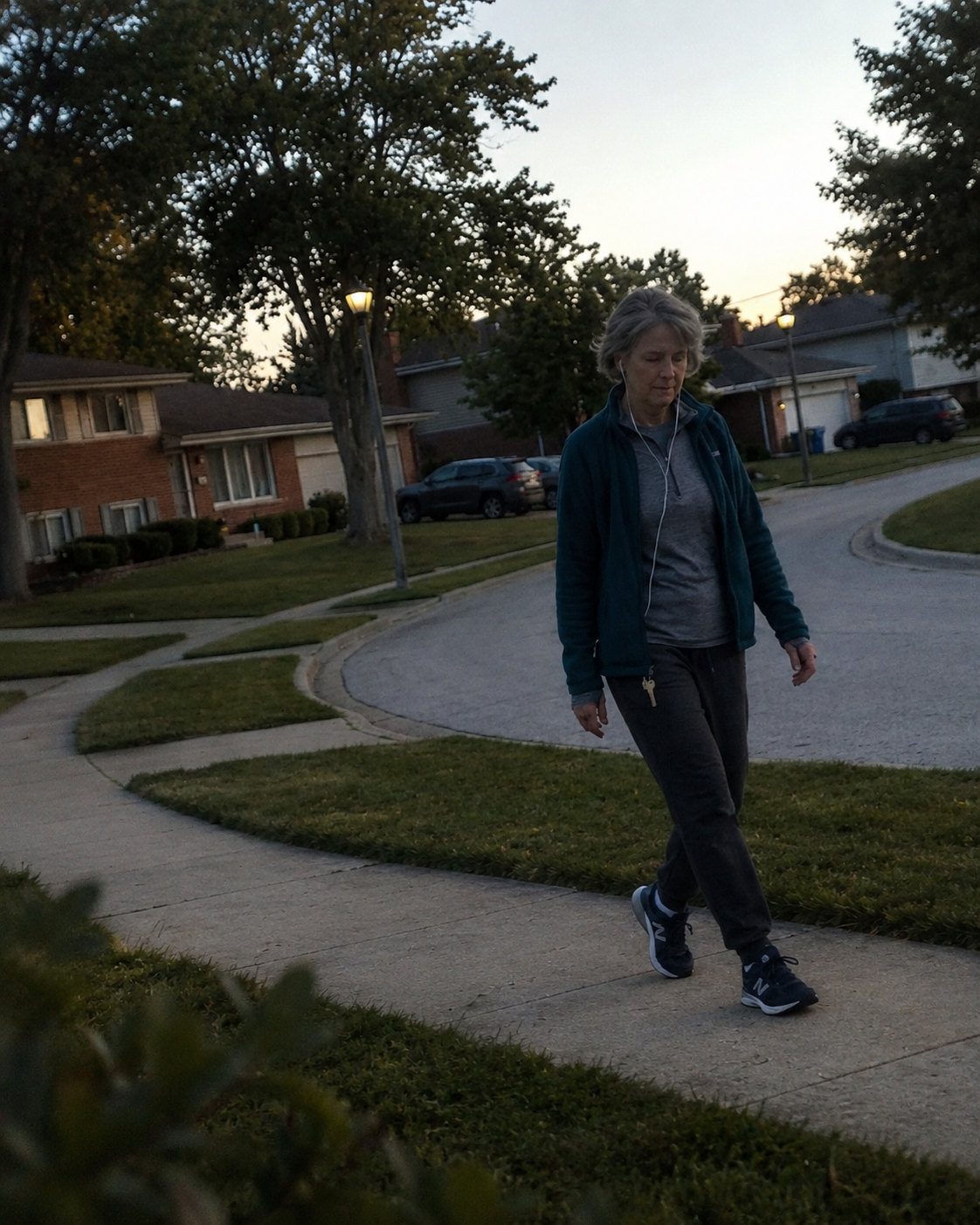
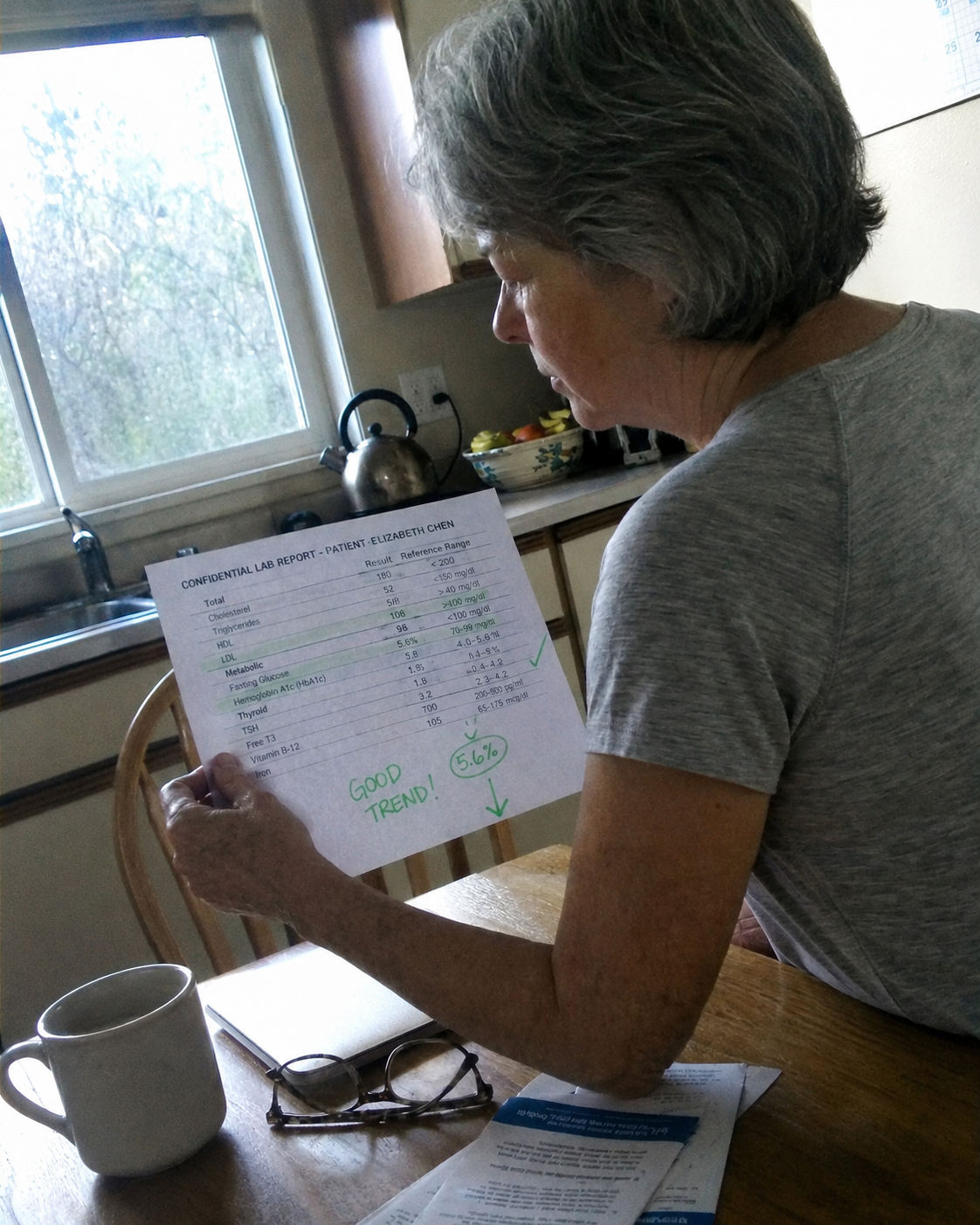
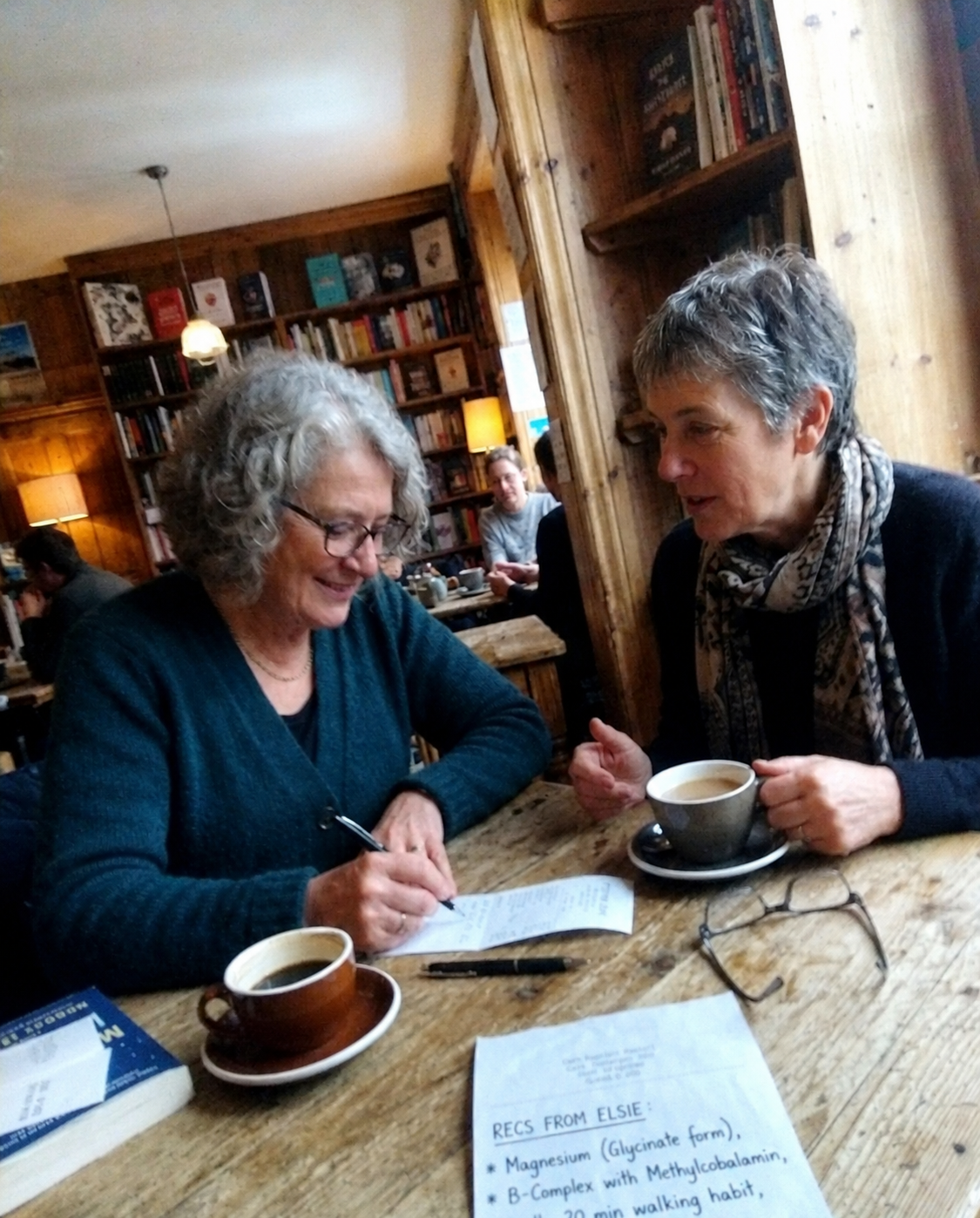
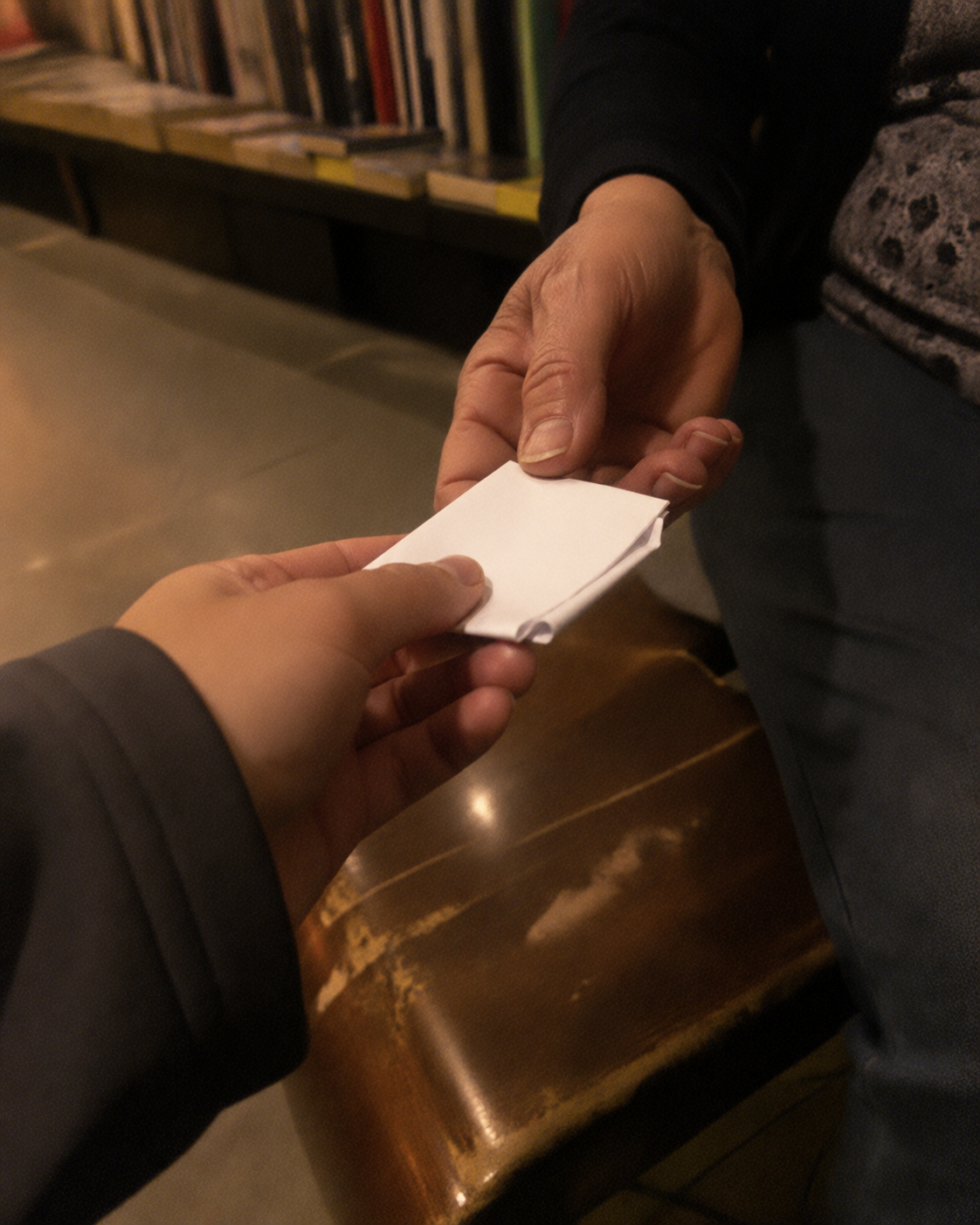
My Daughter Asked Me to Help Carry Her Suitcases to Her Dorm. I Could Not Lift the First One. I am writing this because a woman who joined my Tuesday morning yoga class in January stayed after class three weeks ago. She had been watching how I teach. She had wanted to know what I was doing differently. I told her in my small office off the studio lobby. She called her doctor that Wednesday. I am writing this for her. For the woman who sat down with me on a bench in the back of a secondhand bookstore last October. For my daughter. For the next fifty-something woman who has been doing every healthy thing for thirty years and has been pretending her body is not telling her something. I am Linda. I am fifty-six years old. I own a yoga and Pilates studio in our town. I founded the studio eighteen years ago, when I was thirty-eight and our daughter was a baby. I teach six classes a week. I do the books on Tuesdays. I do the website on Wednesdays. I do the schedule on Thursdays. I am at the studio for forty hours a week. I am married to my husband Frank for thirty years. He is sixty. He is a structural engineer at a small firm. He still works. We have one daughter, Annie. She is eighteen. She left for college on the last weekend of September last year. A small liberal arts college about three hours from our house. I want to tell you about the dorm move-in. Because the dorm move-in is what I had to look at before I could stop pretending. I have to back up first and tell you what I have been doing for thirty years. I have been doing everything right for thirty years. I have been on a Mediterranean approach to eating for fifteen years. I have not had red meat in a decade. I cook every night. I do not eat processed food. I do not drink. I have not smoked since I was twenty-six. I have been doing my own yoga practice for thirty-five years. I have been doing my own Pilates practice for twenty-two years. I have been teaching both for eighteen. I walk four miles in the morning before the studio opens. I have been doing the four-mile walk for nineteen years. I get eight hours of sleep most nights. I have been to every annual physical of my adult life. Every panel has come back clean. Cholesterol has been good. Blood pressure has been good. Resting heart rate has been good. Bloodwork has been clean for thirty years. I have been the model. I have been the person other women in their fifties have come to my studio to look at and ask: "Linda. How are you doing it?" I had been telling them the truth. The walking, the eating, the practice, the sleep, the not drinking. I had been telling them the truth about what I was doing. I had not been telling them the truth about how I had been feeling. I had been feeling off for about two years. Not in a way I could point at. In a way that had been quietly accumulating. I had been tired in a way that had not matched my work. I had been telling myself the studio had been working me harder than it should have been. The studio had not been working me harder. I had been running it the same way for eighteen years. I had been getting through my own practice on autopilot. I had been doing the same routines I had taught for years. I had stopped trying the harder variations I used to try. I had been telling myself I was fifty-six and the harder variations were for people in their thirties. I had been a teacher who was doing the work of teaching but had been quietly not doing the work of being a body in the room with my students. I had been hiding it. I had been hiding it the same way Tom in the prior ad had been hiding his falling asleep at the dinner table from Helen. I had been hiding it from Frank. I had been hiding it from my students. I had been hiding it from myself. I had been telling myself that fifty-six was fifty-six. I had not been telling myself that I was the woman who had been writing the script for fifty-six for women in my town for almost two decades. Annie was leaving for college on Saturday, September 28. I had been looking forward to the dorm move-in for months. I had been the mother who had been packing the boxes for weeks. I had bought the bedding. I had bought the small refrigerator. I had bought the desk lamp. I had bought the rug. I had been the mother who had been doing the work. The morning of the move-in, Frank and I drove up to the campus in two cars. I drove my car with Annie in the passenger seat. Frank drove his car with a small rented trailer behind it. We got to the dorm at noon. We parked at the loading zone. There was a window of two hours to unload before we had to move the cars to the long-term lot at the edge of campus. Frank started unloading the trailer. I went to the back of my own car. The trunk was full of Annie's larger suitcases and storage bins. The first suitcase was the big one. Annie's clothes for the year, packed full. Probably about fifty pounds. I reached into the trunk to lift it out. I got it about six inches off the floor of the trunk. I could not get it any higher. I set it back down. I tried again. I could not lift it out of the trunk. I stood at the back of my car for a moment with my hands on my hips. Annie was at the trunk too. Annie is eighteen. She is five foot four. She is not particularly athletic. She is a quiet kid who has read a lot of books. She reached in. She lifted the suitcase out of the trunk in one motion. She set it down on the pavement. She said: "Mom. I got it." I said: "Annie. Thank you." I moved to the second suitcase. I could not lift that one either. Annie lifted it out. I stepped back from the trunk. I let my eighteen-year-old daughter and my sixty-year-old husband unload the rest of the car and the trailer. I stood at the loading zone and watched the two of them carry my daughter's life into the dorm building. I had been a yoga and Pilates teacher for eighteen years. I had been doing back-strengthening work twice a week as part of my own practice for thirty-five years. I had been a woman whose body had been her work. I could not lift my daughter's suitcase. I did not say anything to Frank or Annie that day about it. I drove home from the dorm move-in alone in my car. Annie was riding back home with Frank. She had to come back home for the night before they were going to drive her up again Sunday for the actual first day of dorm life. (She had wanted one more night in her own bed. She had been an only child. She had been close to me.) I drove the three hours back home alone. I stopped at a coffee shop about forty-five minutes from home. I bought a small black coffee. I sat in the parking lot of the coffee shop and cried for half an hour. I did not cry the way you cry when you are heartbroken about your daughter leaving for college. That cry had come the night before in our kitchen and would come again over the next year. I cried in the parking lot the way you cry when you have been pretending to yourself about something for two years and the body of the thing you have been pretending about has finally arrived in your hands, on the floor of your trunk, in the form of a fifty-pound suitcase your daughter could lift and you could not. I drove home. Frank and Annie pulled into the driveway twenty minutes after I did. I made dinner. Annie went to her room early. She was tired from the day. Frank and I sat on the back porch. He said: "Linda. You were quiet on the way home in your head. Was it the leaving?" I said: "Frank. It was the leaving. It was also something else." He did not push. I did not tell him that night. I sat with it for three weeks. I went to my own classes. I taught. I did my own practice. I walked the four miles. I did not lift anything heavier than my own yoga mat at the studio. Three weeks later, on a Saturday afternoon in mid-October, I went to the small secondhand bookstore in our town. The bookstore is in an old Victorian house on the main street. I had been going there for years. I was in the wellness section. I was looking at the books on my own field. The yoga books, the Pilates books, the breathwork books, the longevity books. I had read most of them. I had owned most of them. I had been telling myself I had been looking for a new book to read. I had really been looking for an answer. A woman in her sixties was browsing the same section. She was tall. She had silver hair in a long braid. She was wearing the kind of comfortable wool sweater women in their sixties wear in October. She pulled a book off the shelf and looked at it. She glanced at me. She said: "Are you looking for anything in particular?" I said: "I am not sure." She said: "I have noticed you in here a few times over the last year. You have been in this section every time. I taught philosophy at the small liberal arts college up the road for thirty-six years. I retired four years ago. I have been watching how people browse books for a long time. You are not browsing. You are searching." I looked at her. I said: "My name is Linda." She said: "I am Sandra. I am sixty-six. Will you come sit on the bench in the back of the store with me for a few minutes?" There was a small bench at the back of the bookstore between the philosophy section and the history section. I sat down with Sandra on the bench. I told her about the suitcase. I told her about the two years of feeling off. I told her about being a yoga and Pilates studio owner for eighteen years. About doing everything right for thirty years. About having clean bloodwork at every annual physical of my adult life. I told her I had been telling myself it was fifty-six approaching and the studio working me harder than it should have been. I told her I had been pretending the suitcase had not happened. Sandra listened. When I was done, she said: "Linda. I want to tell you about what I was doing in the wellness section of this bookstore three years ago, when I was sixty-three. Will you let me?" I said: "Yes, Sandra." Sandra told me that she had been in the same bookstore in the same wellness section three years before. She had been sixty-three. She had retired from teaching at the college a year before that. She had been working on her own retirement project — writing a book about a philosopher she had taught for thirty-six years. She had been trying to finish a 350-page manuscript she had been working on for fifteen years. She had been feeling off for about a year. She had been tired in a way she could not point at. She had been having trouble focusing through a chapter. She had not been able to write for more than about ninety minutes at a time. She had been a woman who had written for four hours a day for her entire career. She had been to her doctor. Her bloodwork had been clean. Her doctor had told her to keep walking, keep sleeping, keep eating well. She had been in this bookstore that day looking for a book. A woman she did not know had pulled a book off the shelf and handed it to her. The book had been about cardiovascular wellness and the way the body's natural antioxidant systems thinned with age. The woman had told Sandra she had been watching her in the store for months. Sandra had read the book. The book had pointed her to research on beetroot. The active compound in beetroot — the betalains, the deep red pigment in the root — had been studied for decades for cardiovascular wellness. It supported the body's natural antioxidant balance, supported healthy circulation, and supported the body's natural cellular energy. Sandra had read further. She had landed on a small company called Rosabella that cold-pressed beetroot at low temperatures. The active compound is delicate and sensitive to heat. Most processing methods damage it. Cold-pressing at low temperatures preserves it. The capsules in the bottle were a deep, dark crimson when she had opened her first bottle. That color was the pigment, intact. She had brought a bottle to her doctor before she had started. Her doctor had said it was a sensible thing to add. Add it to what she was already doing. Don't change anything else. The supplement is in the additive layer. It supports the wellness layer underneath. It is not a treatment for anything. Sandra had been on it for almost three years. She told me, on the bench in the back of the bookstore: "Linda. I am not making a clinical claim. I am one retired philosophy professor on a bench in a bookstore. I am one story. The book mattered. The doctor mattered. The supplement mattered. The writing mattered. They all happened together. I cannot tell you which one was the thing. I can tell you the manuscript I had been struggling with for fifteen years was finished thirteen months after I started the supplement." She pulled a small notepad out of her bag. She wrote down the name of the supplement. She wrote her phone number underneath. She handed the piece of paper to me on the bench. She said: "Linda. Take this to your doctor. Talk to your doctor first. That is the most important step. If your doctor agrees it is a sensible thing to add, add it. If your doctor disagrees, do not add it." I took the piece of paper. I said: "Sandra. Thank you." We hugged on the bench. She walked out of the bookstore. I sat on the bench for another twenty minutes. I bought a small used copy of the same book Sandra's catalyst woman had pulled off the shelf three years before. The bookstore still had a copy on the shelf. I do not know if it was the exact same book or just another copy of the same title. I did not ask. I drove home. I showed the book and the piece of paper to Frank at the kitchen table that evening. I told him about the suitcase for the first time. I told him about Sandra. Frank held my hand at the kitchen table. He said: "Linda. Will you make an appointment with Dr. Linnaeus?" I said: "Yes, Frank." I called the next morning. I went to Dr. Linnaeus the following week. Frank came with me. Dr. Linnaeus has been my doctor for nine years. She is in her early sixties. She had been the doctor who had cleared my bloodwork at every annual physical for nine years. I told her about the suitcase. I told her about the two years. I told her I had been a yoga and Pilates teacher for eighteen years and that my bloodwork had always been clean. She listened. When I was done, she said: "Linda. I am going to do something more comprehensive than your annual panel. I want to run a deeper bloodwork. I want to check thyroid, ferritin, vitamin D, B12, an inflammation marker, a fasting insulin, an A1C. I want to run an EKG. I want to refer you for an echocardiogram. I want to make sure there is nothing structural we are missing." She ran everything over the next two weeks. Everything came back unremarkable. Dr. Linnaeus called Frank and me in. She said: "Linda. The deep panel is clean. The structural workup is clean. There is nothing I would put you on a medication for today." She paused. She said: "What you have been describing is real. It does not show up on the panel even when we go deep. What I see in a lot of women in their mid-fifties who have been doing every healthy thing for thirty years is a layer of cardiovascular and cellular wellness that the standard panel is not built to capture, even at this level of depth. The body's natural antioxidant balance. The body's natural circulation. The body's natural cellular function. The layer underneath the lifestyle layer. That layer is what the lifestyle layer rests on. It quietly thins with age. The lifestyle layer cannot directly reach it. The lifestyle layer rests on it." I want to tell you about that last sentence. The lifestyle layer cannot directly reach it. The lifestyle layer rests on it. I had been doing the lifestyle layer for thirty years. I had been a teacher of the lifestyle layer for eighteen years. I had been telling myself that doing the lifestyle layer well enough would reach everything that needed to be reached. Dr. Linnaeus told me that the lifestyle layer rests on something else. She told me my lifestyle layer had been resting on a layer underneath that had been quietly thinning for some time. She gave me the standard advice. Keep walking. Keep eating well. Keep sleeping. Keep teaching. I asked her about the supplement. She said: "Linda. I have been hearing about beetroot for cardiovascular wellness for several years from a few of my patients. The research is decent. It is sensible. It supports the layer underneath. It is not a treatment for what you have been feeling. It is support for the layer." She told me to start. Not to change anything else. Come back at six months. I ordered two bottles from the website that evening. Two because Frank wanted to start too. The bottles arrived three days later. We both started the following Monday. Two capsules each with a glass of water in the morning. We did not change anything else. I want to tell you what happened over the next twelve weeks. I am not going to make a claim about what caused what. I am going to tell you what happened in the order it happened. The first thing was the teaser. About three weeks in, on a Monday afternoon, I was teaching my Monday afternoon Pilates class. I demonstrated a teaser. The teaser is a Pilates move I have been demonstrating for eighteen years. The teaser had been getting harder for me for the last two years. I had been faking the hold. I had been bringing my upper body up but I had been letting it drop earlier than I had been telling my students to hold. That Monday I came up into the teaser. I held it. I held it for five counts. I came down. I did not say anything about it. Two students in the front row glanced at each other. One of them — a woman named Patricia who had been at the studio for eight years — caught my eye. She did not say anything either. She did the teaser herself with a small smile on her face. About five weeks in, on a Saturday morning, Frank and I went for our four-mile walk. I had been doing the four-mile walks for nineteen years. I had been doing them slower than I had been admitting for the last two years. That Saturday I walked the old pace. Frank had to walk faster to keep up with me. He did not comment on it during the walk. When we got back to the house, he said, on the front porch: "Linda. You were walking the old pace." I said: "Frank. I was." He said: "Honey. I had been worried." I said: "Frank. I know. I had been worried too." He hugged me on the porch. About seven weeks in, I drove up to visit Annie at college for parents' weekend. Frank could not come — he had a work commitment. I drove up alone on Saturday morning. I parked in the visitor lot at the campus. I walked to Annie's dorm. Annie met me at the front of the dorm. She had a small bookshelf in a flat box leaning against the brick wall by the front door. She had bought it at the small furniture store in the campus town the day before. She had been planning to ask the desk RA to help her get it up to her third-floor room. She said: "Mom. I bought a bookshelf." I said: "Annie. Let's get it up to your room." She said: "Mom. We can ask the RA. It is heavy." I said: "Annie. Let's try." I picked up the bookshelf from the wall. I carried it through the front door of the dorm. I carried it past the desk RA, who looked up from the front desk. I carried it up the staircase to the third floor. I did not set it down once. I set it down outside Annie's dorm room door. She unlocked the door. She brought me inside. She set the box down inside the room. She looked at me. She did not say anything for a moment. Then she said: "Mom." I said: "Annie." She said: "Mom. The suitcase." I said: "Annie. The bookshelf." She hugged me in her dorm room. We assembled the bookshelf together that afternoon. I drove home Sunday evening. I told Frank when I got home. He said: "Linda." I said: "Frank." We had dinner. About nine weeks in, I called Sandra. I had not been back to the bookstore since the bench. I had not used her phone number. I had been wanting to call her for nine weeks. I had been telling myself I should wait until I had something to report. That Tuesday evening I called her. She picked up on the second ring. She said: "Sandra Hendricks." I said: "Sandra. This is Linda. From the bookstore." She said: "Linda. I have been hoping you would call." I said: "Sandra. I have something to tell you. Will you have lunch with me?" She said: "Linda. Yes." We had lunch at the small café near the bookstore on Thursday. I told her about the teaser. About the four-mile walk. About Annie's bookshelf. She listened. When I was done, she said: "Linda. I am glad." She said: "Will you have lunch with me once a month? I am sixty-six. I have been retired for four years. I have been writing my book and I have been keeping to myself. I want to have a friend in my town." I said: "Sandra. Yes." We have been having lunch once a month since. About week eleven, Annie came home for Thanksgiving. She drove herself down from college in her own car. She had brought the car with her to school. She had been managing the parking permit herself. She arrived at five o'clock on the Wednesday before Thanksgiving. She parked in the driveway. She got out. She opened the trunk. The same big suitcase from the September move-in was in the trunk. I had been at the front window watching for her car. I came out the front door of the house. I walked down the front walk. I got to the back of her car. I reached into the trunk. I lifted Annie's suitcase out. I set it down on the driveway. I lifted it again. I carried it up the front walk. I carried it into the house. I set it down at the bottom of the stairs. Annie had been watching from the back of her car the whole time. She had not said anything. She walked up the front walk to the front porch. She came inside. She stood at the bottom of the stairs next to her suitcase. She did not say anything for a moment. Then she said: "Mom. You got the suitcase." I said: "Annie. I got the suitcase." She hugged me in the front hallway. She did not say anything else. She did not ask me what had changed. Frank came out of the kitchen. He had been making coffee. He saw the suitcase at the bottom of the stairs. He looked at me. I nodded. He smiled. He went back into the kitchen. I told Annie at Thanksgiving dinner the next day. The three of us were at the kitchen table. I had cooked. Frank had carved the turkey. Annie had set the table. I told her about the two years before the move-in. About the suitcase. About sitting in the coffee shop parking lot on the drive home from the dorm crying for half an hour. About Sandra in the bookstore. About Dr. Linnaeus. About the supplement. Annie listened to all of it. When I was done, she said: "Mom. Why did you not tell me?" I said: "Annie. I was ashamed. I was the model. I was the woman everyone at the studio looked at. I had been telling myself I had been doing everything right. I had been doing everything right. I had still been feeling off. I had not known how to say that out loud to my eighteen-year-old daughter at her dorm move-in." She thought about that for a moment. She said: "Mom. Will you tell me next time?" I said: "Annie. Yes." She said: "Mom. Promise." I said: "I promise." She hugged me at the kitchen table. Frank reached over and held both of our hands. We ate Thanksgiving dinner together. I went back to Dr. Linnaeus at my six-month follow-up in April. She ran the bloodwork. Took my blood pressure. Listened to me describe the previous six months. She sat back in her chair. She said: "Linda. Your numbers are in the best place they have been in years. Whatever you have been doing, keep doing it." I told her about the teaser. About the four-mile walk. About Annie's bookshelf. About the Thanksgiving suitcase. She smiled. She said: "Linda. I am so glad." She did not say anything else. She did not need to. I want to be careful here. I am not a doctor. I am not in healthcare. I am a yoga and Pilates studio owner. I am one fifty-six-year-old woman who had been doing every healthy thing for thirty years and who could not lift her daughter's fifty-pound suitcase out of the trunk of her own car at the dorm move-in. I do not know for certain that the Rosabella was responsible for what changed. I know what I was doing before. I know what I added. I know what I lifted at parents' weekend and at Thanksgiving. I know the timing. I also know I am fifty-six and I am going to keep aging, and there will come a day when no supplement will hold back the slow turning of the years. There will come a day when I will not be able to lift Annie's suitcase. There will come a day when I will not be able to teach my Monday afternoon Pilates class. I am at peace with that day coming when it actually comes. I am not at peace with my body pretending it had already come for two years when it had not. What I am telling you is what I tried. What I noticed. What my doctor said about it. That is all. If you are a woman somewhere in your fifties who has been doing every healthy thing for thirty years and has been feeling off in a way you cannot point at, and your last annual physical came back clean, here is what I would say. Stop pretending. Tell your husband. Tell your best friend. Tell whoever is closest to you. Call your doctor. Ask for a deeper workup than the standard annual panel. Thyroid. Ferritin. Vitamin D. B12. Inflammation markers. Fasting insulin. An EKG. An echocardiogram if your doctor agrees. Rule things out at depth. If everything comes back clean and the standard answer is keep walking and keep sleeping, ask your doctor about adding one more thing in the additive layer. If the doctor agrees it is a sensible thing to add, add it to what you are already doing. Do not subtract anything. Do not change anything else. Give it a few weeks before you decide anything. Bodies are different. Some women notice something within the first week or two. For me, the first thing I noticed was holding a Pilates teaser for five counts in front of my Monday afternoon class around the start of week three. That is the whole story. P.S. The new student in my Tuesday morning yoga class is named Catherine. She is fifty-one. She is a corporate communications director at a regional company. She has been doing yoga for twenty-five years. She had been at three other studios in our area before coming to mine. She is one of those students who comes in and tries to be a model student. She had been holding the poses too rigidly. She had not been modifying. She had not been breathing through the harder parts. She had been pushing herself in the way fifty-something women who have been doing things right for thirty years push themselves. In her fifth week at the studio, she stayed after class. She came up to me at the front of the studio. She said: "Linda. Can I ask you something? I have been watching you teach. There is something different about how you are teaching. The third pose in the standing series this morning — you did it with what I can only call ease. I have been doing this practice for twenty-five years. I cannot do that pose with ease anymore. I have been telling myself it is fifty-one. You are five years older than I am and you are not doing what I am doing." I asked her to come into the small office off the lobby. We sat down. I told her about the suitcase. I told her about Sandra in the bookstore. I told her I was fifty-six and I had been a yoga and Pilates studio owner for eighteen years and I had not been able to lift my daughter's suitcase three months ago. She listened. When I was done, she said: "Linda. I had not put a name on it. I have been pretending." I told her: "Catherine. Call your doctor. Get the workup. If your doctor agrees the supplement is sensible to add, add it around whatever your doctor recommends. The supplement is not the thing. Your doctor is the thing." She called her doctor that Wednesday. Her doctor ran the full workup. Everything came back clean. She gave Catherine the wellness-layer framing. She approved the supplement around it. Catherine has been in my Tuesday morning class for two months. She held the standing series with ease last week. She does not need to be the model student anymore. She has been breathing through the harder parts. She has been modifying. She has been holding the pose at the level her body is at on a given Tuesday morning. That is what doing the practice well actually looks like at fifty-one. That is how this works. A retired philosophy professor sits down with you on a bench in the back of a secondhand bookstore on a Saturday afternoon in October because she has been watching you in the wellness section. She tells you about the woman who sat down with her in the same bookstore three years before. You go home. You see your doctor. The doctor runs the deep panel. The deep panel is clean. The doctor approves the supplement. You start. Three months later you lift your daughter's bookshelf up three flights of stairs to her dorm room. Three months after that, a new student in your Tuesday morning class stays after class and asks you what you are doing differently. She calls her own doctor. A few months later she is breathing through the harder parts. The bookstore bench keeps going. The new students keep going. P.P.S. Here is what I would tell you to do if you are thinking about trying it. Check with your doctor or pharmacist first. That is the most important step. Ask for a deeper panel than the standard annual. Then take two capsules with a glass of water in the morning. Do not change anything else. Just add this. Give it a few weeks before you decide anything. Some women notice something within the first week or two — a Pilates teaser held for five counts, a four-mile walk at the old pace, a bookshelf carried up to a daughter's dorm room without setting it down. Others take longer. Be patient with your body. P.P.P.S. Rosabella has a 90-day money-back guarantee. If you are not satisfied for any reason, every penny back. No questions asked. That is a sensible policy for a supplement. It gives you time to actually see whether it helps. P.P.P.P.S. Rosabella is a small operation. They harvest and bottle on their own schedule. I keep an extra bottle in the house just in case. Frank started the supplement the same Monday I did. He called his own doctor first. His doctor said the same thing Dr. Linnaeus said. Sensible thing to add. He is sixty. He has been going up to the small loft on the third floor of our house where he keeps his old engineering books for the last three months for the first time in two years. He had been telling me his back. It had not been his back. Sandra and I have been having lunch once a month since October. She gave me a copy of the manuscript she had been working on for fifteen years on our December lunch. She had wanted me to have a copy. The manuscript was about a philosopher named Spinoza. I am not a philosophy person. I read the introduction. I did not understand most of it. I keep the copy on the shelf in our living room. It is on the shelf next to the empty bottle of Rosabella Mary the Plain woman gave Tom in Lancaster County last October. (I have not met Tom or Mary. The bottle is on Helen and Tom's shelf, not mine. But Tom and Helen are family friends of Frank's. Frank had brought home the empty bottle story from a dinner with them in January and I had told him about my own bottle and we had laughed about how the shelves in two houses in our town now have an empty Rosabella bottle on them next to other things that mattered.) That is what I want to tell you about. The supplement is one thing. The deep panel that Dr. Linnaeus ran is another thing. A retired philosophy professor on a bench in a bookstore who has noticed you in the wellness section is a third thing. The lifestyle layer is the work you can do. The wellness layer is what the work rests on. The work cannot reach the wellness layer. The work rests on it. That is the thing I had not understood for thirty years. That is the thing I understand now. https://track.tryrosabella.com/cdc16426-3e48-40a7-9fad-21098084f6cf Individual experiences vary. These statements have not been evaluated by the FDA. This product is not intended to diagnose, treat, cure, or prevent any disease.
Support stamina and heart health every day
LEARN MORELike this ad? Make it yours.
Crush rebuilds this exact creative around your product — your brand, your colors, your offer — in about a minute.