
Inactive· since Jan 21, 2026
- 28
- days it ran
- 8
- relaunches
Ad copy
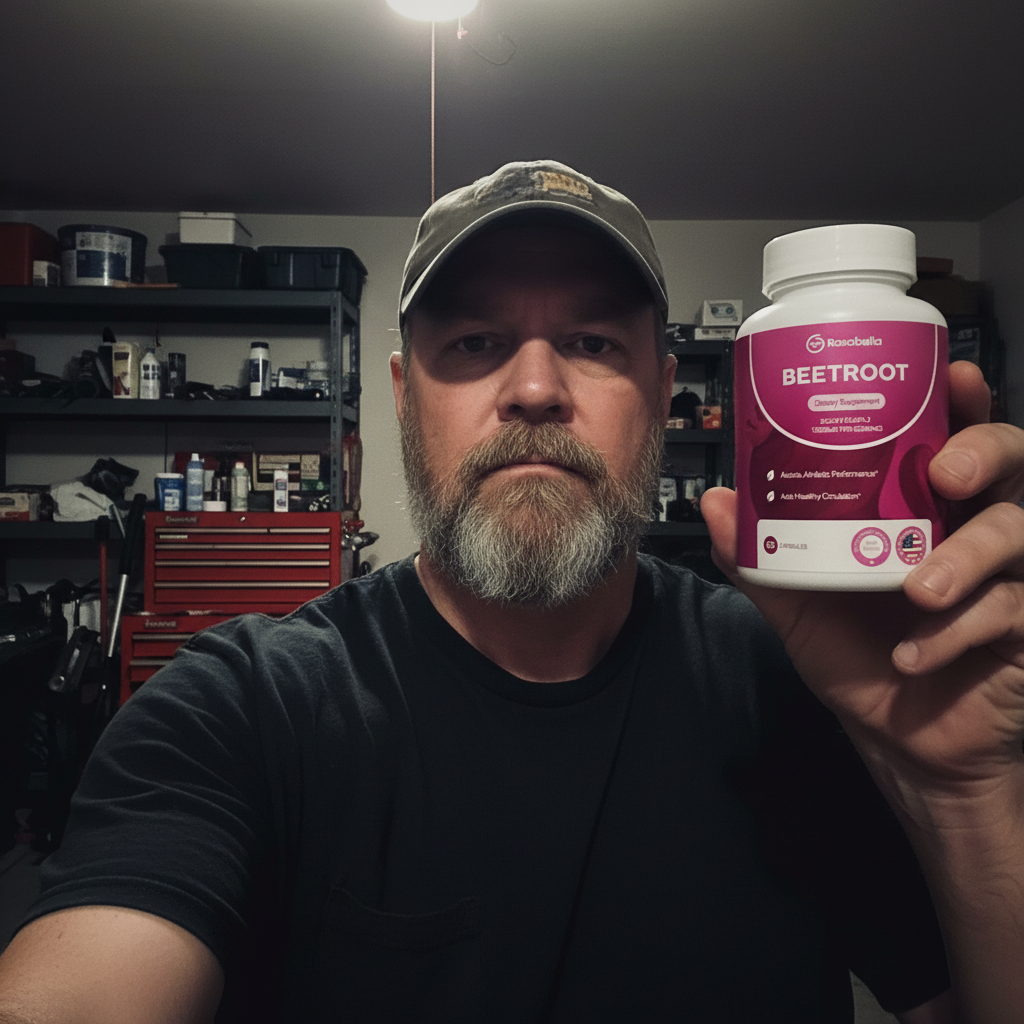
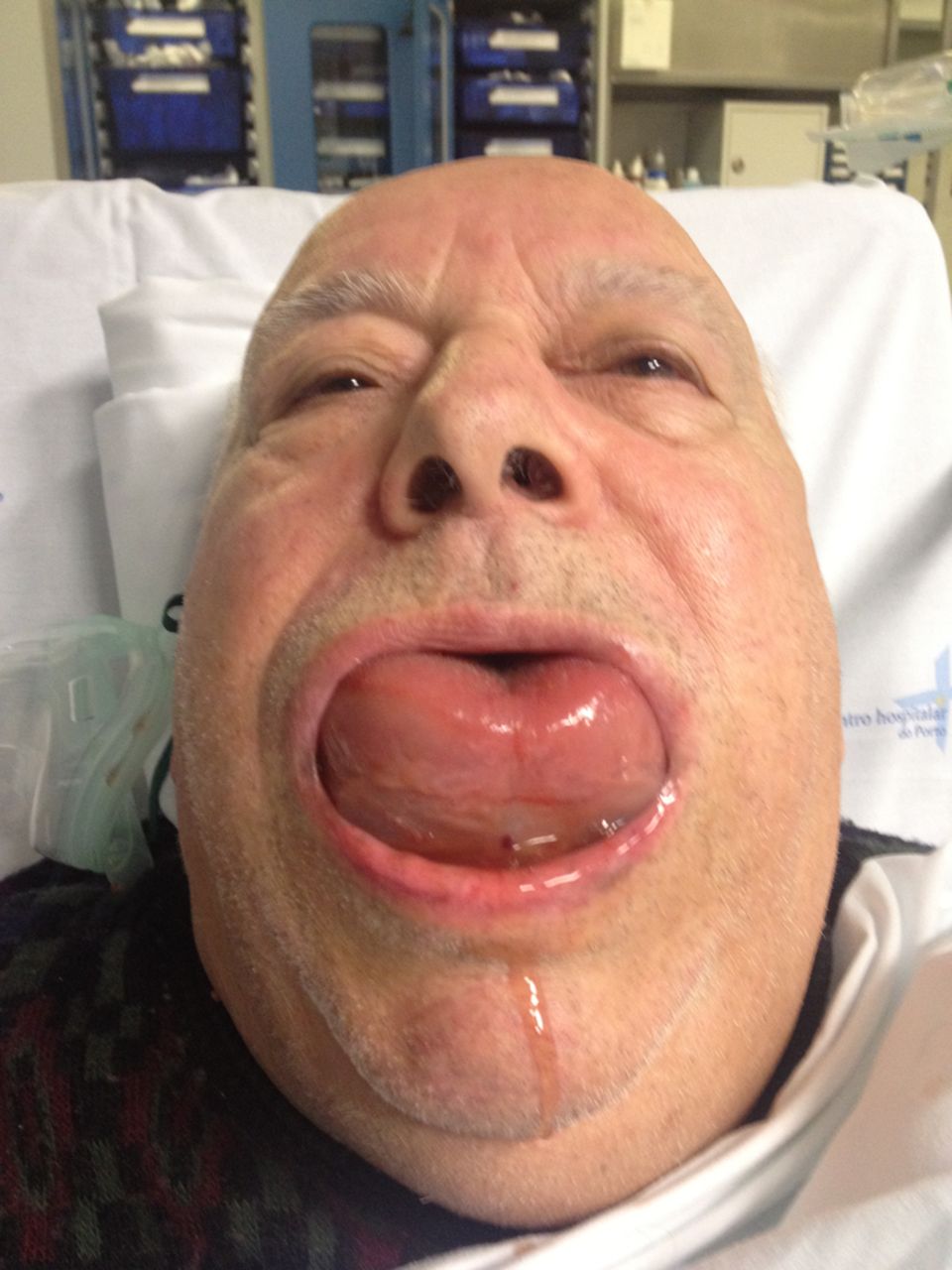
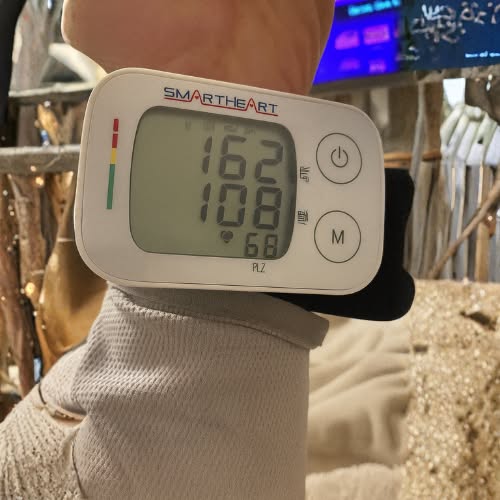
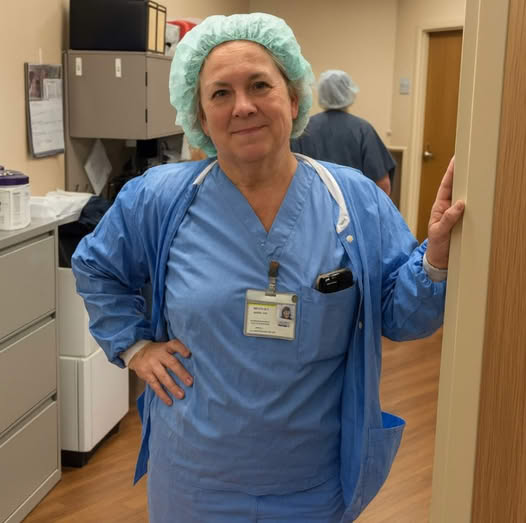
My Blood Pressure Was 147/94. My Doctor Prescribed Lisinopril. Four Months Later, It's 122/76. I Never Filled the Prescription. I've been a nurse for 32 years. I've watched hundreds of patients start blood pressure medication. Lisinopril, usually. The "gold standard," doctors call it. I've also watched what happens to them over the years that follow. The persistent dry cough that never goes away. That hacking, irritating cough that interrupts conversations, wakes them up at night, makes them sound sick even though it's "just the medication." The dizziness that leads to falls. I've seen patients with black eyes, split foreheads, broken hips—all because they stood up too fast and their legs buckled. The swelling. Ankles so puffy they can't wear normal shoes. Fingers so swollen wedding rings have to be cut off. The exhaustion. Patients who used to be active, engaged, full of life—now asleep on the couch by 7 PM. And the kidney function decline. Year after year, I've watched creatinine levels climb and GFR numbers drop. Stage 3. Stage 4. Dialysis. So when my own blood pressure started creeping up—142/91, then 145/93, then 148/95—and my doctor mentioned starting Lisinopril, I smiled politely and said I'd think about it. But I already knew I wasn't going to take it. I'd seen too much. I wasn't going down that road. So I researched alternatives. And everything pointed to beetroot. Dietary nitrates. Nitric oxide production. Studies from Duke, Stanford, Johns Hopkins showing real blood pressure reductions. Not 2 or 3 points. Meaningful, measurable improvements. Real science. Real universities. Not fringe supplement hype. This was my way out. My alternative to the medication I refused to take. I ordered a beetroot supplement. Highly rated. Thousands of reviews. Took it every single day for six weeks. My blood pressure? 146/92. Barely moved. My doctor's office called. "Ms. Warren, your blood pressure is still elevated. Dr. Reeves wants to discuss starting medication at your next appointment." I told them I needed more time. I tried a different beetroot brand. The one with the TV commercials. Eight weeks this time. Didn't miss a single dose. Still 144/91. I was running out of options. And I was running out of time. My next appointment was in six weeks. If my numbers weren't down, I knew what was coming. The prescription pad. The pharmacy. The slow decline I'd watched happen to patient after patient. I almost gave up. Almost concluded that beetroot just didn't work for me. That maybe I was foolish to think I could avoid medication. That maybe I should just accept it. But after 32 years as a nurse, I know something about treatments that don't work. Usually, it's not that the treatment is wrong. It's that something about the dose, the formulation, or the delivery is wrong. So instead of surrendering to Lisinopril, I started asking a different question. Not "does beetroot work?" The research already answered that. But "why isn't THIS beetroot working?" What I found made me furious. Most beetroot supplements are manufactured using high-heat spray drying. It's cheap. It's fast. And it destroys up to 90% of the dietary nitrates—the exact compounds that lower blood pressure. You're taking what you think is beetroot. But you're actually taking dead powder. The nitrates that are supposed to convert to nitric oxide and relax your blood vessels? Destroyed before the capsule is even sealed. And it gets worse. The clinical studies that proved beetroot works? They used 400 to 500 milligrams of dietary nitrates daily. Most commercial supplements contain less than 50 milligrams. Some as low as 10. But here's what really made my blood boil. They don't have to tell you. The label just says "beetroot powder." No nitrate content disclosed. No indication of whether the processing preserved or destroyed the active compounds. So you're buying a supplement. Taking it faithfully. Watching your blood pressure stay stubbornly high. Watching your doctor's appointment get closer. Feeling the medication becoming inevitable. Blaming yourself. Concluding beetroot "doesn't work." When really, you've been sold expensive capsules filled with nutritionally worthless powder. I'd spent four months taking supplements that never had a chance of working. Four months closer to the prescription I was desperate to avoid. But I also felt something I hadn't felt in weeks. Hope. Because if the problem wasn't beetroot—if the problem was how it was processed and dosed—then maybe there was a version that actually worked. Maybe I wasn't out of options after all. I started researching which brands used cold extraction instead of heat processing. Which ones standardized to the clinical dose. Which ones published their test results. One name kept appearing. In forums. In reviews. In recommendations from people who'd actually seen their numbers drop. Rosabella. Cold-extracted. Not heat-blasted. 400 milligrams of nitrates per serving. The actual clinical dose. Third-party tested with published results. Certificate of Analysis available. You could see exactly what was in it. No fillers. No additives. Just one ingredient—organic beetroot. I ordered it. My next doctor's appointment was in five weeks. This was my last chance before the prescription pad came out. The bottle arrived on a Tuesday. I took the first dose that morning. Expected nothing. I'd been disappointed too many times. But about twenty minutes later, I noticed something. A lift. Like someone had turned up the oxygen in my blood. The mental fog I usually felt by mid-morning wasn't there. My head felt clear. Sharp. That afternoon, the fatigue that usually hit around 3 PM didn't come. I grabbed my blood pressure monitor. Wrapped the cuff. Pressed start. 143/89. I stared at it. Took it again. 143/89. First reading under 144 in months. Could be a fluctuation, I told myself. Don't get excited yet. But I kept taking it. And I kept checking. One week: 139/86. Two weeks: 134/83. The numbers stayed consistent. Morning, afternoon, evening. This wasn't a fluctuation. Three weeks: 130/80. Four weeks: 126/78. I checked it three times that morning. 126/78. Then 125/77. Then 127/79. Numbers I hadn't seen in over two years. The same compound. The same mechanism. The same science. But this time, actually delivered in a form my body could use. I went to my appointment. The nurse took my blood pressure. Frowned. Took it again. "124 over 76." Dr. Reeves pulled up my chart. Looked at my history. Looked at the new number. Looked at me. "Linda. What happened?" I told her. The cold extraction. The clinical dose. The difference between dead powder and the real thing. She typed notes. Nodding slowly. "Well. Whatever you're doing, keep doing it. These numbers are excellent." She closed her laptop. "No need to discuss medication today." No Lisinopril. No prescription. No cough, no dizziness, no swelling, no kidney decline. Just "keep doing what you're doing." That was five months ago. My blood pressure this morning? 121/75. I check it every week now. Not out of anxiety. Out of gratitude. The numbers stay consistent. Week after week. No medication. No side effects. No watching myself slowly become the patients I've cared for all these years. Here's what I want you to understand. If you've tried beetroot and it didn't work, it probably wasn't you. It probably wasn't that your body is different, or that you're unlucky, or that natural solutions just can't compete with medication. It was probably that you were taking heat-processed powder with a fraction of the dose that actually works. You were doing everything right. You just had the wrong product. And every month you spent on dead powder was another month closer to the medication you're trying to avoid. The science on beetroot is real. The mechanism is proven. Dietary nitrates convert to nitric oxide. Nitric oxide relaxes blood vessels. Blood pressure drops. But only if the nitrates survive processing. And only if the dose is high enough to matter. Rosabella is the only brand I've found that gets both right. Cold-extracted. 400 milligrams of nitrates. Third-party verified. Published test results. No dead powder. No hidden fillers. No mystery about what you're actually taking. If you've tried beetroot before and given up—if you're running out of time before your doctor insists on medication—try the version that's actually formulated correctly. You might be surprised what happens when you give your body the real thing. Here's where I got mine: https://shop.tryrosabella.com/npl-beet — Linda Warren, RN P.S. — You'll know within 20 minutes if it's hitting your bloodstream. That energy lift, that mental clarity—that's the nitric oxide working. It's not the blood pressure benefit yet (that takes 2-4 weeks to measure), but it's proof the compound is active. If you've taken other beetroot supplements and felt nothing, that's because there was nothing to feel. Dead powder doesn't do anything. This is different. P.P.S. — Rosabella has a 90-day money-back guarantee. If you don't see improvement in your readings, you get your money back. No questions asked. I wish I'd known this existed before I wasted four months on supplements that were never going to work—four months I spent getting closer to a prescription I didn't want. P.P.P.S. — They're a small company and they've been selling out lately. If you're trying to get your numbers down before your next doctor's appointment, I'd check if they have stock now rather than waiting. The link is below. 👉 Check if Rosabella is in stock here: https://get.tryrosabella.com/beetroot/subtxt/sp
Support stamina and heart health every day
"I've only started useing this product less than a week, honestly it has given me more energy and I feel more alert. Before taking this product I noticed I was feeling tired and not motivated at all, so I have to give it a great rating 5 stars. I reccomend it."
LEARN MORELike this ad? Make it yours.
Crush rebuilds this exact creative around your product — your brand, your colors, your offer — in about a minute.