
Active· since Feb 24, 2026
- 205
- days running
- 4
- relaunches
Ad copy
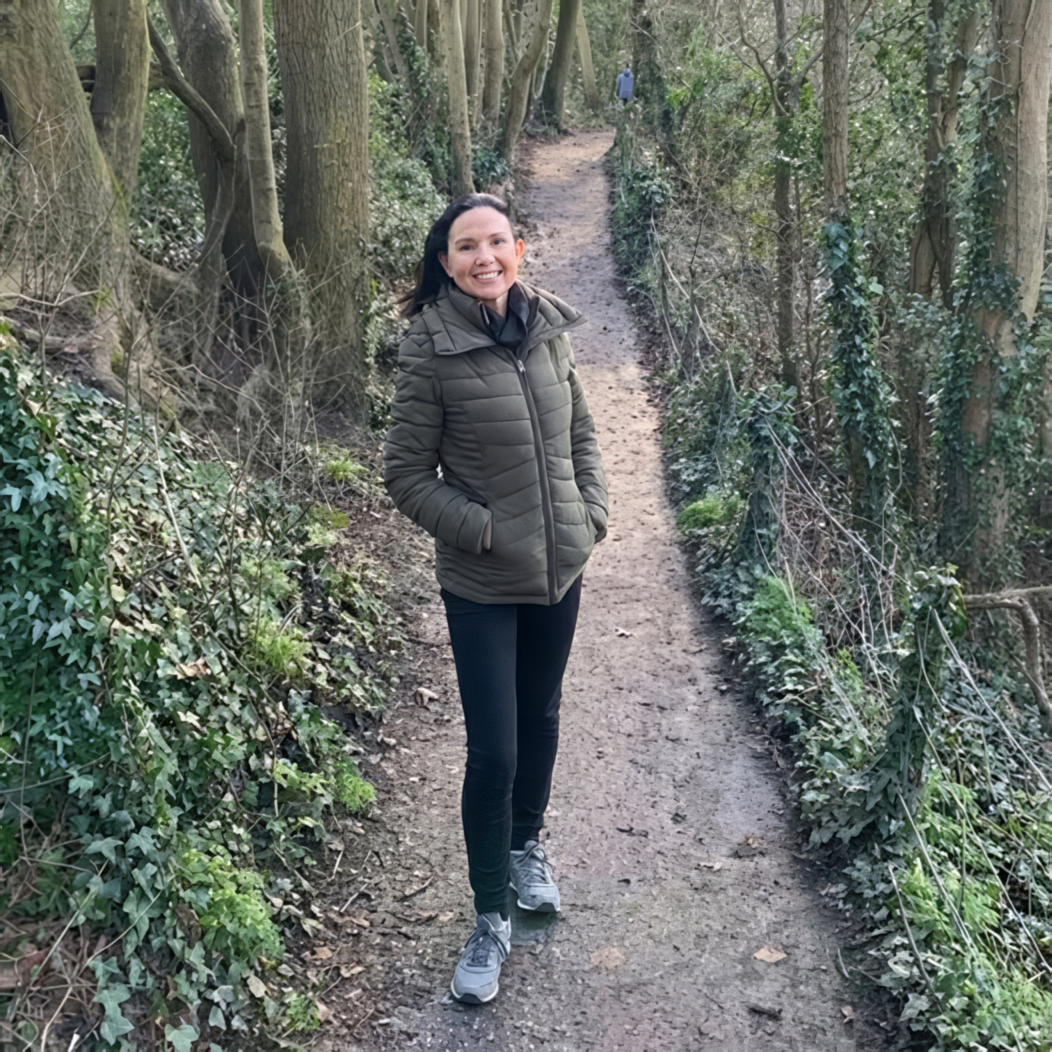
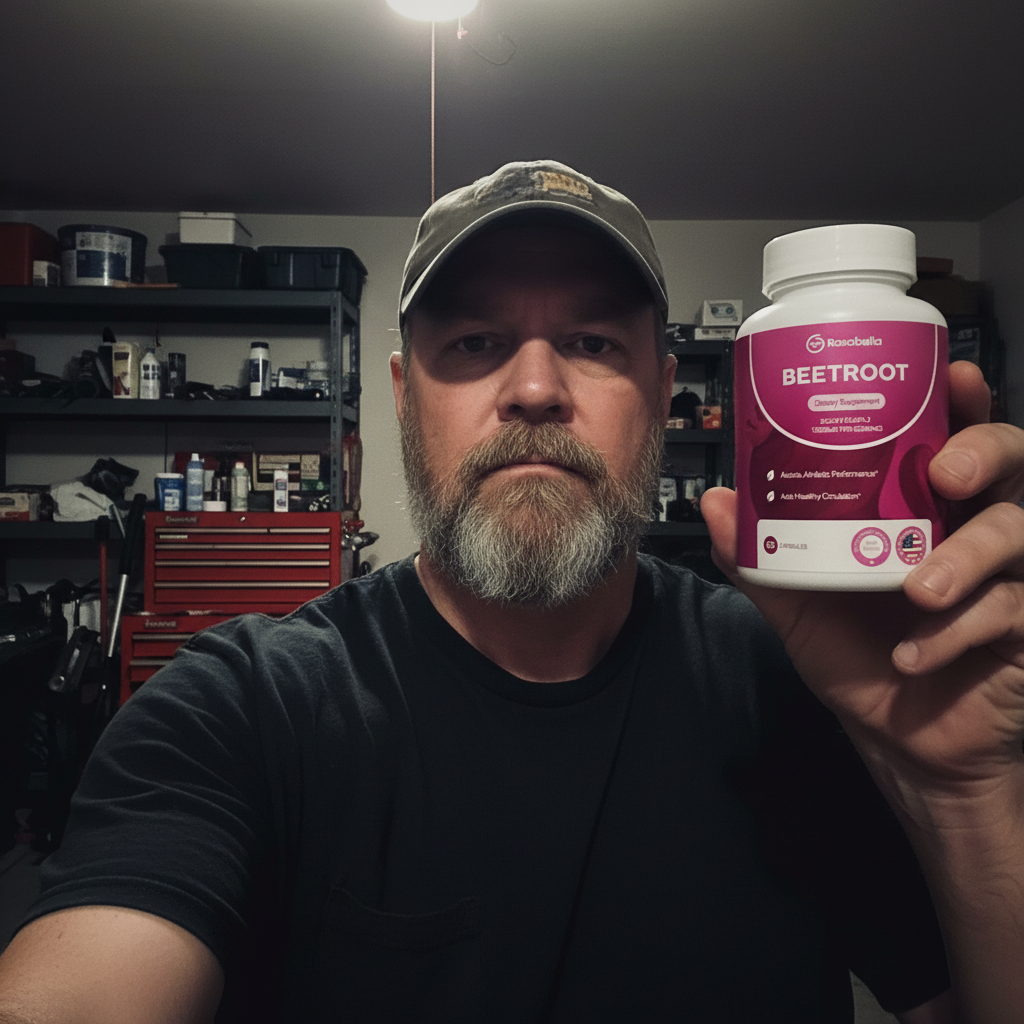
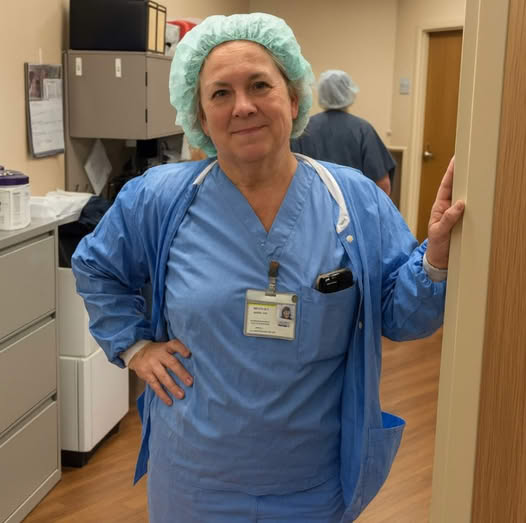
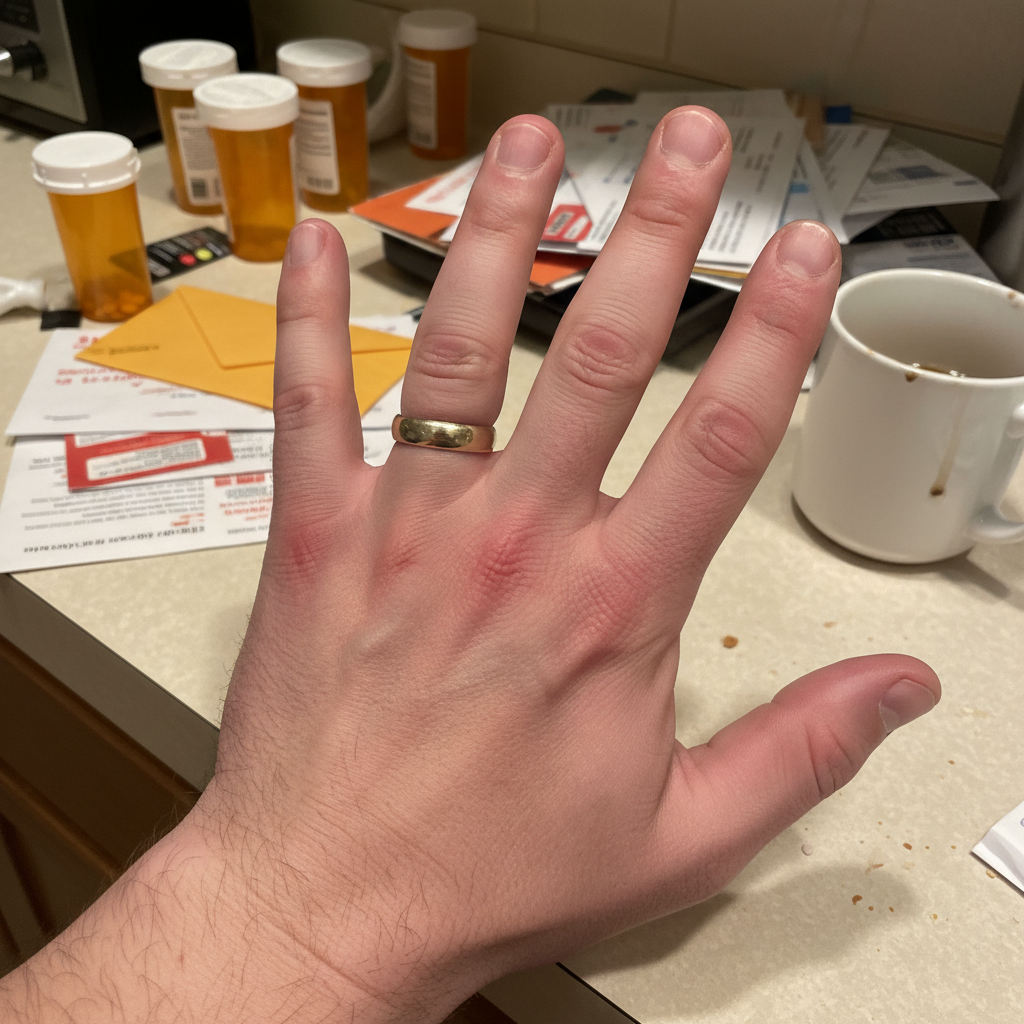
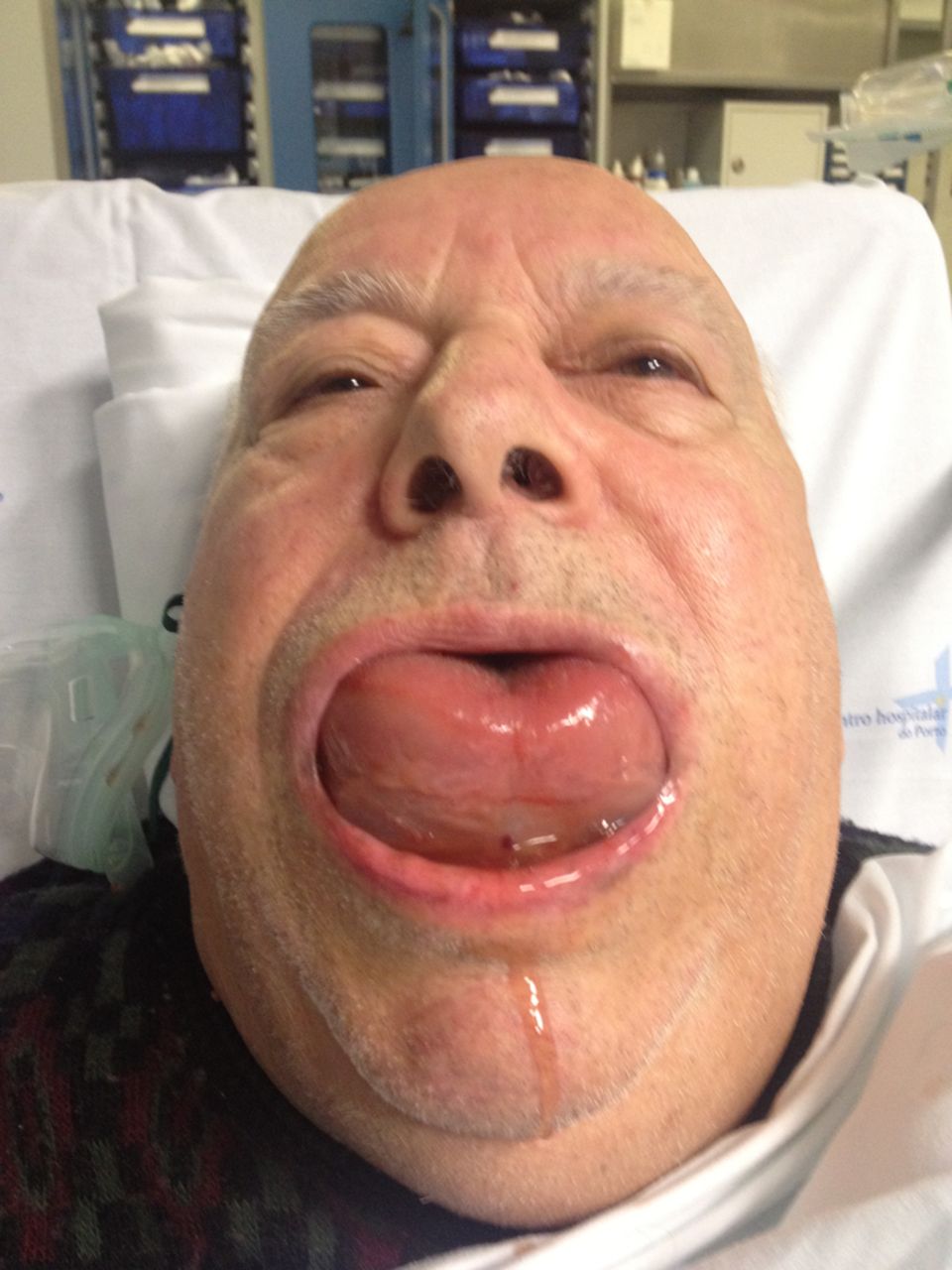
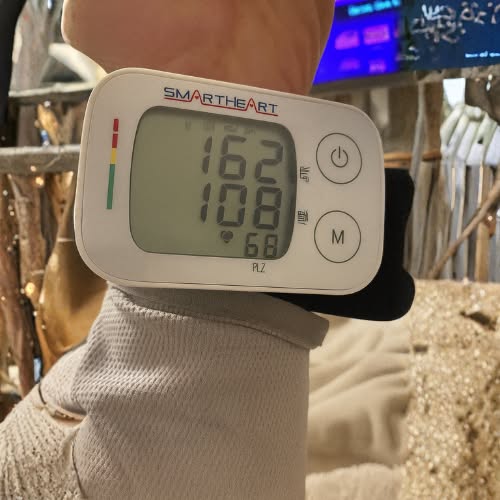
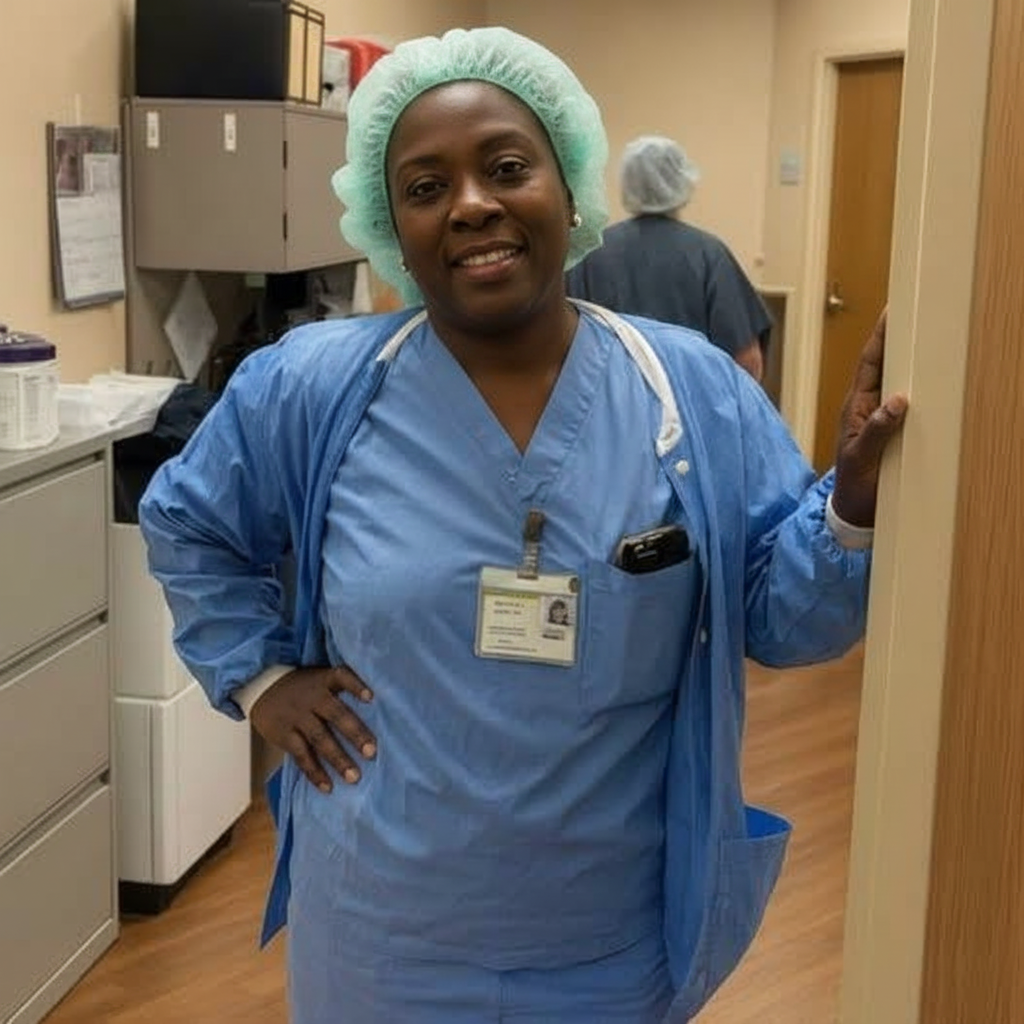
I Refused Lisinopril for 3 Years. Here's What Happened to My Blood Pressure. I've been a nurse for 32 years, and high blood pressure is one of the hardest things I watch patients struggle with. Not the blood pressure itself. The medication. The persistent dry cough that wakes them up at night. The dizziness that leads to falls. The ankles so swollen they can't wear normal shoes anymore. The exhaustion so heavy they're asleep on the couch by 7 PM. I've watched patients follow their doctor's orders for years. Decades. Watched their kidney function decline anyway. Watched them end up on dialysis anyway. Watched some of them die anyway—from the very heart failure the medication was supposed to prevent. About three years ago, it happened to me. My own blood pressure started creeping up. All those years of long shifts, stress, not taking care of myself the way I tell my patients to—it finally caught up with me. At first it was just occasional high readings. Then it was consistent. 142/91. 145/93. 147/94. My doctor pulled up my chart. Looked at the trend. And said the words I'd been dreading my entire adult life. "I'm prescribing Lisinopril. 10 milligrams daily." My throat tightened. Lisinopril. The same medication I'd watched destroy my mother's quality of life for nine years. Her fingers first—swelling so bad her wedding ring had to be cut off. Then her ankles. She went from heels to flats to house slippers. Then the cough started. That dry, hacking cough that interrupted every conversation, woke her up at night, made her sound sick even though it was "just the medication." The dizziness got so bad she fell twice. Once in the kitchen. Once getting out of bed. Her energy disappeared. A woman who used to host Sunday dinners for the whole family couldn't stay awake past 7 PM. And her kidneys. Year after year, her kidney function declined. Her doctor said it was "expected." Said they'd "monitor it." Creatinine climbing. GFR dropping. Stage 3. Then Stage 4. Then dialysis. Three times a week. Four hours per session. For two years before her heart gave out anyway. My father's words at the funeral still echo: "The pills didn't save her. They just made her suffer longer." So when my doctor handed me that prescription, I smiled politely and said I'd think about it. But I knew I wasn't going to take it. I'd watched too many patients go down that road. I'd watched my own mother go down that road. I wasn't about to follow her path. So I just dealt with it. Cut sodium. Lost fifteen pounds. Walked every morning. Tried to manage my stress. My numbers? Still 144/92 at my next checkup. The doctor's office called. Then called again. "Ms. Warren, your blood pressure is Stage 2. Dr. Reeves needs confirmation you're taking the medication." I told them I needed more time. But the truth was, I didn't know what else to do. Then about four months ago, one of my long-term patients came in for her regular appointment. Eleanor. Sweet woman, early sixties. High blood pressure for over a decade. I'd watched her struggle with it for years—tried everything, nothing gave her more than temporary improvement. She was on two medications and still barely controlled. But this time she seemed different. Lighter somehow. I asked how she was managing, and she said something I didn't expect. "My numbers are actually good now. Like, consistently good. My doctor took me off one of my medications." I almost dropped her chart. "What happened?" She told me she'd found this beetroot supplement. But not just any beetroot—she was very specific about that. She'd tried the ones from the grocery store before. Those didn't do anything. This one was different. "I felt it working within the first half hour," she said. "And by the second month, my readings were better than they'd been in years." I'll be honest. I was skeptical. After 32 years as a nurse, I've heard every miracle cure story you can imagine. Supplements that promise the world and deliver nothing. Patients who swear something worked when really their numbers just fluctuated. But Eleanor wasn't like that. She was sharp. Skeptical herself. And she seemed so genuinely relieved. Like she'd finally found something that actually worked. That night, I checked my own blood pressure. 146/93. And I kept thinking about what she'd said. So I looked it up. Turns out, the science on beetroot and blood pressure is real. Dietary nitrates convert to nitric oxide in your body—and nitric oxide is what tells your blood vessels to relax and dilate. Studies from Duke, Stanford, Johns Hopkins showing meaningful blood pressure reductions. Real universities. Real research. Not fringe pseudoscience. But then I noticed something. People weren't just saying "beetroot supplements." They were getting specific about which ones. One person said they tried four different brands before finding one that actually worked. Another mentioned that most beetroot supplements are basically worthless—something about the manufacturing process destroying the active compounds. I started digging deeper. Turns out, most beetroot supplements use high-heat spray drying. It's cheap and fast. But heat destroys up to 90% of the dietary nitrates—the very compounds that lower blood pressure. And the dosing? The clinical studies used 400 to 500 milligrams of nitrates daily. Most commercial supplements contain less than 50 milligrams. Some as low as 10. But they don't have to tell you that. The label just says "beetroot powder." No nitrate content disclosed. So you're taking what you think is beetroot for your blood pressure, but you're really getting a tiny fraction of what actually works—and most of that has been destroyed by heat processing anyway. No wonder the supplements I'd seen patients try never seemed to do anything. I ordered one of the popular brands. Took it religiously for six weeks. My blood pressure? 143/91. Barely moved. I tried another brand. The one with the TV commercials. Eight weeks. Didn't miss a single day. Still 142/90. I was getting frustrated. The research said beetroot worked. But it wasn't working for me. So I went back to what Eleanor had told me. She'd been specific about the brand. Said most of them didn't work—but this one did. Rosabella. I looked them up, expecting to be disappointed again. But they were different. Cold-extracted, not heat-processed. That preserves the nitrates instead of destroying them. Standardized to 400 milligrams of nitrates per serving—the actual clinical dose. Third-party tested, with published results. Certificate of Analysis available. You could see exactly what was in it. No fillers. No additives. Just one ingredient—organic beetroot. Made in the USA. My next checkup was in six weeks. If my numbers weren't down, I knew what was coming. The prescription. The path my mother walked. I ordered it. When it arrived, I took the first dose that morning. Didn't expect much. I'd already been burned twice. But about twenty minutes later, I noticed something. A lift. Like someone had turned up the oxygen in my blood. The mental fog I usually felt by mid-morning wasn't there. I felt... clear. That evening, the exhaustion that usually hit me around 6 PM didn't come. I walked to the bathroom. Grabbed my blood pressure monitor. Wrapped the cuff. 141/89. I stared at it. Checked again. 141/89. It was the first reading under 142 I'd seen in over a year. One week later: 138/86. I started checking morning, afternoon, and evening. The numbers stayed consistent. Two weeks: 134/84. My husband noticed I wasn't falling asleep on the couch after dinner anymore. Didn't say anything. Just watched me move around the house with energy I hadn't had in months. Three weeks: 131/82. Four weeks: 128/79. I checked it three times that morning because I didn't believe it. When I went back to Dr. Reeves for my checkup, the nurse took my blood pressure. Frowned. Took it again. Then a third time. "126 over 78." Dr. Reeves pulled up my chart. Looked at the history. Looked at the new reading. Looked at me. "What happened?" I told her. Cold-extracted beetroot. Standardized to the clinical dose. Third-party tested. The difference between what actually works and what just has "beetroot" on the label. She typed notes. Nodding slowly. "Well," she said, closing her laptop. "Whatever you're doing, keep doing it. These numbers are excellent. No Lisinopril necessary at this time." No Lisinopril necessary. I walked to my car. Sat there for a moment. Then called my husband. "126 over 78. No medication." I heard him exhale. Then a long silence. "Thank God, Linda. Thank God." That was four months ago. My blood pressure this morning? 122/76. Normal. Healthy. No medication. No persistent cough. No dizziness. No swollen ankles. No watching my kidney function decline year after year. No following my mother's path. Last weekend my daughter asked me to go hiking with her and the grandkids. A real hike—not a flat walking path, but a trail with elevation. Three miles. Two years ago, I would have made an excuse. Would have been too worried about getting winded, about my blood pressure spiking, about not being able to keep up. But I said yes. And I did it. The whole trail. My five-year-old grandson held my hand the last half mile, chattering about the birds and the bugs and asking if we could do this again next weekend. My eyes burned. Because the answer was yes. I'm sharing this because I hope it can help someone else the way it helped me. If you're dealing with blood pressure that won't respond to diet and exercise. If your doctor is pushing medication you're terrified to take. If you've watched a parent or spouse suffer through the side effects and you're desperate not to follow that path. If you've tried other beetroot supplements and they didn't work—now you know why. Most of them are heat-processed garbage with a fraction of the clinical dose. Rosabella is different. Cold-extracted. 400 milligrams of nitrates. Third-party verified. The dose and the formulation that actually works. After 32 years as a nurse, I thought I knew every option out there. Turns out, my patient knew something I didn't. Here's where I got mine: https://get.tryrosabella.com/beetroot/subtxt/sp (They're running a buy one get 1 free promo right now and I just ordered six more bottles.) — Linda Warren, RN P.S. — A few things I wish I'd known before ordering: Rosabella has a 90-day money-back guarantee. If it doesn't work for you, you get your money back. No questions asked. I wish I'd known that earlier—would have saved me from wasting months on those other brands that didn't do anything. Most people pay full price, but right now they're running a promotion with significant savings. That's how I was able to stock up. The only issue is Rosabella is a small company. They've been getting a lot of attention lately—probably because nurses like me keep telling patients about it—and they can't always keep up with demand. I want to apologize in advance because when you click the link, you might see they're sold out. I've had patients wait weeks for it to come back in stock. But I'd still suggest checking to see if they have any available. If you're dealing with high blood pressure and you're terrified of going on medication—if you've watched someone you love suffer through those side effects and you refuse to follow that path—I'd grab some before they're gone. I went from 147/94 to 122/76 in four months. I'm not following my mother's path. If there's even a chance this could work for you, it's worth trying. 👉 Check if Rosabella is in stock here: https://get.tryrosabella.com/beetroot/subtxt/sp
Support stamina and heart health every day
"I've only started useing this product less than a week, honestly it has given me more energy and I feel more alert. Before taking this product I noticed I was feeling tired and not motivated at all, so I have to give it a great rating 5 stars. I reccomend it."
LEARN MORELike this ad? Make it yours.
Crush rebuilds this exact creative around your product — your brand, your colors, your offer — in about a minute.