The Hair Brief
The Hair Brief Facebook ad: “Limited Time Offer”
Ran for 3 days, from June 27 to June 30, 2026, the last day Crush saw it.
Run by The Hair Brief on Facebook. Crush is not the advertiser and does not verify its claims. See this ad in Meta's Ad Library(opens in a new tab)
Want an ad like this for your product?
Crush makes new ad images for your product from this ad: your logo, your product photo, your offer.
Trials from $19.95 USD, then $79.95 USD a month. Cancel anytime.
About this ad
- Meta Ad Library ID
- 1985559848764882
- Platforms
- Facebook, Instagram, Audience Network, Messenger and Threads
- Relaunches
- 0
- Niche
- Hair Care
Ad text
My father's kidneys failed when I was eleven. Forty-one years later, a nurse practitioner holding his old medical file told me why — and what she said saved my life. I need to start with the jar. Glass. Old. The kind you'd buy at a hardware store in the seventies. A wide mouth with a rusted metal lid and a faded piece of masking tape across the front. Written on the tape in my father's handwriting — neat, slanted, the way men used to write before they stopped caring about penmanship — one word: Seeds. There were pumpkin seeds inside. Dried. Pale green. Still in their shells. Some of them cracked from forty years of sitting in a jar nobody opened. My father gave it to me the last time I was in his apartment. I was eleven. He knelt down in the hallway outside the kitchen, pressed it into my hands, and said, "Keep these for me, Ruthie. I'll explain when I get home." He didn't come home. He went to the hospital that afternoon. My mother told me it was his kidneys. That's all she said — his kidneys — like that explained anything to an eleven-year-old girl who didn't know what kidneys did or why they mattered or why her father was suddenly in a building she wasn't allowed to visit. He was in the hospital for nine days. Then a facility for six weeks. Then dialysis three times a week for eight months. Then he wasn't anywhere at all. I was twelve when he died. My mother put his things in boxes. She kept the boxes in the back of the hall closet. She never opened them. I kept the jar. I kept it the way you keep something you don't understand — not displayed, not discussed, just there. Bedroom shelf. Then college dorm. Then the kitchen windowsill of my first apartment. Then the top shelf of every medicine cabinet in every house I lived in for the next four decades. The jar never moved to the front of anything. But it never went in the trash, either. I could always find it when I reached. Forty-one years of reaching for a jar of seeds I never opened. I should tell you where I was when the jar started to matter. I'm fifty-two. My daughter Megan is twenty-eight. She has a son, James. He's four years old — a serious, quiet boy who carries a stuffed elephant everywhere and asks questions about things most four-year-olds don't notice. "Grandma, why is the sky a different blue today?" That kind of question. And I'd just gotten my bloodwork back from my third annual physical in a row that made my doctor pause. My GFR — glomerular filtration rate, the number that tells you how well your kidneys are filtering your blood — had come back at 58. A year ago it was 64. Before that, 71. A line going in one direction. Normal is above 90. Below 60 is Stage 3 kidney disease. I was two points away from a diagnosis that would follow me the rest of my life. I'd tried. Between every blood draw, I'd tried. Cut the protein. Drank more water — a gallon a day, sometimes more. Cut back on ibuprofen. Started walking three miles before Megan dropped James off in the mornings. My GFR dropped anyway. Every time. As if my kidneys hadn't gotten the message. Dr. Nguyen pulled off her glasses and looked at me. "Ruth, your kidney function has been declining steadily. At 58, we're borderline Stage 3. I'd like to start you on a low-dose ACE inhibitor — lisinopril — to slow the progression. And I want to talk about dietary restrictions. We may need to limit your potassium and phosphorus intake." I sat there. I knew this conversation was coming. I'd known it for a year. The way you know a storm is coming when the pressure drops — not because anyone told you, but because something in your body registers the change before your mind catches up. "What are the side effects?" She listed them. A persistent dry cough. Elevated potassium — ironic, given she'd just told me to eat less of it. Dizziness. Fatigue. Regular bloodwork to watch for kidney damage from the medication itself. The standard speech. "How long would I take it?" "Indefinitely. The medication manages the decline. It doesn't reverse it. If you stop, the decline accelerates." Manages the decline. Not stops it. Not fixes it. Manages it. Like holding a cup under a leaking faucet and calling it plumbing. I told her I wanted more time. She wrote the prescription anyway and told me to fill it when I was ready. I drove home with the prescription in my purse and a heaviness in my chest that I couldn't name. Not quite fear. Something older than fear. Something inherited. My father had kidney disease. That's the one medical fact I knew about Henry Morrow. My mother mentioned it exactly once — I was fifteen, filling out family health history for a physical. "Your father had bad kidneys. They gave out on him." Then she closed the subject. They gave out on him. And now my own numbers were sliding toward a destination I could see clearly for the first time. That night, after Megan took James home, I opened the medicine cabinet. Reached past the bottles and boxes to the top shelf. Found the jar. Held it. Turned it over. Read my father's handwriting. Seeds. And I thought: I'm done reaching past this. Forty-one years. He told me he'd explain when he got home. He never got home. But he left the jar, and his handwriting was still there, and for the first time it occurred to me that a man who knew his kidneys were failing might have left a jar of seeds in his daughter's hands for a reason he didn't have time to say. I carried the jar to the kitchen table. Sat down. Unscrewed the lid for the first time since 1983. The seeds were dry. Cracked. Some of them had turned to dust at the bottom of the jar. But they were unmistakably pumpkin seeds — the flat, oval kind, with a thin papery shell and a dark green kernel inside. Why pumpkin seeds? I didn't sleep that night. I opened my laptop at the kitchen table at eleven PM and didn't close it until four in the morning. I should tell you what I found — because it changed everything I thought I understood about what happened to my father, what was happening to me, and why the prescription sitting in my purse was the wrong answer to the right question. But I need to tell you the rest of the story first. There's a clinic on Broad Street that my father used to go to. It's still there — different name now, different doctors. But the building is the same. Redbrick. Green awning. A parking lot with cracks in the asphalt that have been there since I was a kid. I went there because I'd hit a wall in my research and I needed to see his records. I didn't know if they'd still have them. He died in 1984. Most clinics don't keep files that long. But I'd read that medical records are sometimes archived with the state or transferred when practices change hands, and this clinic had changed hands three times since my father was a patient. I walked in. Explained who I was. Asked if, by any chance, there were any records for a Henry Morrow, date of birth March 14, 1938, who'd been seen here in the late seventies and early eighties. The receptionist looked at me the way people look at you when you're asking for something they don't think exists. She disappeared into a back room. Fifteen minutes later, a woman came out. Mid-sixties. Short gray hair. Reading glasses pushed up on her forehead. She was carrying a thin manila folder. "I'm Katherine Boyle. I was a nurse practitioner here when your father was a patient." The room tilted. "You remember him?" "I remember all of them." She said it quietly. The way you say something that's cost you something to carry. "Henry was one of the ones I think about." She asked if I wanted to sit down. There was a small office behind the reception desk — cluttered, warm, a window that looked out onto the parking lot. She set the folder on the desk between us. "These aren't the full records — those were transferred to the hospital when he was admitted. But I kept my own notes. I kept notes on all the patients whose cases bothered me." "Bothered you?" She opened the folder. "Your father came to us in 1979. He was forty-one years old. Strong man. Worked construction — heavy equipment, concrete. He came in because he'd noticed his urine was foamy." Foamy. That word hit me like a hand on the back of my neck. Because I'd been noticing the same thing for six months. Foam in the toilet that didn't dissipate. Bubbles that stayed on the surface like soap — thick, clustered, persistent. Not the kind that come from the force of the stream. The kind that sit there and wait for you to notice them. I hadn't told anyone. Not Megan. Not Dr. Nguyen. I'd convinced myself it was nothing — too much protein at dinner, not enough water, the angle, the distance. All the things people tell themselves when they see something they don't want to see. Katherine continued. "We ran his labs. His creatinine was elevated. His GFR — we didn't use that term back then, but the equivalent — was low. He had protein in his urine. Significant amounts. The foam he was seeing was protein his kidneys were supposed to be keeping in his blood but were leaking out instead." "His doctor — Dr. Alderman, who ran this practice at the time — put him on blood pressure medication. Standard protocol. Control the pressure, protect the kidneys. The thinking was that the kidneys were being damaged by the pressure, and if you brought the pressure down, the damage would slow." She paused. Looked at the folder. "For the first year, his blood pressure came down. His doctor was pleased. Henry thought he was getting better." "He wasn't?" "His blood pressure was lower. His kidneys weren't better. That's not the same thing." She pulled out a page of notes. Handwritten. Her handwriting — small, precise. "Six months in, the cough started. A dry, persistent hack that never went away. Henry was a man who worked outdoors in the cold — he needed his lungs. But every morning he'd cough for twenty minutes before he could talk. He told Dr. Alderman. The doctor switched him to a calcium channel blocker." "The cough stopped. But his ankles started to swell." "Every afternoon. He'd come home from a job site and his work boots wouldn't lace. His fingers swelled until his wedding ring cut into his skin — they had to cut it off at a jeweler's. A man who worked with his hands, who needed his grip, whose livelihood depended on being able to hold a tool — and his hands were balloons by noon." "Then the fatigue. He'd come in here and sit in the waiting room and I'd look over and he'd be asleep. Forty-two years old. Falling asleep in a plastic chair at ten in the morning. He told me the room would go gray at the edges — like someone was slowly turning down the lights. He'd grab the edge of a counter or a doorframe and wait for it to come back." Katherine looked at me. "And through all of it, his blood pressure read perfect. His doctor kept telling him the medication was working. The number was down. He was protected." She closed the folder. "He wasn't protected, Ruth. He was deteriorating. The medication was managing a number on a chart while the thing that was actually destroying his kidneys went untouched. That's not medicine. That's scorekeeping." I pressed my palm against my mouth. "That's why his kidneys failed?" "His kidneys failed because nobody addressed the reason they were failing. The medication lowered his blood pressure. That's real. But the kidneys weren't failing because of the pressure. The pressure was a symptom. The kidneys were failing because the filtration system itself — the tiny structures inside the kidney that do the actual work of cleaning your blood — were being damaged by something the medication couldn't touch." "What was damaging them?" Katherine leaned forward. "Inflammation. Oxidative damage. The same forces that damage every organ in the body when they go unchecked. Your kidneys have millions of tiny filtering units called nephrons. Each one has a cluster of blood vessels so small you can't see them without a microscope. Those vessels are lined with cells that are exquisitely sensitive to oxidative stress — to the buildup of damage from free radicals your body can't neutralize fast enough." "When those cells are damaged, the filter breaks down. Protein leaks through — that's the foam. The kidney has to work harder. The pressure goes up — not as a disease, but as a response. Your body is trying to push more blood through a filter that's clogging. And the medication comes in and lowers the pressure — forces it down by chemistry — without ever repairing the filter." "It's like your kitchen sink is clogged. The water's backing up. And instead of clearing the clog, someone turns down the water pressure at the main. The sink stops overflowing. The clog is still there. And every day it gets a little worse." I stared at her. "The medication your father took lowered the number. But the oxidative damage to the nephrons continued underneath it. The filter kept breaking down. The protein kept leaking. The kidney kept losing function — quietly, steadily — while the chart said controlled." "His blood pressure was 118 over 72 at his last outpatient visit," Katherine said. "Textbook perfect. Three weeks later he was in the emergency room with acute kidney failure. His GFR had dropped below 15. Stage 5. He went on dialysis that day and never came off." "118 over 72. Controlled. While his kidneys were dying underneath the number." The room was very quiet. "Is that what happened to him? His kidneys just — gave out? Despite the medication?" "Not despite the medication. Alongside it. The medication did exactly what it was designed to do. It lowered a number. It was never designed to repair the filter. It was never designed to stop the oxidative damage. It was never designed to protect the nephrons. It did one thing — and that one thing was the wrong thing for a man whose kidneys were being destroyed by something else entirely." Katherine reached under her desk and pulled out a folder — thicker than the first, held together with a rubber band that had lost its stretch. "I need to show you something." She spread papers on the desk. Journal articles. Some of them yellowed at the edges. Some of them new — printed from a computer, white and crisp. "After your father died, I started researching. I couldn't stop thinking about his case — about all the cases like his. Men and women whose numbers looked fine while their kidneys quietly failed. I wanted to understand what was happening inside the nephrons that the medication wasn't touching." She tapped a paper. "This is what I found. And this is why you're sitting here." She pointed to a study. Published in a European nephrology journal. 2016. "The nephrons — the filters in your kidneys — are lined with cells that produce their own antioxidants. Their own protective molecules. When those molecules are present in sufficient quantities, the cells resist oxidative damage. The filter holds. Protein stays in the blood where it belongs. The kidneys work." "When those protective molecules run short — and in the modern diet, they almost always run short — the cells lose their defense. The damage accumulates. The filter breaks down. One nephron at a time. So slowly you don't feel it for years. And by the time you see the foam, by the time the GFR drops, thousands of nephrons have already been lost. You can't get them back." "And the medication?" "The medication doesn't make the protective molecules. It can't. It works on blood pressure — on the plumbing. The nephrons need something else entirely. They need specific compounds that the body uses to build those antioxidant defenses — compounds that used to be abundant in the human diet and aren't anymore." She looked at me. "Your father knew." "What?" "He knew. That's why he left you the jar." I looked at her. Then at the folder. Then back at her. "In 1982 — the last year of his life — your father started asking Dr. Alderman questions. Unusual questions. About kidney function. About why his numbers looked good but he felt worse. About whether there was something he could take — not a drug, something natural — that would help his kidneys directly." "Dr. Alderman told him to stay on the medication and drink more water." "But Henry didn't stop asking. He went to the library. He found medical journals. He was a man with an eighth-grade education who taught himself to read published research — and he found something." Katherine pulled out a photocopy. An article from a 1981 agricultural journal. Someone had circled passages in pencil. My father's handwriting in the margins. "Pumpkin seeds." She pointed to the circled section. "This article described the fatty acid profile of pumpkin seed oil. Your father had circled one passage — about the concentration of a specific type of fatty acid that had been shown to have powerful antioxidant and anti-inflammatory properties in kidney tissue." "He came to me — not to Dr. Alderman, to me — and asked if I knew anything about pumpkin seeds and kidney health. I didn't. Not in 1982. I told him I'd look into it, but I didn't know where to start." She paused. "A week later, he brought a jar of pumpkin seeds to his appointment. Same kind of jar as yours — glass, masking tape, his handwriting. He'd started eating them every day. A handful in the morning. A handful at night." "Did they help?" "I don't know. He died six weeks later. He didn't have enough time." Katherine's voice broke on the last word. "But Ruth — the research he found, the question he was asking — he was right. He was forty years ahead of the science, and he was right." She spread the newer papers across the desk. "Since your father's death, there have been dozens of studies — controlled, published, peer-reviewed — on the compounds in pumpkin seed oil and kidney function. The same compounds he'd circled in that 1981 article." "Pumpkin seed oil contains a specific profile of fatty acids — primarily linoleic acid and oleic acid — along with plant sterols and a concentration of fat-soluble antioxidants that are almost unique in nature. Delta-7-sterols. Gamma-tocopherol. Squalene. These aren't buzzwords. These are the molecules that your nephrons use to build their oxidative defense." "The research shows that these compounds do something no blood pressure medication can do: they reduce oxidative damage in the kidney tissue itself. They don't lower the number on the chart. They protect the filter. They give the nephrons back the raw materials they need to defend themselves — the same materials that have been stripped from the modern diet through processing, refining, and the way we grow food now." "It's the difference between sandbagging a flood and lowering the water level. The medication stacks sandbags. These compounds lower the water." I thought about my father. The jar. The seeds. The word on the tape. He didn't have time to explain. But he left the jar because he'd found the answer — or the beginning of the answer — and he wanted me to have it. In case the line caught up. "There's more," Katherine said. "The kidney isn't the only organ that benefits. The same oxidative damage that destroys nephrons also damages hair follicles — which is why people with declining kidney function often lose their hair. The same compounds that protect the kidneys also protect the follicles. And the same inflammation that damages the kidney affects the bladder wall — which is why people with kidney issues often develop urgency, frequency, waking up at night to urinate. The pumpkin seed oil addresses the underlying inflammatory mechanism, not just the symptom." "Your father had started losing his hair the year before he died. He was forty-three. Everyone said it was stress. It wasn't stress. It was his kidneys. The same oxidative process, the same missing compounds, the same deficiency — showing up in a different organ." I drove home. Sat in the driveway until the porch light turned on automatically. I could hear James through the kitchen window — he was probably at the table with Megan, doing the thing he does where he lines up his crayons by color and won't start drawing until they're in the right order. I thought about what it would mean for him to grow up asking where his grandmother went. To carry a question with no answer. To reach past a jar on a shelf for forty years. My father didn't have time. I do. I went back to my laptop that night. Katherine had pointed me toward the research — the specific compounds, the mechanism, the studies. I typed "pumpkin seed oil kidney function" into a search bar at eleven PM and didn't look up until two in the morning. That's how I found the Facebook group. It wasn't a brand page. Not a sponsored ad. A private group — thousands of people, mostly in their forties and fifties, sharing lab results and asking questions I recognized. "My GFR dropped again and my doctor just wants to add another pill." "Has anyone tried pumpkin seed oil for kidney function? My creatinine keeps climbing." "Foamy urine for months — doctor says drink more water. Water isn't helping." I read for three hours without posting. There were people in that group who sounded exactly like me. Same numbers. Same fear. Same prescription sitting unfilled in a purse. Same foam in the toilet they hadn't told anyone about. And some of them were posting follow-up labs. GFR climbing. Creatinine dropping. One woman wrote: "I went from GFR 51 to 65 in four months. My nephrologist asked me what I changed. I told him. He said keep doing it." Another: "I take that pumpkin seed oil and my kidney function has improved." Another: "I will never do without my pumpkin seed. My kidneys thank me for it." Another: "I sleep much better now." And one that stopped me cold: "My hair stopped falling out." I ordered the brand most of them seemed to be using. The top-selling pumpkin seed oil capsules on Amazon — a black bottle, twelve thousand reviews, "cold-pressed" stamped on the label in gold letters. Two-day shipping. I took two capsules every morning for three weeks. I felt… something. Maybe. Slightly less exhausted in the afternoons. Possibly placebo. Possibly wanting it to work so badly that I was narrating my own improvement. But when I checked my labs at my next visit — four weeks later — my GFR was 57. It had dropped another point. I went back to the group. Typed my first post: "I've been taking a top-rated pumpkin seed oil from Amazon for almost a month. I feel slightly better but my GFR dropped. Am I doing something wrong?" Twenty-two responses within three hours. The first one stopped me cold. A woman named Janet had posted a photograph. A certificate of analysis from an independent lab — she'd paid to have the exact capsules I'd been taking tested. She'd circled one section in red. The fatty acid profile. The concentration of delta-7-sterols. The squalene content. Negligible. All of it. The capsules contained pumpkin seed oil — technically. But the oil had been extracted at high heat to maximize yield, which destroyed the very compounds that made pumpkin seed oil work for the kidneys. The sterols were degraded. The tocopherols were oxidized. The squalene was gone. "I've had four brands tested," Janet wrote. "Most of them use heat-extracted oil because it's cheaper and faster. The heat destroys what you're taking it for. By the time it's in the capsule, there's nothing left but cooking oil in a softgel." I stared at my bottle. The one sitting on my kitchen counter. The one I'd been faithfully swallowing every morning while my GFR dropped another point. Someone else responded with a link to one of the studies Katherine had shown me. The studies that showed kidney-protective results used cold-pressed oil from specific pumpkin seed varieties — Styrian pumpkin seeds, the hull-less strain from Austria that carries the highest concentration of the protective compounds. Not the decorative pumpkin. Not the jack-o-lantern variety. The specific medicinal strain. The oil in my bottle had been pressed from a commercial pumpkin seed — the same seed bred for snacking and baking and roasting — with a fraction of the compounds the kidneys needed. I'd been stacking sandbags with no sand in the bags. I sat at that kitchen table and felt something worse than disappointment. I felt like my father. Trying the thing that was supposed to help. Watching the number. Trusting the label. Trusting that the capsule matched the science. It didn't. But the science was real. The gap wasn't in the research. It was in the sourcing. The right pumpkin seed oil — from the right strain, cold-pressed, unrefined — did what the studies said. The bottle I'd bought had none of it left. I went back to Katherine's studies. Back to Janet's lab reports. Back to the group. And the same name kept surfacing — everywhere people compared lab results instead of label claims, everywhere people posted before-and-after bloodwork instead of star ratings. Everly. Pumpkin seed oil softgels. Cold-pressed from Styrian pumpkin seeds — the hull-less medicinal strain that carries the highest natural concentration of delta-7-sterols, gamma-tocopherol, and squalene of any pumpkin variety on earth. Never heat-extracted. Never refined. The oil pressed at low temperature to preserve every protective compound — the same compounds my father had circled in a journal article in 1982, forty years before anyone else was paying attention. 1,000 milligrams per softgel. Third-party lab tested — the certificate of analysis published right on their website. Not buried behind a customer service email. You could check the numbers yourself. And the third-party testing wasn't just for the oil content. It verified the specific compounds — the sterols, the tocopherols, the fatty acid profile — that differentiated this from every heat-extracted capsule on the Amazon bestseller list. There was one more thing. Something I found in a study posted to the group about Styrian pumpkin seed oil specifically — the strain Everly uses. Researchers in Austria had studied communities that had been consuming this oil for centuries. Kidney disease rates significantly lower than surrounding populations. The same old seeds. The same cold-pressed oil. The same compounds nobody had bred out or heated away. I almost didn't order it. I was angry at myself for the weeks I'd wasted on the Amazon bottle. For the hope I'd spent. For the mornings I'd sat at this table swallowing capsules that barely contained what the label promised while my GFR slid from 58 to 57. But then I thought about my father. He didn't quit when the first answer wasn't the right answer. He went to the library. He read journals he didn't fully understand. He circled passages with a pencil and asked questions nobody wanted to answer. He started eating pumpkin seeds every day — the real ones, from the right plant — because he'd found the trail and he refused to stop following it. He just ran out of time. I ordered Everly that night. The bottle arrived on a Thursday. I stood at the kitchen counter. Shook two softgels into my palm. Filled a glass of water and swallowed them. Sat down at the kitchen table. The same table where James eats his Cheerios in the morning and lines up his crayons and asks why the sky is a different blue today. I waited. I didn't feel a lightning bolt. Not at first. But by that evening — twelve hours after the first dose — I noticed something I almost didn't recognize because it had been gone so long. The fog lifted. Not dramatically. Not all at once. More like someone had been slowly turning up the lights in a room that had gone dim so gradually I'd stopped noticing the darkness. A clarity in my thinking. A steadiness. The bone-deep fatigue that had been my baseline for months — the exhaustion I'd blamed on age and stress and not sleeping well — eased. Not gone. Lighter. Like setting down a bag I'd been carrying so long I'd forgotten it was there. I checked the cuff that night. The foam in the toilet that evening — I looked, the way I'd been looking for six months while telling myself not to look — was less. I know how that sounds. One dose. Half a day. But I'd spent three weeks on the Amazon capsules feeling almost nothing. And the difference wasn't subtle. It was the difference between taking something and taking the right thing. I took Everly every day. Two softgels in the morning. Two at night. A glass of water with each. I tracked everything. Week one: The fog continued to lift. I came up the stairs carrying a laundry basket and realized I wasn't winded at the top. I made dinner standing at the counter for forty-five minutes and my ankles weren't swollen by the time I sat down. The foam in the toilet — I was checking every time now — was visibly less. Not gone. Less. Week two: Megan called one evening and we talked for an hour. When she hung up she texted me: "Mom, you sounded different tonight. Like, awake different. You sounded like you." Week three: I looked at my hairbrush. The clump of hair that had been coming out every morning — the clump I'd been finding on my pillow, in the shower drain, on the back of my sweater — was smaller. Noticeably smaller. I'd been losing my hair for two years and blaming it on menopause and stress and a thyroid that was "borderline." Katherine's words came back to me: The same oxidative process, the same missing compounds, showing up in a different organ. Week four: I slept through the night. The entire night. No bathroom trip at 2 AM. No urgency at 4 AM. No lying awake staring at the ceiling wondering if the pressure in my lower back was my kidneys or my imagination. My follow-up bloodwork was at eight weeks. The lab tech drew the blood. I drove home. Waited. Three days later, Dr. Nguyen's office called. "Ruth, can you come in? Dr. Nguyen wants to discuss your results." I knew that tone. The tone that means the doctor wants to talk to you in person. I sat in the car in the parking lot for five minutes before I went in. Dr. Nguyen was at her desk. My chart was open on the screen. She looked at me. Back at the screen. Back at me. "Ruth." "Yes?" "Your GFR is 71." Silence. "Your creatinine has dropped. Your protein-to-creatinine ratio — the protein leak we've been watching — has decreased by over forty percent. And your GFR went from 57 to 71." She scrolled. Clicked something. Scrolled again. "That's a fourteen-point improvement. In eight weeks. I want you to understand — I don't see this. GFR doesn't go up. In kidney disease, GFR goes down. We manage the decline. We slow the decline. We do not reverse it. That is what I was taught and that is what I have seen in fifteen years of practice." She took off her glasses. Put them back on. "Your kidneys are functioning better now than they were a year ago. Significantly better. And I have no medication in my pharmacology that does this." "What changed?" I told her. The research. The nephrons. The oxidative damage. The missing compounds. A specific pumpkin seed oil from the medicinal Styrian strain — cold-pressed, unrefined, third-party tested — that supplies the raw materials the nephrons need to rebuild their own defense. She typed notes. Slowly. The way someone types when they're thinking harder than they're typing. Then she stopped. Looked at me for a long time. "I'll be honest with you," she said. "The mechanism you're describing — antioxidant protection of the nephron epithelium — is consistent with what I know about kidney physiology. But I have never seen anyone apply it this way. And I have your labs in front of me. And your labs say something I am not used to seeing." She closed the laptop. "No lisinopril. No ACE inhibitor. Whatever you're doing, keep doing it." I reached into my purse. Found the prescription she'd written eight weeks ago. The one I'd been carrying since the day this started — folded in quarters, tucked behind my wallet, next to a photo of James with his stuffed elephant. I set it on her desk. "I won't be needing this." She looked at it. Looked at me. And for the first time in three years of appointments, Dr. Nguyen smiled. I called Megan from the parking lot. "GFR 71. No medication." Silence. "Mom." "I'm here." "Mom. Oh my God." Her voice cracked. Then mine did. Last Saturday I took James to the park. I didn't plan it. Megan had dropped him off for the afternoon and it was warm — one of those late spring days where the light is gold and everything looks like a photograph of itself. James wanted to bring his elephant. He wanted to bring the jar too — he'd seen it on my kitchen counter and asked what it was. "Seeds," I told him. "Your great-grandpa's seeds." "What kind?" "Pumpkin." "Can I hold it?" I gave it to him. He held it the way four-year-olds hold things they know are important — carefully, with both hands, the elephant tucked under his arm. We walked to the park. I didn't need to stop. I didn't need to catch my breath. I didn't need to sit on the bench at the halfway point the way I had all winter. We walked the whole way and I felt steady — my legs, my breath, my head. Steady the way I hadn't felt in years. James sat on the grass and opened the jar. Poured the old seeds into his hand. They were cracked and dusty and forty years past anything you'd want to eat. "These are old, Grandma." "Very old." "Your daddy saved them?" "He did." "Why?" I thought about my father. Kneeling in the hallway of his apartment. Pressing a jar of seeds into an eleven-year-old's hands. Telling her he'd explain when he got home. "Because he wanted me to find something. Something that would help me stay healthy. So I could be here for you." James looked at the seeds. Then at me. Then he put them carefully back in the jar and screwed the lid on. "He was smart, Grandma." "He was." "You're smart too." I pulled him onto my lap and held him until the light went gold and the shadows stretched across the grass and his elephant fell out of his hands because he'd fallen asleep. The jar is on my kitchen counter now. Not the medicine cabinet. Not the top shelf. The counter. Where I can see it every morning when I take my Everly softgels with a glass of water. It's not a relic of the father who left. It's a reminder of the father who spent his last months following a trail so his daughter could finish it. He found the right question — why are my kidneys failing when my numbers say they're fine? — and he ran out of time before the research caught up to his instinct. Forty-one years later, the research caught up. And his daughter was standing exactly where he knew she'd be standing. The cycle is broken. I'm writing this because my father searched for this answer for a year and died before the science existed to prove him right. He died at forty-five with a blood pressure of 118 over 72 and kidneys that had been quietly failing underneath the medication for five years while a chart said controlled. His jar reached me forty-one years late. But it reached me at the exact moment I needed it — sitting in a doctor's office with a GFR of 58 and a prescription for a medication that would manage my decline without ever stopping it. If you're reading this, you're standing where I stood. Maybe your GFR has been dropping and your doctor is talking about "managing" the number. Maybe you've noticed foam in the toilet that wasn't there before — the kind that doesn't go away, the kind that sits on the surface and makes your stomach drop every time you look. Maybe your hair has been coming out in the brush and you've been blaming stress. Maybe you're getting up twice a night to use the bathroom and you've been blaming age. Maybe your doctor is reaching for the prescription pad while the thing that's actually damaging your kidneys goes untouched. You have two paths in front of you. One path: you fill the prescription. You take the pill every day. Your blood pressure comes down. Your doctor smiles at the chart. Says the number is controlled. And for a while, you believe it. But the oxidative damage doesn't stop. The nephrons keep losing their defense — breaking down, one at a time, while the pill forces the pressure down by chemistry. The cough sets in. The swelling. The fatigue. The hair that keeps coming out. The nights you can't sleep through. You tell yourself it's aging. Your doctor tells you it's aging. And every year the GFR drops a little more while the chart says managed. That's the path my father walked. For years. With perfect numbers. Until his kidneys failed at forty-five. For years, his doctor watched the chart. The chart was perfect. Nobody was watching the kidneys. The other path: you give your kidneys the one thing they've been missing — the raw materials the nephrons need to rebuild their own defense. The compounds the medication can't make and can't replace. You track your labs. Watch the GFR climb. Feel the fog lift. Feel your body come back. Sit across from your doctor and watch her face when she sees what changed. Walk out of that office without a prescription in your purse. And be there. For the people who need you. For the mornings that matter. Without wondering how many you have left. My father didn't have this choice. The science wasn't there in 1982. He spent his last months following a trail through medical journals with an eighth-grade education and a pencil, and he ran out of time. You have the science. You have the right oil, from the right seed, pressed the right way. You have time. And you have a 90-day money-back guarantee that means you risk nothing — because if your labs don't improve, every penny comes back. My father didn't get a guarantee. Nobody offered to refund the years the medication took from him. I chose the second path. My father would have too. Everly Pumpkin Seed Oil Softgels. Two in the morning. Two at night. A glass of water. The Styrian pumpkin seed oil reaches your bloodstream within the hour — delivering the delta-7-sterols, the gamma-tocopherol, the squalene that your nephrons have been starving for. The compounds the medication forces around but can never give back. My father found the question. I found the answer. And I'm not keeping it in a jar. Everly Pumpkin Seed Oil Softgels — https://shopeverly.shop/products/pumpkin-seed-oil-cold-pressed-softgels-3000mg-1-cc-select --- P.S. — If your doctor has been watching your GFR drop and the word "lisinopril" — or "losartan" or "ACE inhibitor" — has entered the conversation, trust what you're feeling. That hesitation isn't ignorance. It's instinct. My father trusted his doctor for five years and died with perfect blood pressure and kidneys that had been failing the entire time underneath the medication. You're closer to the truth than the chart is. You've always been. P.P.S. — Here's what I'd tell you to do. Take two softgels with a glass of water in the morning. By evening, notice the fog. Notice the energy. Notice whether you sleep through the night or wake up at 2 AM like you have for months. The first thing most people notice isn't the labs — it's the feeling. The clarity. The steadiness. The sense that something that's been off-balance for a long time just quietly clicked back into place. I felt it at my kitchen table on a Thursday. Katherine told me I would. She said it's the fatty acids reaching the nephrons and the cells remembering how to defend themselves — doing the one thing the medication kept forcing them to fake. That's not placebo. That's forty years of research landing in your kidneys in one afternoon. The mornings change first. Then the energy. Then the hair. Then the labs confirm what your body already told you. P.P.P.S. — Everly has a 90-day money-back guarantee. If your labs don't improve, every penny back. No questions. No fighting with insurance. No calling a pharmacy to dispute a charge. You take it, you track your numbers, and if nothing changes, you get your money back. In all the years of my father's medication, nobody offered him that. Not once. The system doesn't do refunds. Everly does. Think about what that tells you about who actually stands behind their product and who just stands behind a prescription pad. P.P.P.P.S. — If you've noticed foam in your urine — the kind that doesn't dissipate, the kind that sits there — don't wait. Don't tell yourself it's the angle or the protein shake or the distance. Foam means protein. Protein means the filter is leaking. The filter is leaking because the nephrons are losing their defense. Every day the defense stays missing is another day you lose nephrons you can't get back. My father noticed the foam at forty-one. He didn't have Everly. You do. If your next blood draw is in thirty to sixty days, check availability now — they have a Buy 3, Get 3 Free deal I used to stock up. I keep three bottles in the house. One for me. One backup. One for Megan — because the line doesn't stop at one generation. P.P.P.P.P.S. — For the men reading this — this is for you especially. Pumpkin seed oil from the Styrian strain has been studied extensively for prostate health. The same compounds that protect the nephrons also support healthy prostate function, reduce nighttime urgency, and improve urinary flow. If you're getting up two, three, four times a night — if your bladder feels like it never fully empties — the same oil, the same softgel, the same answer. My father was a man. His kidneys were a man's kidneys. The filtration system doesn't care about gender, but the prostate is a bonus that only you get. Same 90-day guarantee. Same risk: zero.
Where the ad sends people
shopeverly.shop
Limited Time Offer 👉🏻
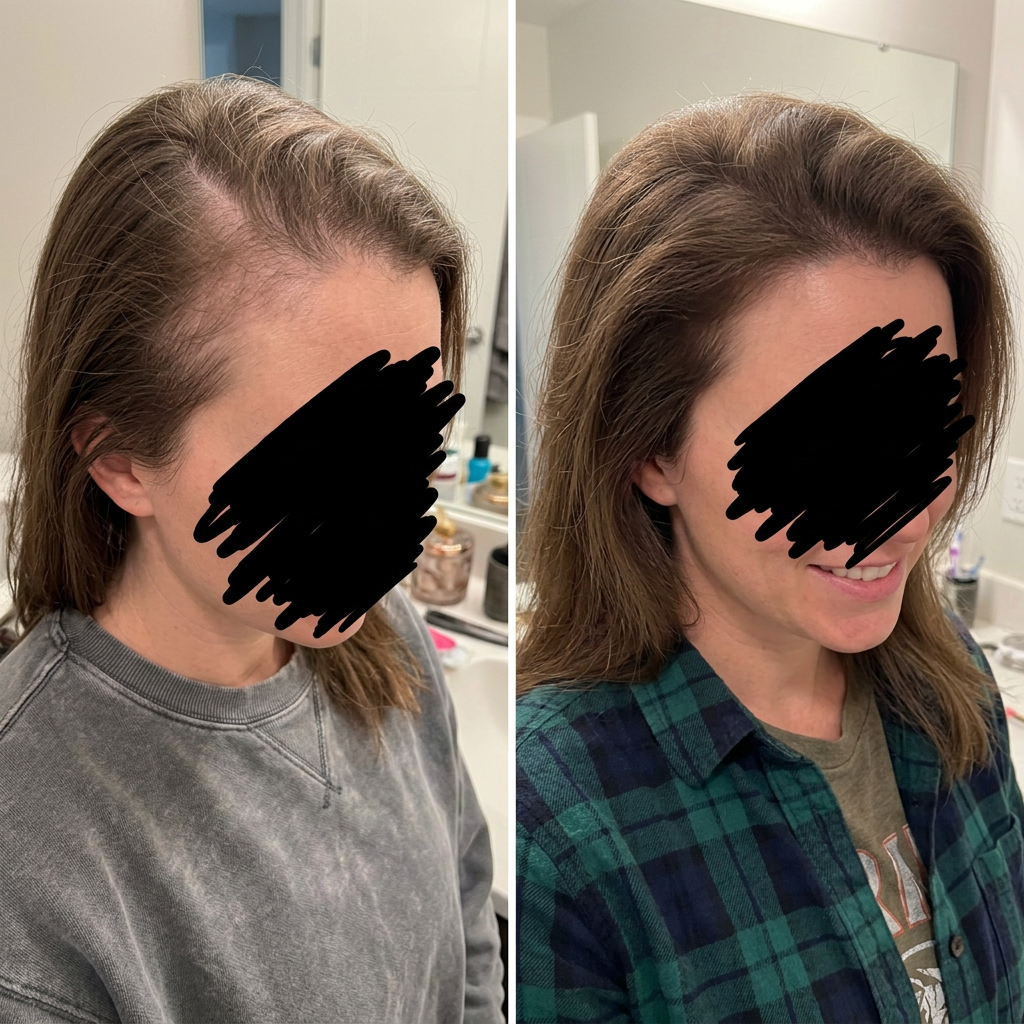
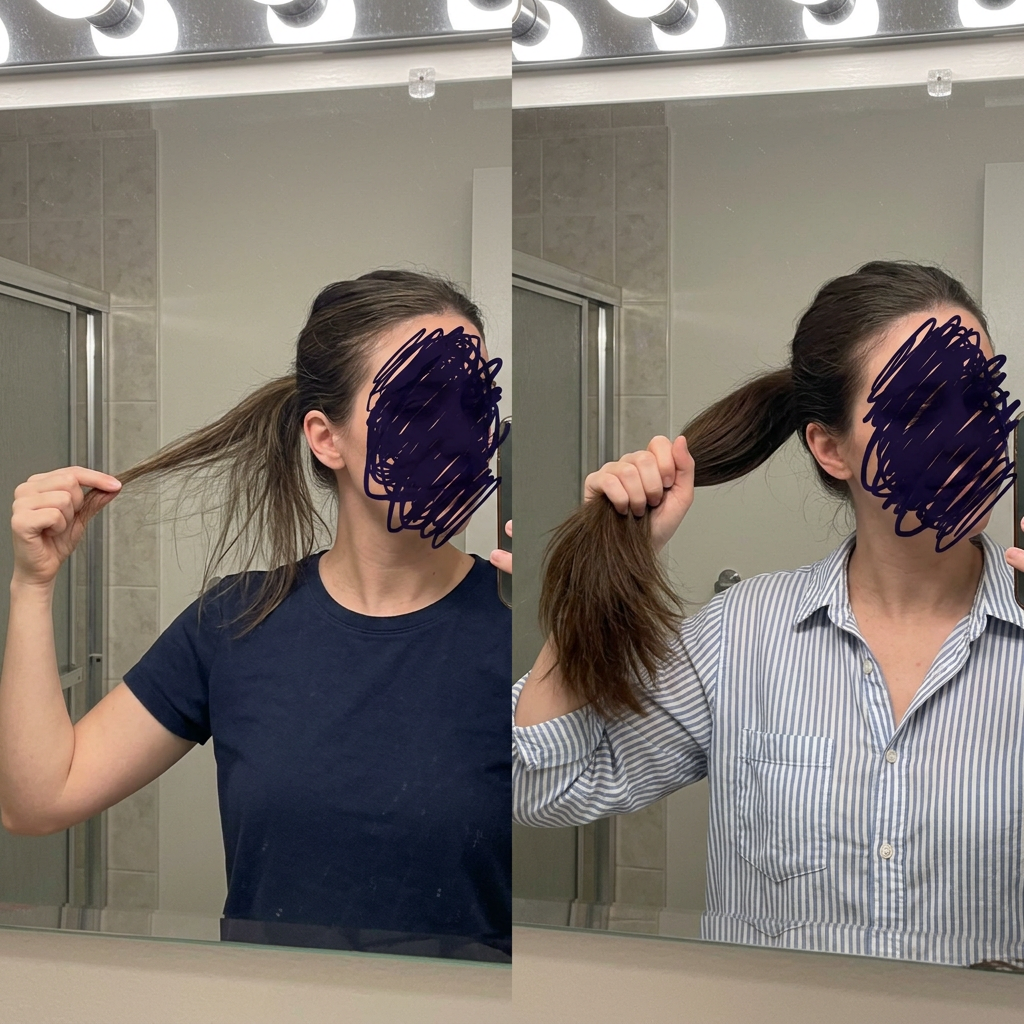
Note: Only 9 units left in stock 💧 Supports Bladder Control Naturally 🌿 Promotes Thicker, Fuller Hair ❤️ Supports Kidney & Heart Health
Learn more: shopeverly.shop(opens in a new tab)