
Inactive· since Jul 9, 2026
- 20
- days it ran
- 0
- relaunches
Ad copy
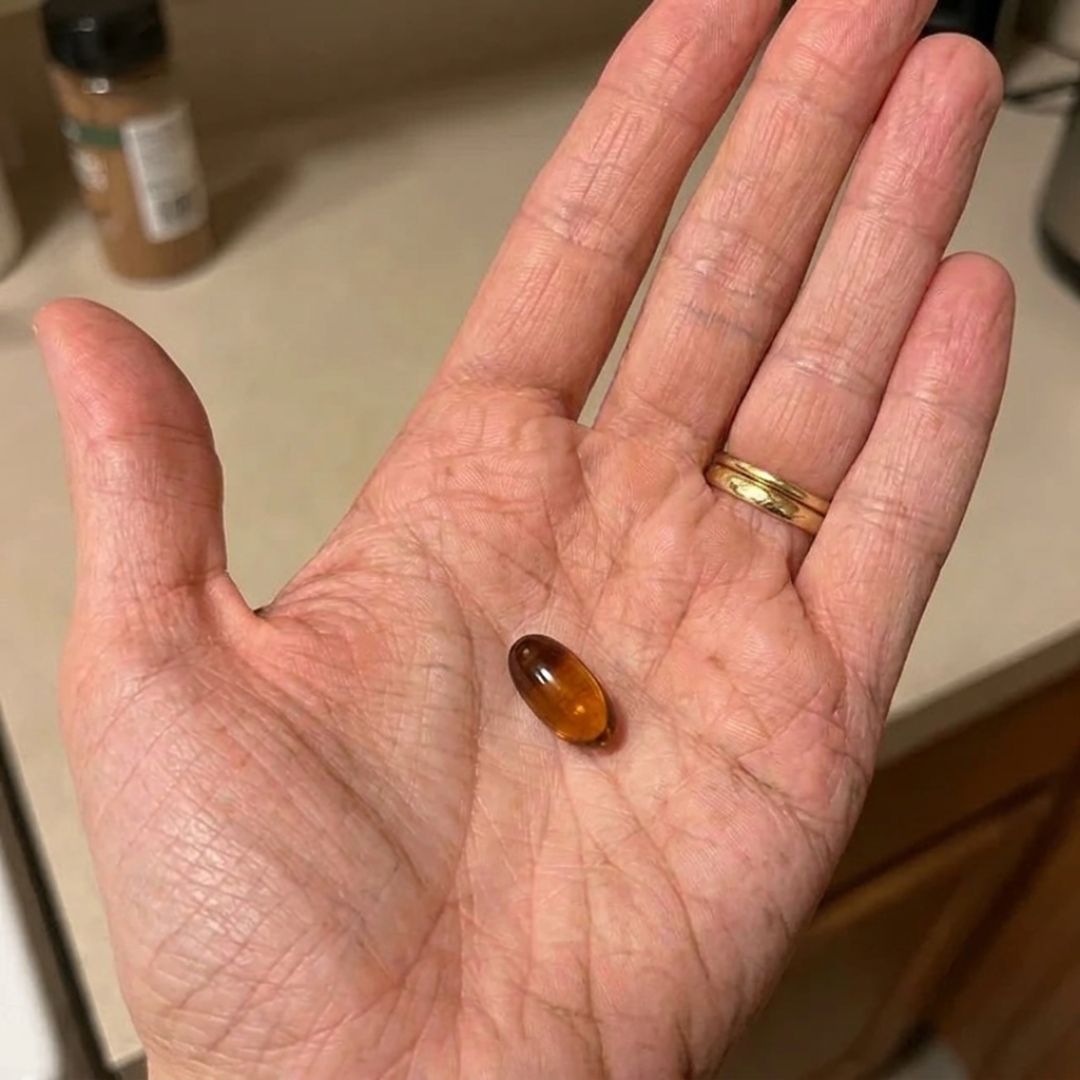
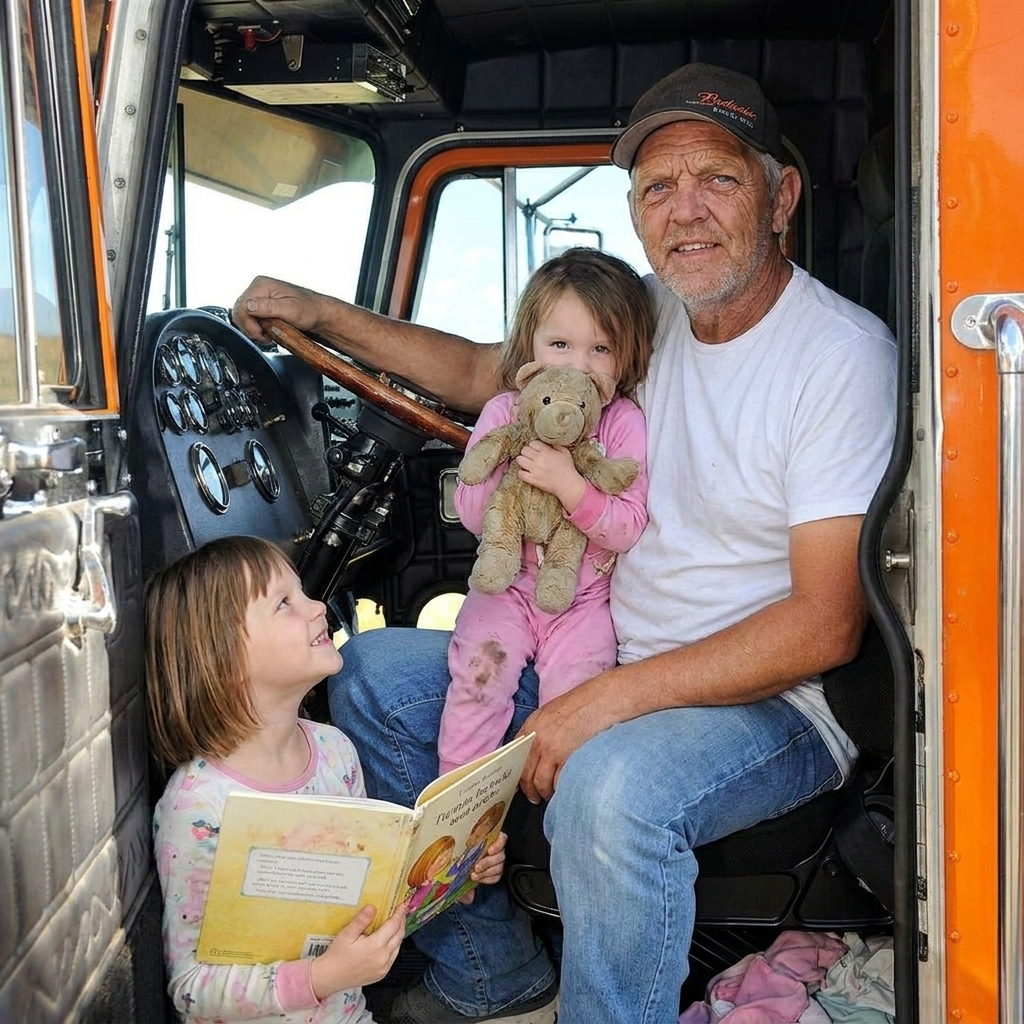
I followed a man into my diner's parking lot and watched him lift his five-year-old daughter into the back seat of his truck. She climbed into a nest of blankets, pulled a comforter up to her chin, and reached for a children's book like it was the most normal thing in the world. Her older sister climbed in after her, opened the book to a dog-eared page, and started reading out loud. In the back of a truck. In a parking lot. In the snow. If I'd known what that man was going to tell me three weeks later at my kitchen table, not just a story but something that would change my father's life, I would have stood there longer. But I didn't know. So I walked up to him and said "I brought you some food." An hour earlier he'd walked into my diner with those two girls and not enough money to pay the bill. He held the door for his daughters the way you hold a door when you're teaching someone that doors get held. Not rushed. Not showy. Just this. This is what we do. He looked tired. Not sick-tired. Worn-tired. The kind that settles into a face when it's been there long enough to stop being temporary. His jacket was clean but faded at the seams. His boots were scuffed but laced tight. He had the build of a man who worked with his body, wide shoulders, rough hands, but his face was young. Early thirties maybe. The older girl was seven. Brown hair in a ponytail she'd clearly done herself. The younger one was five, maybe just turned six. Pink coat. Mittens that didn't match. She was the one holding her sister's hand. They slid into a booth by the window. Snow was falling, not heavy, just enough to make the streetlights look soft. I brought menus and three waters. The older girl said "thank you" before her father could. He smiled at her, the kind of smile a parent gives when their kid does something that proves the parenting is working. Small. Proud. Private. "Take your time," I said. He didn't take his time. He opened the menu, looked at the right side, the side with the prices, and closed it. "Could the girls get two grilled cheeses and two milks, please?" "Sure thing. And for you?" "I'm good. Just had a late lunch." He hadn't had a late lunch. I've been pouring coffee and clearing plates for fourteen years. I know what a man who just ate looks like and I know what a man who's not eating so his kids can looks like. He was the second one. The girls ate their grilled cheeses the way kids eat when they're actually hungry, not picking, not playing, just eating. The older one used a napkin without being told. The younger one got cheese on her chin and her father leaned across the table and wiped it off with his thumb, gentle, like he was handling something he'd built himself. He drank water. Watched them eat. Every now and then one of the girls would say something and he'd lean in and listen like it was the most important sentence anyone had ever spoken to him. He said "thank you, ma'am" when I refilled his water, the kind of politeness that isn't performed. Like somebody put it there a long time ago and it never left. When they were done I brought the check. $11.40. Two grilled cheeses, two milks. He reached into his jacket pocket and pulled out a small ziplock bag. Inside the ziplock bag were bills and coins. Separated. Organized. The bills were folded in half, four singles and a five. The coins were quarters, dimes, a few nickels. He started counting on the counter. Nine dollars. Ten. Ten-fifty. He lined up two more quarters. Eleven dollars. Then he opened the coin section of the bag and started counting dimes. One. Two. Three. He was ten cents short. He patted his other pocket. Nothing. Checked his jacket. Nothing. His older daughter was watching him. She knew. Kids always know. She didn't say anything but her hand went to the table and she pushed her napkin back and forth, a small nervous motion, the kind a kid makes when they want to help but don't know how. His face did something I'll never forget. It tightened for half a second, jaw, eyes, everything, and then he smoothed it out. Deliberately. Like he was putting a mask back on that had slipped. He looked up at me, and I could see the sentence forming and what it was going to cost him to say it in front of his children. "I'm sorry. I'm a little short. Could I..." "Oh, you know what, I rang that up wrong. Kids' meals come with the milk. It's not a separate charge." I picked up the check, scratched through the total, wrote $9.50. "That makes it nine-fifty." It wasn't a mistake. Kids' meals don't come with the milk. They never have. But the girls were right there and his face was right there and I was not going to let this man apologize for being forty cents short in front of his daughters. He looked at the new total. Then at me. He knew. "Thank you, ma'am." "Have a good night, hon." He counted out $9.50. Exact. Then he put what was left back in the ziplock bag carefully, coin by coin, the way you handle money when every dollar is tomorrow's decision between gas and milk. The girls were putting on their coats. The younger one was struggling with her zipper. He knelt down in front of her and zipped it up and adjusted her hood and said something I couldn't hear that made her giggle. Then he stood up and for a second, just a second, he closed his eyes. A long blink. The kind you do when you're holding something together and you need one moment where nobody can see your face. On his way out he stopped at the counter. His daughters were already at the door, the older one holding it open the way she'd watched her father hold it ten minutes earlier. "Excuse me, ma'am. Is the manager around? I wanted to ask if you all might be hiring." He didn't say it loud. He said it the way you ask a question you've asked fifty times knowing the answer will be no but asking anyway because asking is all you have left. Lou was in the back. "Not hiring," he said through the kitchen window. Didn't look up from the grill he was cleaning. Didn't come out. Two words. The man nodded. "Thank you, sir. Have a good evening." He walked to the door. His older daughter took his hand. His younger daughter took her sister's hand. And the three of them walked out into the parking lot and the dark. Lou scraped the grill. I stood behind the counter and something broke in me. Not dramatic. Not tears. Something structural. The thing inside you that lets you tell yourself it's not my business, that thing cracked. I grabbed a bag. Put two pieces of pie in it. Two rolls from the bread basket. A container of the beef stew we had left from lunch. Snapped the lid on. "I'm taking my break," I said to Lou. "You just had your break." "I'm taking another one." I walked out the front door. The cold hit me hard. That's when I saw the truck, what was inside it. The blankets. The cartoon pillowcases. The children's book worn soft from being read every night. A bedroom in the back of a truck. I'm going to be honest with you about what I did next because I want you to understand the kind of person I am, which is not a hero. I'm a 56-year-old waitress who's been divorced since her early forties and lives alone and calls her father twice a day because he won't admit he needs checking on. I'm ordinary. But I stood in that parking lot watching a man tuck his daughters into the back of a truck and I thought: somebody has to see him. Not look through him. Not walk back inside and tell themselves it's not their problem. Somebody has to see him. He closed the door gently. Stood there for a second with his hand on the window. Then he turned and saw me. He didn't startle. He just looked at me with the expression of a man who has been seen and isn't sure yet whether that's a good thing or a bad thing. "I brought you some food," I said. "Stew, rolls, pie. It's going in the trash in an hour anyway." It wasn't going in the trash. But he needed a version of the truth that didn't feel like charity. Same as the register. He took the bag. Held it with both hands. "You didn't have to do that." "I know. How long have you been living in the truck?" He didn't deny it. Didn't try to explain it away. I think he was tired of pretending. "About five weeks." "With the girls?" "It's temporary. I know how it looks. They're safe. They're warm. I run the heat before they fall asleep and I've got enough blankets to..." "I'm not judging you. I'm asking." He exhaled, a cloud of breath in the cold air, and leaned against the side of the truck. "What's your name?" "Jesse, ma'am. Jesse Cofield." "What kind of work are you looking for, Jesse?" "Anything physical. Construction, landscaping, concrete. That's what I know. I did eight years of hardscaping down in Greensboro. Framing, retaining walls, flatwork, drainage. I'm not picky. I just need somebody to give me a shot." "What brought you up here?" He looked at the truck. Through the window, the dome light had gone off. The girls were shadows in the back seat. "My mom. She's 67. She was a home health aide for thirty years, the kind who'd sit with people overnight and hold their hands and make sure they weren't alone at the end. She took care of everyone. Everyone except herself." His voice didn't crack but it thinned out. "She fell last year. After that she just started fading. Couldn't work. Couldn't keep up the house. I was sending money from Greensboro but money doesn't drive someone to a doctor's appointment. Money doesn't make sure someone eats dinner." "I moved back five months ago. Their mom left a couple years ago, so it's just me and them. I got a job with a concrete crew when we first got here, then the company lost their contract and laid off half the crew. I was last in, first out." "I've applied at every construction company, every landscaping outfit, every general contractor in a forty-mile radius. Nobody's hiring. Eight years of experience and none of it matters because nobody wants to take a chance on somebody they don't know." He ran his hand through his hair. "The money I had went to my mom's prescriptions and her heating bill. What was left went to the girls. Food. Gas. I sold everything I could sell. And then I ran out of things to sell." He gave a small embarrassed smile, like he was apologizing for telling me the truth. "I'm not a sob story, ma'am. I'm just a guy who needs a break. I'm working on it." I stood there looking at him and I thought about my father. My father is 66 years old. His name is Ed Malone. He's owned Malone Landscaping and Hardscape for 31 years. Built it from a pickup truck and a push mower and a willingness to work in 95-degree heat without complaining. His hands built half the patios in this county. But his body isn't cooperating anymore. His grip is going. His energy is gone by early afternoon. He sits in his truck in the shop parking lot some days because he's too tired to walk inside. His foreman Danny, who's been with him for sixteen years, has been quietly covering for him. They both pretend I don't know. I know. My father was about to lose his business. Not because he chose to. Because his body was shrinking the thing he built, turning down jobs, dropping tools, pretending he was booked when he was just used up. Unless somebody strong could do the physical work for him. I looked at this man standing in the parking lot next to his truck full of blankets and children's books. "Jesse, my father owns a landscaping and hardscaping company. He's had it for 31 years. He's the best in the county. But he needs help. He won't say that. He'll never say that. But he needs somebody who can do the physical work so he can do the rest. If he had somebody he could trust with the labor, he might not have to close the business the way he thinks he does." Jesse stared at me like he wasn't sure I was real. "Ma'am..." "Let me give you my number. Call me tomorrow morning at 7. I want to talk to my father first. I want you to have a real shot at this. Not a cold call that gets brushed off." I pulled a napkin out of my apron, I still had my apron on, I'd walked out of the diner in my apron, and wrote my number on it. He took it with both hands. Like it was something fragile. "Ma'am. I don't know what to say. I've been asking that question at every counter and every register for two months. Nobody looks at me. They look through me. You just... you just walked up to me." "I walked up to you because your daughter said 'thank you' before you could. That tells me everything I need to know about you. And because my father needs someone like you as much as you need a job. This isn't charity. This is two people helping each other." He shook my hand. His grip was strong. The kind of grip my father used to have. I went back inside. Finished my shift. Drove home at 10:15. I didn't wait until the next day. I know my father. He's a proud man, the kind who would rather lose his business than admit his daughter handed him help. But pride has a window. My father doesn't accept help. But he'll evaluate a worker. That's different in his mind. And the difference mattered. I called him from the kitchen table. "Hi, Dad." "Caroline. It's late. You okay?" "I'm fine. Listen. A man is going to show up at the shop tomorrow morning. His name is Jesse. Eight years of hardscaping. He knows pavers, flatwork, retaining walls, all of it. I want you to let him work a day." Silence. "Caroline, I don't need you..." "Dad. Just let him show up. Let him work. If he's not the real thing, send him home. But if he is, you need to let him be the real thing. You need help and you know it and I know it and Danny knows it. I'm not saying anything you don't already know. I'm just saying it out loud because nobody else will." A long pause. The breathing of a man who's been told something true and is deciding whether to fight it or accept it. "Send him to the Prescott job. I'll be there at 7." I went to bed that night thinking about the cartoon pillowcases in the back of that truck. An older girl reading to her sister in a parking lot. A man who said "thank you, sir" to someone who wouldn't even look at him. The next morning at 6:52 AM, Jesse called me. Eight minutes early. "Caroline, it's Jesse. I didn't want to call too early. I've been up since 5." I gave him the address. Told him my father would be there. Told him to work. Don't talk about me. Don't mention the diner. Don't tell him his daughter sent you. Just show up and work and let him see you. At 4:15 that afternoon my father called me. "Caroline." His voice was different. Then I placed it. He sounded like he used to sound. Five years ago, calling after a big job to tell me how it went, not because I asked, but because he was proud and I was the person he was proud at. "The kid you sent me." "Yeah?" "He laid a 300-square-foot paver base in five hours. By himself. Graded it within a quarter inch without a laser level, did it by eye and a string line. I checked it twice because I didn't believe it." "So?" "So I hired him. He starts Monday." "Dad, he's got two little girls. He's been sleeping in his truck." A pause. "I know. He told me at lunch. I'm advancing him two weeks so he can get into a room. He didn't ask. I offered. He said he'd pay it back first check." Another pause. Longer. "Caroline. I need him. I need someone who can do the part I can't do anymore." It was the first time in four years he'd said it out loud. That his body was failing him. That the man who could lift a pallet of flagstone by himself couldn't lay a paver base anymore without his hands seizing and his back giving out by noon. "I know, Dad. That's why I sent him." "You're a pain in my ass, you know that?" "I learned from the best." Jesse started Monday. By the second week, Danny told me, quietly, at the shop when my father wasn't around, that Ed was coming home by 3 PM instead of dragging himself through until 5. Jesse was handling the physical load. My father was doing what he did best, managing, estimating, talking to clients. Not the version of him that could lift flagstone. The version that knew which flagstone to use and where it should go. Jesse found a room at a boarding house four miles from the shop. My father bought him new work boots because Jesse's were held together with duct tape. Jesse brought my father coffee every morning, two sugars, splash of cream. My father would wrap both hands around the cup. Not because it was cold. Because one hand couldn't hold it steady anymore. Jesse noticed. I could tell because he stopped handing it to my father and started setting it on the workbench instead. Small adjustment. The kind you make when you're watching someone and you don't want them to know you see what you see. Three weeks in, I invited Jesse and the girls over for dinner on a Sunday. I made lasagna. My father was there, told him 5, he came at 4:30, he's early for everything. The girls loved my father. The younger one, Lily, climbed into his lap within twenty minutes and showed him a drawing she'd made at school. A house. A tree. A dog they don't have. I saw him brace when her weight settled onto his legs, a quick tightening around his eyes, his hand gripping the chair arm for a half second before he caught himself. Then he smiled at her like nothing had happened. Lily didn't notice. I noticed. My father held the drawing in his big weathered hands and studied it like it was a blueprint. The paper trembled, not much, just enough that the crayon lines blurred if you were looking. He set it down on the table after a moment. Rested his hands on top of it. Easier than holding it up. "That's a fine-looking house," he said. "You drew the roofline just right. See how it slopes? That's so the rain runs off. You've got good instincts." She beamed. And my father, my father who has been sitting in trucks and staring at walls and losing himself one piece at a time for four years, beamed too. After dinner the girls fell asleep on the couch watching a movie. My father was in the kitchen helping me dry dishes. I watched his hands work the towel, slowly, deliberately, each plate a negotiation between his grip and gravity. He dried a coffee mug and set it on the counter and it slipped the last half inch. Didn't break. Didn't fall. Just slipped, his fingers opening a fraction of a second before he wanted them to. He caught it with his other hand and kept going. Didn't look at me. Didn't say anything. But his jaw was set the way it gets when he's fighting something he can't name. Jesse was at the table. He'd been quiet most of the evening. Watching. Listening. I sat down across from him and asked about his mother. He set down his coffee. Looked at the table for a moment. Then he started talking. "My mom's name is Diane. She's 67. She was a home health aide for 30 years. The kind of aide who'd show up at 6 AM and stay until midnight if that's what the patient needed. She bathed people. Fed them. Held their hands when they were scared. She was the last face a lot of people saw before they died and she made sure it was a kind face." He turned his coffee mug in his hands. "She started getting tired around 57. Nothing dramatic. Just less. The energy she'd always had, the motor that let her work 14-hour shifts and come home and cook dinner and check my homework, it started dimming. Her doctor told her her LDL kept creeping up. Said we need to keep an eye on this. It could become a cardiovascular risk. She went on a statin, watched her diet, did everything she was told. She was a healthcare worker. She believed in the system because she was part of it." I glanced at my father. He was at the counter, his back to us, drying a pot. "Three months later her numbers looked better. LDL came down from around 174 to the low 100s. Doctor was satisfied. Mom was relieved. She thought she'd gotten ahead of it." He turned his coffee mug slowly. "But there was something underneath the cholesterol numbers that nobody was looking at. And it kept getting worse." "By year two her hands started stiffening. Mornings were the worst. She'd sit on the edge of her bed opening and closing her fingers for ten minutes before she could get dressed. She told me it was arthritis. I believed her because she said it the way she said everything, like it was handled, like she'd already made peace with it." I felt my chest tighten. My father at the shop sink. Hot water. Fifteen minutes. "Just loosening up." "By year four she couldn't do overnight shifts anymore. The standing, the lifting. Her legs ached so bad by midnight she could barely walk to her car. She cut back to day shifts. Then half days. She told me she was being selective about her patients. She wasn't being selective. She was surviving." I thought about my father, the jobs he'd turned down, telling clients he was booked when he was just used up. "The fog came around year five. She'd be telling me about a patient and lose the thread mid-sentence. Just gone. Like someone unplugged her for a second and she had to reboot." I thought about my father calling me in the morning about a job he was bidding, then calling that same evening with the exact same story. The pause when I'd say "you told me that one, Dad." The silence that followed. "Her doctor ran bloodwork every six months. Same answer every time. Your numbers are excellent, Diane. LDL is 96. Whatever we're doing is working. Working. She couldn't climb a flight of stairs. But the numbers were working." My father's doctor says the same thing. Every six months. Keep doing what you're doing, Ed. "She had a cardiac event at 64. Not a full heart attack. They called it an acute coronary syndrome. Chest pain, shortness of breath, hospitalized for three days. Her cardiologist was surprised. Your lipid panel is excellent. This shouldn't have happened. As if the body reads its own blood work and makes decisions based on the chart." Jesse looked at his hands on the table. The same look my father gives his hands when he's trying to figure out why they won't do what they've always done. "After the cardiac event she stopped working entirely. Her brain got foggier. She'd call me in Greensboro twice in one afternoon and not remember the first call. I'd answer both times and pretend it was the first." "I called her one Friday evening. She didn't answer. Drove four hours Saturday morning. Found her in the kitchen, not fallen, just sitting at the table. She'd been there since the night before. Hadn't eaten. Hadn't moved. She said she just forgot to get up. Like standing was a thought she couldn't quite reach." He was quiet for a moment. "That's when I moved back. Quit the job. Packed the girls. Told my mom I'd found work up here. I hadn't. But she needed to believe I had." "Jesse," I said, and my voice came out wrong, tight, thin. "My dad has been dealing with the same thing. The same slow fade. The same chart that says everything's fine while everything else says otherwise." My father had stopped drying the pot. He was standing at the counter with the towel in his hands. Still. Jesse nodded slowly. Like he'd been waiting for this conversation without knowing he was waiting for it. He reached into his jacket, the brown canvas one with the frayed cuffs, and pulled out a thick manila envelope. Soft at the edges. Dog-eared. The kind of envelope that's been opened and closed hundreds of times. "After Mom's cardiac event, I started reading," he said. "Not health blogs. Not supplement websites. Actual research. Published studies. I went to the library because I couldn't afford internet. Printed everything I could find. Sat at Mom's kitchen table after the girls were asleep and read until the words blurred." He opened the envelope. Inside were printouts, some highlighted in yellow, some with notes in pencil in the margins. Small, careful handwriting. The handwriting of a man teaching himself a language he was never supposed to need. "The first few weeks I kept running into the same explanation," he said. "Cholesterol is a production problem. The liver makes too much. You absorb too much from food. So the answer is to reduce production, block absorption, turn down the faucet." He set one of the pages between us. "I kept reading that and thinking, okay. Her medication was doing that. Her LDL came down. So why did everything else keep getting worse?" I looked at the page. His penciled notes in the margin said: not enough. Why? "Why wasn't it enough?" I asked. He looked up. Like he was glad someone had asked that out loud. "I couldn't figure it out either. So I went back further. Tried to find what the cholesterol number was sitting on top of. What was underneath it." He tapped the page. "That's when I started reading about blood sugar. Not diabetes. Just the way the body handles glucose day to day, hour to hour, especially after meals." My father still hadn't moved from the counter. "There are proteins in your cells," Jesse said. "Little transporters. Their job is to pull glucose out of the bloodstream and carry it into the cells, where it gets used for energy. In a healthy body, insulin gives the signal and those transporters open up. Sugar moves in. Blood sugar comes back down. Everything stays in balance." "But my mom's blood sugar was always in the normal range," I said. "That's what I thought too." He pulled out another page, this one more heavily marked. The margins were full. "But there's a difference between a fasting blood sugar reading and how efficiently the body actually moves glucose over the course of a day. If insulin resistance develops, even mildly, those transporters start responding more slowly. The signal gets weaker. Glucose stays in the bloodstream longer than it should, especially in the hours after eating. And nobody catches it on a standard annual test because the fasting number still looks fine." I thought about my father. His energy gone by noon. The truck. The pretend phone calls. "And here's the part I kept underlining," Jesse said. He leaned forward slightly. "When glucose stays elevated for long enough, not all at once, just a little longer than it should, over months, over years, it puts the body under low-grade metabolic pressure. There's more inflammation. More oxidative stress. And that pressure lands on the liver, which is also responsible for producing and processing cholesterol." He spread his hands on the table. "LDL may gradually rise. Triglycerides can climb. HDL has a harder time doing its job. And nobody connects it to blood sugar because the blood sugar reading looked fine at the last checkup." I thought about my father's cholesterol. The numbers drifting in the wrong direction year after year while the doctor said everything else looked fine. "So the cholesterol number and the blood sugar number may not be two separate problems," Jesse said. "They may both be signals from the same underlying thing. Which means if you only manage the cholesterol side and never address the glucose regulation side, you're treating the result while the cause keeps running underneath." Calling it aging. The word I used when his hands started shaking. When he stopped taking on big jobs. When he winced lifting Lily onto his lap and covered it with a smile before she could see. Aging. The word you use when you don't have another one. My father's hands went to the counter edge behind him and he gripped it. I saw his knuckles whiten. Not anger. Recognition. Jesse sat back and was quiet for a moment. Then he reached into the envelope and pulled out one more page. This one had a paragraph circled in pencil, the circle gone over two or three times like he'd kept coming back to it. "I spent about three weeks reading about the glucose side before I found something that felt like an answer," he said. "I almost missed it because it was in a section I didn't expect." He set the page on the table and turned it toward me. "Research on Ceylon cinnamon." He said it plainly. No drama in it. "Not the cinnamon at the grocery store. That's a different plant, Cassia, different compounds, different profile. What these studies were looking at was true Ceylon, from Sri Lanka. And what they were specifically studying was whether compounds in Ceylon cinnamon could support insulin sensitivity and glucose transport. Whether they might help those cellular transporters respond more efficiently to insulin's signal." "So the glucose moves out of the blood the way it's supposed to," I said. "That's what the research suggested. And if the glucose moves more efficiently, the body isn't under that same sustained metabolic pressure. The inflammation may ease. The liver may work with less of that upstream stress. And over time, some studies found that supporting glucose regulation this way may also support healthier cholesterol patterns." He turned his coffee mug slowly. "Not by targeting cholesterol directly. By addressing something that may have been contributing to the cholesterol picture from the start." He closed the envelope. "It's not a cure. I want to be clear about that. It doesn't treat anything. And it's not a substitute for medical care. But it may be supporting a metabolic process that most cholesterol conversations don't reach." He set the envelope on the table. "The product is called Metabolae Ceylon Cinnamon. It's a concentrated extract, twelve-to-one Ceylon from Sri Lanka, infused with MCT oil so the active compounds actually absorb instead of passing through. Third-party tested for purity, heavy metals, and coumarin levels. No fillers. No additives. One softgel, taken with your first meal of the day." "I started giving it to my mom nine weeks ago. I set one softgel on her kitchen table every morning next to her coffee and said take this for me, Mom. She took it because she trusts me. She trusts me because I'm the one who shows up." His voice softened. The way it does when someone is about to say something they've been carrying alone. "Day five. She called me at work. Her morning felt different, not dramatic, she was careful to say that. But something in how she started the day felt more like herself. Not dragging through the first two hours waiting for her energy to show up. She'd made her own breakfast. Moved around the kitchen the way she used to. She said it was probably nothing. I didn't think it was nothing." "Week two, she asked me to take her to the store. She hadn't asked to go anywhere in six months. We went to the grocery store and she walked every aisle. In the produce section she stopped and picked up a cantaloupe and held it and squeezed it the way she used to, checking for ripeness, and she was steady. She bought the cantaloupe. She bought garlic and onions and chicken thighs. Things you buy when you're planning to cook. Things you buy when you're planning to be alive tomorrow in a way that matters." "Week four, I came over on a Saturday morning and she was in the garden. She hadn't been out there in over a year. But she was there, and when I walked up she said Jesse, these tomato cages need replacing, can you pick some up. Like she was planning a summer garden. Like she expected to be there for it." He looked at me across the table. "I ordered extra when I placed my first order. One bag for Mom. One as a backup because I was afraid of running out. I want you to take the backup. I want you to give it to your dad." He reached into his work bag and set a bag of Metabolae Ceylon Cinnamon on the table. "Caroline. You walked up to me in a parking lot when nobody else would look at me. You gave me a job. You fed my daughters. Your father treats me like I matter. This is the smallest thing I can do. Please don't say no." He pushed it across the table. My father was still at the counter. He hadn't moved. He hadn't spoken. I looked at the bag. I looked at Jesse. I looked at my father's hands gripping the edge of the counter, the hands that built half the patios in the county, holding on. I took it. My father drove home at 9 that night. I walked him to his truck. He was quiet, the kind of quiet that has weight. "Dad." "I heard him, Caroline." "I know." "The glucose. The transporters. The whole chain." He looked at his own hands on the steering wheel. Opened and closed them. Slowly. "I've been blaming myself. Thinking I was getting lazy. Thinking I lost something. Thinking Ed Malone got old and soft." "You're not old and soft." "I know that now." He looked at me. "Give me what that kid found in the morning." I didn't have to convince him. I didn't have to sneak it into his coffee. My father heard Jesse's story and recognized himself in every word. He didn't need persuading. He needed permission to believe that the thing happening to him had a name other than aging. The next morning I drove to my father's house at 6 AM. Before his coffee. Before the hot water ritual. Before the fifteen minutes of negotiating with his own hands. I put one softgel and a glass of water on the kitchen table. He was standing at the counter in his work clothes. Boots on. Ready to go. The way he'd stood every morning for 31 years. He took it without a word. Then he kissed the top of my head, the way he's kissed the top of my head since I was four years old, and went to work. Day five. I showed up at the shop at 7 AM. My father was at his workbench. Not sitting in his truck. Not at the sink. At the workbench, sorting hardware, moving things around with both hands, picking up tools and setting them down, not working, just handling them. Touching them. The way you touch things you thought you'd lost. Danny was watching from across the shop. He caught my eye. Just raised his eyebrows. A look that said: something's different today. Week two. My father called me at 7 AM, our usual call, and told me about the Henderson retaining wall. He told me the wall height, the drainage plan, the type of stone, the name of the mason supply where he'd ordered the caps. Detailed. Specific. Sharp. I waited for him to repeat something. He didn't. The whole call was clear, like someone had wiped a film off a window I hadn't realized was cloudy. That evening he called with a new story, a client, a spring project, an outdoor kitchen, the kind he hadn't taken on in over a year. He was excited about it. I could hear it the way you hear a sound you haven't heard in so long that you'd forgotten what it sounded like. He was saying yes again. Week five. My father mowed his own yard. He hadn't done it in three years. He'd been paying a kid from the neighborhood, which for a man like my father was an admission of defeat he never spoke about. He mowed it on a Wednesday evening after work. Then called me. "Caroline, I think I want to bid on the Greenfield project." The Greenfield project was a full backyard renovation. Patio, retaining wall, outdoor kitchen, fire pit. Three weeks of work minimum. The biggest job my father would have taken on in two years. "Then bid on it, Dad." "I think I will. Jesse can handle the heavy stuff. Danny can run the crew. I'll manage the job the way I should have been managing for the last five years instead of trying to do everything with my own two hands." His voice had something in it I'd been missing without knowing I was missing it. Authority. The sound of Ed Malone being Ed Malone. Not the diminished version. The real one. Bloodwork at eleven weeks. My father had kept all his doctor appointments throughout. Kept monitoring. Made no changes to his medical care without his doctor's guidance. What he added, one softgel of Metabolae Ceylon Cinnamon with his first meal each morning, he mentioned to his doctor, who didn't object. Total cholesterol: 199. It had been sitting around 212 before. LDL: 117. His doctor had been watching that number. It had been creeping in the wrong direction for two years. And HDL: 58. It had been 41. Seventeen points higher. The protective cholesterol. The one that hadn't moved in years despite everything else he was doing. My father's doctor studied the results for a long time. "Ed. Your numbers are better than they've been in a while. Your HDL especially. I almost never see movement like that. What changed?" My father told him everything. The Metabolae Ceylon Cinnamon. The research Jesse had shown him. The idea that glucose regulation might be part of the cholesterol picture that wasn't being addressed. The doctor listened. Then he said: "I'm not going to pretend I know enough about this to give you a full endorsement. But I'm looking at your numbers and I'm looking at you. You look like a different man than you did six months ago. Keep doing what you're doing. I want to see you in three months." My father called me from the parking lot of the doctor's office. "Caroline." "Yeah, Dad?" "I got the bid on Greenfield. We start Monday." I was standing in the diner. Middle of a lunch rush. I walked to the back hallway by the restrooms and pressed my forehead against the wall and cried. The cook saw me through the window. "Caroline, you okay?" I waved him off. I was fine. I was better than fine. My father was building again. Two months later, a Saturday in March, I drove out to the Greenfield job to bring the crew lunch. The first warm day of the year. The kind of day that smells like mud and possibility. My father was standing at the edge of the patio he'd just laid, hands on his hips, surveying the work. Jesse was on the skid steer, moving gravel. Danny was marking layout lines with string. The yard was torn up and dusty and loud and alive. And sitting on a blanket in the grass at the edge of the work zone were two little girls. Lily had a juice box and a coloring book. Her older sister, Emma, was holding a tape measure my father had given her, measuring things, the blanket, her shoe, her sister's arm, and writing the numbers down in a notebook with a pencil behind her ear. A pencil behind her ear. The same way my father keeps his. My father saw me and walked over. Sawdust on his jeans. Dirt on his boots. Sun on his face. He looked, I don't have another word for it, like my father. The one I grew up watching. The one who could build anything. The one I'd been losing for four years and had back. "You brought lunch?" "I brought lunch." He called the crew over. Jesse lifted Lily onto his shoulders. Emma followed with her tape measure and her notebook. Danny unpacked the sandwiches. My father sat in a folding chair and looked at the job in progress and I watched him do something I hadn't seen him do in years. He looked satisfied. Not tired. Not defeated. Not sitting in a truck pretending to make phone calls. Satisfied. The way a man looks when his hands work and his mind is sharp and his business is growing and two little girls are measuring things with his pencil on his job site and the sun is out and the day is long and he's not afraid of it. I thought about the diner. A Tuesday evening. A man counting coins on the counter. A seven-year-old saying "thank you" before her father could. A bag of stew that wasn't going in the trash. A napkin with a phone number. A truck with cartoon pillowcases and a children's book and a father who turned homelessness into bedtime for his daughters. I thought about how close everything came to going differently. If Jesse had picked a different diner. If I'd been too tired to follow him to the parking lot. If I hadn't thought about my father when Jesse told me what he could do. Every one of those moments was a hinge. A place where it could have gone the other way. A place where my father would still be sitting in his truck at 3 PM with his eyes closed. A place where my father would have closed his business by spring because his body wouldn't let him be who he was anymore. I'm telling you this because I think you might be where I was four months ago. Watching someone you love shrink. Calling it aging because that's what the doctor calls it. Watching the numbers come back looking managed while the person comes back less. Admitting something is wrong with the person who raised you, or the person you married, is a door that feels impossible to walk through until someone shows you it's already open. If your father's cholesterol keeps drifting in the wrong direction, if his energy dies by afternoon, if his brain misses things it never used to miss, there may be something upstream that isn't being addressed. Not the cholesterol production side. The metabolic side. The glucose regulation side. The side that may be quietly contributing to the cholesterol picture long before anyone connects the two. If your husband's numbers have been creeping the wrong way for years, the LDL, the triglycerides, the HDL that won't budge, and something in him has been dimming along with them, you're not imagining it. Trust what you've been watching. The doctor watches the chart. You watch the person. You're closer to the truth. I sat across from a man who spent his nights at a public library printing out clinical research because his mother was disappearing and nobody in a white coat would tell him why. What he found is the reason my father bid on the biggest job of the year last Monday instead of closing his shop. A waitress scratched through a check and followed a man into a parking lot. That's how it reached my father's kitchen table. Now it's reaching yours. The thing Jesse set on my kitchen table that Sunday night, the thing my father took without a word the next morning before he kissed my head and went to work, is called Metabolae Ceylon Cinnamon. It is a concentrated extract sourced from true Ceylon cinnamon in Sri Lanka, twelve parts of raw plant material refined into one, then infused with MCT oil so the active compounds actually absorb instead of passing through. Third-party tested for purity and coumarin levels. One softgel, taken with your first meal of the day. The research Jesse spent weeks reading at a library table points to something most cholesterol conversations skip over. Glucose regulation and insulin sensitivity may be upstream factors in how the liver produces and clears cholesterol over time. When the body handles blood sugar less efficiently, whether due to age, gradual insulin resistance, or both, that metabolic pressure may quietly influence cholesterol patterns over months and years. Ceylon cinnamon compounds have been studied for their potential to support insulin sensitivity and more efficient glucose transport. Supporting that process may, over time, help support healthier cholesterol patterns as part of an overall healthy lifestyle. It does not replace your doctor. It does not treat or cure anything. It addresses a part of the metabolic picture that most cholesterol conversations do not reach. One softgel. With your first meal. Every day. If you try it and your numbers do not move in the direction you are hoping for, Metabolae offers a 90-day money-back guarantee. Every penny back, no questions asked. Ninety days to find out whether supporting the upstream side of the picture makes a difference for you. Metabolae is a small company with limited supply. Jesse has had to wait for restocks before. If you are thinking about trying it, checking availability sooner rather than later is the simpler choice. --- P.S. If you are the daughter reading this, the one who calls her father twice a day and pretends she is not checking on him, I see you. You are not being overbearing. You are not being dramatic. You are the one who notices. The doctor has his chart. You have your eyes. You have been watching someone you love lose pieces of himself and calling it what the chart calls it because there was no other name for it. Now there is. And if you are the wife reading this, if it is your husband in that recliner, your husband's hands under the hot water, your husband's stories told twice in one evening, everything I just said applies to you too. Trust what you have been seeing. --- P.P.S. Jesse's mother has been on Metabolae for several months now. Her most recent bloodwork: total cholesterol 192, LDL 114, HDL 61. Her doctor told her the trend was moving in a direction he was satisfied with. Jesse said she told him: "My son reads more than you do." My father lost years to something nobody had a name for. Jesse's mother lost years. I started taking Metabolae myself, one softgel each morning with my first meal, because after everything I learned sitting at that kitchen table, I was not going to wait for my own almost. The 90-day money-back guarantee means the only real risk is doing nothing. Don't wait for your almost.
Like this ad? Make it yours.
Crush rebuilds this exact creative around your product — your brand, your colors, your offer — in about a minute.