Dr. Dwight Brennan
Dr. Dwight Brennan Facebook ad: “Reactivate your body.”
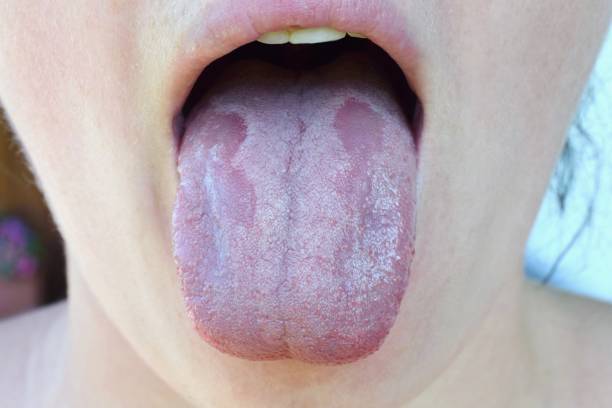
Ran for 5 days, from April 29 to May 4, 2026, the last day Crush saw it.
Run by Dr. Dwight Brennan on Facebook. Crush is not the advertiser and does not verify its claims. See this ad in Meta's Ad Library(opens in a new tab)
Want an ad like this for your product?
Crush makes new ad images for your product from this ad: your logo, your product photo, your offer.
Trials from $19.95 USD, then $79.95 USD a month. Cancel anytime.
About this ad
- Meta Ad Library ID
- 1999662587293975
- Platforms
- Facebook, Instagram, Audience Network, Messenger and Threads
- Relaunches
- 2
Ad text
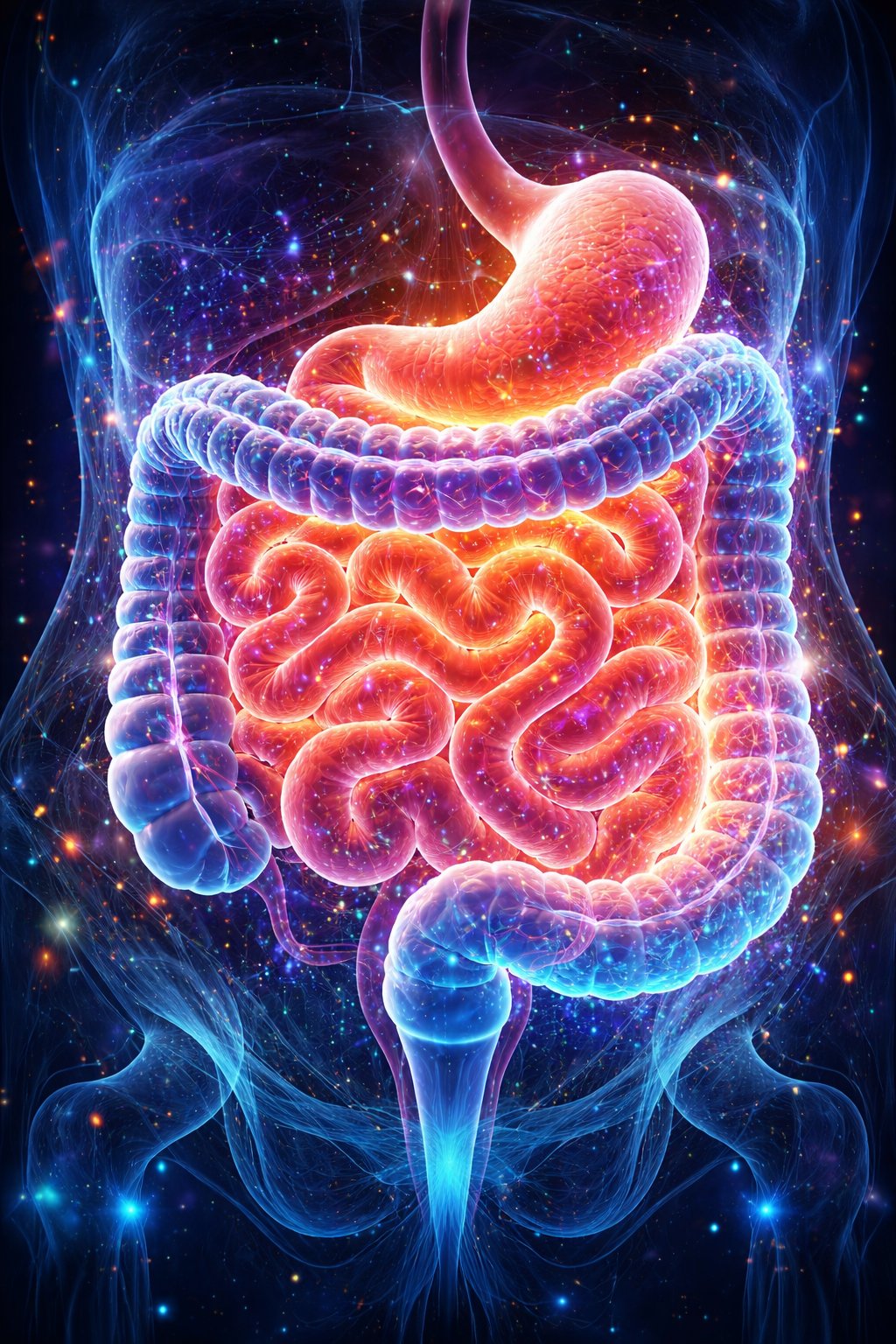
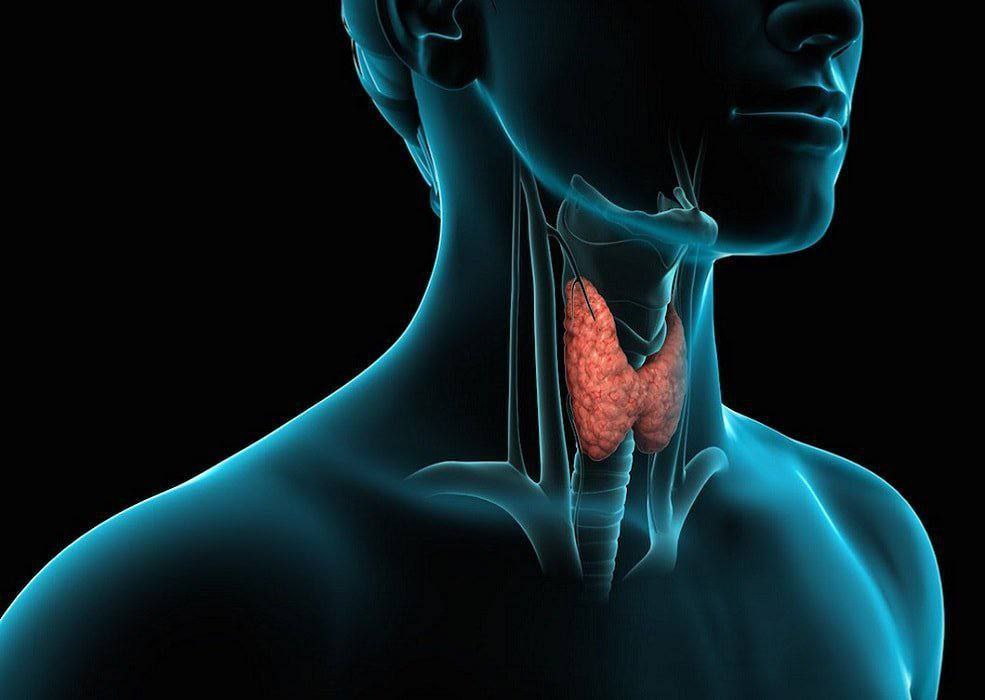
I'm an endocrinologist, and last week a patient of mine told me she wants to cut her levothyroxine dose. Not because she gave up on treatment. Because of something that happened during her follow-up labs that I've never seen in 19 years of practice. I've been treating thyroid disease for 19 years. I've seen every stage of Hashimoto's, every antibody level, every pattern of decline. I can tell within 30 seconds of looking at someone's bloodwork what trajectory they're on. Last week, I couldn't. A woman came in expecting the usual. Her TPO antibodies had been over 900 for five years. Her Free T3 was perpetually low despite "optimized" TSH. She was on 125mcg of levothyroxine. She looked the way most of my Hashimoto's patients look — exhausted, puffy, defeated. Except she didn't. I pulled up her new labs. And I just… stopped. Her TPO antibodies had dropped from 934 to 187. Her Free T3 had risen into the upper third of the range for the first time in years. Her TSH was tighter than I'd ever seen it. And her face — the puffiness that had been there for years — was visibly reduced. I looked at her. "What have you been doing differently?" "Nothing crazy. Just something my sister told me about." I didn't believe her. "New medication? Different brand of levo? Did you add Cytomel?" "Nothing like that. Just this one thing I've been taking for five months." I pulled up her previous labs and compared them side by side. Her antibody trajectory had reversed by what looked like three years. Her conversion ratio was improving. Her inflammatory markers were dropping. I sat back in my chair. "I'm going to be honest with you. I don't think you need 125 micrograms anymore." She looked confused. "But my Hashimoto's—" "Your thyroid is functioning better than it was three years ago. Your body is converting T4 to T3 more efficiently than I've seen since your diagnosis." Long pause. "So what do I do now?" "Keep doing whatever you're doing. Because it's working better than anything I was about to adjust." She walked out. And I spent the rest of the week wondering what she knew that I didn't. Here's what bothers me. I've been in endocrinology my whole adult life. I know every treatment, every drug, every protocol that's supposed to work. And I see the same thing in my office every single day. Women in their 30s, 40s, and 50s with declining thyroid function. That crushing fatigue that no amount of sleep fixes. Sleeping ten, twelve hours and still waking up feeling like they haven't slept at all. A body that feels like it's filled with lead by 2pm. The weight that keeps climbing no matter what they do. Eating 1,200 calories. Exercising six days a week. And gaining. Stepping on the scale wanting to scream. Looking in the mirror and not recognizing themselves. The brain fog that makes them feel twenty years older. Forgetting simple words mid-sentence. Losing their train of thought in meetings. Scared they're developing early dementia — but it's actually their thyroid. The hair falling out in clumps in the shower. A ponytail half the size it used to be. Drawing on eyebrows every morning because the outer third is gone. And the worst part? Their labs say "normal." Every doctor tells them there's nothing wrong. TSH is "within range." Levothyroxine dose is "correct." They get prescribed antidepressants they don't need. Labeled a hypochondriac. Told it's stress. Told to exercise more. That's what I see all day long. Women who are slowly losing their lives despite doing everything right and having "perfect" labs. And I help them. Temporarily. I adjust their levothyroxine. Tweak their dose by 12.5 micrograms. Monitor their TSH. Then they come back three months later still exhausted, still gaining weight, still losing hair. Numbers look fine. They feel terrible. Because medication replaces the hormone. It doesn't address why their body can't use it. The gut dysbiosis. The depleted bacteria that control conversion enzyme function. The leaky barrier that lets endotoxins suppress the liver's ability to turn T4 into T3. The missing bacterial enzymes that should recycle thyroid hormones instead of letting them be excreted. The broken bile acid metabolism that shuts down a second conversion pathway. I've suspected this for years. But I'd never seen someone who figured out how to actually reverse course. Until last week. I called her that evening. "I know this is unusual. But I can't stop thinking about your labs. What are you actually taking?" She didn't hesitate. "Something that targets the gut-thyroid axis. A gut formula. Simple capsules." We talked for 40 minutes. She told me she'd spent years trying everything. She tried adjusting her levothyroxine dose — fought her old doctor to test Free T3, not just TSH. Numbers shifted slightly. Symptoms stayed the same. She tried selenium — the supplement everyone in the Hashimoto's community recommends. It helped a little. Her antibodies dipped for a month. Then plateaued. She tried going gluten-free for eight months. Her bloating improved slightly. Her antibodies didn't budge. The exhaustion continued. She tried ashwagandha. Energy improved for two weeks, then leveled off. Didn't touch the weight, the hair loss, or the fog. She tried a thyroid support supplement from Amazon — the one with every vitamin and mineral listed on the label. Did nothing. "Expensive urine," she called it. She said she was about to accept this was just her life now. Just existing. Not living. A shell of the woman she used to be. But five months ago, something changed. She told me she'd started researching why levothyroxine fails so many women — even when the dose is right and the labs look fine. Not treatments. Mechanisms. She learned something that made everything click. She learned that when your thyroid labs are "normal" but you're still exhausted, gaining weight, losing hair, and can't think straight — it's not because you need a different medication or another supplement. It's because the gut bacteria that control thyroid hormone conversion are depleted — and nobody in endocrinology is checking. And here's what she found that most doctors — including me — had overlooked. Research now describes a "gut-thyroid axis" — a bidirectional communication pathway where the gut microbiome directly controls thyroid hormone metabolism. Hashimoto's patients consistently show a specific pattern of gut dysbiosis: depleted Bifidobacterium, Faecalibacterium, and Lactobacillus, with overgrown Klebsiella, Streptococcus, and Enterobacteriaceae. This dysbiosis doesn't just correlate with thyroid disease. It drives it. Through five simultaneous mechanisms. The beneficial bacteria that maintain the gut barrier produce butyrate. When they're depleted, the barrier breaks down. Bacterial endotoxin — LPS — leaks into the bloodstream. LPS directly inhibits deiodinase D1 in the liver — the enzyme responsible for 60% of T4-to-T3 conversion. Your medication enters the blood as T4. The liver can't convert it. Your cells don't receive active T3. Labs show adequate T4 and normal TSH. But tissue-level T3 is depleted. Those same bacteria — Lactobacillus and Bifidobacterium — enhance selenium bioavailability. Selenium is the cofactor your deiodinase enzymes require to function. Without adequate bacterial populations, selenium absorption drops — even if you supplement daily. The mineral reaches the blood. It can't reach the enzymes. Gut bacteria provide sulfate esterase and β-glucuronidase — enzymes that uncouple thyroid hormones from bile acid conjugates in the intestine, allowing reabsorption through enterohepatic circulation. When those bacteria are depleted, hormones are excreted instead of recycled. Medication is literally lost through a gut that can't recycle it. Secondary bile acids — produced by gut bacterial metabolism of primary bile acids — activate deiodinase D2, a second conversion enzyme. Hypothyroidism slows bile flow. Dysbiosis disrupts bile acid metabolism. Both pathways compound, shutting down a conversion route nobody in standard care measures. And butyrate — the short-chain fatty acid these bacteria produce — generates regulatory T cells (Tregs) that maintain immune tolerance. When butyrate production drops, Treg generation fails. The immune system shifts toward inflammatory Th1 and Th17 cells. The autoimmune attack on the thyroid accelerates. Antibodies climb. The gland takes more damage. Your thyroid doesn't exist in isolation. It sits downstream of a gut that controls whether its hormone reaches your cells. When the gut is healthy, levothyroxine works. T4 converts. T3 reaches cells. Metabolism runs. Antibodies stay manageable. When the gut is dysbiotic, levothyroxine enters the blood and stops there. Conversion fails at the liver. Selenium can't reach enzymes. Hormones flush instead of recycle. The autoimmune attack accelerates. And your labs say "normal" while your body says "I'm dying." "That's what I discovered," she told me. "I wasn't low on thyroid hormone. My gut bacteria couldn't support the conversion of the hormone I already had. Because the species that control every downstream step were depleted." "So what did you do?" I asked. "I stopped trying to fix the thyroid and started fixing the gut that controls whether the thyroid medication works." She said she needed to rebuild the specific bacterial populations that had been depleted — and address the inflammatory cascade their absence was driving. Because without those bacteria, no amount of levothyroxine can convert efficiently. You can't convert T4 to T3 if LPS from a leaky gut is suppressing the conversion enzymes. You can't absorb the selenium the enzymes need if the bacteria that enhance its bioavailability are depleted. You can't recycle hormones if the bacterial enzymes for enterohepatic circulation are gone. You can't decelerate the autoimmune attack if the butyrate-producing bacteria that generate immune tolerance are absent. You have to restore the gut from the inside. But here's the part that surprised me. She wasn't taking a shelf full of supplements. She was taking one formula that addressed the gut-thyroid axis at every stage. Dandelion root with prebiotic inulin — feeding the exact species depleted in Hashimoto's patients. Bifidobacterium. Lactobacillus. The bacteria that produce butyrate for gut barrier integrity, enhance selenium absorption for deiodinase function, provide enzymatic capacity for enterohepatic thyroid hormone recycling, and generate the Tregs that maintain immune tolerance. Its cholagogue action stimulates bile production and flow — directly activating the deiodinase D2 conversion pathway that hypothyroidism-driven bile stagnation was suppressing. Ginger at clinical dose — the prokinetic that breaks the hypothyroid motility-dysbiosis spiral. Hypothyroidism slows gut transit. Slow transit promotes bacterial overgrowth and deepens dysbiosis. Worse dysbiosis impairs thyroid function further. In a clinical study, 1,200mg accelerated gastric emptying by 51%. Its anti-inflammatory compounds — gingerols, shogaols — inhibit COX-2 and NF-kB, the exact pathway that gut-derived LPS activates to suppress D1 deiodinase and drive thyroid tissue inflammation. Bromelain — a proteolytic enzyme that completes protein digestion in the upper gut, reducing the undigested substrate that reaches the colon and fuels the inflammatory fermentation worsening the leaky barrier. Directly reduces TNF-alpha and IL-6 — the specific inflammatory cytokines that suppress conversion enzymes and drive the autoimmune cascade. Over 1,600 published studies. Absorbed intact into the bloodstream. Papain — a complementary protease cleaving different protein bonds for more complete upstream digestion. Research confirms papain disrupts bacterial biofilms at concentrations as low as 0.63 micrograms per milliliter — directly relevant because biofilm-forming species like Klebsiella and Bacteroides fragilis are specifically INCREASED in Hashimoto's gut, protecting pathogenic bacteria from being displaced. All of it built around restoring the gut bacteria first — then letting the thyroid medication actually convert. "Most thyroid supplements give you selenium and call it a day," she said. "But they never address why the gut can't absorb the selenium or support the conversion in the first place." "The gut bacteria are gone. Nothing downstream works until you bring them back." That's the part no one talks about. She explained that in Hashimoto's, the gut dysbiosis becomes self-reinforcing. The autoimmune attack generates inflammation. The inflammation damages the gut barrier. The damaged barrier leaks LPS. The LPS suppresses conversion AND drives more thyroid inflammation. The impaired thyroid function slows gut motility. The slowed motility deepens the dysbiosis. Each cycle takes more function. Each month compounds the damage. Medication replaces the hormone. But the gut environment where that hormone needs to convert? Nobody addresses that. "You can adjust your levo dose, take every supplement on the shelf, go gluten-free, exercise every day," she said. "But without restoring the gut bacteria, your conversion pathways stay broken." "No selenium absorption. No enterohepatic recycling. No bile acid conversion support. No immune tolerance. No barrier integrity." "I learned that the hard way." "I was doing everything right on the surface," she told me. "Levothyroxine every morning on an empty stomach. Gluten-free. Daily walks. Selenium. Vitamin D. The whole protocol." "And my antibodies would stabilize for a month, then spike again." "My energy would improve for a week, then crash." "My hair kept falling out." "My weight kept climbing." "My doctor kept saying my numbers looked fine." "What changed?" I asked. "I stopped chasing the hormone and started fixing the gut that controls whether the hormone converts." She told me most thyroid supplements focus on "supporting the thyroid" — giving it selenium, zinc, iodine, ashwagandha — while completely ignoring the gut bacteria that determine whether those nutrients reach the enzymes, whether the hormones recycle or flush, whether the immune attack accelerates or decelerates. "The formula I found combines clinical-dose ginger, prebiotic dandelion root, bromelain, and papain," she said. "Not random herbs. Compounds that specifically target the gut dysbiosis driving the conversion failure in Hashimoto's patients." "That's when everything clicked." "Once my gut bacteria started coming back, my thyroid medication could finally do its job." "The puffiness in my face started going down." "The brain fog started lifting." "My body started responding to the levothyroxine for the first time in years." "Like the medication finally had somewhere to go." "And that's what changed your labs?" I asked. "That's what let my medication convert again," she said. "For the first time in five years." I didn't even ask what brand at first. I figured I'd research it myself. Then she said, "I know you're going to look it up, so I'll just tell you. It's called Sculptique Premium Gut Formula." I'd heard of gut health in the context of IBS and SIBO. Never targeted specifically at the gut-thyroid conversion axis. I looked at it as an endocrinologist who knows what Hashimoto's does to the gut-thyroid relationship. The ingredient selection addressed the actual mechanism. Not the hormone. Not the gland. The gut environment that determines whether the hormone converts. "How long did it take to work?" "The first two weeks, honestly, not much. I almost convinced myself it was another waste of money. By week three, the brain fog started lifting. I could finish sentences again. I wasn't searching for words in the middle of a conversation. By week four, I noticed I wasn't crashing at 2pm. I actually had energy after work. Week six — the puffiness in my face and hands started going down. My rings fit again. I looked in the mirror and saw something I hadn't seen in years. My face. By week eight, my hair stopped falling out in clumps. The shower drain wasn't covered anymore. I cried. By month three, I stepped on the scale and it had moved for the first time in two years — in the right direction. Not because of a diet. Because my gut bacteria were back, my barrier was sealed, the conversion enzymes were working, and my metabolism was running on active T3 for the first time since diagnosis. Month five — the labs you saw. Antibodies dropping. T3 climbing. TSH tightening. My body was actually converting and using the levothyroxine for the first time since my diagnosis." She showed me her lab history. Five months ago: TPO antibodies climbing, Free T3 stuck at the bottom of the range, persistent symptoms despite "optimized" medication. Last week: the numbers I'd seen in my office. Antibodies falling. Conversion improving. Everything moving in the right direction. "I almost didn't try it," she said. "Because it seemed too simple." "But that's exactly why it works. It doesn't try to replace thyroid hormone. It restores the gut bacteria so your thyroid — and your medication — can actually do their jobs." I ordered a bottle that night. Not for a patient. For myself. I'm 47 and I've had subclinical Hashimoto's for six years. My TPO antibodies hover around 200. My TSH is "within range." I follow the diet I recommend to patients. I exercise. I take selenium. My numbers were stable. Better than most. But I had the fatigue. The afternoon crash. The puffiness I'd blamed on aging. The brain fog I'd blamed on long hours. The five pounds a year I couldn't explain. I was managing. Not improving. Week one: I had more energy in the afternoons. Subtle, but noticeable. Week three: the puffiness around my eyes in the morning started fading. Week five: I woke up feeling rested for the first time in years. Not dragging myself out of bed. Actually rested. Week eight: I ran my own labs. My TPO antibodies had dropped for the first time in three years. My Free T3 had shifted into the upper third of the range. Week ten: a colleague in the hospital asked what I'd changed. Said I looked different. Less tired. Clearer skin. I'm an endocrinologist. People ask me about thyroid health constantly. But she didn't ask about my thyroid. She said, "You look like you got five years younger. What are you doing?" She was right. My thyroid had regained something I didn't realize I'd lost. That efficient conversion. That clean energy. That sharp thinking. The feeling of actually being present in my own life. Not from a medication change. Not from a stricter diet. From restoring the gut bacteria so my thyroid medication — and the conversion pathways it depends on — could finally work the way they're supposed to. If you're sleeping ten hours and still waking up exhausted… If you're eating 1,200 calories and still gaining weight… If your brain fog makes you feel twenty years older… If your hair is falling out in clumps despite "normal" labs… If your doctor says you're fine but you know something is wrong… It's not the medication's fault. It's not your fault. It's that the gut bacteria controlling your thyroid hormone conversion have been depleted — and nobody checked. Your thyroid didn't stop working because of age. And your medication didn't fail. The gut that your medication depends on for conversion became dysbiotic. And nobody looked. You can't fix that with a higher dose of levothyroxine. The hormone reaches your blood. But it can't convert to active T3 when the gut is broken. You can't fix it with selenium alone. Selenium fuels the conversion enzymes. But if the gut bacteria that absorb it are depleted, the fuel can't reach the engine. You can't fix it by going gluten-free or cutting sugar. Those reduce one input. But they don't rebuild the bacterial populations that control five separate conversion pathways. You need to restore the gut from the inside. You need prebiotic dandelion root to rebuild the Bifidobacterium and Lactobacillus that control selenium absorption, butyrate production, barrier integrity, hormone recycling, and immune tolerance. You need its cholagogue action to restore bile-mediated D2 conversion. You need clinical-dose ginger to break the motility-dysbiosis spiral and calm the NF-kB cascade suppressing conversion. You need bromelain to complete protein digestion and reduce the inflammatory cytokines attacking conversion enzymes. You need papain to disrupt the biofilms protecting the pathogenic species overgrown in Hashimoto's gut. All of it together. Targeting the actual mechanism. Most thyroid supplements focus on the gland while ignoring the gut that controls whether the medication converts. And if your gut bacteria are depleted, no amount of selenium, no dose adjustment, no diet change will restore the five conversion pathways your medication depends on. That's why restoring the gut is the unlock. Then the selenium absorbs. Then the barrier seals. Then the conversion enzymes work. Then the hormones recycle. Then the immune attack decelerates. Then your body can finally respond. Your doctor addressed the supply. This restores the gut that converts the supply. I'm an endocrinologist. I've been doing this for 19 years. I prescribe levothyroxine that replaces what the thyroid can't produce. But I can't rebuild depleted gut bacteria with a prescription. That has to come from within. This is what's working for me — and for the patient who asked to lower her levothyroxine because her thyroid was actually improving for the first time in five years. If you want to try what we're using: 👉 https://trysculptique.com/products/premium-gut-support It takes about 8–12 weeks to see real changes in your labs. I spent years helping women manage their decline. Five months ago, I started restoring my own gut-thyroid axis from the inside. The difference showed up in my labs before anyone noticed it in my face. Not because I changed my medication. Because my gut finally had the bacteria to support the conversion my medication depends on. That's all.
Where the ad sends people
trysculptique.com
Reactivate your body.
Accelerates stomach emptying so food moves through, not ferments Breaks down proteins and fats completely before they cause gas Stimulates your body's natural digestive rhythm from the inside Supports healthy bowel regularity — without laxatives Clinically-studied ginger at 700 mg — the dose tha...
See details: trysculptique.com(opens in a new tab)