Dr. Dwight Brennan
Dr. Dwight Brennan Facebook ad: “Reactivate your body.”
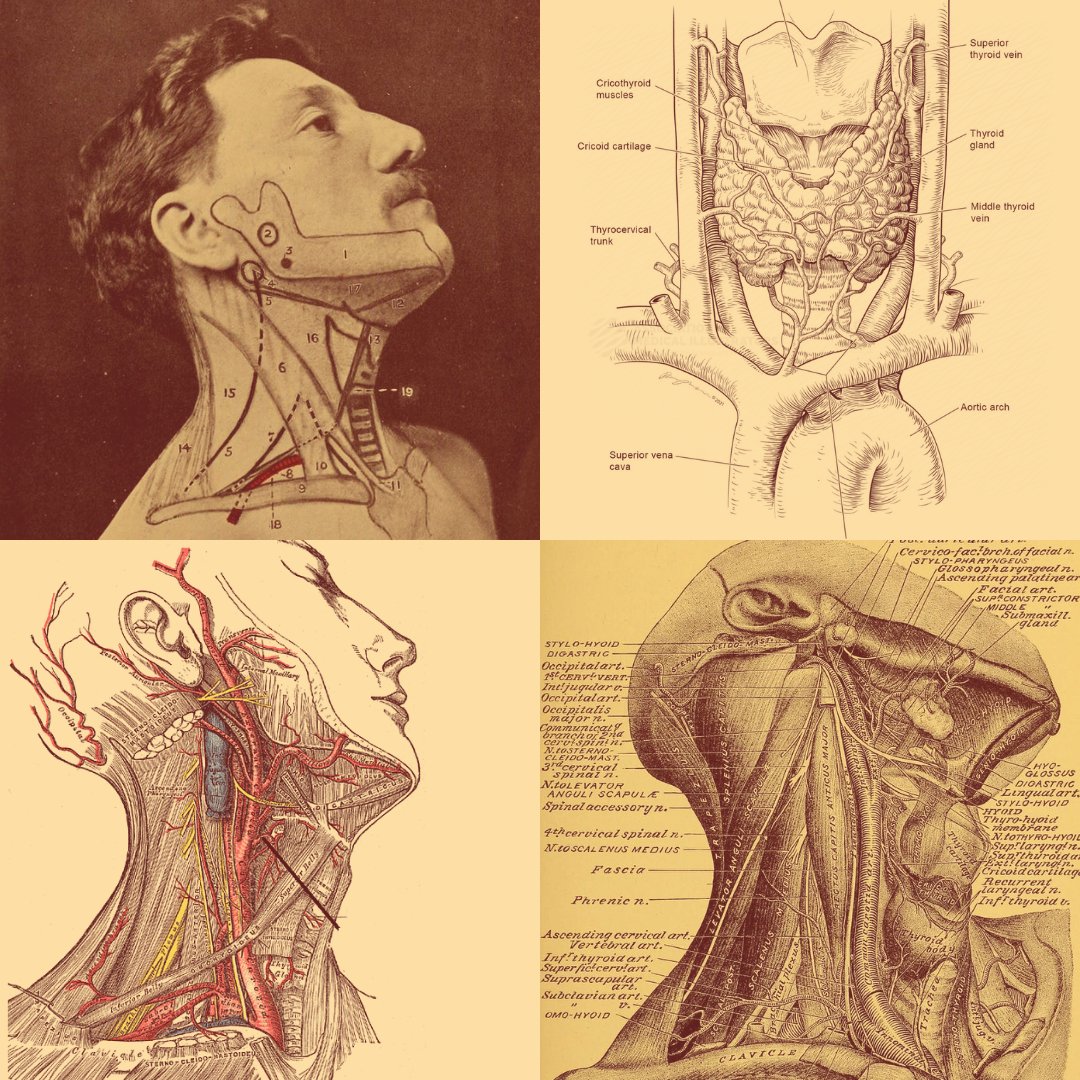
Ran for 5 days, from May 1 to May 6, 2026, the last day Crush saw it.
Run by Dr. Dwight Brennan on Facebook. Crush is not the advertiser and does not verify its claims. See this ad in Meta's Ad Library(opens in a new tab)
Want an ad like this for your product?
Crush makes new ad images for your product from this ad: your logo, your product photo, your offer.
Trials from $19.95 USD, then $79.95 USD a month. Cancel anytime.
About this ad
- Meta Ad Library ID
- 980142284568502
- Platforms
- Facebook, Instagram, Audience Network, Messenger and Threads
- Relaunches
- 4
Ad text
My Doctor Told Me to Increase My Levothyroxine 3 Months Ago. I Asked Her to Test My Gut Instead. She Said It Wasn't Necessary. Here's What Actually Happened. My mother had Hashimoto's for 22 years. I'm 43. Three months ago, my endocrinologist pulled up my labs. Didn't look up from the screen. "Sarah. Your TPO antibodies are at 934. They've been climbing for three years. Your Free T3 is 2.1 — bottom of the range. I'm increasing your levothyroxine to 137 micrograms." "Wait. What about my Free T3? It's barely converting. Can we look at my gut? Can we check WHY the conversion isn't happening?" "Your TSH is 2.4. That's normal. The Free T3 is within range. We don't need additional testing. The dose increase should help." My throat tightened. My eyes burned. The dose increase should help. The same words my mother heard. For 22 years. My mother was diagnosed with Hashimoto's at 39. Put on levothyroxine immediately. Took it every morning on an empty stomach like a good patient. Her TSH was "managed" the entire time. Every lab appointment — "looks good." "Numbers are fine." "Stay the course." But she was exhausted. Every single day. For 22 years. She'd sleep ten, twelve hours and wake up like she hadn't slept at all. By 2pm every afternoon, she was done. On the couch. Eyes glazed. Just... gone. The weight came on slowly at first. Then relentlessly. She ate less and less — 1,200 calories, then 1,000 — and still gained. Her doctor told her to "try exercising more." She was walking four miles a day. She stopped looking at the scale because it made her cry. The brain fog terrified her more than anything. She was a bookkeeper. Numbers were her thing. She started transposing digits. Missing decimals. Forgetting client names she'd known for fifteen years. One afternoon she sat at her desk for twenty minutes staring at a spreadsheet she'd built herself — couldn't remember how any of it worked. Her boss noticed. Then her clients noticed. Then she lost the job. The hair. God, the hair. She used to have thick, beautiful hair that people complimented everywhere she went. By year five on levothyroxine, her ponytail was half the size. By year ten, she wore scarves. By year fifteen, she'd stopped going out without a hat. Her face changed. Puffy. Swollen. She'd look in the mirror and not recognize herself. "Who is that?" she said to me once, quietly, touching the glass. "Where did I go?" The levothyroxine kept her TSH in range. Numbers looked perfect every six months. And she disappeared inside a body that didn't work while her labs said everything was fine. Year 12: She asked her endocrinologist about her symptoms. "Your TSH is 2.1. Your medication is working. Have you considered that this might be depression?" He prescribed Zoloft. She wasn't depressed. She was exhausted, gaining weight, losing her hair, and couldn't think straight. But her TSH was 2.1. So it must be depression. The Zoloft made her feel flat. Not better. Not worse. Just... less. Less sad. But also less everything. Year 15: She tried to add supplements. Selenium. Ashwagandha. Vitamin D. Zinc. B12. Magnesium. The full stack. Her antibodies dipped for six weeks. Then climbed right back. The fatigue never changed. The weight never changed. The hair never came back. $120 a month. Seven bottles on her bathroom counter. Nothing. Year 18: She stopped going to family dinners. "I'm too tired," she'd say. Then: "I don't feel well." Then she just stopped answering the phone. My father found her sitting alone in the dark one evening. Not sleeping. Not reading. Just sitting. Staring at the wall. "What are you doing?" "Waiting." "For what?" She didn't answer. Year 22: She was 61. TSH still "normal." Still on levothyroxine. Still on Zoloft. Still exhausted. Still puffy. Still couldn't think straight. Her hair was gone. Her job was gone. Her social life was gone. She'd gained 75 pounds. She didn't die dramatically. She just... stopped living. Stopped eating. Stopped getting out of bed. Stopped responding. The death certificate said heart failure. But I know what killed her. Twenty-two years of a body that couldn't function while every doctor she saw told her she was fine. Twenty-two years of levothyroxine that kept a number in range while the woman behind the number vanished. I sat in my car after that appointment three months ago. The new prescription in my lap. 137 micrograms. Up from 125. And I saw my mother. The same medication. The same climbing antibodies. The same "your TSH is normal." The same trajectory. I'm 43. She was 39 when it started. I'm already four years in. My hands shook. I didn't fill the new dose. I kept taking my 125mcg. But I refused to increase it without understanding WHY my body wasn't converting the hormone it already had. Two days later my endocrinologist's office called. "Ms. Patterson, the pharmacy noted you haven't picked up your updated prescription." "I'm not increasing the dose until we figure out why the current dose isn't working." "Your doctor was very clear — your TSH needs tighter management." "My TSH is 2.4. My Free T3 is 2.1 out of a possible 4.4. I'm barely converting. Increasing the input doesn't fix the conversion. Something is blocking it." Silence. "I'll make a note. But Dr. Chen will want to discuss this at your next visit." I hung up. That night I sat at the kitchen table. Laptop open. 1 AM. I typed: why is my Free T3 low when my TSH is normal The results loaded. Functional medicine forums. Hashimoto's support groups. Research papers. And one phrase kept appearing that I'd never seen connected to thyroid conversion failure before. The gut-thyroid axis. I searched: gut dysbiosis thyroid conversion failure And I found something that made everything stop. Your thyroid produces T4. Levothyroxine is T4. It's biologically inactive — it cannot do anything in your body until it converts to T3. And about 60% of that conversion happens in one place. The liver. Not the thyroid. Not the blood. The liver. And another 20% happens directly in the gut through bacterial enzymes. Which means the question my endocrinologist should have been asking for four years — the question nobody asked my mother for 22 years — wasn't "how much T4 is in the blood?" It was "why can't the body convert it?" I sat back. Because the research answered that question clearly. Your gut bacteria control thyroid hormone conversion through five separate pathways. And in Hashimoto's patients, those bacteria are consistently depleted. Not sometimes. Consistently. Documented across multiple countries in peer-reviewed research. And when they're depleted — a condition called gut dysbiosis — every conversion pathway fails simultaneously. Here's what I found. Hashimoto's patients consistently show depleted Bifidobacterium, Faecalibacterium, and Lactobacillus, with overgrown Klebsiella, Streptococcus, and Enterobacteriaceae. This pattern has been confirmed globally in published meta-analyses. And this dysbiosis doesn't just correlate with the thyroid disease. It drives it. Through five simultaneous mechanisms. First: gut barrier failure. The beneficial bacteria produce butyrate — the fuel that maintains tight junctions in the gut lining. When they're depleted, the barrier breaks down. Bacterial endotoxin called LPS leaks into the bloodstream. And LPS directly inhibits deiodinase D1 — the liver's primary conversion enzyme. The liver's ability to convert T4 to active T3 drops. Not because the liver is diseased. Because the GUT is poisoning it. Second: selenium absorption failure. The conversion enzymes REQUIRE selenium to function. Lactobacillus and Bifidobacterium specifically enhance selenium bioavailability. When those bacteria are depleted, selenium can't be properly absorbed — even if you supplement daily. The mineral reaches the blood. It can't reach the enzymes. That's why my mother's selenium worked for six weeks then plateaued. It briefly helped what could get through. But the depleted bacteria meant the majority never reached the conversion enzymes. Third: enterohepatic recycling failure. Gut bacteria produce sulfate esterase and β-glucuronidase — enzymes that uncouple thyroid hormones from bile acid conjugates in the intestine, allowing them to be REABSORBED instead of excreted. When those bacteria are gone, you LOSE thyroid hormones through excretion that should be recycled back into your system. You're literally flushing your medication down the toilet through a gut that can't recycle it. Fourth: bile acid conversion failure. Gut bacteria metabolize primary bile acids into secondary bile acids that activate deiodinase D2 — a second conversion enzyme. But hypothyroidism itself slows bile flow from the gallbladder. Less bile means fewer secondary bile acids. Fewer secondary bile acids means less D2 activation. And the dysbiosis further disrupts bile acid metabolism. Double hit on a second conversion pathway nobody measures. Fifth: autoimmune acceleration. Butyrate promotes regulatory T cells — the immune cells that maintain tolerance and prevent autoimmune attacks. When butyrate production drops, Treg generation fails. The immune system shifts toward inflammatory Th1 and Th17 cells. The autoimmune attack on the thyroid ACCELERATES. TPO antibodies climb. The gland takes more damage every month. And the research that sealed it: when scientists transplanted fecal matter from Hashimoto's patients into mice, the mice developed INTENSIFIED thyroiditis. From healthy donors — the thyroiditis MITIGATED. The gut bacteria ARE driving the autoimmune disease. Everything clicked. My mother's selenium didn't work because her depleted gut bacteria couldn't absorb it properly for the conversion enzymes. Her ashwagandha faded after two weeks because the underlying gut dysbiosis was still there, still suppressing conversion at every checkpoint. Her gluten-free phase reduced one inflammatory input but couldn't rebuild the bacterial populations that were already gone. Every dose increase put more T4 into a bloodstream that already had enough — while the gut bacteria controlling every downstream conversion pathway remained depleted. She was filling the tank. The engine that converts the fuel was broken. For 22 years. I started looking for something that could restore the gut bacteria controlling thyroid hormone conversion. Not manage symptoms around the dysbiosis. Not supplement through it. Rebuild the actual bacterial populations that every conversion pathway depends on. I found research I hadn't expected. A 2025 paper in Frontiers in Microbiology: "Gut microbiota in hypothyroidism: pathogenic mechanisms and opportunities for precision microbiome interventions." Documenting every mechanism I'd found — and more. A clinical trial underway in the Netherlands — the IMITHOT trial — testing whether fecal microbiota transplantation can arrest Hashimoto's progression. They're literally testing whether fixing the gut fixes the thyroid. A 2024 review in Clinical and Experimental Medicine confirming that the gut-thyroid axis is bidirectional: hypothyroidism slows gut motility, which deepens dysbiosis, which further impairs conversion. A vicious cycle that compounds every month. The compounds that kept appearing across the research: prebiotic fiber to feed the depleted species. Prokinetic botanicals to break the motility-dysbiosis spiral. Proteolytic enzymes to reduce the inflammatory cascade and disrupt the biofilms protecting pathogenic bacteria. I started trying gut supplements. First: the highest-rated probiotic on Amazon. Took it for eight weeks. Every day. Nothing moved. Same fatigue. Same fog. Same weight. Second: a well-known gut health brand with generic prebiotic fiber. Ten weeks. Marginal. Slightly less bloating. But the fatigue, the fog, the weight, the conversion — all the same. I went back to the research. Read the methodology carefully this time. The studies showing thyroid conversion results used specific interventions: prebiotic fiber that specifically feeds Bifidobacterium and Lactobacillus (inulin, not generic fiber). Prokinetic compounds at clinical dose to break the motility-dysbiosis spiral hypothyroidism creates. Proteolytic enzymes that reduce the inflammatory cascade AND disrupt the biofilms protecting pathogenic species overgrown in Hashimoto's gut. I looked at both products I'd tried. The probiotic contained generic Lactobacillus strains that couldn't colonize a dysbiotic gut — the adhesion sites were occupied by pathogenic bacteria protected behind biofilms. Pouring soldiers into a battlefield without clearing the fortifications. The prebiotic was generic fiber — not inulin-specific, not targeted to the depleted species, and at a dose too low to shift population dynamics. Neither contained prokinetics. Neither addressed the motility-dysbiosis spiral. Neither had proteolytic enzymes to disrupt biofilms or reduce the inflammatory load suppressing conversion. I'd been taking the wrong products at the wrong targets for eighteen weeks. Between the selenium, the ashwagandha, the elimination diets, the functional medicine appointments, and two rounds of generic gut supplements — I'd spent over $3,800 in four years trying to solve a problem nobody had correctly identified. Then one night in a Hashimoto's support group on Facebook, a woman posted her lab results. TPO antibodies down from 820 to 247 in four months. Free T3 in the upper third of the range. Her endocrinologist told her to keep doing whatever she was doing. Sixty-one comments. Women asking what she'd changed. Her answer: "I stopped trying to fix the conversion directly. I found a gut formula that actually restores the bacteria controlling it. The right prebiotic. Clinical-dose prokinetic. Biofilm disruption. Everything the research actually requires." The formula was Sculptique Premium Gut Formula. I went to their site. Ready to be disappointed like I'd been every time before. And I almost dropped my phone. Dandelion root with prebiotic inulin — feeding the exact species depleted in Hashimoto's: Bifidobacterium and Lactobacillus. The bacteria that produce butyrate for barrier integrity, enhance selenium absorption for deiodinase function, provide enzymatic capacity for enterohepatic hormone recycling, and generate the Tregs that brake the autoimmune attack. Plus cholagogue action restoring bile flow to activate the D2 conversion pathway hypothyroidism was suppressing. Clinical-dose ginger — breaking the motility-dysbiosis spiral at its mechanical root. In a clinical study, 1,200mg accelerated gastric emptying by 51%. Plus anti-inflammatory compounds calming the NF-kB pathway that gut-derived LPS activates to suppress conversion enzymes. Bromelain — completing protein digestion upstream so inflammatory compounds don't worsen the leaky barrier. Reducing TNF-alpha and IL-6 — the cytokines suppressing conversion. Over 1,600 published studies. Papain — disrupting bacterial biofilms at concentrations as low as 0.63 mcg/mL. Dismantling the protein walls Klebsiella and Bacteroides fragilis build in Hashimoto's gut to prevent beneficial bacteria from recolonizing. Not a thyroid supplement with selenium and ashwagandha working around the dysbiosis. A gut restoration formula targeting the five conversion pathways the dysbiosis was blocking at their source. Third-party tested. Made in the USA. No fillers. No proprietary blends. Every amount listed. I ordered it that night. The bottle arrived two days later. I took the first dose that morning with my levothyroxine. Same dose — 125mcg. The dose my doctor wanted to increase. The dose I refused to change. The first two weeks — honestly, not much. I almost convinced myself it was another waste of money. But by week three — The brain fog started lifting. I was in the middle of a conversation with my daughter and realized I hadn't lost a single word. Hadn't searched for something simple. Hadn't drifted off mid-sentence. I sat there for a moment. Because I couldn't remember the last time that had happened. Week four: The 2pm crash faded. I had energy after work. I cooked dinner. I cleaned the kitchen. I wasn't collapsed on the couch by 6pm. My husband looked at me from the doorway and didn't say anything. Just watched. Like he was afraid to jinx it. The gut bacteria were rebuilding. The barrier was sealing. The LPS load suppressing conversion was dropping. Active T3 was reaching cells that had been starving for it. Week six: The puffiness started going down. I looked in the mirror and saw cheekbones. MY cheekbones. Under the swelling that had been there for years. My rings were loose. I put on shoes that hadn't fit in months. I called my sister crying. "Something is actually happening. I look like me." The systemic inflammation was resolving as the gut barrier sealed and the inflammatory cascade quieted. Week eight: The shower drain was clear. I ran my hand through my hair and it didn't come away with a clump. For the first time in three years. I stood in the shower and sobbed. Week ten: The scale moved. Eight pounds in two weeks. Not from a diet — I hadn't changed what I was eating. My body was releasing inflammation, my metabolism was running on active T3, and the gut-driven insulin resistance was easing as the dysbiosis resolved. Three months: I went back to Dr. Chen. Same office. Same chair. Same screen. She pulled up my labs. Frowned. Looked at me. "Sarah. Your TPO antibodies have dropped from 934 to 312." Silence. "Your Free T3 is 3.6. That's upper third of the range. Three months ago it was 2.1." She pulled up my history. Scrolled back. Looked at me again. "Your TSH is 1.8. Tighter than I've seen it in years. On the SAME dose of levothyroxine. The dose you refused to increase." Long pause. "What happened?" I told her everything. Gut dysbiosis driving conversion failure through five simultaneous pathways. The depleted Bifidobacterium and Lactobacillus documented in Hashimoto's patients globally. The LPS-mediated suppression of deiodinase D1. The selenium absorption failure. The enterohepatic recycling loss. The bile acid pathway disruption. The Treg failure accelerating the autoimmune attack. The IMITHOT trial testing whether fixing the gut fixes the thyroid. Sculptique Premium Gut Formula restoring the gut bacteria every conversion pathway depends on. She typed notes. Slowly. "The gut-thyroid axis is in the endocrinology literature," she said carefully. "I've seen it discussed in the context of research. I haven't been applying it clinically." "That's why my mother was on levothyroxine for 22 years without it working," I said. "The gut dysbiosis ran the entire time. Every conversion pathway was broken at the bacterial level. Nobody checked." Long silence. "Well." She closed the laptop. "Your body is responding to the levothyroxine better than it ever has. I see no reason to adjust your dose. Continue." No dose increase necessary. I walked to my car. Got in. Sat there. Then I called my sister. "TPO dropped from 934 to 312. Free T3 went from 2.1 to 3.6. Same dose of levo. The same 125 micrograms. The gut bacteria that control conversion are back. The medication is finally converting." I heard her breath catch. "Mom's Free T3 was at the bottom of the range for the last ten years of her life. Nobody ever checked her gut. Nobody ever tested whether the bacteria controlling conversion were depleted. Nobody ever—" Her voice broke. "I know," I said. "I know." That was three months ago. My Free T3 is still in the upper third. My antibodies are still dropping. My energy is back. My hair stopped falling out at month two — and at month four, new growth started. Short pieces around my hairline. I showed my husband and he cried. I'm down 21 pounds. Not from a diet. From a metabolism running on active T3 that is finally being converted because the gut bacteria controlling every conversion pathway have been restored. My brain is clear. My face is my face again. I sleep through the night and wake up rested. I'm not following my mother's path. Yesterday I went for a hike with my daughter. Three hours. Uphill. Laughing the entire time. Not exhausted afterward. She grabbed me in a hug at the top. "Mom, you have so much energy now. Can we do this every weekend?" My throat tightened. My eyes burned. Because the answer was yes. If you're reading this, you see yourself in my story. You're exhausted despite "normal" labs. Gaining weight on 1,200 calories. Losing hair in clumps. Brain fog that makes you feel decades older. Puffy face and hands. Your doctor keeps adjusting your dose or telling you everything is fine. Your mother or sister or friend spent years on levothyroxine that kept their TSH in range while they disappeared. Still exhausted. Still gaining. Still losing hair. Still foggy. Prescribed antidepressants they didn't need. Told it was stress. Watched helplessly as they faded. Your endocrinologist wants to increase your dose again. Or add Cytomel. Or try a different brand. Anything except look at WHY the medication you're already taking can't convert. You've tried selenium, ashwagandha, gluten-free, AIP, vitamin D, zinc, the full stack. Nothing worked. Because nobody told you the gut bacteria controlling five simultaneous conversion pathways were depleted — and none of those supplements were designed to rebuild them. Here's what I want you to know. If I hadn't refused that dose increase three months ago, I'd be on 137 micrograms right now. Then 150. Then 175. Climbing the dose ladder while my gut bacteria stay depleted and the five conversion pathways stay broken regardless of how much T4 I put in. Watching my antibodies climb. Watching my hair fall out. Watching myself become my mother. For years. While my labs say "normal." But I had a choice I didn't know existed. I chose to try one more thing. Not another supplement working around the dysbiosis. A formula restoring the gut bacteria the conversion depends on. That choice changed everything. Your doctor increased the supply. Sculptique Premium Gut Formula restores the gut that converts it. By rebuilding the bacterial populations controlling selenium absorption, barrier integrity, enterohepatic recycling, bile acid conversion, and immune tolerance — simultaneously. So the medication you've already been taking can finally convert to the active hormone your cells need. If you're where I was three months ago — watching your symptoms get worse while your doctor says your labs are fine — try Sculptique Premium Gut Formula. Track how you feel. Track your labs. Give it an honest 8-12 weeks. Your future self will thank you. Here's why Sculptique Premium Gut Formula worked when everything else failed. It's the only formula targeting the gut-thyroid axis — not the gland itself. Prebiotic dandelion root — to rebuild the Bifidobacterium and Lactobacillus controlling selenium absorption, butyrate production, gut barrier integrity, hormone recycling, and immune tolerance. Plus cholagogue action restoring bile-mediated D2 conversion. Clinical-dose ginger — to break the motility-dysbiosis spiral and calm the NF-kB cascade suppressing conversion enzymes. 51% faster gastric emptying in clinical study. Bromelain — to complete upstream protein digestion, reduce inflammatory cytokines suppressing conversion, and clear debris. Over 1,600 published studies. Papain — for complementary protein breakdown and biofilm disruption of Hashimoto's-associated pathogenic species at 0.63 mcg/mL. Third-party tested. Made in the USA. No fillers. Works WITH your levothyroxine — doesn't replace it. Restores the gut so your current medication can finally convert. 90-day money-back guarantee. If your symptoms don't improve and your conversion doesn't shift — full refund. No questions asked. You risk absolutely nothing except staying exactly where you are. 👉 https://trysculptique.com/products/premium-gut-support — Sarah Patterson P.S. — Brain fog started lifting by week three. Puffiness going down by week six. Hair stopped falling out by week eight. Labs confirmed at month three — TPO antibodies dropped from 934 to 312, Free T3 rose from 2.1 to 3.6. Same levothyroxine dose. Your timeline might be different. But you won't know unless you try. P.P.S. — Every month you wait is another month of gut dysbiosis deepening, conversion pathways failing, and the autoimmune attack accelerating because the bacteria that generate immune tolerance are gone. Every month closer to the next dose increase that won't fix the real problem. Don't wait 22 years like my mother did.
Where the ad sends people
trysculptique.com
Reactivate your body.
Accelerates stomach emptying so food moves through, not ferments Breaks down proteins and fats completely before they cause gas Stimulates your body's natural digestive rhythm from the inside Supports healthy bowel regularity — without laxatives Clinically-studied ginger at 700 mg — the dose tha...
Learn more: trysculptique.com(opens in a new tab)