Dog Arthritis Support Community
Dog Arthritis Support Community Facebook ad: “Supporting Pups During Growth”
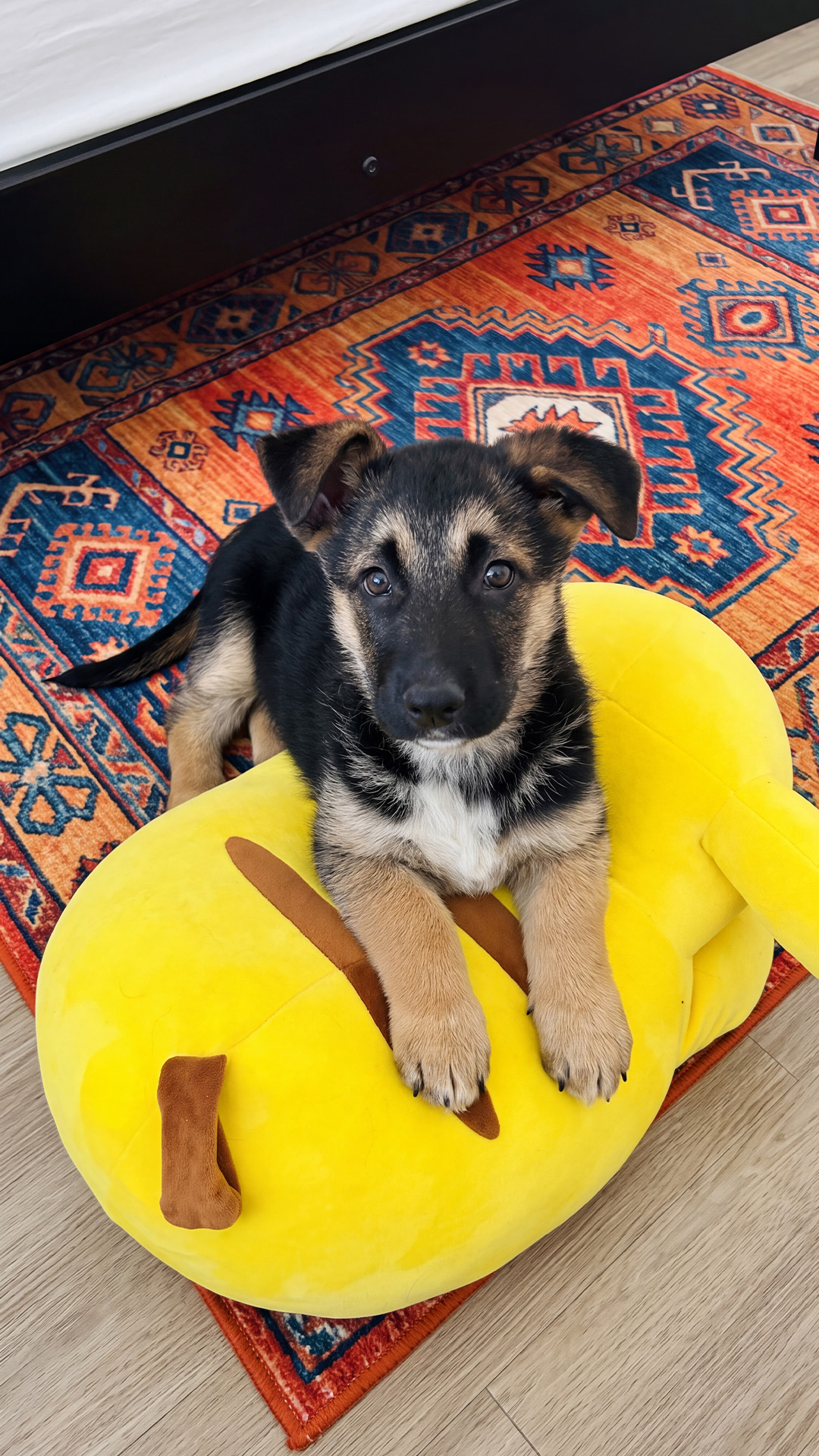
Ran for 2 days, from September 18 to September 20, 2026, the last day Crush saw it.
Run by Dog Arthritis Support Community on Facebook. Crush is not the advertiser and does not verify its claims. See this ad in Meta's Ad Library(opens in a new tab)
Make your own version of this ad
Crush makes it, launches it in your own Meta ad account, scales the winners and pauses the losers.
About this ad
- Meta Ad Library ID
- 2000409293998503
- Platforms
- Facebook, Instagram, Audience Network and Threads
- Relaunches
- 0
Ad text
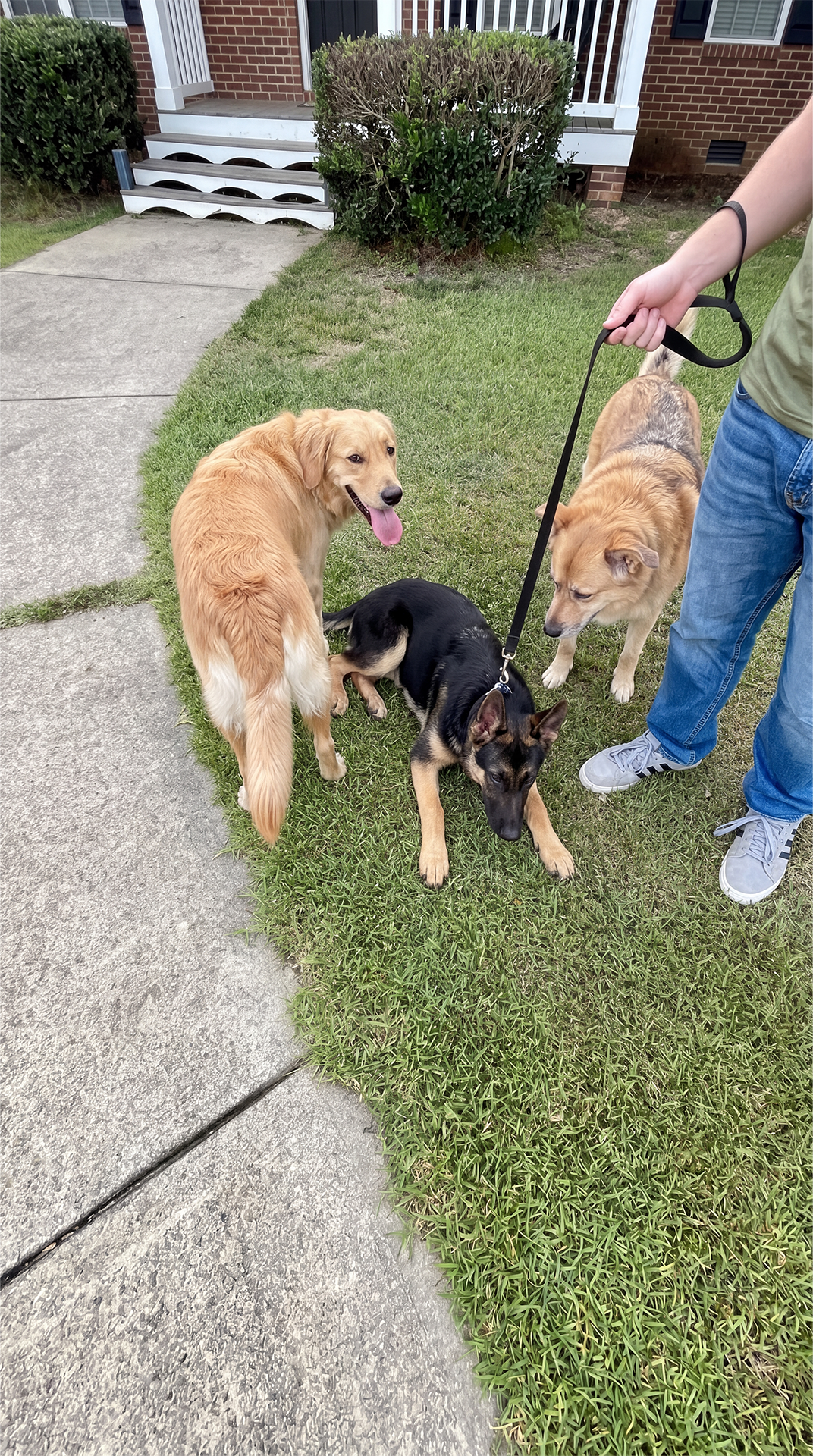
Adopted a puppy that is growing fast? Does he seem like he's not used to his own size yet? Watching him move. Noticing small changes? A little off on one side, then fine again a day later? Taking a little extra time to get up after a nap? Fidgeting a bit when he sits down? Most owners write it off. That's when I started paying closer attention. The walks got shorter. He started chewing at his own legs. He slept more than he played. I didn't connect the dots until it was months later. I need to share this now. Because a puppy growing this fast is adapting how he moves every day. And once he's done growing, the way he adapted may not go away on its own. But let me back up first. I adopted Bowser when he was five months old. A German Shepherd, already 55 pounds. That's when I started noticing things I shouldn't have ignored. During his first week home, he'd take a long time getting up after naps. It was rare, and every time it happened I told myself the same thing — he just slept funny, his leg fell asleep. After a minute he'd shake it off and move normally again. I didn't think anything of it. Two months went by. Then one day I noticed he was cutting our walks short. We used to do thirty minutes every day. Now he was done at fifteen. Pulling toward home. A puppy who didn't want to walk anymore. That felt wrong. Usually it's the opposite — you're the one trying to end the walk, not your dog. I took him to the vet. "Probably growing too fast." Very common in German Shepherds. The vet told me to switch him off puppy kibble — too much protein pushing his growth rate — and move to adult food. Cut back on walks. More crate rest. I did all of it. The limp continued. Two weeks later, Bowser started paying extra attention to his legs. He started fidgeting more when he sat down. Shifting around, trying different positions. Back to the vet. "I'd recommend an X-ray so we can confirm what we're dealing with." $250. Results came back clean. Nothing structural. Nothing abnormal. The X-ray came back clean. The vet said his body was just having a hard time keeping up with how quickly he was putting on size. The vet suggested trying medication. $50 a month. It worked — for a few days. He moved easier. Got up quicker. Then the effect started fading, slowly, like it was wearing thin. Then something shifted. He started sleeping more. Curling his leg under him to avoid putting pressure on it. I mentioned it at the next appointment. The vet ran bloodwork. $150 Everything looked fine. "Probably just another growth phase. You'll have to wait it out." In total I had spent more than $750. Between vet visits. Meds. X-ray. Bloodwork. Then came the morning I couldn't wait out. Bowser didn't want to get up. He stayed in his bed most of the day and seemed really uncomfortable. That was the moment I knew something needed to change. Just lying there, not himself at all. That's when I stopped going to a generalist. I found a rehab vet. Someone who specialized in mobility. I sat in his office and told him everything. He nodded before I even finished. Said he sees young dogs like Bowser constantly. Especially the bigger breeds — German Shepherds, Rottweilers, Labs, Cane Corsos. He told me he'd had his own German Shepherd go through the same thing before he figured out what was actually going on. He said most people assume it's a size problem. Big breed puppy. Growing fast. Bones stretching. Joints under pressure. Growing into a 90-pound body at the speed of a weed. But the discomfort isn't just from growing. It's what the body is doing in response to the growing. When bones develop fast — and in large breeds, they develop incredibly fast — the body starts producing inflammatory signals. That's why some days he seemed fine and other days he just wasn't himself. The problem is the body's response doesn't know when to stop. It keeps going even when it doesn't need to. And the dog stays uncomfortable longer than he should. The signal keeps firing. And the dog keeps limping through a growth process that's supposed to be normal — because his body is overreacting to it. Looking back, that explained everything. Every change I made helped for a day or two. Then it faded. I was never getting ahead of it. He told me to look into green-lipped mussel. Not glucosamine. Not fish oil. Green-lipped mussel — specifically because of a rare omega-3 called ETA, found almost exclusively in one species of mussel from New Zealand. He explained that ETA isn't like the omega-3s in regular fish oil. It helps manage the body's natural inflammation response more completely than standard omega-3s can on their own. It's not trying to shut anything down. Growth is a natural process and the body needs to do its job. ETA is just there to support what the body is already doing. Just a natural compound that gives the body nutritional support during one of the most demanding phases of a puppy's life. Then he said something I didn't expect. Before you grab the first green-lipped mussel supplement you see on Amazon or online — there's something you need to know." He told me that not all green-lipped mussel supplements are made the same way. And the way they're made determines whether the ETA is still there. "ETA is incredibly fragile. Heat destroys it. Standard processing destroys it. Even the way the mussel is harvested and stored can degrade it before it ever reaches a capsule." He explained that ETA lives in the fat. That's the part that matters. But some processing methods remove the fats before the powder is made. A label can still say green-lipped mussel and be technically accurate — but if the fat content is below 6%, the ETA likely isn't there. That's the difference between a supplement that works and one that just has the right words on the label. What you need, he said, is freeze-dried. Full fat profile. ETA verified and intact. He said it took a while to find one that met his standards. The one he stuck with, and gives his own German Shepherd, is GoPaws. 150mg of freeze-dried green-lipped mussel per chew. Sourced from New Zealand. Full fat profile intact. Backed by 500mg glucosamine, 400mg MSM, 110mg chondroitin, plus Vitamin C and manganese to support the joint in addition Independently lab verified. No fillers. No heat processing. He said they only sell direct — not through Amazon, not through third-party resellers. Because freeze-dried GLM degrades from heat and improper storage, and they won't risk the ETA breaking down in a warehouse before it reaches your dog. I ordered GoPaws that night. Mine arrived in five days. I started Bowser on the recommended dose with his midday meal. It became part of our daily routine. We kept going with our everyday walks and play. Bowser is growing up. I never stopped the chews. It's just part of his daily routine now — the same way his food and his walks are. He's bigger now. I kept the chews as part of his everyday routine. Because this supports the puppy during their growth phase but also supports joints when they grows older. When people at the park meet my Shepherd, they sometimes ask what I change? "Nothing special," I tell them. "I give him green-lipped mussel." They look at me like there must be more to it. There isn't. gopaws.com/products/joint-support
Where the ad sends people
go-paws.com
Supporting Pups During Growth
An all-in-one dog joint supplement with 6 active ingredients for cartilage support and inflammation relief. Vet-formulated. Try risk-free.
See details: go-paws.com(opens in a new tab)