
Inactive· since Mar 27, 2026
- 10
- days it ran
- 0
- relaunches
Ad copy
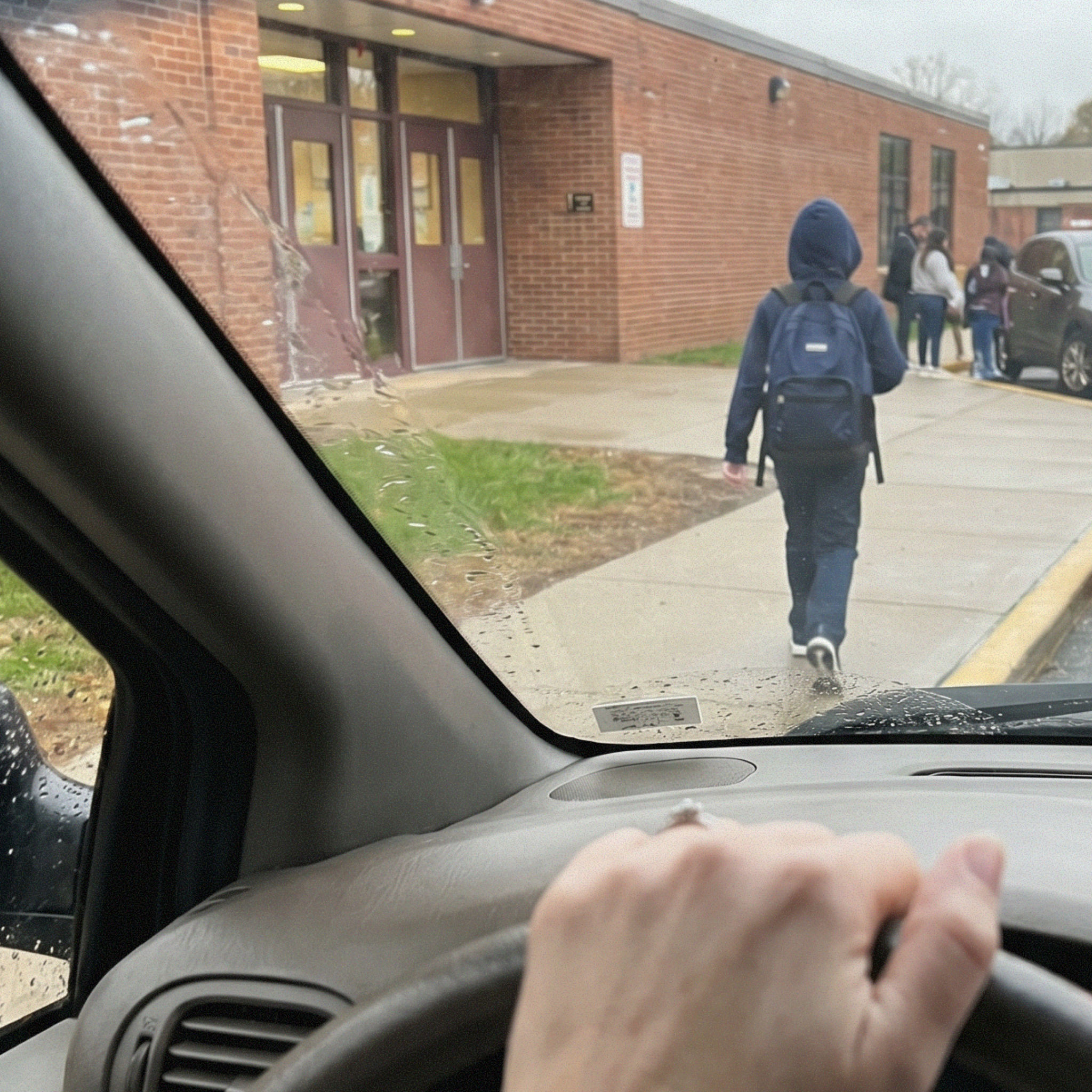
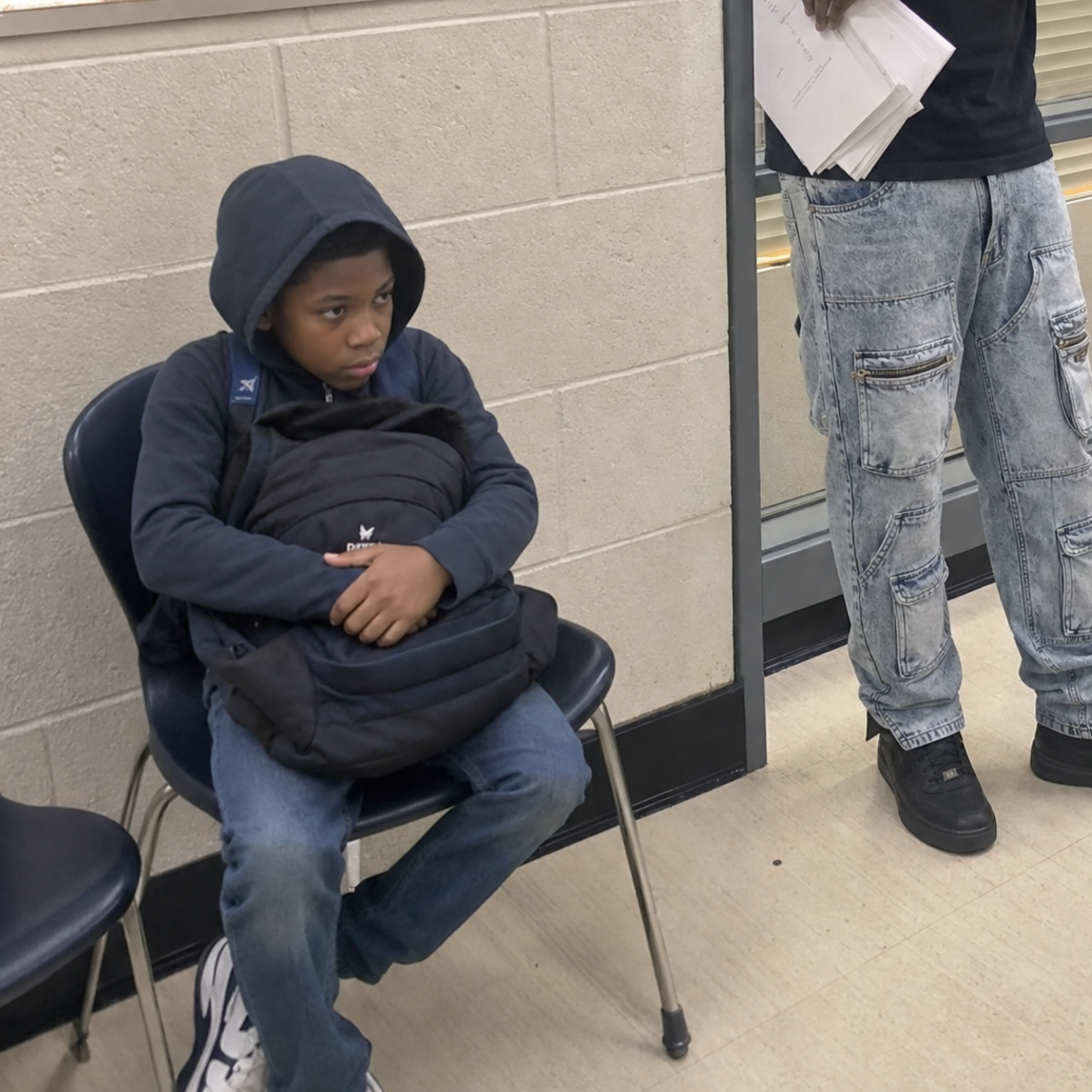
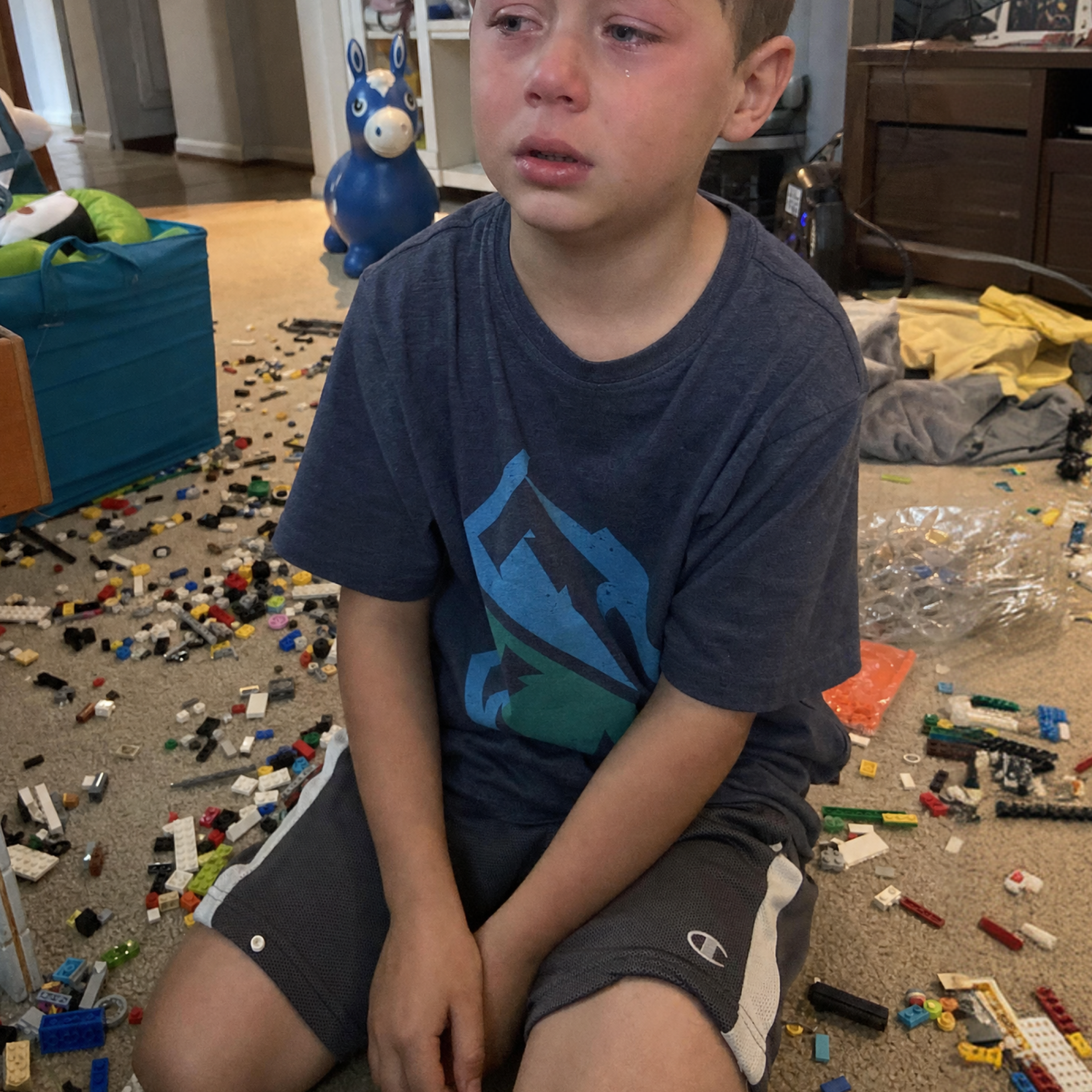
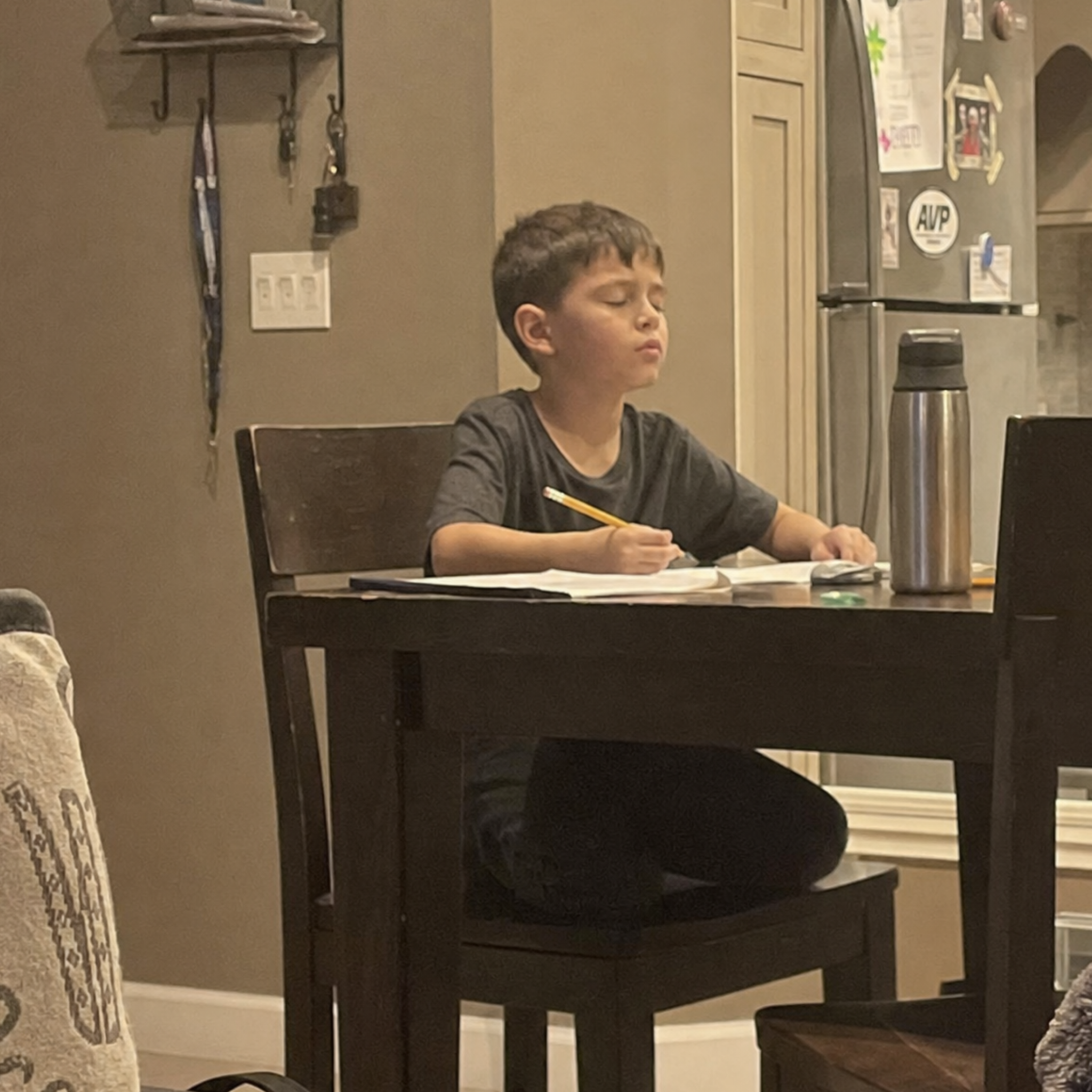
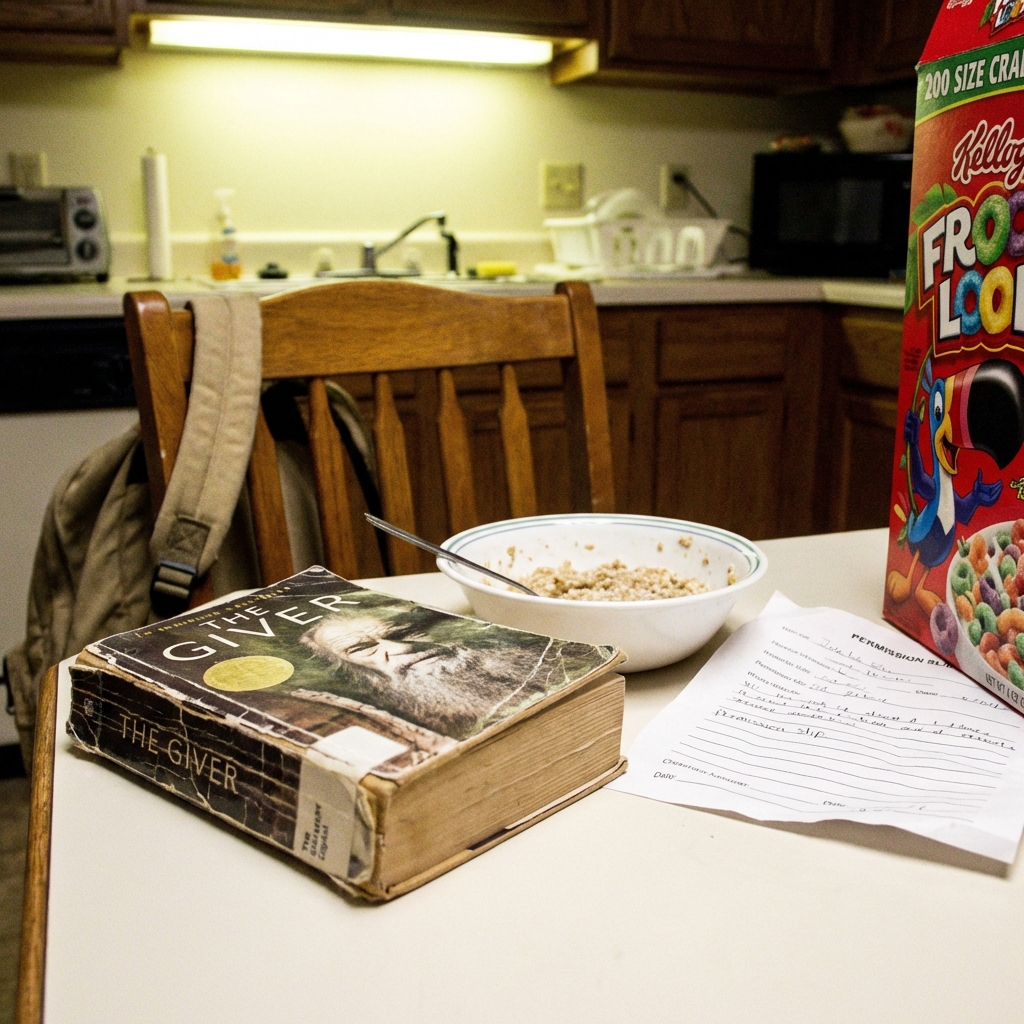
I feel like I need to start by proving my child is gifted — listing his capabilities to establish credibility before I tell you what I'm about to tell you. I hate that I have to do that. But here we are. My son is almost 10. He scored in the 99th percentile across every category when testing into the gifted program. He started reading at 2. His current reading comprehension is at roughly a high school level. He tears through books, excels at science, collects academic recognition without seeming to try. He is also the most difficult child I have ever encountered. I'm writing this with tears running down my face. I just got back from drop-off. A teacher stopped me to say my son may not be allowed to join the math olympiad team. He scored at the top of the qualifying assessment. But due to concerns from multiple teachers — and the fact that he had to be redirected four or five times during the tryout session to stop talking and making noise — she has to weigh whether he can participate. I completely understand her position. But watching his own behavior close doors that his ability opened — I don't know how to sit with that. This started in kindergarten. He's in 3rd grade now. I cannot see any meaningful improvement. His classmates are gradually maturing around him, and he is still the disruptive kid. The noise-maker. The one who can't stop. I am exhausted from teachers pulling me aside. From the embarrassment and shame that follows me out of every school meeting. From the feeling that I am the only person who can see both versions of this child — the one who reads at a high school level and the one who cannot make it through a 45-minute tryout session without being redirected five times. Other parents don't want their children around him. There have been complaints. Directly to the teacher. Kids have told my son, to his face, that their parents said they aren't allowed to play with him. I don't know what that does to him inside. He hasn't told me. But I see it. The way he goes a little quiet after school some days. The way he looks at his younger brother — who has never once been in trouble, who is warm and well-liked by everyone — and tries to pretend he doesn't notice the difference. He doesn't say it out loud. But the jealousy is visible. And that breaks my heart in a completely different way. Because I want both of my boys to feel accepted. Capable of connecting. I don't know how to help him get there when I can't even get him to stop disrupting a classroom long enough to make the team he qualified for on pure merit. So I did what every desperate parent does. I tried everything. Parent meetings. Teacher conferences. Pediatric evaluations. She noted elevated ODD traits, but not enough for a formal diagnosis — so I was sent home without a roadmap and told to keep monitoring. I tried reward systems, consequence systems, reasoning with him, appealing to how smart he is. If anyone should be able to understand the logic of his own choices, it's him. He can explain the problem back to me perfectly. That's what makes it so maddening. He understands. He just can't stop. I kept running into the same wall: the smarter the child, the more baffling the gap. How does someone who reads at a high school level at age 9 still get redirected five times in one hour? How does the child who can dismantle an argument like a lawyer fall apart in a 45-minute session? I didn't have language for it until I found it buried in a research thread at midnight. Asynchronous Development. In gifted children, the intellect races ahead on a completely different timeline than the emotional regulation system. A 10-year-old gifted child may have the mental reasoning of a 15-year-old — and the emotional regulation of a 7-year-old. Not because anything is broken. Not because of bad parenting or bad behavior or bad choices. Because the brain physically develops on two separate tracks. His intellect has been sprinting. His emotional regulation system has been walking. And the gap between them — the gap where all the disruption lives, where the noise-making lives, where the not-being-able-to-stop lives — that gap is not a character flaw. It's just biology doing what biology does when a mind develops at an accelerated rate. The strategies I tried? Every single one required the emotional regulation system to be online. Reasoning with him. Consequences. Reward charts. They all assumed that because he understood the logic, his emotional system would follow. It doesn't work that way. What he actually needed wasn't more logic. It was daily training for the emotional skills his development had left behind. That's what led me to Legends. It's a 5-minute daily program — parent and child together — that doesn't try to fix the behavior in the moment. It builds the emotional foundation underneath the behavior, in the quiet time before anything goes wrong. A clearer sense of who he is. The ability to be kind to himself when he falls short. Real evidence, building over time, that he can do hard things. We did the first session on a Tuesday night. He thought it was cool. I thought it was probably too simple to matter. Two weeks later, his teacher mentioned — unprompted — that he'd been easier to redirect that week. He still gets loud. He still pushes. But there's something underneath it now that wasn't there before. A small, new ability to catch himself. To come back. I started looking for other parents who'd seen the same thing. A mom in the community described her son — also gifted, also the disruptive one, also the kid other parents quietly steered their children away from. "He finally stopped arguing every single correction. Just accepted it and moved on. I didn't think that was possible." A dad wrote about his daughter who had been passed over for opportunities because of behavior, not ability. "She made the team this time. First time ever. Her teacher said she was a different kid in the tryout." Another parent said something I keep coming back to: "I spent years trying to make my son act his age. Turns out his emotions just needed the chance to catch up to his brain." Thousands of parents are inside this community right now — gifted kids, twice-exceptional kids, kids the school system doesn't quite know what to do with. They're not talking about perfection. They're talking about the first real forward motion they've seen in years. You're standing where I was standing. You can close this page, go back to the parent meetings, keep walking out of school drop-off with that particular kind of shame — the kind that comes from watching a child with everything going for him be his own worst obstacle. You already know where that road leads. Or you can try the thing that works with who your child actually is. Five minutes a day. Parent and child together. Building the emotional skills that his extraordinary brain left behind. Legends comes with a full money-back guarantee. Try it with your child. Do the sessions together. Watch what happens over the next few weeks. If you don't see a shift — in the way he handles correction, in how he carries himself through a hard moment, in the small but real evidence that something is building inside him — you get every penny back. No questions. No hoops. You risk nothing. He gains the one thing his giftedness alone could never give him. Click the link below to start your child's first session today: https://try.buildlegends.com/listicle1/giftedKids P.S. — That moment at drop-off. The teacher's face. The math olympiad he might not get to join. I carried that image for a long time — a door, half-open, with his name on it. Legends doesn't change what he is. It just finally gives the rest of him the chance to walk through.
Like this ad? Make it yours.
Crush rebuilds this exact creative around your product — your brand, your colors, your offer — in about a minute.