Allison Arnold - Migraine Coach
 Facebook ad: “I Was Diagnosed With Chronic Trapezius Tension At 33. I'm…”
Running for 46 days since September 18, 2026. Crush last saw it on November 3, 2026.
Run by Allison Arnold - Migraine Coach on Facebook. Crush is not the advertiser and does not verify its claims. See this ad in Meta's Ad Library(opens in a new tab)
Make your own version of this ad
Crush makes it, launches it in your own Meta ad account, scales the winners and pauses the losers.
About this ad
- Meta Ad Library ID
- 2013574339299832
- Platforms
- Facebook, Instagram, Audience Network and Threads
- Relaunches
- 0
- Niche
- Fitness & Gyms
Ad text
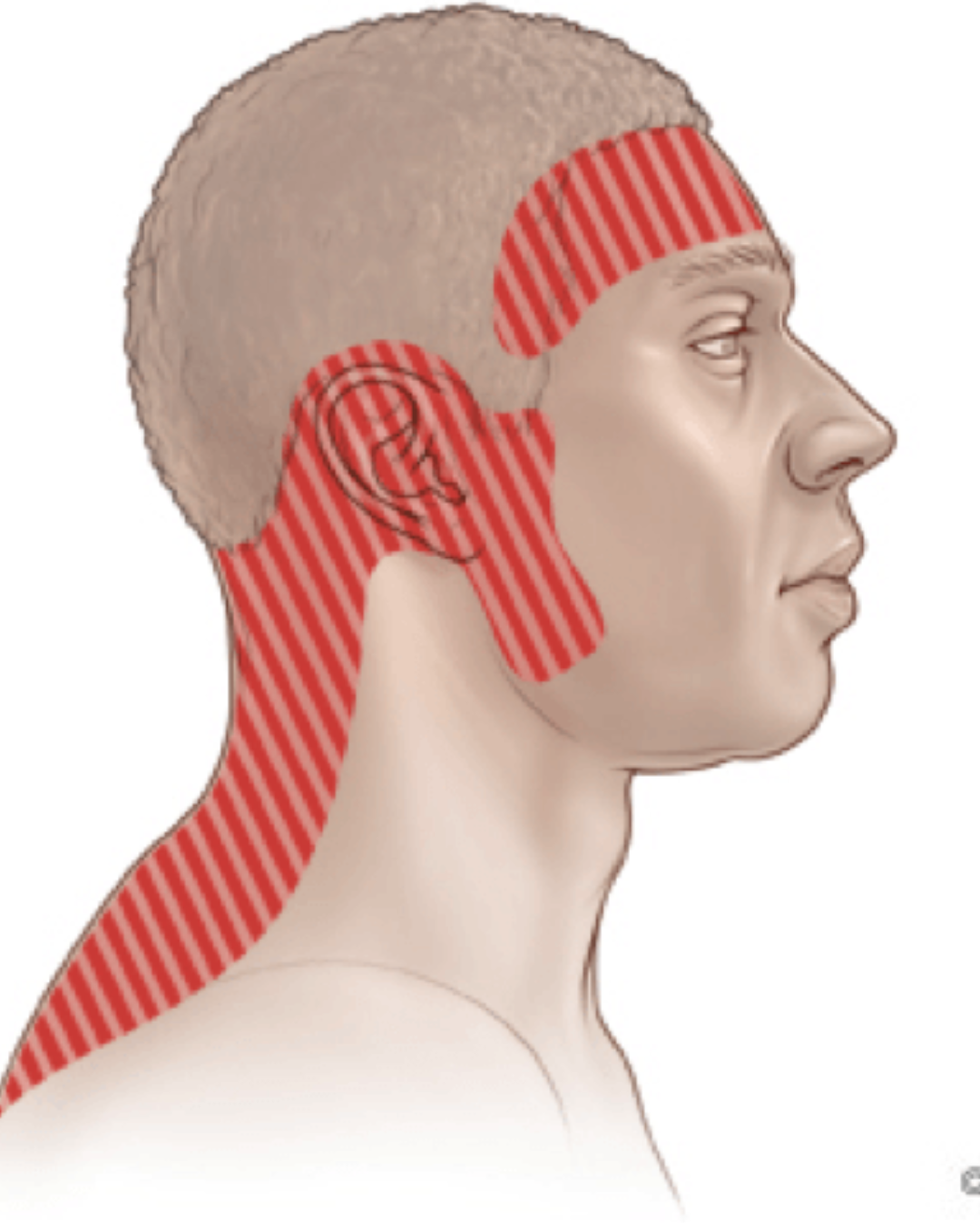
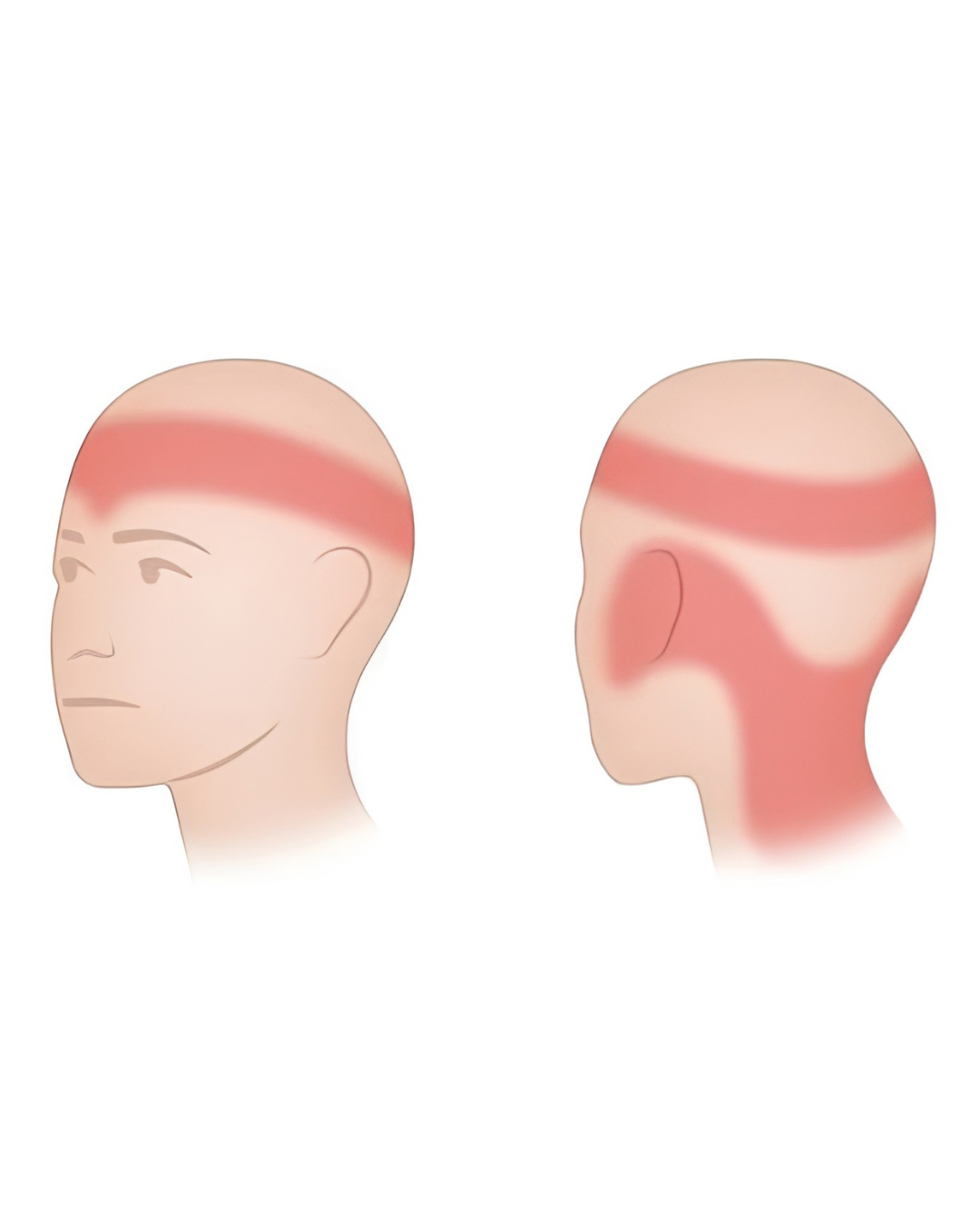
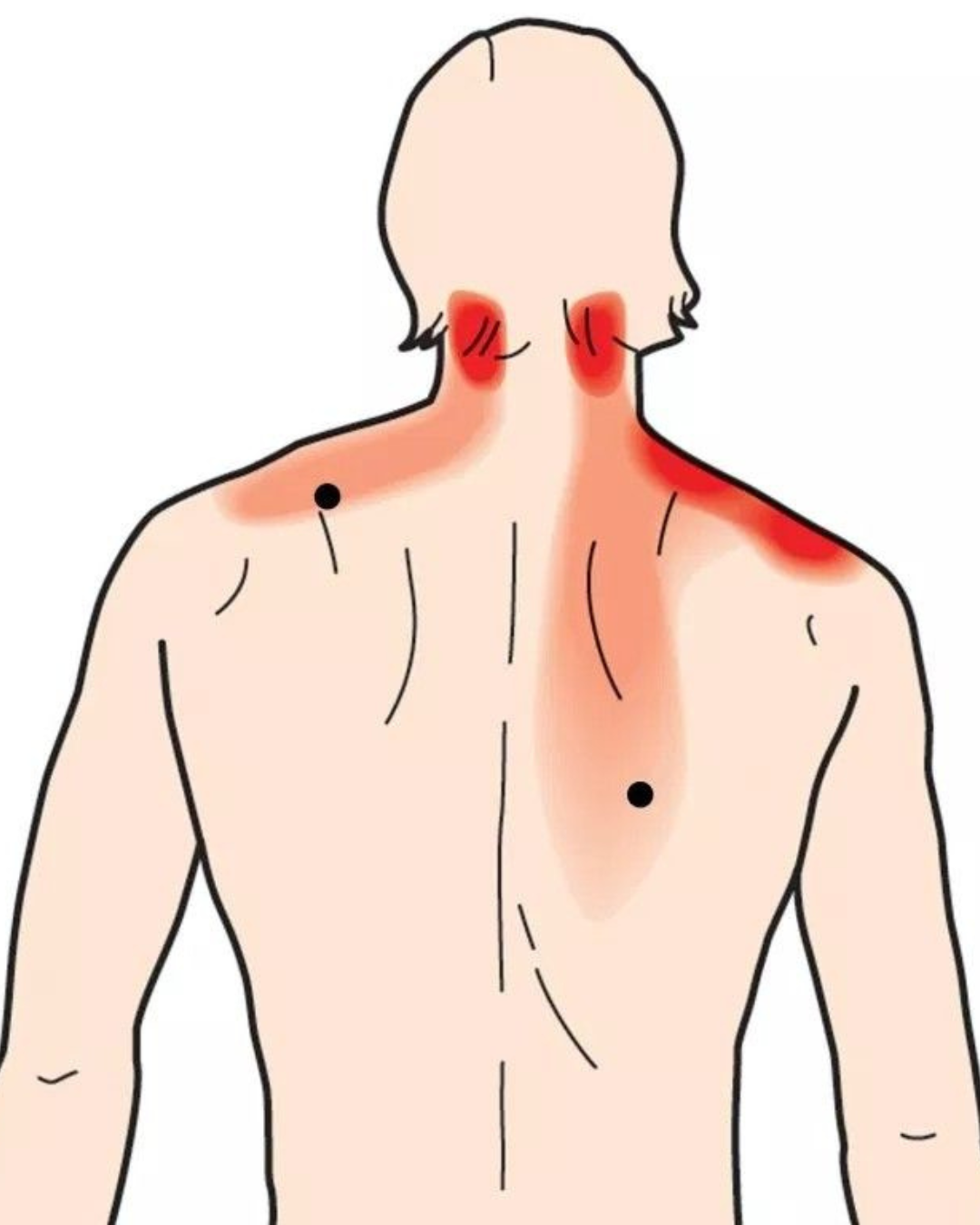
I was diagnosed with Chronic Trapezius Tension at 33. I'm 45 now. Turns out I never had a trapezius problem at all. My muscles were tight because something else was making them tight — and no one in twelve years of physical therapy, massage, or ergonomic consultation ever screened me for what was actually firing them. For twelve years, I "managed" a condition I didn't actually have. Twelve years of weekly deep-tissue massage. Same therapist. Rachel. She has known the exact knot in my right trap by name for over a decade. She calls it "the boulder." She has spent probably 500 hours of her life working on it. It always came back within 48 hours. Twelve years of ergonomic setups. My first "ergonomic" chair cost $400. My second cost $1,200. My current one, a fully adjustable German-engineered one my orthopedist prescribed, cost $2,800. I have a monitor arm. A split keyboard. A vertical mouse. A footrest. My desk is a sit-stand desk that I paid $900 for. I have a lumbar support pillow, a coccyx cutout cushion, and a headrest attachment for my chair. Twelve years of physical therapy. I have had four separate courses of PT for "chronic upper crossed syndrome", the ergonomic diagnosis that supposedly explained why my traps and levator scapulae were always tight. Chin tucks. Prone Y-T-Ws. Cervical extensor strengthening. Scapular retraction. Deep-neck flexor activation. I could give the exercises myself now. Twelve years of being handed a new modality: dry needling, cupping, Graston, IASTM, active release technique, myofascial trigger point injections and told to "give it time." I did everything they asked. I bought a Theragun. I bought a foam roller. I bought a lacrosse ball I rolled my traps on against a wall every night. I bought a Chirp wheel. I bought a Hypervolt. I bought a shoulder brace that was supposed to correct my posture. I wore it for four months. I did yoga three times a week for two years. My yoga teacher said my traps were "the tightest she had seen in someone my age." She recommended more restorative poses. I did the poses. My traps stayed tight. I saw a pain management doctor who did trigger point injections into my traps every eight weeks. $180 out of pocket per session. The injections helped for four or five days. Then the tension came back. I saw a functional orthopedist in Boston who charged $2,400 for a full biomechanical workup and put me on a $260-a-month supplement stack that included magnesium, MSM, and a "muscle tension relief" botanical blend. I stayed on it for nine months. I felt like I was crazy. My MRI was clean. My range of motion was normal. My posture was "improved." But every single day, my right trapezius felt like a rock, my shoulder ached, and I lived with a headache that always seemed to start where my neck met my skull. By the time my alarm went off, my traps were already tight. I did the physical therapy exercises my last PT gave me. I put a heating pad on my shoulders for ten minutes. I stretched. Then I sat up. Getting through breakfast was a production. Reaching for the top shelf of my kitchen cabinet set off a spasm in my right shoulder that lasted for hours. I moved my everyday dishes to the lower shelves. My husband found this weirdly amusing at first, then stopped mentioning it after year three. By 10 a.m. I would be at my desk with my headset on for a meeting, unconsciously pressing my thumb into the top of my right trap trying to release the knot. My colleagues had learned to just talk over me massaging my own shoulder. By 2 p.m. the knot in my trap would flare into a full spasm and start radiating up the back of my head to my right temple. I would take an Advil, put the heating pad on, and finish my meetings with my shoulders visibly tense. By 4 p.m. I would be counting the hours until my nightly Epsom salt bath. And the math never stopped. If I carry my laptop bag, my shoulder will spasm within twenty minutes. If I hold my phone up to my ear for more than three minutes, my trap will lock up for the rest of the day. If I sleep on my right side, I will wake up with my head pinned by pain. I stopped saying yes to anything that involved carrying, holding, or sleeping in the wrong position. Camping trips with my husband. Long-haul travel with my kids. Yoga classes that required inverted poses. My best friend's move — I could not help lift boxes. I would be in a work meeting and my shoulder would seize and I would have to sit at my desk with my eyes closed for thirty seconds to let the spasm pass. My colleagues thought I was "focused." I was actually just riding out the spasm. I also had what I called my "bad neck-shoulder days" about three or four times a month. Different from the daily tightness. Sharper. One-sided. My head would ache with them. Light would bother me. Sometimes nausea. I would take another Advil, put the heating pad on, and lie down. Nobody ever asked me about the light sensitivity in twelve years. Not Rachel. Not my orthopedist. Not any of the four PTs. Not the pain management doctor. They were focused on my muscle. The head symptoms were "probably from the shoulder referring up." I looked fine on the outside. Inside my right shoulder felt like a rock and I could not remember what an unclenched neck felt like. Then a woman in my Pilates class said something no massage therapist or PT had ever said. Her name is Allison. She is 51. She had been a physical therapist for twenty-two years before she certified as a Migraine coach after her own sister was misdiagnosed with chronic myofascial pain for eight years before someone identified chronic Migraine. I was doing a mobility drill and I winced when I turned my head to the right. Allison was next to me. She asked me a question I had never been asked. "Amy. When your neck-shoulder gets really bad, do you get sensitive to light? Ever nauseous?" I said, without thinking, "Both. Every bad day. But that's just from the pain." She stopped mid-drill. "Amy. Light sensitivity and nausea are not myofascial patterns. Those are Migraine patterns. Your chronic trap tension might be being driven by chronic Migraine your body has been referring down into your neck and shoulder for twelve years." I stared at her. She walked me through it, sitting on our mats after class, for the next forty minutes. The trigeminal nerve is the largest cranial nerve in your face. It converges at the brainstem with the upper cervical nerves: C1, C2, and C3, and the cervical nerves that innervate the trapezius through a structure called the trigeminocervical complex. When the trigeminal nerve is chronically sensitized, it doesn't just refer pain to the head. It refers muscle-holding signals down into the trapezius and levator scapulae. Your trapezius contracts because your trigeminal nerve is telling it to. Not because of your desk job. Not because of your posture. Every time my massage therapist worked out my trap, she was working on a muscle downstream of a nerve that would tell it to tighten again as soon as I stood up. The cascade happens in three phases. Phase 1: the prodrome. 20 to 40 minutes before any head pain. Trapezius tension intensifies here. Neck stiffness. Shoulder ache. What I had been calling "a bad trap day." Phase 2: the pain phase. Head pain starts. Full trigeminal fire. Sometimes light sensitivity. Sometimes nausea. What I had been calling "my bad neck-shoulder days." Phase 3: the postdrome. 24 to 72 hours after. Continued muscle tension. Reduced range of motion. Which sent me back to Rachel. I sat with my hands on my knees because they had started to shake. Allison kept going. "If you have three or four bad days a month, Amy, you have chronic Migraine driving trapezius activation. Your massage therapist and your PTs have been treating the muscle downstream. Your trigeminal nerve is upstream. Every time they release the muscle, the nerve tells it to contract again within 48 hours." "You don't have chronic trapezius tension. You have chronic Migraine that's been driving your trapezius to hold for twelve years." She told me a study she had read that estimated a large portion of chronic myofascial pain in the trap-and-shoulder distribution is trigeminal-driven Migraine that has been misdiagnosed as muscular in origin, because the referring physicians did not screen for Migraine when the presenting complaint was upper-body pain. I drove home in silence. I sat in my driveway for twenty minutes. Twelve years. Four PTs. A pain management doctor. Weekly deep-tissue massage. $2,800 chair. And nobody had ever asked me about my eyes. I texted Allison the next morning. She called me on her lunch break. "You need to interrupt the trigeminal cascade at the source. Not the muscle. Not the joint. Not the ergonomic setup. The nerve. If you calm the nerve, the trapezius stops receiving the signal to contract, and the tension releases without weekly massage." She told me about a topical roll-on developed by a neurologist named Dr. Laurent. Five ingredients: magnesium glycinate, wild peppermint, menthol crystals, chamomile, feverfew, applied to the three points where the trigeminal nerve surfaces closest to the skin. Temples. Behind the ears. Base of the skull. The nerve sits just millimeters under the skin. A topical reaches it in seconds. It was called Florus. I ordered the bottle that night. First time I used it was a Wednesday morning. My right trap was already tight. Twelve years of muscle memory said heating pad, physical therapy exercises, and text Rachel to squeeze me in. I rolled Florus across my temples, behind both ears, and, most importantly for me, right along the base of my skull where the trigeminocervical complex sits. Ten seconds total. Within seconds I felt the cooling reach somewhere deeper than skin. I sat at my kitchen table and I waited for the tension to fade the way I always waited for a massage to give me temporary relief. It faded. By 10 a.m. my trap was looser than it had been in twelve years. I turned my head to the right without wincing. I lifted my right arm over my head without a pull down my shoulder blade. I stood in my kitchen and I started crying because I could not remember the last time I had used my right arm without paying for it. Week 1: Two bad-day starts caught with Florus. Both stopped. Week 2: My baseline trap tension reduced. I stopped needing my thumb-in-the-trap during meetings. Week 3: I cancelled my standing weekly massage appointment. Rachel texted me a question mark. I told her what happened. She was silent for a while and then said "Amy. I want to hear more." I sent her the article. Week 4: I slept on my right side for the first time in six years. Week 8: I helped my best friend move. I lifted boxes. I did not spasm. Week 12: I went back to my pain management doctor. I told him what I'd learned. He listened. He was quiet for a long time. Then he said, "I'm going to start asking my myofascial patients about light sensitivity. I should have been asking." Six months in: I threw out the shoulder brace. I sold my Theragun on Facebook Marketplace. My $2,800 ergonomic chair is still in my office because it is genuinely a nice chair, but I could sit in any chair now. I do not have chronic trapezius tension. I never had it as an isolated problem. I had twelve years of chronic Migraine referring signals down into my trap, producing tension that everyone had been calling myofascial. And not one person in a white coat had thought to ask me about my eyes. If you have been diagnosed with chronic trap tension, myofascial pain, "text neck," or upper crossed syndrome. If you get weekly massage. If you have spent thousands on ergonomic equipment. If you also have "bad neck-shoulder days" with light sensitivity, nausea, or a headache that always starts at the base of your skull. I am not saying your ergonomics don't matter. I am not your doctor. I am saying I spent twelve years and probably $30,000 treating a muscle when the underlying condition was chronic Migraine that finally got treated at the source. Florus. Skin to nerve in seconds. Three application points: including the base of the skull, where the trigeminocervical complex sits. Five ingredients. 7,405 five-star reviews. 90-day money-back guarantee. 👉 Every migraine tool you have works downstream of the source. Here's what works at it: https://florus.com/blogs/news/every-migraine-tool-you-have-works-downstream-of-the-source-here-is-what-works-at-it You don't have to keep paying to have your knot squeezed. P.S. Allison still coaches. She takes on new clients. She refused referral fees from me. She said the only payment she wanted was for me to write my story. P.P.S. Amazon knockoffs are synthetic fragrance oil. Do not waste your money. Real Florus only on florus.com. P.P.P.S. Rachel and I are still friends. She now recommends Florus to her clients whose knots keep coming back. She told me last week that seven of her regulars have significantly reduced their appointment frequency. She said "Amy, you cost me appointments but you gave me back my Sundays." I said "so we're even."
Where the ad sends people
florus.com
I Was Diagnosed With Chronic Trapezius Tension At 33. I'm 45 Now. My Massage Therapist Melted The Knot Every Week For 12 Years. The Knot Wasn't The Problem.
Weekly massage. Ergonomic chair. Trigger point injections. Twelve years being told my desk job was destroying my shoulders. My desk wasn't the cause.
Learn more: florus.com(opens in a new tab)