
Active· since Jul 28, 2026
- 44
- days running
- 1
- relaunches
Ad copy
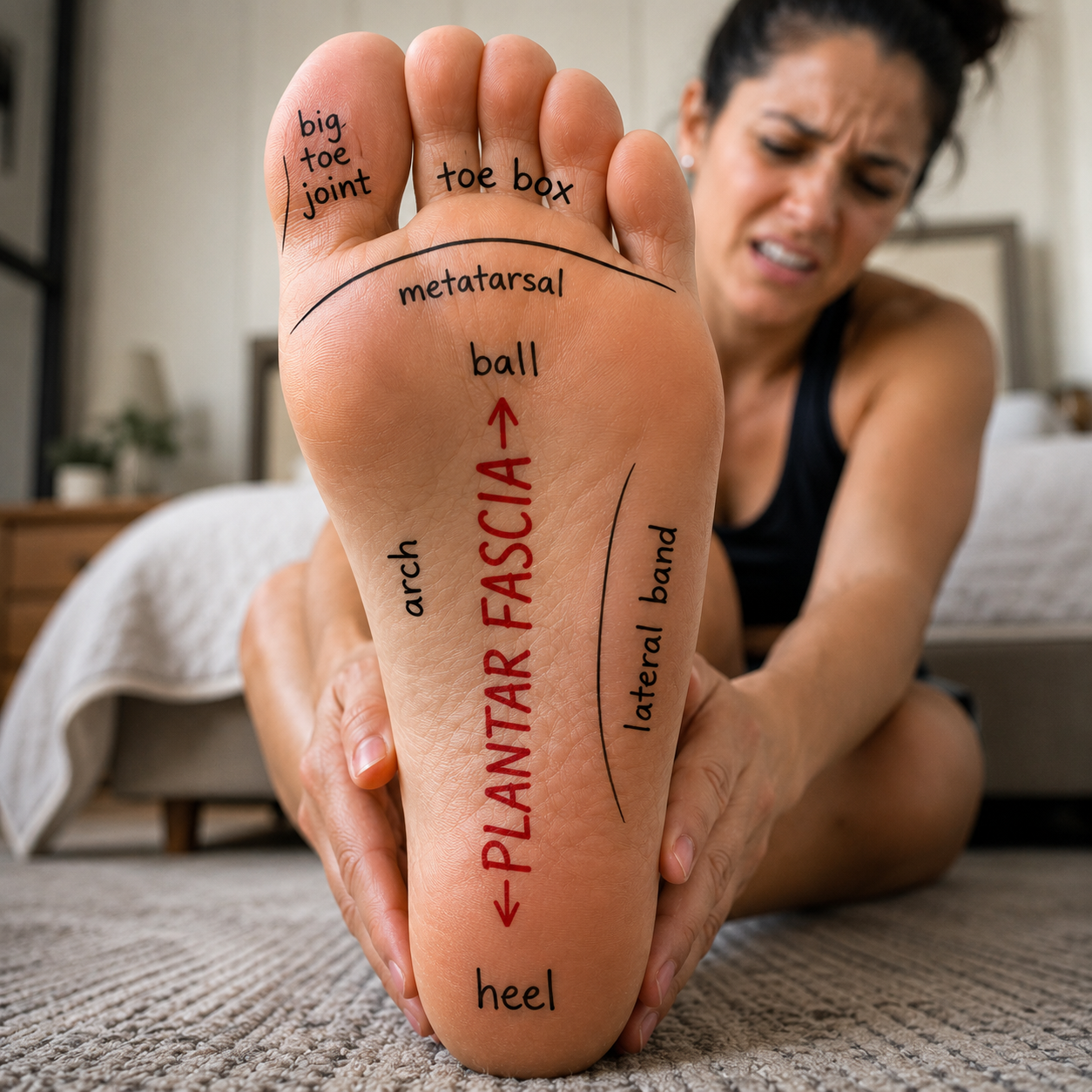
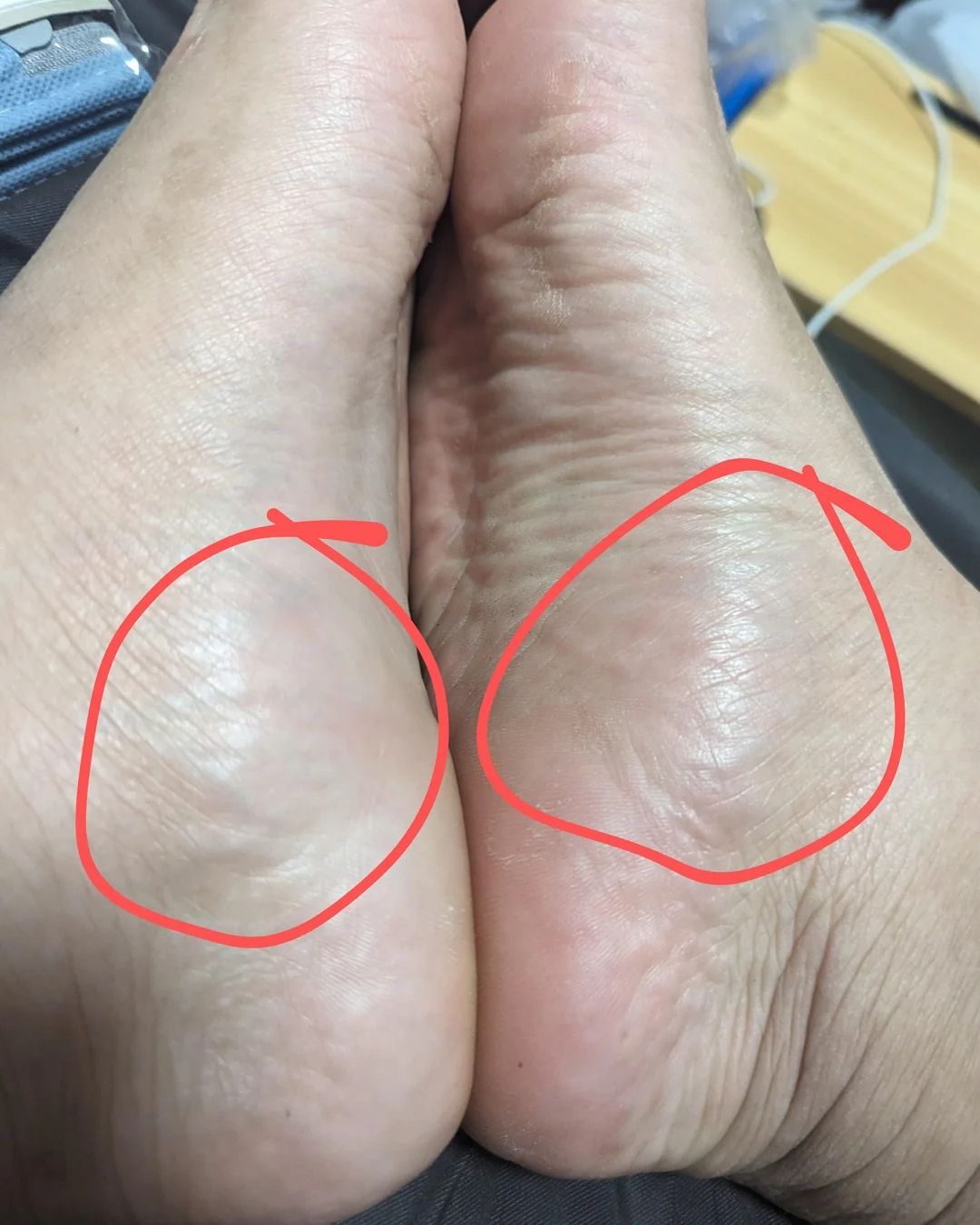
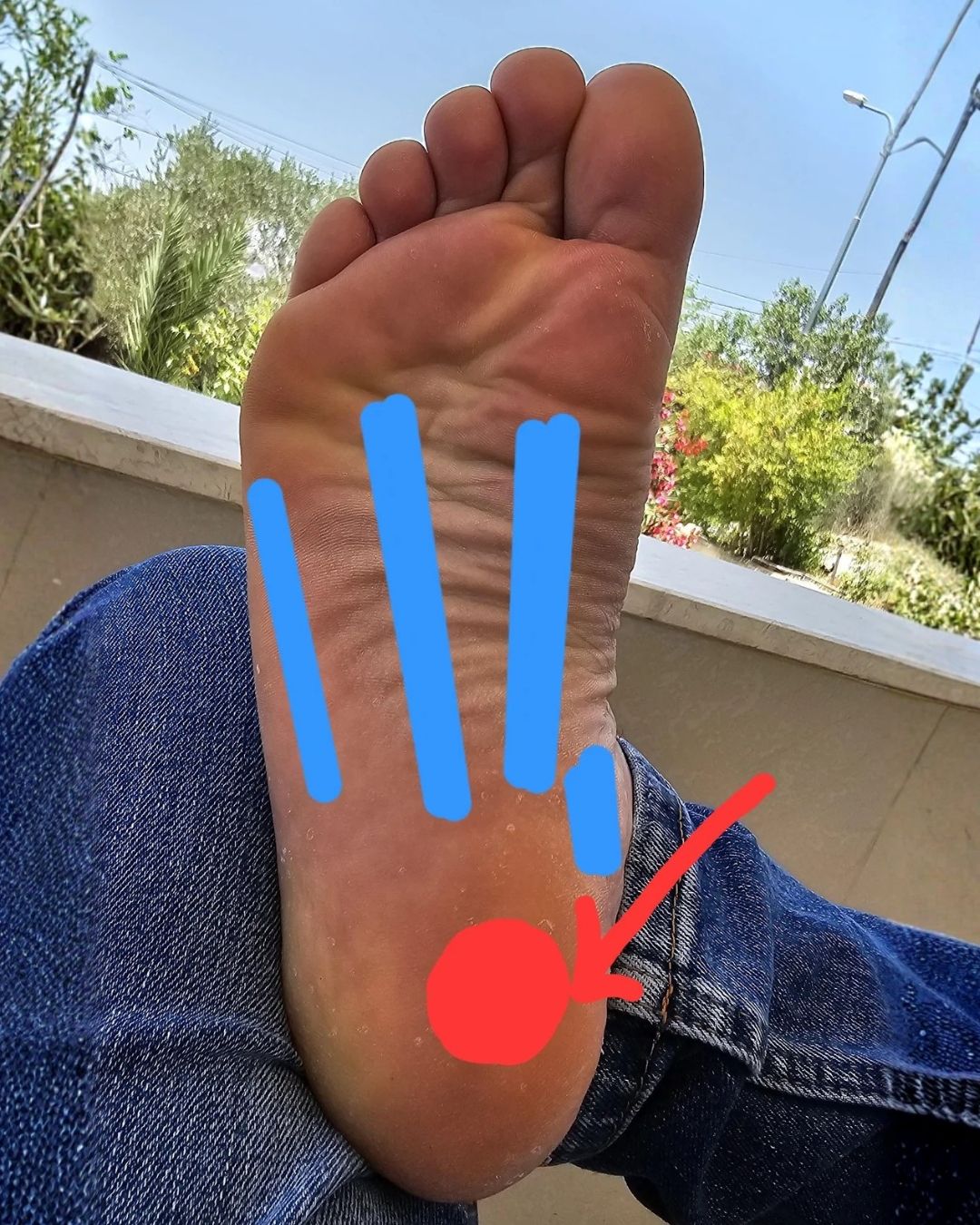
If you’re still sleeping in a night splint or rolling your foot on a frozen water bottle, stop. You might be making your foot worse. I'm 34. I've had this in both feet since the week my daughter was born, two years ago. You know the mornings. That first step out of bed is the one that tells you what kind of day you're going to have. I used to stand at the crib rail and just look at the floor. Actually look at it. Like it was a thing I had to negotiate with. Then it stopped being just mornings. It became the whole house. I have not been barefoot in my own home in two years. Not once. Slippers on before my feet touch the carpet. Slippers on to warm a bottle. Slippers on to walk down my own hallway at three in the morning to a baby who won't settle. I keep a pair by the bed. I keep another pair by the changing table so I don't have to cross the nursery in socks. My husband walks around barefoot like it's nothing and I watch him do it the way you'd watch someone do a card trick. And at night, the splint. That plastic boot strapped to my leg while I'm listening for the monitor. That's the part nobody talks about. It's not that your foot hurts. It's that you are wearing footwear inside your own house at all hours except for when I'm sitting down. Always leaning on something to soften the step even pushing the stroller, I'm hanging off the handle. Not steering it. Hanging. I want to say what it takes from you and I don't know how to say it without sounding dramatic. So here's the plainest version. I stopped planning things. Not big things. I stopped planning the farmers market with the baby. I stopped saying yes to the mom group walk because I didn't know what my feet would be in three weeks. My sister asked me to bring the baby out for a long weekend and I said maybe. I said maybe to my own sister because of my feet. I did everything they told me. Three podiatrists. Custom orthotics, the expensive ones. The cheap ones before that. Stretches every morning. The frozen water bottle. The spiky ball. Calf raises. Going up a shoe size. The night splint. A cortisone shot I was so scared of I nearly walked out of the office. The shot worked. For about five weeks. Then it came back and it came back worse. Two years of doing everything right and nothing moving. The breaking point was a Tuesday in March. I was standing in the nursery and I couldn't get to the crib. That's the whole story. It was nine feet away and she was crying and I stood there and did the math on whether it was worth it. And I thought: this is my life now. This is just what it is. My podiatrist had started using the word surgery. Not pushing it. Just letting it sit on the table between us. I went home and I sat in the car in my own driveway for twenty minutes. I got a second opinion. Not because I'm brave. Because I was out of moves. The man I ended up in front of has been doing feet for twenty years. Older. Not slick. The kind who doesn't fill the silence while he's thinking. He watched me walk. He asked me how long. I said since the week my daughter was born. And he put his pen down and said, "Then you're being treated for the wrong thing." I laughed at him. The kind where I knew I was right, I'd had three podiatrists. I'd had an MRI. I had a diagnosis written on paper. I said, I have plantar fasciitis. Everyone agrees I have plantar fasciitis. He said, "You did. Two years ago." And I sat there in that chair and I could feel my ears getting hot. Because if that was true, then two years of my life were a mistake. And I would rather have been sick than have been wasting my time. I looked at him with a confused but angry look, like I wasn’t sure if he was telling the truth or not He saw the look on my face and explained it to me. The word ends in "itis." Itis means inflammation. And when this starts, that's a fair description. You overload the fascia. You get tiny tears in it. Your body sends inflammation, because that's what a body does when something tears. That's not the disease. That's the repair crew showing up. The trouble starts when the repair crew never gets to finish the job. Because you cannot stop using your foot. You have to walk to the bathroom. You have to stand at the sink. So the tissue gets torn again before it's finished healing from the last time, and again before it finishes healing from that, and it never once completes a repair. And a tissue that never completes a repair does not stay the same. It changes. He told me the fibers in there are supposed to lie down straight and tight, like the strands of a rope. When the healing keeps getting interrupted, they come back disorganized. Weak. The rope stops being a rope and starts being frayed cord. That has a name. It's not fasciitis anymore. It's fasciosis. Osis, not itis. Not inflammation. A degeneration. I made him say it twice. Degeneration. My foot wasn't sitting there inflamed and waiting for the swelling to go down. It was breaking down. The tissue itself was falling apart, getting structurally worse, month over month, for two years, while I iced it and stretched it and strapped it into a plastic boot at night. He drew it on the back of a chart. Overload. Tear. Start to heal. Overload again before it heals. Tear it worse. Start to heal. Overload again. Every step you take rips open the thing that's trying to fix itself. That's the whole disease. Not "my foot is inflamed." My foot was a rope that never got a single day to knit back together, and it was coming apart one strand at a time. And once he said it, two years of failure rearranged themselves in front of me. The mornings. I always thought the morning was bad because the foot got stiff overnight. It's worse than that. At night, off your feet, the fascia finally goes slack, and your body starts trying to patch it. That's the only window it gets all day. But it's a bad window. That tissue sits at the end of the line, furthest from your heart, and lying still in bed you're barely moving any blood down there at all. So your body does the repair with almost nothing to build with. What it lays down overnight is thin. Weak. Half a patch. Then you stand up. And your whole body weight goes down through that patch before it ever had a chance to harden. That's what the first step is. That's the pain. It isn't stiffness. It's you tearing open the only repair your body managed all night, and it tears easy, because there was never enough blood down there to make it strong. Every morning of my life. Ripping open the one thing my body tried to build while I slept. Then the splint. Two years I slept in that thing. It holds your foot at a right angle so the fascia stays under a gentle stretch all night. And that does work, in a way. If the tissue is held taut, it can't go slack, and relax, so there's nothing there to tear in the morning and the first step doesn't hurt as much. It buys you a quieter morning by taking away the one window your foot had. It parks that tissue in limbo all night, every night. Not stretched enough to tear. Not slack enough to heal. All that splint ever bought me was a quieter first step. But as soon as it came off the rope kept fraying. The stretches. I was pulling on a cord that was already coming apart and calling it treatment. The orthotics. They cushioned the landing. They propped the arch from underneath. They did nothing about the tearing and nothing about the healing. A pillow under a wound. The cortisone. That one hurts to say out loud. Cortisone is an anti-inflammatory. It goes after inflammation. It does not reorganize one collagen fiber and it does not stop one tear. It quieted the alarm for five weeks while the rope frayed on. And when it wore off I got the same foot back, five weeks worse, and I blamed my body. Nothing I did failed because I did it wrong. Or it was a scam All of it failed because every last one of those things was aimed at the alarm and not at the fraying rope. I asked him why nobody had told me this in two years. He was honest with me. He said the first-line treatments are the first-line treatments. They get written down, they get handed out, and for most people they work. Most people get better and everybody feels good. The ones who don't get better keep coming back, and they get the next thing on the list, and then the shot, and then the conversation about surgery. Then he said the quiet part. There's no money in telling you the tissue needs a chance to heal. There's money in the injection. There's money in the operation. So I asked him what actually stops it. He didn't hesitate. He said you have to break the cycle in two places at once. You have to take the load off it while you're on your feet, because you can't stop being on your feet. And you have to get blood down into it, because the fascia is at the very end of the line, furthest from your heart, and blood is what rebuilds a tissue. Then he opened a drawer. He took out a sleeve and put it in my hand. It's like a compression sock with the toes open, and there are straps that wrap over the top and lock down underneath the arch. Thin. It disappears inside a shoe. He told me he's been doing this twenty years and he didn't learn this in a classroom, he learned it watching people like me come back for a fourth and fifth visit. And that once he understood what was actually happening in there, he started sending patients to this instead of to the next injection. He said the straps hold the arch so the tissue stops getting torn open with every step you take. And the compression drives blood down into a fascia that has been starved for months and can finally rebuild. He said this is the only thing he's found that goes after both halves of that cycle at once. I'll be honest, I still didn't believe it. I have a drawer at home full of things that didn't work. I put it on that night the way you eat a salad you don't want. It goes on like a sock. You pull the straps snug across the arch and you feel them take hold, like a hand cupping the bottom of your foot from underneath. And I stood up. And I put my weight down wrong, the way you do when you're not thinking, and I braced for the thing that always happens. It didn't happen. The pain wasn’t gone but it wasn’t unbearable, interrupting or the kind that has you reaching for a railing. That was the whole event. Nothing shot up through my heel. I stood in my kitchen at ten at night and put my weight on that foot again on purpose, just to check. Two days later I walked to the bathroom in the morning without doing the thing I do, where I hold the doorframe and lower my heel down in stages. I just walked. I said "huh" out loud, to nobody. Three weeks in, I made dinner and stood the entire time. And then came the day I found out it was real. My sleeve was in the wash. I had the whole day at home ahead of me and nothing to put on, and I remember thinking, fine. It's one day. I'm not going anywhere. By the afternoon I felt it. Not the old thing. Nothing close to the old thing. A dull ache coming up through the arch, low and steady, the way a bruise reminds you where it is. I sat down at my own kitchen table and I understood two things at once. This dull ache used to be my good day. That was the best my foot ever felt for two years, and I used to be grateful for it. And I hadn't thought about my feet in three weeks. Not once. Not standing at the sink, not on the stairs, not getting out of bed. Three weeks of my life where my feet were just my feet. Until the one day my sleeve was in the wash I sat there with my hand over my mouth. That's when I believed him. I've been wearing them since April. I went to the farmers market on a Saturday and I never once limped, I went to every stand I wanted to and not just the ones close to the parking lot. I did the whole grocery store, both sides, and I was pushing the cart. Pushing it. I got to the car and realized I hadn't leaned on a single thing, and I sat in the driver's seat and cried, which I'm not going to apologize for. And a month ago I got up in the night for a glass of water, and I was halfway down the hall before I understood what I was doing. I was barefoot. Standing in my own hallway in the dark on my own two bare feet. Two years. And I didn't even notice I was doing it. That's the thing I would have paid anything for. Not "less pain." I wanted to stop thinking about my feet. I wanted my house back. They're called Koprez Foot Sleeves. If you've had this longer than a few months, hear the one part that matters. What's wrong with your foot now is that it’s never getting the chance to heal. The stretching and the icing and the inserts and the splint are not failing because you're doing them wrong. They're failing because they're aimed at the alarm bell. And that fascia is tearing open every morning before you've had your coffee and it is not being allowed to finish a single repair. Every month you stay on the list, that rope frays a little further. There's a 30-day guarantee, so if you wear them and nothing changes, you say so and they make it right. No trial that quietly turns into a subscription. Nothing to mail overseas. You wear them for a month and you find out. Put them on and go stand in your kitchen. That's all I'd ask you to do. I won't call it a miracle. I'll say I wore shoes in my own living room for two years, and I don't anymore. Click below and give your feet a real chance to heal: P.S. Koprez is a small company and I know from my patients that they struggle to keep up with demand. If you click the link and they're in stock, I'd act quickly. I've had patients tell me they waited weeks for a restock. P.P.S. Read the reviews on their page. Thousands of people telling the same story: years of failed treatments, then Koprez, then finally relief. The science works. I've seen it in my clinic and I've seen it in those reviews. ==== 🇺🇸 Shipped From USA 🔬 Developed With 20+ Years of PT Clinical Experience ⭐ Thousands of 5-Star Reviews 🧦 Slim Design, Fits Discreetly In Any Shoe 📦 Ships Worldwide 💵 30-Day, 100% Money-Back Guarantee
How I finally calmed 2 years of plantar fasciitis
Summary: You've tried everything because every solution treats the wrong problem. These sleeves use the latest research to end morning heel pain the right way, and actually work.
SHOP NOWLike this ad? Make it yours.
Crush rebuilds this exact creative around your product — your brand, your colors, your offer — in about a minute.