Dr Simmons, Hand Therapist
Dr Simmons, Hand Therapist Facebook ad: “Has De Quervain's or Arthritis Made You Quit Knitting?”
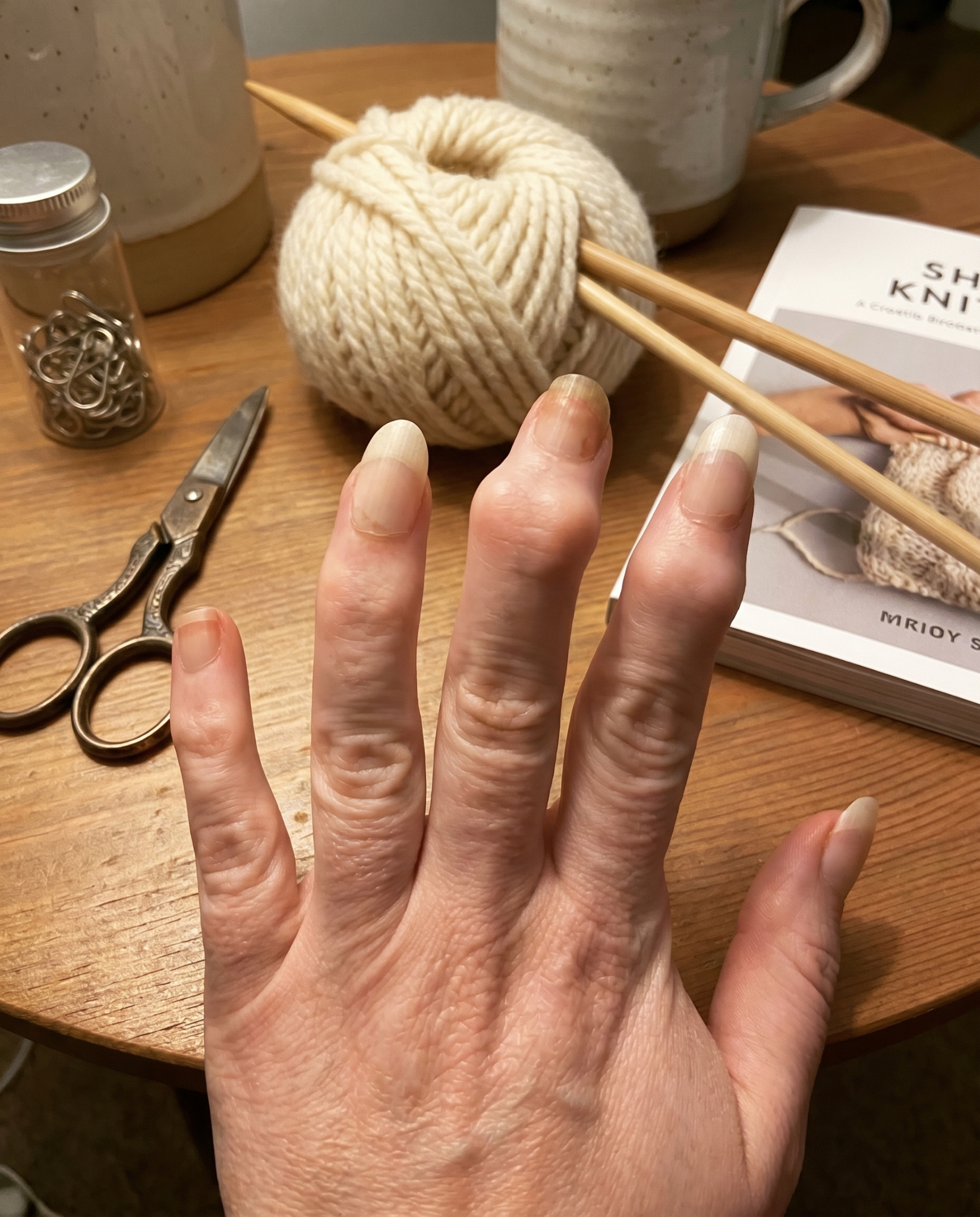
Ran for 13 days, from May 24 to June 5, 2026, the last day Crush saw it.
Run by Dr Simmons, Hand Therapist on Facebook. Crush is not the advertiser and does not verify its claims. See this ad in Meta's Ad Library(opens in a new tab)
Want an ad like this for your product?
Crush makes new ad images for your product from this ad: your logo, your product photo, your offer.
Trials from $19.95 USD, then $79.95 USD a month. Cancel anytime.
About this ad
- Meta Ad Library ID
- 2025768198013439
- Platforms
- Facebook, Instagram, Audience Network, Messenger and Threads
- Relaunches
- 4
Ad text
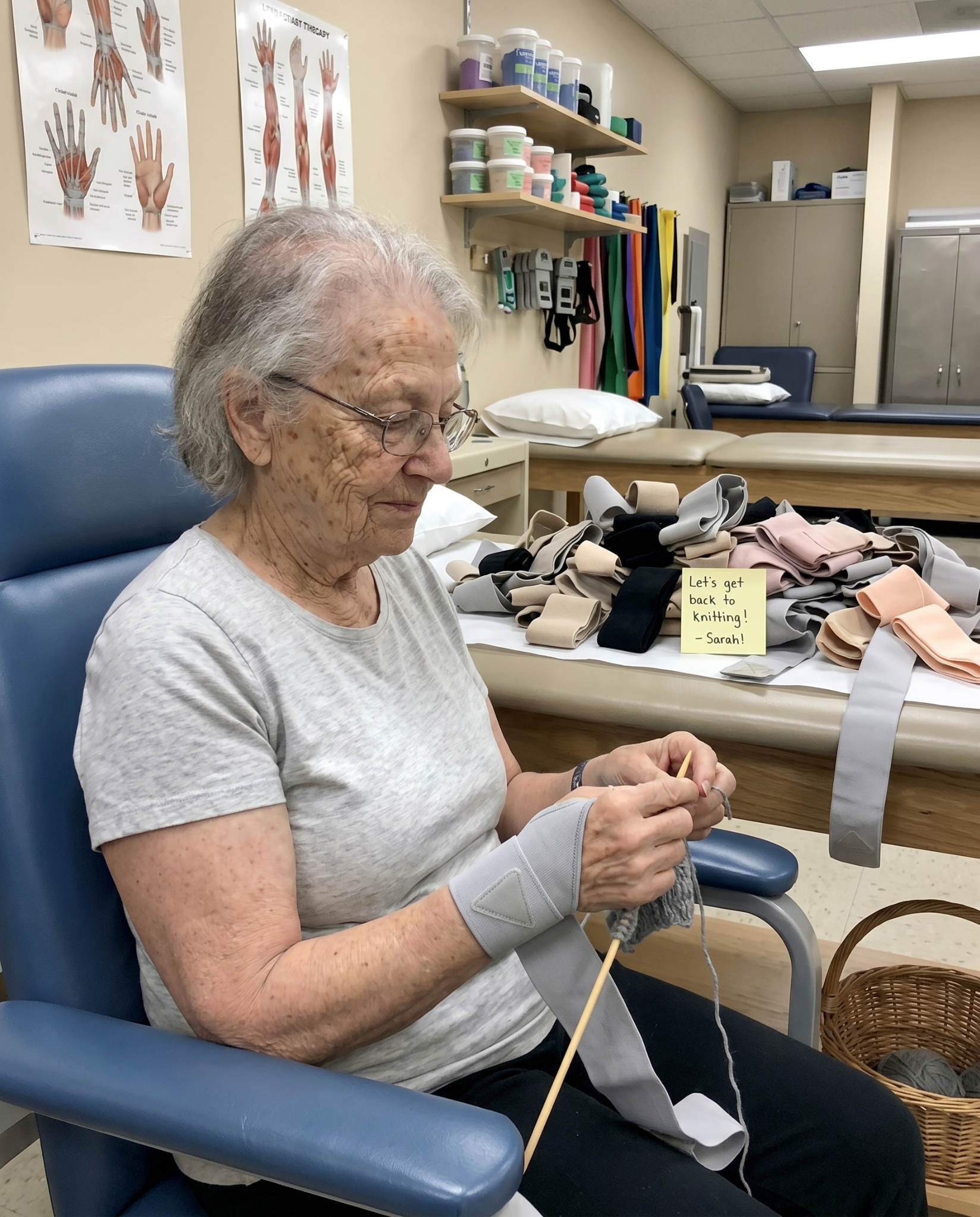
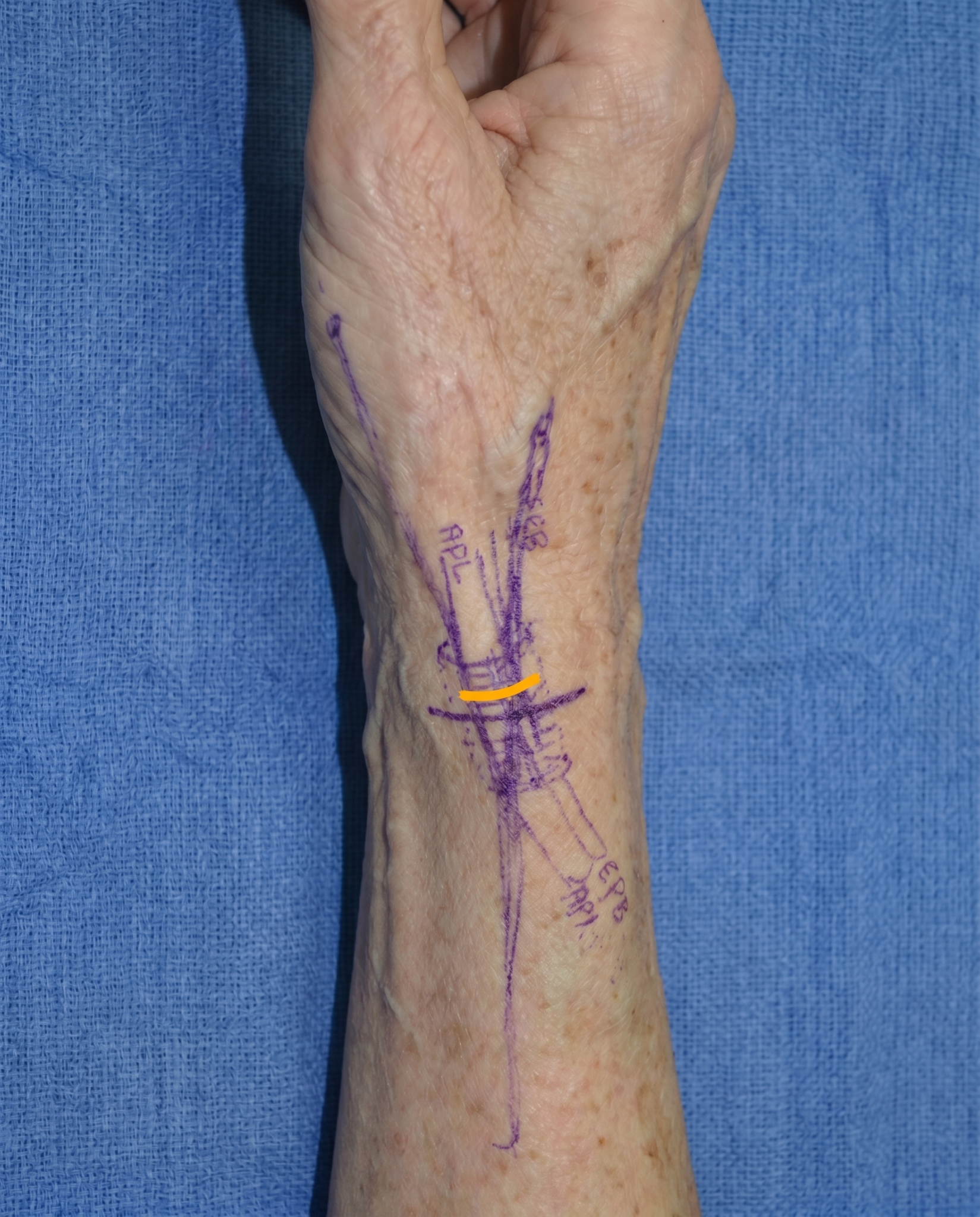
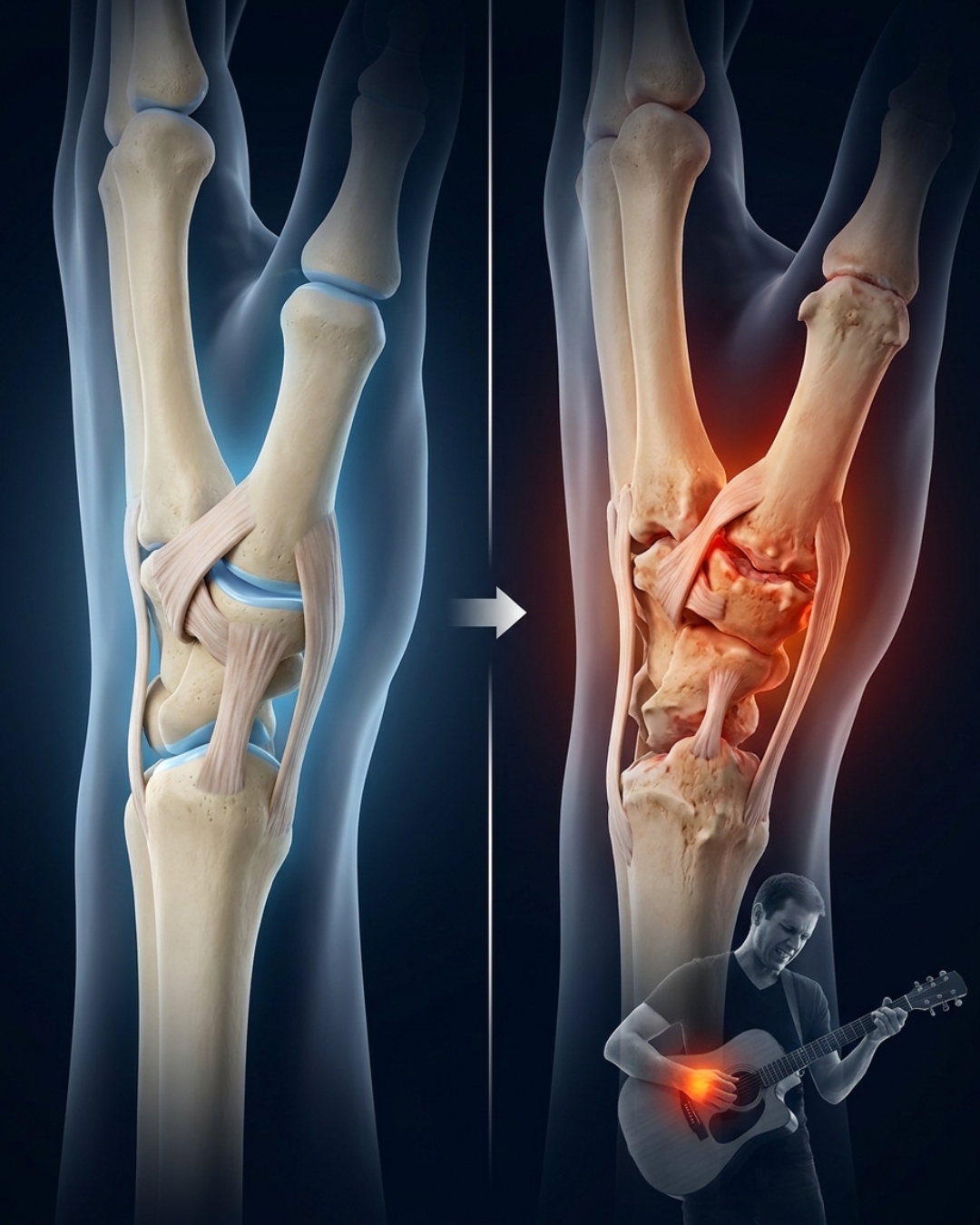
I'm a hand therapist, and I'm about to say something that's going to make a lot of GPs angry. If your doctor told you to "just stop knitting" because of thumb pain, you were given incomplete advice. And it's probably making your problem worse. My name is Dr Simmons. I'm a hand therapist. I've spent years treating hand and wrist conditions, and in the last five years the fastest-growing group of patients I see is women who knit. Not weekend hobbyists. Serious, lifelong knitters. Women in their 50s, 60s, 70s who knit the way other people meditate or pray. It's how they decompress. For many of them it's the only time their mind actually goes quiet. And nearly every single one comes to me after seeing another doctor who told them the same thing. "Stop knitting. Wear this brace. Take ibuprofen. Come back in six weeks." That advice isn't wrong. But it is dangerously incomplete. And the gap between what these women are told and what they actually need to know is wrecking their hands and their quality of life. Here's what I see in my clinic every week. Two types of women. Both suffering. Both following their doctor's advice. Both getting worse in different ways. The first type listened. She stopped knitting completely. Wore the wrist brace every night. Rested for weeks, sometimes months. The sharp pain faded. But she never went back. She's sitting at home in the evenings with empty hands and a heavy sadness she can't quite explain. She tells me she feels ridiculous for being this upset about a "hobby." She avoids her yarn. She avoids her knitting basket. Some of these women are showing signs of genuine depression. The second type couldn't stop. She tried. But knitting is her emotional regulation, and without it she started unravelling. So she continues to knit. And the pain keeps coming back because she's knitting without any real support at the place the pain actually lives. She's caught in a cycle of hurting and resting. Both of these women are failed by the same gap in their treatment. Let me explain what that gap is. Because once you understand it, you'll immediately see why everything you've tried so far has failed. Knitting does something to your thumb that almost no other daily activity does. Every stitch requires a small, precise motion between your thumb and the needle. You grip, adjust, tension, release. And you repeat that motion hundreds of times in a single sitting. But the real problem isn't just repetition. It's what's happening inside the tendons that run along the side of your thumb. Two thin tendons run from the side of your wrist along the edge of your thumb. They sit inside a narrow tunnel called the tendon sheath. When your thumb moves normally — forward, backward, gripping a cup of tea — those tendons slide cleanly through the sheath. No friction. No catching. But knitting doesn't just move those tendons forward and backward. The stitching motion shifts them slightly sideways inside the sheath. So instead of gliding straight through, the tendons start rubbing against the inner walls. Flick. Stitch. Flick. Stitch. Hundreds of times an hour. Thousands of times across a long evening on the sofa. If you watch your own thumb the next time you knit, you can see this happening. The thumb isn't just bending. It's making tiny shifting movements with every stitch. Almost no other daily activity forces your thumb to repeat that same movement this many times in a row. Typing uses your thumbs differently. Cooking uses your grip differently. Even texting doesn't shift the tendons inside the sheath the way knitting does. And every time the tendon rubs the inside wall of that sheath, it creates a tiny bit of irritation. At first you don't notice it. But over time the inside of the sheath becomes inflamed. It swells inward. The space gets tighter. Now the tendons can't glide smoothly anymore. They start dragging against the swollen walls. Rubbing. Catching. Snagging. That is the clicking you feel. That is the deep ache at the base of your thumb. That is De Quervain's tenosynovitis — and for women in their 60s and 70s, it often sits alongside the arthritis at the base of the thumb that menopause and the years have already started. This is the part most knitters never get told. Knitting itself isn't the issue. The real issue is a lack of stability at the base of the thumb. Those tendons keep shifting sideways inside an already-irritated sheath. Every single session. And until something holds them steady, the rubbing continues and the inflammation builds straight back up. Compression gloves squeeze the whole hand evenly. They take the edge off general fatigue, but they don't hold the tendons steady at the place the rubbing is happening. The rigid wrist brace your GP handed you stabilises your wrist. But the moment you sit down to knit, the tendons are still shifting sideways inside the sheath under every stitch. So the rubbing continues. That's why rest helps temporarily but the pain comes right back. When you rest, the swelling inside the sheath calms down. But the moment you return to knitting, the side-to-side shifting starts again, and the irritation builds straight back up. It's not because you knit too much. It's because nothing is holding those tendons steady where they need to be held. So what actually works? Stabilising the base of the thumb where the tendons sit. That means firm, targeted support directly over the sheath. Not a brace that locks your wrist. Not a glove that squeezes everything equally. A device built to hold the one place that needs holding — while leaving your four fingers and your wrist completely free to knit. Because once the tendons stop shifting under pressure, the inside of the sheath has a chance to settle. The deep ache fades. And the cycle breaks. Most thumb supports on the market are designed for sports injuries, workplace injuries, or post-surgical recovery. They are not designed for knitters. They don't account for the specific motion your thumb needs to make during a stitch. They either restrict too much so you can't actually knit, or they miss the right place entirely. The brace I helped design — The Knitter's Hand Stabiliser — was built specifically for knitting, crocheting, hand-sewing, embroidery. It was built around the exact thumb motion these activities demand. It puts firm support directly over the base of the thumb while preserving the full range of motion your thumb needs for every stitch. The four fingers stay free. The wrist stays free. The one place that needs holding gets held. That is why it works where generic braces and gloves do not. It was designed for the problem knitters actually have. If you stopped knitting and you're sitting at home in the evenings with empty hands and a feeling you can't quite name, you are not being dramatic. You did the right thing by resting. But rest only calms the swelling. It doesn't hold the tendons steady when you go back. You deserve both halves of the answer. And if you couldn't stop — if you knit after everyone goes to bed and feel guilty about it — you are not weak. The problem is not that you keep knitting. The problem is that nothing has been holding the base of your thumb steady. Fix that one thing, and the cycle breaks. I've linked The Knitter's Hand Stabiliser below.
Where the ad sends people
handhearth.com
Has De Quervain's or Arthritis Made You Quit Knitting?👆
Stop suffering from cold, numb fingers. Our heated gloves warm every fingertip with all-day battery life. Perfect for arthritis, Raynaud's & poor circulation. 60-day money-back guarantee.
See details: handhearth.com(opens in a new tab)