Vet Nurse - Kayla Brooks
Vet Nurse - Kayla Brooks Facebook ad: “A vet nurse's honest kidney cat advice”
Ran for 15 days, from August 13 to August 28, 2026, the last day Crush saw it.
Run by Vet Nurse - Kayla Brooks on Facebook. Crush is not the advertiser and does not verify its claims. See this ad in Meta's Ad Library(opens in a new tab)
Want an ad like this for your product?
Crush makes new ad images for your product from this ad: your logo, your product photo, your offer.
Trials from $19.95 USD, then $79.95 USD a month. Cancel anytime.
About this ad
- Meta Ad Library ID
- 2026281821344063
- Platforms
- Facebook and Instagram
- Relaunches
- 1
Ad text
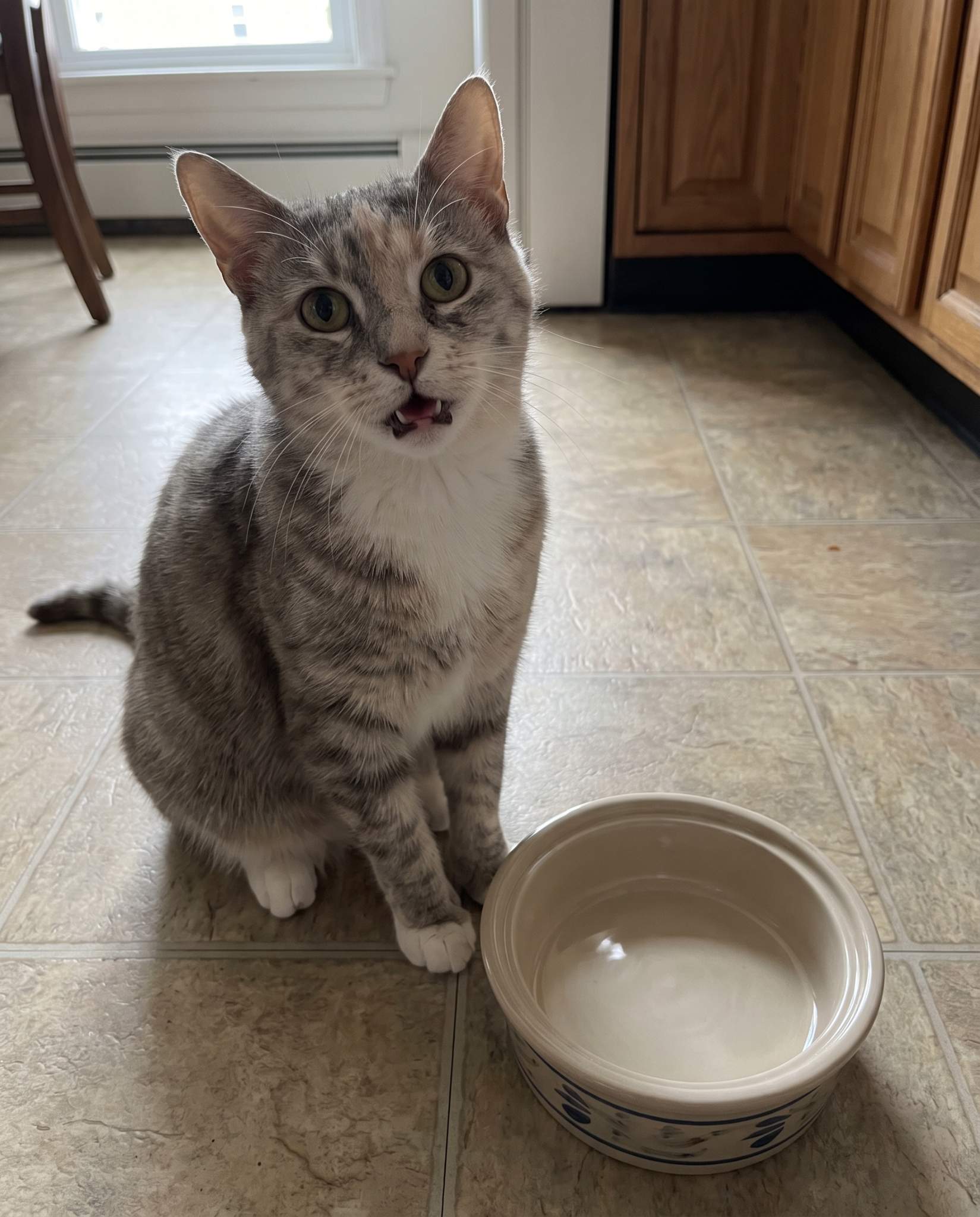
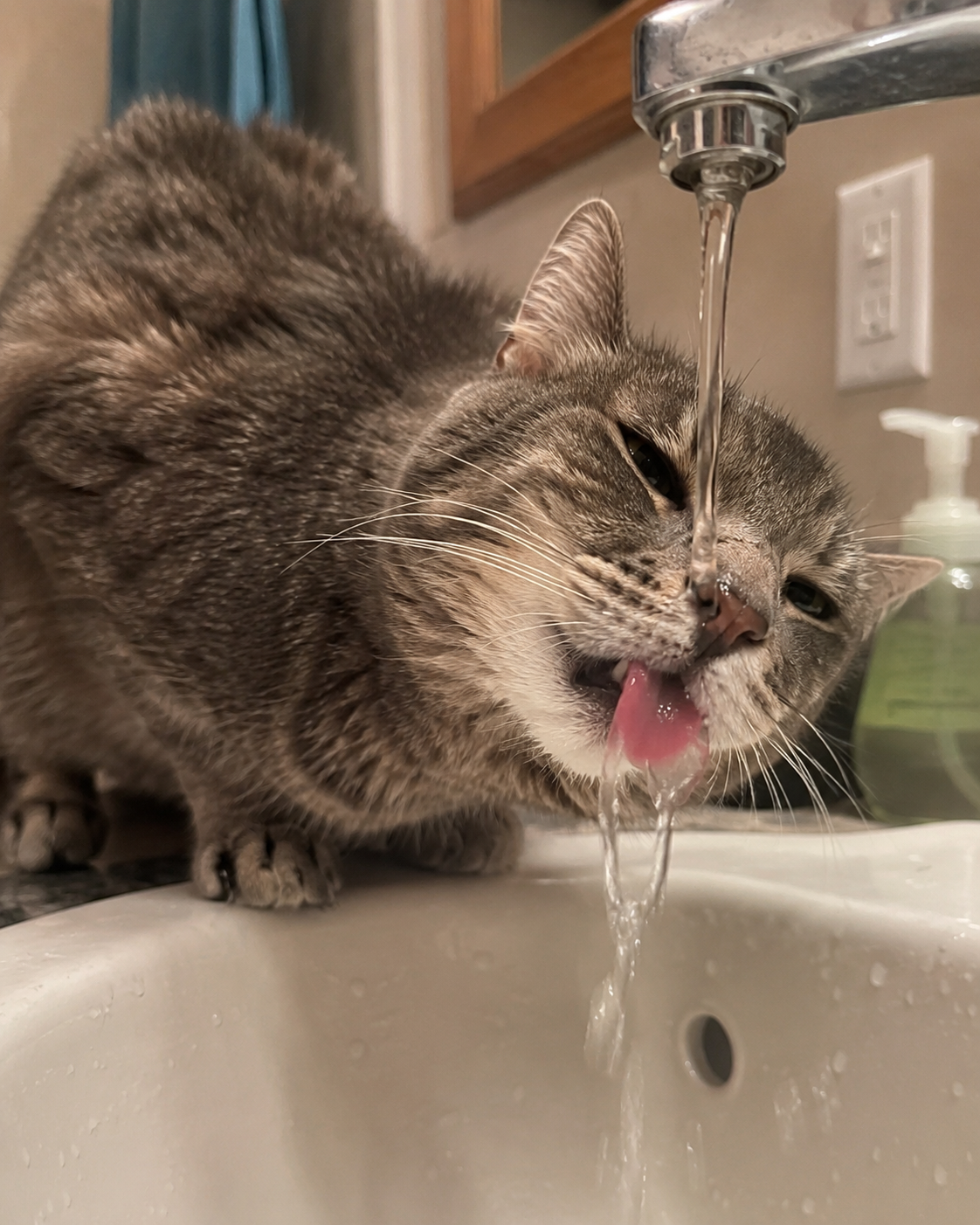
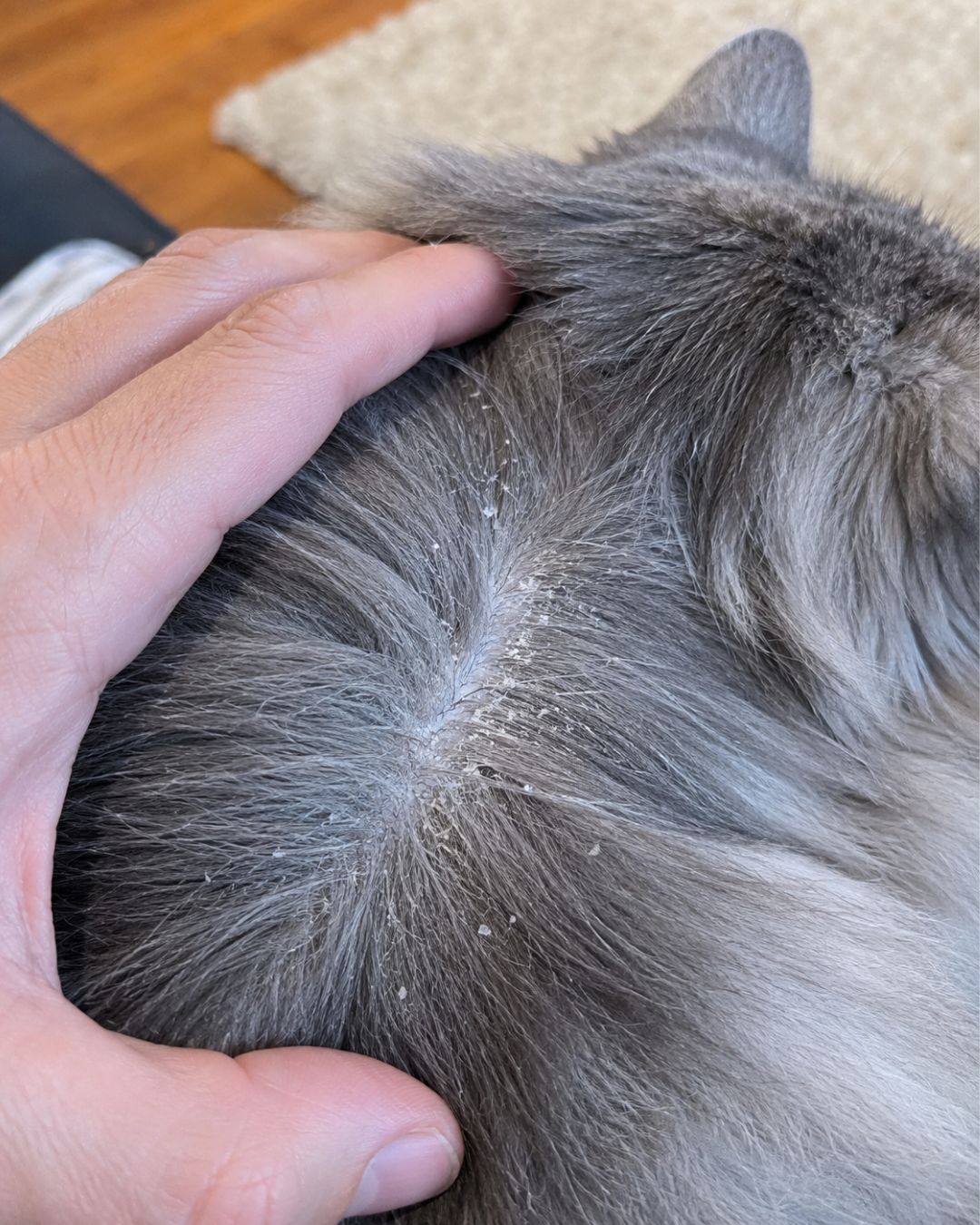
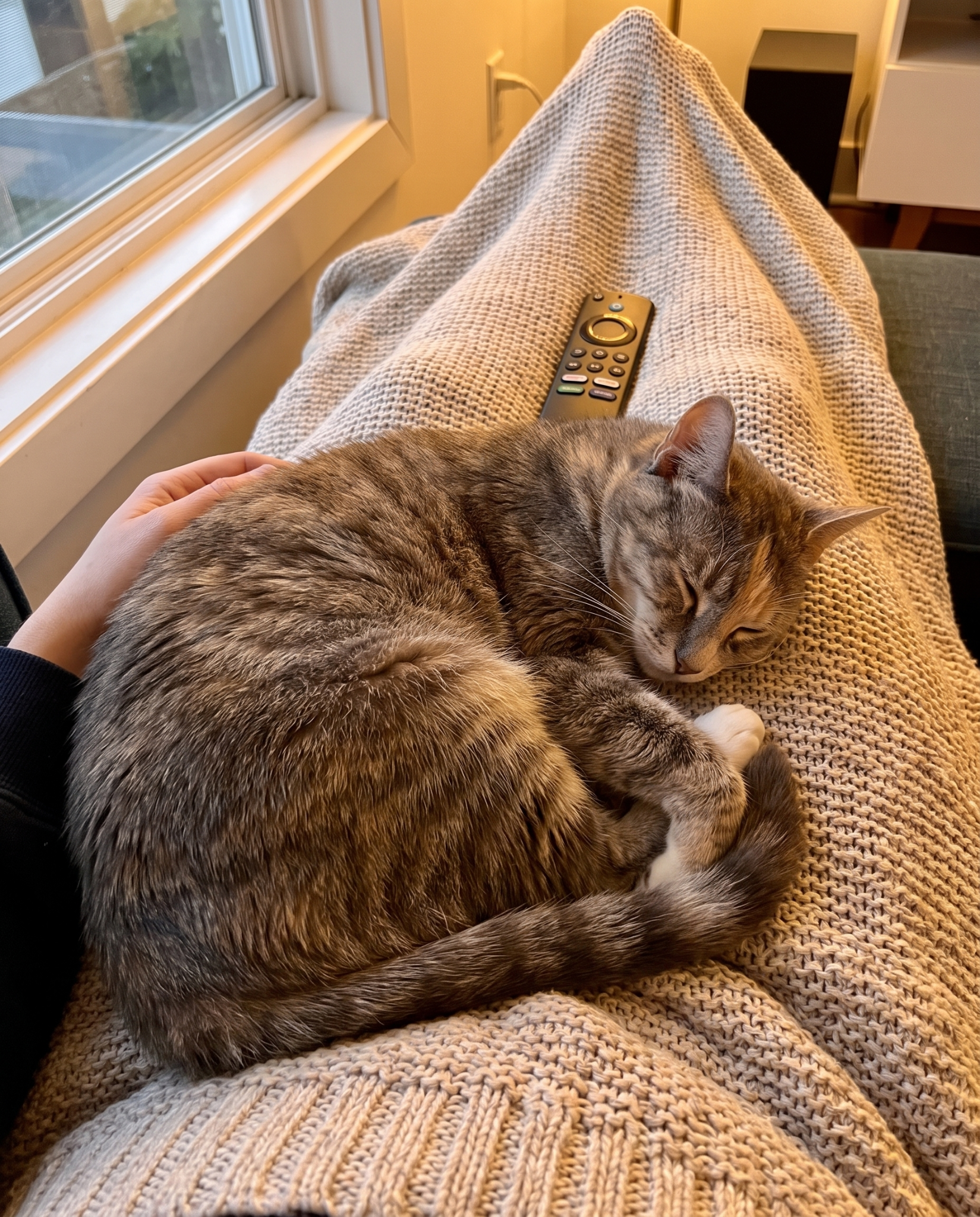
I'm a vet nurse. My own cat was diagnosed with kidney disease at 13. I tried everything. Here's what actually worked. I've been a vet nurse for 16 years, and chronic kidney disease is one of the hardest things I see cats and their owners go through. The weight that quietly falls off their spine. The constant trips to the water bowl. The soaked litter tray every morning. The soft coat that turns dull and greasy. I've held a hundred cats on the table while the vet explained to a heartbroken owner what "stage 3" means. About a year ago, it was my own girl on the table. My Poppy. Grey tabby, thirteen years old, I've had her since she fit in one hand. And here's the thing about kidney disease in cats that I wish every owner knew, because it's the reason the diagnosis blindsides almost everyone. Cats are built to hide it. By the time your cat shows the first obvious symptom, a large part of their kidney function is already gone. The kidneys quietly compensate for years while the damage adds up in silence. That's why it's one of the most common conditions in cats over ten, and why so many owners tell me the same thing through tears: "But she seemed fine a month ago." She did seem fine. That's the disease. Even I nearly missed it, and I do this for a living. Poppy started drinking from the tap constantly. The litter clumps got huge and heavy. She'd lost weight along her back without me noticing until I ran my hand down her spine one night and felt those sharp little bones. Her coat went flat. She started leaving food in the bowl. Then hiding under the bed in the afternoons, which she never did. Then one morning she was sick on the kitchen floor and just sat next to it, looking up at me. I booked her in that same day. SDMA elevated. Creatinine elevated. Urine too dilute. Stage 2, heading toward 3. I've delivered that news to a hundred owners. It is completely different when it's your cat and you're the one sitting in the chair. I'll say this quickly, because it matters: my vet is excellent, and her plan - renal diet, fluids at home, blood pressure checks, regular monitoring - is the reason Poppy is still here. If your cat's just been diagnosed, that comes first. Full stop. But if you've been through this, you know the feeling I had driving home. There has to be something more I can do than watch the numbers and wait. I've seen too many cats decline slowly to just sit on my hands. I wanted Poppy to feel good. To eat. To come out from under the bed and sit on my lap in the evenings like she used to. I told my husband I was going to find something to add to her routine. He gave me that look. "Here we go. You're going to turn into one of those supplement people." Easy for him to say. He wasn't the one lying awake listening for her at the water bowl at 2am. So I started trying things anyway. First, the human fish oil capsules from my own cupboard - because I already knew omega-3s had real evidence behind them for kidney cats. But have you ever tried to pill a nauseous kidney cat who's already off her food? It became a twice-a-day wrestling match that made her hate me and hate her bowl even more. Half the time she'd foam and spit it out. I lasted a week. Then the big pump bottle of "cat fish oil" from the pet shop. The one everybody buys. Poppy took two sniffs and walked away. Every single time. I tried mixing it in, warming the food, everything. She'd rather skip the meal - and this is a cat who could not afford to skip meals. I was getting frustrated. And honestly, a bit desperate. Then about two months in, a regular client came into the clinic with her cat. Fifteen years old, diagnosed with kidney disease two years ago. I remembered this cat - last year he'd looked exactly how you'd expect. Thin, scruffy, flat. Except now he didn't. His weight was holding. His coat was actually glossy. He sat up on the table and headbutted the vet's stethoscope. When the vet stepped out, I asked her straight out what she was doing differently. She said his kidney values were stable, he was eating like a horse, and the only thing she'd changed since last year was a fish and krill oil she tore over his dinner every night. A little sachet. She said it like it was nothing. I'll be honest, I was skeptical. I hear miracle product stories every week in that clinic and most of them are rubbish. But I couldn't stop thinking about that coat. You can't fake a coat. That night, after Poppy left half her dinner again, I opened my laptop and started digging. Because clearly nobody was going to hand me the answer. Here's what I already knew as a nurse: omega-3s, specifically EPA and DHA, are one of the very few supplements with genuine evidence behind them for cats with kidney disease. It's not fringe stuff. It's the reason the prescription renal diets have fish oil built into them. My vet confirmed it when I asked her - "one of the only add-ons I'm actually happy for owners to use." So the question wasn't whether omega-3s help. The question was why the fish oil I'd already tried had done absolutely nothing. And buried in the reviews of these products, I started noticing something. Over and over, the same complaints. "My cat refuses it." "Smells off." "Second bottle smelled completely different to the first." One reviewer said she opened a fresh bottle next to her old one and couldn't believe the difference in smell - the old one had gone rancid on her counter and she'd been feeding it to her cat for weeks without knowing. That's when it clicked. Fish oil is one of the most fragile things you can put in a bottle. The moment it's exposed to oxygen, light and warmth, it starts to oxidise. It goes rancid - exactly like fish left out on the bench. And a big pump bottle is the worst possible format for it. You break the seal on day one, and then it sits in a warm kitchen for the next two or three months, oxidising a little more with every pump. Here's the part that made me genuinely angry. Oxidised fish oil doesn't just lose its potency. It actively works against you. Rancid oil generates the exact oxidative stress and inflammation you're trying to reduce in a cat with kidney disease. You think you're helping. You might be doing the opposite. And cats can smell it instantly. Their nose is far better than ours. All those cats "refusing fish oil" in the reviews? A lot of them were refusing rancid oil. The cat was right. The label was wrong. So I'd spent two months doing exactly the right thing - omega-3s - in exactly the wrong format. No wonder she walked away from the bowl. Now I knew what I was actually looking for. It had to be: - Real EPA and DHA at a dose that matters for a cat, not a token splash of "fish oil flavour" - Oil that stays genuinely fresh until the day it hits the bowl, not something oxidising in an opened bottle for weeks - A format a fussy, nauseous cat will actually eat, because the best supplement in the world is worthless in a full bowl I messaged that client and asked her what the sachets were called. Fureeze. When I looked into it, the format explained everything. Fureeze doesn't come in a bottle. It comes in single-serve sachets. Each dose is individually sealed - you tear it open, and it's the first time that oil has ever touched air. Nothing sits on your counter oxidising for weeks. The sachet you open on day 40 is exactly as fresh as the one you opened on day one. Each sachet has 160mg of EPA and 118mg of DHA - an actual meaningful dose for a cat, and they print it right there instead of hiding behind "contains fish oil" like most brands do. And it's not just fish oil. It's anchovy fish oil blended with Antarctic krill oil, and krill comes with its own naturally occurring antioxidant that helps protect the omega-3s from oxidising in the first place. Belt and braces against the exact problem that had wrecked everything else I'd tried. The bit that sold me, though, was the palatability testing. They ran blind trials and 91% of cats ate it. I've never seen another cat supplement even publish that number, because most of them would fail it. And with over 2,600 reviews sitting at 4.7 stars, mostly from owners of older and fussy cats, it wasn't just marketing. I ordered a box. Third product, third attempt. My husband didn't say anything, but he had the look again. When it arrived, the first thing I noticed was the smell. Or the lack of it. I tore one open and there was no rancid reek. It smelled clean, faintly of the sea, the way fresh oil is actually supposed to smell. Completely different to the pump bottle in my cupboard. I tore it over Poppy's dinner and stood there, fully expecting the two sniffs and the walk-away. She didn't walk away. She ate the whole bowl. Then she licked it. I actually called my husband in to look at the empty bowl like it was a museum exhibit. First meal she'd finished without coaxing in almost two weeks. Now, here's where I have to be straight with you, because this is exactly where the internet lies to people like us, and I won't. Fureeze did not fix Poppy's kidneys. Nothing does. Kidney disease doesn't reverse, and if you ever see a product claiming it "restores kidney function" or gets the numbers back to normal, run. Her renal diet, her fluids and my vet are what's holding the disease steady. But here's what changed, and if you have a kidney cat you'll understand exactly why it mattered so much. She started eating again. Every day. Consistently. For a kidney cat, appetite is everything - a cat who eats holds her weight, holds her muscle, holds her strength, stays in the fight. Within about ten days her bowl was clean every single night, and the sachet went from "supplement" to the thing she came running for at dinner time. Her coat came back. Over the next month, that flat greasy fur turned soft again. Omega-3s are famous for skin and coat, and on a kidney cat it shows fast. I'd honestly forgotten what she used to feel like. And she came back out. With the eating sorted and her body more comfortable, she started coming down in the evenings and folding herself onto my lap like the old days. The cat who'd been hiding under the bed was back on the couch, purring like an idiot. That's what good supportive care actually buys you with this disease. Not a miracle. More good days. More clean bowls. More evenings with her on your lap instead of under the bed. At her next check-up, my vet went through the panel and said, "Her weight's up, her coat looks fantastic, and her values are holding steady. Whatever you're doing, keep doing it." I told her about the sachets. She wrote the name down for other clients. Stable, with this disease, is a win. I'll take stable and a happy cat for as long as I can get it. And my husband - the one worried I was turning into "one of those supplement people"? Last month I caught him tearing the sachet over her dinner himself before I'd even got home. He says it's "just easier than listening to her yell at the bowl." Sure it is. Since then I've recommended Fureeze to a lot of owners who come through our clinic with newly diagnosed cats - always alongside their vet's plan, never instead of it. The feedback is always the same two things. "I can't believe she actually eats it." And a few weeks later, "she seems more herself." One woman told me her 15-year-old started grooming again for the first time in months. Her vet asked what had changed - same reaction mine had. If your cat is over 10, here's my honest advice as someone who's spent 16 years on the other side of the exam table. Don't wait for obvious symptoms, because this disease doesn't do obvious until late. Get senior bloods done regularly. If kidney disease is on the table, your vet and a renal diet come first, always. And then add omega-3s - one of the only supplements with real evidence behind it for kidney cats - and make absolutely sure the oil is fresh, because rancid fish oil from a long-opened bottle can quietly do more harm than good. That last part is the whole reason I use the sachets. Here's where I get Poppy's: https://fureeze.com/pages/daily-krill-and-fish-oil-supplement-for-senior-cats P.S. - A few things I wish I'd known before ordering. Fureeze has a money-back guarantee. If your cat turns their nose up at it - some cats are impossible, I know, I've met them all - you get your money back. I wish I'd known that before I burned money on two products that did nothing. It makes trying it a no-brainer: tear one sachet over dinner and let your cat vote. Because the sachets are single-serve and made in small batches, they do sell out - especially the fish and krill oil, which is the one everybody wants. I've had clients at the clinic tell me they had to wait for it to come back in stock. If it's showing as available when you click through, I'd grab it while it's there. Poppy is on my lap as I type this. Thirteen and a half, kidney disease and all, purring. I'll take every single evening I can get. Here's where I get hers: https://fureeze.com/pages/daily-krill-and-fish-oil-supplement-for-senior-cats
Where the ad sends people
fureeze.com
A vet nurse's honest kidney cat advice
100% Tasmanian made freeze dried pet treats, suitable for both dogs and cats. Ethically sourced from your local farmers.
Learn more: fureeze.com(opens in a new tab)