Vet Nurse - Kayla Brooks
Vet Nurse - Kayla Brooks Facebook ad: “I'm A Vet Nurse. My Cat Looked Neglected”
Ran for 18 days, from August 16 to September 3, 2026, the last day Crush saw it.
Run by Vet Nurse - Kayla Brooks on Facebook. Crush is not the advertiser and does not verify its claims. See this ad in Meta's Ad Library(opens in a new tab)
Want an ad like this for your product?
Crush makes new ad images for your product from this ad: your logo, your product photo, your offer.
Trials from $19.95 USD, then $79.95 USD a month. Cancel anytime.
About this ad
- Meta Ad Library ID
- 2258901891316024
- Platforms
- Facebook and Instagram
- Relaunches
- 0
Ad text
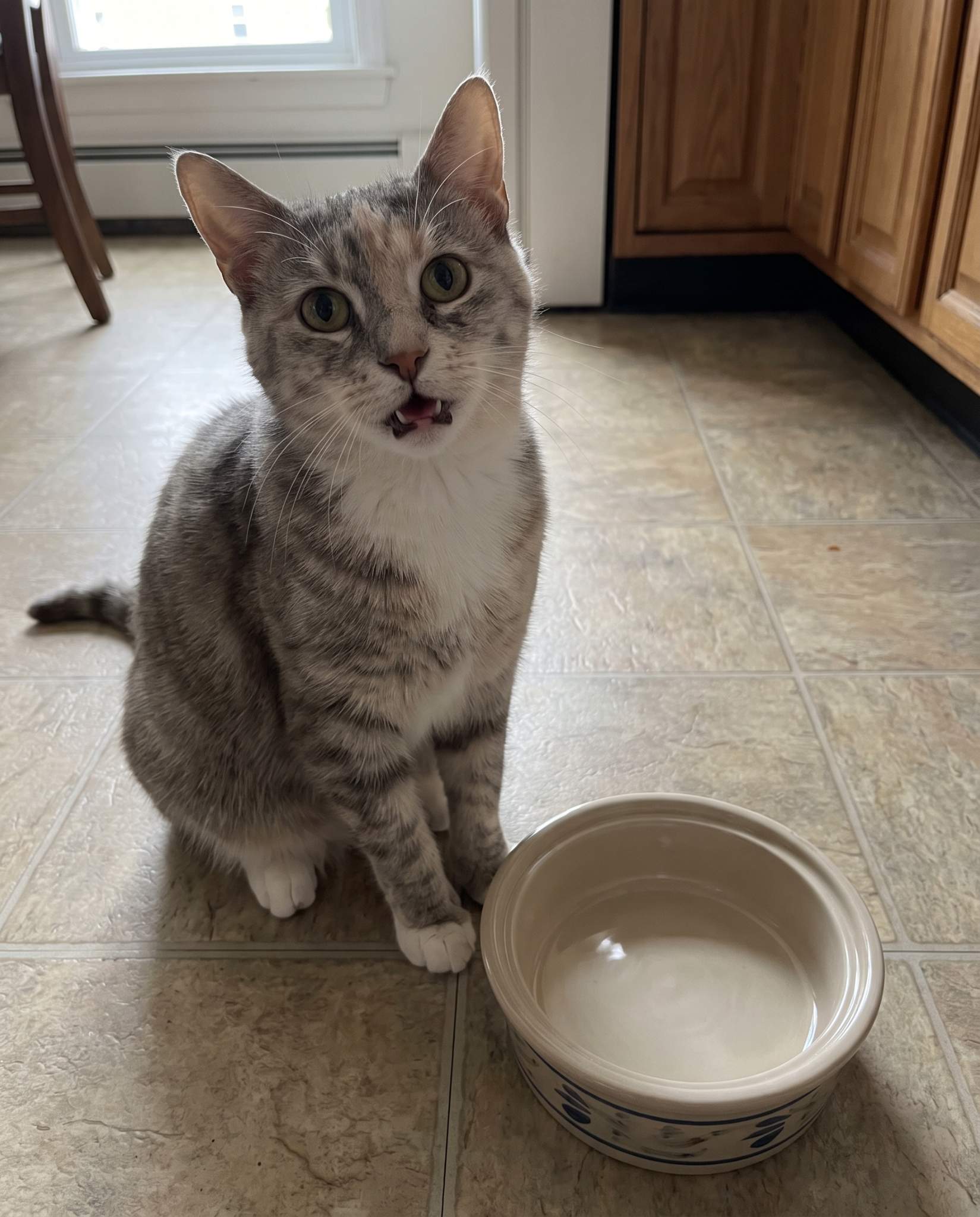
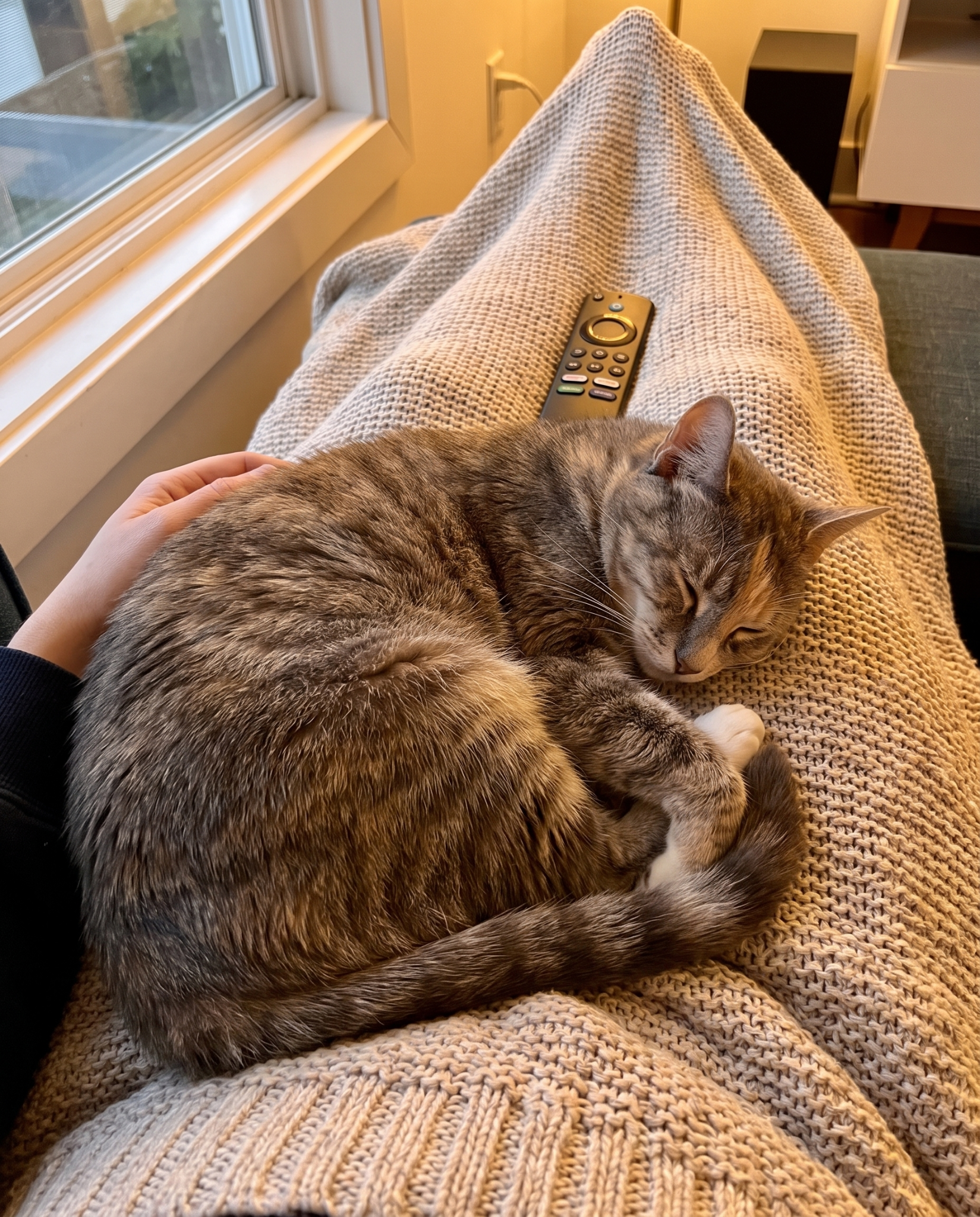
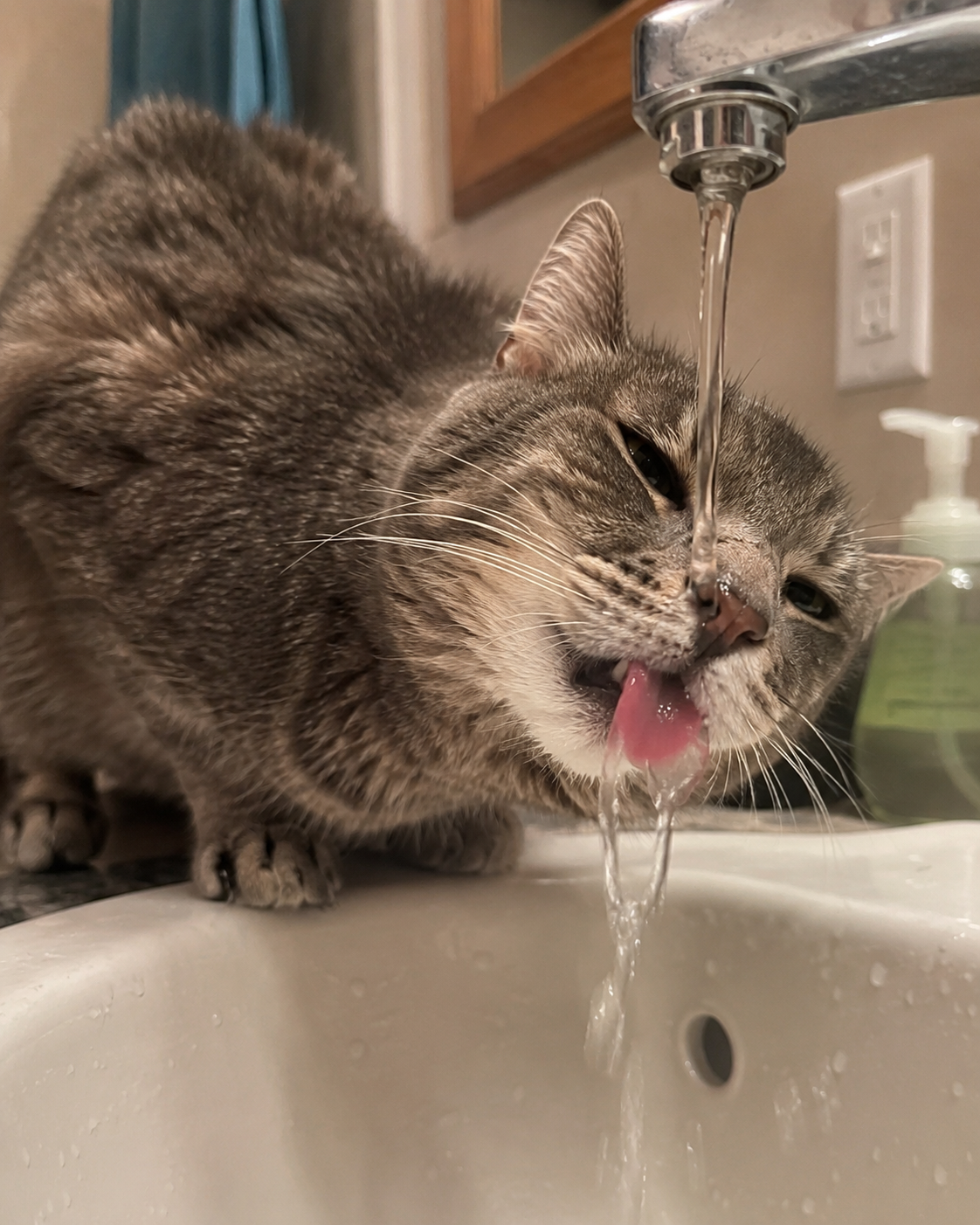
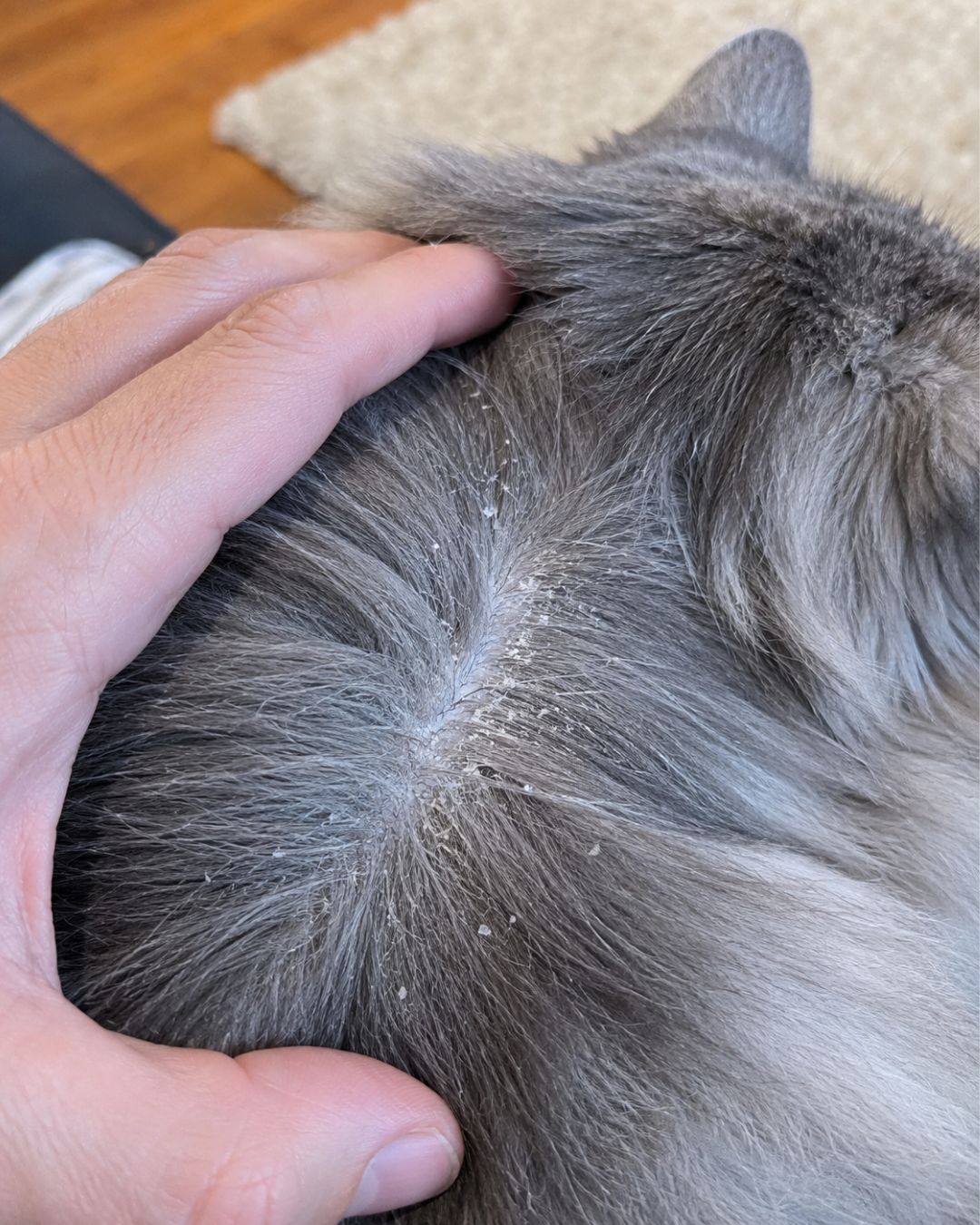
I'm a vet nurse. I can usually tell a cat is unwell from its coat before the vet has even touched it. I still let my own cat's coat fall apart. Fifteen years in this job teaches you something most owners never get told: the coat is the first page of a cat's health report. On the exam table our hands are in the fur before the stethoscope, before the bloods. Dry, flaky, greasy, thinning — we're reading it in the first ten seconds, because the skin is the biggest organ a cat has and when something's short on the inside, the coat is where it shows first. And the thing I wish I could hand out at reception: a shiny coat isn't groomed in. It's fed in. You can't brush shine into a cat. I say some version of this to owners every week. Every week someone half-apologises for their senior cat on my table — "sorry, she's got a bit scruffy, she's stopped looking after herself" — like it's a housekeeping failure. And then my own cat's coat went bad, and I spent a year doing exactly what everyone does. Pearl. Silver longhair, eleven years old, glorious and fully aware of it. For a decade her coat was the kind people stopped to comment on. Then, over about six months, it quietly went to ruin. The flakes came first. I'd run my hand down her spine and little white specks would lift out of the fur like someone had seasoned her. Then the shine went — that liquid silver turned flat and dusty — and the fur along her back went greasy and clumpy, separating into spikes no brush would smooth for more than an hour. Then the shedding got silly. I know what normal moulting looks like. This wasn't it. Every stroke pulled clouds. My work uniform is dark, and there's a lint roller in my car, my locker, and by my front door — all three because of one cat. And with the shedding, the hairballs. If you've never been dragged out of sleep at 5am by that awful rhythmic hacking, then gone hunting across the carpet in your socks for the result — I'm genuinely happy for you. We got to twice a week. She started eating grass like it was a career. The bit that stung: a friend visited, looked at Pearl on the windowsill, and said, kindly, "Ah bless, is she poorly?" To me. About my own cat. First thing I did was the right thing, and if your cat's coat has changed quickly, it's the first thing you should do too. A coat that collapses fast, bald patches, sores, a cat frantically over-grooming one spot — that can be the first visible sign of something genuinely medical. I've stood in on enough appointments where the coat was the clue. So Pearl got the works from my own vet. Full senior bloods, thyroid, everything. All fine. And then I got the same shrug I've watched a hundred of our clients get: "She's just getting older. Some cats' coats go like this." I nodded along. Then I went home and, fifteen years of knowing better notwithstanding, worked my way through the pet shop shelf like everyone does. Let me save you the receipts. The £38 deshedding tool with the cult following — I already owned one. It removes the coat that's already dead. It does nothing about why so much of it is dying. Grooming wipes, £9. A coat gloss spray at £14, which is literally painting shine onto a dull cat. Lasts until she grooms it off, and then she's swallowing it. The "skin & coat" salmon treats, £7 a pouch, four pouches, because she loved them. On pouch three I finally read the back properly. Salmon *flavouring* — and the omega-3s came from flaxseed. Hold that thought. Then the £62 bag of premium food, because the internet said it's the diet. Nicer stools. Same coat. The maddening part is I already knew the right answer. It's the same thing our vets say in consult rooms every week, and it's why prescription skin diets have fish oil built in: marine omega-3s — EPA and DHA — are what healthy skin and coat are actually built from. When an older cat has dandruff, dull fur, heavy shedding and regular hairballs, most of the time that's not four problems. It's one. Skin that isn't being fed what it's made of goes dry and flaky, grows dull brittle fur that dies and drops faster, and the cat swallows the extra. There are your flakes, your lost shine, your ruined sofa and your 5am carpet surprise, all from the same shortage. So I bought the big pump bottle of salmon oil, £16, feeling pretty smug about it. Pearl sniffed it twice and refused the whole bowl. Every meal, for two weeks. A cat who has never once missed a dinner was choosing hunger over that oil, and I couldn't work out why. A patient of mine answered it, a few weeks later. A fifteen-year-old shorthair I've known for years — always had what I'd charitably call an old man coat, dry and staring — came in for a routine senior check and stepped out of the carrier gleaming. Dense, sleek, glossy. I double-checked the file. On the table my hands went into that coat and it felt like a different animal. The vet noticed before she'd picked up the stethoscope. You can't fake a coat. His owner said the only change in six months was a fish and krill oil in little sachets, torn over dinner. And then she said the sentence that unlocked my whole year: "He refused every bottled one we tried. This is the only one he'd eat." That night I did the digging I should have done at the start, and two things explained everything. Cats can't use plant omega-3s. Flaxseed, linseed, the "omega 3-6-9 blends" — a cat's body physically can't convert them into the EPA and DHA the skin needs. Cheap filler wearing a health claim. My salmon treats never had a chance, and neither do most of the coat products on that shelf. And fish oil is fragile. The day you break the seal on a pump bottle, the oil starts oxidising in your warm kitchen — going quietly rancid, a bit more with every pump, for the two or three months the bottle lasts. Rancid oil isn't just weaker. It's actively inflammatory — the opposite of help for struggling skin. And a cat's nose picks up rancid fat long before ours can. Pearl hadn't been fussy. Pearl had been right. So now I knew what I was looking for: real marine oil with the EPA and DHA amounts printed on the pack, genuinely fresh at the moment it hits the bowl, and something a fussy senior will actually eat. The sachets my gleaming patient was on: Fureeze. The format is the whole trick. Single-serve sachets — each dose sealed until you tear it over dinner, so the oil never sits open going rancid, and the sachet you open in week six is as fresh as day one. 160mg of EPA and 118mg of DHA in each one, printed on the pack instead of hidden. It's anchovy oil blended with krill, which carries its own natural antioxidant that protects the oil — and when they palatability-tested it, 91% of cats ate it, which after my two-week standoff with the pump bottle I frankly struggled to believe. Two and a half thousand reviews from owners of fussy old cats say otherwise. I tore the first one over Pearl's dinner braced for the sniff-and-walk. Clean bowl. Licked. Then she sat next to the cupboard the box lives in, which in Pearl's language is a written commendation. Now the honest part, because I spend my working life watching owners get promised nonsense. Nothing makes a coat shine in a week. The coat you're looking at today was built weeks ago, and the fix gets built the same way. The one bit of good news: skin and coat are the fastest place omega-3s show up — faster than joints, faster than anything. Here's Pearl's actual timeline. Weeks one and two: nothing visible. She just ate it every night, which was already a first. Week three: I ran my hand down her spine and no snow lifted out. I did it about forty more times that evening to be sure. Weeks four and five: the greasy spikes along her back smoothed out and the brush started gliding instead of tugging. Less hair in the brush, visibly less on my uniform. One of the lint rollers got demoted. Weeks six to eight: the shine came back. One morning the sun came through the kitchen window, caught her flank, and she was silver again instead of grey. And the 5am hairball concerts dropped from twice a week to barely once a month — less dying coat, less swallowed coat. It follows. At her next check-up, my vet — the shrug vet — ran her hands down Pearl's back, stopped, and said, "What have you done to this coat?" I told her about the sachets. She wrote the name down. It's now what I say at reception when owners apologise for their scruffy senior, and the feedback always comes back in the same two stages: "I can't believe she actually eats it," and then, about six weeks on, "people keep asking what we've done to her." So, my honest advice after fifteen years of reading coats on exam tables. If the coat has changed suddenly, or there are bald patches, sores, or frantic over-grooming — vet first, every time. Sometimes the first page of the report is urgent. But if your cat's been checked and shrugged at, and you're living with the slow stuff — flakes down the spine, dull greasy fur, hair on everything, hairballs at dawn — stop buying things that work on the outside of the cat. Shine is fed, not groomed. It has to be real marine EPA and DHA with the numbers on the pack, and it has to be fresh, because a long-opened bottle quietly makes the problem worse. Your cat's nose has known that all along. Here's the one Pearl gets, torn over dinner every night: https://fureeze.com/pages/daily-fish-oil-supplement-for-skin-and-coat-health P.S. — Two things I'd want to know before ordering. Fureeze has a money-back guarantee, and with skin and coat the honest window is six to eight weeks — weeks, not days. The guarantee covers the whole trial, so tear one over dinner tonight and let your cat vote. If it's a no, your money comes back. And because the sachets are single-serve and made in small batches, they do sell out — I've had clients mention waiting on restocks. If it's in stock when you look, I'd grab it. Pearl is asleep on the good chair as I type this, gleaming, shedding almost nothing on upholstery she was never allowed on in the first place. Eleven and a half, and silver again.
Where the ad sends people
fureeze.com
I'm A Vet Nurse. My Cat Looked Neglected
100% Tasmanian made freeze dried pet treats, suitable for both dogs and cats. Ethically sourced from your local farmers.
Learn more: fureeze.com(opens in a new tab)