
Inactive· since Jul 27, 2026
- 24
- days it ran
- 0
- relaunches
- 605
- EU reach
Ad copy
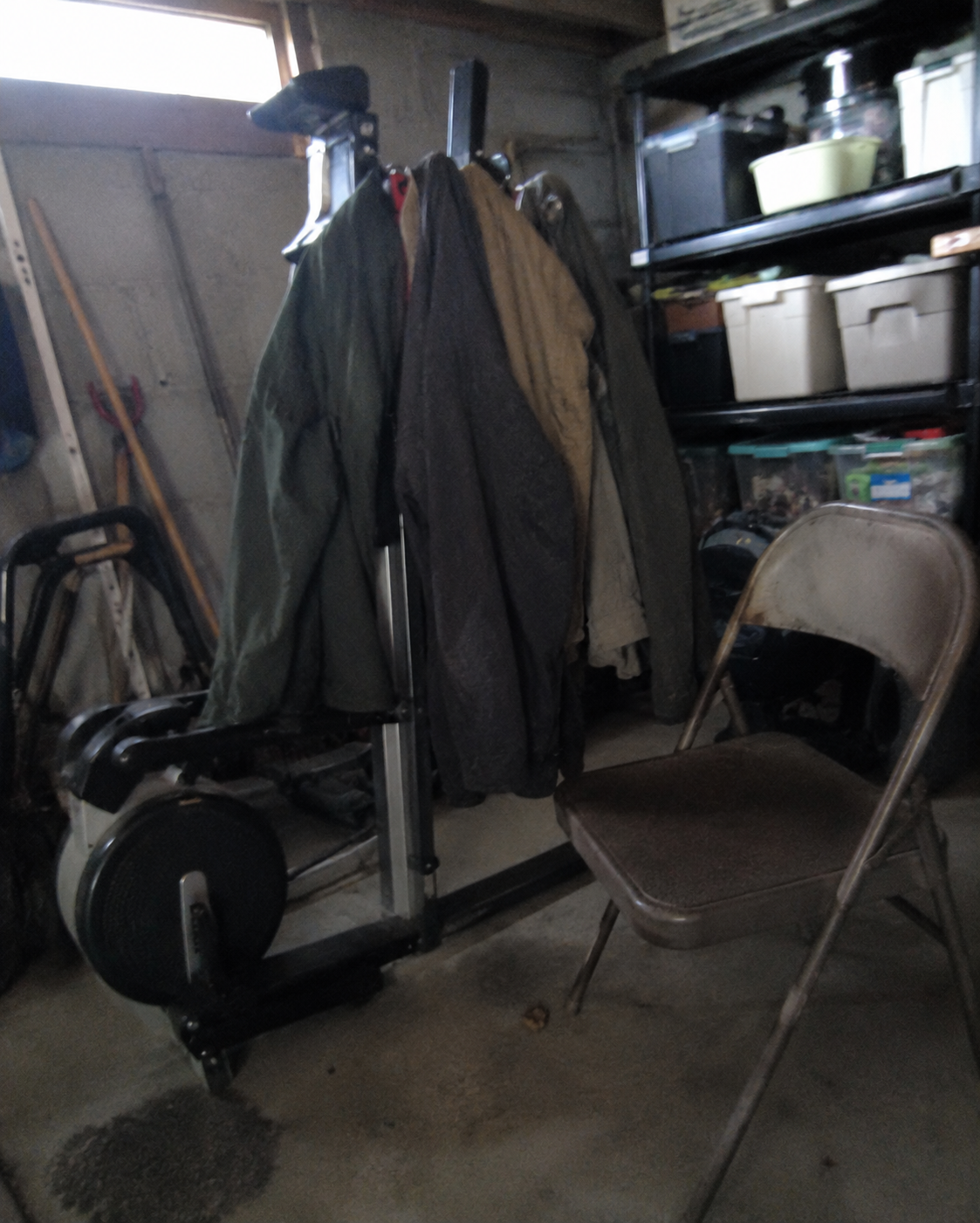
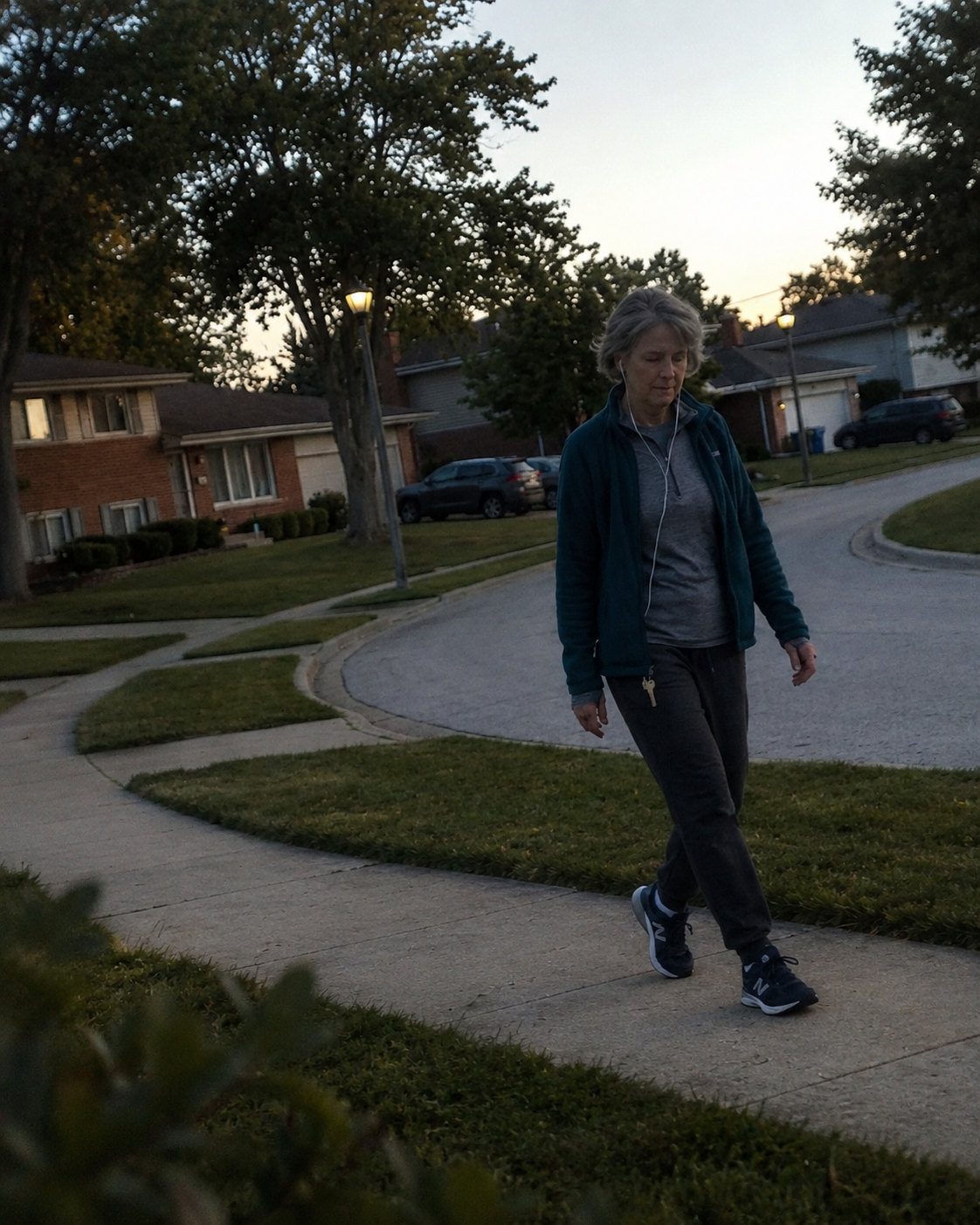
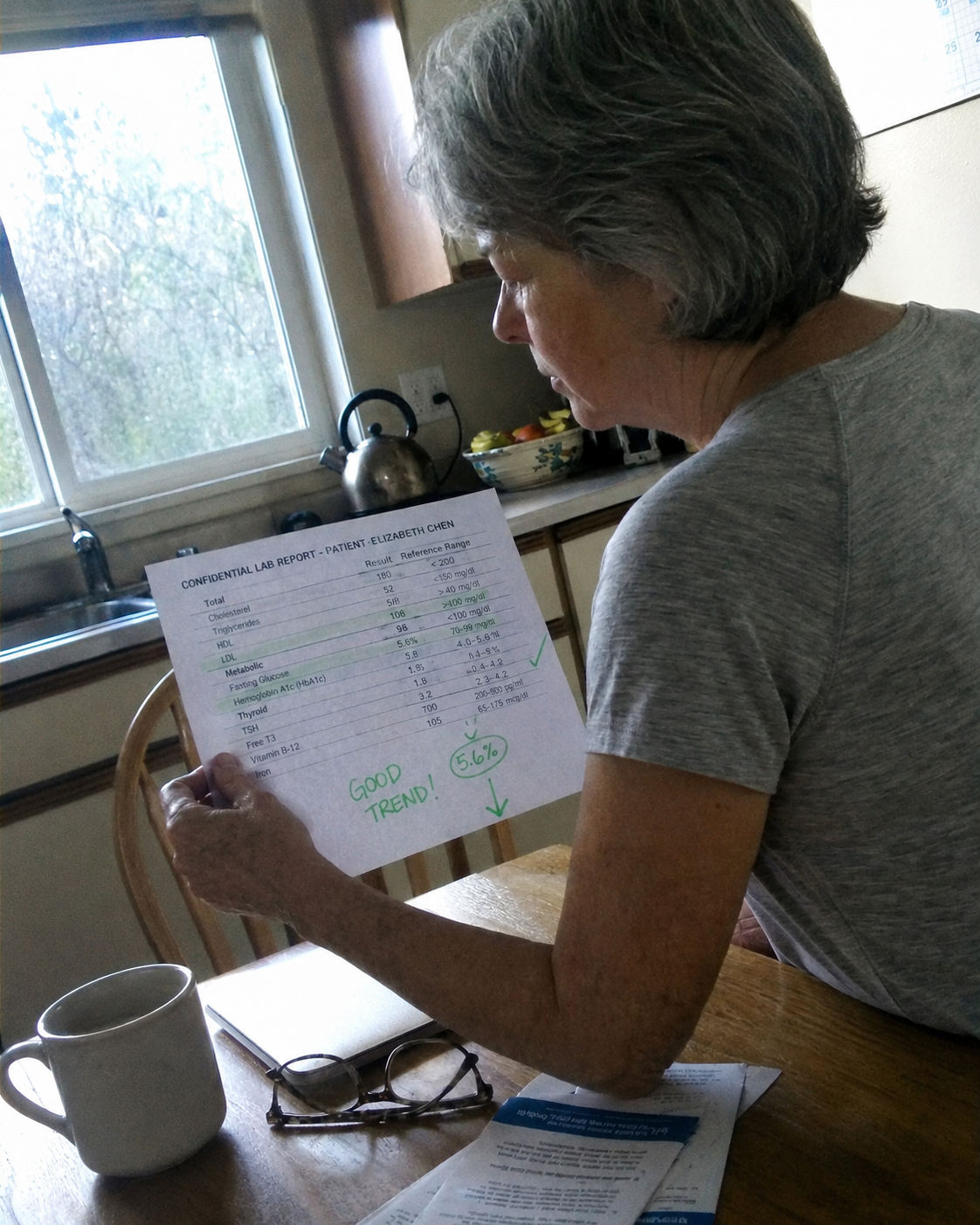
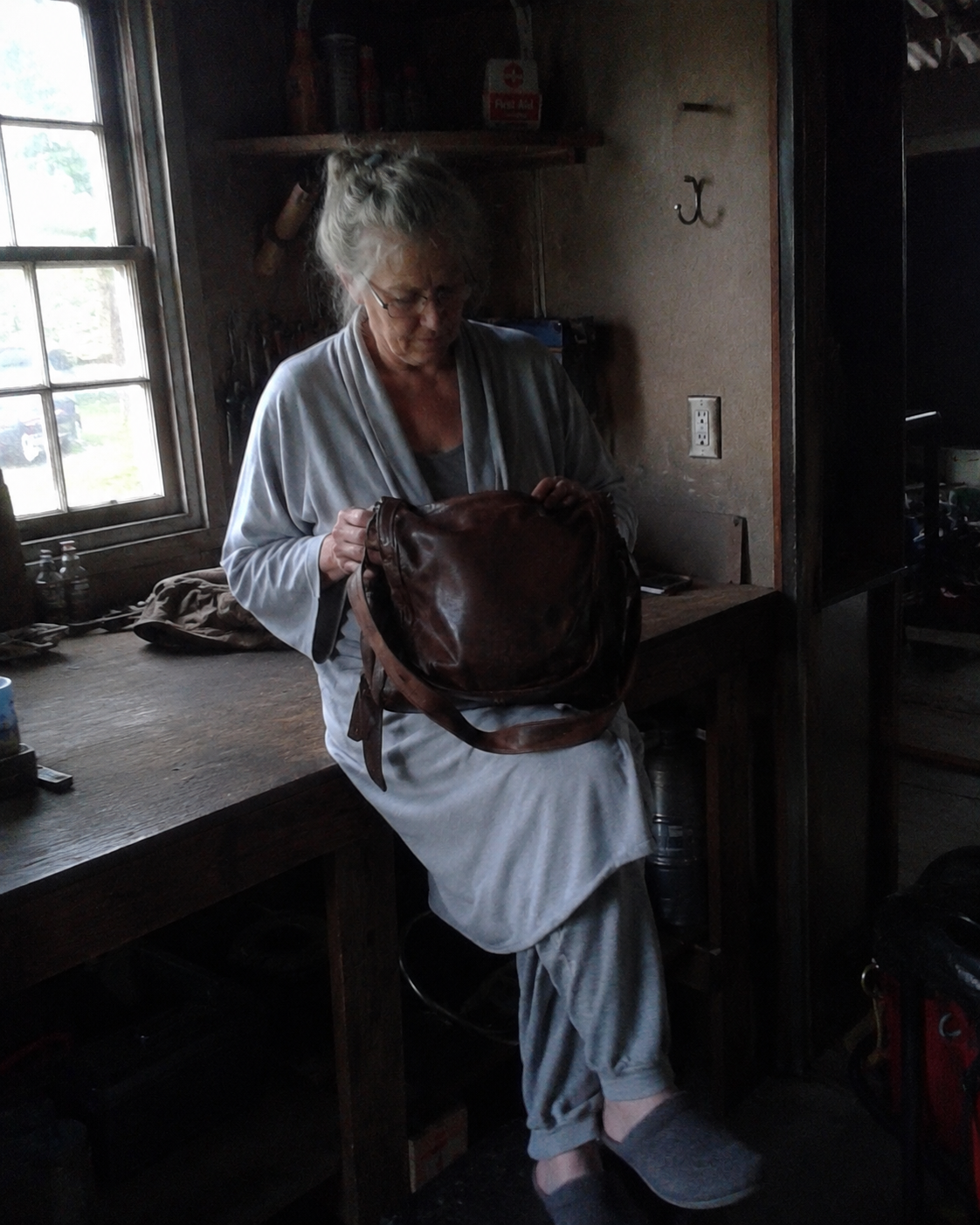
My Brother-in-Law Carried My Cooler Up the Driveway at Our Family Reunion Last July. He Did Not Say a Word. I Did Not Say a Word. I Had Been the Cooler-Carrier in My Family for Thirty-Six Years. I Want to Tell You What That Cooler on the Gravel Meant to Me. I am writing this because my sister called me on a Wednesday evening last month and asked me what I had been doing. She had been at the Labor Day cookout. She had watched me carry the coolers up the driveway myself this time. She wanted to know what had changed. I am writing it down now for her. For Russell. For anyone who has been the body in their family for thirty years and has felt that body quietly stop being able to do the work it had been built to do. I am Rita. I am sixty-four years old. I retired five years ago from twenty-eight years as a residential postal carrier in our town. I am married to my husband Carl for forty-one years. He is sixty-seven. He retired three years ago from running a small auto body shop he had owned for thirty-two years. We have two grown sons. One grandson, one granddaughter. I have one sister, Donna. She is sixty-one. She lives at a small lake about an hour from us. Her husband Russell is sixty-three. He owns a heating-and-cooling business in our town. I want to tell you who I was before I was sixty-two. Because what happened to me at the family reunion last July does not make sense without that. I was a postal carrier for twenty-eight years. I walked a residential route. About six miles a day, six days a week, in all weather, for twenty-eight years. My route bag — the leather satchel the post office gave me when I made permanent in 1992 — weighed thirty-five pounds full. I carried it on my left shoulder. I switched it to my right shoulder when my left shoulder got tired. I switched it back when my right shoulder got tired. For twenty-eight years, my shoulders carried thirty-five pounds for six hours a day, six days a week. I had been a body. I had been the body in my family. I had been the cooler-carrier at every family reunion since 1989. I had been the one who picked up the table when my sister and I moved her into her first apartment after college. I had been the one who carried both kids on my hips at the same time when they were three and one. I had been the one who hauled the Christmas tree up the basement stairs every January for forty years. I had been the body my family knew how to call when something heavy needed lifting. I retired in 2019. I hung my mail bag on a hook in my garage on the last day I worked. I had not touched it since. Two summers ago, around my sixty-second birthday, I started noticing my hands in the morning. Not pain. Just stiffness. The first ten minutes after I got out of bed, my hands felt like they belonged to someone older than I had been. I would stand at the kitchen sink and run warm water over them and they would loosen up and I would forget about it. I did not tell anyone. A few months later, I started buying wide-mouth lids at the grocery store. I did not buy them because I had decided I liked wide-mouth lids better. I bought them because I had been struggling with the regular-mouth ones for a few weeks. I did not say anything to Carl about it. He noticed me buying them anyway. He never said anything about that either. We have been married forty-one years. We have an arrangement about the things we let each other quietly do. By the end of that summer, I was bracing on the back of the kitchen chair when I stood up. I had been doing it without noticing it. Carl had been watching me do it. By the spring of last year, I had been making two trips from the car when I got home from the grocery store. I used to make one trip. I had stopped being able to carry both bags from the trunk to the kitchen without setting one down on the back porch step to readjust. I had been telling myself for two years that this was sixty-two and sixty-three and sixty-four. I had been telling myself this was what came after twenty-eight years of carrying a thirty-five-pound bag on my shoulders in all weather. I had been telling myself I had earned the stiffness. What I had not been telling myself was that the stiffness had been quietly taking parts of my life I had not been willing to give up. The family reunion was at my sister Donna's lake house on the second Saturday in July. We had been doing the reunion at Donna's lake house since she and Russell bought it in 2008. About forty people most years. My side of the family and Russell's side together. I had been the early-arrival person since 1989. I had been the one who showed up at the host's house at 8 AM and started the setup. For sixteen years at Donna's lake house, I had been the one who pulled into her driveway at 8 AM with two coolers in my trunk packed with ice and water and the gallon jugs of iced tea I made the night before. For sixteen years at her lake house, I had been the one who carried both coolers up the gravel driveway to the deck before anyone else had finished their coffee inside. Last July, I pulled into her driveway at 8 AM. I had the two coolers in my trunk. I had my three-year-old grandniece's car seat in the back because I had picked her up from my older son's house on the way. I parked. I got out. I unbuckled the car seat and carried Maya — that is my grandniece — up to the front door. Donna took her inside. I walked back down to the car. I opened the trunk. I put my hands on the handles of the big cooler. Fifty quarts. Packed full of ice and bottled water. The same cooler I had been bringing for sixteen years. I lifted. I could not carry it from the trunk to the deck. I had lifted it. I had it in the air. But my shoulders started shaking before I got it three feet from the car. I set it down on the gravel. I stood there with my hands on my hips and looked at the cooler on the gravel and tried to figure out what had just happened. Russell came out of the house. He had been making coffee in the kitchen. He had seen me through the kitchen window. He had seen me lift the cooler and set it down. He walked down the driveway. He did not say anything. He picked up the cooler. He carried it up the driveway to the deck. He set it down by the railing. He walked back down to the car. He picked up the second cooler. The smaller one. The one with the iced tea. He carried it up too. He set it next to the first one. He walked back down to the car a third time. I was standing by the open trunk. He put his hand on my shoulder. He did not say anything. He squeezed my shoulder once. He walked back into the house. I stood at the open trunk for another minute before I followed him in. Nobody said anything about the coolers the rest of the day. We had the reunion. About forty people. I sat on the deck with Donna for most of the afternoon instead of being on my feet the way I had always been on my feet. Donna had brought me a glass of iced tea around two o'clock and we had sat in two Adirondack chairs at the far end of the deck looking at the lake. She had not asked about the coolers. She had been carrying things at the reunion herself that I would have carried in any prior year. I had been watching her do it. I drove home at 8 PM with Carl. Maya had gone back home with her parents earlier in the evening. I did not sleep that night. I lay in bed next to Carl and looked at the ceiling and tried to be honest with myself for the first time in two years about what I had been pretending not to notice. The stiffness in my hands in the morning. The wide-mouth lids. The bracing on the kitchen chair. The two trips from the car. The cooler on the gravel. I had been telling myself for two years that I had earned the stiffness. A cooler on the gravel and a brother-in-law's wordless hand on my shoulder had told me something different. I had been carrying a body around for two years that had quietly stopped being the body I knew how to live in. I had been pretending it was the same body. The next morning, I went out to my garage. I had not been in my garage in months. Carl had been parking my car for me. Carl had been bringing the trash bins in from the curb. Carl had been doing a lot of small things for me that I had been letting him do. The garage was cool. The light was the early morning gray of a Sunday in July. My mail bag was on a hook on the back wall. I had hung it there on the last day I worked, in October of 2019. I had not touched it since. I walked over to the hook. I took the mail bag down. I held it in my hands. Empty, it weighed about eight pounds. Full, it had weighed thirty-five. I had carried thirty-five pounds on my shoulders for six hours a day, six days a week, for twenty-eight years. Empty, the bag felt heavy in my hands. I sat down on the workbench. I held the empty bag in my lap. I cried in my garage at 6 AM for about ten minutes. I was not crying about the mail bag. I was crying about the cooler. I had been a body. I had been the body in my family that could carry things. I had been pretending I was still that body for two years. A cooler on a gravel driveway had told me I was not. I went inside. I made Carl coffee. I made myself coffee. I sat down at the kitchen table across from him. I told him. I told him about the cooler. I told him about Russell's hand on my shoulder. I told him about the wide-mouth lids and the bracing on the chair and the two trips from the car. I told him I had been pretending for two years. He listened without interrupting. When I was done, he reached across the table and put his hand on my hand. He said: "Rita. I have been watching you. I have been waiting for you to be ready to talk about it." I said: "Carl. I am ready." He said: "Will you call Dr. Mwangi tomorrow?" I said: "Yes, Carl." I called Dr. Mwangi's office on Monday morning. Dr. Mwangi had been my doctor for fourteen years. He was a careful man. About my age. The kind of doctor who reads the chart before he comes in the room and listens for a long time before he speaks. He got me in on Thursday. He ran the full workup. Bloodwork. Blood pressure. EKG. A complete metabolic panel. A thyroid panel. A vitamin D and B12. An inflammation marker. Everything came back unremarkable. He sat down with me at the follow-up the next week. He said: "Rita. Your numbers look fine. I do not see anything on the panel I would flag." He paused. He said: "What you are describing is real. It does not show up here. What I see in a lot of women in their early sixties who have done physical work for decades is a layer of cardiovascular and cellular wellness that the standard panel is not built to capture. The body's natural antioxidant balance. The body's natural circulation. The body's natural cellular function. The layer underneath the lifestyle layer. It quietly thins with age. It is not a disease. It is not something I would put you on a medication for today. It is real." He gave me the standard advice. Keep walking. Keep eating well. Keep sleeping. He told me he wanted to see me again at my annual physical in February. I drove home from the appointment. I sat in my driveway for a long time before I went inside. I am going to skip the part where I read for a month. Most evenings at my kitchen table after Carl went to bed, with my laptop and a notepad and my mail bag on the chair next to me. I had kept the mail bag on a chair in my kitchen since the morning in the garage. I do not know exactly why. It just felt like the right place for it. I read carefully. I am a postal carrier's daughter. My father carried for thirty-one years before me. I had grown up watching him take his own body seriously. I knew how to do the homework. Here is the short version of what I concluded. There was a layer of cardiovascular and cellular wellness that the standard tests did not have a tool for. The body's natural antioxidant balance. The body's natural circulation. The body's natural cellular function. The layer underneath the lifestyle layer. That layer quietly thins for women in their sixties, especially women whose bodies have been doing physical work for decades. Not because anything is broken. Because the body that supported itself effortlessly at thirty does not support itself the same way at sixty-four, no matter how many years of route-carrying it has under it. The most researched ingredient I kept finding in the wellness-layer category was beetroot. Beetroot had been studied for decades for cardiovascular wellness. The active compound — the betalains, the deep red pigment in the root — supported the body's natural antioxidant balance, supported healthy circulation, and supported the body's natural cellular energy. It was not a treatment for anything. It was support for a layer. I read about the different forms beetroot was sold in. The active compound is delicate. Sensitive to heat. Most processing methods are fast and warm because that is cheaper and easier. Cold-pressing at low temperatures preserves the active compound in a way that faster, hotter methods do not. I read about a small company called Rosabella. They cold-press their beetroot at low temperatures. I looked at the photographs of their capsules. The capsules were a deep, dark crimson. That color is the betalains. That color is what tells you what made it through the processing intact. Before I ordered anything, I called Dr. Mwangi's office. I told the nurse I had been reading about a beetroot supplement called Rosabella, and I wanted to make sure Dr. Mwangi was comfortable with me adding it before I started. The nurse called back the next afternoon. She said: "Dr. Mwangi says it is a sensible thing to add. There is good research on antioxidant support for cardiovascular wellness for women your age. Add it to what you are already doing. Don't change anything else. Come back at your next visit." I ordered my first bottle that evening. I started taking it the following Monday. Two capsules with a glass of water in the morning. I did not change anything else. I want to tell you what I noticed over the next eight weeks. I am not going to make a claim about what caused what. I am going to tell you what happened in the order it happened. The first thing was the jar. About two weeks in, on a Wednesday evening, I was making spaghetti. I went into the pantry. I took down a jar of pasta sauce. It was a regular-mouth jar. I had grabbed it by mistake. I had been buying the wide-mouth ones for over a year. I was already at the kitchen counter holding it. I tried it. I twisted the lid. It came off in my hand. I stood at the kitchen counter holding an open jar of pasta sauce and tried to remember when the regular-mouth lid had stopped being something I could open and when it had become something I bought a wider one to avoid. I could not remember. I dumped the sauce into the pan. I did not say anything to Carl about it. I just made the spaghetti. I noticed. About a week after that, I came home from the grocery store on a Saturday morning. I had three bags in the trunk. Two heavy ones with the cans and the bottles, one light one with the bread and the produce. I had been making two trips for over a year. That Saturday I picked up all three bags at the same time. I carried them from the trunk to the kitchen counter in one trip. I set them down. I stood at the counter for a moment. I had not made one trip with my groceries in a long time. Carl had been on the front porch reading the paper. He had heard me come in. He came in the back door. He said: "Rita. Are you all done?" I said: "Carl. I am all done. I did it in one trip." He looked at me. He did not say anything. He kissed me on the side of my face. He went out to the garage to put my Maya car seat back where it lived. I unpacked the groceries. About a month in, on a Tuesday morning, I stood up from the kitchen chair without bracing on the chair back. I noticed it about three seconds after I had stood up. I had been bracing on the chair back for a year and a half. I stood at the kitchen counter and tried to think about when I had stopped bracing. I did not know. I had been doing it for a year and a half. I had stopped doing it sometime in the last week. I did not say anything to Carl. I did not want to draw attention to it in case drawing attention to it broke something. I just noticed. About six weeks in, I went out to my garden. I had let it go for two years. The perennial beds had been overrun with weeds. The two beds I had been most proud of — the one with the irises and the one with the peonies — had been the worst. I went out with my gloves and a kneeler and a bucket and I worked in the iris bed for three hours that Saturday. I came inside at four. I was tired the way you are tired after working in a garden, not the way you are tired the rest of the time. I sat on the back porch with a glass of water. Carl came out and sat with me. He said: "Rita. The bed looks good." I said: "Carl. It is going to look better." I went back out the next Saturday and did the peony bed. By Labor Day, both beds were back. The Labor Day cookout was at Donna and Russell's lake house. About twenty-five people that weekend instead of forty. Smaller gathering. Just the two families. I pulled into Donna's driveway at 8 AM. I had two coolers in my trunk. The same two coolers I had brought in July. I had Maya's car seat in the back because I had picked her up from my older son's house on the way again. I parked. I got out. I unbuckled the car seat. I carried Maya up to the front door. Donna took her inside. I walked back down to the car. I opened the trunk. I put my hands on the handles of the big cooler. I lifted. I carried it from the trunk to the deck. I set it down by the railing. I walked back down to the car. I picked up the second cooler. I carried it up too. I set it next to the first one. Russell was in the kitchen making coffee. He had seen me through the kitchen window. He did not come out. I walked into the house. He was at the counter pouring water into the coffee maker. He looked up when I came in. He did not say anything. He smiled at me a small amount. He went back to the coffee. I went over and hugged him from the side. He put one arm around my shoulders without setting down the coffee carafe. He said, quietly: "Welcome back, Rita." I said: "Thank you, Russell." I let him go. I went out to the deck to help Donna set up the tables. That was the whole exchange about the coolers. Nobody else at the cookout that day knew about the cooler on the gravel in July. Donna did not know yet either. I had not told her. She had been watching me carry both coolers up the driveway from the kitchen window, the same way Russell had watched in July. She had not said anything either. She had handed me a glass of iced tea around eleven and said: "Sister. I am glad to have your help today." That had been the entire conversation about it. She called me the following Wednesday evening. She said: "Rita. What did you do?" I told her everything. About the morning in the garage. About the mail bag on the chair in the kitchen. About Dr. Mwangi. About the reading. About the Rosabella. About Carl's hand on my hand at the kitchen table the morning after the reunion. She listened to all of it. When I was done, she said: "Rita. I have been carrying my own version of what you were carrying. I have not been telling Russell." I said: "Donna. Will you call your own doctor?" She said: "I will call her tomorrow." She called. Her doctor said the same thing Dr. Mwangi said. She started Friday. I went back to Dr. Mwangi at my annual physical in February. He ran the bloodwork. Took my blood pressure. Listened to me describe the last few months. He sat back in his chair. He said: "Rita. Your numbers are in the best place they have been in years. Whatever you have been doing, keep doing it." I told him about the cooler. About the jar. About the garden. About Labor Day. He smiled. He said: "Rita. I am so glad." He did not say anything else. He did not need to. I want to be careful here. I am not a doctor. I am not in healthcare. I am one sixty-four-year-old retired postal carrier who could not carry a cooler up her sister's driveway last July and who watched her brother-in-law carry it for her without saying a word. I do not know for certain that the Rosabella was responsible for what changed. I know what I was doing before. I know what I added. I know what has happened over the last few months. I know the timing. I also know I am sixty-four and I am going to keep aging, and there will come a day when no supplement will hold back the slow turning of the years. There will come a day when Russell will carry the cooler again, and I will let him, and I will be at peace with that. I am not pretending otherwise. What I am telling you is what I tried. What I noticed. What my doctor said about it. That is all. If you have been a body for thirty years — a postal carrier, a contractor, a nurse, a farmer, a teacher who stood on her feet all day, a mother who carried two kids on her hips at the same time — and you have been quietly handing your loads to someone else for a year or two, and you have been telling yourself you have earned the handing-off, here is what I would say. Talk to your doctor. Get a workup. Rule things out. If everything comes back fine and the standard answer is keep walking and keep sleeping, ask the doctor about adding one more thing in the additive layer. If the doctor agrees it is a sensible thing to add, add it to what you are already doing. Do not subtract anything. Do not change anything else. Give it a few weeks before you decide anything. Bodies are different. Some people notice something within the first week or two. For me, the first thing I noticed was the regular-mouth jar of pasta sauce around the start of week two. That is the whole story. P.S. Russell did not say anything to me about either cooler at Christmas this year. He never has. We had Christmas at our house this year. Donna and Russell drove over. Russell brought a small wrapped package and set it under the tree with my name on it. I opened it on Christmas morning. Inside was a hand-tooled leather strap. The kind a mail carrier might use to put across a heavy bag so the weight rides better on the shoulders. Russell had not signed the card. I knew it was from him anyway. I held it in my hands at the kitchen table on Christmas morning and I cried a little. Carl knew not to say anything. Donna and Russell had gone out for a walk down the block while Carl and I cleaned up after breakfast. When they came back in, I went over to Russell at the front door. He was hanging up his coat. I hugged him. I said: "Russell. Thank you." He hugged me back. He said: "Welcome home, Rita." That was the whole exchange. It was enough. P.P.S. Here is what I would tell you to do if you are thinking about trying it. Check with your doctor or pharmacist first. That is the most important step. Then take two capsules with a glass of water in the morning. Do not change anything else. Just add this. Give it a few weeks before you decide anything. Some people notice something within the first week or two — a jar that opens without thinking, a trip from the car that becomes one trip again, a chair that does not need bracing. Others take longer. Be patient with your body. P.P.P.S. Rosabella has a 90-day money-back guarantee. If you are not satisfied for any reason, every penny back. No questions asked. That is a sensible policy for a supplement. It gives you time to actually see whether it helps. P.P.P.P.S. Rosabella is a small operation. They harvest and bottle on their own schedule. I keep an extra bottle in the house just in case. Carl started taking it about two months after I did. He called his own doctor first. His doctor said the same thing Dr. Mwangi said. Sensible thing to add. Donna has been taking it since September. She told me last week she had carried both Christmas trees in from the curb in one trip last weekend. She said: "Rita. I had not done that in three years." I said: "Donna. I know." The mail bag is still on the chair in my kitchen. I do not know if I will ever put it back on the hook in the garage. I think I might leave it on the chair. It is a good reminder of what a body can carry, and of what a body cannot, and of who in your family will walk down a driveway in July without saying a word when your body has stopped being able to do the work it had been built to do. That is how this works. One cooler at a time. One driveway at a time. One hand on your shoulder at a time. https://track.tryrosabella.com/8ae97cac-2146-42d6-af75-de0e59d15644 Individual experiences vary. These statements have not been evaluated by the FDA. This product is not intended to diagnose, treat, cure, or prevent any disease.
Support stamina and heart health every day
LEARN MORELike this ad? Make it yours.
Crush rebuilds this exact creative around your product — your brand, your colors, your offer — in about a minute.