
Inactive· since May 26, 2026
- 19
- days it ran
- 0
- relaunches
Ad copy
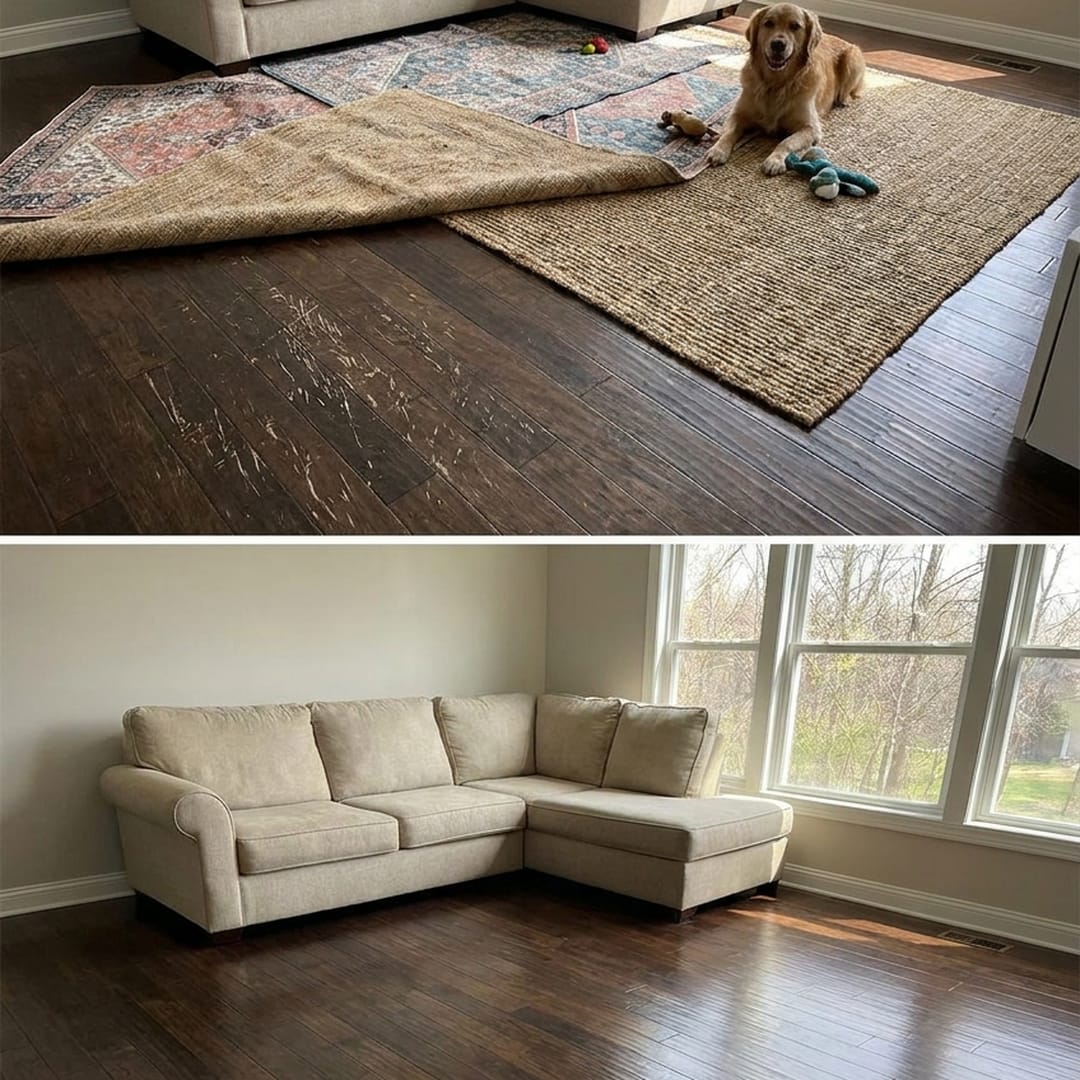
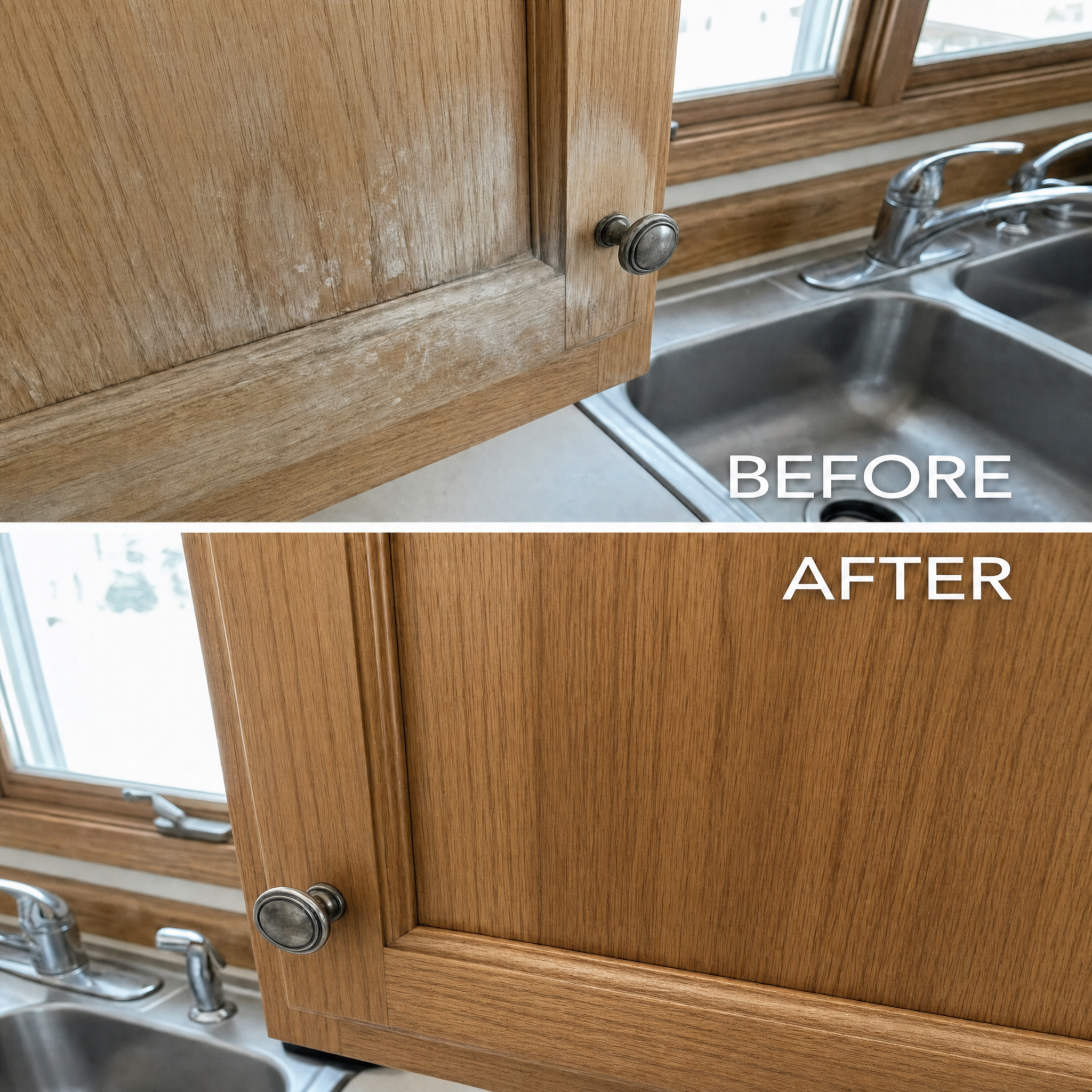
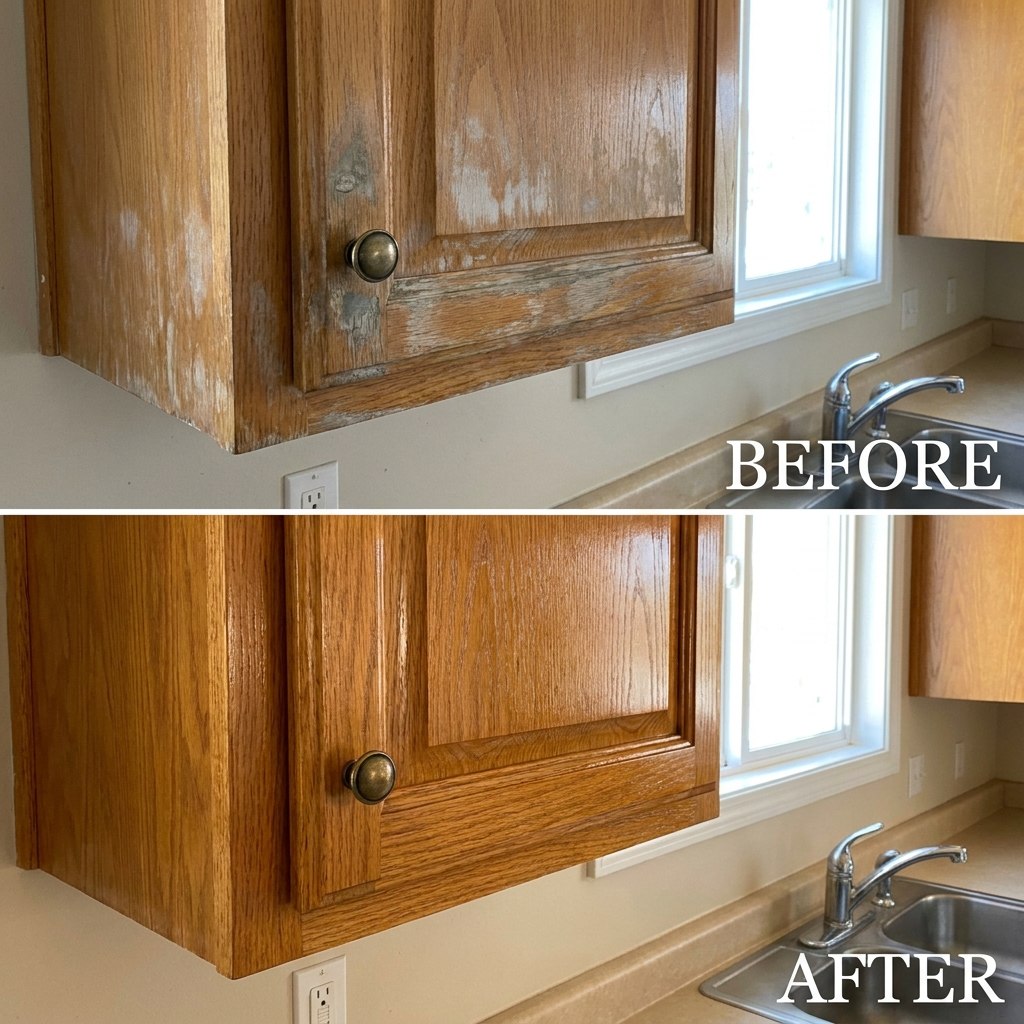
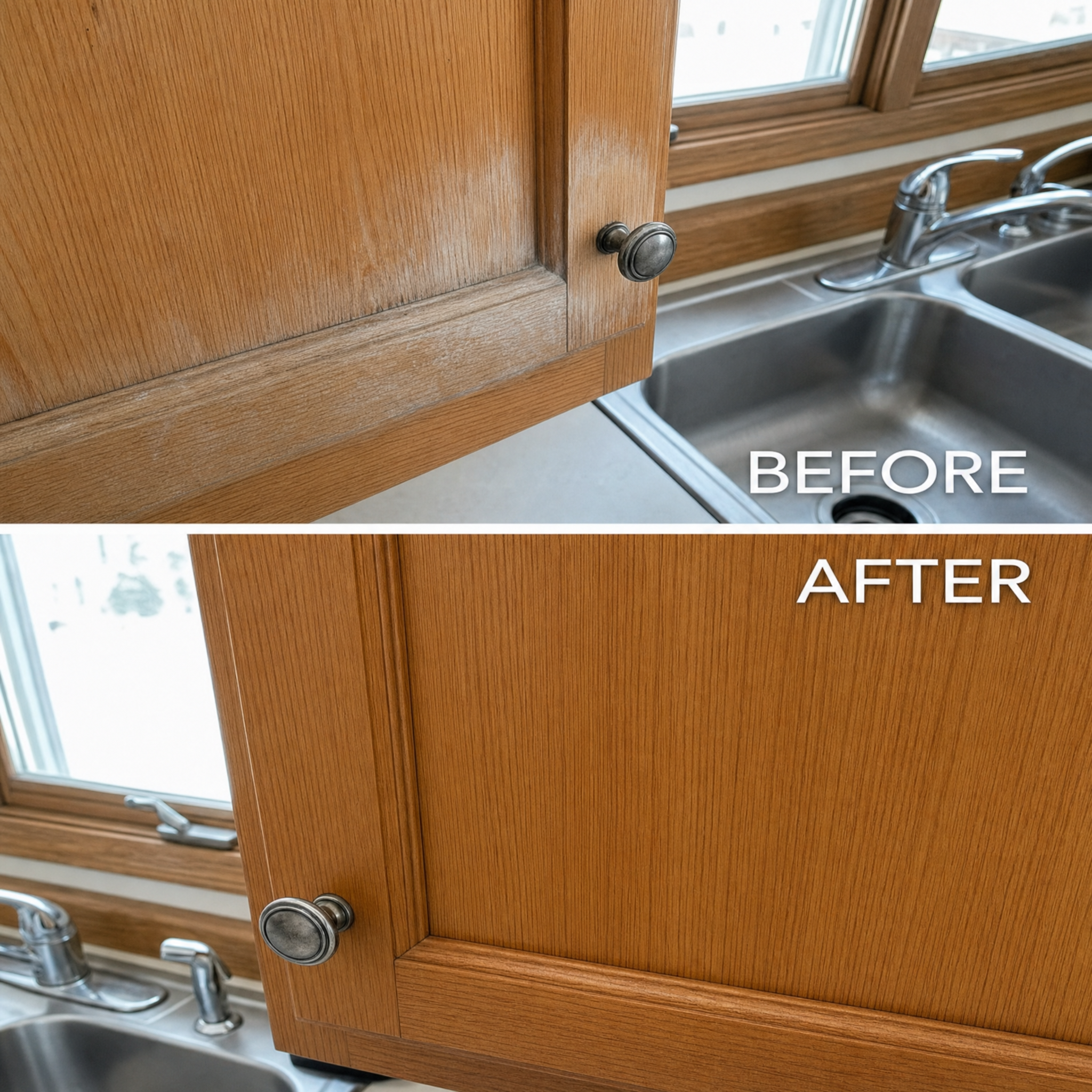
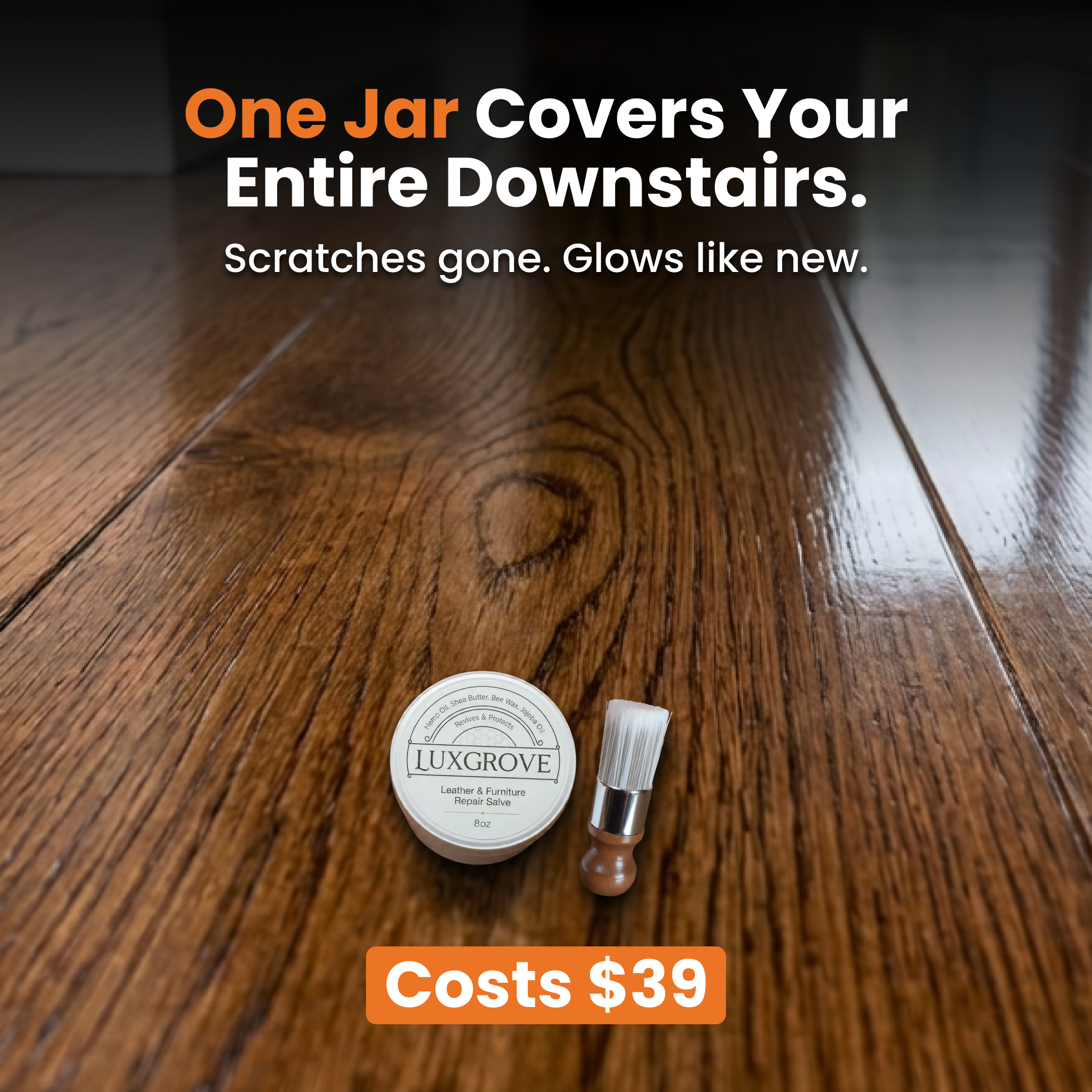
She pulled back three area rugs and showed me what her golden retriever had done to $4,200 hardwood floors. Scratch marks in every direction. White lines across dark walnut stain. Six months of damage. Six products that didn’t last a week. She thought she needed another $4,200 refinish. She didn’t. Here’s what I told her. I’ve been refinishing hardwood floors for 19 years. The single most common call I get goes like this: “We just got a dog. Our floors are destroyed. How much to refinish?” The answer is usually $3,000 to $5,000. Most people go silent when I say that number. Then they ask: “Is there anything else I can do?” That’s how I met Rachel. Rachel had just spent $4,200 refinishing the hardwood floors in her new house. Dark walnut stain. Three coats of poly. Eight months of being the most beautiful thing in the home. Then she brought home a golden retriever puppy named Winston. She doesn’t regret the dog. Not for a second. She’ll tell you that immediately. But within 48 hours — TWO DAYS — there were scratch marks in the hallway. Within a week, every room looked like someone had gone at the floor with a fork. Eight months of waiting for those floors. $4,200. Gone in the time it takes a ten-week-old puppy to figure out his legs. Her husband hadn’t said anything about the floors in months. Which was worse than if he had. By the time she called me, she’d already tried to fix it herself. When I got to her house, she had area rugs covering the hallway, the living room, and the entryway. $300+ in rugs hiding $4,200 in floors. She pulled back the hallway rug. Scratch marks everywhere. White lines against the dark stain. Every direction the dog had run. Then the living room. Worse. Especially around the corners where he skids. I knelt down and ran my fingernail across a few scratches. “These are surface scratches,” I said. “Your dog scratched the finish. Not the wood. You don’t need to refinish these.” Her whole body relaxed. “But I’ve tried everything—” “Tell me.” “Brown colored pencil. YouTube said it was a mover’s secret weapon. I spent an evening on my hands and knees coloring in scratches. I’m a 34-year-old woman coloring my hardwood floor with a pencil. That was my low point.” “Looked fine until I mopped. Every single line wiped right off.” “Rejuvenate markers. Twelve colors. Half dried out in the package. The ones that worked left brown streaks you could see every time the sun hit the floor. Like someone had taken a Sharpie to my hardwood.” “Old English. Dark wood. Spent an entire Saturday on my knees. The floors looked incredible and I almost cried happy tears.” She paused. “Five weeks later every scratch was back. Every single one. Like the Old English just disappeared.” “Because it did,” I said. “It’s mineral oil. It evaporates.” “Then Rejuvenate floor restorer. The big bottle with the mop pad. Left a milky haze across my entire hallway. Four hours on my hands and knees scrubbing it off with hot water. Scratches still there underneath. And now the floors looked WORSE.” “Then a wax kit from Amazon. Filled the scratches for about a week. Then every groove turned into a little gutter full of dog hair and dust. Dirty scratches. That’s what I had now. Dirty scratches.” “Then the walnut trick from TikTok. Thirty seconds of looking slightly darker. Next morning, nothing. Just oily floors.” She looked down at the rug in her hands. “That’s when I stopped trying and started covering.” Six products. Months on her hands and knees. Over $80. And every scratch still right where Winston put it. She used to joke that they can’t have nice things. Except she wasn’t joking anymore. I hear this story three times a week. Different house. Different dog. Same products. Same failures. Same rugs. The reason is always the same. Every product Rachel tried was designed to add COLOR to the scratch. Pencils. Ink. Tinted oil. Pigmented wax. All trying to make the scratch the same shade of brown as the floor around it. Every single one solving the wrong problem. Because a scratch on finished hardwood isn’t a color problem. I showed Rachel something I show every dog owner who calls me. “Do me a favor. Lick your thumb and run it across that scratch.” She gave me a look. “Just do it.” She knelt down. Wet her thumb. Ran it across a scratch in the hallway. She froze. “It’s gone.” “Keep watching.” Five seconds. The scratch started coming back. Ten seconds. Fully visible again. “Your thumb didn’t add any color. Nothing brown. Nothing tinted. But the scratch completely disappeared. For ten seconds, that scratch didn’t exist. Why?” She looked up at me. “Because the scratch is full of air,” I said. “When your dog’s nails scraped the poly, they created tiny grooves. Air filled those grooves. And air catches light differently than the smooth finish around it. That white line you’ve been staring at for six months? That’s not damage. That’s air.” “When you wet it, the water pushed the air out. Light moved through smoothly again. Scratch vanished.” “Then the water dried. Air came back. Scratch came back.” She sat on the hallway floor. Quiet for a few seconds. “So the colored pencil was adding color on top of air.” “Yes. And the first mop washed the color off. Air was still there.” “The markers were ink on top of air.” “Yes. No protection. No penetration. Just pigment on the surface.” “The Old English was oil that evaporated.” “Yes. Mineral oil gets in but can’t stay. No seal. On a floor that gets walked on and mopped, it’s gone in weeks.” “The wax was sitting on top of the air.” “Bridging over it. Not filling it. And collecting every piece of dirt and dog hair that crossed it.” “And the walnut was just... temporary oil.” “Same as your wet thumb. Gone by morning.” “I spent six months trying to color away air.” “You and everyone else who’s called me this year.” “So what works?” I went to my truck and came back with a small tin. “Two things have to happen at the same time. An oil thin enough to wick INTO the scratch and replace the air. And a wax that seals the surface after the oil penetrates — so it doesn’t get mopped away or worn off by feet.” “Oil goes in. Wax seals on top.” “Old English was oil without wax. Evaporated.” “The wax kit was wax without oil. Sat on top.” “This salve does both. Hemp seed oil and jojoba penetrate into the scratch. Beeswax and shea butter seal it from the top. On floors, that seal is everything. Without it, every mop and every shoe strips the repair away.” “And there’s no dye in it.” She looked skeptical. “No color? On a dark walnut floor?” “Remember your thumb. No color. Scratch disappeared. The oil fills the air gap, light passes through smoothly, the scratch becomes invisible. Doesn’t matter if the floor is light maple or dark walnut. You’re not adding color. You’re replacing air.” I knelt down and applied a small amount to about a two-foot section of the hallway. Rubbed it in. Let it sit. Buffed it off. Rachel got on her hands and knees and put her face inches from the floor. “Where did they go?” She ran her hand across the treated section. Then across the untreated section next to it. “How is this the same floor?” “It was always fixable. The hard part was getting past what the internet told you to put on it first.” “And this holds up to mopping? Foot traffic? Dog nails?” “The wax seal protects the oil. Touch up high-traffic areas once a month — hallway, entryway, wherever Winston runs. Five minutes.” She ordered two jars that night. Two days later, a text with a photo. The hallway. No rug. Every scratch gone. “Did the hallway, living room, entryway, and kitchen in one afternoon. Every rug is in the garage.” A week later: “Husband walked in and said ‘Where are the rugs?’ Told him I fixed the floors. He said ‘You refinished them?’ I said ‘Nope. $34 jar.’” He actually got on his knees and looked. First time he’d looked at the floors in months. First time he didn’t have to pretend he wasn’t bothered. A month later: “Winston still runs through the house every day. Few new light scratches in the hallway. Five-minute touch-up. Gone. Just part of the routine now.” That was four months ago. She hasn’t called me to refinish. I’m sharing this because three times a week I hear: “We got a dog. Our floors are ruined. How much to refinish?” Most of the time, the floors aren’t ruined. Surface scratches in the finish. White lines that look terrible but haven’t touched the wood. And by the time they call me, they’ve spent months on products that add color to an air problem. You don’t need a $4,200 refinish for surface scratches. You don’t need to choose between “call a professional” and “buy more rugs.” You need something that gets INSIDE the scratch instead of sitting on top of it. Oil goes in. Wax seals on top. No color needed. That’s 19 years of floor work in one sentence. Linked below. I don’t sell it. I don’t get paid for this. I recommend it because every homeowner I send home with this jar doesn’t call me back for a $4,200 refinish over scratches that could’ve been fixed in an afternoon. Hemp seed oil. Jojoba. Shea butter. Beeswax. Vitamin E. No chemicals. No dye. No fumes. Safe around dogs, kids, and bare feet. https://getluxgrove.com/pages/wood-1-rafid-scratch P.S. Already tried markers or Old English on your floors? Don’t panic. Clean the residue with a damp cloth. Apply the salve to the clean scratches. The failed products are sitting on the surface — they come off. The scratches underneath are almost always fixable. P.P.S. Do the wet thumb test right now. Any scratch. If it disappears when wet and comes back when dry — it’s air, not damage. You don’t need refinishing. You need this.
Like this ad? Make it yours.
Crush rebuilds this exact creative around your product — your brand, your colors, your offer — in about a minute.