
Active· since Jun 4, 2026
- 106
- days running
- 0
- relaunches
Ad copy
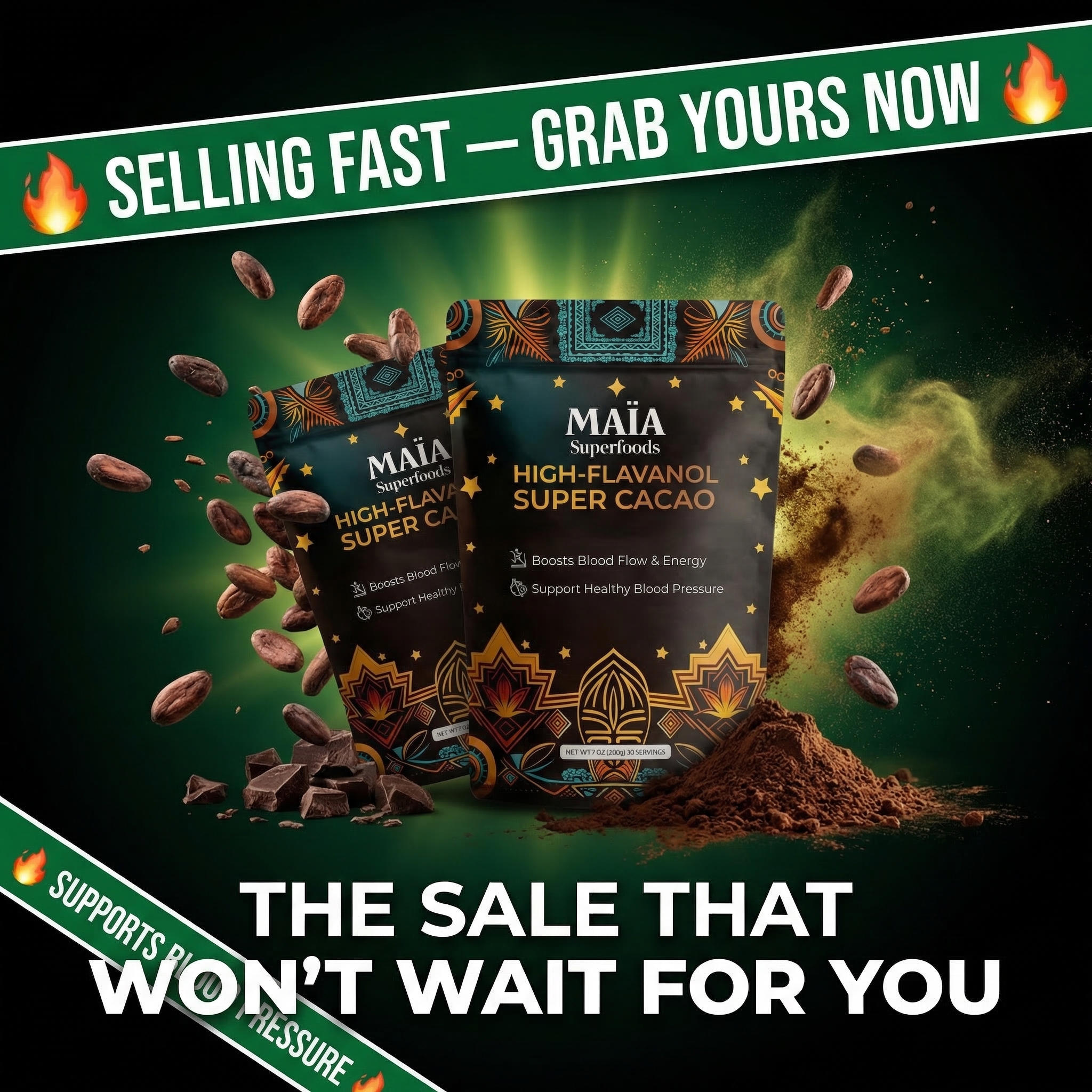
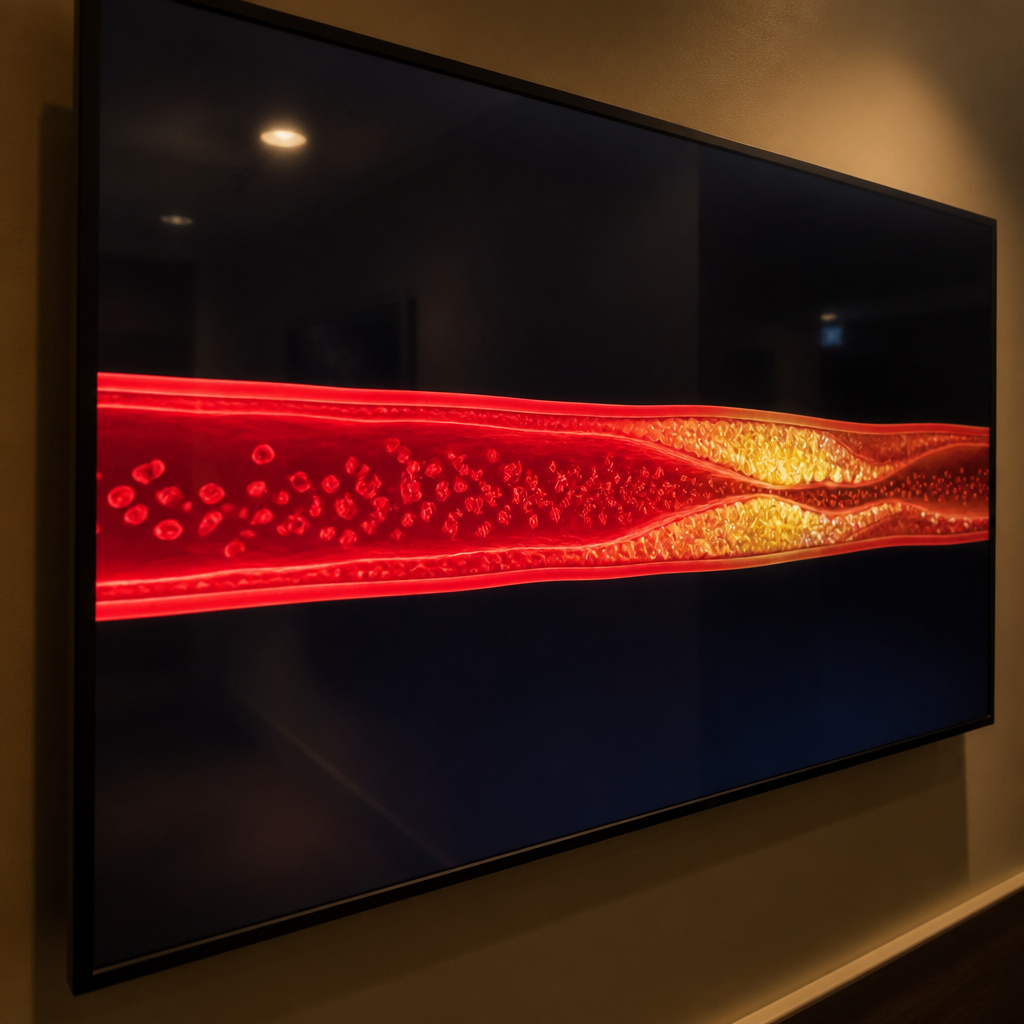
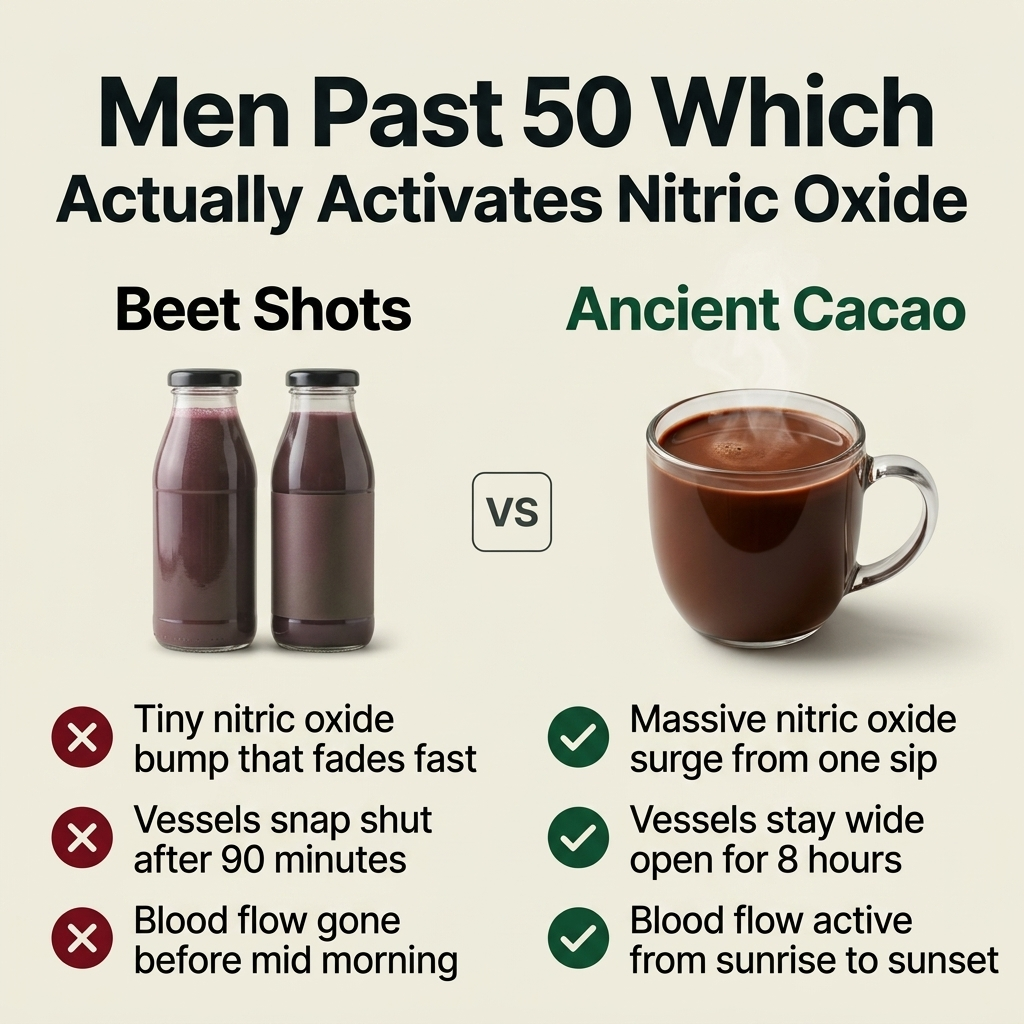
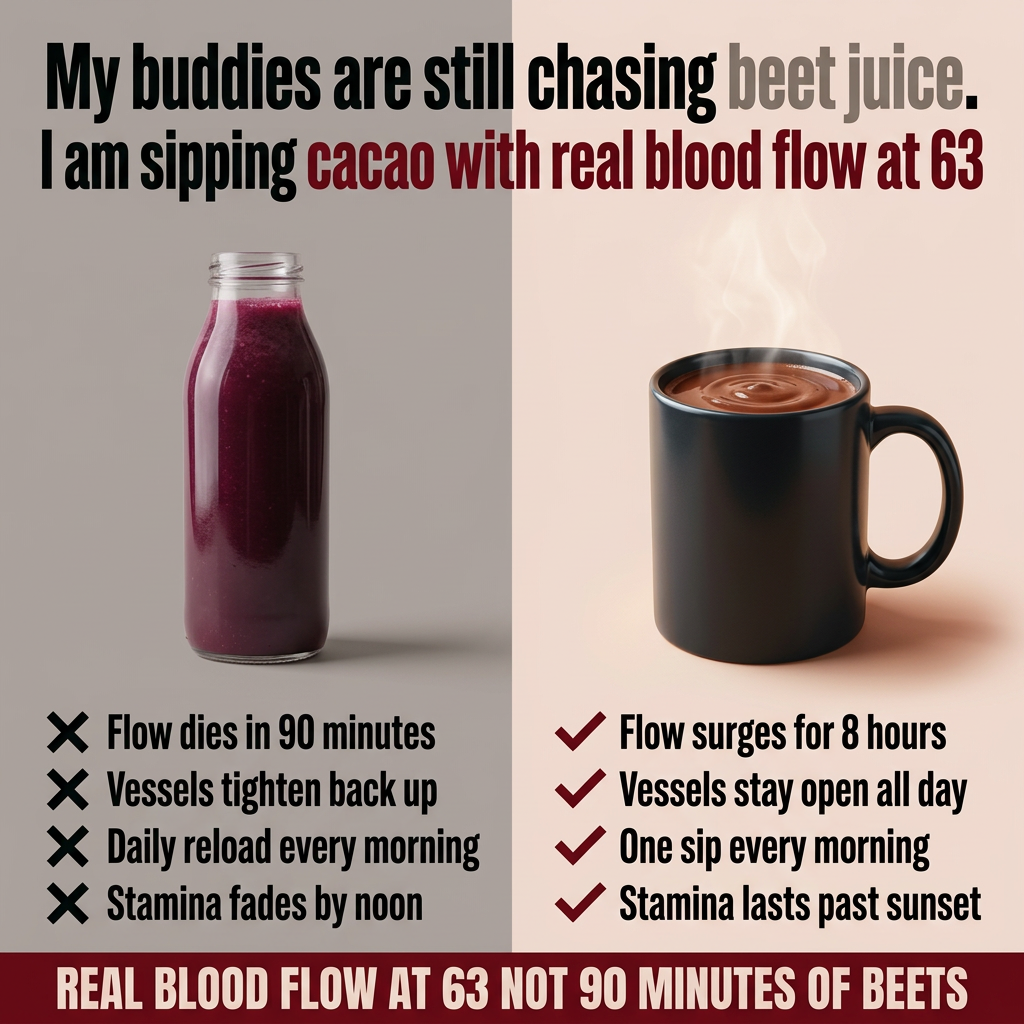
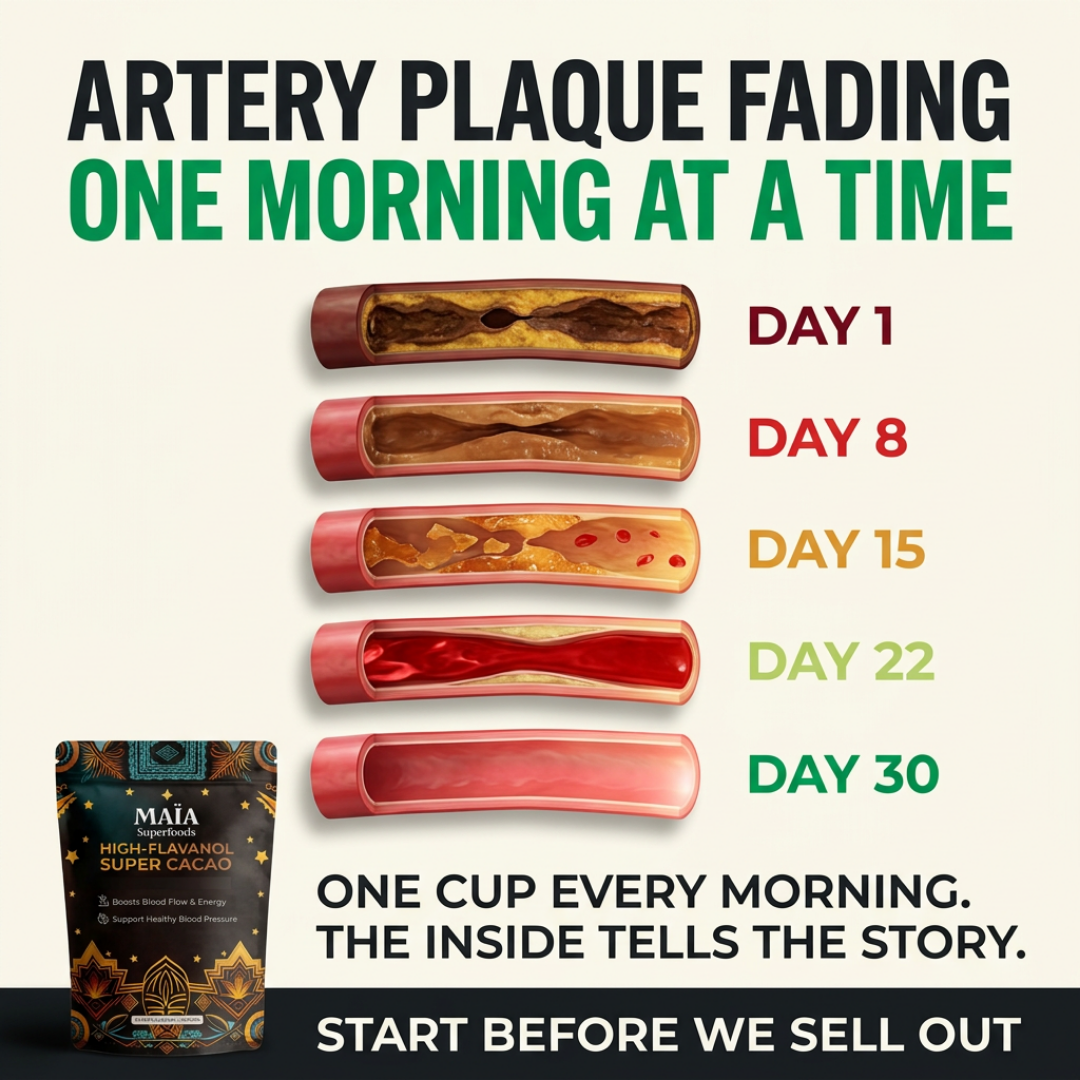
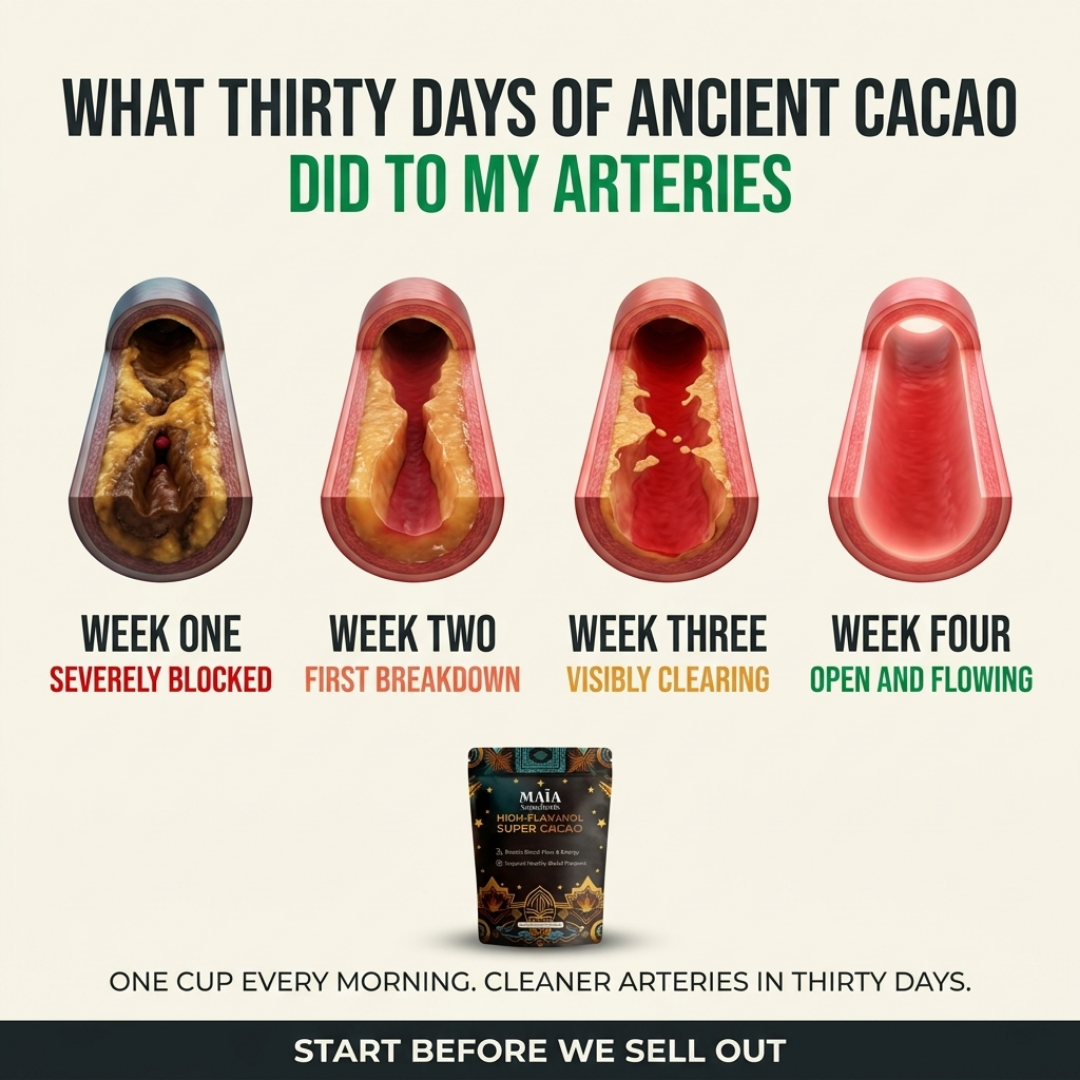
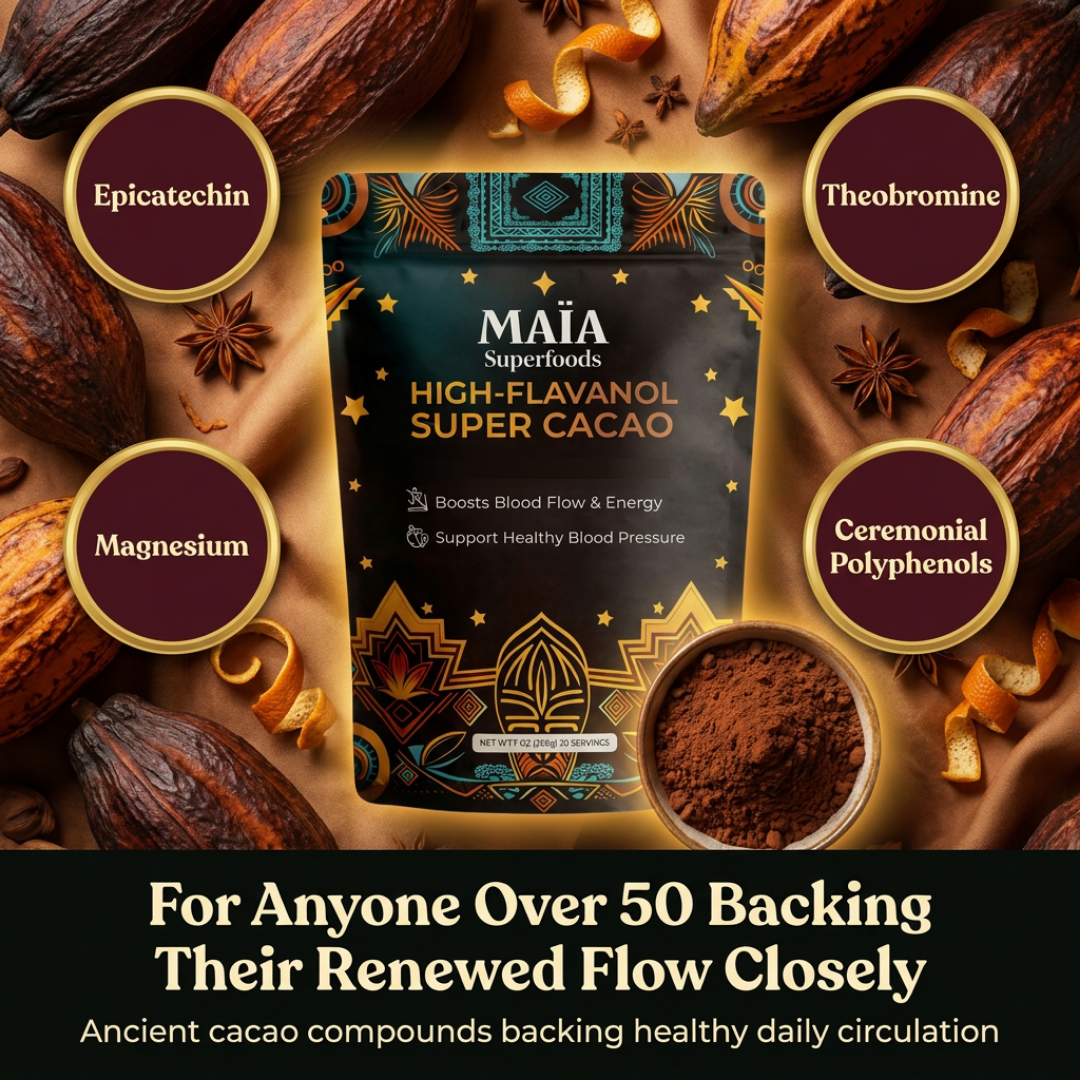
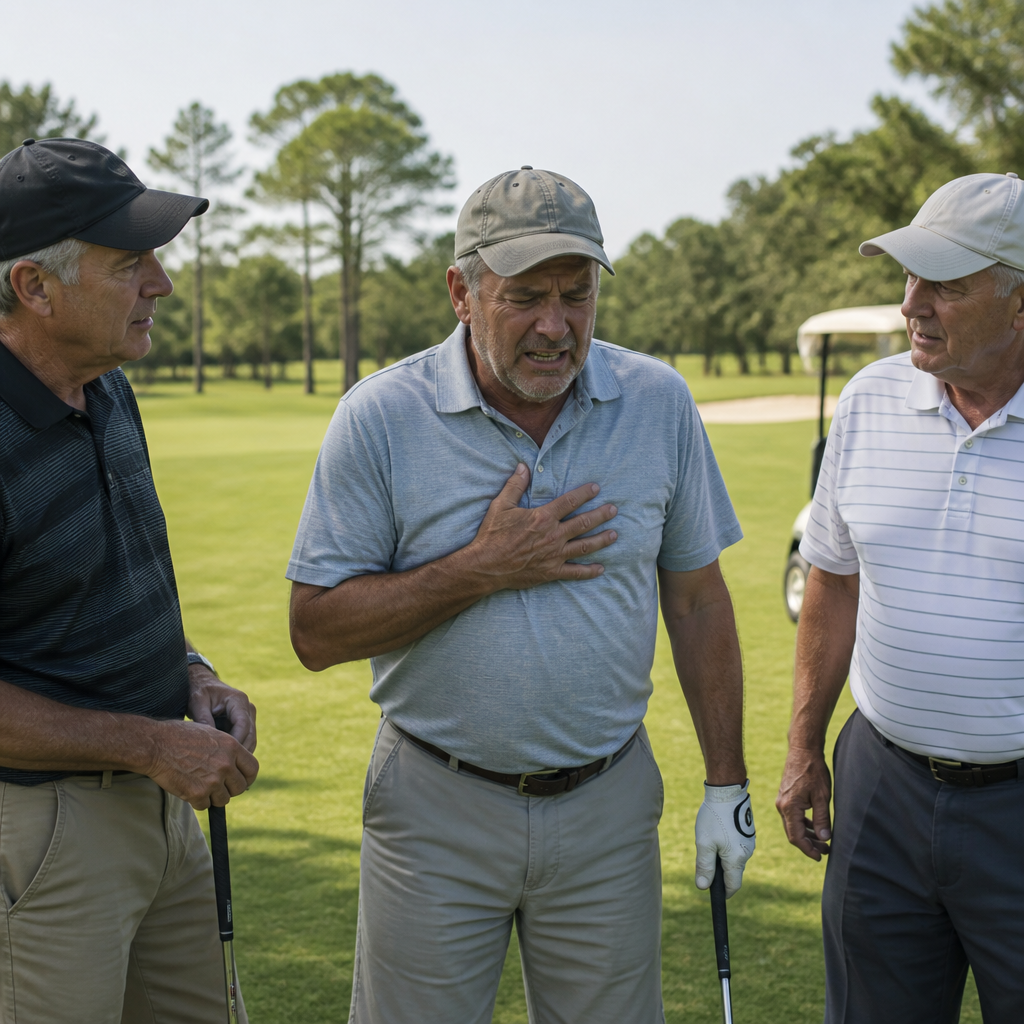
My artery plaque made me quit the golf course I had played every Saturday for 26 years. I gave back my locker key on a Tuesday morning in October. I drove there in my truck. I sat in the parking lot for 20 minutes before I went inside. The pro at the counter, Eddie, has known me since 1998. He looked up when I walked in. He looked at the key in my hand. He didn't say a word. He just took the key. He hung it on the board behind him. He nodded at me. He didn't make me explain. I think he already knew. I walked out of that building, got in my truck, and sat in the parking lot for another 30 minutes before I could drive home. I'm 65 years old. For 26 years, every Saturday morning from April through October, I had a 7:42am tee time with the same three guys. Mike. Steve. Rich. Mike I've known since high school. Steve was my best man at my wedding. Rich joined us in 1999 when his wife and my wife became friends. 26 years. Three guys. Same tee time. We played in rain. We played in 95 degree heat. We played the morning after my daughter's wedding. We played the Saturday after Rich buried his father. We played four days after Steve's heart scare in 2014. We never missed. Until I started missing. The last full round I played was July 12th, two years ago. I remember the date because I wrote it in my golf log. I shot a 91 that day. Eight over my usual. I couldn't breathe walking up the 14th fairway. I had to sit down on the bench by the cart path. Mike walked over. He squatted down next to the bench and looked at me with the careful, quiet face of a man who is trying not to scare his friend. He said, "Tom. You okay." I said, "Yeah. Just hot today." It wasn't hot. It was 71 degrees. I finished the round. Barely. I told them I had a thing the next Saturday and couldn't make it. I told them the same thing the Saturday after that. And the Saturday after that. Three months later I called Steve and told him to find a fourth. I'm going to tell you what was actually happening. For about four years before that morning on the 14th, my arteries had been narrowing. I had been to four doctors. I had been on cholesterol medication for six years. My numbers looked "okay on paper," they kept telling me. But I knew something was wrong. My legs got tired walking from the parking lot to the clubhouse. My chest got heavy on the back nine. My hands and feet started getting cold in seasons they had never been cold in before. I had a calcium scan two years before I quit the club. The score was high. Not catastrophic. High. The cardiologist told me to keep doing what I was doing and come back in a year. Keep doing what I was doing. I was walking 18 holes a week, eating salmon four nights a week, and I had been losing strength for two straight years. I tried everything. Fish oil capsules three times a day. Niacin. Garlic supplements. CoQ10. Vitamin K2. A red yeast rice product I bought online. Six different "circulation support" supplements from the health food store. A green powder that smelled like cut grass. None of it moved the needle. But the symptoms kept getting worse. I stopped walking the course and started taking a cart. Then I stopped playing 18 and only played 9. Then I stopped playing 9 and only went to the range. Then I stopped going to the range. Then I gave back the locker key. And I sat in the kitchen on Saturday mornings drinking coffee at the table while three guys I had loved for half my life teed off without me. My wife came in one Saturday in November. She had her coat on. She had been outside getting the paper. She sat down across from me at the table. She said, "Tom. Where are the boys this morning?" I said, "Course." She said, "Without you?" I said, "Yeah. Without me." She put her hand on top of mine on the table. She said, "Tom. I want to ask you something. And I want you to answer me honestly. Are you giving up?" I didn't have an answer for her. I sat there with my coffee. That afternoon I called my brother-in-law Dennis. Dennis is a retired pharmacist. 35 years at a hospital pharmacy outside Cleveland. He's the careful, quiet kind of smart that makes you want to listen when he talks. I told him everything. The locker key. The 14th fairway. The calcium score. The supplements that didn't work. The Saturday mornings at the kitchen table. Dennis was quiet for a long time. And then he said, "Tom. I want to tell you something I learned from a colleague of mine about six years ago. It's been making its way through the research, but it hasn't reached mainstream practice yet. I think it's what you need to hear." What Dennis told me cracked open four years of giving up on myself. Here it is. When most people think about artery plaque, they picture cholesterol sticking to the walls of a pipe. Like grease building up in a drain. That picture is incomplete. The real story is happening at the lining of your blood vessels. That lining is called the endothelium. It is one cell thick. It is the most important layer in your circulatory system. A healthy endothelium produces a molecule called nitric oxide. Nitric oxide is what keeps your arteries flexible. It is what keeps the inner wall smooth. It is what keeps the blood flowing without resistance. When the endothelium is healthy, plaque cannot easily attach. When the endothelium gets damaged, the body treats it like a wound. It tries to patch it. It sends cholesterol, calcium, and inflammatory cells to seal the injury. Over decades, that patch hardens. That patch is plaque. So the question isn't really how to scrape the plaque off. The question is how to heal the endothelium underneath it. When the endothelium starts producing nitric oxide again, three things happen. One. The arteries regain their flexibility. Two. The inflammation cools down. Three. The body stops sending new patches because there's no new injury to patch. The plaque you already have stops growing. And in some cases, the arterial wall slowly remodels itself around what's there. After 50, nitric oxide production drops by as much as 50 percent. By 60, it can be down 60 percent or more. Three things accelerate the drop. Decades of stress, processed food, and environmental wear damage the endothelium. Chronic inflammation interferes with nitric oxide production at the cellular level. And almost nothing on the supplement aisle actually reaches the endothelium. Fish oil supports inflammation, but doesn't reach the lining. Garlic has a small effect. CoQ10 works on a different system entirely. Red yeast rice works on cholesterol production, not on the wall. None of them feed the endothelium. None of them restore the body's ability to produce nitric oxide. Dennis said what you actually need is a specific plant compound called a flavanol. The kind of flavanol found in raw cacao. I said, "Dennis. Chocolate?" He said, "Tom. It's not chocolate. It's cacao. Raw. Real." Cacao flavanols have been studied in dozens of clinical trials for their effect on the endothelium. They support nitric oxide production directly. They support healthy vascular flexibility. They support healthy arterial function. They may help maintain healthy blood flow. More published research on cacao flavanols for vascular function than on almost any other natural compound on the planet. But here is the trap. Almost every cacao product on the shelf has been destroyed before it reaches you. The raw cacao bean is one of the richest sources of flavanols on earth. Roasting at high temperatures destroys 40 to 60 percent of the flavanols. Dutching the cocoa with alkali destroys another 30 to 50 percent. Sugar, dairy, and emulsifiers dilute what is left. By the time it reaches the grocery shelf, 60 to 90 percent of the flavanols are gone. You're getting flavor. You're not getting function. I had been eating dark chocolate bars for years. They did nothing. Dennis said the cacao that works has to be: Raw. Cold-processed. Never roasted. Never dutched. Made from a heirloom bean called Criollo. Dosed at clinical levels of flavanols. Third-party tested. He said in six years of looking, he had only found one small company that hit every single criterion. A company called MAÏA. The only one he had found that disclosed the exact flavanol content right on the label. Cold-processed. Criollo beans. Third-party tested every batch. No sugar. No dairy. No fillers. Just cacao, the way it has been made for five thousand years. I ordered it that night. It arrived four days later. I drank a cup every morning with hot water and a splash of milk. The first week, nothing dramatic. It tasted like real chocolate. Earthy. Deep. The way chocolate used to taste before everything got sweet. By week three, my hands felt warm in the morning for the first time in two winters. By week four, the heaviness in my chest was gone when I climbed the stairs at the house. By week six, I took the dog around the block twice without stopping. By week eight, I drove out to the course. I didn't tell anyone. I went to the range alone on a Wednesday afternoon. I hit two buckets of balls. I walked back to the truck holding the empty buckets in one hand, and I realized I wasn't out of breath. I drove home and sat in the driveway and called Mike from the truck. He picked up on the second ring. I said, "Mike. I want my tee time back." He didn't say anything for a long moment. And then he said, "Tom. It's been waiting for you." The next Saturday I was at the first tee at 7:42am. Steve. Rich. Mike. Me. Mike teed off first the way he always does. He drove 220 down the middle of the fairway. He turned around. He looked at me. He said, "Welcome back, Tommy." I shot a 94 that day. I walked nine holes. I rode the back nine. I finished. That was nine months ago. Now I walk all 18 again. I shot an 87 last Saturday. My calcium score went down two points at my last scan. Two points doesn't sound like much. It was the first time in seven years it had gone down at all. The cardiologist held the printout in his hand for a long time before he showed it to me. He said, "Tom. What have you been doing differently." I told him. He wrote it down on a yellow legal pad. I want to say something to the men reading this. If you have given back a locker key. If you have cancelled on a Saturday foursome 14 weeks in a row. If you have sat at your kitchen table drinking coffee while your buddies teed off without you. If you have stopped doing the thing that has been yours every single weekend since you were 40. You are not done. Your endothelium is damaged. Your nitric oxide production is dropping. Your arteries have stopped flexing. And the supplements you have tried so far cannot reach the place where the actual problem is. MAÏA offers a 30-day money-back guarantee. That is the only reason I had the nerve to order it. If it doesn't work for you, they refund every dollar. I'll be honest. They are a small company. They sell out. Last time I reordered, they were on backorder for over a week, and I had to ration what was left at the bottom of the pouch. So if you click below and they're out, I'm sorry. Try again next week. But if they have it. Get it. Don't give back another locker key. Don't cancel one more Saturday. Don't sit at the table while three guys you've loved for half your life tee off without you. You can come back. I came back. The boys held my tee time. The link is below. https://shop.trymaia.co/shocking-discovery-plaque
The Ancient Protocol For Artery Plaque
LEARN MORELike this ad? Make it yours.
Crush rebuilds this exact creative around your product — your brand, your colors, your offer — in about a minute.