
Active· since Jun 9, 2026
- 98
- days running
- 0
- relaunches
Ad copy
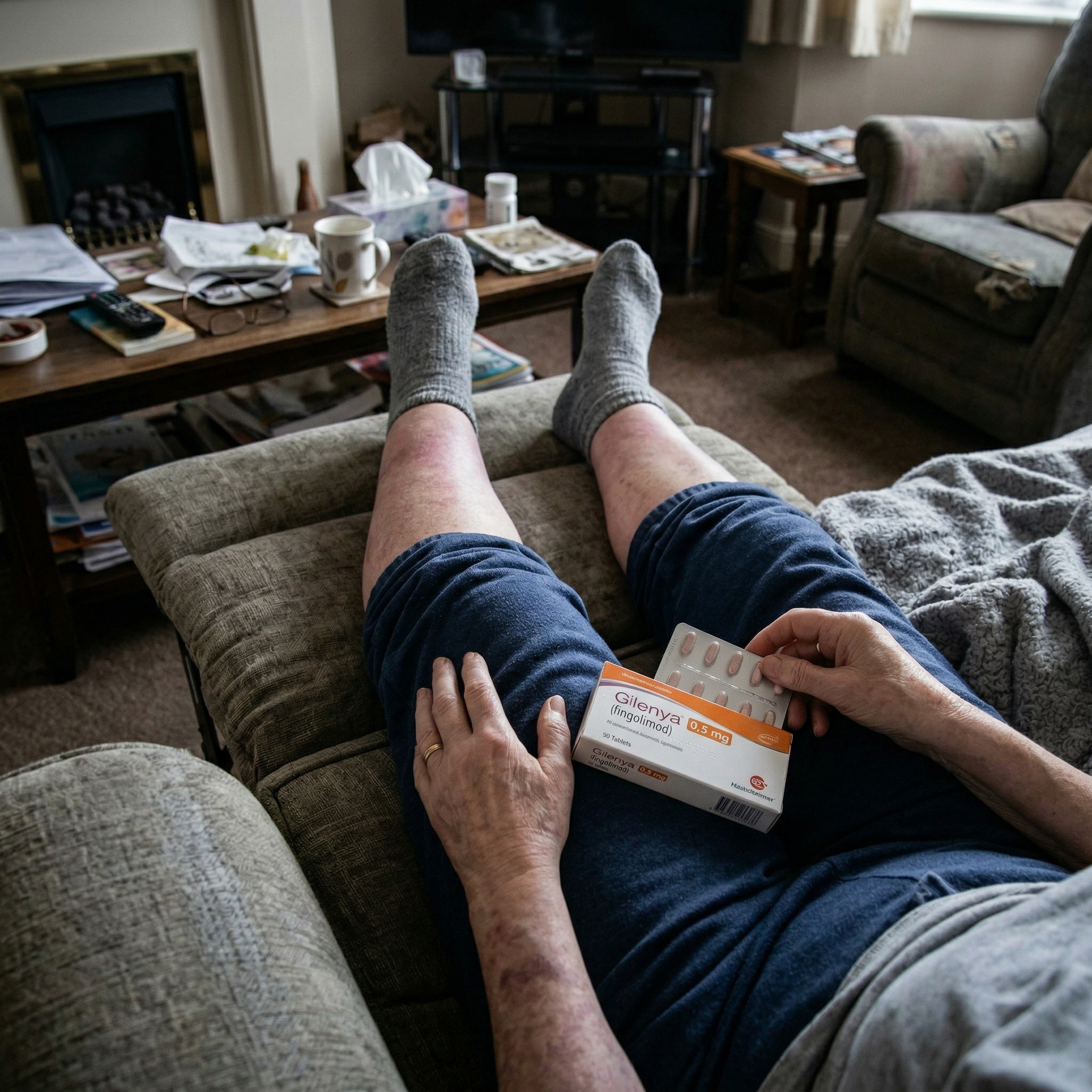
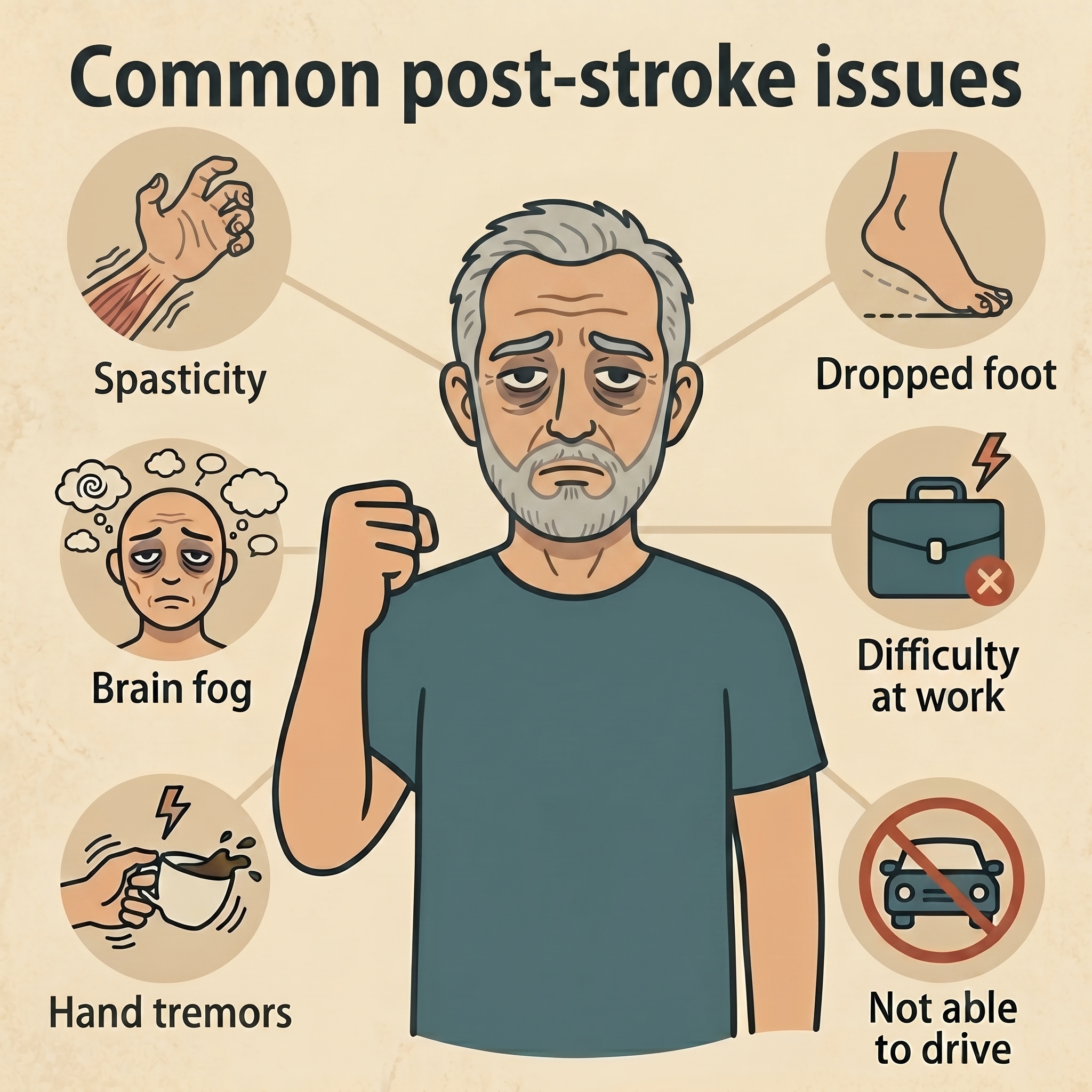
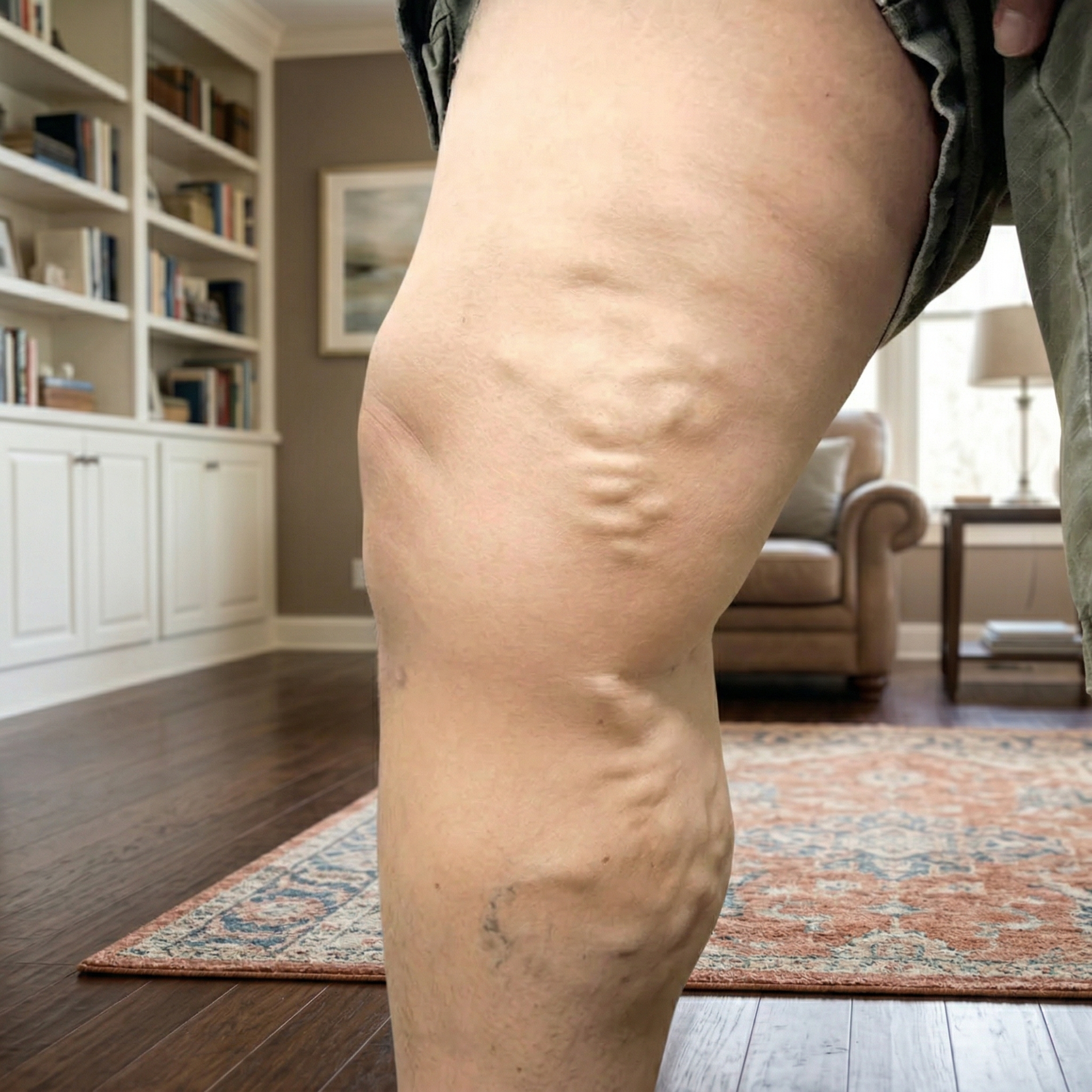
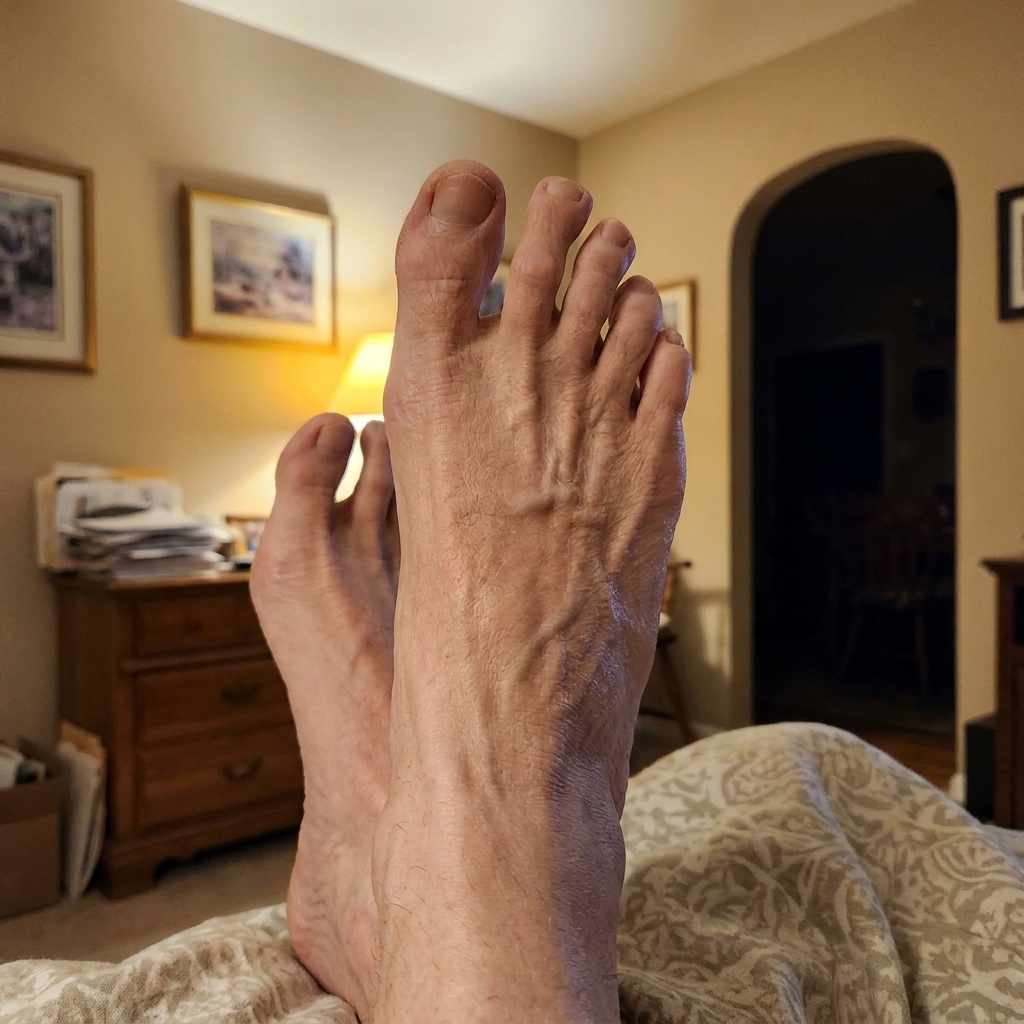
I had a stroke 14 months ago, and the post-stroke foot drop is the symptom that took the one thing I cared most about getting back: walking my dog. My rehab team told me at five months that I had plateaued and that the AFO brace would do most of the work my right leg used to do. I was 63 years old when they sent me home with a brochure on "adapting to your new normal." My name is Frank. I'm 64. And what I want to tell you in this letter is what happened with my dog Murphy this past September that my doctor said was not supposed to be possible. --- If you or someone you love has had a stroke and you've been told you've plateaued, I need you to read this letter the whole way through before you accept it. The plateau may be real for some patients. It was not real for me. And I want to tell you what changed it, and why, because the cost of giving up on recovery is the rest of the life you have left. I'm going to be honest about what I can't promise you, too. I'm not going to tell you this works for everyone. The stroke literature is complicated and stroke survivors are not all the same. But I will tell you what nobody told me at month five. The plateau is not the end of the road. The recovery window stays open longer than your rehab team told you it does. Not forever. Not for everyone. But longer than they told you. And if your AFO is sitting in the corner and you've been told this is as good as you're going to get, please don't put this letter down before you finish it. --- I had an ischemic stroke on a Tuesday morning in July of last year. I was 63. I was a construction foreman for 40 years. I built schools, hospitals, gymnasiums. I'd been retired for 11 months when the stroke happened. I went out to get the mail and I didn't make it back to the porch. My wife Anne found me sitting on the driveway holding the mail in my left hand and unable to figure out why I couldn't get back up. The stroke took the right side of my body. The speech went first, gone for about four weeks. Most of my right arm function disappeared too, for about six weeks. And the ability to lift my right foot when I walked, 14 months later, is the thing I haven't gotten back the way I got everything else back. The speech came back almost completely by month two. The arm came back enough to button shirts and drink coffee. The foot is where the stroke decided to stay. I'd never heard the term "foot drop" before the stroke. I learned what it meant the way most stroke survivors learn what it means. By falling. My right toe would catch on things. The bath mat. The edge of the carpet in the den. The lip of the kitchen step that I'd walked over for 26 years without thinking about it. By month three I was falling at least once a week. By month four my wife had taken every rug out of the house. That was when they fitted me for the AFO. --- The AFO is a plastic brace that holds your ankle in a fixed position so your toes can't catch the ground. It does what it does. It kept me from falling. It did not give me back my right leg. At month five my rehab team had what they called "the conversation." My physical therapist, who I'd worked with for four months and respected, sat me down with my wife in the room and said, "Frank, you've made remarkable progress. You're at your plateau. Most stroke survivors recover the function they're going to recover in the first six months. We're going to discharge you from active PT to outpatient maintenance. The AFO will compensate for what your foot can't do." He gave me the brochure. "Adapting to Your New Normal." The neurologist said something similar at my six-month follow-up. He said the literature was pretty clear on the recovery timeline and that I should be proud of how far I'd come. He said this in the voice that doctors use when they're trying to be both honest and kind at the same time and they don't have a way to do both. My brother Bill is also a doctor. He's a pulmonologist in Seattle. We talked on the phone the night after the six-month follow-up. He told me he'd looked at the stroke recovery literature himself and that the plateau was real and that pushing past it could be dangerous. The way he said it was kind, the way he says everything. His exact words were, "Frank, I love you. Don't beat yourself up about not being who you were." That was the message everywhere. The rehab team said it. So did the neurologist. My brother Bill the doctor said it. My daughter said it after reading her own articles. The support group I went to twice and quit after the second meeting was full of people sharing tips on how to live with the plateau they'd also been told was the rest of their lives. The plateau was real, they told me. The recovery window had closed. The AFO was the rest of my life. I almost believed it. --- The thing that kept me from believing it was a leash. I have a black lab named Murphy. I got him in 2013 when he was eight weeks old. I trained him myself. He's 12 years old now. For 11 years before the stroke, Murphy and I walked the same loop every morning at 5:30 AM. Out the front door, down the driveway, left at the road, into the woods on the trail behind our neighbor Earl's property, around the pond, back to the road, home. About three miles. We did that walk in every weather. In snow. In rain. In the middle of summer when the deer flies were so bad I'd have to wear my old Army hat to keep them off my head. After the stroke I could not walk Murphy anymore. Anne walked him after work for a while. Then she got tired and we hired a neighborhood teenager. Murphy adjusted, the way dogs do. He'd lie by the door at 5:30 AM for the first two months waiting for me. He'd bring his leash to wherever I was sitting and drop it at my feet. Then he stopped bringing the leash. The day Murphy stopped bringing the leash was the day I cried in the kitchen by myself with the dishwasher running so Anne wouldn't hear me. He'd given up on me. Twelve years of trust and one stroke and I had broken the contract between us. His leash had been hanging on the hook by the front door for almost 14 months when this all changed. --- Anne and I went to my regular neurology follow-up in September of last year. There was a man in the waiting room I'd seen before. He was about 70, in a flannel shirt, sitting with his cane across his lap. We'd nodded at each other a few times over the months without talking. That morning his appointment ran late and so did mine and we ended up sitting next to each other for almost 40 minutes. His name was Walter. He was 71. He'd had a hemorrhagic stroke four years earlier. He walked with a cane but he walked unassisted. He told me he and his wife had just gotten back from a fishing trip in Maine where he'd walked half a mile down a pier every morning for a week. I asked him how. I told him about my plateau. About the AFO. About Murphy. I don't usually talk to strangers like that. Something about Walter made me think he might know something I needed to know. He listened to all of it. Then he said, "Frank. I want to tell you what nobody told me at month five either. But I need to tell you something else first, and I need you to take it seriously. Are you on a blood thinner?" I said I was. He said, "Then before I tell you the rest of this, you need to know that what I'm about to recommend has a real interaction with blood thinners. You can't try it without clearing it with your cardiologist first. I had to. My cardiologist watched my numbers for the first month. Yours will too. This is not optional. Do you understand?" I said I understood. Then he told me about the fire. --- He said the thing most stroke survivors are never told is that the damage from the stroke doesn't stop on the day of the stroke. The dead tissue in your brain stays dead. But around the dead tissue there's a zone called the penumbra where the cells are alive but stressed. And around that zone there's chronic inflammation that quietly continues to damage the neurons that survived the stroke for months and years after the event. The plateau, Walter said, isn't that recovery has stopped. The plateau is that recovery is being held back by the inflammation that's still smoldering in your brain. The neurons that should be picking up the slack for the dead ones are themselves damaged and unable to do their job at full strength. If you can lower the fire, he said, those neurons can do more work. The signal to your foot can come through cleaner. The walking can keep improving for years after the doctors told you it was done. Then he told me about NeuroFuel. --- NeuroFuel is a coffee made with five medicinal mushrooms. Chaga lowers the chronic inflammation in the brain. Lion's mane supports a substance called nerve growth factor, which protects the neurons around the stroke damage and helps stimulate the regrowth of axonal connections that have been disrupted. This is the part the medical literature is starting to take seriously. The FDA gave lion's mane a Qualified Health Claim in 2024 for cognitive function. The science is real and it's just now starting to be recognized. Cordyceps supports cellular energy, which matters because stroke survivors are chronically fatigued in ways that healthy people don't understand. Reishi helps with sleep. The Blue Mountain coffee base carries everything across the blood-brain barrier. Walter was honest with me, three times in our conversation, about what NeuroFuel does and doesn't do. It does not undo the stroke. The dead tissue is still dead. The damaged area on your MRI is not going to disappear. The walking that you have lost is not going to come back in a week, and for some patients it will not come back at all. But the fire can be lowered. The surviving neurons can be supported. The plateau, for many of us, turns out not to be a plateau at all. It turns out to be a hill we were told was a wall. He told me again about the blood thinner. Lion's mane has a mild anticoagulant effect on its own, he said, and that's why he wanted me to clear it with my cardiologist before I started. His own cardiologist had adjusted his dosing slightly during the first month. Mine, he said, would probably do the same. He mentioned the batches. The mushrooms are sourced seasonally and the production runs sell out. He said, "Frank, you've already lost a year to the plateau they sold you. Don't lose three more weeks deciding." I called my cardiologist from the parking lot of the neurology clinic that afternoon. --- My cardiologist took it seriously, which I appreciated. He looked at the studies and had me come in for bloodwork. My blood thinner dose got adjusted slightly for the first month, with a recheck at week four. Afterward he told me he wished more patients did this kind of due diligence before adding things to their regimen. He approved it. I ordered that night. For the first three weeks, nothing. I'd hidden the receipt from my brother because I knew exactly what he'd say about it. I would not have been able to defend myself. Week four, Murphy did something he hadn't done in 13 months. I was sitting in the kitchen drinking my morning coffee. Murphy was lying by the back door. Then he got up, walked over to the front door, picked up his leash off the hook, and brought it to me. He dropped it at my feet the way he used to. He sat down and looked at me. I picked up the leash. He stood up. We walked to the end of the driveway. He walked next to me, slow, like he knew. I made it to the end of the driveway and back. Maybe 80 yards round trip. I did not fall. My foot lifted enough to clear the gravel. I cried in the kitchen for an hour afterward. Anne found me. She thought something terrible had happened. I told her what I'd just done. She sat down at the kitchen table and cried too. Week six, Murphy and I walked to the road. About 200 yards. Week eight, Murphy and I walked to Earl's property line. About 400 yards. By week 12, Murphy and I walked the bend in the woods where he used to chase squirrels. About half a mile from the house. --- My brother Bill flew out from Seattle in October. He came for our nephew's wedding but he'd also been told by my daughter that something was different about me, and I think he came to check on me as a doctor too. He didn't say so out loud. The other thing he didn't do was need to. The morning after he arrived, Bill was sitting at our kitchen table drinking coffee. He looked out the back window and watched me come up the path from the woods with Murphy. We'd done a mile and a quarter that morning. I had the AFO on. I had a hiking pole in my left hand. I was slow and I was tired but I had just walked my dog farther than I had walked anywhere in over a year. Bill watched me come into the kitchen. He watched me take off Murphy's leash and hang it on the hook by the front door, the way I'd done it for 11 years before the stroke. Then he watched me sit down at the kitchen table with him. He said, "Frank. How." I told him about Walter, the cardiologist clearance, the four months of NeuroFuel, and the leash that Murphy brought to me on week four. He didn't say anything for a long time. Then he said, "I owe you an apology. I told you what the literature said. I didn't tell you what the literature doesn't say yet." I said, "Bill. I love you. You were trying to keep me from getting hurt. Now I need you to tell other people who've been told they've plateaued that they might not have." He said he would. He's a doctor. I trust him to keep his word on something like that. --- If you've had a stroke and you've been told you've plateaued, I need you to hear me before you accept it. The plateau may be real for you. I'm not going to lie. There are stroke survivors for whom the damage is too extensive and the recovery window has truly closed. But for many of us, the plateau is not a plateau. The plateau is the chronic inflammation in your brain holding back the recovery that's still possible. NeuroFuel is not a stroke cure. It does not undo the damage on your MRI. It does not work for everyone. It is not a substitute for your blood thinner or your blood pressure medication, all of which you need to keep taking exactly as your cardiologist and neurologist prescribed. If you're on a blood thinner, you must clear NeuroFuel with your doctor before starting it. The lion's mane has a mild anticoagulant effect. Walter told me that. My cardiologist confirmed it. I am telling you because this is the kind of information that, if you don't get it, can hurt you. Please don't skip the doctor call. If you do clear it with your doctor, here is what to know. It's about $1.35 a day. There is a 90-day money-back guarantee. The mushrooms are sourced in seasonal batches and the production runs sell out. Walter told me that. He was right. By the time I went back to recommend it to a guy from my old stroke support group, the batch I'd ordered from was already gone. If you're going to try it, do it before you talk yourself out of it. I almost did. I'm very glad I didn't. --- P.S. Murphy turned 13 last month. He's slowing down. His back hips aren't what they used to be. The walks we do now are shorter than the walks we did before the stroke. Sometimes a mile is all we can do. But Murphy brings me the leash every morning now. At 5:30 AM, the way he did for 11 years before all of this happened. He sits by my chair while I drink my coffee. He waits for me to be ready. I am ready more days now than I am not. That is more than the rehab team told me I'd ever have. It's more than my brother the doctor told me to expect. On most mornings, it's more than I quite believe is real. But Murphy brings the leash. And we go.
Relieve foot drop - Naturally
Clinically designed 4-in-1 adaptogenic blend developed to finally free you from foot drop...
LEARN MORELike this ad? Make it yours.
Crush rebuilds this exact creative around your product — your brand, your colors, your offer — in about a minute.