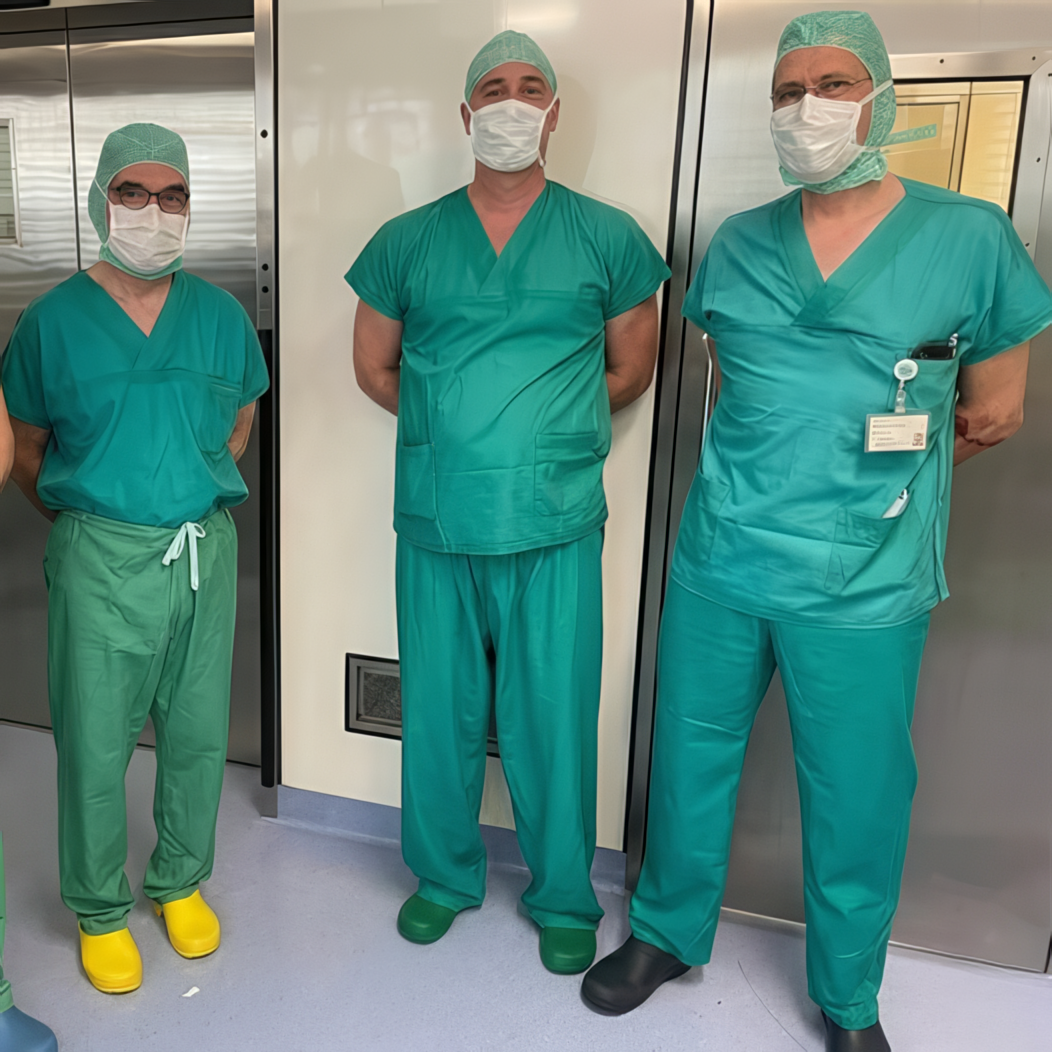
Dr. Erik Lindqvist
Dr. Erik Lindqvist Facebook ad: “8,000 men accepted a catheter they didn't need”
Ran for 3 days, from June 23 to June 25, 2026, the last day Crush saw it.
Run by Dr. Erik Lindqvist on Facebook. Crush is not the advertiser and does not verify its claims. See this ad in Meta's Ad Library(opens in a new tab)
Want an ad like this for your product?
Crush makes new ad images for your product from this ad: your logo, your product photo, your offer.
Trials from $19.95 USD, then $79.95 USD a month. Cancel anytime.
About this ad
- Meta Ad Library ID
- 2054874865433958
- Platforms
- Facebook, Instagram, Audience Network, Messenger and Threads
- Relaunches
- 0
Ad text
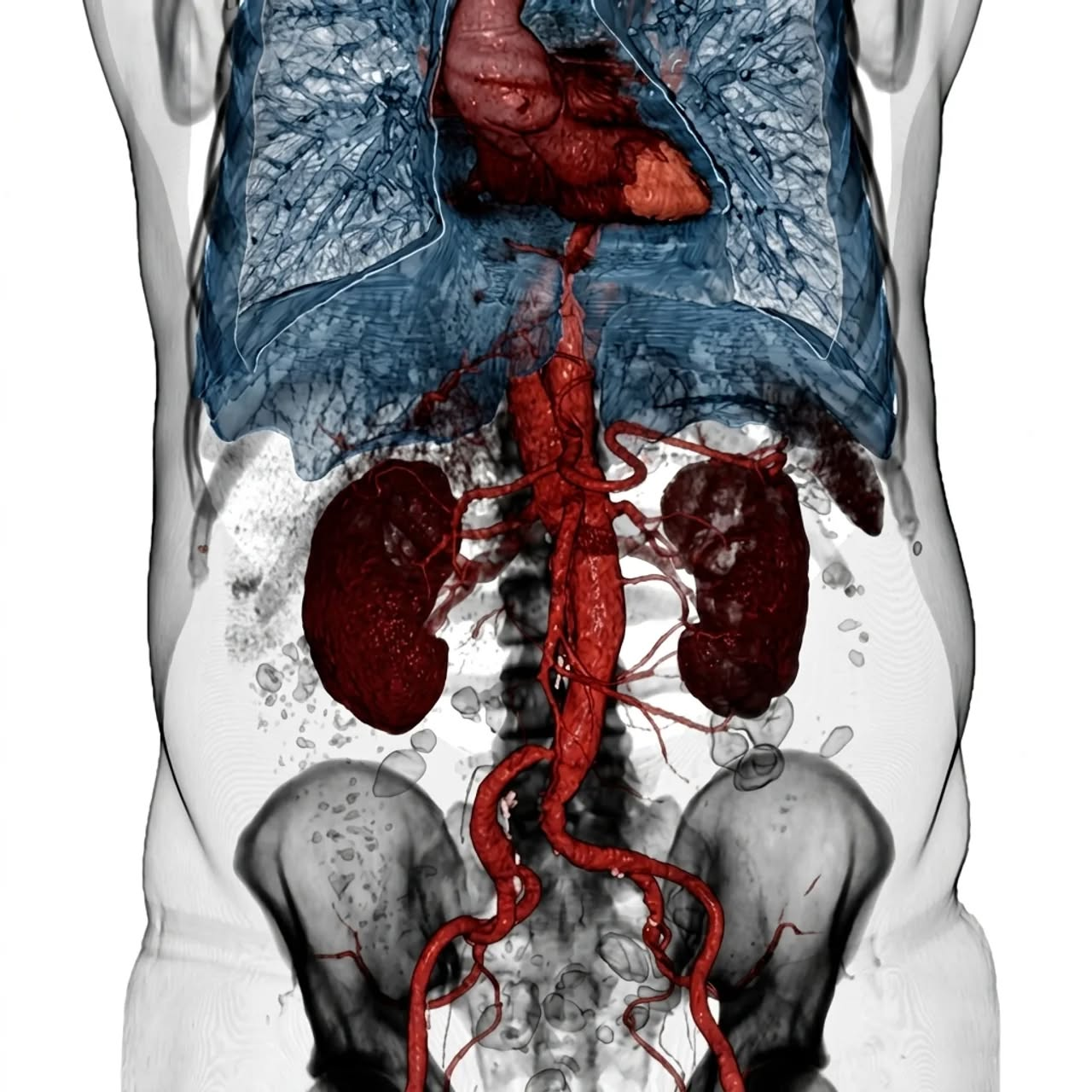
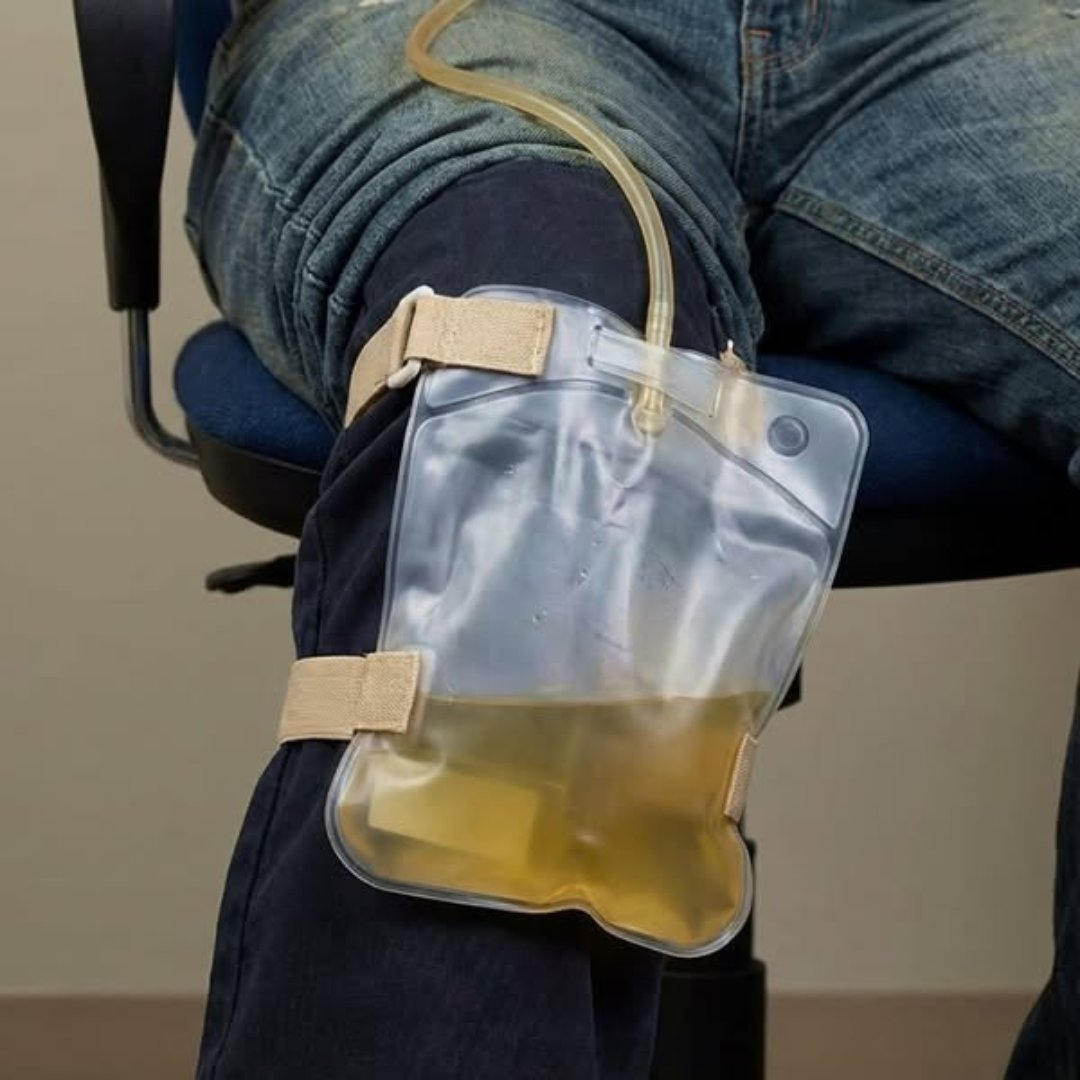
I've watched 8,000+ men accept a catheter who did NOT need one. The conversation always starts the same way. A close call in a supermarket car park. A meeting cut short. A long lunch they had to leave halfway. The urgency that wouldn't wait the thirty seconds it took to reach the toilet. I'm Dr. Erik Lindqvist. Urologist, 18 years. I run the appointments where the word "catheter" gets introduced. The men who arrive at that appointment all describe the same earlier years. The aisle seats. The fluid cutoff at 4pm. The polite excuses for leaving dinner. The fear of being more than fifteen minutes from a toilet. Nothing dramatic. Just the slow narrowing of a man's life. And in almost every case, somewhere in those earlier years, a GP wrote them a prescription for Mirabegron. It worked for a while. The urgency calmed. They stopped worrying. That's the part I need you to understand. Coal miners used to carry canaries into the mine. Not as pets. As a warning system. The canary felt the toxic gas first — because it was the most sensitive creature in the room. When the canary stopped singing, the miner had minutes to get out. Your bladder muscle is the canary. The detrusor — the smooth muscle wall of the bladder — is one of the most microvascular-sensitive muscles in your entire body. It is wired into more nerve and vascular fibres per square millimetre than almost any other smooth muscle you have. When something in your system starts straining, the bladder muscle feels it first. Long before your kidneys do. Long before anything shows up on a routine scan. Your urgency was the canary singing. Every time it fired at 200ml instead of 400. Every time you barely made it. Every wake-up at 3am. The canary was telling you the muscle was clenching, settling into a chronic low-grade contraction state, losing capacity year by year. Mirabegron silences the canary. It chemically forces the muscle to ease for a few hours at a time. The urgency quiets. You stop hearing the warning. And underneath the drug, the muscle keeps tightening. Capacity keeps shrinking. By the time the drug stops touching it — and it always stops touching it — the muscle is far tighter than it was when you started. That's when the catheter conversation begins. I've watched the pattern in 8,000+ men. It is so consistent I can predict the appointment date from the year the urgency started. Urgency at 54, Mirabegron at 55, second drug at 60, catheter conversation at 64. Urgency at 57, Mirabegron at 58, retention episode at 63, catheter conversation at 65. Urgency at 51, ignored for three years, Mirabegron at 54, Botox referral at 60, catheter discussion shortly after. The window between the first warning and the catheter conversation is five to ten years. You are somewhere in it right now. Your GP doesn't see this pattern because he sees you once, writes a prescription, and never tracks the muscle. He's not negligent. He's just not looking at the canary. Three years ago I started a 47-man cohort and tracked them across 120 days using a different approach — not stacking another prescription, but addressing the muscle directly. The botanical we used is called Crataeva nurvala. Used in traditional medicine for 1,500 years for urinary disorders. The 2018 placebo-controlled clinical trial concluded its effect came from an antispasmodic action — an improvement in the tone of the bladder muscles. It doesn't silence the canary. It releases the muscle that's been clenching. In my cohort, daytime urgency episodes dropped from an average of 8 to 2 over twelve weeks. Wake-ups from 4.2 to 1.1 per night. Bladder capacity measurably restored. Robert, 64. Was on the verge of accepting Botox injections. Six weeks on Arctic Bladder Control: urgency episodes from 8 a day to 2. He cancelled the Botox appointment. James, 58. GP wanted to add Solifenacin on top of Mirabegron. He refused. Eight weeks in, his urgency intensity dropped from 8/10 to 3/10. His GP looked at his bladder diary and said whatever you are doing, keep doing it. Andrew, 61. Had already declined dinner invitations for eighteen months. Started Arctic Bladder Control. Week six, he sat through a four-course meal without thinking about it once. FYNE Arctic Bladder Control. 400mg Crataeva at clinical dose, with Lindera, pumpkin seed at the research dose, magnesium and vitamin D3. Formulated in Sweden to pharmaceutical-grade standards. Third-party batch tested. Buy 2 and Get 2 Free Gifts with your order. 90-day money-back guarantee. Long enough to know if your canary is responding. FYNE can't mass-produce it. Arctic Bladder Control has sold out eleven times. Look — if a GP has started using words like we may add something, or let's try a higher dose, or worse, has hinted at Botox or sterile self-catheterisation — don't reach for the cheap prostate capsules on the marketplace sites. Wrong target, trace doses. Same dead end. The canary is still singing. Quietly, maybe. But singing. Get out of the tunnel while you still can. Reclaim your control.
Where the ad sends people
fynesupplements.com
8,000 men accepted a catheter they didn't need
Fyne
Learn more: fynesupplements.com(opens in a new tab)