Dr. Erik Lindqvist
Dr. Erik Lindqvist Facebook ad: “This shows up years before the catheter”

Ran for 3 days, from June 23 to June 25, 2026, the last day Crush saw it.
Run by Dr. Erik Lindqvist on Facebook. Crush is not the advertiser and does not verify its claims. See this ad in Meta's Ad Library(opens in a new tab)
Want an ad like this for your product?
Crush makes new ad images for your product from this ad: your logo, your product photo, your offer.
Trials from $19.95 USD, then $79.95 USD a month. Cancel anytime.
About this ad
- Meta Ad Library ID
- 878819578023869
- Platforms
- Facebook, Instagram, Audience Network, Messenger and Threads
- Relaunches
- 0
Ad text
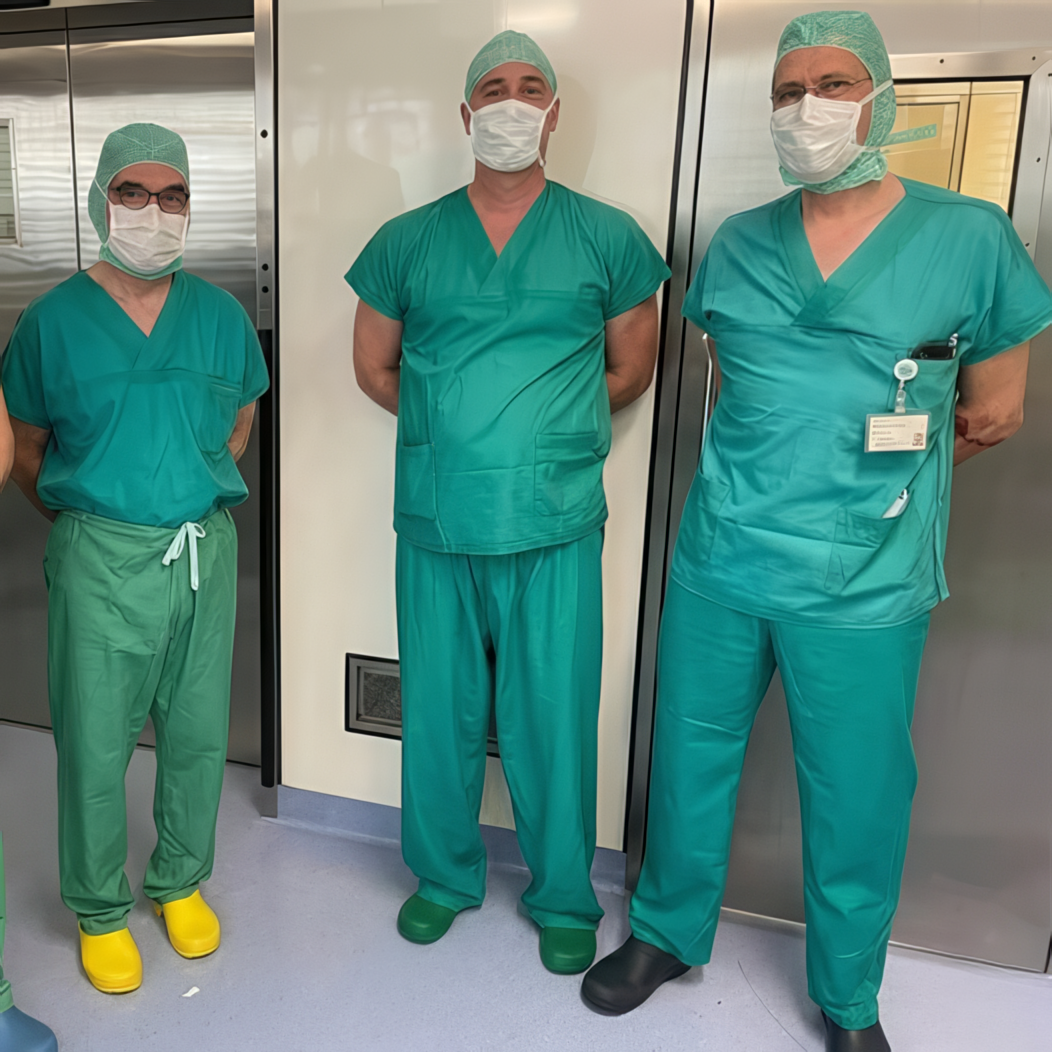
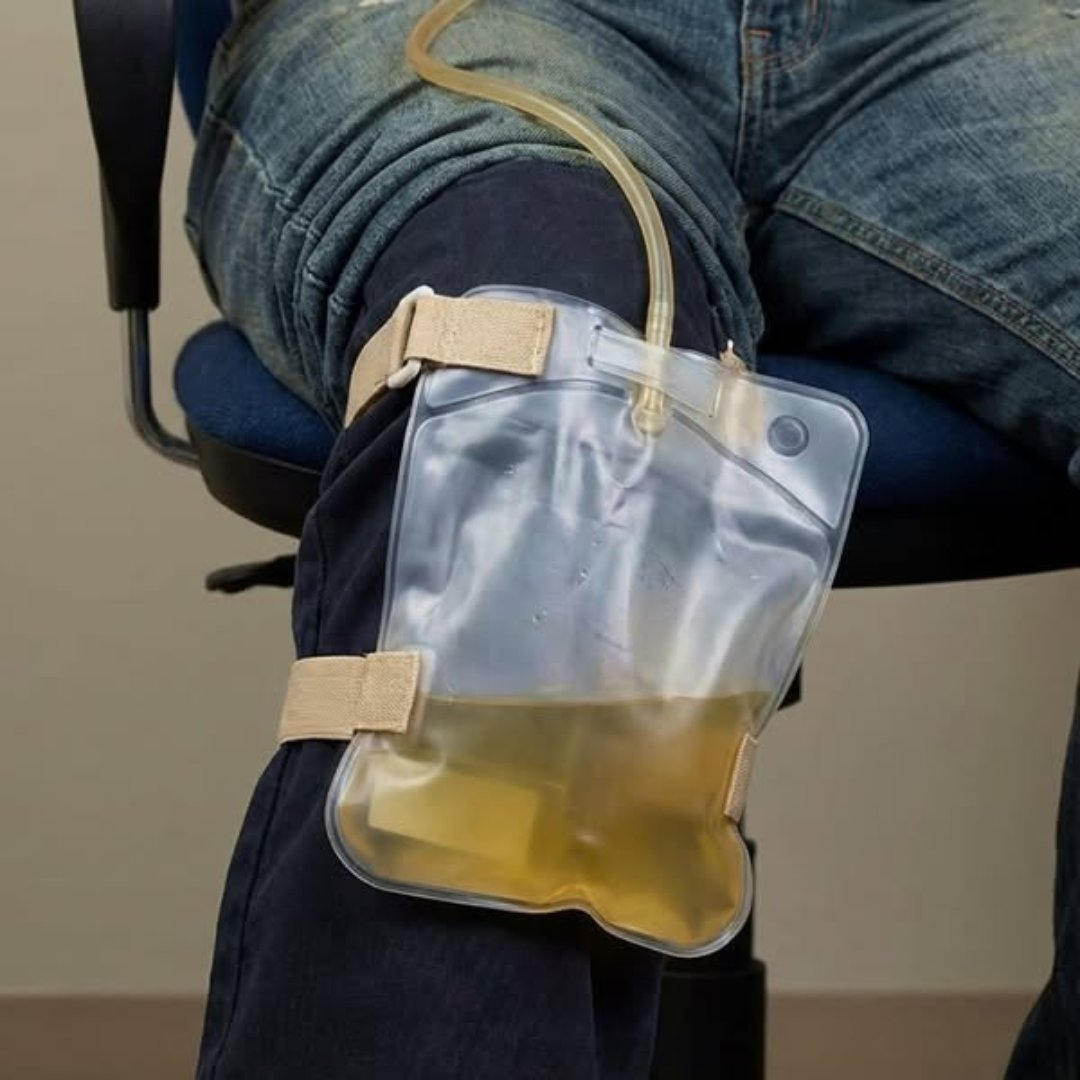
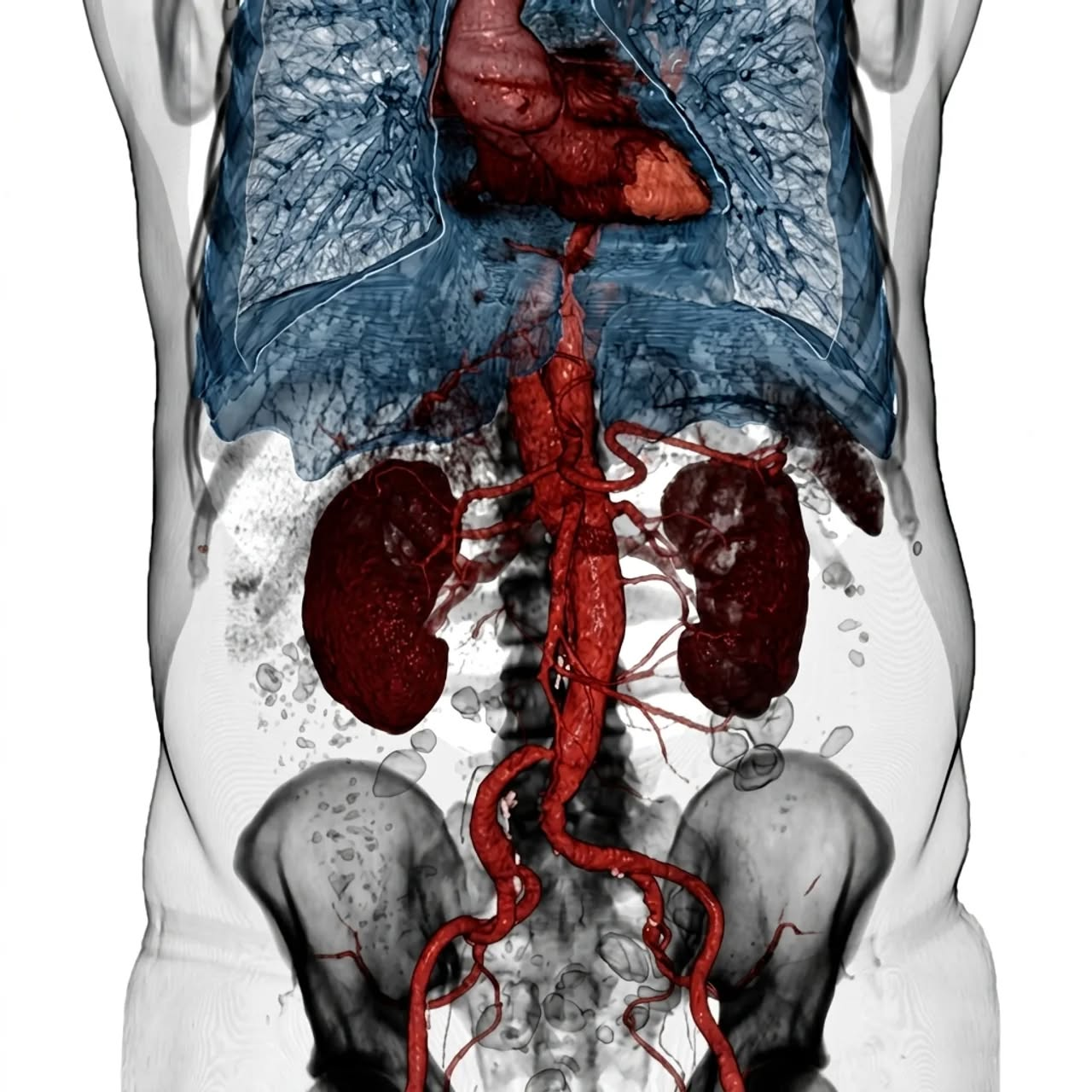
I've treated 2,800+ Type 2 diabetic men for overactive bladder. Every single one had urgency and nocturia for 5-10 years before the more serious bladder complications followed. And almost every single one was on Mirabegron when the word "catheter" entered the room. I'm Dr. Erik Lindqvist. Urologist, 18 years. I specialise in the bladders of diabetic men. When a Type 2 diabetic man ends up in my clinic at 65 with retention, repeated infections, or his GP raising the word "catheter," I already know his timeline without asking. Urgency started 5-10 years ago. Nocturia got progressively worse. Started Mirabegron at 25mg. Worked fine for a while. Stopped worrying about it. Meanwhile his HbA1c stayed between 7.5 and 8.5. His statin dose climbed. His blood pressure required two medications instead of one. And the same microvascular damage causing his bladder symptoms kept advancing through his other organs the entire time. The Mirabegron worked, briefly. That's part of the problem. Because while it chemically forced his bladder muscle to ease for a few hours at a time, the small vessels in his bladder wall kept deteriorating. His glucose kept damaging those vessels. His bladder capacity kept shrinking. The muscle stayed clenched underneath the drug. And now he's getting referred for Botox into the bladder. Or surgical evaluation. Or sterile catheter training. And he says the same thing they all say: "Doc, I thought because the pill was working, everything was fine." Here's what I know from 18 years of treating diabetic bladders: Your overactive bladder isn't happening because you're getting older. It's happening because chronic high blood sugar is damaging the microvascular tissue throughout your body — including the small vessels in your bladder wall — and those vessels feed the smooth muscle that controls your bladder. The detrusor — the muscle that empties your bladder — is one of the most microvascular-sensitive smooth muscles in your entire body. It feels the damage first. Long before your kidneys do. Long before your heart shows it on a scan. That's why your bladder is the warning system. When you're Type 2 diabetic, urgency and nocturia don't show up because of "ageing." They show up because the muscle is starving for proper blood supply and is settling into a chronic low-grade contraction. Year after year. The capacity shrinks. The wake-ups multiply. I've seen it thousands of times. The pattern is so consistent I can predict a man's bladder diary just from knowing when his diabetes started. Nocturia at 56, Mirabegron at 57, retention episodes at 62. Urgency at 51, Mirabegron at 52, Botox referral at 58. Five to ten years. Almost every time. Your GP doesn't see this because he sees a patient once for a urinary complaint, writes Mirabegron, and never tracks how the bladder is actually changing. Your endocrinologist knows diabetes affects every system, but he doesn't treat bladder dysfunction and doesn't audit the timeline. I'm one of the few who sees the whole picture. Five years ago, I started a 47-patient cohort study to track what happened to diabetic men when, instead of stacking another prescription, we addressed the bladder muscle directly. Average daytime voids dropped from 9.4 to 5.6. Average wake-ups dropped from 4.2 to 1.1. Average urgency intensity dropped from 7.8 to 3.2. Without adding a single new prescription. In Type 2 diabetic men specifically. The intervention was a botanical called Crataeva nurvala. The 2018 placebo-controlled trial concluded the effect came from "an improvement in the tone of the bladder's muscles." An antispasmodic effect on the detrusor itself. Now here's why this matters specifically for diabetic men. Crataeva acts directly on the bladder smooth muscle through a documented antispasmodic pathway. It doesn't depend on intact endothelial signalling. It doesn't require the bladder microvasculature to be free of damage. It doesn't compete with metformin, statins, or BP medications. And it stacks cleanly with the formula's other pieces — magnesium (which 70% of Type 2 diabetic men are deficient in, well-documented in the literature), vitamin D3 (also widely deficient), Lindera aggregata for neuromuscular signalling, and pumpkin seed at the clinical 200mg for bladder wall integrity. This isn't a diabetes treatment. It will not lower your HbA1c. It will not heal your microvascular damage. What it can do is address the bladder muscle directly, without adding a sixth prescription to your stack, while you continue managing your diabetes the way your endocrinologist wants you to. Three cohort patients: Robert, 64, Type 2 for 15 years — six weeks on Arctic Bladder Control: daytime trips from 8 to 4, wake-ups from 3 to 1. James, 62, diabetic 18 years with early nephropathy — nephrologist signed off on the formulation. Andrew, 58, on five medications already — refused the sixth, slept through the night by week five. Your Mirabegron works because it chemically forces the bladder muscle to ease for a few hours. It overrides the urgency signal for a chemical window. But the muscle tension underneath keeps progressing. And in 5-10 years — the exact timeline I've documented in 2,800+ diabetic men — you end up in a clinic discussing Botox into the bladder, or sterile catheter training. Or you can do what my cohort did. Spend 8-12 weeks attempting bladder muscle relaxation at the source and see what your bladder diary shows. Buy 2 and Get 2 Free Gifts with your order. 90-day money-back guarantee — long enough to know if it's working. Most cohort patients felt the difference between weeks 2 and 6. As a Type 2 diabetic man, your overactive bladder is your 5-10 year early warning system. You're somewhere in that timeline right now. Use it while you still can.
Where the ad sends people
fynesupplements.com
This shows up years before the catheter
Fyne
Learn more: fynesupplements.com(opens in a new tab)